
No products in the cart.
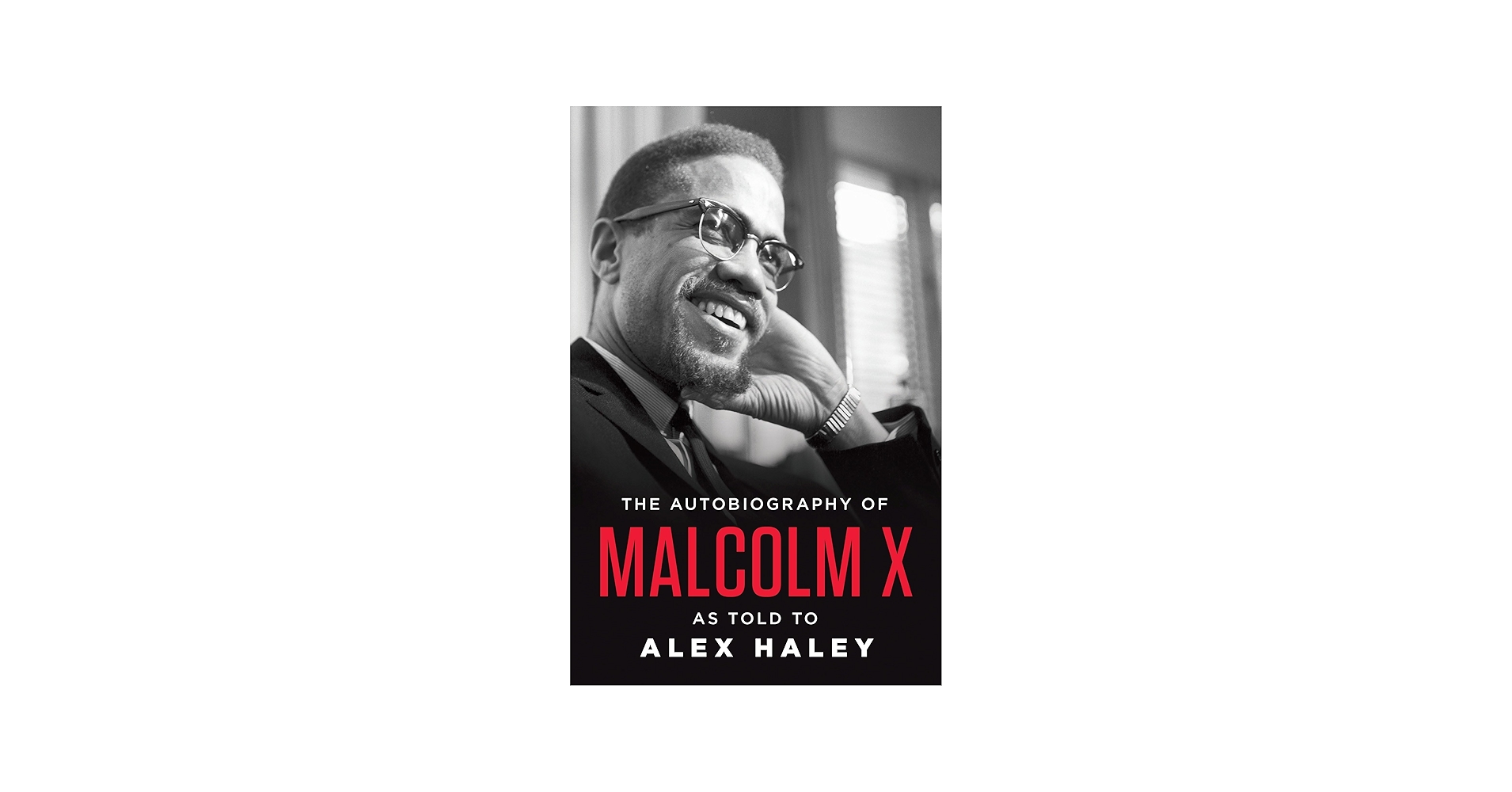
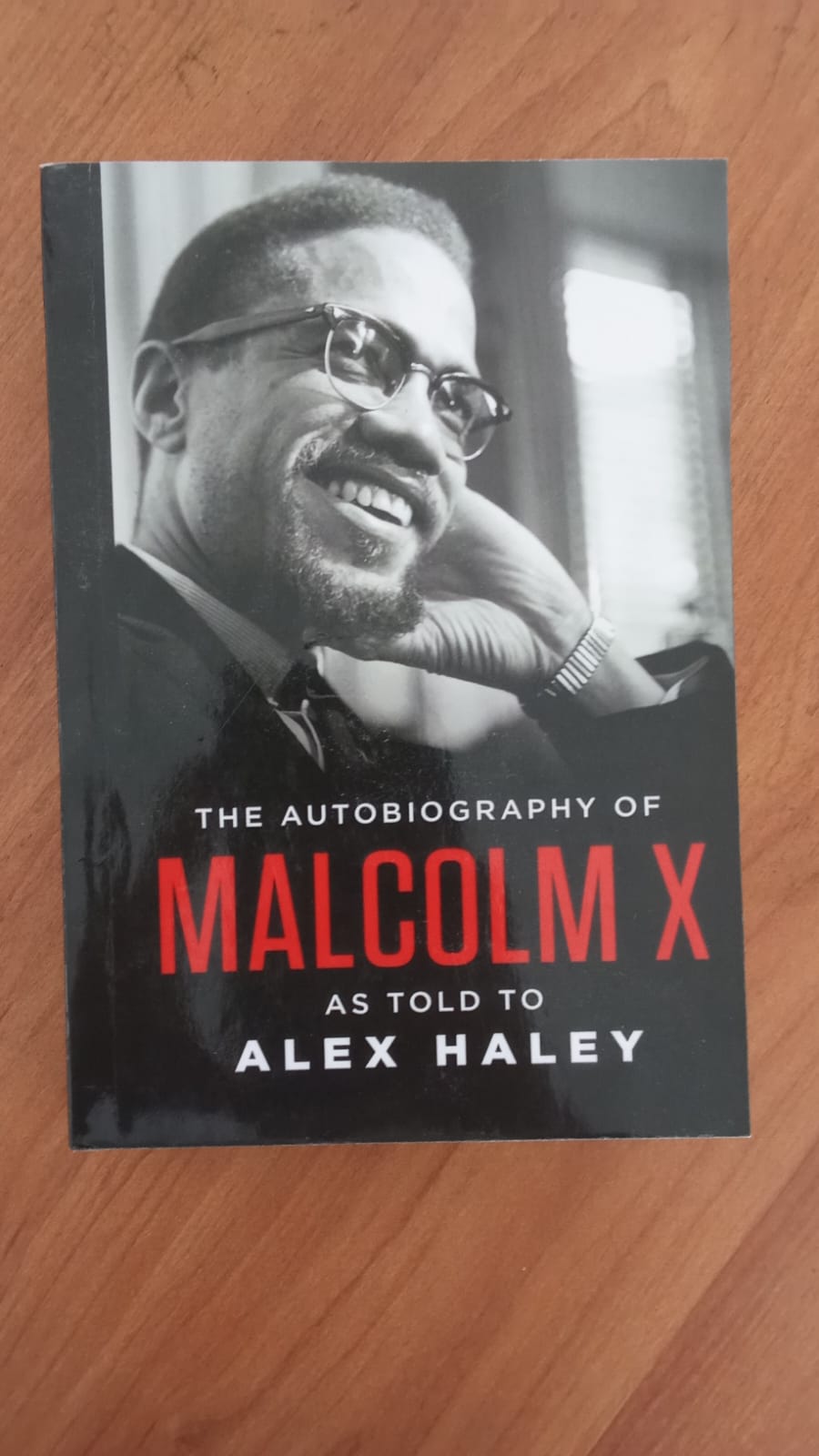






Autobiography Of Malcolm X by Malcolm X, Alex Haley,


රු2,550.00
3 X Rs. 850.00 or 8% Cashback with


or 3 X රු850.00 with


or up to 4 X රු637.50 with


Short Description
The Autobiography of Malcolm X by Malcolm X and Alex Haley is a powerful and inspiring life story that traces a journey from hardship to transformation, exploring identity, justice, and the impact of self-education.
2 in stock
Autobiography of Malcolm X
Autobiography of Malcolm X is one of the most influential autobiographical works of the twentieth century.
Told by Malcolm X to writer Alex Haley, the book follows Malcolm’s extraordinary journey through childhood, hardship, crime, imprisonment, education, faith, activism, and personal transformation.
It is both a deeply personal life story and an important work about race, identity, social justice, religion, and American history.
Why Read Autobiography of Malcolm X?
Autobiography of Malcolm X gives readers an opportunity to understand Malcolm X through his own experiences and reflections.
The book does not present a simple or unchanging portrait.
Instead, readers witness a person whose beliefs and understanding of the world continue to develop throughout his life.
That transformation is one of the book’s most powerful elements.
Malcolm X’s Early Life
Malcolm X was born Malcolm Little.
His childhood was shaped by poverty, racism, family disruption, and instability.
These experiences influenced the way he understood society from a young age.
His early life helps readers understand the environment that later shaped his anger, ambition, and political awareness.
A Life That Changed Direction
As a young man, Malcolm entered a very different world.
His life eventually involved crime and imprisonment.
Prison became a major turning point.
Rather than allowing imprisonment to end his future, he began using the time to educate himself.
This period became central to his personal transformation.
The Power of Education
Education is one of the strongest themes in Autobiography of Malcolm X.
Malcolm became deeply committed to reading and learning while imprisoned.
Books gave him access to history, language, religion, politics, and ideas that he had not previously explored.
His story demonstrates how self-education can transform the way a person understands both themselves and society.
Identity and Transformation
Malcolm’s identity changes repeatedly throughout the autobiography.
He is not the same person at the end of the story that he was at the beginning.
Different experiences challenge his earlier beliefs.
New information changes his perspective.
This makes the book a compelling study of personal growth.
It shows that changing your mind can sometimes be a sign of learning rather than weakness.
Malcolm X and the Nation of Islam
While in prison, Malcolm encountered the teachings of Elijah Muhammad and the Nation of Islam.
After his release, he became one of the organization’s most prominent public speakers. Penguin Random House describes his rise from imprisonment to becoming a leading spokesman for the movement.
His ability to speak directly and forcefully helped make him a nationally recognized figure.
Leadership and Communication
Autobiography of Malcolm X is also fascinating for readers interested in leadership and communication.
Malcolm became known for his ability to speak to large audiences.
He communicated complicated ideas with clarity and intensity.
His public speaking demonstrates how language can influence political and social movements.
Readers interested in communication, persuasion, and leadership may find this part of his life especially valuable.
A Changing Worldview
One of the most important parts of the autobiography is Malcolm’s willingness to reconsider his beliefs.
His experiences eventually led him away from the Nation of Islam.
He later established Muslim Mosque, Inc. and the Organization of Afro-American Unity.
This stage of his life demonstrates how dramatically his political and religious thinking continued to evolve.
Faith and Spiritual Development
Religion is central to Malcolm’s story.
His faith influences his identity, discipline, worldview, and political ideas.
However, his religious understanding also changes over time.
This makes the book particularly interesting because readers witness spiritual development rather than a fixed set of beliefs.
Race and American Society
Autobiography of Malcolm X directly examines racism in American society.
Malcolm describes how racial discrimination affected his own life and the lives of Black Americans around him.
The book also reflects wider debates about civil rights, political power, economic inequality, and social change.
These themes make the autobiography important not only as a personal story but also as a historical document.
Personal Responsibility and Discipline
Another major theme is self-discipline.
Malcolm’s transformation involved changing how he used his time.
Reading became important.
Learning became important.
Communication became important.
He gradually developed a stronger sense of purpose.
His journey shows how personal discipline can dramatically change the direction of a life.
Working With Alex Haley
Malcolm X worked with journalist and writer Alex Haley for almost two years while developing the autobiography.
Haley listened to Malcolm’s story and helped shape it into the book readers know today.
Penguin Random House credits Malcolm X as the author and Alex Haley as the person to whom the autobiography was told.
A Book Published After Malcolm X’s Death
Malcolm X did not live to see the completed autobiography published.
The official Malcolm X website states that the book was published in November 1965, after Malcolm’s death earlier that year.
This gives the work additional historical significance.
It preserves his reflections in his own voice while documenting a life that ended during a period of major social change.
Why the Book Remains Important
Autobiography of Malcolm X continues to attract readers because it combines personal transformation with major historical questions.
It is about one individual.
But it is also about society.
Readers encounter ideas about race, religion, education, politics, identity, leadership, family, and personal responsibility.
The book encourages readers to think critically rather than offering simple answers.
Perfect for Readers Interested In
Autobiography of Malcolm X is an excellent choice for readers interested in:
- Biography and autobiography
- Malcolm X
- Black history
- American history
- Civil rights
- Personal transformation
- Leadership
- Self-education
- Politics and society
- Religion
- Social justice
- Historical memoirs
It can appeal to readers of both history and personal-development books.
About Malcolm X
Malcolm X was an influential American political and religious leader whose speeches and activism made him one of the best-known Black public figures of the twentieth century.
His life involved repeated transformation, from Malcolm Little to a major Nation of Islam spokesman and later an independent political and religious leader.
His autobiography preserves the story of that transformation in remarkable detail.
Buy Autobiography of Malcolm X in Sri Lanka
Looking for Autobiography of Malcolm X in Sri Lanka?
This powerful memoir is an excellent choice for readers interested in history, identity, leadership, personal transformation, race, religion, and social justice.
Follow Malcolm X’s journey through hardship, imprisonment, education, activism, faith, and constantly evolving ideas.
Add Autobiography of Malcolm X to your biography and history collection today.https://www.penguinrandomhouse.com/books/106490/the-autobiography-of-malcolm-x-by-malcolm-x-as-told-to-alex-haley/
Be the first to review “Autobiography Of Malcolm X by Malcolm X, Alex Haley,”
Related products
Out of stock
Non-Fiction & Knowledge
රු1,500.00
3 X Rs. 500.00 or 8% Cashback with
or 3 X රු500.00 with
or up to 4 X රු375.00 with
Non-Fiction & Knowledge
රු1,550.00
3 X Rs. 516.67 or 8% Cashback with
or 3 X රු516.67 with
or up to 4 X රු387.50 with
-24%
Non-Fiction & Knowledge
Original price was: රු2,300.00.රු1,750.00Current price is: රු1,750.00.
3 X Rs. 583.33 or 8% Cashback with
or 3 X රු583.33 with
or up to 4 X රු437.50 with
Out of stock
Non-Fiction & Knowledge
රු1,600.00
3 X Rs. 533.33 or 8% Cashback with
or 3 X රු533.33 with
or up to 4 X රු400.00 with
Out of stock
Non-Fiction & Knowledge
රු1,800.00
3 X Rs. 600.00 or 8% Cashback with
or 3 X රු600.00 with
or up to 4 X රු450.00 with
-26%
Non-Fiction & Knowledge
The 7 Habits of Highly Effective People by Stephen R. Covey – Blue Cover
Original price was: රු2,300.00.රු1,700.00Current price is: රු1,700.00.
3 X Rs. 566.67 or 8% Cashback with
or 3 X රු566.67 with
or up to 4 X රු425.00 with
රු2,000.00
3 X Rs. 666.67 or 8% Cashback with
or 3 X රු666.67 with
or up to 4 X රු500.00 with
Out of stock
Autobiography
රු2,750.00
3 X Rs. 916.67 or 8% Cashback with
or 3 X රු916.67 with
or up to 4 X රු687.50 with
Reviews
There are no reviews yet.