
No products in the cart.
-24%
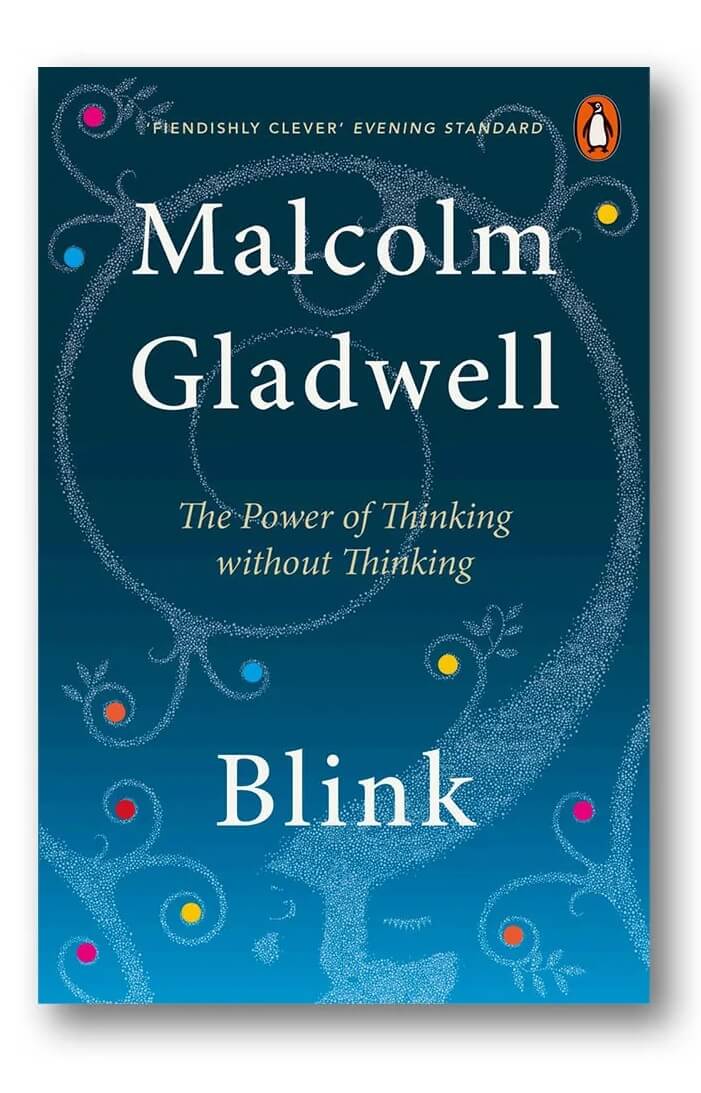
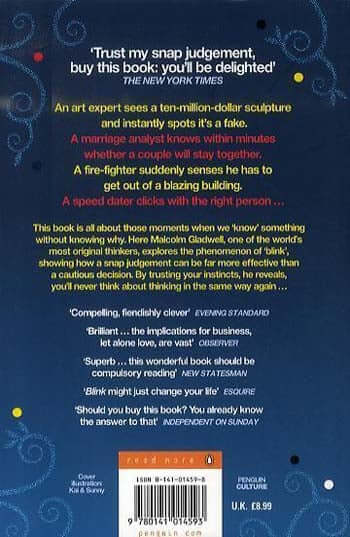
Blink by Malcolm Gladwell

Original price was: රු2,100.00.රු1,600.00Current price is: රු1,600.00.
3 X Rs. 533.33 or 8% Cashback with


or 3 X රු533.33 with


or up to 4 X රු400.00 with


Unlock the power of intuition with ‘Blink: The Power of Thinking Without Thinking’ by Malcolm Gladwell. This bestselling book explores the art of decision-making, offering insights into the subconscious mind and the impact of split-second judgments. Ideal for readers seeking to enhance their decision-making skills and understand the nuances of intuitive thinking.
Out of stock
Email when stock available
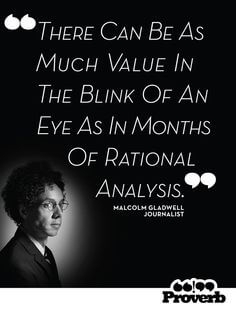
Blink: The Power of Thinking Without Thinking
Blink by Malcolm Gladwell is a fascinating psychology and decision-making book about intuition, first impressions, rapid judgments, expertise, bias, and the surprising power of thinking quickly.
Gladwell examines decisions that seem to happen instantly but are often shaped by complex mental processes operating beneath conscious awareness.
The book asks an important question.
When should we trust our instincts, and when should we slow down and think more carefully?
Why Read Blink?
Blink is ideal for readers interested in psychology, business, leadership, communication, behaviour, and better decision-making.
Many important choices are not made after hours of analysis.
Sometimes people decide within seconds.
A doctor may form an impression quickly.
A recruiter may judge a candidate almost immediately.
An experienced professional may recognize that something feels wrong before being able to explain exactly why.
Gladwell explores when these rapid judgments can be useful and when they can become dangerous.
The Power of First Impressions
First impressions happen extremely quickly.
We notice facial expressions, tone of voice, posture, surroundings, and behaviour before consciously analysing every detail.
Sometimes this ability helps us recognize patterns.
At other times, it can lead to incorrect assumptions.
That tension is one of the central ideas in the book.
Thinking Without Thinking
The subtitle describes the book’s main subject.
People often process information before they consciously realize they are doing so.
Psychologists sometimes describe these fast and automatic processes as part of the adaptive unconscious.
Gladwell uses stories and research to make these ideas accessible to general readers.
What Is Thin-Slicing?
One important idea associated with Blink is the ability to make judgments based on a very small amount of information.
Rather than analysing everything available, experienced people may identify a few meaningful clues.
This can sometimes produce surprisingly accurate results.
The challenge is knowing whether the information being noticed is actually relevant.
Expertise Can Improve Intuition
Intuition is not always random guessing.
A highly experienced person may recognize patterns that a beginner cannot see.
Years of practice can create knowledge that becomes difficult to explain step by step.
A musician may hear that something is wrong.
An athlete may react before consciously calculating the movement.
A professional may recognize a familiar pattern almost instantly.
But Intuition Can Also Fail
Blink does not argue that every instinct should be trusted.
Fast thinking can also be influenced by stereotypes, expectations, emotions, and unconscious bias.
That means confidence alone is not proof that a judgment is accurate.
A person may feel absolutely certain and still be wrong.
The Problem With Bias
Bias is one of the most important dangers of rapid judgment.
People may unknowingly make assumptions based on appearance, background, gender, race, age, or other characteristics.
These assumptions can influence decisions before conscious reasoning begins.
The book explores how first impressions can therefore become both useful and misleading.
Too Much Information Can Be a Problem
People often assume that more information always leads to better decisions.
Gladwell challenges that assumption.
Sometimes extra information helps.
Sometimes it creates distraction.
Experts may perform better when they focus on the few variables that genuinely matter instead of becoming overwhelmed by unnecessary detail.
Fast Decisions in Business
Blink contains ideas that can be useful for business readers.
Managers frequently make decisions with incomplete information.
Customers make quick judgments about products.
Recruiters evaluate candidates.
Salespeople read reactions.
Entrepreneurs choose between opportunities.
Understanding the strengths and weaknesses of rapid thinking can improve awareness in all of these situations.
Marketing and Consumer Behaviour
First impressions also matter in marketing.
A customer may form an opinion about a website within seconds.
Packaging can influence perception.
A brand name can create expectations.
Even small visual details may affect how people interpret a product.
Understanding fast judgment can therefore be useful for people working in marketing, sales, design, and customer experience.
Leadership and Decision-Making
Leaders often need to make decisions quickly.
However, speed should not become an excuse for careless thinking.
The strongest decision-makers understand which situations benefit from experience and intuition.
They also recognize when a problem requires data, discussion, or additional time.
Knowing when to slow down can be just as important as knowing when to act quickly.
Can Intuition Be Trained?
One of the encouraging ideas behind Blink is that rapid judgment can improve.
Experience matters.
Feedback matters.
Practice matters.
If someone repeatedly makes decisions and receives accurate feedback, they may become better at recognizing meaningful patterns.
This is very different from simply trusting every feeling.
The Danger of Overconfidence
People often confuse confidence with accuracy.
Someone who speaks quickly and decisively may appear more knowledgeable.
But certainty can be misleading.
Good decision-making requires the ability to question your own assumptions.
Sometimes the smartest response is to admit that you do not yet have enough information.
Psychology Through Storytelling
One reason Malcolm Gladwell’s books are widely read is his storytelling approach.
Rather than presenting psychology only through academic language, he builds chapters around people, experiments, unexpected situations, and real-world decisions.
That makes complex behavioural ideas easier to understand.
Hachette identifies Gladwell as the author of multiple New York Times bestsellers, including Blink, The Tipping Point, Outliers, Talking to Strangers, and Revenge of the Tipping Point.
7 Powerful Lessons from Blink
1. First impressions can contain useful information.
The brain can recognize patterns surprisingly quickly.
2. Experience improves certain instincts.
Expert intuition can develop through years of practice.
3. Confidence does not guarantee accuracy.
Feeling certain and being correct are different things.
4. Bias can distort judgment.
Automatic thinking may contain assumptions we do not consciously recognize.
5. More information is not always better.
Useful information matters more than information volume.
6. Some decisions require slower thinking.
Not every choice should be made instantly.
7. Better awareness can improve judgment.
Understanding how decisions are formed can help people recognize their own weaknesses.
Perfect for Readers Interested In
Blink is a strong choice for readers interested in:
- Psychology
- Decision-making
- Human behaviour
- Intuition
- Business
- Leadership
- Marketing
- Unconscious bias
- Personal development
- Critical thinking
- Malcolm Gladwell books
- Behavioural science
It is especially suitable for readers who enjoy psychology explained through memorable real-world stories.
About Malcolm Gladwell
Malcolm Gladwell is a bestselling author and cofounder of Pushkin Industries.
His published books include The Tipping Point, Blink, Outliers, What the Dog Saw, David and Goliath, Talking to Strangers, The Bomber Mafia, and Revenge of the Tipping Point.
His work frequently examines surprising patterns in psychology, society, business, history, and human behaviour.
Build Your Psychology Collection
Readers who enjoy Blink may also want to explore Outliers, The Tipping Point, or Talking to Strangers.
Add internal links to your Psychology, Business, Self-Development, and Malcolm Gladwell Books categories.
These links can also help Rank Math detect relevant internal links.
Buy Blink in Sri Lanka
Looking for Blink in Sri Lanka?
Malcolm Gladwell’s bestselling book is an engaging choice for readers interested in intuition, first impressions, psychology, decision-making, expertise, bias, and human behaviour.
Discover why some decisions made in seconds can be remarkably effective while others can lead us in completely the wrong direction.
Add Blink to your psychology, business, or personal-development collection today. https://www.hachettebookgroup.com/titles/malcolm-gladwell/blink/9780316172325/
| Author | Malcolm Gladwell |
|---|---|
| Language | English |
| Type | Paperback Printed Book |
| ISBN/ISSN | 978-0141014593, 9780141014593 |
| Pages | 304 |
Be the first to review “Blink by Malcolm Gladwell”
Related products
-17%
Out of stock
Non-Fiction & Knowledge
Original price was: රු2,900.00.රු2,400.00Current price is: රු2,400.00.
3 X Rs. 800.00 or 8% Cashback with
or 3 X රු800.00 with
or up to 4 X රු600.00 with
Out of stock
Non-Fiction & Knowledge
රු1,600.00
3 X Rs. 533.33 or 8% Cashback with
or 3 X රු533.33 with
or up to 4 X රු400.00 with
Non-Fiction & Knowledge
රු1,700.00
3 X Rs. 566.67 or 8% Cashback with
or 3 X රු566.67 with
or up to 4 X රු425.00 with
-28%
Self-Help & Psychology
Original price was: රු1,800.00.රු1,300.00Current price is: රු1,300.00.
3 X Rs. 433.33 or 8% Cashback with
or 3 X රු433.33 with
or up to 4 X රු325.00 with
-13%

Out of stock
Non-Fiction & Knowledge
Original price was: රු3,900.00.රු3,400.00Current price is: රු3,400.00.
3 X Rs. 1,133.33 or 8% Cashback with
or 3 X රු1,133.33 with
or up to 4 X රු850.00 with
-19%

Out of stock
Biography
Original price was: රු2,400.00.රු1,950.00Current price is: රු1,950.00.
3 X Rs. 650.00 or 8% Cashback with
or 3 X රු650.00 with
or up to 4 X රු487.50 with
-34%

Self-Help & Psychology
Original price was: රු2,350.00.රු1,550.00Current price is: රු1,550.00.
3 X Rs. 516.67 or 8% Cashback with
or 3 X රු516.67 with
or up to 4 X රු387.50 with
-34%
Non-Fiction & Knowledge
Original price was: රු2,250.00.රු1,490.00Current price is: රු1,490.00.
3 X Rs. 496.67 or 8% Cashback with
or 3 X රු496.67 with
or up to 4 X රු372.50 with
Reviews
There are no reviews yet.