No products in the cart.
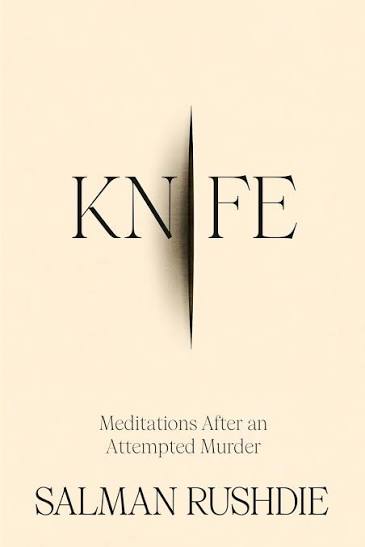
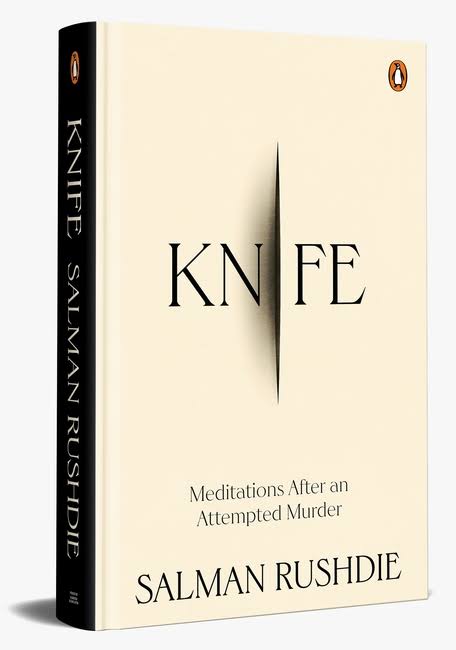
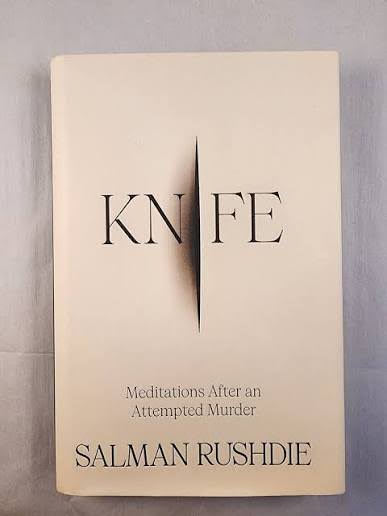
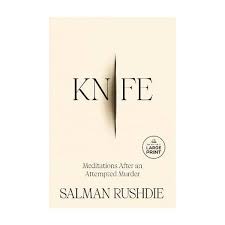
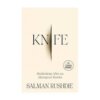
Knife: Meditations After an Attempted Murder by Salman Rushdie – Hardcover
රු2,400.00
3 X Rs. 800.00 or 8% Cashback with


or 3 X රු800.00 with


or up to 4 X රු600.00 with


Knife: Meditations After an Attempted Murder by Salman Rushdie is a deeply personal memoir about surviving the 2022 attack that nearly took his life.
Rushdie reflects on recovery, mortality, love, literature, freedom of expression and the people who helped him rebuild his life.
A powerful choice for readers of memoir, literary nonfiction, biography and contemporary literature.
Author: Salman Rushdie
Format: Hardcover
Pages: 320
Genre: Memoir / Literary Non-Fiction
10 in stock
Knife: Meditations After an Attempted Murder by Salman Rushdie – Hardcover
A Powerful Memoir of Survival and Recovery
Knife: Meditations After an Attempted Murder by Salman Rushdie is a deeply personal work of nonfiction about survival, trauma, recovery, love and the continuing importance of literature and freedom of expression.
On 12 August 2022, Rushdie was preparing to speak at the Chautauqua Institution in New York when he was attacked onstage and repeatedly stabbed.
The injuries were severe and began a long period of medical treatment, rehabilitation and emotional recovery.
In Knife, Rushdie reflects on the attack and what followed—not simply as an account of violence, but as an exploration of what it means to continue living and creating after an experience that could easily have ended his life.
Penguin India describes the book as an account of the attack, its aftermath and Rushdie’s journey toward recovery, supported by his wife, family, doctors, therapists and readers.
The Attack
The book begins with the moment that changed Rushdie’s life.
He had spent decades living with the consequences of controversy surrounding his writing, but by 2022 he had become accustomed to a more ordinary public life.
Then, during a literary event, violence suddenly returned.
Rather than simply recounting the physical details, Rushdie examines how the event affected his sense of:
- Safety
- Identity
- Mortality
- Creativity
- Family
- Love
- Freedom
The result is both memoir and reflection.
Recovery
A major part of Knife concerns recovery.
Surviving the initial attack was only the beginning.
Rushdie had to deal with serious injuries, medical procedures and rehabilitation.
Recovery also involved the psychological reality of returning to a life that had been radically disrupted.
The book explores how recovery can involve both physical progress and emotional adjustment.
It does not present resilience as effortless.
Instead, it shows the role played by medicine, relationships, determination and time.
Love and Support
Rushdie gives significant attention to the people who helped him through the aftermath.
His wife, writer and artist Rachel Eliza Griffiths, is central to this part of the memoir.
Family, friends, doctors, nurses, physical therapists and readers also become part of the story.
This gives Knife a broader emotional dimension.
Although the book begins with violence, it increasingly becomes a book about the relationships that help a person survive it.
Penguin describes it as a meditation on life, loss, love and art, as well as the strength required to stand up again.
Writing After Trauma
For Rushdie, writing becomes part of the process of understanding what happened.
A traumatic event can divide life into a clear before and after.
Writing allows him to examine both.
Knife considers questions such as:
How do you write about someone who tried to silence you?
How do you return to ordinary life after extraordinary violence?
Can art transform an experience that initially seems impossible to understand?
These questions make the memoir especially relevant to readers interested in literature, creativity and the relationship between art and personal experience.
Mortality
The attack forced Rushdie into direct confrontation with mortality.
That gives the book an unusual urgency.
Questions that might otherwise remain abstract suddenly become personal.
What matters when life nearly ends?
Which relationships matter most?
What remains unfinished?
What does a person want to do with the time that remains?
The memoir therefore goes beyond an account of one event and becomes a reflection on the value of life itself.
Freedom of Expression
Rushdie’s career has long been associated with debates about literature and freedom of expression.
Knife inevitably returns to those themes.
The attack raises questions about what happens when disagreement with writing becomes violence against the writer.
But rather than allowing the attacker to become the sole centre of the book, Rushdie places greater emphasis on survival and continuing to write.
The existence of the memoir itself becomes part of that response.
Literature and Meaning
One of the central ideas running through the book is the ability of literature to help people make sense of difficult experiences.
Rushdie approaches the attack as both the person who experienced it and a writer trying to understand how experience becomes narrative.
That makes Knife especially interesting for readers who enjoy memoirs about:
- Writers
- Creativity
- Literature
- Survival
- Identity
- Personal transformation
Major Themes
Survival
The memoir examines what it means to survive a life-threatening attack.
Recovery
Physical rehabilitation and emotional recovery are central to the story.
Love
Relationships become an important source of strength.
Mortality
Rushdie reflects on ageing, vulnerability and the value of remaining time.
Literature
Writing becomes a way to process and respond to experience.
Freedom of Expression
The book engages with the consequences writers may face when artistic expression provokes violent opposition.
Resilience
The story focuses not only on what happened to Rushdie but on how he continued afterward.
Who Will Enjoy Knife?
This book may especially appeal to readers interested in:
- Memoirs
- Literary nonfiction
- Salman Rushdie
- Writers’ lives
- Survival stories
- Freedom of expression
- Literature and creativity
- Personal recovery
- Contemporary history
- Biography and autobiography
Readers of Joseph Anton may find Knife particularly significant because both books explore periods when Rushdie’s life and writing became inseparable from threats directed against him.
Is Knife Fiction?
No.
Knife is nonfiction.
It is a memoir based on Salman Rushdie’s experience of the 2022 attack and his subsequent recovery.
For WooCommerce, it should be categorised under:
Biography & Memoir / Literary Non-Fiction
rather than Fiction.
About Salman Rushdie
Salman Rushdie is a novelist and essayist whose works include:
- Midnight’s Children
- Shame
- The Satanic Verses
- The Moor’s Last Sigh
- The Ground Beneath Her Feet
- Quichotte
- Victory City
- Joseph Anton
- Knife
He won the Booker Prize in 1981 for Midnight’s Children, which later received both the Booker of Bookers and Best of the Booker recognitions. Penguin notes that his work has been translated into more than forty languages.
Be the first to review “Knife: Meditations After an Attempted Murder by Salman Rushdie – Hardcover”
Related products
Non-Fiction & Knowledge
රු1,550.00
3 X Rs. 516.67 or 8% Cashback with
or 3 X රු516.67 with
or up to 4 X රු387.50 with
-24%
Out of stock
Non-Fiction & Knowledge
Original price was: රු2,500.00.රු1,900.00Current price is: රු1,900.00.
3 X Rs. 633.33 or 8% Cashback with
or 3 X රු633.33 with
or up to 4 X රු475.00 with
-24%
Out of stock
Non-Fiction & Knowledge
Original price was: රු2,100.00.රු1,600.00Current price is: රු1,600.00.
3 X Rs. 533.33 or 8% Cashback with
or 3 X රු533.33 with
or up to 4 X රු400.00 with
Non-Fiction & Knowledge
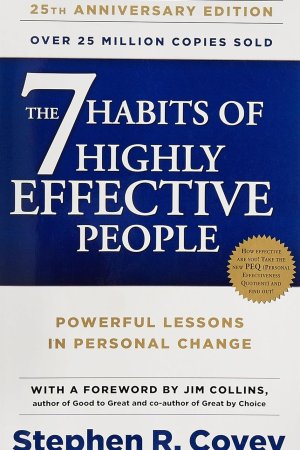
The 7 Habits of Highly Effective People by Stephen R. Covey – Blue Cover
රු1,900.00
3 X Rs. 633.33 or 8% Cashback with
or 3 X රු633.33 with
or up to 4 X රු475.00 with
Non-Fiction & Knowledge
රු2,450.00
3 X Rs. 816.67 or 8% Cashback with
or 3 X රු816.67 with
or up to 4 X රු612.50 with
Self-Help & Psychology
රු1,950.00
3 X Rs. 650.00 or 8% Cashback with
or 3 X රු650.00 with
or up to 4 X රු487.50 with
-21%
Non-Fiction & Knowledge
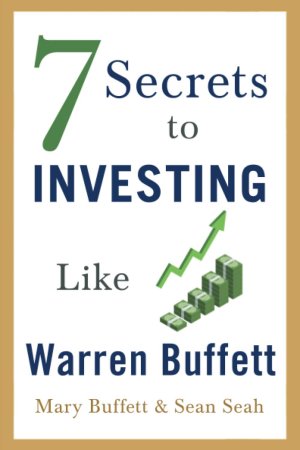
7 Secrets to Investing Like Warren Buffett by Mary Buffett & Sean Seah
Original price was: රු1,900.00.රු1,500.00Current price is: රු1,500.00.
3 X Rs. 500.00 or 8% Cashback with
or 3 X රු500.00 with
or up to 4 X රු375.00 with
Non-Fiction & Knowledge
රු1,500.00
3 X Rs. 500.00 or 8% Cashback with
or 3 X රු500.00 with
or up to 4 X රු375.00 with
Reviews
There are no reviews yet.