
No products in the cart.
-23%

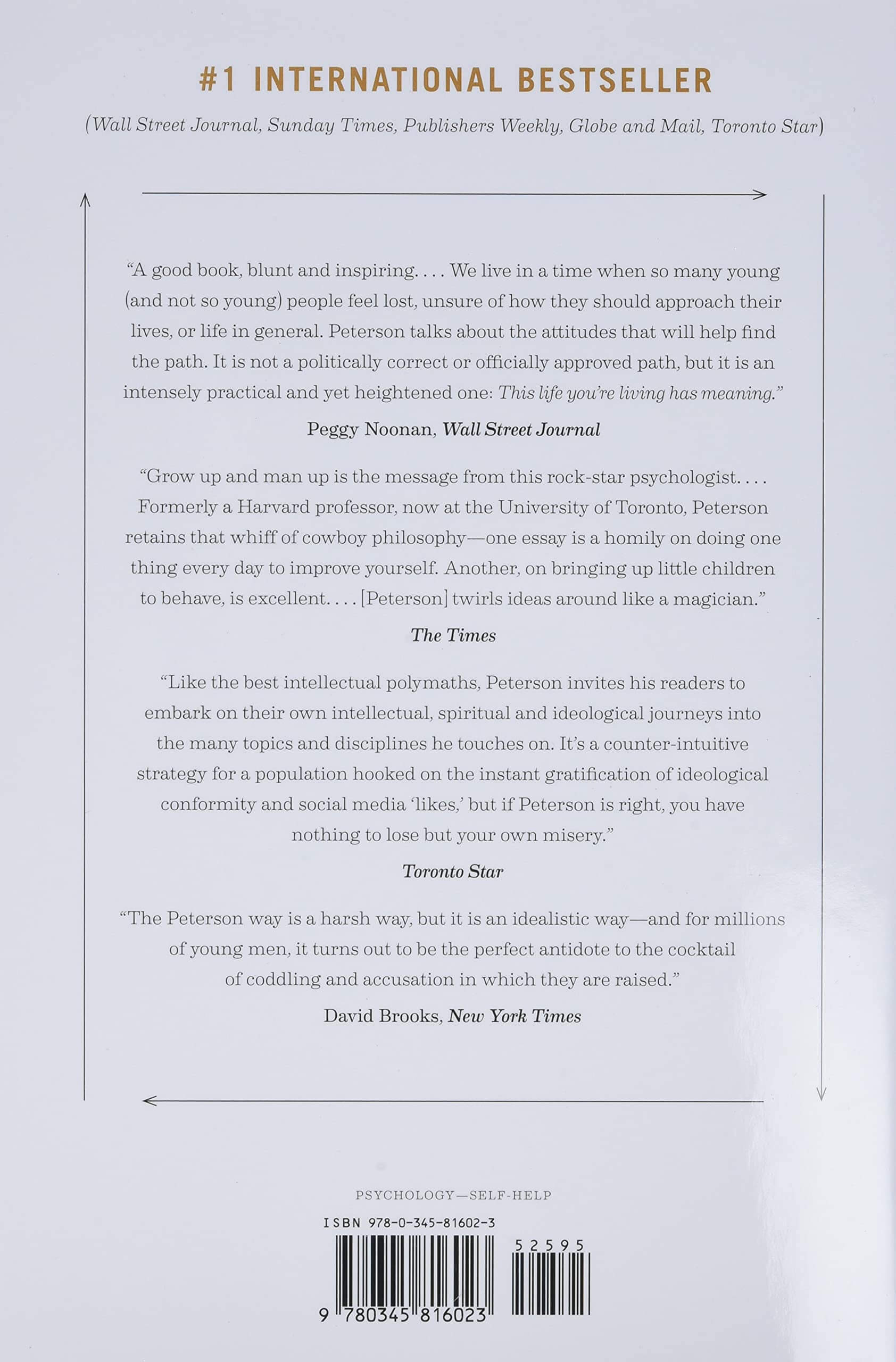
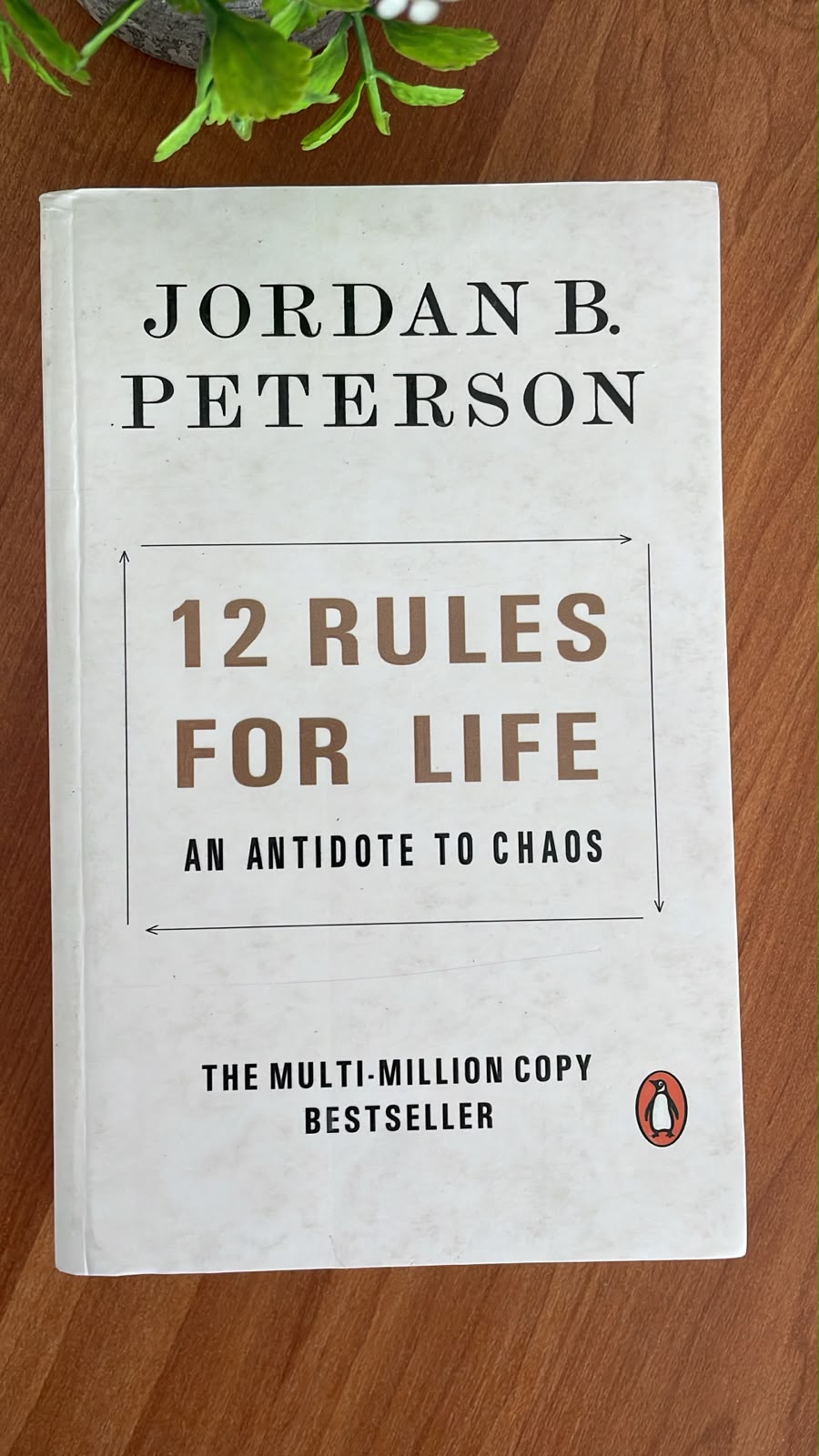
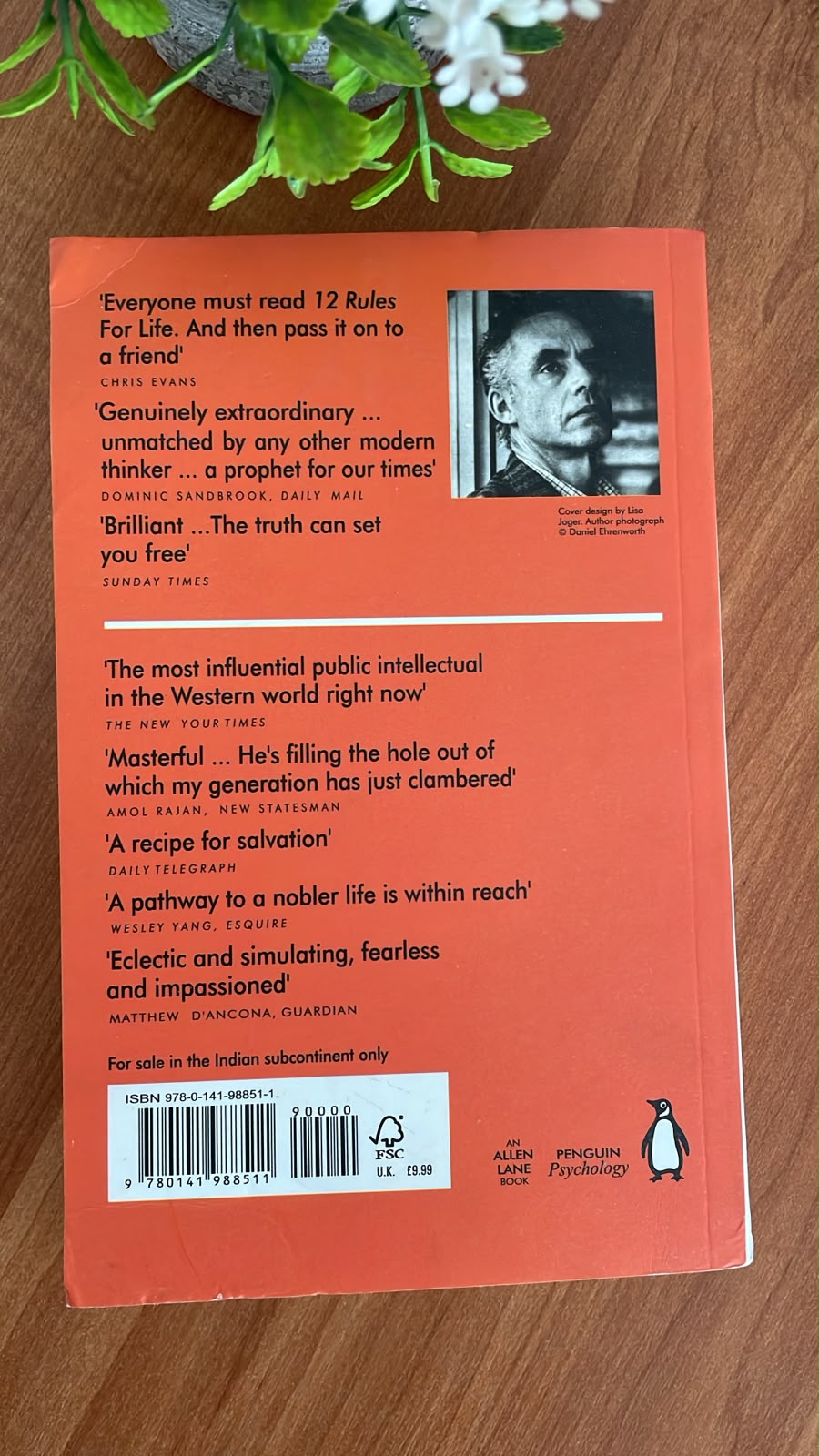
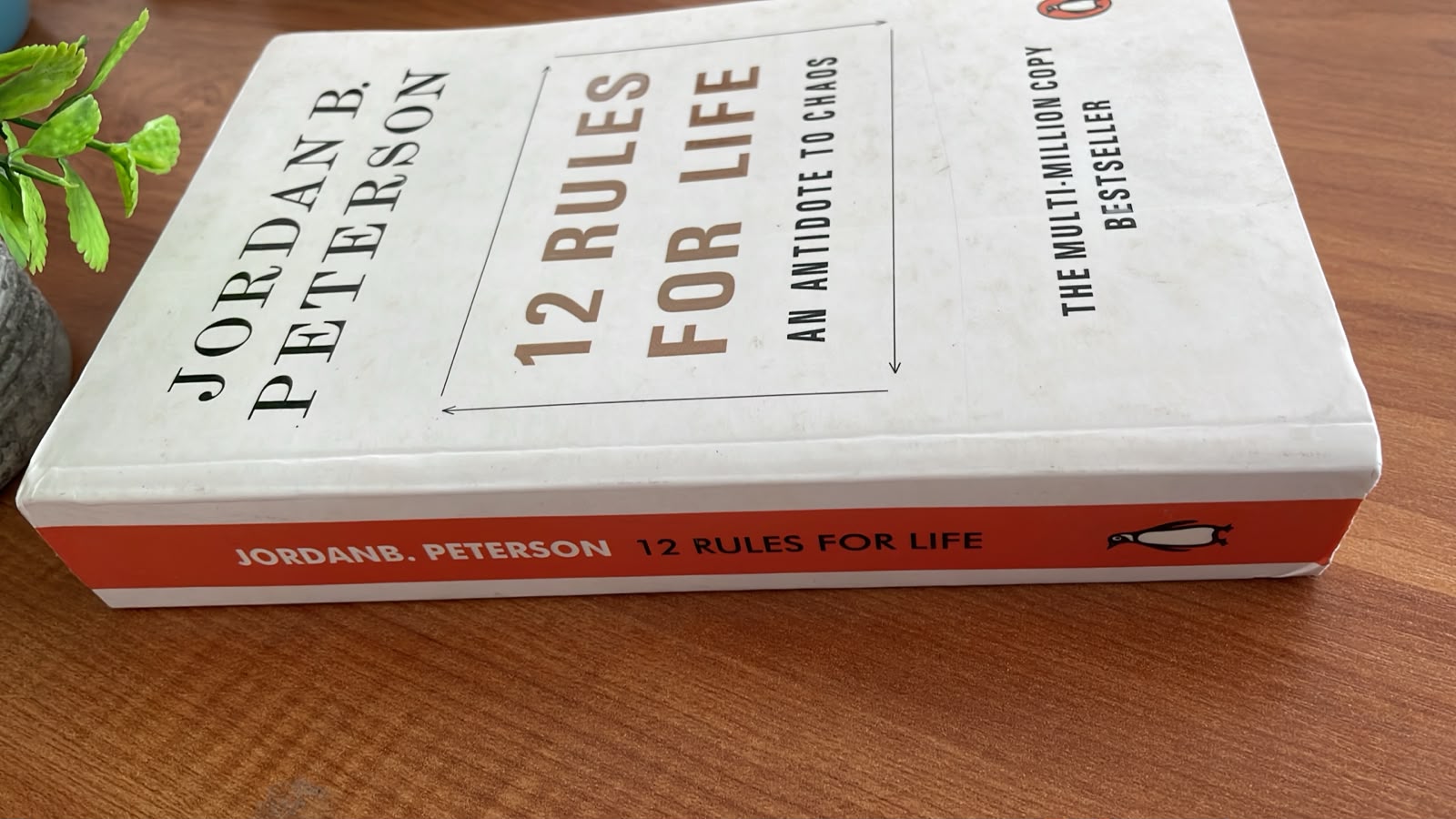




12 Rules for Life by Jordan B Peterson


Original price was: රු2,200.00.රු1,700.00Current price is: රු1,700.00.
3 X Rs. 566.67 or 8% Cashback with


or 3 X රු566.67 with


or up to 4 X රු425.00 with


12 Rules for Life by Jordan B Peterson is a thought-provoking personal-development book that explores responsibility, meaning, discipline and the ways people can create greater order in their lives.
Drawing on psychology, philosophy, mythology, religion and examples from his clinical work and personal experience, Peterson presents twelve practical principles for confronting uncertainty and living more deliberately.
The book encourages readers to take responsibility for their choices, compare themselves with their own previous progress rather than constantly with others, improve what is within their control, and seek meaning rather than immediate comfort.
Product details:
- Full title: 12 Rules for Life
- Subtitle: An Antidote to Chaos
- Author: Jordan B. Peterson
- Publisher/Imprint: Penguin
- Format: Paperback
- Pages: 448
- Language: English
- ISBN-13: 9780141988511
- ISBN-10: 0141988517
- Publication date: 2 May 2019
- Dimensions: 19.8 × 2.6 × 12.8 cm
- Weight: 326 g
- Categories: Self-Help, Personal Development and Psychology
- Key themes: Responsibility, meaning, discipline, relationships, personal growth and dealing with uncertainty
39 in stock
12 Rules for Life by Jordan B Peterson
12 Rules for Life by Jordan B Peterson is a wide-ranging personal-development book that explores how people can create greater stability, responsibility and meaning in a world that often feels uncertain.
Jordan B. Peterson combines psychology, philosophy, mythology, religious stories, personal experience and examples from his work as a clinical psychologist to present twelve principles for approaching life more deliberately.
Rather than promising a simple formula for happiness, the book asks readers to think seriously about responsibility, relationships, discipline, meaning and the consequences of everyday choices.
12 Rules for Life by Jordan B Peterson
12 Rules for Life by Jordan B Peterson begins with the idea that human life inevitably contains uncertainty and difficulty.
People cannot control every circumstance.
Unexpected problems, disappointment, conflict and loss can affect even carefully organised lives.
Peterson argues that one useful response is to take greater responsibility for the areas that can be influenced.
This includes personal behaviour, habits, relationships, goals and the standards people set for themselves.
Responsibility Before Blame
One of the strongest themes in the book is personal responsibility.
It can be easy to focus entirely on external problems.
A difficult employer, unfair circumstances, family conflict or social pressures may genuinely affect someone’s life.
However, Peterson asks readers to examine what can still be improved personally.
Useful questions include:
- What is currently within my control?
- Which problem have I been avoiding?
- What responsibility am I neglecting?
- Which habit is making life more difficult?
- What small improvement could I make today?
This approach does not mean pretending that external problems do not exist.
It means beginning with the part of the situation where action is possible.
Create More Order in Daily Life
12 Rules for Life by Jordan B Peterson frequently contrasts order and chaos.
Order represents structure, predictability and familiarity.
Chaos represents uncertainty, change and the unknown.
A healthy life requires dealing with both.
Too much disorder can become overwhelming, while excessive rigidity can make adaptation difficult.
Readers can create more useful structure through simple practices such as:
- Maintaining a regular routine
- Completing important responsibilities
- Organising finances
- Improving communication
- Setting realistic goals
- Taking care of neglected tasks
- Protecting important relationships
Small improvements can gradually make larger challenges easier to manage.
Compare Yourself with Your Previous Self
Constant comparison with other people can create unnecessary frustration.
Someone will almost always appear more successful, wealthier, more talented or further ahead.
12 Rules for Life by Jordan B Peterson encourages a different comparison.
Look at who you were previously.
Ask whether you have improved.
This changes the question from:
“Am I better than everyone else?”
to:
“Am I moving in a better direction than before?”
Progress might involve:
- Learning a new skill
- Improving a relationship
- Becoming more disciplined
- Managing money more carefully
- Communicating better
- Becoming healthier
- Completing important work
This approach creates a more personal standard for growth.
Start with Small Improvements
Large life changes can feel overwhelming.
The book encourages readers to begin with manageable problems.
A person does not necessarily need to redesign their entire life immediately.
They might begin by improving one routine, completing one delayed task or fixing one recurring problem.
For example:
- Identify something that is clearly making life worse.
- Choose one realistic improvement.
- Take action.
- Observe the result.
- Continue improving gradually.
Small wins can create confidence and momentum.
Search for Meaning
Another central theme in 12 Rules for Life by Jordan B Peterson is the difference between immediate pleasure and long-term meaning.
A choice may feel enjoyable today while creating problems later.
Another choice may require effort today but produce a better long-term result.
Meaning often involves accepting responsibility for something worthwhile.
That might include:
- Raising a family
- Developing a career
- Building a business
- Learning
- Helping other people
- Creating something useful
- Developing a skill
- Contributing to a community
Peterson argues that pursuing meaning can provide direction even when life becomes difficult.
Discipline and Long-Term Goals
Meaningful goals generally require repeated effort.
Motivation changes from day to day.
Discipline helps people continue when enthusiasm disappears.
Readers can apply this principle by defining clear goals and connecting them with regular actions.
Instead of writing:
“I want to become successful,”
a more useful plan might specify:
- What does success mean?
- What needs to be achieved?
- What skills are required?
- What should happen this month?
- What should happen this week?
- What action should happen today?
Clear actions make large goals easier to approach.
Improve Relationships
Relationships are another important area explored throughout the book.
Healthy relationships require honesty, communication, responsibility and boundaries.
Problems can grow when people avoid difficult conversations or repeatedly tolerate behaviour that creates resentment.
Readers can reflect on questions such as:
- Am I communicating clearly?
- Do I listen properly?
- Do I say what I actually mean?
- Am I avoiding necessary conversations?
- Do my relationships encourage growth?
- Am I treating other people fairly?
Strong relationships usually require effort from everyone involved.
Listen Before Assuming You Know
People frequently enter conversations already convinced they understand the other person.
This can make genuine communication difficult.
12 Rules for Life by Jordan B Peterson encourages careful listening.
Someone else may know something you do not.
Even when you disagree, understanding their reasoning can improve the quality of your own thinking.
Useful listening habits include:
- Allowing the other person to finish
- Asking questions
- Clarifying unfamiliar points
- Avoiding immediate defensive reactions
- Checking whether you understood correctly
Listening does not require agreement.
It requires enough attention to understand the actual argument.
Be Precise About Problems
Vague problems are difficult to solve.
Statements such as “everything is going wrong” provide little direction.
A more precise description may reveal practical actions.
Instead of saying:
“My work is terrible,”
someone might identify:
“I constantly miss deadlines because I do not prioritise tasks.”
That problem is much easier to address.
Precision can help with:
- Work
- Relationships
- Finances
- Personal goals
- Habits
- Communication
- Conflict
Naming the real problem is often the beginning of solving it.
Develop Resilience
Life does not always follow the plan someone has created.
Illness, financial problems, career setbacks, relationship changes and other difficulties can appear unexpectedly.
Resilience means developing the ability to continue functioning and adapting during difficult periods.
12 Rules for Life by Jordan B Peterson does not suggest that hardship can simply be eliminated.
Instead, it asks how individuals can become more capable of carrying responsibility despite uncertainty.
Structure, relationships, meaningful goals and disciplined habits can all contribute to this ability.
Psychology, Philosophy and Mythology
The book is broader than a conventional step-by-step self-help manual.
Peterson draws from several areas, including:
- Clinical psychology
- Personality research
- Philosophy
- Religious traditions
- Mythology
- Literature
- Personal experience
These references are used to explore why certain ideas about responsibility, sacrifice, meaning and social behaviour appear repeatedly across cultures.
Readers who enjoy psychology and philosophical discussion may particularly appreciate this approach.
A Book for Reflection
12 Rules for Life by Jordan B Peterson is not necessarily a book to rush through.
Many sections contain ideas that can be considered independently.
Readers may benefit from stopping after a chapter and asking:
- What is the main idea here?
- Do I agree with it?
- Where does it apply to my life?
- What part do I disagree with?
- What action could I take?
- Which assumption should I reconsider?
Reading critically can make the book more useful than simply accepting every idea automatically.
About Jordan B. Peterson
Jordan B. Peterson is a psychologist, author and former university professor.
Penguin notes that he previously worked at Harvard and the University of Toronto and has published extensively on subjects including personality, motivation, belief and perception.
His other books include Beyond Order: 12 More Rules for Life and We Who Wrestle With God. Penguin describes Beyond Order as the sequel to 12 Rules for Life.
Who Should Read This Book?
12 Rules for Life by Jordan B Peterson may appeal to readers interested in:
- Personal development
- Psychology
- Philosophy
- Responsibility
- Discipline
- Meaning
- Relationships
- Self-improvement
- Leadership
- Behaviour and decision-making
It may particularly suit readers who prefer self-development books that combine practical advice with longer discussions of psychology, mythology and philosophy.
Product Details
Product title: 12 Rules for Life
Subtitle: An Antidote to Chaos
SEO product title: 12 Rules for Life by Jordan B Peterson
Author: Jordan B. Peterson
Publisher/Imprint: Penguin
Format: Paperback
Language: English
Page count: 448 pages
ISBN-13: 9780141988511
ISBN-10: 0141988517
Publication date: 2 May 2019
Dimensions: 198 × 26 × 128 mm
Weight: 326 grams
Categories: Self-Help, Personal Development and Psychology
Key themes: Responsibility, meaning, discipline, relationships, personal growth and uncertainty
Why Choose 12 Rules for Life by Jordan B Peterson?
12 Rules for Life by Jordan B Peterson combines psychology, philosophical reflection and practical personal-development principles in one substantial book.
Readers are encouraged to take responsibility, improve what is within their control, define problems precisely, pursue meaningful goals and measure progress against their own previous performance.
The book is particularly suited to readers who want more than quick motivational advice and enjoy thinking deeply about behaviour, meaning and personal responsibility.
For readers interested in psychology, self-development and practical philosophy, 12 Rules for Life by Jordan B Peterson is a thought-provoking addition to a personal-growth bookshelf.
Explore our complete self-help and personal development books collection to discover more titles about psychology, habits, discipline, meaning and personal growth.
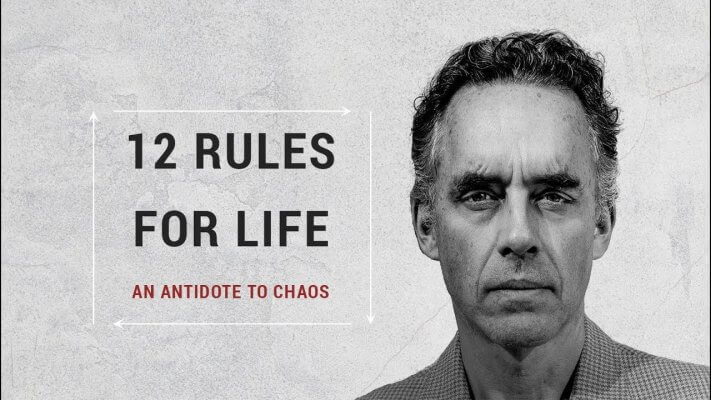
View the official publication details for
12 Rules for Life by Jordan B. Peterson on Penguin Books
.
| Author | Jordan Peterson |
|---|---|
| Language | English |
| Type | Paperback Printed Book |
Be the first to review “12 Rules for Life by Jordan B Peterson”
Related products
-24%
Non-Fiction & Knowledge
Original price was: රු2,300.00.රු1,750.00Current price is: රු1,750.00.
3 X Rs. 583.33 or 8% Cashback with
or 3 X රු583.33 with
or up to 4 X රු437.50 with
-26%

Non-Fiction & Knowledge
Original price was: රු2,000.00.රු1,490.00Current price is: රු1,490.00.
3 X Rs. 496.67 or 8% Cashback with
or 3 X රු496.67 with
or up to 4 X රු372.50 with
-17%

Non-Fiction & Knowledge
Original price was: රු2,900.00.රු2,400.00Current price is: රු2,400.00.
3 X Rs. 800.00 or 8% Cashback with
or 3 X රු800.00 with
or up to 4 X රු600.00 with
-14%

Self-Help & Psychology
Original price was: රු2,900.00.රු2,500.00Current price is: රු2,500.00.
3 X Rs. 833.33 or 8% Cashback with
or 3 X රු833.33 with
or up to 4 X රු625.00 with

Non-Fiction & Knowledge
රු1,950.00
3 X Rs. 650.00 or 8% Cashback with
or 3 X රු650.00 with
or up to 4 X රු487.50 with
Non-Fiction & Knowledge
රු1,600.00
3 X Rs. 533.33 or 8% Cashback with
or 3 X රු533.33 with
or up to 4 X රු400.00 with
-34%
Non-Fiction & Knowledge
Original price was: රු2,250.00.රු1,490.00Current price is: රු1,490.00.
3 X Rs. 496.67 or 8% Cashback with
or 3 X රු496.67 with
or up to 4 X රු372.50 with
-24%
Out of stock
Non-Fiction & Knowledge
Original price was: රු2,100.00.රු1,600.00Current price is: රු1,600.00.
3 X Rs. 533.33 or 8% Cashback with
or 3 X රු533.33 with
or up to 4 X රු400.00 with
Reviews
There are no reviews yet.