
No products in the cart.
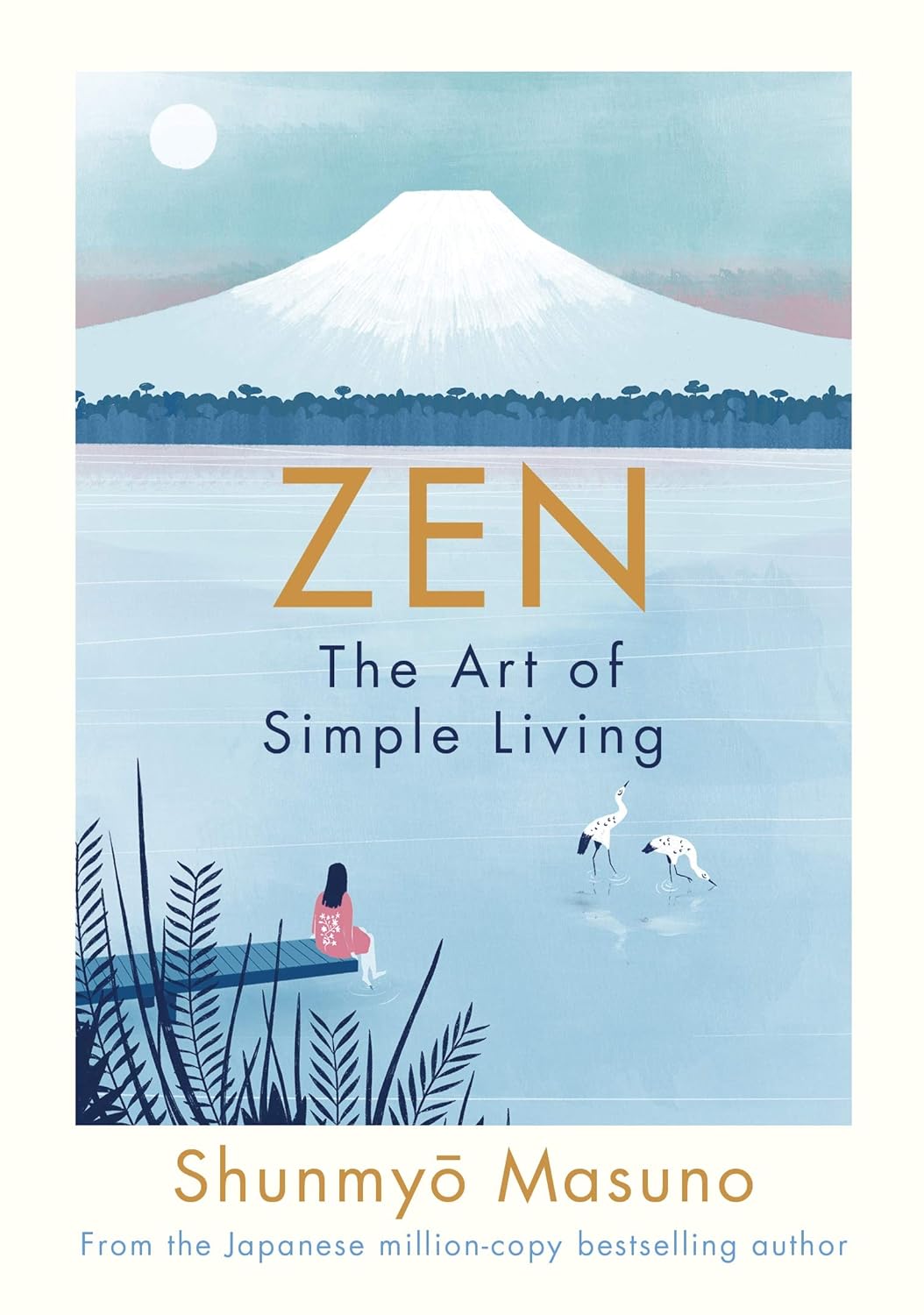
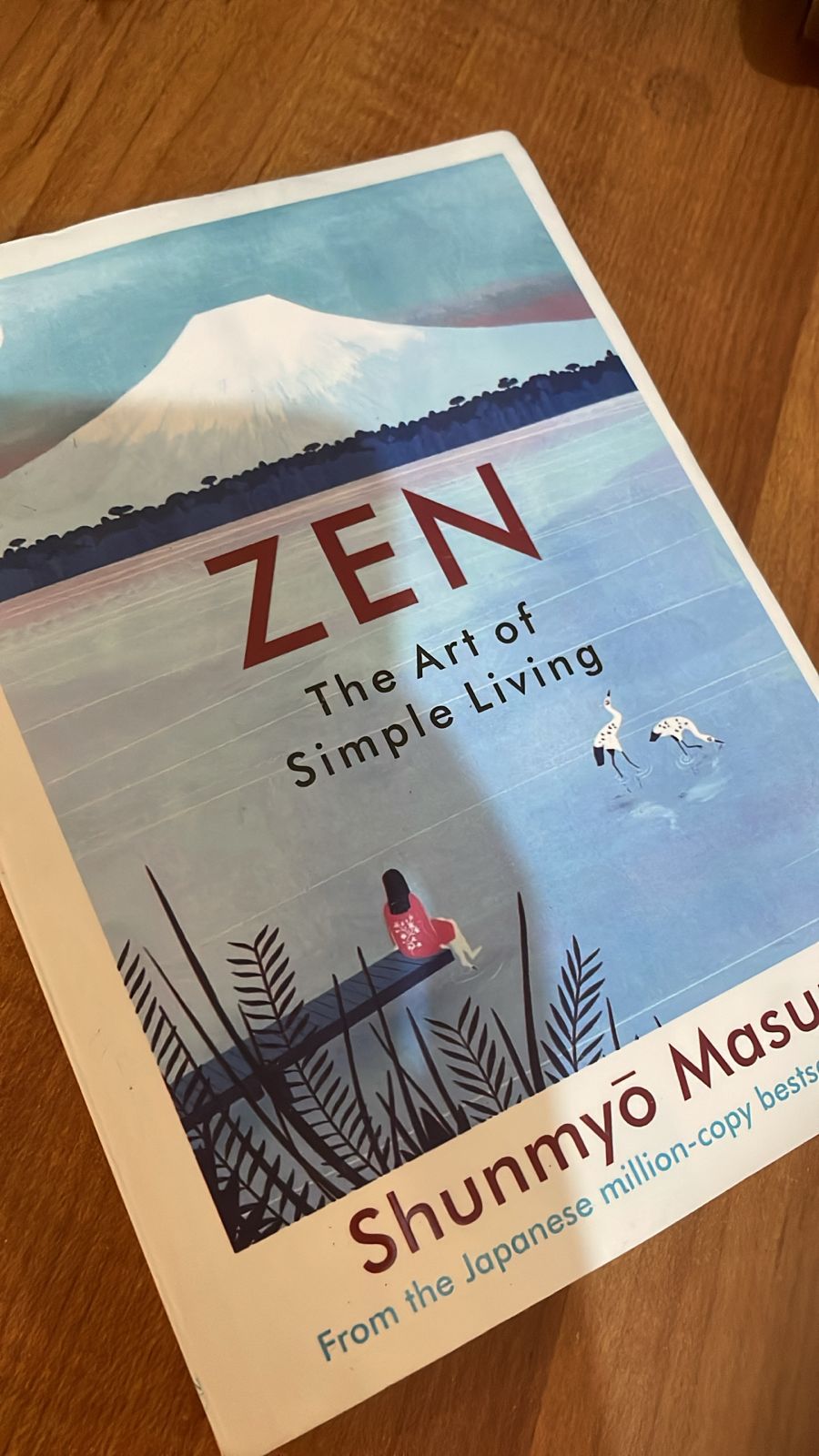


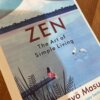


Zen by Shunmyo Masuno


රු1,600.00
3 X Rs. 533.33 or 8% Cashback with


or 3 X රු533.33 with


or up to 4 X රු400.00 with


• Practical Zen guide for calm, mindful everyday living
• Focuses on simplicity, awareness, and balance
• Ideal for readers seeking peace and clarity
Out of stock
Email when stock available
Zen: The Art of Simple Living by Shunmyo Masuno
Zen: The Art of Simple Living by Shunmyo Masuno is a practical guide to creating a calmer, simpler, and more meaningful life.
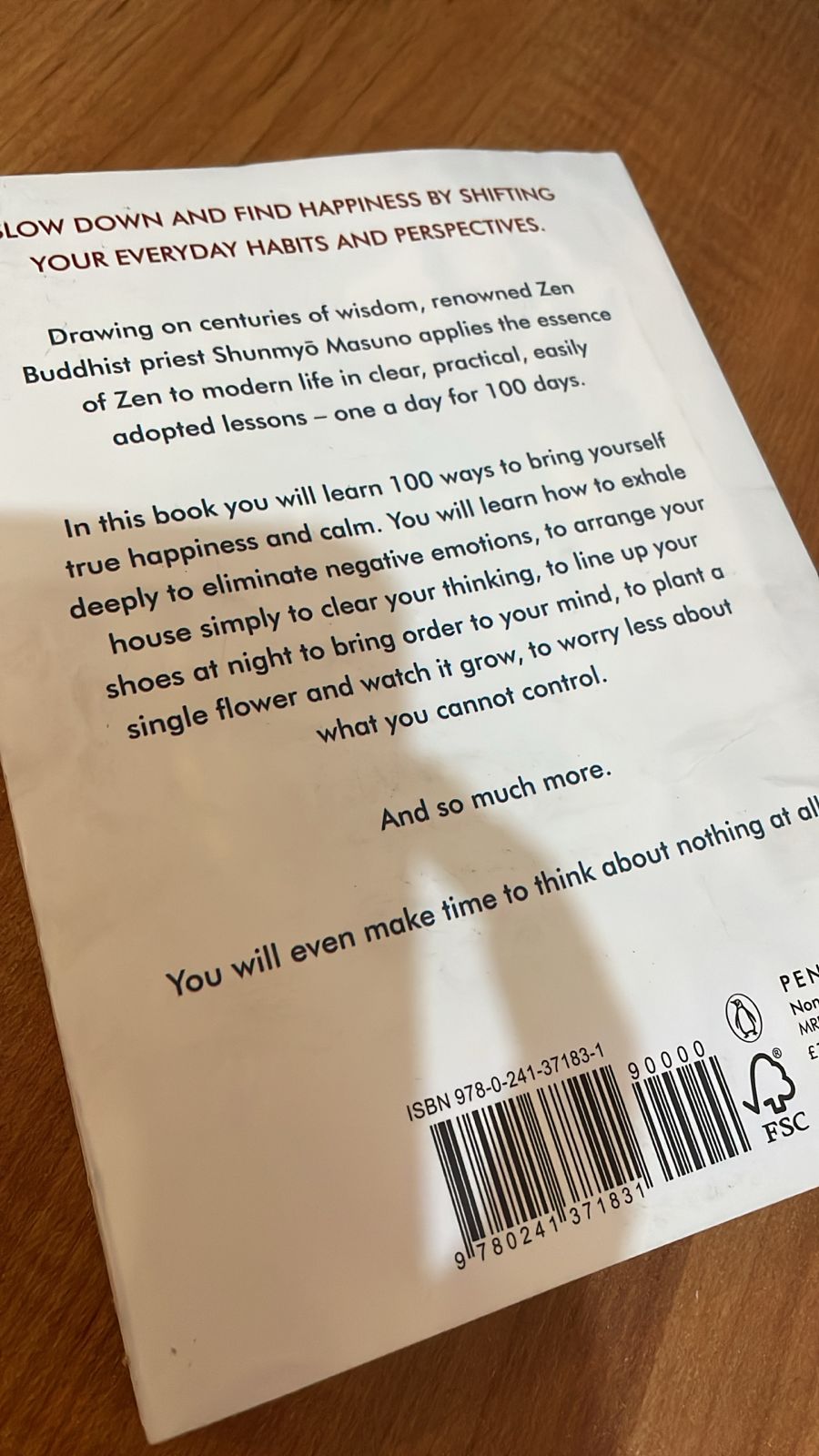
The book contains 100 short lessons inspired by Zen wisdom.
Each lesson is designed to be simple enough to practise in everyday life.
About Zen: The Art of Simple Living
Modern life can feel overwhelming.
People rush.
They worry.
They compare themselves with others.
They fill their schedules and homes with more than they need.
Zen: The Art of Simple Living offers a different approach.
Instead of changing everything at once, Shunmyo Masuno encourages small changes.
A single habit can create more calm.
A small ritual can bring more awareness.
A few quiet minutes can change how the day feels.
7 Powerful Lessons from Zen: The Art of Simple Living
1. Simplify Your Environment
Clutter can make the mind feel cluttered too.
Masuno encourages readers to remove unnecessary things.
A simpler environment can make it easier to focus.
It can also create a greater sense of peace.
2. Appreciate Small Moments
Happiness does not always come from major achievements.
It can come from simple experiences.
Watching the sunset.
Drinking tea.
Walking outside.
Taking time to notice these moments can make ordinary life feel richer.
3. Focus on the Present
Many people spend too much time thinking about the past.
Others worry constantly about the future.
Zen encourages attention to the present moment.
The present is where life is actually happening.
4. Create Small Rituals
Daily rituals can bring structure.
Masuno gives simple examples.
Line up your shoes.
Clean your surroundings.
Pause before eating.
These actions may appear small.
But they can create order and awareness.
5. Stop Comparing Yourself
Comparison can create unnecessary stress.
Someone will always have more.
More money.
More success.
More recognition.
Zen encourages readers to focus on their own path.
Peace becomes easier when life is not treated as a competition.
6. Accept Change
Everything changes.
Relationships change.
Work changes.
Bodies change.
Life changes.
Trying to control everything can create frustration.
The book encourages readers to accept change as part of life.
7. Find Happiness in Simplicity
More does not always mean better.
More possessions can create more responsibility.
More commitments can create more stress.
More information can create more confusion.
A simpler life can create space for what truly matters.
100 Daily Zen Practices
One of the strongest features of Zen: The Art of Simple Living is its structure.
The book contains 100 practical lessons.
Readers can follow one lesson each day.
This makes the book easy to use.
You do not need to read everything at once.
A single lesson may be enough to improve one part of your routine.
Arrange Your Shoes
One lesson suggests lining up your shoes after taking them off.
This seems almost too simple.
But the purpose is deeper.
Creating order outside can create a sense of order inside.
Small actions can influence mindset.
Eat With Awareness
Masuno encourages readers to pay attention while eating.
Slow down.
Put down your fork between bites.
Notice the food.
This can increase gratitude.
It can also make eating feel less automatic.
Spend Time in Nature
Nature appears frequently in Zen thinking.
Plants change slowly.
Seasons change.
Flowers bloom and disappear.
Spending time outside can remind people that change is natural.
It can also create a break from screens and constant stimulation.
Watch the Sunset
Watching the sunset is another simple practice.
Nothing needs to be achieved.
There is no productivity goal.
You simply stop.
Watch.
And experience the moment.
This is one example of finding meaning in ordinary life.
Reduce Mental Clutter
Physical clutter is easy to see.
Mental clutter is harder.
Unnecessary worries.
Constant notifications.
Comparison.
Too much information.
The book encourages readers to create space mentally as well as physically.
Stop Rushing
Rushing can become a habit.
People rush through breakfast.
Rush to work.
Rush through conversations.
Then rush home.
Zen encourages a slower awareness.
This does not mean becoming unproductive.
It means doing one thing properly instead of doing everything anxiously.
Make Time for Nothing
Modern life often treats inactivity as wasted time.
Masuno challenges this idea.
Quiet time can be valuable.
Sitting without entertainment can help the mind settle.
It can create space for reflection.
Let Go of What You Cannot Control
Many worries come from things outside our control.
Other people.
The future.
Past mistakes.
Unexpected problems.
The book encourages readers to focus energy on what can actually be changed.
This can reduce unnecessary anxiety.
Gratitude
Gratitude appears throughout the philosophy of the book.
Ordinary things can become meaningful when noticed.
Food.
Shelter.
Friendship.
Nature.
Health.
Time.
Gratitude does not require a perfect life.
It requires attention.
Clean Your Space
Cleaning is not presented only as housework.
It can become a mindful practice.
When you clean your surroundings, you give attention to the present.
A cleaner space can also create mental calm.
Stop Chasing More
Modern culture often encourages constant ambition.
Earn more.
Buy more.
Achieve more.
Become more.
Masuno does not argue against ambition.
Instead, he asks readers to consider whether constantly wanting more actually creates happiness.
Relationships
Zen principles also apply to relationships.
Listen carefully.
Avoid unnecessary conflict.
Do not try to control everyone.
Respect differences.
Sometimes peace comes from changing your own response instead of changing another person.
Worry Less
Many worries never become reality.
Yet people may spend hours imagining negative outcomes.
The book encourages readers to return attention to what is happening now.
Action is usually more useful than endless worry.
Create Space
Space is important.
A room needs empty space.
A schedule needs empty time.
The mind also needs moments without constant stimulation.
Without space, life can feel crowded.
Simple Living Does Not Mean Giving Everything Up
The book does not require readers to abandon modern life.
You do not need to become a monk.
You do not need to remove every possession.
Instead, the goal is to become more intentional.
Keep what matters.
Remove what does not.
Who Should Read This Book?
Zen: The Art of Simple Living is ideal for readers interested in mindfulness, personal growth, simple living, stress reduction, and Zen philosophy.
It may especially appeal to people who feel overwhelmed by busy schedules.
Readers who enjoy short daily lessons may find the structure particularly helpful.
It is also suitable for readers who want practical ideas rather than complicated theory.
About Shunmyo Masuno
Shunmyo Masuno is a Zen Buddhist priest, author, and internationally recognized Zen garden designer.
Penguin describes him as the head priest of a 450-year-old Zen Buddhist temple in Japan.
He is also a professor of environmental design and has lectured internationally.
Readers can learn more through the official Penguin page for Zen: The Art of Simple Living.
Product Details
Title: Zen: The Art of Simple Living
Author: Shunmyo Masuno
Genre: Self-Help / Mindfulness / Zen / Personal Development
Language: English
Main Theme: Simple Living and Mindfulness
Common UK Hardback Edition
Publisher / Imprint: Michael Joseph
ISBN-13: 9780241371831
Format: Hardback
Pages: 224
Publication Date: April 18, 2019
Dimensions: 184 × 135 × 22 mm
Weight: Approximately 404 g
Penguin confirms these specifications for the UK hardback edition.
US Hardcover Edition
The U.S. edition is published under the title The Art of Simple Living.
ISBN-13: 9780143134046
Format: Hardcover
Pages: 224
Publication Date: April 2, 2019
Penguin Random House confirms these details for the U.S. edition.
Important Edition Note
The title can vary by market.
The UK edition is commonly titled Zen: The Art of Simple Living.
The U.S. edition is commonly titled The Art of Simple Living.
Both are by Shunmyo Masuno and contain the same core 100 Zen practices.
Always check the ISBN on your physical copy before entering final WooCommerce specifications.
Explore More Self-Help Books
Zen: The Art of Simple Living shows that a calmer life does not always require a dramatic change.
Sometimes it begins with one small action.
Clean your space.
Slow down.
Notice nature.
Stop comparing.
Let go.
And pay attention to the life already happening around you.
Readers can explore more Self-Help & Psychology Books at Bargain Books.
For readers who want less stress, more calm, and a simpler approach to everyday life, Zen: The Art of Simple Living offers 100 practical lessons that are easy to understand and apply.
Be the first to review “Zen by Shunmyo Masuno”
Related products
-19%

Out of stock
Non-Fiction & Knowledge
Original price was: රු2,650.00.රු2,150.00Current price is: රු2,150.00.
3 X Rs. 716.67 or 8% Cashback with
or 3 X රු716.67 with
or up to 4 X රු537.50 with
-24%

Non-Fiction & Knowledge
Original price was: රු2,300.00.රු1,750.00Current price is: රු1,750.00.
3 X Rs. 583.33 or 8% Cashback with
or 3 X රු583.33 with
or up to 4 X රු437.50 with

Out of stock
Autobiography
රු2,750.00
3 X Rs. 916.67 or 8% Cashback with
or 3 X රු916.67 with
or up to 4 X රු687.50 with
-17%

Out of stock
Non-Fiction & Knowledge
Original price was: රු2,900.00.රු2,400.00Current price is: රු2,400.00.
3 X Rs. 800.00 or 8% Cashback with
or 3 X රු800.00 with
or up to 4 X රු600.00 with
-24%
Out of stock
Non-Fiction & Knowledge
Original price was: රු2,100.00.රු1,600.00Current price is: රු1,600.00.
3 X Rs. 533.33 or 8% Cashback with
or 3 X රු533.33 with
or up to 4 X රු400.00 with
-18%

Out of stock
Original price was: රු2,800.00.රු2,300.00Current price is: රු2,300.00.
3 X Rs. 766.67 or 8% Cashback with
or 3 X රු766.67 with
or up to 4 X රු575.00 with
-33%

Non-Fiction & Knowledge
Original price was: රු2,850.00.රු1,900.00Current price is: රු1,900.00.
3 X Rs. 633.33 or 8% Cashback with
or 3 X රු633.33 with
or up to 4 X රු475.00 with
-26%
Non-Fiction & Knowledge
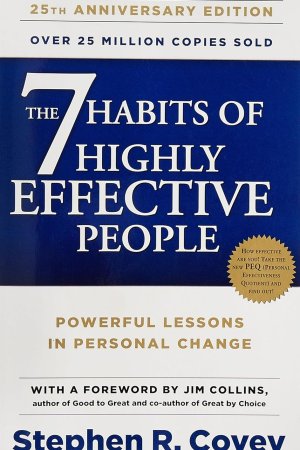
The 7 Habits of Highly Effective People by Stephen R. Covey – Blue Cover
Original price was: රු2,300.00.රු1,700.00Current price is: රු1,700.00.
3 X Rs. 566.67 or 8% Cashback with
or 3 X රු566.67 with
or up to 4 X රු425.00 with
Reviews
There are no reviews yet.