
No products in the cart.
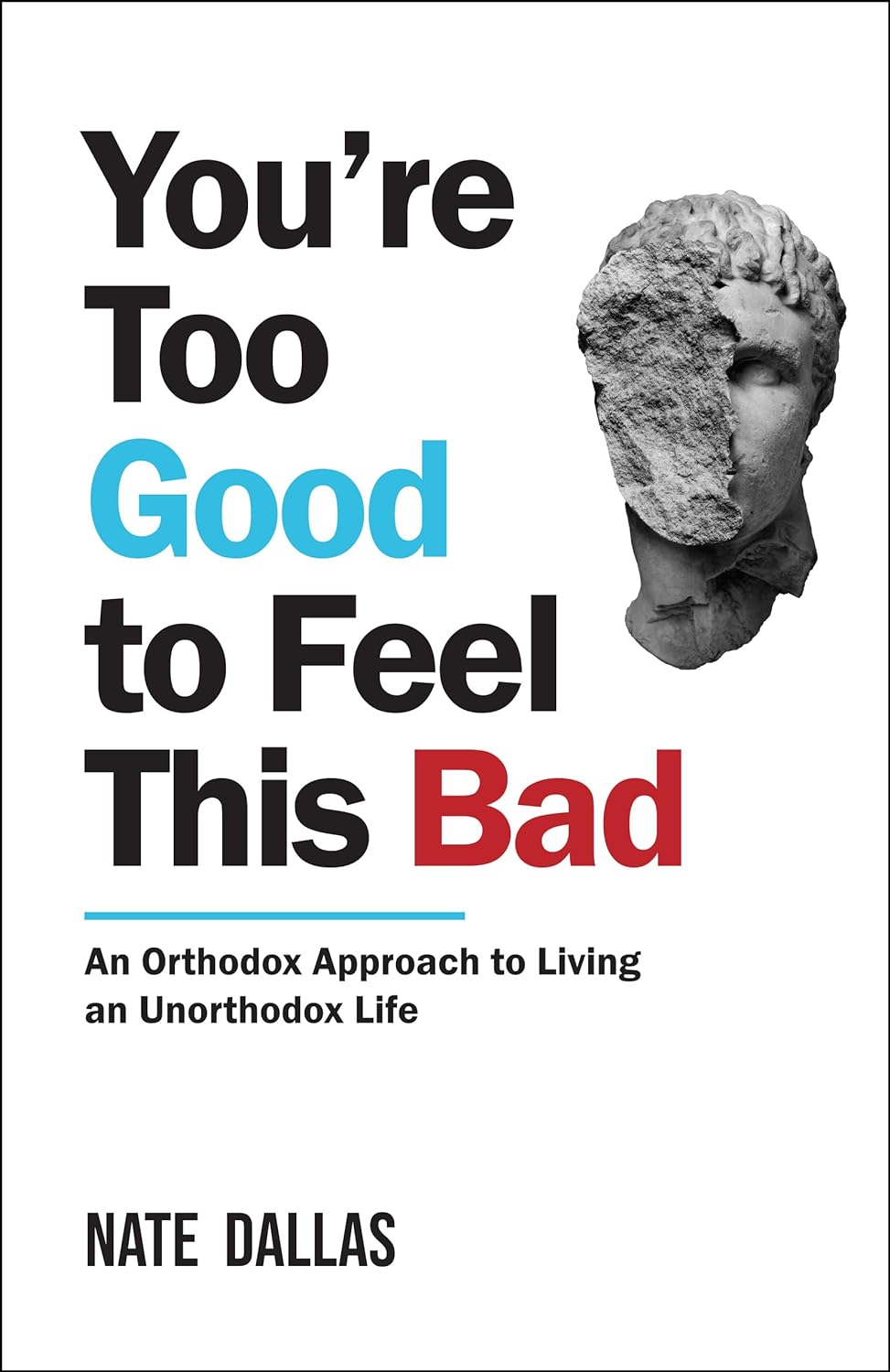
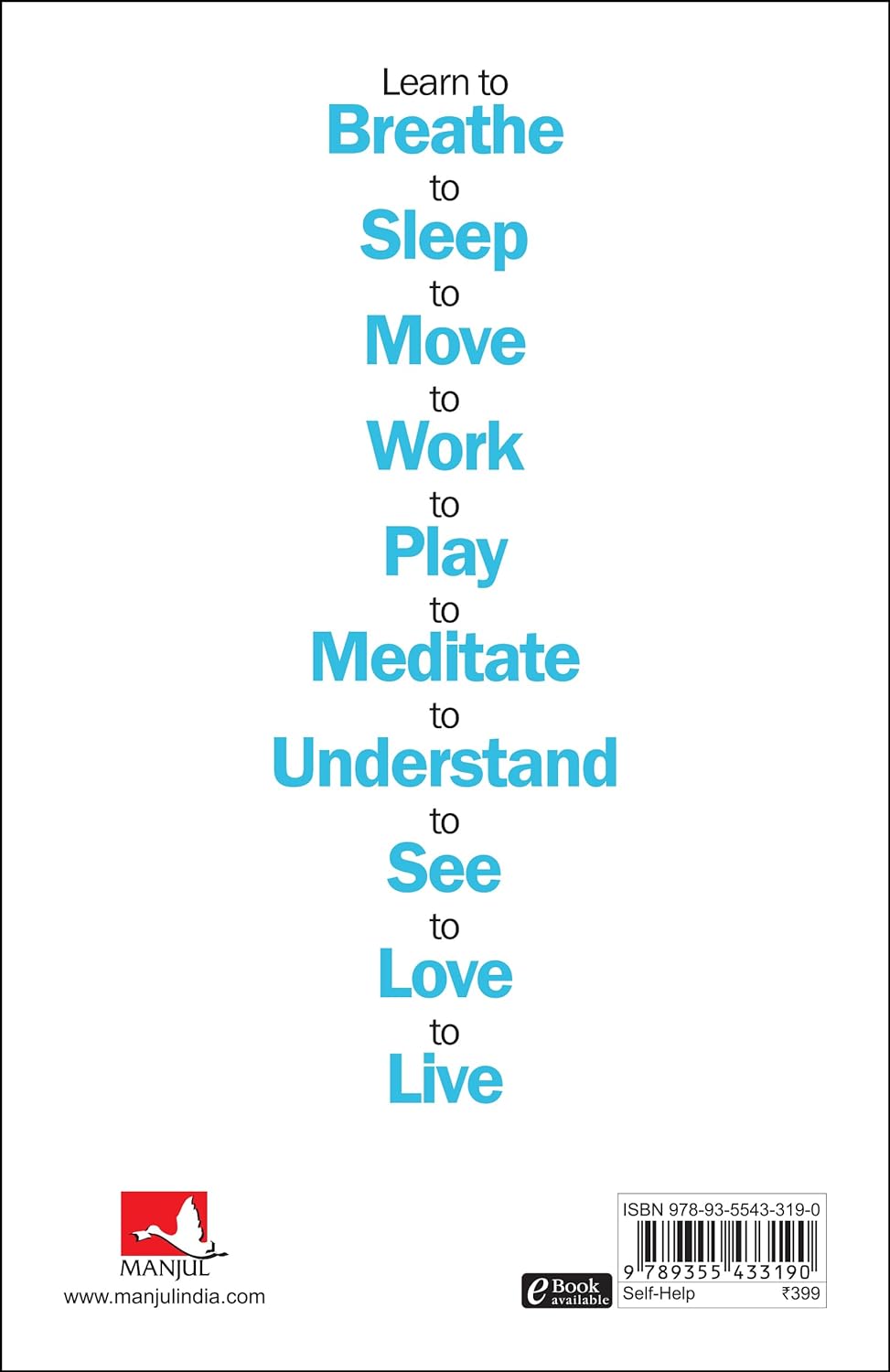
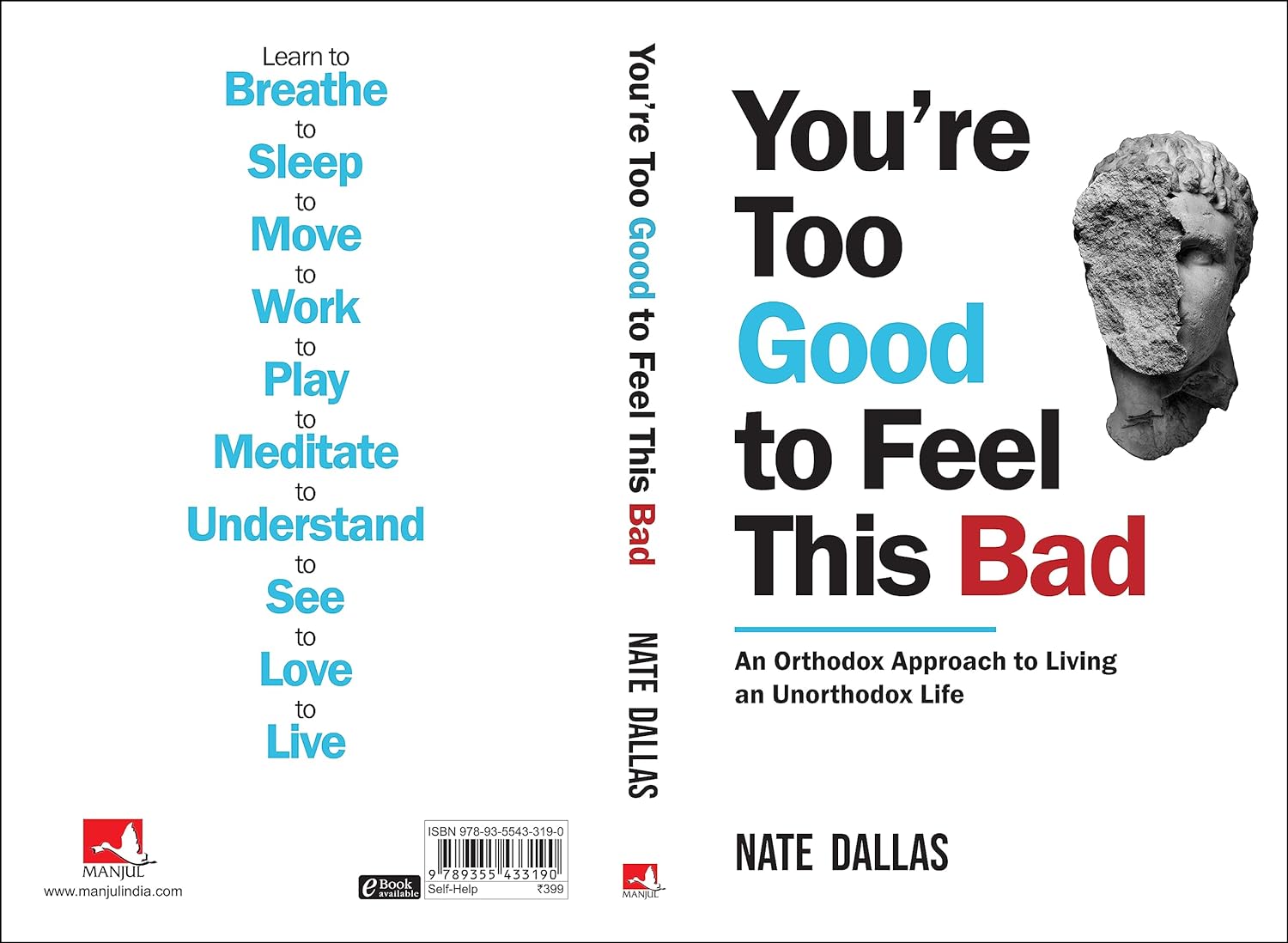
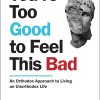
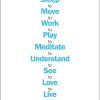
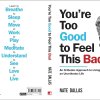

You’re Too Good To Feel This Bad by Nate Dallas


රු1,700.00
3 X Rs. 566.67 or 8% Cashback with


or 3 X රු566.67 with


or up to 4 X රු425.00 with


“You’re Too Good to Feel This Bad” by Nate Dallas is a practical guide that helps readers identify and overcome the root causes of stress, burnout, and dissatisfaction in life. With actionable strategies and relatable advice, Dallas empowers readers to reclaim their well-being, optimize their mental health, and start living a more fulfilling and joyful life.
1 in stock
You’re Too Good to Feel This Bad by Nate Dallas
You’re Too Good to Feel This Bad by Nate Dallas is a practical self-improvement book about building a healthier, calmer, and more satisfying life.
The book looks at physical health, mindset, habits, money, work, relationships, and personal fulfillment.
Instead of focusing on one problem, Dallas encourages readers to examine several areas of life together.
About You’re Too Good to Feel This Bad
You’re Too Good to Feel This Bad combines personal experience with practical lifestyle advice.
Nate Dallas describes his own attempt to escape stress, anxiety, and the feeling of being trapped by a demanding lifestyle.
He organizes the book into three major phases.
These are physiology, psychology, and life application. Google Books
The Three Main Phases
The book follows a structured approach.
Phase 1: Physiology
This section focuses on the body.
Topics include sleep.
Breathing.
Nutrition.
Exercise.
Dallas argues that physical habits can strongly influence how people feel each day.
Phase 2: Psychology
The second phase focuses on the mind.
It looks at human needs.
Mindset.
Pattern breaking.
Meditation.
The goal is to help readers understand why they think and behave in certain ways.
Phase 3: Life Application
The final phase moves into everyday life.
It covers recreation.
Money.
Work.
Systems.
Relationships.
This section encourages readers to apply healthier thinking and habits to real-life decisions.
7 Powerful Lessons from You’re Too Good to Feel This Bad
1. Start With Your Physical Health
When people feel overwhelmed, they often search for complicated solutions.
Dallas encourages readers to first examine basic physical habits.
Are you sleeping enough?
Are you moving regularly?
Are you breathing properly?
Are you eating in a way that supports your energy?
Improving these areas may create a stronger foundation for everything else.
2. Sleep Matters
Sleep affects energy.
Focus.
Mood.
Decision-making.
And physical recovery.
The book encourages readers to treat sleep as an important part of a productive life rather than wasted time.
Poor sleep can make ordinary challenges feel much harder.
3. Breathing Can Affect Stress
Breathing seems automatic.
But the way people breathe can influence how calm or tense they feel.
Dallas includes breathing as one of the major elements of his physiology framework.
Simple breathing practices may help create moments of calm and awareness.
4. Break Unhelpful Patterns
People often repeat behaviors without questioning them.
Work routines.
Eating habits.
Relationship patterns.
Thought patterns.
You’re Too Good to Feel This Bad encourages readers to identify behaviors that no longer serve them.
Awareness is the first step toward change.
5. Your Environment Shapes Your Life
Habits are easier when the environment supports them.
If everything around you encourages distraction, distraction becomes easier.
If your routines support exercise, sleep, and focused work, better habits may become more natural.
Dallas encourages readers to build systems instead of depending entirely on willpower.
6. Money Should Support Your Life
Money is included as part of the life-application phase.
Financial success can reduce stress.
But constantly chasing more money can also create pressure.
The book encourages readers to think about what money is actually for.
Freedom.
Security.
Experiences.
Family.
Choice.
The goal is to make money serve life rather than allowing life to revolve entirely around money.
7. Success Should Feel Good Too
Achievement can look impressive from the outside.
But if someone is constantly exhausted, anxious, or dissatisfied, success may not feel successful.
One of the core messages of You’re Too Good to Feel This Bad is that quality of life matters.
Achievement and wellbeing should support each other.
Physiology Before Overthinking
One useful idea in the book is to begin with the body.
Sometimes people immediately assume every problem requires a complex psychological explanation.
But lack of sleep, poor nutrition, inactivity, and chronic stress can affect everyday wellbeing.
Dallas encourages readers to examine these practical areas first.
Building Better Habits
Habits shape much of daily life.
A good routine can reduce decision fatigue.
It can also make positive behavior easier to repeat.
The book encourages small improvements rather than waiting for motivation.
Consistency matters more than dramatic short-term change.
Mindset
Mindset affects how people interpret situations.
Two people may experience the same problem differently.
One may see failure.
Another may see feedback.
Dallas encourages readers to notice the patterns behind their interpretations.
The goal is not forced positivity.
It is more intentional thinking.
Meditation and Awareness
Meditation appears as part of the psychology phase.
The purpose is not simply relaxation.
It can also create greater awareness of thoughts and emotional reactions.
That awareness may help people respond rather than react automatically.
Work
Work can provide meaning.
But it can also become a source of constant stress.
The book encourages readers to examine whether their work supports the life they actually want.
More money is not always worth unlimited stress.
Career decisions should consider both achievement and wellbeing.
Recreation
Adults often treat recreation as optional.
Work comes first.
Responsibilities come next.
Enjoyment is postponed.
Dallas challenges this approach.
Recreation can improve energy.
Relationships.
Creativity.
And overall quality of life.
Relationships
Relationships are one of the final areas examined in You’re Too Good to Feel This Bad.
Healthy relationships require attention.
Communication matters.
Boundaries matter.
Time matters.
The people around you can strongly influence your emotional environment.
Systems Over Motivation
Motivation changes.
Some days it is high.
Other days it disappears.
Systems are more reliable.
A system might include a regular bedtime.
Scheduled exercise.
Automatic savings.
Dedicated family time.
Structured work hours.
The goal is to make important behaviors easier to repeat.
Avoiding Constant Busyness
Being busy is not always the same as being productive.
A full schedule can still produce little meaningful progress.
The book encourages readers to question unnecessary commitments.
More activity does not automatically create a better life.
Personal Responsibility
Dallas encourages readers to focus on areas they can change.
This can include routines.
Environment.
Habits.
Work decisions.
Relationships.
Financial behavior.
The approach emphasizes personal responsibility without pretending that every difficulty is completely under individual control.
A Practical Self-Improvement Approach
One of the strengths of the book is its broad structure.
Readers do not have to focus on everything at once.
They can examine one area.
Make adjustments.
Then move to another.
That makes the approach easier to apply.
| Weight | 0.33 kg |
|---|---|
| Dimensions | 14 × 1.5 × 22 cm |
| Author | Nate Dallas |
| Type | Paperback Printed Book |
| ISBN/ISSN | 9355433190, 978-9355433190 |
| Language | English |
| Pages | 258 |
Be the first to review “You’re Too Good To Feel This Bad by Nate Dallas”
Related products
-26%
Non-Fiction & Knowledge
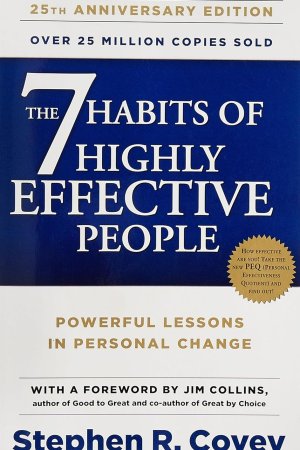
The 7 Habits of Highly Effective People by Stephen R. Covey – Blue Cover
Original price was: රු2,300.00.රු1,700.00Current price is: රු1,700.00.
3 X Rs. 566.67 or 8% Cashback with
or 3 X රු566.67 with
or up to 4 X රු425.00 with
-24%

Out of stock
Non-Fiction & Knowledge
Original price was: රු2,100.00.රු1,600.00Current price is: රු1,600.00.
3 X Rs. 533.33 or 8% Cashback with
or 3 X රු533.33 with
or up to 4 X රු400.00 with
-19%

Out of stock
Biography
Original price was: රු2,400.00.රු1,950.00Current price is: රු1,950.00.
3 X Rs. 650.00 or 8% Cashback with
or 3 X රු650.00 with
or up to 4 X රු487.50 with
-24%
Out of stock
Non-Fiction & Knowledge
Original price was: රු2,100.00.රු1,600.00Current price is: රු1,600.00.
3 X Rs. 533.33 or 8% Cashback with
or 3 X රු533.33 with
or up to 4 X රු400.00 with

Non-Fiction & Knowledge
රු1,900.00
3 X Rs. 633.33 or 8% Cashback with
or 3 X රු633.33 with
or up to 4 X රු475.00 with
-23%

Non-Fiction & Knowledge
Original price was: රු2,200.00.රු1,700.00Current price is: රු1,700.00.
3 X Rs. 566.67 or 8% Cashback with
or 3 X රු566.67 with
or up to 4 X රු425.00 with
Non-Fiction & Knowledge
රු1,550.00
3 X Rs. 516.67 or 8% Cashback with
or 3 X රු516.67 with
or up to 4 X රු387.50 with
-13%

Out of stock
Non-Fiction & Knowledge
Original price was: රු3,900.00.රු3,400.00Current price is: රු3,400.00.
3 X Rs. 1,133.33 or 8% Cashback with
or 3 X රු1,133.33 with
or up to 4 X රු850.00 with
Reviews
There are no reviews yet.