
No products in the cart.
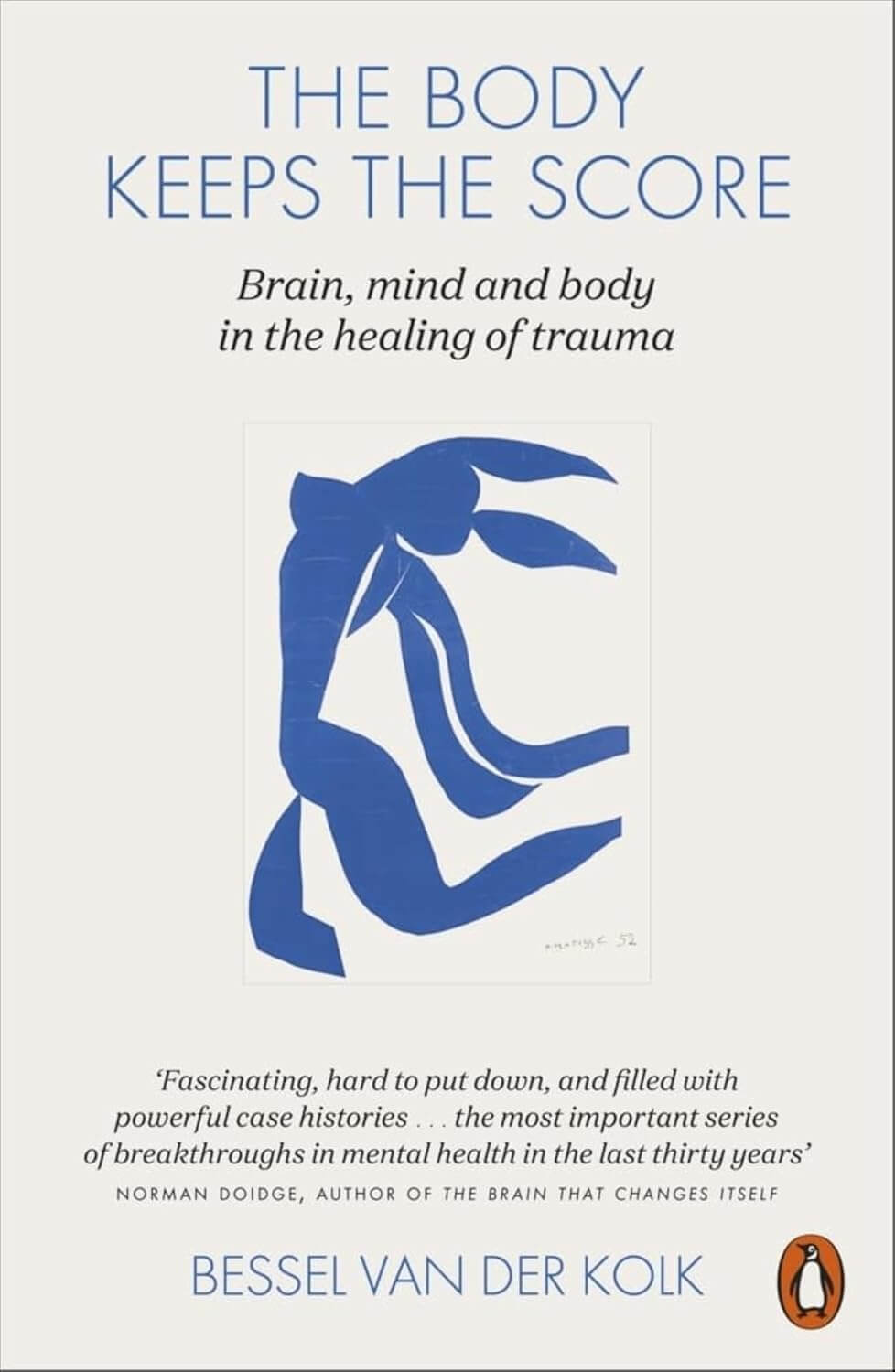
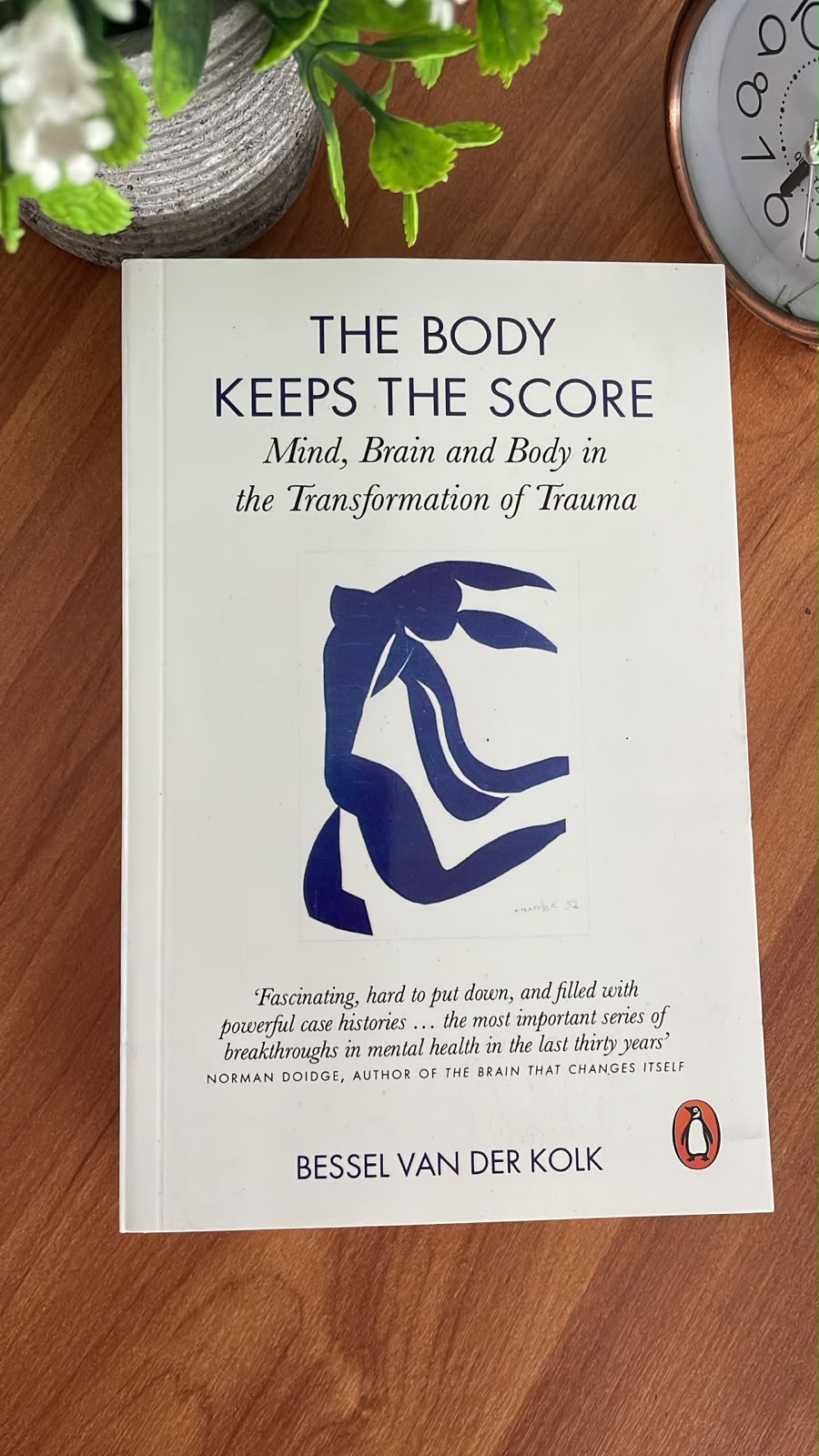
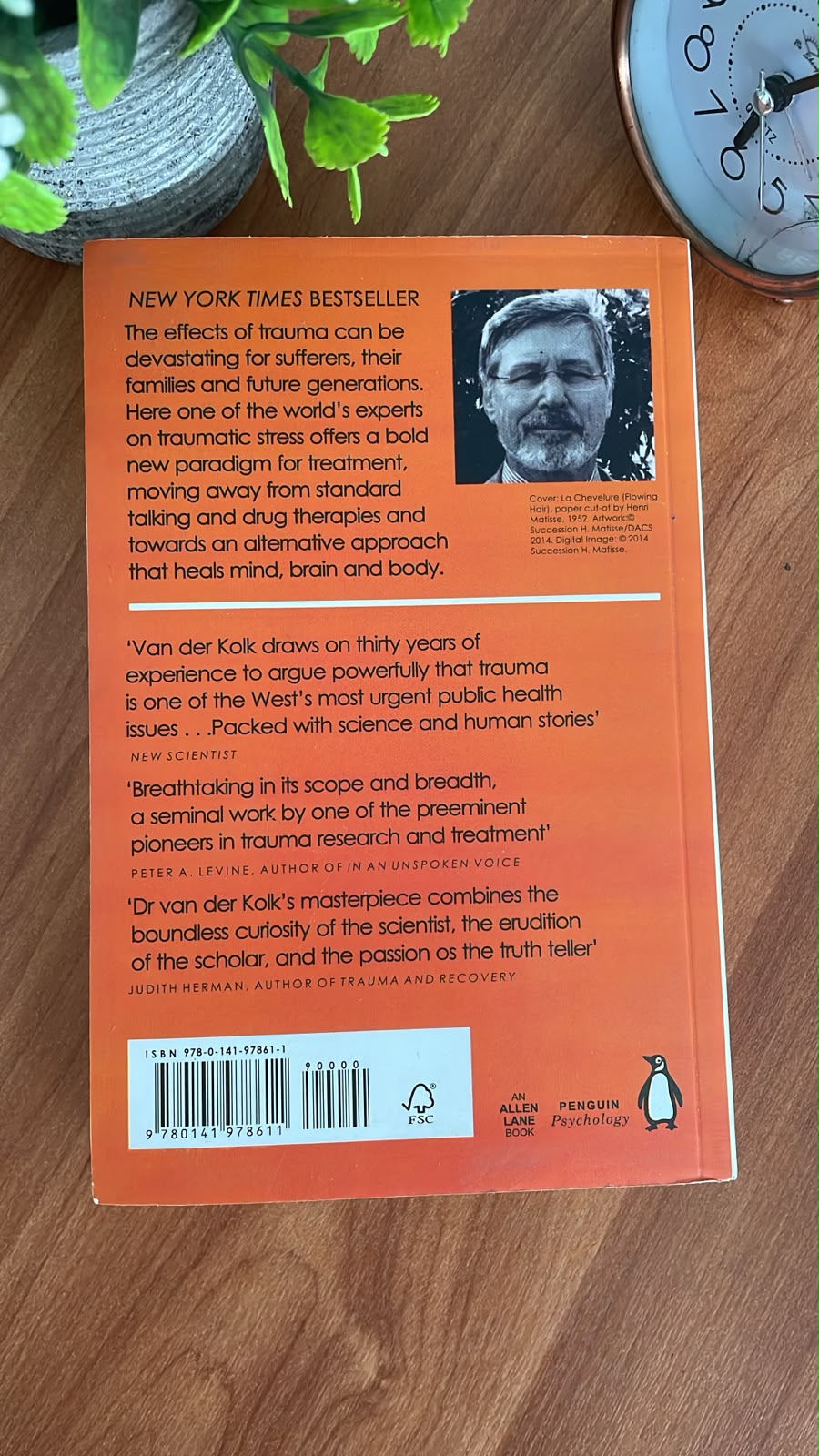
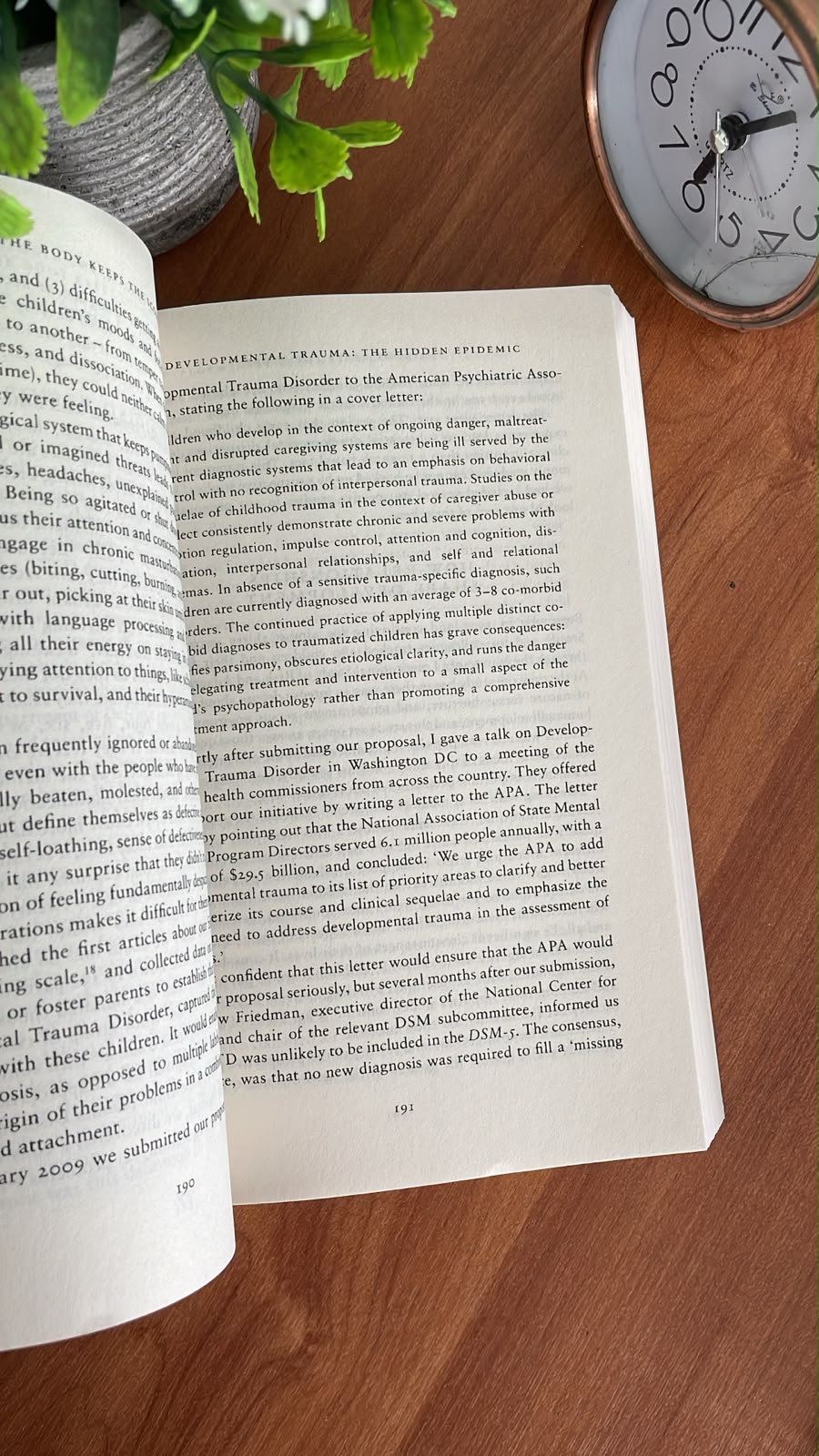
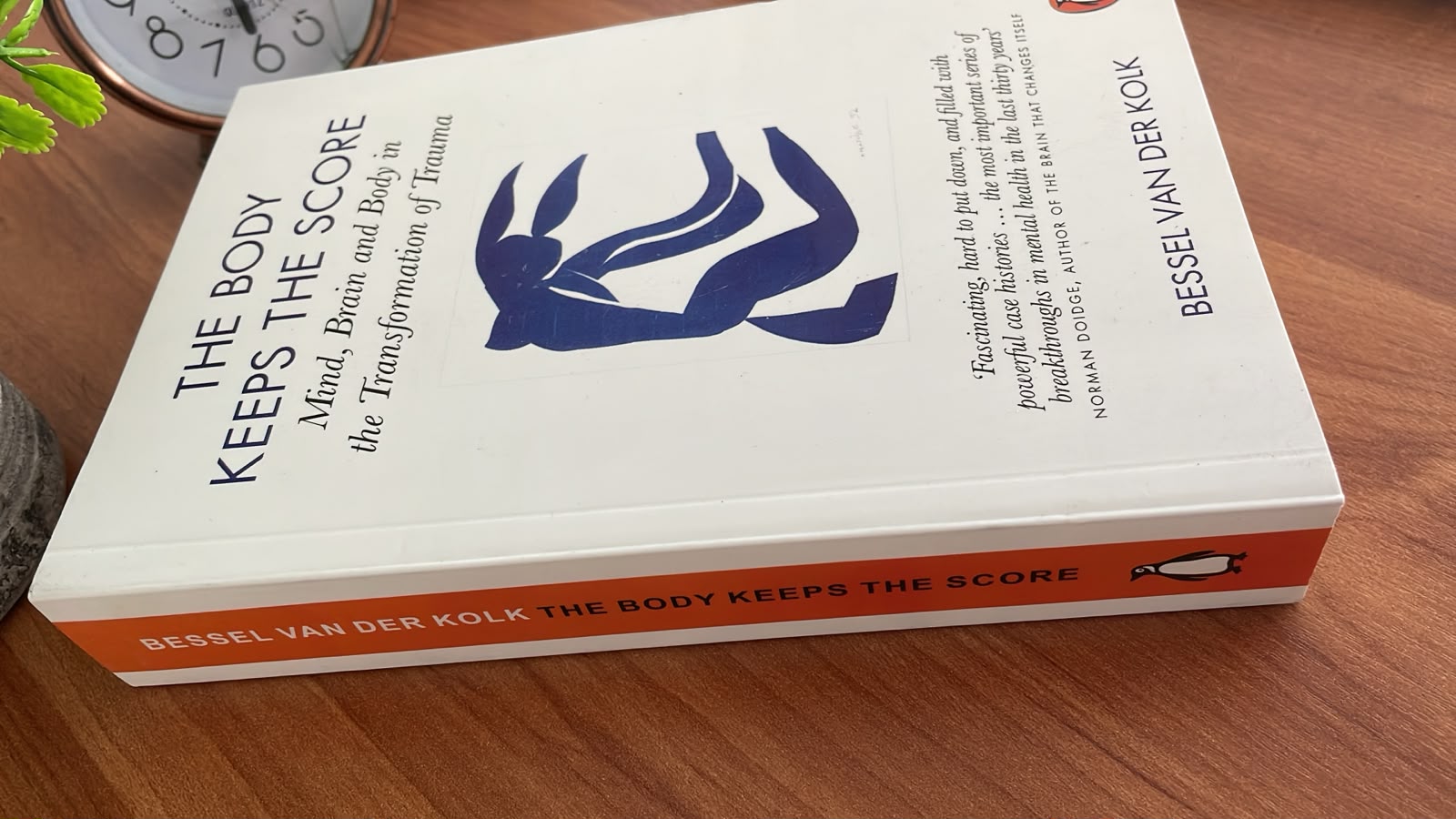

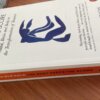
Body Keeps the Score by Bessel Van Der Kolk MD
රු1,750.00
3 X Rs. 583.33 or 8% Cashback with


or 3 X රු583.33 with


or up to 4 X රු437.50 with


Explore the profound impact of trauma on the mind and body with ‘The Body Keeps the Score’ by Dr. Bessel van der Kolk. This bestselling book provides a comprehensive understanding of how trauma shapes our experiences and offers transformative insights into healing. Ideal for readers seeking a holistic approach to mental health and well-being.
4 in stock
The Body Keeps the Score by Bessel van der Kolk
The Body Keeps the Score by Bessel van der Kolk is a widely read psychology book examining trauma, memory, the brain-body connection, relationships, resilience, and recovery.
Drawing on decades of clinical work and research, van der Kolk discusses how overwhelming experiences may continue to influence thoughts, emotions, behaviour, and physical responses long after the original event has passed.
The book combines neuroscience, case histories, psychology, and discussions of different therapeutic approaches.
Why Read The Body Keeps the Score?
The Body Keeps the Score is especially relevant to readers interested in psychology, mental health, neuroscience, trauma studies, counselling, relationships, and human behaviour.
Rather than treating trauma simply as a memory of something difficult that happened in the past, the book explores how traumatic experiences may influence the way people respond to stress and experience safety in the present.
This makes the book both scientific and deeply human.
Understanding Trauma
Trauma can arise from many different experiences.
Van der Kolk discusses people affected by combat, childhood abuse and neglect, domestic violence, and other overwhelming events.
The book examines why two people can experience difficult events differently.
It also considers why some experiences remain emotionally powerful even many years later.
The Brain and the Body
One of the central ideas in The Body Keeps the Score is that trauma should not be understood only through thoughts and memories.
Van der Kolk argues that traumatic stress can also affect bodily reactions and brain processes.
A person may logically know that they are currently safe.
Yet their body may still react as if danger is present.
This difference between conscious understanding and automatic response is a major subject throughout the book.
Memory and Traumatic Experience
Memory is another important theme.
Traumatic memories do not always feel like ordinary memories.
A sound, smell, place, image, or situation may unexpectedly trigger a powerful reaction.
The book explores how past experiences can influence present-day responses even when someone does not consciously intend them to.
Relationships and Safety
The Body Keeps the Score also examines the importance of relationships.
Trust can become difficult after overwhelming experiences.
People may struggle with closeness, communication, or feeling safe around others.
At the same time, supportive relationships can play an important role in recovery.
Penguin Random House highlights the book’s emphasis on the power of relationships both to cause harm and to support healing.
Understanding the Nervous System
Van der Kolk discusses how the brain and nervous system respond to threat.
Some reactions happen automatically.
People may fight, flee, freeze, or experience other intense stress responses.
These reactions can be useful during genuine danger.
Problems can arise when the body continues responding as though danger is present even when the original threat has ended.
Why Talking May Not Always Feel Enough
Traditional talk therapy can be valuable for many people.
However, van der Kolk argues that verbal understanding alone may not address every aspect of trauma.
This is one reason the book explores approaches that involve awareness of the body as well as thoughts and emotions.
The book presents these ideas as part of a broader discussion of trauma treatment rather than as a simple one-size-fits-all solution.
Different Approaches to Recovery
The Body Keeps the Score discusses a range of therapeutic and supportive approaches.
Penguin Random House’s description mentions practices and interventions including neurofeedback, meditation, sports, drama, and yoga.
The UK Penguin edition similarly presents the book as exploring approaches that engage mind, brain, and body.
Readers should remember that treatment choices are individual and should be discussed with appropriately qualified health professionals.
Rebuilding a Sense of Safety
Feeling safe is one of the recurring themes in the book.
Recovery is not simply about forgetting an event.
Instead, it may involve developing a greater sense of stability in the present.
That can include understanding reactions, rebuilding relationships, and learning ways to respond differently to stress.
Trauma and Identity
Difficult experiences can influence how people see themselves.
Someone may begin defining themselves through fear, shame, anger, or helplessness.
The Body Keeps the Score explores the possibility of developing a different relationship with those experiences.
The past remains part of a person’s history.
But it does not necessarily need to determine every part of the future.
Science and Real-Life Stories
One reason the book has attracted such a wide readership is its combination of scientific discussion with case histories.
Van der Kolk connects research involving the brain and trauma with stories from clinical practice.
This helps make complex psychological concepts more accessible to general readers.
It also shows how theoretical ideas can appear in real people’s lives.
7 Powerful Lessons from The Body Keeps the Score
1. Trauma can affect more than memory.
It may influence emotional, behavioural, and bodily responses.
2. Automatic reactions matter.
A person may respond to perceived danger before consciously understanding what is happening.
3. Relationships are important.
Trust, connection, and supportive relationships can matter deeply.
4. Understanding is only one part of recovery.
Van der Kolk discusses approaches that also involve bodily awareness and regulation.
5. Different people may need different approaches.
There is no single experience of trauma or recovery.
6. Safety is central.
Developing a sense of safety in the present is an important theme.
7. Change is possible.
The book emphasizes resilience and possibilities for recovery rather than viewing trauma as a permanent identity.
About Bessel van der Kolk
Bessel van der Kolk, M.D., is a psychiatrist and researcher known for his work on traumatic stress.
Penguin Random House describes him as the founder and medical director of the Trauma Center and notes that The Body Keeps the Score has been translated into more than forty languages.
His work has focused extensively on understanding traumatic stress and its effects.
Book Details
For the U.S. paperback edition, Penguin Random House lists:
Author: Bessel van der Kolk, M.D.
Format: Paperback
Pages: 464
Publication Date: September 8, 2015
The UK Penguin paperback is a different edition and is listed at 560 pages, ISBN 9780141978611.
So check the ISBN and page count printed on your physical copy before entering WooCommerce product details.
Perfect for Readers Interested In
The Body Keeps the Score is a strong choice for readers interested in:
- Psychology
- Trauma studies
- Neuroscience
- Mental health
- Human behaviour
- Relationships
- Memory
- Resilience
- Counselling
- Personal development
- Bessel van der Kolk
- Mind-body psychology
It can also be valuable for students and professionals interested in trauma-informed perspectives.
Build Your Psychology Collection
Readers who enjoy The Body Keeps the Score may also want to explore books about psychology, neuroscience, emotional wellbeing, relationships, and human behaviour.
Add internal links to your Psychology, Personal Development, and Mental Health Books categories where appropriate.
These links can also help improve your Rank Math internal-link score.
Buy The Body Keeps the Score in Sri Lanka
Looking for The Body Keeps the Score in Sri Lanka?
Bessel van der Kolk’s bestselling book is a compelling choice for readers who want to better understand trauma, memory, the brain-body connection, relationships, resilience, and approaches to recovery.
It combines scientific discussion with clinical experience and real-life stories in an accessible format.
Add The Body Keeps the Score to your psychology and wellbeing collection today. https://www.penguinrandomhouse.com/books/313183/the-body-keeps-the-score-by-bessel-van-der-kolk-md/
| Author | Bessel Van Der Kolk MD |
|---|---|
| Type | Paperback Printed Book |
| ISBN/ISSN | 0141978619, 978-0141978611 |
| Language | English |
| Pages | 560 |
Be the first to review “Body Keeps the Score by Bessel Van Der Kolk MD”
Related products

Out of stock
Non-Fiction & Knowledge
රු1,500.00
3 X Rs. 500.00 or 8% Cashback with
or 3 X රු500.00 with
or up to 4 X රු375.00 with

Non-Fiction & Knowledge
රු1,700.00
3 X Rs. 566.67 or 8% Cashback with
or 3 X රු566.67 with
or up to 4 X රු425.00 with
Non-Fiction & Knowledge
රු1,550.00
3 X Rs. 516.67 or 8% Cashback with
or 3 X රු516.67 with
or up to 4 X රු387.50 with
Out of stock
Non-Fiction & Knowledge
රු1,600.00
3 X Rs. 533.33 or 8% Cashback with
or 3 X රු533.33 with
or up to 4 X රු400.00 with
Non-Fiction & Knowledge
රු2,450.00
3 X Rs. 816.67 or 8% Cashback with
or 3 X රු816.67 with
or up to 4 X රු612.50 with
-24%

Out of stock
Non-Fiction & Knowledge
Original price was: රු2,500.00.රු1,900.00Current price is: රු1,900.00.
3 X Rs. 633.33 or 8% Cashback with
or 3 X රු633.33 with
or up to 4 X රු475.00 with
-24%
Out of stock
Non-Fiction & Knowledge
Original price was: රු2,100.00.රු1,600.00Current price is: රු1,600.00.
3 X Rs. 533.33 or 8% Cashback with
or 3 X රු533.33 with
or up to 4 X රු400.00 with
-26%
Non-Fiction & Knowledge
The 7 Habits of Highly Effective People by Stephen R. Covey – Blue Cover
Original price was: රු2,300.00.රු1,700.00Current price is: රු1,700.00.
3 X Rs. 566.67 or 8% Cashback with
or 3 X රු566.67 with
or up to 4 X රු425.00 with
Reviews
There are no reviews yet.