
No products in the cart.
-33%







Think Like a Monk by Jay Shetty


Original price was: රු2,300.00.රු1,550.00Current price is: රු1,550.00.
3 X Rs. 516.67 or 8% Cashback with


or 3 X රු516.67 with


or up to 4 X රු387.50 with


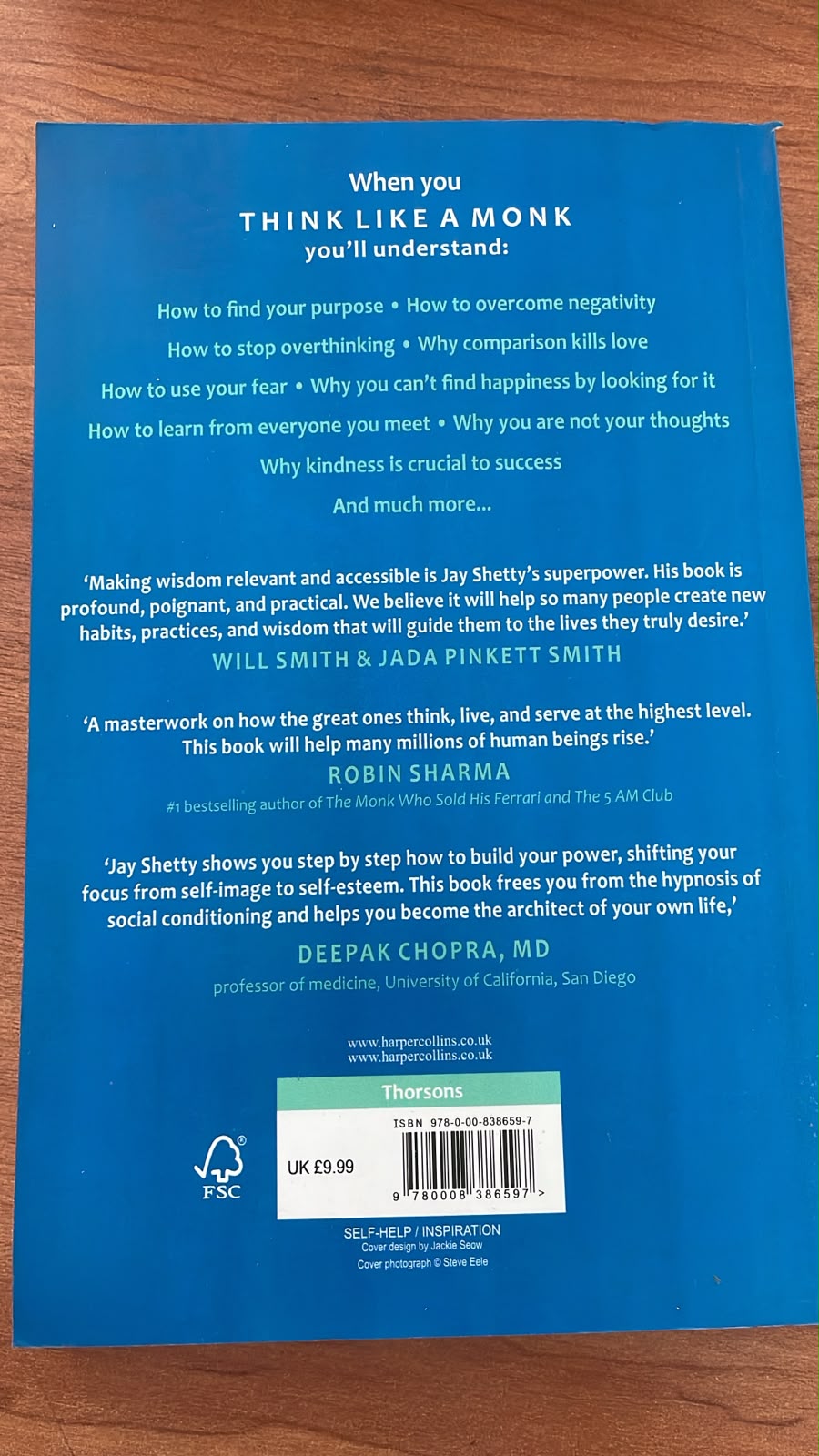
“Think Like a Monk” by Jay Shetty is a transformative guide that draws on timeless wisdom and Jay’s own experiences as a monk to help readers live a more peaceful, purposeful, and fulfilled life. Through practical exercises and profound insights, Shetty teaches how to overcome negativity, find meaning, and create habits that lead to true happiness and success.
40 in stock


Think Like a Monk by Jay Shetty
Think Like a Monk by Jay Shetty is a practical personal-development guide about creating more peace, purpose, focus, and meaning in everyday life.
Drawing on the years he spent as a monk, Shetty combines ancient wisdom with modern examples and exercises.
The book explores how people can reduce mental noise, manage negative thinking, improve relationships, understand fear, and make decisions that reflect their values.
It is not about becoming a monk.
It is about learning to think with greater clarity.
About Think Like a Monk
Jay Shetty left a conventional career path and spent several years living as a monk in India.
During that period, he practised meditation, service, discipline, and self-reflection.
After leaving the monastery, he began applying those principles to modern life.
Think Like a Monk turns those experiences into a practical framework.
Shetty argues that many people are distracted by comparison, fear, social pressure, and constant mental activity.
The book encourages readers to create space between themselves and those thoughts.
7 Powerful Lessons from Think Like a Monk
1. Your Thoughts Are Not Always the Truth
One of the most important ideas in Think Like a Monk is that thoughts should not automatically control behaviour.
People think constantly.
Some thoughts are useful.
Others come from fear, insecurity, comparison, or habit.
Shetty encourages readers to observe thoughts rather than instantly identify with them.
That pause can create better decisions.
2. Let Go of Negativity
Negativity can become a habit.
Complaining.
Judging.
Comparing.
Holding grudges.
These patterns can consume mental energy.
Shetty encourages readers to recognize negative influences and reduce their power.
The goal is not to pretend problems do not exist.
It is to avoid allowing negativity to control attention.
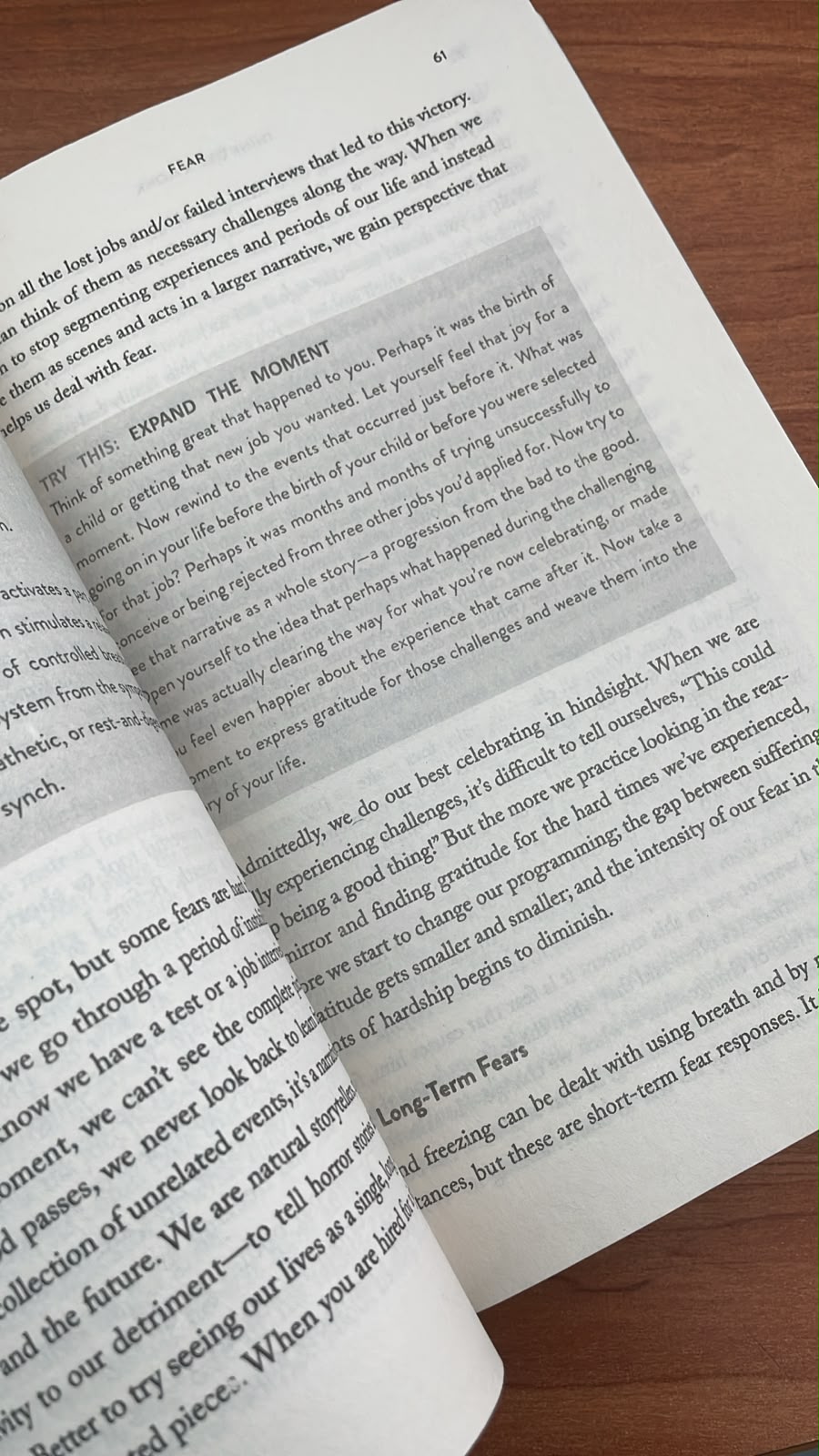
3. Understand Fear
Fear is not always an enemy.
It can provide information.
Fear may reveal uncertainty.
It may show what matters.
It may also expose assumptions that need to be questioned.
Think Like a Monk encourages readers to examine fear carefully rather than simply running from it.
Understanding the source can make it easier to respond wisely.
4. Find Your Purpose
Purpose is one of the central themes of the book.
Shetty draws on the idea of dharma.
This refers to a meaningful path connected to natural strengths, service, and personal values.
Finding purpose does not always mean discovering one dramatic life mission.
It can begin by understanding what you are good at and how those abilities can help others.
5. Build Better Habits
Intentions are not enough.
A calmer and more meaningful life requires consistent habits.
Meditation can become a habit.
Gratitude can become a habit.
Reflection can become a habit.
So can negative patterns.
Shetty encourages readers to create routines that support the person they want to become.
6. Relationships Need Understanding
Healthy relationships require more than affection.
They require listening.
They require communication.
They also require realistic expectations.
Shetty explores the difference between attachment and genuine connection.
The book encourages readers to become more thoughtful about the people they allow to influence their lives.
7. Service Can Create Meaning
One of the strongest messages in Think Like a Monk is that fulfillment is connected to service.
Success can feel empty when it is entirely focused on the self.
Helping others creates a different kind of purpose.
Service does not have to mean something dramatic.
Small acts can still matter.
Overcoming Comparison
Comparison is one of the biggest sources of dissatisfaction in modern life.
Social media makes it especially easy.
People see someone else’s success.
They see their lifestyle.
They see achievements.
What they often do not see is the struggle behind them.
Shetty encourages readers to stop measuring their progress against someone else’s timeline.
A more useful comparison is with your own previous habits and decisions.
Identity and Values
People often inherit ideas about success from family, society, or culture.
A good career.
A certain income.
A particular lifestyle.
Those goals may be useful.
But they may not automatically create fulfillment.
Think Like a Monk encourages readers to define their own values.
What actually matters?
What kind of person do you want to become?
What do you want your actions to represent?
These questions can guide better decisions.
The Importance of Meditation
Meditation plays an important role in the book.
Shetty spent years practising it during his monastic life.
He presents meditation as a way to create awareness.
The goal is not to completely empty the mind.
It is to notice thoughts without being controlled by every one of them.
Consistent practice can create a greater sense of mental space.
Breathwork and Calm
Breathing is another practical tool discussed in the book.
Stress changes the body.
The breath can become fast and shallow.
Intentional breathing can help create a calmer physical state.
Shetty uses simple practices to help readers reconnect with the present moment.
These exercises are easy to use in everyday situations.
Training Attention
Attention is limited.
Whatever receives attention repeatedly becomes more important in the mind.
News.
Social media.
Conflict.
Work.
Relationships.
Think Like a Monk encourages readers to become more deliberate about where they place attention.
A distracted mind has difficulty finding peace.
Training attention can improve both productivity and well-being.
Letting Go
Letting go does not mean forgetting everything that happened.
It means deciding whether the past should continue controlling the present.
People hold onto resentment.
They replay arguments.
They revisit mistakes.
This can create emotional weight.
Shetty encourages forgiveness and perspective.
The objective is not to excuse harmful behaviour.
It is to reduce the power the past holds over your mind.
Gratitude
Gratitude is another recurring practice.
People naturally notice what is missing.
What went wrong.
What someone else has.
Gratitude shifts attention toward what is already present.
That can include relationships.
Health.
Opportunities.
Small moments.
The practice does not remove problems.
It simply creates a more balanced perspective.
Ego and Humility
The ego can make people overly concerned with status, recognition, and being correct.
It can also make criticism feel threatening.
Shetty encourages a more humble approach.
Humility does not mean thinking poorly of yourself.
It means being willing to learn.
It also means recognizing that other people may know something you do not.
Discipline Creates Freedom
Monastic life involves structure.
Shetty uses that experience to show why discipline can be useful.
A routine may initially feel restrictive.
But good habits can reduce decision fatigue.
A consistent morning routine can create focus.
A regular meditation practice can make calm easier to access.
Discipline can therefore create greater freedom.
Purpose and Service
Purpose becomes clearer when abilities are connected to service.
Someone may be good at teaching.
Another may be good at designing.
Another may be good at solving technical problems.
The question becomes how those abilities can create value for others.
This shifts success away from only personal achievement.
It creates a broader sense of meaning.
Who Should Read This Book?
Think Like a Monk is ideal for readers interested in mindfulness, self-development, purpose, meditation, and emotional well-being.
It may especially appeal to people struggling with overthinking.
Readers dealing with comparison, stress, or uncertainty may also find useful ideas.
Entrepreneurs and professionals can apply the lessons about focus and discipline.
Students may find the chapters on identity, purpose, and habits especially relevant.
About Jay Shetty
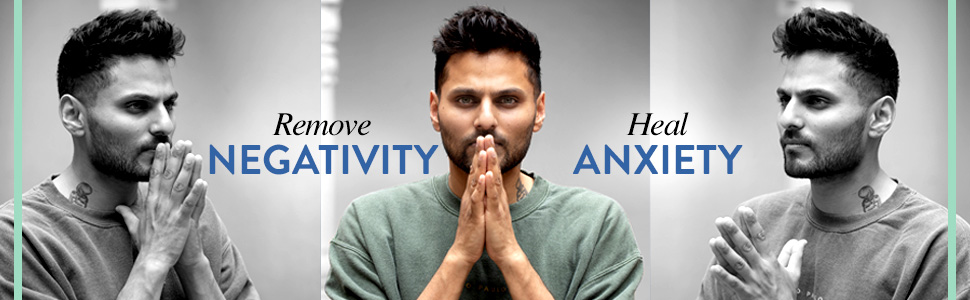
Jay Shetty is an author, storyteller, podcast host, and former monk.
He spent several years living as a monk before returning to the United Kingdom.
He later became known for sharing ideas about mindfulness, purpose, relationships, and well-being.
His books include Think Like a Monk and 8 Rules of Love.
Simon & Schuster describes his work as focused on helping people train their minds for greater peace and purpose.
Readers can learn more through the official Simon & Schuster Think Like a Monk page.
Product Details
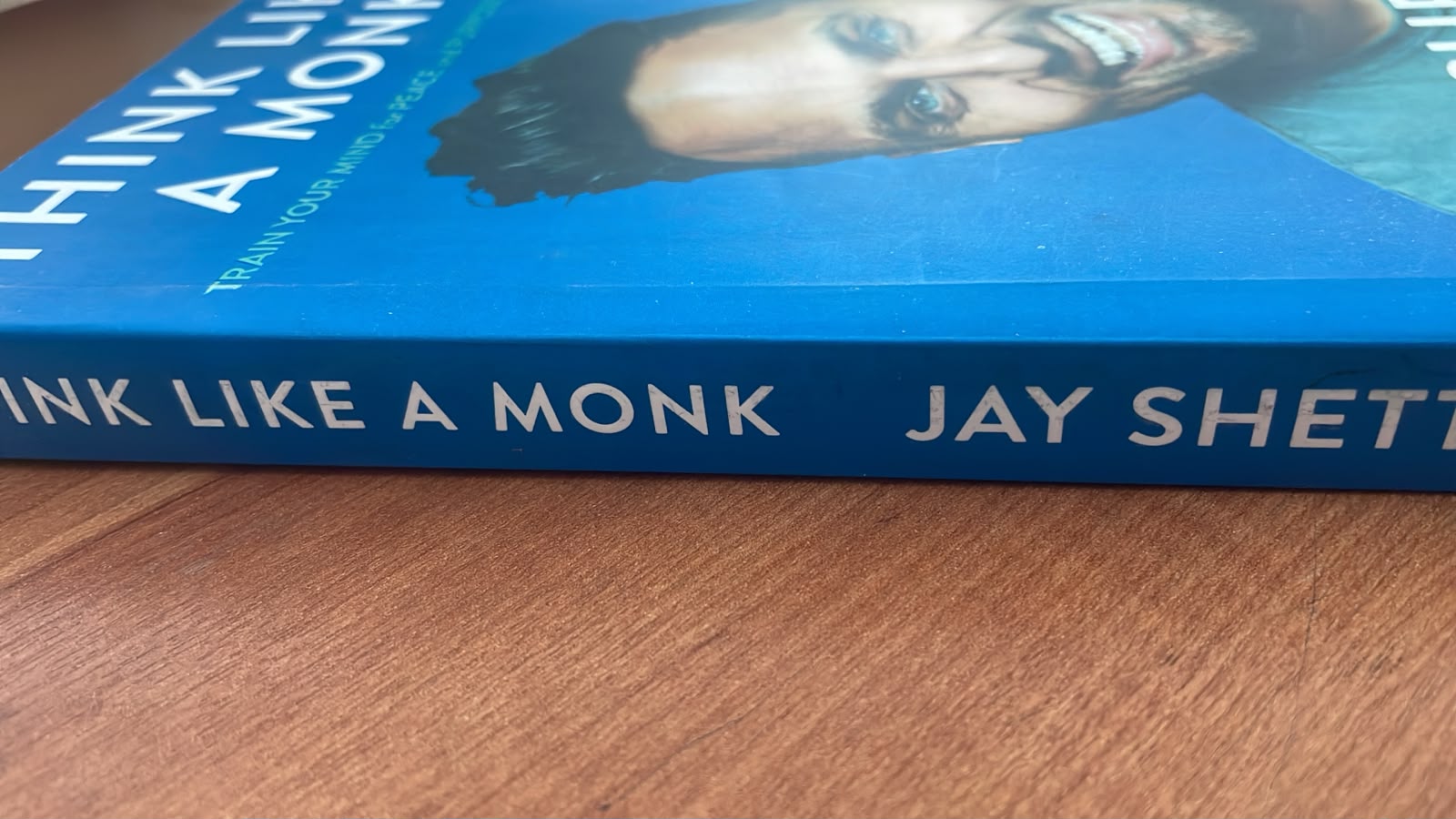
Title: Think Like a Monk
Subtitle: Train Your Mind for Peace and Purpose Every Day
Author: Jay Shetty
Genre: Self-Help / Mindfulness / Personal Development
Language: English
Publisher: Simon & Schuster
Publication Date: September 8, 2020
ISBN-13: 9781982134488
Pages: 352
These specifications apply to the Simon & Schuster hardcover edition.
Paperback and international editions may use different ISBNs, page counts, dimensions, and cover designs.
Always check the ISBN printed on your physical copy before entering final WooCommerce specifications.
Explore More Self-Help Books
Think Like a Monk offers a practical framework for becoming more deliberate about thoughts, habits, relationships, and goals.
The book encourages readers to reduce unnecessary mental noise.
It encourages them to identify their values.
It also emphasizes discipline, gratitude, service, and purpose.
Readers interested in similar books can explore more Self-Help & Psychology Books at Bargain Books.
For readers who want practical ideas for reducing overthinking, finding purpose, and building a calmer mindset, Think Like a Monk offers an accessible introduction to monk-inspired principles for modern life.
| Weight | 0.3 kg |
|---|---|
| Dimensions | 13.5 × 2.2 × 21.6 cm |
| Author | Jay Shetty |
| Language | English |
| ISBN/ISSN | 8386595 |
| Type | Paperback Printed Book (Second Quality Copy) |
Be the first to review “Think Like a Monk by Jay Shetty”
Related products
-26%
Out of stock
Non-Fiction & Knowledge
Original price was: රු2,000.00.රු1,490.00Current price is: රු1,490.00.
3 X Rs. 496.67 or 8% Cashback with
or 3 X රු496.67 with
or up to 4 X රු372.50 with

Non-Fiction & Knowledge
රු2,450.00
3 X Rs. 816.67 or 8% Cashback with
or 3 X රු816.67 with
or up to 4 X රු612.50 with
Non-Fiction & Knowledge
රු1,550.00
3 X Rs. 516.67 or 8% Cashback with
or 3 X රු516.67 with
or up to 4 X රු387.50 with
-13%
Out of stock
Non-Fiction & Knowledge
Original price was: රු3,850.00.රු3,350.00Current price is: රු3,350.00.
3 X Rs. 1,116.67 or 8% Cashback with
or 3 X රු1,116.67 with
or up to 4 X රු837.50 with
-24%

Out of stock
Non-Fiction & Knowledge
Original price was: රු2,500.00.රු1,900.00Current price is: රු1,900.00.
3 X Rs. 633.33 or 8% Cashback with
or 3 X රු633.33 with
or up to 4 X රු475.00 with
-26%
Non-Fiction & Knowledge
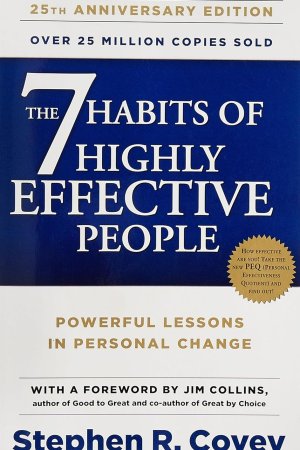
The 7 Habits of Highly Effective People by Stephen R. Covey – Blue Cover
Original price was: රු2,300.00.රු1,700.00Current price is: රු1,700.00.
3 X Rs. 566.67 or 8% Cashback with
or 3 X රු566.67 with
or up to 4 X රු425.00 with

Non-Fiction & Knowledge
රු1,950.00
3 X Rs. 650.00 or 8% Cashback with
or 3 X රු650.00 with
or up to 4 X රු487.50 with

Out of stock
Non-Fiction & Knowledge
රු1,800.00
3 X Rs. 600.00 or 8% Cashback with
or 3 X රු600.00 with
or up to 4 X රු450.00 with
Reviews
There are no reviews yet.