No products in the cart.
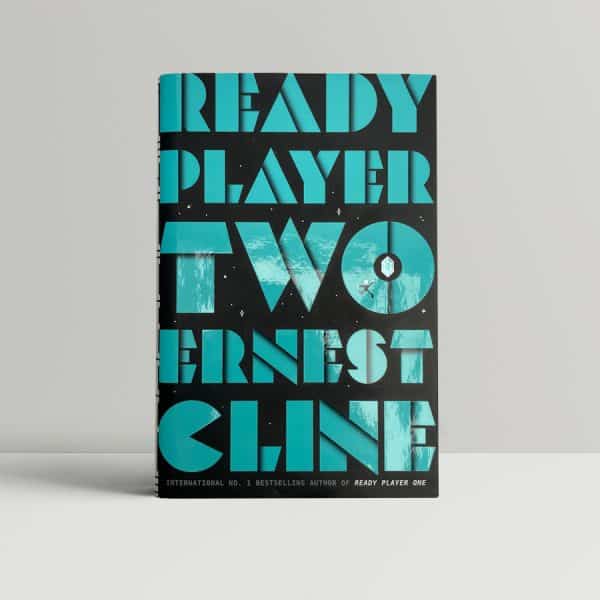
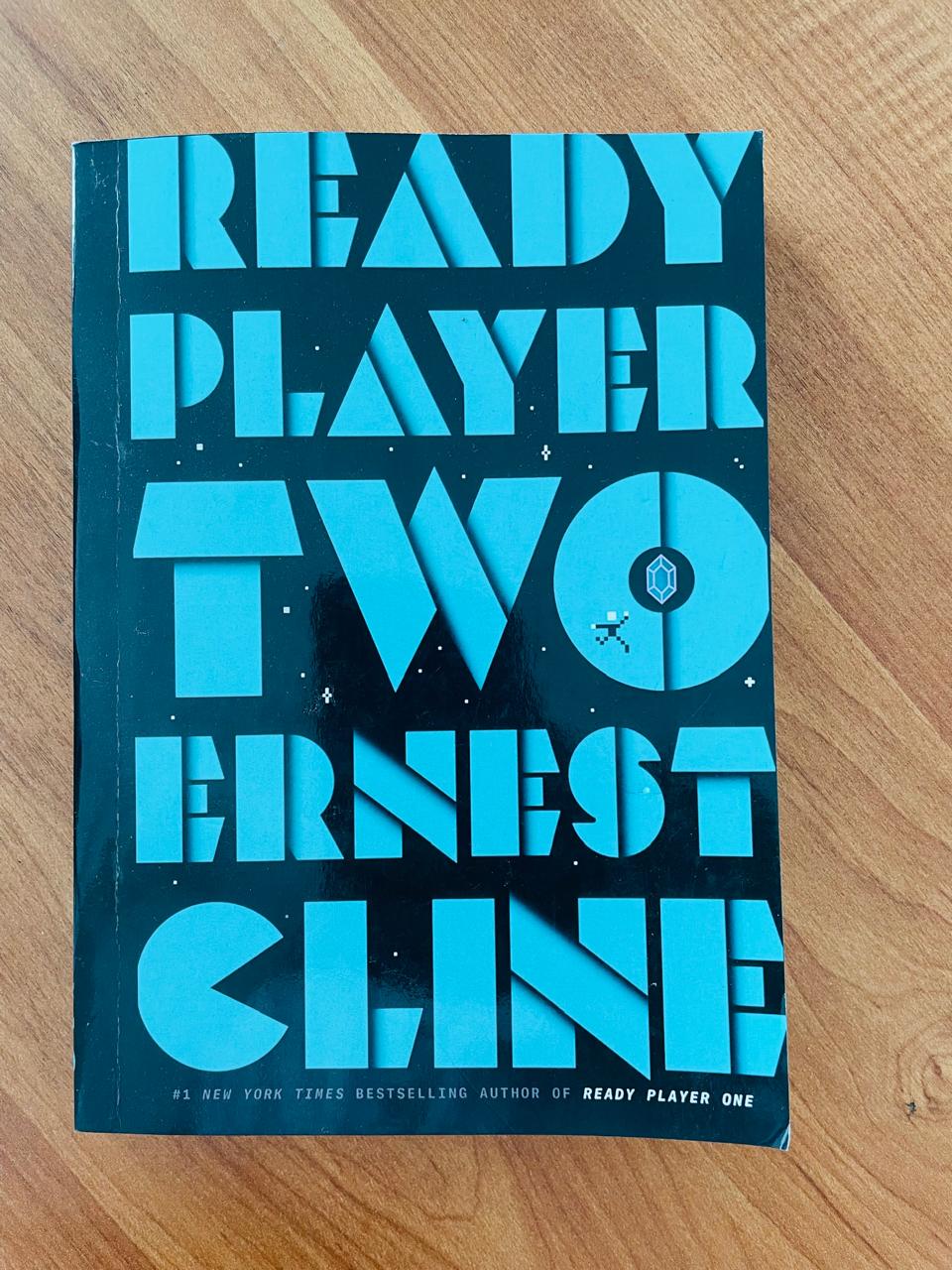
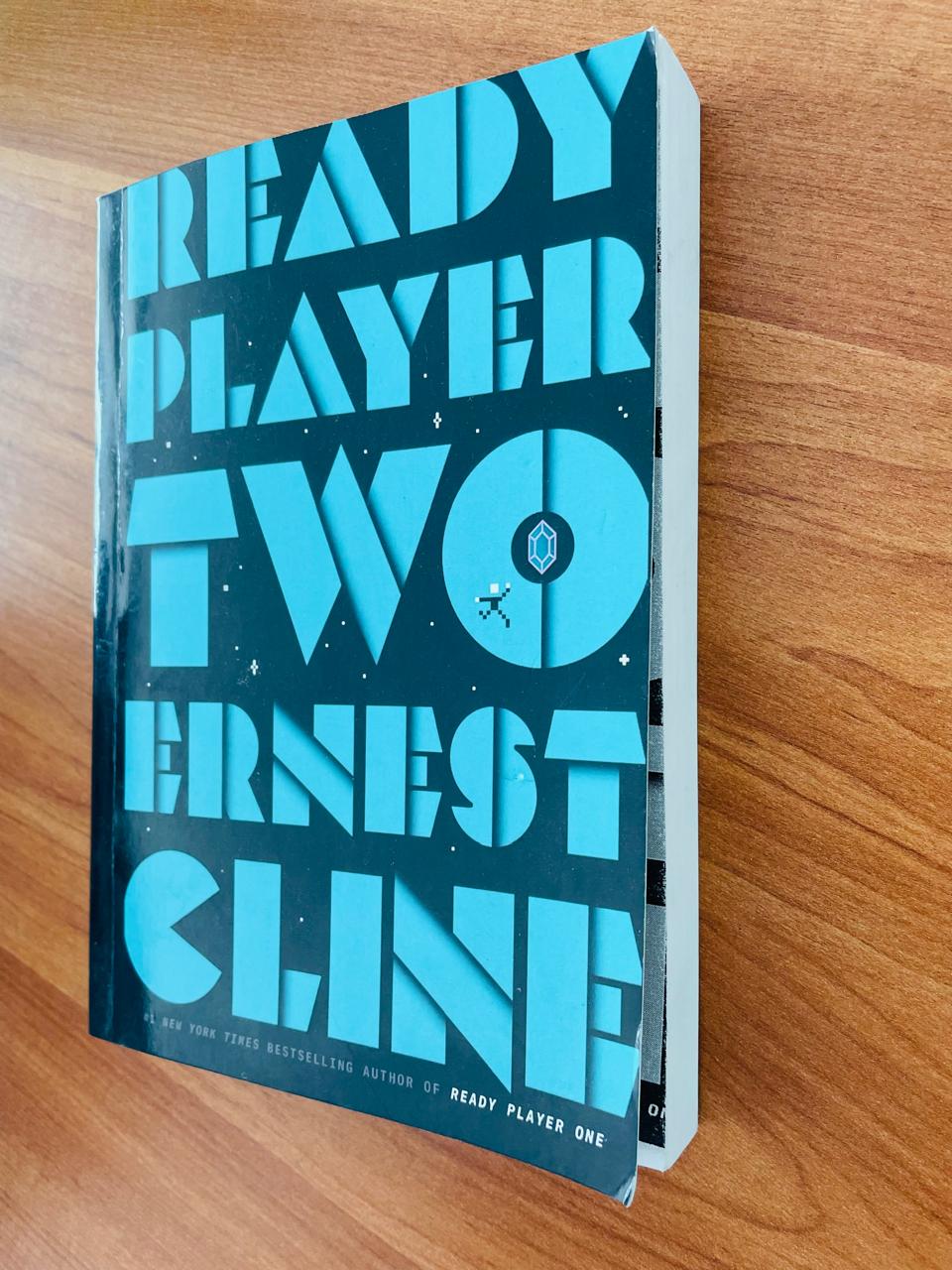
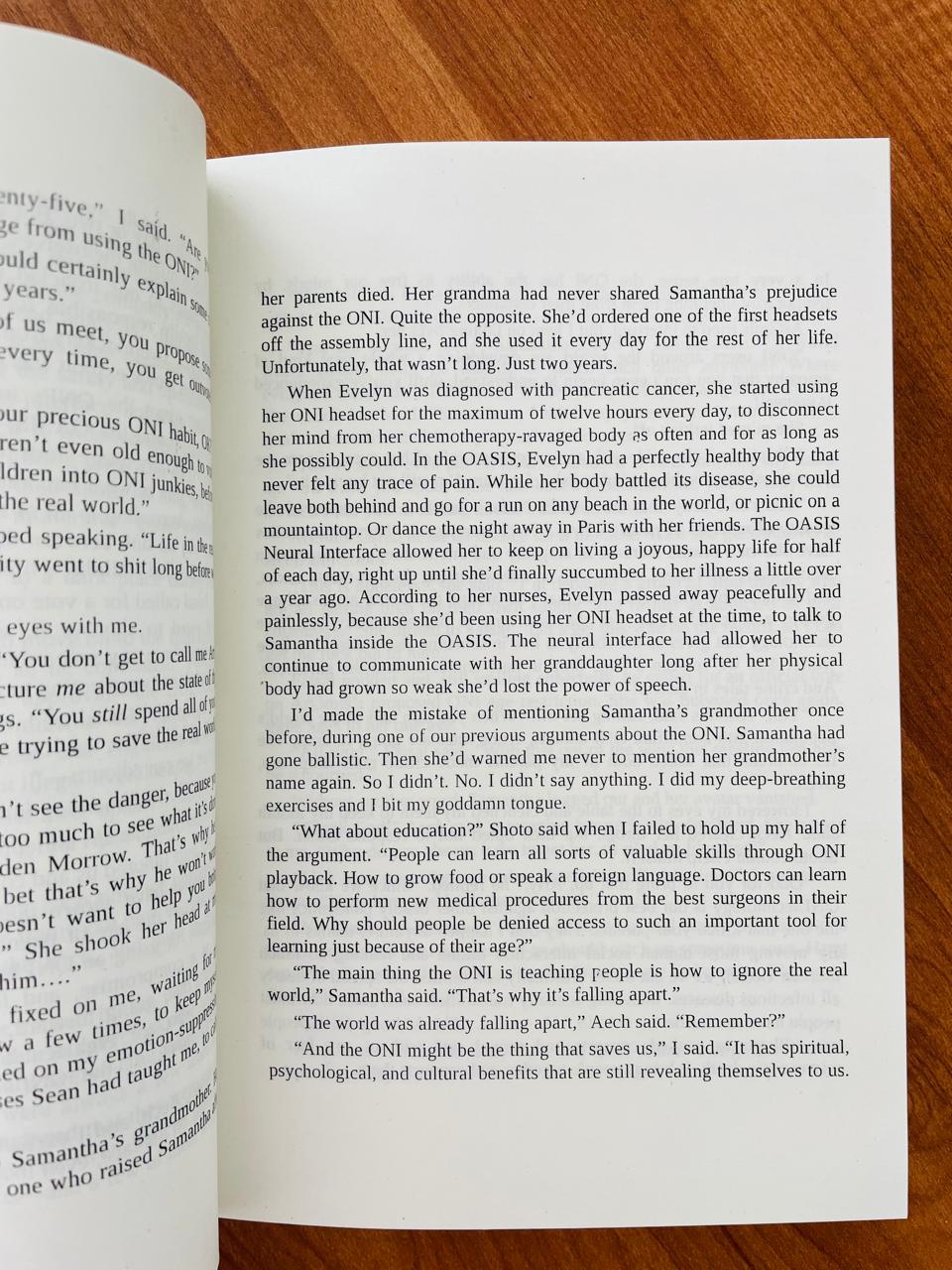
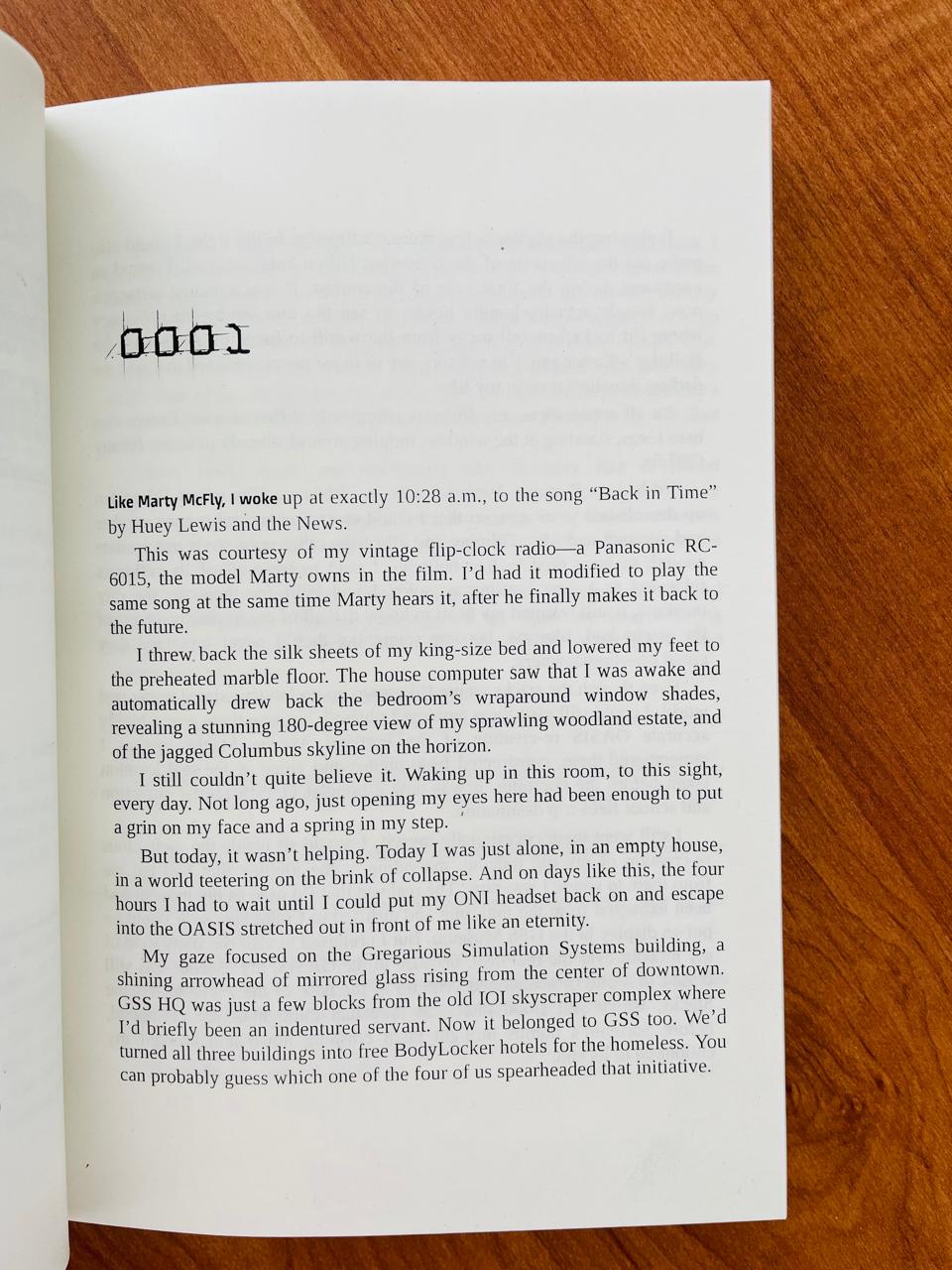
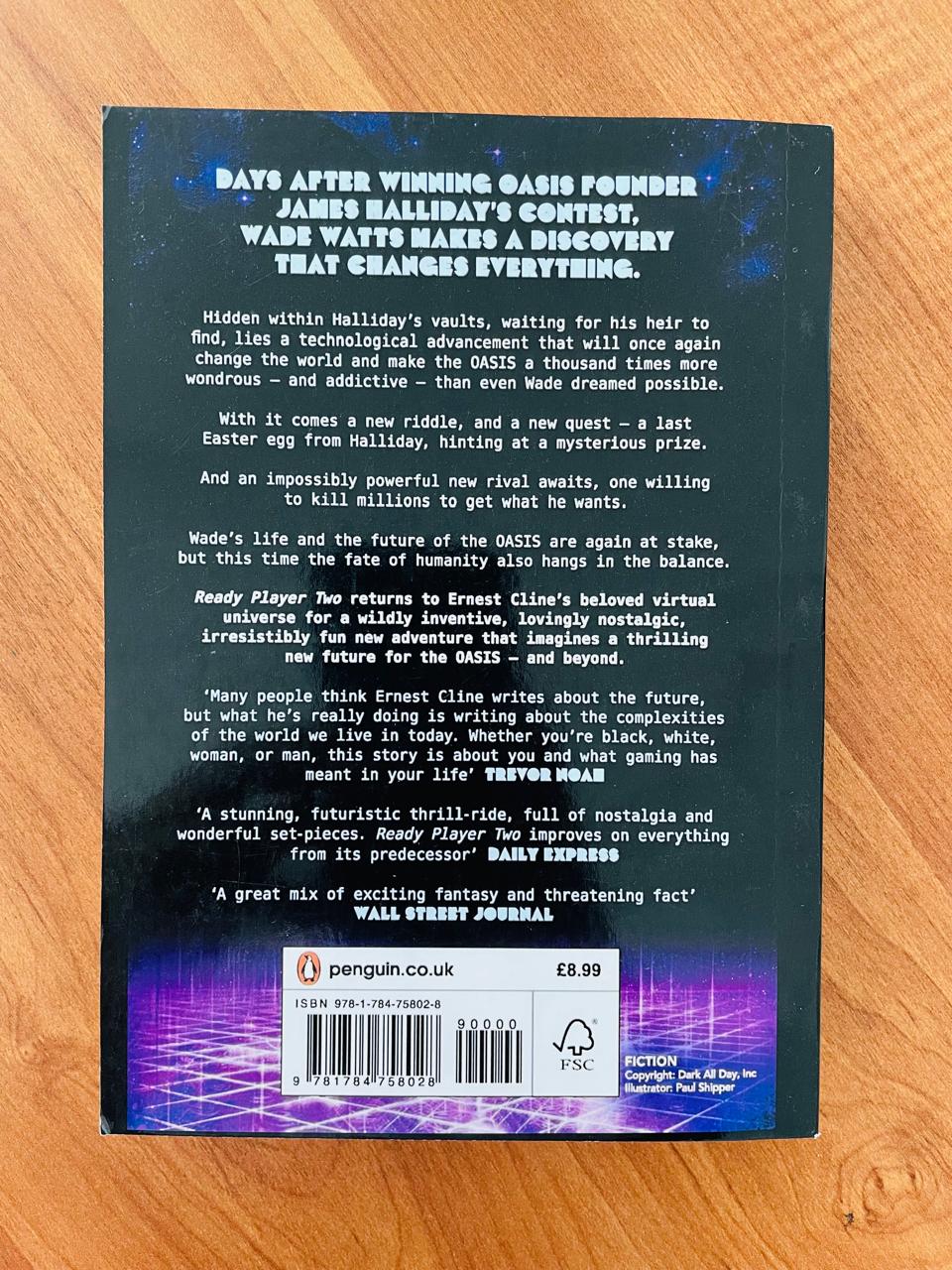

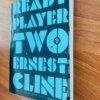


Ready Player Two Ernest Cline by Ernest Cline
රු2,250.00
3 X Rs. 750.00 or 8% Cashback with


or 3 X රු750.00 with


or up to 4 X රු562.50 with


Ready Player Two by Ernest Cline is the direct sequel to Ready Player One, returning to Wade Watts and the OASIS after Halliday’s legendary contest. When Wade discovers a revolutionary new technology and another hidden quest left behind by Halliday, he is drawn into a dangerous race involving artificial intelligence, virtual reality, friendship and the future of humanity. Packed with gaming, pop-culture puzzles and futuristic adventure, it is essential reading for fans who want to continue Wade’s story after Ready Player One.
5 in stock
Purchase & earn 23 points!
Category: Non-Fiction & Knowledge
Ready Player Two by Ernest Cline returns readers to the extraordinary virtual universe of the OASIS for another high-stakes science-fiction adventure filled with gaming, artificial intelligence, virtual reality, pop-culture puzzles and difficult questions about the future of technology.
Wade Watts has achieved what once seemed impossible.
He solved James Halliday’s legendary contest.
He inherited an enormous fortune.
He gained control of the OASIS.
And he became one of the most powerful people in the world.
For someone who spent much of his childhood poor, isolated and escaping reality through a virtual world, Wade’s life has changed almost beyond recognition.
But winning Halliday’s contest was not the end.
Only days after his victory, Wade discovers that Halliday left behind something else.
A revolutionary piece of technology.
One capable of making the OASIS more immersive than anything Wade previously imagined.
Instead of merely seeing and hearing a virtual world, users may experience digital reality in an entirely new way.
The invention appears incredible.
But powerful technology rarely comes without consequences.
Along with the discovery comes another mystery.
Another riddle.
Another quest.
And another dangerous opponent.
Suddenly Wade, Samantha, Aech, Shoto and the people connected to the OASIS are once again caught in a struggle where the consequences reach far beyond a videogame.
Ready Player Two by Ernest Cline takes the nostalgic digital adventure of the first novel and pushes it into new territory involving artificial intelligence, immersive technology, identity, memory, addiction and the question of how much of real life humanity should be willing to replace with a virtual one.
Ready Player Two by Ernest Cline – Book Overview
Ready Player Two by Ernest Cline continues Wade Watts’s story after the events of Ready Player One.
This means the sequel begins from a very different position.
In the first book, Wade was an underdog.
He had very little money.
Very little power.
His greatest advantage was his knowledge, determination and ability to solve Halliday’s puzzles.
Now Wade has almost everything.
Money.
Influence.
Technology.
Control of the OASIS.
That creates a different challenge.
What happens when someone who spent years dreaming about power finally receives it?
And what responsibility comes with controlling technology used by billions of people?
Wade Watts After Winning
Winning does not automatically solve Wade’s problems.
This is one of the interesting ideas behind the sequel.
In Ready Player One, the goal appears clear:
Find Halliday’s Easter egg.
Win the contest.
Defeat IOI.
But life continues after victory.
Wade now has to decide what kind of person he will become when survival is no longer his primary concern.
Power reveals different weaknesses than poverty.
The OASIS
The OASIS remains central to Ready Player Two by Ernest Cline.
It is much more than a videogame.
People use it for:
Entertainment.
Education.
Social interaction.
Work.
Commerce.
Relationships.
Travel.
Escape.
For many users, virtual life can feel more attractive than physical reality.
That creates enormous opportunities.
It also creates serious risks.
The Next Generation of Virtual Reality
A major technological discovery pushes immersion much further.
The new system allows users to experience the OASIS at a level far beyond conventional virtual reality.
That raises an exciting possibility:
What if digital experiences could feel almost completely real?
But it also creates an uncomfortable question:
If virtual life becomes more enjoyable than physical life, why would people want to leave?
Technology and Addiction
One of the strongest themes in Ready Player Two by Ernest Cline is the addictive potential of immersive technology.
Even today’s digital platforms can consume enormous amounts of attention.
Games.
Social media.
Streaming.
Phones.
Now imagine technology capable of reproducing experiences with extraordinary realism.
Entertainment could become almost impossible to resist.
The novel pushes readers to think about where enjoyment ends and dependency begins.
Escape From Reality
Wade has always used the OASIS partly as an escape.
In the difficult world of Ready Player One, that was understandable.
Physical reality was damaged by:
Economic inequality.
Environmental problems.
Energy shortages.
Social instability.
The OASIS gave people somewhere else to go.
But escape can become dangerous when it prevents people from dealing with the world outside the simulation.
Virtual Reality Versus Real Life
This conflict becomes even more important in the sequel.
Technology can improve life.
It can allow:
Learning.
Connection.
Creativity.
Accessibility.
Entertainment.
But a virtual world should not necessarily become a replacement for every physical experience.
Ready Player Two by Ernest Cline asks where that boundary should exist.
Samantha Cook / Art3mis
Samantha remains one of the most important characters in Wade’s life.
She has always been more skeptical than Wade about using the OASIS as an answer to humanity’s problems.
Her perspective creates an important conflict.
Wade often sees technological possibility.
Samantha is more likely to ask about consequences.
Both questions matter.
Can we build this?
And:
Should we?
Wade and Samantha
Their relationship also demonstrates that saving the world together does not guarantee an easy relationship afterward.
Shared adventure can create connection.
Ordinary life requires something else:
Communication.
Respect.
Compromise.
Understanding different values.
The sequel explores what happens when two people who care deeply about each other disagree about powerful technology.
Aech
Aech returns as part of Wade’s closest circle.
The friendship between Wade and Aech was one of the emotional foundations of the first novel.
In the sequel, Wade again needs people who can challenge him rather than simply agree with him because he is wealthy and powerful.
True friends are especially valuable when someone has enough power to surround themselves only with people who say yes.
Shoto
Shoto also returns.
Together with Wade, Samantha and Aech, he forms part of the group that emerged from Halliday’s original contest.
Their friendship was forged through danger.
Now they face another threat connected to the OASIS.
The High Five
The group’s shared history matters because they understand what Halliday’s puzzles can demand.
They have already:
Decoded clues.
Studied obscure pop culture.
Survived digital battles.
Taken enormous risks.
But the new challenge is not simply a repetition of the first.
The stakes are different.
James Halliday
Although Halliday is dead, his influence continues shaping everything.
He created the OASIS.
He created the first contest.
His memories and obsessions shaped Wade’s entire generation.
And he still has secrets waiting to be discovered.
This raises an important question:
How much power should one person’s personality continue to have after death?
The Problem With Idolizing Genius
Wade grew up idolizing Halliday.
To him, Halliday was:
The creator of the OASIS.
A legendary programmer.
The architect of the greatest contest ever created.
But admiration can make people overlook flaws.
As Wade learns more about Halliday, the difference between:
Brilliant inventor
and
perfect human being
becomes increasingly important.
No amount of intelligence makes someone morally infallible.
Another Quest
The publisher describes the sequel as introducing another riddle and another hidden prize connected with Halliday.
For fans of the first book, this means the return of one of its most enjoyable structures:
Clue.
Research.
Pop-culture reference.
Virtual location.
Puzzle.
Discovery.
But the new quest is connected to much more dangerous technology.
Easter Eggs
The concept of an Easter egg remains important.
In gaming and software culture, an Easter egg is a hidden message, feature or reference placed inside a program.
Halliday transforms this tradition into something enormous.
His secrets can change:
Fortunes.
Companies.
The OASIS.
Potentially the future of humanity.
Pop-Culture Knowledge
Ernest Cline again builds parts of the adventure around deep knowledge of entertainment and fandom.
Readers can expect references involving areas such as:
Videogames.
Movies.
Music.
Science fiction.
Fantasy.
Geek culture.
This remains one of the defining features of the Ready Player universe.
Nostalgia
Nostalgia is powerful because it connects entertainment with emotion.
A game is not always simply a game.
A song can remind someone of childhood.
A movie can remind someone of friendship.
A fictional world can feel like a home.
Cline uses nostalgia as both entertainment and a subject worth questioning.
Can Nostalgia Become a Trap?
Looking backward can be comforting.
But living entirely in the past can prevent people from creating something new.
Halliday built much of his identity around the entertainment he loved when he was younger.
Wade inherits many of those obsessions.
The sequel therefore raises an interesting tension between:
Preserving beloved culture
and
building the future.
Artificial Intelligence
AI becomes especially important to the sequel’s technological questions.
Artificial intelligence in science fiction often appears as:
Robots.
Supercomputers.
Machines trying to destroy humanity.
But a more complicated question is:
What happens when AI becomes connected with human identity, memory and decision-making?
Digital Copies of People
If enough information about someone’s:
Voice.
Memories.
Preferences.
Personality.
Habits.
could be recorded, could technology create something resembling that person?
And if it could, would that digital entity actually be the person?
Or only an extremely accurate simulation?
This is one of the philosophical territories explored by Ready Player Two by Ernest Cline.
What Makes You You?
Are you your body?
Your memories?
Your personality?
Your relationships?
Your consciousness?
Science fiction is especially useful for exploring these questions because technology can make abstract philosophical problems suddenly feel practical.
Memory
Memory becomes another major theme.
Our memories shape how we understand ourselves.
Imagine technology capable of recording or reproducing human experience.
That could create enormous benefits.
People might preserve moments with extraordinary detail.
But there would also be questions about:
Privacy.
Consent.
Ownership.
Manipulation.
Who Owns Your Experiences?
If technology records something you experience, who owns that data?
You?
The platform?
The company that built the device?
This may sound futuristic, but modern devices already collect information about:
Location.
Communication.
Browsing.
Purchases.
Health.
The sequel simply pushes this issue much further.
Privacy
The more immersive technology becomes, the more personal data it may collect.
A system that understands:
What you see.
What you feel.
What you choose.
What you enjoy.
could know a remarkable amount about you.
Convenience and privacy may therefore come into conflict.
Technology Companies and Power
Wade is no longer merely a customer.
He controls technology used by enormous numbers of people.
That changes the moral question.
A user asks:
Should I use this technology?
An owner must ask:
Should billions of people be given access to it?
The responsibility is much larger.
Innovation Versus Responsibility
Inventors often focus on what technology makes possible.
Leaders must also consider what technology makes dangerous.
A breakthrough can be:
Profitable.
Popular.
Revolutionary.
And still create serious risks.
That is why technological leadership requires more than programming ability.
The New Enemy
The sequel introduces another extraordinarily dangerous opponent.
The threat is connected directly with the technology and history surrounding the OASIS.
This enemy is more complicated than someone simply trying to steal money.
The conflict raises questions about:
Control.
Identity.
Artificial intelligence.
Mortality.
The limits of digital existence.
Power Inside a Virtual World
In the OASIS, someone with enough control can influence the environment experienced by billions.
That raises a frightening question.
What happens when an entity inside the system becomes more powerful than the humans who built it?
The Danger of Centralization
A system can be convenient because everything is connected.
But centralization also creates vulnerability.
If billions of people depend on one platform, then control of that platform becomes extraordinarily powerful.
This is relevant beyond fiction.
Modern societies increasingly depend on a small number of large digital systems.
The Future of the Internet
The OASIS can be viewed as an extreme evolution of the internet.
Instead of visiting websites, people enter immersive spaces.
Instead of profiles, they use avatars.
Instead of watching content, they inhabit it.
In that sense, Ready Player Two by Ernest Cline explores ideas now associated with:
Virtual worlds.
Digital identity.
AI.
Metaverse-style platforms.
Immersive computing.
Avatars
An avatar lets someone choose how they appear.
That can be liberating.
You may experiment with:
Identity.
Appearance.
Gender expression.
Personality.
Fantasy.
But the distance between digital identity and physical identity can also become complicated.
Who are you when your avatar feels more real than your physical body?
Real Relationships in Virtual Spaces
A friendship formed online can still be real.
A romantic relationship can begin digitally.
People can genuinely care about someone they first meet through a screen.
The Ready Player books understand this.
The question is not whether virtual relationships are fake.
It is whether technology helps or replaces meaningful connection.
Friendship
The High Five survived the first adventure because they eventually learned to trust one another.
That lesson remains important.
Wade may possess enormous technological power.
But he cannot solve everything alone.
Leadership
Winning Halliday’s fortune puts Wade into a leadership position whether he is emotionally ready or not.
Leadership requires more than intelligence.
It requires:
Listening.
Accepting criticism.
Considering consequences.
Sharing responsibility.
Knowing when you are wrong.
Wealth
Extreme wealth also creates new problems.
When someone can buy almost anything, ordinary limitations disappear.
But emotional maturity cannot be purchased.
Money cannot automatically create:
Wisdom.
Healthy relationships.
Purpose.
Good judgment.
Success After the Happy Ending
This is one reason the sequel is interesting conceptually.
Many adventure stories end when the hero wins.
But what happens afterward?
You get the money.
You defeat the villain.
You achieve the dream.
Then what?
Ready Player Two by Ernest Cline begins after the victory and asks whether success itself can create new dangers.
Should You Read Ready Player One First?
Yes. Absolutely.
Ready Player Two is a direct sequel.
The story assumes you already understand:
Wade Watts.
Samantha / Art3mis.
Aech.
Shoto.
James Halliday.
Ogden Morrow.
The OASIS.
Halliday’s original contest.
The ending of the first novel.
Starting with Book 2 would spoil major events from Ready Player One and make many relationships much harder to understand.
Correct Reading Order
Read the novels in this order:
1. Ready Player One
2. Ready Player Two
That is the correct order for Wade Watts’s story.
Is Ready Player Two a Standalone?
No.
Ready Player Two by Ernest Cline should be treated as a sequel rather than an independent novel.
Read Ready Player One first.
Ready Player One Movie
Ready Player One was adapted into the 2018 film directed by Steven Spielberg, with Ernest Cline serving as a co-screenwriter. Penguin Random House confirms that the first novel inspired the blockbuster adaptation.
Readers who know only the film should be aware that the book version contains differences.
Because Ready Player Two continues from the novel’s continuity, reading Ready Player One before the sequel provides the clearest experience.
Is Ready Player Two a Movie?
The officially released screen adaptation is Ready Player One. Ready Player Two is the novel sequel.
For your product page, it is safer to market this specifically as Book 2 / the sequel to Ready Player One, rather than promising a film adaptation.
Is Ready Player Two YA or Adult Science Fiction?
The Ready Player novels are generally published as adult science fiction, although they are also popular with teen readers because of their:
Gaming themes.
Young protagonists.
Fast-paced adventure.
Pop-culture references.
Readers should expect science-fiction concepts, action and some mature language/themes.
Is It Cyberpunk?
It contains several cyberpunk-adjacent elements:
Dystopian society.
Corporate power.
Virtual reality.
Digital identity.
Economic inequality.
Advanced technology.
However, it is usually described more broadly as science fiction / virtual-reality adventure rather than strict cyberpunk.
Is It About the Metaverse?
The term “metaverse” may be useful for modern readers, although the OASIS predates much of today’s mainstream metaverse discussion.
The OASIS functions like a vast shared virtual universe where people:
Work.
Learn.
Play.
Socialize.
Own digital items.
Build identities.
That makes the novel particularly interesting to readers following developments in virtual worlds and immersive technology.
Ernest Cline
Ernest Cline is a novelist and screenwriter best known for Ready Player One, Ready Player Two and Armada. He also co-wrote the screenplay for the Ready Player One film adaptation.
His fiction is particularly known for combining:
Science fiction.
Gaming.
Technology.
Pop-culture nostalgia.
Quest narratives.
Edition Details
The official Ballantine Books U.S. paperback edition is:
Title: Ready Player Two
Author: Ernest Cline
Publisher: Ballantine Books
ISBN-13: 9781524761349
Pages: 384
Paperback Publication Date: November 9, 2021.
The original U.S. hardcover was published on November 24, 2020, with ISBN 9781524761332, also at 384 pages.
Since international editions can have different ISBNs, use the ISBN printed on the actual physical BookLounge copy when filling the WooCommerce product attributes.
Content Considerations
Ready Player Two by Ernest Cline contains themes and material involving:
- Virtual-reality addiction
- Artificial intelligence
- Violence and life-threatening situations
- Death
- Dystopian social conditions
- Corporate and technological power
- Relationship conflict
- Digital surveillance and privacy
- Strong language
- Dangerous technological experimentation
- Discussions of identity and mortality
The tone remains primarily science-fiction adventure rather than horror.
Important Themes
Ready Player Two by Ernest Cline explores:
- Virtual reality
- Artificial intelligence
- Gaming
- Technology
- Digital identity
- Memory
- Friendship
- Love
- Power
- Responsibility
- Privacy
- Addiction
- Nostalgia
- Leadership
- Digital immortality
- Corporate influence
- Human connection
- Escapism
- Ethics
- The future of immersive technology
7 Epic Reasons to Read Ready Player Two by Ernest Cline
- The OASIS becomes even more immersive. The sequel introduces technology that dramatically expands what virtual reality can do, creating both incredible possibilities and serious risks.
- Wade faces the problems that come after winning. Instead of repeating the underdog story, the sequel examines what happens when a young hero suddenly controls enormous wealth and technological power.
- Another Halliday mystery begins. Fans of the first novel’s puzzles and Easter eggs get a new quest connected to Halliday’s hidden legacy.
- The story explores timely AI questions. Artificial intelligence, identity, memory and digital existence play an important role in the larger conflict.
- The High Five return. Wade, Samantha, Aech and Shoto remain connected to the adventure, bringing familiar relationships back into the OASIS.
- It asks whether virtual life can become too good. The novel explores what may happen when digital experiences become more attractive, addictive and emotionally powerful than physical reality.
- It directly continues Ready Player One. Readers who finished Wade’s first quest can immediately discover what happened after the apparent happy ending.
Why Read Ready Player Two by Ernest Cline?
Ready Player Two by Ernest Cline is an excellent choice for readers interested in science fiction, virtual reality, artificial intelligence, videogames, digital worlds, futuristic technology and pop-culture adventures.
It may particularly appeal to readers who enjoyed:
Ready Player One
Gaming fiction.
Virtual worlds.
AI stories.
Cyberpunk-inspired settings.
Pop-culture puzzles.
Quest narratives.
Technology ethics.
Books about the future of the internet.
The sequel expands the Ready Player universe while asking a more complicated question than simply:
Can Wade win the game?
This time the question becomes:
What happens when technology becomes powerful enough to change what humans consider reality itself?
Who Should Read This Book?
Ready Player Two by Ernest Cline may especially appeal to:
- Ready Player One fans
- Ernest Cline readers
- Gamers
- Science-fiction readers
- Virtual-reality enthusiasts
- AI and technology readers
- Fans of futuristic adventures
- Readers who enjoy pop-culture references
- Readers interested in digital identity
- Fans of high-stakes quest stories
- Readers interested in metaverse-style worlds
- Anyone wanting to continue Wade Watts’s story
However, new readers should start with Ready Player One rather than beginning here.
Ready Player Two by Ernest Cline – What Happens After You Win the Game?
Ready Player Two by Ernest Cline begins where many stories would have ended.
Wade won.
He solved Halliday’s contest.
He gained wealth beyond anything he could have imagined.
He helped defeat IOI.
He gained control of the OASIS.
That sounds like the perfect ending.
But winning changes the questions.
When Wade had no power, the problem was surviving.
Now he has enormous power.
The problem is using it wisely.
A technological discovery offers humanity an even deeper escape into the OASIS.
For Wade, that seems incredible.
For others, it looks dangerous.
Both reactions make sense.
Imagine a technology that lets people experience things they could never afford or safely attempt in reality.
Travel.
Adventure.
Fantasy.
Different lives.
That could be extraordinary.
Now imagine billions of people deciding that the digital world feels better than the real one.
The same technology suddenly looks much more complicated.
Then Halliday’s legacy creates another quest.
Another mystery.
Another race against time.
But this time Wade is not simply playing for a fortune.
He is responsible for a system used by much of humanity.
That raises the stakes far beyond the scoreboard.
The sequel therefore asks questions that feel increasingly relevant:
How immersive should technology become?
Who should control powerful digital platforms?
How much personal information should technology collect?
Can artificial intelligence reproduce something resembling a human personality?
Is a perfect virtual experience worth abandoning imperfect reality?
And does having the ability to build something automatically mean we should build it?
For readers who loved the OASIS, the puzzles and the geek-culture adventure of the first novel, Ready Player Two by Ernest Cline provides another fast-moving trip into Wade Watts’s digital universe while expanding the series into deeper questions about AI, memory, virtual reality and the responsibility that comes with technological power.
Learn more about Ready Player Two by Ernest Cline on the official Penguin Random House website.
Explore more science fiction and adventure books at Bargain Books.
Be the first to review “Ready Player Two Ernest Cline by Ernest Cline” Cancel reply
Related products
රු2,000.00
Purchase & earn 20 points!
3 X Rs. 666.67 or 8% Cashback with
or 3 X රු666.67 with
or up to 4 X රු500.00 with
-19%
Out of stock
Non-Fiction & Knowledge
3 X Rs. 716.67 or 8% Cashback with
or 3 X රු716.67 with
or up to 4 X රු537.50 with
-7%
Out of stock
3 X Rs. 1,400.00 or 8% Cashback with
or 3 X රු1,400.00 with
or up to 4 X රු1,050.00 with
-24%
Out of stock
Non-Fiction & Knowledge
3 X Rs. 533.33 or 8% Cashback with
or 3 X රු533.33 with
or up to 4 X රු400.00 with
-26%
Non-Fiction & Knowledge
The 7 Habits of Highly Effective People by Stephen R. Covey – Blue Cover
3 X Rs. 566.67 or 8% Cashback with
or 3 X රු566.67 with
or up to 4 X රු425.00 with
Non-Fiction & Knowledge
රු1,550.00
Purchase & earn 16 points!
3 X Rs. 516.67 or 8% Cashback with
or 3 X රු516.67 with
or up to 4 X රු387.50 with
-19%
Out of stock
Biography
3 X Rs. 650.00 or 8% Cashback with
or 3 X රු650.00 with
or up to 4 X රු487.50 with
-24%
Non-Fiction & Knowledge
3 X Rs. 583.33 or 8% Cashback with
or 3 X රු583.33 with
or up to 4 X රු437.50 with
Reviews
There are no reviews yet.