
No products in the cart.

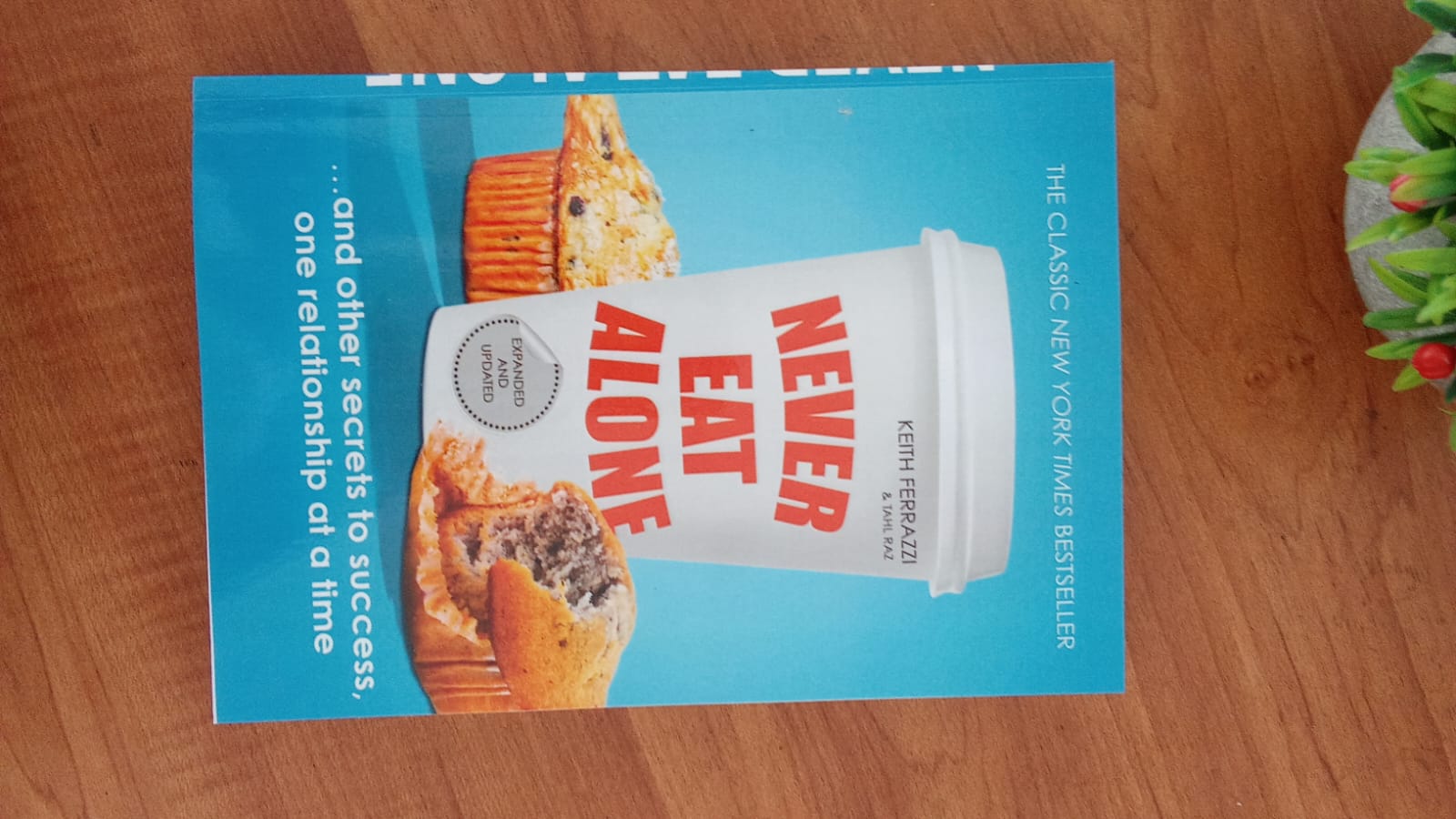
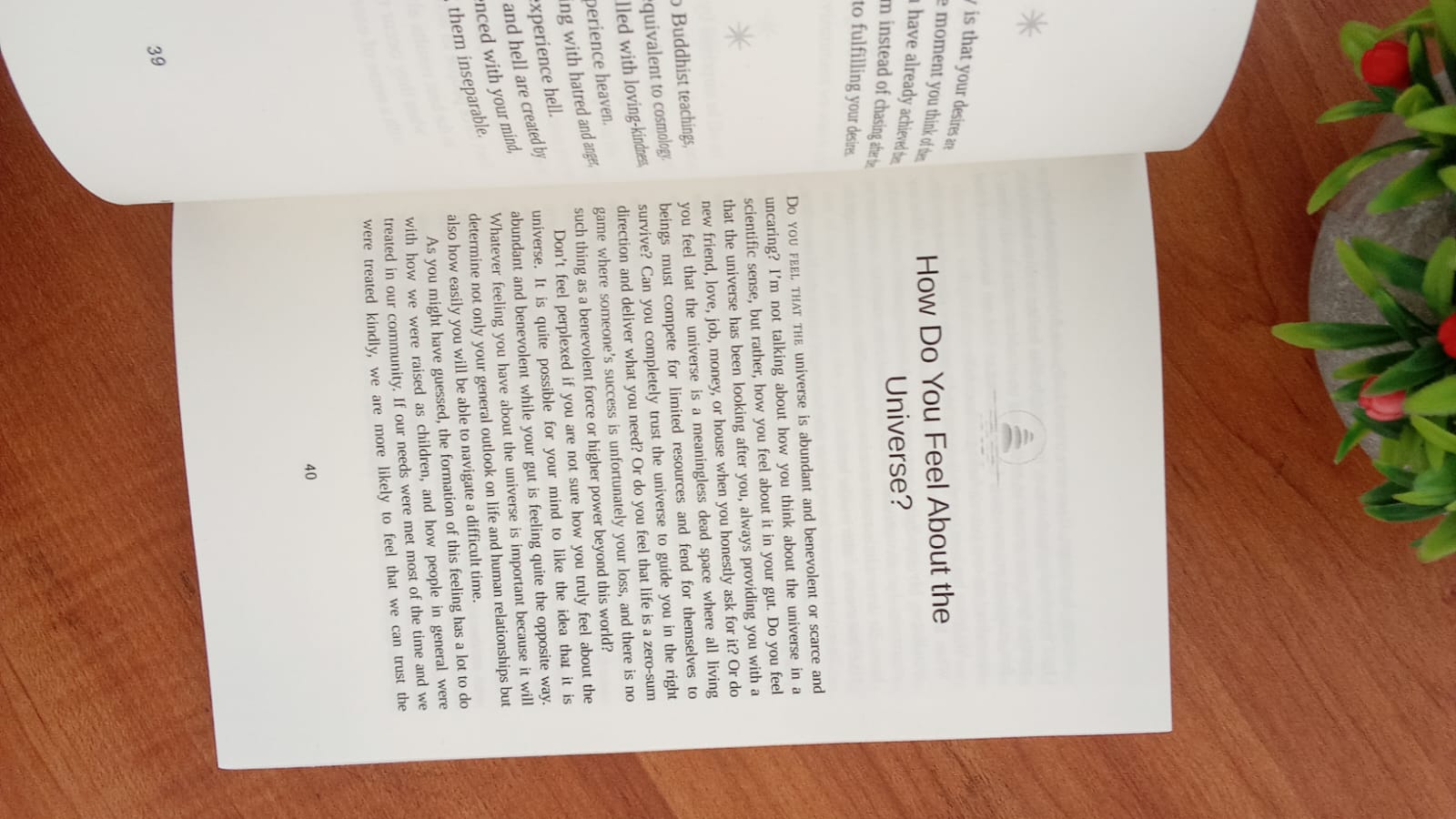





Never Eat Alone by Keith Ferrazzi and Tahl Raz


රු1,950.00
3 X Rs. 650.00 or 8% Cashback with


or 3 X රු650.00 with


or up to 4 X රු487.50 with


Never Eat Alone by Keith Ferrazzi is a bestselling business and networking guide about building genuine, mutually valuable professional relationships. Ferrazzi explains how generosity, regular follow-up, thoughtful introductions, preparation and consistent communication can turn ordinary contacts into meaningful long-term connections. Ideal for entrepreneurs, students, managers, sales professionals, job seekers and anyone interested in career growth, networking and relationship-building.
3 in stock
Never Eat Alone by Keith Ferrazzi is a practical business and personal-development guide to building meaningful professional relationships, expanding your network and creating opportunities by helping other people succeed alongside you.
Many people think networking means attending events, collecting business cards, sending connection requests or contacting influential people when they need a favour.
Keith Ferrazzi argues for a very different approach.
Strong networks are built before you need them.
They grow through generosity, trust, regular communication and genuine interest in other people.
Instead of asking, “What can this person do for me?”, Ferrazzi encourages readers to think about what value they can provide first.
That could mean introducing two people who should know each other, sharing useful information, recommending an opportunity, offering advice or simply staying in touch.
Over time, these small actions can create relationships in which people genuinely want to help one another.
Never Eat Alone by Keith Ferrazzi combines personal stories, business examples and practical strategies for meeting people, maintaining connections, attending conferences, reaching influential contacts, following up and using relationships more effectively in both career and life.
The Expanded and Updated edition also addresses networking in the digital age, including social platforms and online professional communication. Penguin Random House describes Ferrazzi’s approach as relationship-building based on generosity rather than the superficial behaviour often associated with traditional networking.
Never Eat Alone by Keith Ferrazzi – Book Overview
Never Eat Alone by Keith Ferrazzi is built around a simple but important idea:
Success is rarely completely individual.
Careers grow through people.
Businesses grow through people.
Ideas spread through people.
Opportunities frequently arrive through people.
A talented person working entirely alone may miss opportunities that someone with strong relationships encounters naturally.
But Ferrazzi does not argue that people should create fake relationships for personal gain.
His method depends on making networking more human.
Real relationships first.
Opportunities second.
Networking Is Not Collecting Contacts
Having 10,000 LinkedIn connections does not automatically mean you have a strong network.
A contact is simply someone whose information you possess.
A relationship involves:
Trust.
Recognition.
Communication.
History.
Mutual value.
If someone would not recognize your name when you contact them, they are probably not yet part of a meaningful professional relationship.
This distinction is central to Never Eat Alone by Keith Ferrazzi.
Build Relationships Before You Need Them
One of the biggest networking mistakes is waiting until there is a problem.
You lose a job.
Suddenly you contact everyone.
You need investment.
Suddenly you begin meeting investors.
You need customers.
Suddenly you start reconnecting with old contacts.
People can often sense when the relationship exists only because you need something.
Ferrazzi recommends building relationships continuously.
Then when opportunities or difficulties appear, there is already trust.
Give Before You Ask
Generosity is one of the book’s strongest themes.
If you meet someone useful, the first question does not always need to be:
“How can they help me?”
A better question is:
“How can I be useful to them?”
Perhaps you know someone they should meet.
Perhaps you have useful information.
Perhaps you can recommend their work.
Perhaps you can solve a small problem.
People remember those who help them without immediately demanding repayment.
Don’t Keep Score
Ferrazzi encourages readers not to treat relationships like financial transactions.
If you help someone today, do not immediately think:
Now they owe me one.
Genuine generosity works differently.
You contribute because you want the relationship and the other person’s success to grow.
This does not mean allowing people to exploit you.
It means avoiding a narrow transactional mindset.
Your Network Is a Community
A powerful professional network is not simply a list of powerful individuals.
The real value often comes from the connections between people.
Imagine you know:
A designer looking for clients.
A startup needing a designer.
Connecting them helps both.
You did not need to be the customer or designer.
Your value came from creating the connection.
This is one of the most practical ideas in Never Eat Alone by Keith Ferrazzi.
Become a Connector
Connectors naturally introduce people.
They notice:
Who needs something.
Who can provide it.
Who shares interests.
Who should collaborate.
Becoming this type of person makes your network stronger because people begin seeing you as someone who creates opportunities.
Define Your Goals
Networking becomes much more effective when you know where you are going.
Suppose you want to become a software engineer.
Your relationship strategy could include connecting with:
Developers.
Engineering managers.
Startup founders.
Recruiters.
Open-source contributors.
Technology communities.
University alumni.
But if you have no idea what direction you want, it becomes harder to know which relationships to develop.
Relationships Should Support a Mission
Ferrazzi connects networking with personal goals.
Your network should not be built randomly only to make the number larger.
Think about:
What are you trying to accomplish?
Who is already involved in that world?
Who could teach you?
Who could benefit from what you know?
Who should you learn from?
The answers make networking more intentional.
Start With People You Already Know
Many people think networking begins with strangers.
Often, it does not.
Your existing network may include:
Friends.
Family.
Former classmates.
Coworkers.
Customers.
Suppliers.
Teachers.
Neighbours.
Previous employers.
People often underestimate how many relationships they already have.
Weak Connections Can Be Valuable
You may not speak frequently with every useful professional contact.
Some people remain at the edge of your network.
These weaker connections can still expose you to:
Different industries.
New information.
New opportunities.
Different communities.
Strong relationships provide trust.
Wider connections provide reach.
A healthy network can contain both.
Do Your Homework
Before meeting someone important, learn about them.
Understand their:
Work.
Company.
Industry.
Interests.
Current projects.
This makes conversation more meaningful.
Instead of saying:
“So, what do you do?”
you may be able to discuss something they genuinely care about.
Preparation communicates respect.
Personalization Matters
Generic networking messages are easy to ignore.
“Hi, I want to connect with you.”
Why?
“Can I pick your brain?”
About what?
A stronger message explains:
Who you are.
Why you are contacting them.
What you have in common.
Why the conversation could be worthwhile.
Personal relevance improves the chance of a response.
Be Willing to Reach Out
Some people never develop professional relationships because they are afraid of rejection.
They think:
What if this person ignores me?
What if they say no?
What if I embarrass myself?
Those outcomes are possible.
But not asking guarantees no opportunity.
Ferrazzi encourages a certain level of social courage.
Rejection Is Part of Networking
Not everyone will respond.
Not everyone wants coffee.
Not every executive will answer.
Not every introduction will lead anywhere.
That is normal.
A rejection does not automatically mean:
You are unimportant.
Your career is finished.
You should stop networking.
Move respectfully to the next opportunity.
Follow Up
Meeting someone once is not the same as building a relationship.
Relationships develop through repeated interaction.
Following up could be as simple as:
“It was great meeting you yesterday. I enjoyed our conversation about ecommerce. Here’s the article I mentioned.”
Short.
Relevant.
Useful.
That is much better than disappearing for three years and returning when you need something.
Ping Regularly
One of Ferrazzi’s memorable principles is maintaining contact consistently.
You do not need to have a long conversation every time.
Sometimes you can:
Congratulate someone.
Share an article.
Comment on an achievement.
Wish them well.
Make an introduction.
Ask how a project is going.
Small interactions keep relationships alive.
Do Not Contact People Only When You Need Something
Imagine someone contacts you every year.
Every message begins:
“Can you help me?”
Eventually, you understand the pattern.
Compare that with someone who regularly:
Shares useful information.
Asks how you are doing.
Celebrates your success.
Introduces opportunities.
Then when they eventually ask for help, the request exists inside a real relationship.
Networking for Introverts
Never Eat Alone by Keith Ferrazzi does not require becoming the loudest person in every room.
Introverts can build strong professional relationships through:
One-to-one conversations.
Thoughtful messages.
Small groups.
Consistent follow-ups.
Helping others.
Networking does not require pretending to be extremely extroverted.
The goal is connection, not performance.
Quality Versus Quantity
A huge network can create reach.
But a small number of meaningful relationships can create enormous value.
Instead of asking:
“How many people do I know?”
ask:
“How many relationships am I genuinely maintaining?”
Numbers can look impressive while relationships remain weak.
Attend Events With a Purpose
Conferences and networking events can become useless if you simply walk around collecting business cards.
Before attending, decide:
Who would you like to meet?
What do you want to learn?
Who could you help?
Which sessions matter?
Preparation can turn an ordinary conference into a valuable relationship-building opportunity.
Don’t Spend the Entire Event With People You Already Know
Networking events often produce a funny result.
People arrive to meet new people.
Then spend three hours talking only to their existing coworkers.
Comfort wins.
If your goal is to expand your network, deliberately create opportunities to meet new people.
Introductions Are Powerful
One of the easiest ways to create value is introducing two people.
A good introduction explains why they should connect.
For example:
“Daniel, meet Nimal. Daniel works on ecommerce systems, and Nimal is currently rebuilding his company’s online ordering platform. I thought you two might have useful ideas to exchange.”
Now both people understand the connection.
Meals Create Relationships
The title Never Eat Alone should not be interpreted literally as a rule that you must never have a peaceful meal alone.
The idea is about recognizing ordinary time as a potential opportunity for connection.
Lunch can become:
A mentoring conversation.
A customer relationship.
A friendship.
A brainstorming session.
A chance to reconnect.
Time you already spend eating can sometimes also strengthen relationships.
Networking Is More Than Business
The book’s principles can also improve:
Friendships.
Community relationships.
Mentorships.
Professional partnerships.
Career development.
Relationship-building should not stop the moment working hours end.
People are not job titles.
Be Human
One of the strongest messages behind Never Eat Alone by Keith Ferrazzi is that effective networking requires genuine humanity.
People remember how you make them feel.
They notice whether you listen.
They recognize whether your interest disappears once they can no longer help you.
Authenticity matters.
Vulnerability Can Strengthen Relationships
Professional culture often encourages people to appear completely confident.
But real relationships sometimes grow through honest conversations.
You can admit:
“I don’t know.”
“I made a mistake.”
“I need advice.”
Appropriate vulnerability allows relationships to move beyond superficial professional performance.
Ask for Advice
People often enjoy sharing knowledge they have worked hard to gain.
If someone has experience you lack, asking a thoughtful question can create a meaningful conversation.
The key is making the request respectful and specific.
Avoid expecting hours of unpaid consulting from someone you barely know.
Mentors
Mentorship can accelerate learning.
A mentor may help you understand:
Mistakes to avoid.
Industry politics.
Career options.
Skills you need.
People worth knowing.
But mentorship usually develops through relationship and trust rather than simply asking a stranger:
“Will you be my mentor?”
Become Worth Mentoring
If someone gives you advice, use it.
Then report back.
For example:
“You suggested I improve my portfolio before applying. I rebuilt it and received two interviews. Thank you.”
Now the mentor sees that their time produced value.
Personal Brand
The Expanded and Updated edition discusses building visibility in an increasingly digital professional world.
Your professional reputation may be influenced by:
What you publish.
What you share.
How you communicate.
What people say about working with you.
A personal brand should ideally reflect genuine expertise rather than an artificial online personality.
Create Useful Content
One way to become more visible is sharing things that help people.
A developer might publish:
Technical guides.
Code examples.
Lessons from a project.
A bookseller might publish:
Reading recommendations.
Author guides.
Book comparisons.
A business owner might share:
Industry lessons.
Customer insights.
Useful content gives people a reason to remember you.
LinkedIn and Digital Networking
The tools have changed significantly since the original 2005 publication.
Today professional connections can start through:
LinkedIn.
Professional communities.
Email.
Online events.
Industry groups.
Other social platforms.
The technology changes.
The principle remains:
Create a real reason for people to interact with you.
Online Connections Need Depth
A LinkedIn connection request is only the beginning.
The relationship becomes more useful when there is:
Conversation.
Shared work.
Repeated interaction.
Trust.
Mutual assistance.
Digital tools make discovery easier.
They do not automatically create meaningful relationships.
Networking for Job Seekers
Job seekers often benefit enormously from professional relationships.
A network can help you:
Learn about openings.
Understand companies.
Get career advice.
Prepare for interviews.
Receive referrals.
Discover roles that were never publicly advertised.
But the ideal time to create those relationships is before you desperately need a new job.
Networking for Entrepreneurs
Entrepreneurs depend heavily on relationships.
They may need:
Customers.
Employees.
Suppliers.
Investors.
Partners.
Mentors.
Professional services.
Community support.
A founder with strong relationships often has access to resources that money alone cannot immediately buy.
Networking for Sales
Sales becomes easier when trust already exists.
Cold selling begins with no relationship.
Relationship-based selling may begin with:
A referral.
Previous help.
Shared connections.
A reputation.
Trust does not guarantee the sale.
But it can make the conversation easier.
Networking for Students
Students sometimes think networking is something to begin after graduation.
That is a mistake.
University can be an excellent period for creating relationships with:
Lecturers.
Classmates.
Alumni.
Internship managers.
Industry speakers.
Student organizations.
The classmate sitting beside you today may become a founder, manager or specialist ten years later.
Relationships Compound
Professional relationships can behave almost like compounding assets.
One good relationship may lead to another.
That relationship leads to:
A project.
Another introduction.
A customer.
A mentor.
A new opportunity.
The effect can multiply over years.
Reputation Compounds Too
This works positively and negatively.
If people consistently experience you as:
Reliable.
Generous.
Prepared.
Honest.
helpful,
that reputation spreads.
If you repeatedly use people, fail to keep promises or contact others only when you need something, that reputation can spread too.
Reliability Matters
Networking advice cannot compensate for poor character.
If someone introduces you to a client and you perform badly, that person may hesitate to recommend you again.
Relationship capital depends on trust.
Trust depends partly on doing what you said you would do.
Generosity Needs Boundaries
“Give first” does not mean:
Work for everyone free forever.
Allow people to take advantage of you.
Say yes to every request.
Healthy networking still requires boundaries.
Generosity should be sustainable.
Networking Is Not Manipulation
This distinction matters.
Manipulation means pretending to care because someone has something you want.
Relationship-building means recognizing that long-term mutual success often depends on helping others as well as yourself.
That is a much healthier interpretation of Never Eat Alone by Keith Ferrazzi.
Old-School Networking Versus Relationship Building
Traditional networking sometimes looks like:
Collect business card.
Give business card.
Sell something.
Leave.
Ferrazzi’s approach is closer to:
Understand person.
Create value.
Stay in touch.
Build trust.
Find ways to help one another over time.
The second approach takes longer.
It also tends to create stronger relationships.
Some Examples Are Dated, but the Principle Remains Useful
Readers should remember that Never Eat Alone originally appeared in 2005, and the major Expanded and Updated edition appeared in 2014.
That means some:
Technology references.
Social-media examples.
Business personalities.
Communication platforms.
may feel dated today.
However, the underlying principles of generosity, consistent follow-up, preparation and genuine relationship-building are much less dependent on technology.
Who Is Keith Ferrazzi?
Keith Ferrazzi is the founder and CEO of Ferrazzi Greenlight and has worked with organizations on relationship-building, leadership and collaboration. Penguin Random House describes him as an adviser to major enterprises and the author of books including Never Eat Alone, Who’s Got Your Back and Leading Without Authority.
His background is particularly relevant because the networking strategies in the book are connected to his own career experience.
Tahl Raz
The Expanded and Updated edition is credited to Keith Ferrazzi and Tahl Raz. Penguin Random House also lists Raz as associated with works including The CEO Next Door and Never Eat Alone, Expanded and Updated.
For a simple WooCommerce product title, Never Eat Alone by Keith Ferrazzi remains clear and recognizable.
Is Never Eat Alone a Business Book?
Yes.
It fits particularly well within:
Business.
Career development.
Networking.
Leadership.
Professional communication.
Personal development.
It can also be useful for entrepreneurs, students and professionals who do not consider themselves traditional business readers.
Is It a Networking Manual?
Partly.
The book includes actionable networking strategies, but its broader message concerns relationship-building.
It encourages readers to rethink networking from:
“What can I get?”
toward:
“What can we create together?”
Is It Good for Introverts?
Yes, although some of Ferrazzi’s highly social examples may feel easier for extroverted readers.
Introverts can adapt the principles toward fewer but deeper relationships, small meetings, thoughtful follow-ups and online communication.
You do not need to imitate the author’s personality exactly.
Does Never Eat Alone Guarantee Career Success?
No.
Networking can improve access to:
Information.
Advice.
Introductions.
Opportunities.
But it cannot guarantee:
A promotion.
A sale.
A job.
Investment.
Business success.
Skill, timing, economic conditions, performance and many other factors still matter.
Is the Book Still Relevant?
Yes, especially at the level of principles.
Platforms may change.
LinkedIn features may change.
Social networks may rise and fall.
But people still value:
Trust.
Generosity.
Reliability.
Helpful introductions.
Relevant communication.
Those principles remain useful.
Official Expanded Edition Details
The widely available 2014 Expanded and Updated edition has the following publisher details:
Title: Never Eat Alone, Expanded and Updated
Authors: Keith Ferrazzi and Tahl Raz
Publisher: Crown Currency
Publication Date: June 3, 2014
Pages: 400
ISBN-13: 9780385346658
If your physical copy has a different ISBN or page count, use the details printed on that exact edition when entering WooCommerce attributes.
7 Powerful Lessons From Never Eat Alone by Keith Ferrazzi
- Build your network before you need it. Relationships created only during emergencies often feel transactional. Regular relationship-building creates trust long before the moment when help might be needed.
- Give value before asking for value. Introductions, information, recommendations and genuine support can make you a useful member of someone else’s network rather than simply another person requesting favors.
- Do not keep score. Strong relationships are not built by calculating whether every small favor has already been repaid. Generosity works best when it is genuine rather than immediately transactional.
- Follow up consistently. Meeting someone once is only the beginning. Short, thoughtful and relevant contact over time transforms introductions into actual relationships.
- Prepare before important conversations. Learning about someone’s work, interests and challenges allows you to create more meaningful discussions and shows respect for their time.
- Become a connector. One of the most powerful ways to strengthen your network is helping people within it connect with one another when there is genuine mutual value.
- Treat networking as relationship-building, not self-promotion. The strongest lesson in Never Eat Alone by Keith Ferrazzi is that people are not simply career resources. Long-term professional networks grow from trust, generosity and genuine human connection.
Why Read Never Eat Alone by Keith Ferrazzi?
Never Eat Alone by Keith Ferrazzi is particularly valuable for readers who want to improve their ability to create and maintain professional relationships.
It can help readers think differently about networking, especially those who currently feel that networking is awkward, artificial or overly self-promotional.
Instead of becoming more aggressive, the book encourages becoming more useful.
The person who regularly:
Helps.
Introduces.
Shares.
Listens.
Follows up.
may eventually build a stronger network than someone who attends hundreds of events but never develops real relationships.
That idea makes the book relevant to entrepreneurs, executives, salespeople, students, freelancers, software professionals, marketers and anyone whose career depends partly on working with other people.
Who Should Read This Book?
Never Eat Alone by Keith Ferrazzi is especially suitable for entrepreneurs, business owners, managers, sales professionals, marketers, freelancers, university students, job seekers, young professionals, people changing careers, founders building partnerships and anyone who wants to become more confident at networking without turning relationships into transactions.
Never Eat Alone by Keith Ferrazzi – Relationships Create Opportunities
Never Eat Alone by Keith Ferrazzi challenges one of the simplest myths about success:
That highly successful people succeed entirely by themselves.
People often notice the visible result.
The founder.
The executive.
The salesperson.
The entrepreneur.
The successful professional.
What they do not always see is the network behind that success.
The mentor who offered advice.
The friend who made an introduction.
The customer who recommended the business.
The former colleague who mentioned an opportunity.
The investor who trusted the founder.
The person who answered an email.
Those relationships rarely appear overnight.
They are built gradually.
That is why the book’s title works so well.
“Never Eat Alone” is not really about refusing to sit alone with your lunch.
It is a reminder that ordinary moments can become opportunities to strengthen relationships.
A coffee.
A lunch.
A conference.
A message.
A helpful introduction.
A five-minute conversation.
None appears life-changing at the moment.
But relationships compound.
One conversation can lead to another.
One person can introduce another.
One useful idea can become a project.
The important thing is not approaching every interaction with the question:
“What will I get from this?”
The stronger approach is:
“How can we help one another succeed?”
That is the central philosophy behind Never Eat Alone by Keith Ferrazzi.
Your network should not simply be a database of people you can ask for favors.
It should become a community of relationships built around trust, generosity, communication and shared opportunity.
For readers interested in business, entrepreneurship, career growth, sales, leadership or simply becoming better at connecting with people, Never Eat Alone by Keith Ferrazzi remains a practical and influential guide to building relationships that can continue creating value for years.
Learn more about Never Eat Alone by Keith Ferrazzi and Tahl Raz on the official Penguin Random House website.
Explore more business, networking, and personal development books at Bargain Books.
Be the first to review “Never Eat Alone by Keith Ferrazzi and Tahl Raz”
Related products

Out of stock
Non-Fiction & Knowledge
රු1,900.00
3 X Rs. 633.33 or 8% Cashback with
or 3 X රු633.33 with
or up to 4 X රු475.00 with
-39%

Self-Help & Psychology
Original price was: රු2,450.00.රු1,500.00Current price is: රු1,500.00.
3 X Rs. 500.00 or 8% Cashback with
or 3 X රු500.00 with
or up to 4 X රු375.00 with
Non-Fiction & Knowledge
රු2,450.00
3 X Rs. 816.67 or 8% Cashback with
or 3 X රු816.67 with
or up to 4 X රු612.50 with
Self-Help & Psychology
රු2,200.00
3 X Rs. 733.33 or 8% Cashback with
or 3 X රු733.33 with
or up to 4 X රු550.00 with
රු2,000.00
3 X Rs. 666.67 or 8% Cashback with
or 3 X රු666.67 with
or up to 4 X රු500.00 with
-26%
Non-Fiction & Knowledge
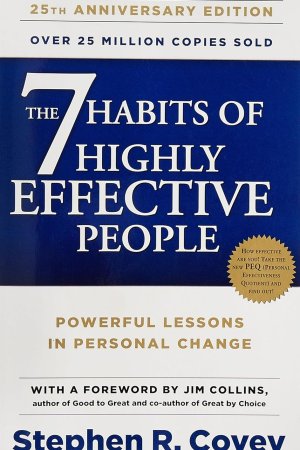
The 7 Habits of Highly Effective People by Stephen R. Covey – Blue Cover
Original price was: රු2,300.00.රු1,700.00Current price is: රු1,700.00.
3 X Rs. 566.67 or 8% Cashback with
or 3 X රු566.67 with
or up to 4 X රු425.00 with
-24%
Out of stock
Non-Fiction & Knowledge
Original price was: රු2,100.00.රු1,600.00Current price is: රු1,600.00.
3 X Rs. 533.33 or 8% Cashback with
or 3 X රු533.33 with
or up to 4 X රු400.00 with
-23%

Non-Fiction & Knowledge
Original price was: රු2,200.00.රු1,700.00Current price is: රු1,700.00.
3 X Rs. 566.67 or 8% Cashback with
or 3 X රු566.67 with
or up to 4 X රු425.00 with
Reviews
There are no reviews yet.