
No products in the cart.
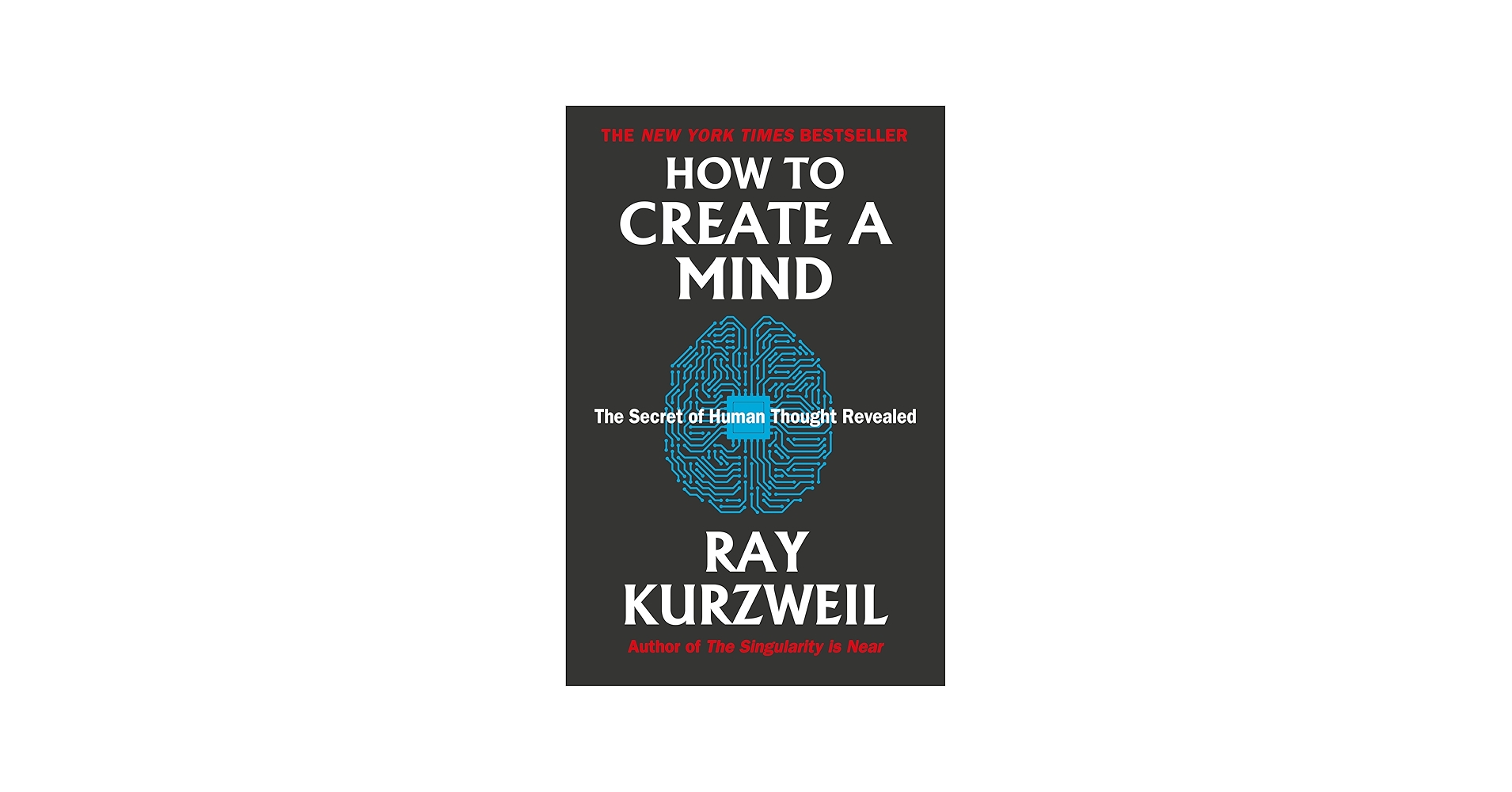


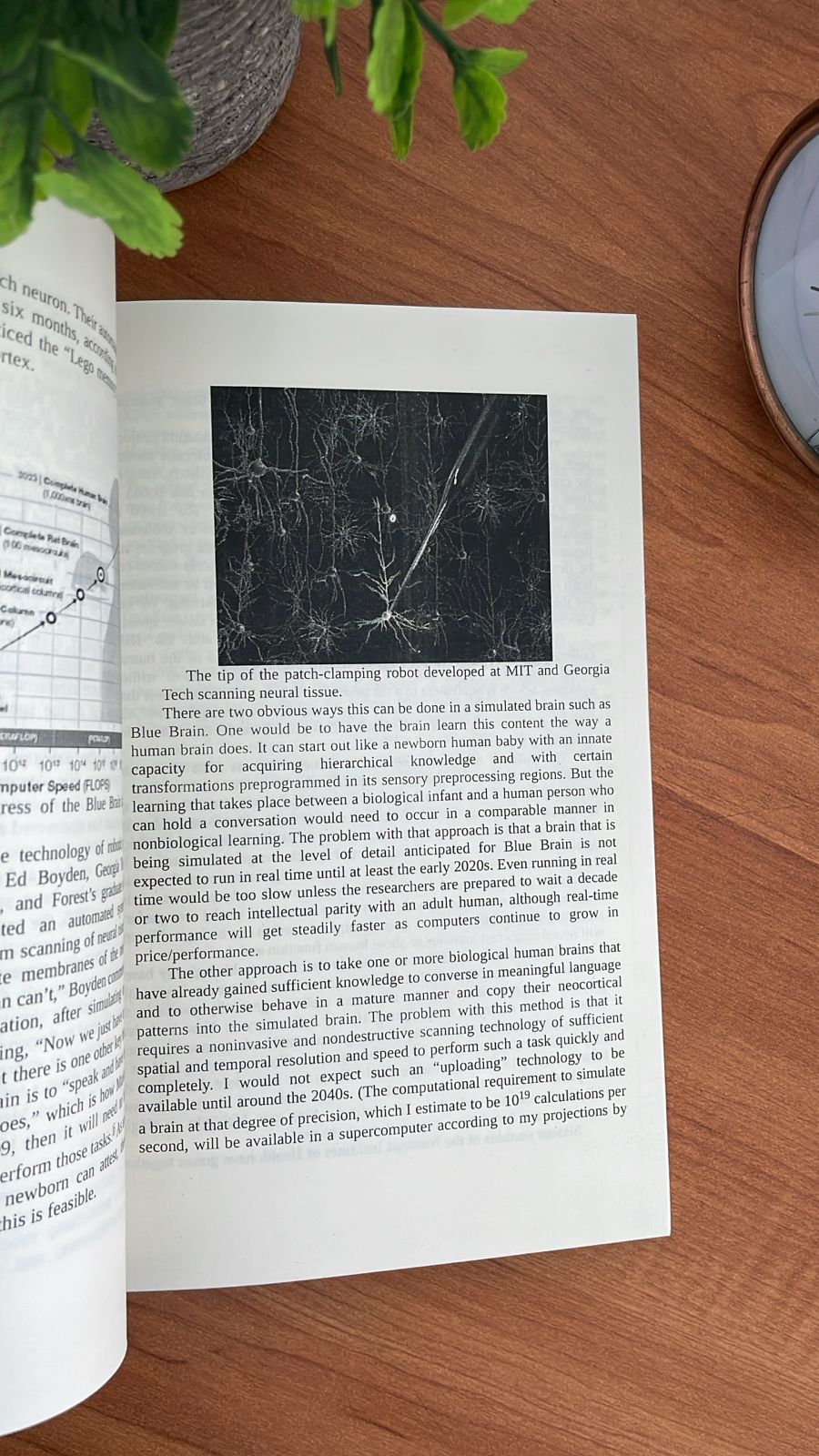
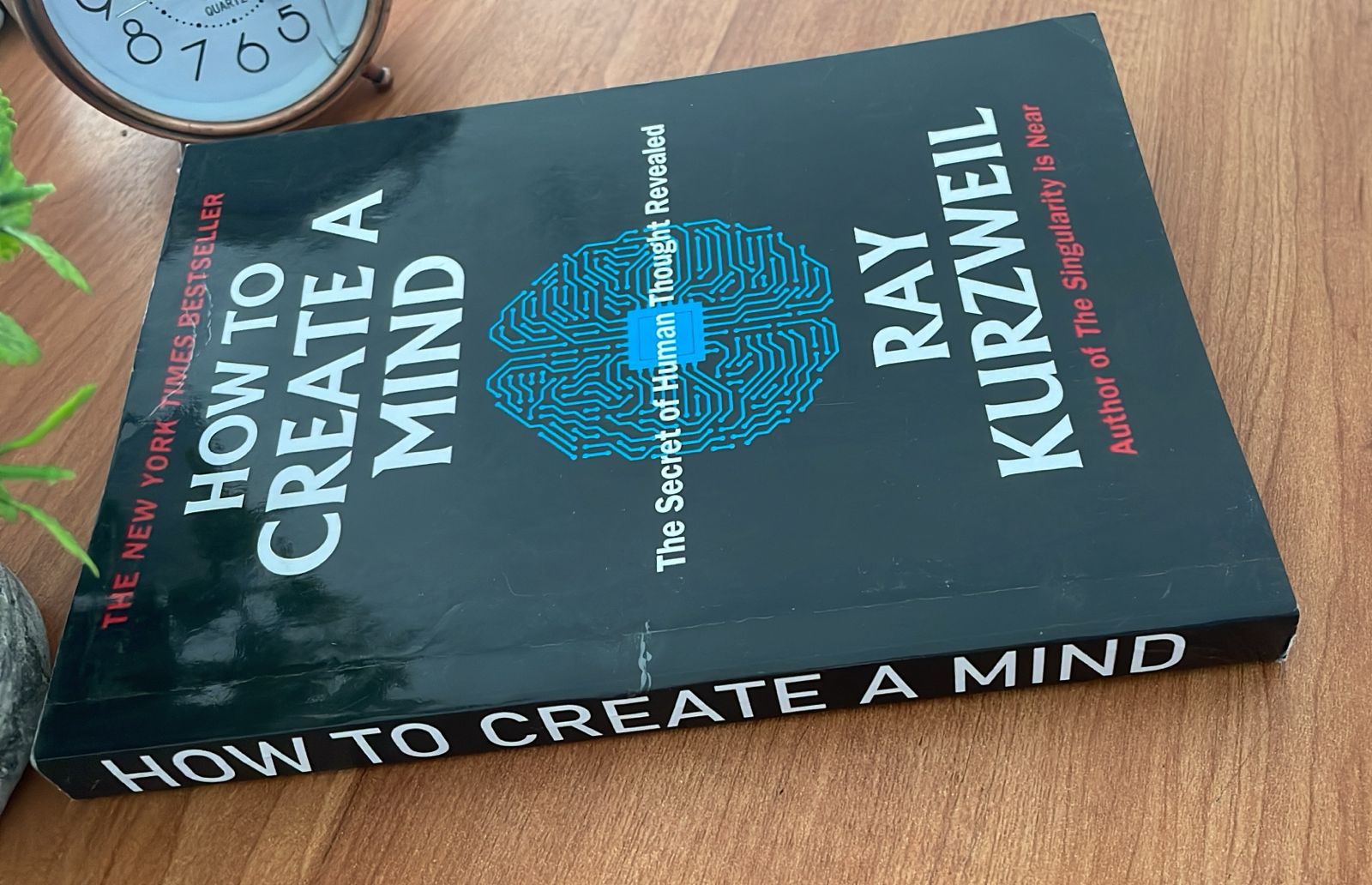
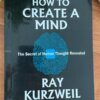

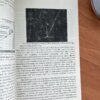
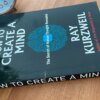
How To Create A Mind by Ray Kurzweil


රු1,900.00
3 X Rs. 633.33 or 8% Cashback with


or 3 X රු633.33 with


or up to 4 X රු475.00 with


Product Short Description:
How to Create a Mind by Ray Kurzweil is an insightful book that explores how the human brain works and how its pattern-recognition system can be used to develop artificial intelligence. Combining neuroscience and technology, the book explains how machines can learn, think, and evolve like humans. Ideal for readers interested in AI, the future of technology, and understanding human intelligence.
5 in stock
How to Create a Mind by Ray Kurzweil is a fascinating exploration of artificial intelligence, neuroscience, human thought, consciousness, pattern recognition, and the possibility of creating machines that can think in increasingly human-like ways.
Ray Kurzweil begins with one of the biggest questions in science and technology:
How does the human mind actually work?
If scientists can understand the information-processing methods used by the brain, Kurzweil argues, those methods may eventually be reproduced in computers.
This idea forms the foundation of the book.
Rather than treating the brain as something completely mysterious, How to Create a Mind by Ray Kurzweil examines it as an extraordinarily complex biological information-processing system.
Kurzweil explores how neurons, patterns, memory, language, learning, and hierarchical thinking combine to produce what we experience as intelligence.
How to Create a Mind by Ray Kurzweil – Book Overview
How to Create a Mind by Ray Kurzweil combines neuroscience, computer science, artificial intelligence, philosophy, psychology, and futurism.
The book attempts to explain how the neocortex processes information.
Kurzweil proposes that much of human thinking is based on recognizing patterns.
People recognize faces.
They recognize voices.
They recognize words.
They recognize objects.
They recognize ideas.
The brain constantly processes sensory information and compares it with patterns learned from previous experiences.
This pattern-recognition ability allows humans to understand language, identify objects, remember experiences, solve problems, and create new ideas.
Kurzweil argues that if researchers can understand these mechanisms well enough, similar principles can be applied to artificial intelligence.
The Pattern Recognition Theory of Mind
One of the central ideas in How to Create a Mind by Ray Kurzweil is what Kurzweil calls the Pattern Recognition Theory of Mind.
The human brain is exceptionally good at recognizing patterns.
A person can look at thousands of different chairs and still understand that they all belong to the same general category.
People can hear different voices speaking the same word and still understand the meaning.
They can recognize a friend even when that person’s appearance changes.
The brain accomplishes this by building hierarchical patterns.
Simple patterns combine into more complicated ones.
Lines can become shapes.
Shapes can become objects.
Sounds can become words.
Words can become sentences.
Sentences can become ideas.
This hierarchy allows the mind to interpret extremely complex information.
Understanding the Neocortex
The neocortex is a major focus in How to Create a Mind by Ray Kurzweil.
It is the outer layer of the brain associated with many advanced cognitive abilities.
These include:
- Language
- Reasoning
- Sensory interpretation
- Planning
- Memory
- Recognition
- Learning
- Decision-making
- Abstract thought
Kurzweil argues that the neocortex operates through large numbers of repeating structures that detect and process patterns.
Rather than assuming that every type of thought requires a completely different mechanism, he suggests that similar pattern-processing principles may operate across many areas of cognition.
This idea is important because repeating structures may be easier to model computationally.
Reverse-Engineering the Human Brain
One of the boldest goals discussed in How to Create a Mind by Ray Kurzweil is reverse-engineering the brain.
Engineers often reverse-engineer machines by examining how individual components work and then reconstructing the overall system.
Kurzweil believes scientists can use a similar approach with human intelligence.
Neuroscience can study how neurons communicate.
Brain imaging can reveal which regions become active during different tasks.
Computer models can test theories about cognition.
Artificial intelligence can reproduce parts of human pattern recognition.
Over time, these different fields may reveal increasingly detailed information about how thought emerges.
The goal is not necessarily to copy every biological detail.
It is to understand the underlying principles that make intelligence possible.
Artificial Intelligence
Artificial intelligence is central to How to Create a Mind by Ray Kurzweil.
Computers have already become extremely effective at processing information.
They can search enormous databases.
They can calculate faster than humans.
They can recognize patterns in large datasets.
They can translate languages.
They can generate text and images.
They can analyse medical information.
Kurzweil argues that increasingly sophisticated AI systems will eventually reproduce more aspects of human intelligence.
The key challenge is not simply creating faster hardware.
Computers also need the right software and learning methods.
Intelligence depends on how information is organized and processed, not only on raw computational power.
Machine Learning and Pattern Recognition
Many modern AI systems depend heavily on pattern recognition.
This makes How to Create a Mind by Ray Kurzweil especially relevant to discussions about machine learning.
An AI system can learn patterns from data.
It may learn to identify objects in images.
It may learn relationships between words.
It may learn patterns in speech.
It may learn how different inputs relate to outcomes.
Kurzweil connects these developments to the way biological brains learn.
Humans also improve by encountering examples and adjusting internal models.
This does not mean computers and brains operate identically.
But understanding similarities may help scientists design better artificial intelligence.
Consciousness
Consciousness is one of the most difficult topics explored in How to Create a Mind by Ray Kurzweil.
Humans do not simply process information.
They also experience awareness.
People feel emotions.
They experience pain.
They have a sense of identity.
They reflect on their own thoughts.
This creates a difficult philosophical question.
If a machine becomes intelligent enough, could it also become conscious?
How would we know?
A machine could potentially behave exactly like a conscious person while leaving outsiders unable to determine whether it genuinely experiences anything internally.
Kurzweil explores these questions while acknowledging that consciousness remains one of the most challenging problems in philosophy and neuroscience.
Emotional Intelligence
Intelligence involves more than logic.
How to Create a Mind by Ray Kurzweil also considers emotional and moral intelligence.
Humans make decisions partly through emotions.
Empathy influences relationships.
Fear affects behaviour.
Love influences priorities.
Moral judgment shapes decisions.
If future AI systems interact closely with humans, understanding emotion may become increasingly important.
An intelligent machine that understands language but completely misunderstands emotion could make serious mistakes.
Future artificial intelligence may therefore need to model not only facts and logic but also complex human values and social behaviour.
Brain-Computer Interfaces
Brain-computer interfaces are another important topic in How to Create a Mind by Ray Kurzweil.
These technologies attempt to create direct connections between the brain and computers.
Potential applications include helping people with disabilities communicate or control devices.
Future systems may become much more advanced.
Kurzweil imagines a world where humans may eventually interact with digital intelligence more directly.
Instead of treating machines as separate tools, people could potentially integrate technology more deeply into human cognition.
This possibility raises extraordinary opportunities.
It also creates ethical questions about privacy, identity, security, and inequality.
Human and Machine Intelligence
How to Create a Mind by Ray Kurzweil challenges the idea that human intelligence and machine intelligence must remain completely separate.
Humans already use technology to extend their abilities.
Calculators extend mathematical ability.
Search engines extend access to information.
Smartphones extend memory and communication.
Navigation systems extend our ability to move through unfamiliar environments.
Kurzweil sees this process continuing.
As technology becomes more powerful, the boundary between biological and non-biological intelligence may become less clear.
Future humans may depend on intelligent systems so closely that separating human knowledge from machine knowledge becomes increasingly difficult.
Can Machines Become Smarter Than Humans?
One of the biggest questions in How to Create a Mind by Ray Kurzweil is whether machines could eventually exceed human intelligence.
Computers already outperform people at many narrow tasks.
The difficult question is whether they can develop broader abilities such as understanding, reasoning, creativity, emotional interpretation, and flexible problem-solving.
Kurzweil is optimistic about this possibility.
He believes continued advances in computing, neuroscience, algorithms, and machine learning will produce increasingly powerful systems.
If that happens, society will need to reconsider what makes human intelligence unique.
The Future of Intelligence
The future described in How to Create a Mind by Ray Kurzweil is not simply a story about robots replacing humans.
Kurzweil often presents technology as something that humans may use to expand their own capabilities.
Better AI could help scientists discover medicines.
It could help researchers analyse enormous scientific problems.
It could improve education.
It could assist people with disabilities.
It could increase productivity.
It could help solve problems too complex for individual humans.
The book therefore presents artificial intelligence as a tool with enormous potential.
The challenge is ensuring that the technology is developed and used responsibly.
Technology and Human Progress
Technology has always extended human capabilities.
The printing press expanded access to knowledge.
Computers expanded information processing.
The internet connected billions of people.
Artificial intelligence may represent another major transformation.
How to Create a Mind by Ray Kurzweil asks readers to consider what happens when technology begins extending intelligence itself.
If machines can help humans think, remember, analyse, and create, the effects could influence nearly every field.
Medicine.
Business.
Science.
Education.
Engineering.
Art.
Communication.
The impact could be enormous.
Ethical Questions About AI
More powerful artificial intelligence also creates serious ethical questions.
How to Create a Mind by Ray Kurzweil encourages readers to think about what increasing machine intelligence could mean for society.
Important questions include:
- Who controls advanced AI?
- Who benefits from it?
- How should privacy be protected?
- What happens to employment?
- Can AI systems make moral decisions?
- Should intelligent machines have rights?
- How should brain-computer interfaces be regulated?
- What happens if technology becomes more powerful than expected?
These questions become increasingly important as AI becomes integrated into everyday life.
The Brain as an Information Processor
One of Kurzweil’s most important perspectives is that the brain processes information.
Biology and computers use different physical materials.
Neurons rely on electrochemical signals.
Computers use electronic circuits.
But both systems can process information.
This leads to a powerful idea in How to Create a Mind by Ray Kurzweil.
If intelligence depends primarily on information-processing patterns rather than the exact biological material performing them, then intelligence may not be limited to biological brains.
This idea provides much of the philosophical foundation for Kurzweil’s predictions about artificial intelligence.
Why Read How to Create a Mind by Ray Kurzweil?
How to Create a Mind by Ray Kurzweil is an excellent choice for readers interested in:
- Artificial intelligence
- Neuroscience
- Human consciousness
- Machine learning
- Pattern recognition
- Brain-computer interfaces
- Technology
- Futurism
- Human intelligence
- Computer science
- Psychology
- Philosophy of mind
- Robotics
- The future of AI
The book combines technical ideas with broader questions about humanity and technology.
Who Should Read This Book?
How to Create a Mind by Ray Kurzweil may especially appeal to:
- AI enthusiasts
- Computer science students
- Software engineers
- Technology professionals
- Neuroscience students
- Psychology students
- Futurists
- Entrepreneurs
- Researchers
- Philosophy readers
- Machine-learning enthusiasts
- Readers interested in consciousness
- Readers interested in Ray Kurzweil
- Anyone curious about how the brain works
Readers do not need to be neuroscientists or AI researchers to understand the main ideas.
Kurzweil attempts to explain complex topics in a way that broader audiences can explore.
A Powerful Exploration of Minds and Machines
How to Create a Mind by Ray Kurzweil takes readers into one of the most important scientific questions of our time: how does human intelligence emerge, and can those mechanisms be reproduced artificially?
Kurzweil connects neuroscience with artificial intelligence.
He explores how the neocortex recognizes patterns, how hierarchical thinking develops, how consciousness may relate to information processing, and how increasingly advanced machines might interact with human intelligence.
The book also considers a future where humans and intelligent technologies become more closely connected.
Whether every prediction eventually becomes reality or not, the questions remain fascinating.
What exactly is intelligence?
Can consciousness be recreated?
Can a machine truly understand?
And what happens if humans succeed in building intelligence greater than their own?
For readers interested in artificial intelligence, neuroscience, consciousness, technology, machine learning, futurism, and the future relationship between humans and machines, How to Create a Mind by Ray Kurzweil offers a bold and thought-provoking exploration.
Learn more about How to Create a Mind by Ray Kurzweil on the official Penguin Random House website.
Explore more science, technology, and artificial intelligence books at Bargain Books.
Be the first to review “How To Create A Mind by Ray Kurzweil”
Related products
-14%
Out of stock
Non-Fiction & Knowledge
Original price was: රු3,500.00.රු3,000.00Current price is: රු3,000.00.
3 X Rs. 1,000.00 or 8% Cashback with
or 3 X රු1,000.00 with
or up to 4 X රු750.00 with

Non-Fiction & Knowledge
රු1,950.00
3 X Rs. 650.00 or 8% Cashback with
or 3 X රු650.00 with
or up to 4 X රු487.50 with
-34%

Non-Fiction & Knowledge
Original price was: රු2,250.00.රු1,490.00Current price is: රු1,490.00.
3 X Rs. 496.67 or 8% Cashback with
or 3 X රු496.67 with
or up to 4 X රු372.50 with
Out of stock
Non-Fiction & Knowledge
රු1,600.00
3 X Rs. 533.33 or 8% Cashback with
or 3 X රු533.33 with
or up to 4 X රු400.00 with
Non-Fiction & Knowledge
රු1,700.00
3 X Rs. 566.67 or 8% Cashback with
or 3 X රු566.67 with
or up to 4 X රු425.00 with
Out of stock
Non-Fiction & Knowledge
රු1,500.00
3 X Rs. 500.00 or 8% Cashback with
or 3 X රු500.00 with
or up to 4 X රු375.00 with
-19%
Out of stock
Biography
Original price was: රු2,400.00.රු1,950.00Current price is: රු1,950.00.
3 X Rs. 650.00 or 8% Cashback with
or 3 X රු650.00 with
or up to 4 X රු487.50 with
-26%
Non-Fiction & Knowledge
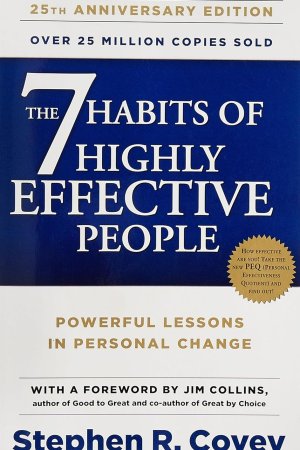
The 7 Habits of Highly Effective People by Stephen R. Covey – Blue Cover
Original price was: රු2,300.00.රු1,700.00Current price is: රු1,700.00.
3 X Rs. 566.67 or 8% Cashback with
or 3 X රු566.67 with
or up to 4 X රු425.00 with
Reviews
There are no reviews yet.