
No products in the cart.

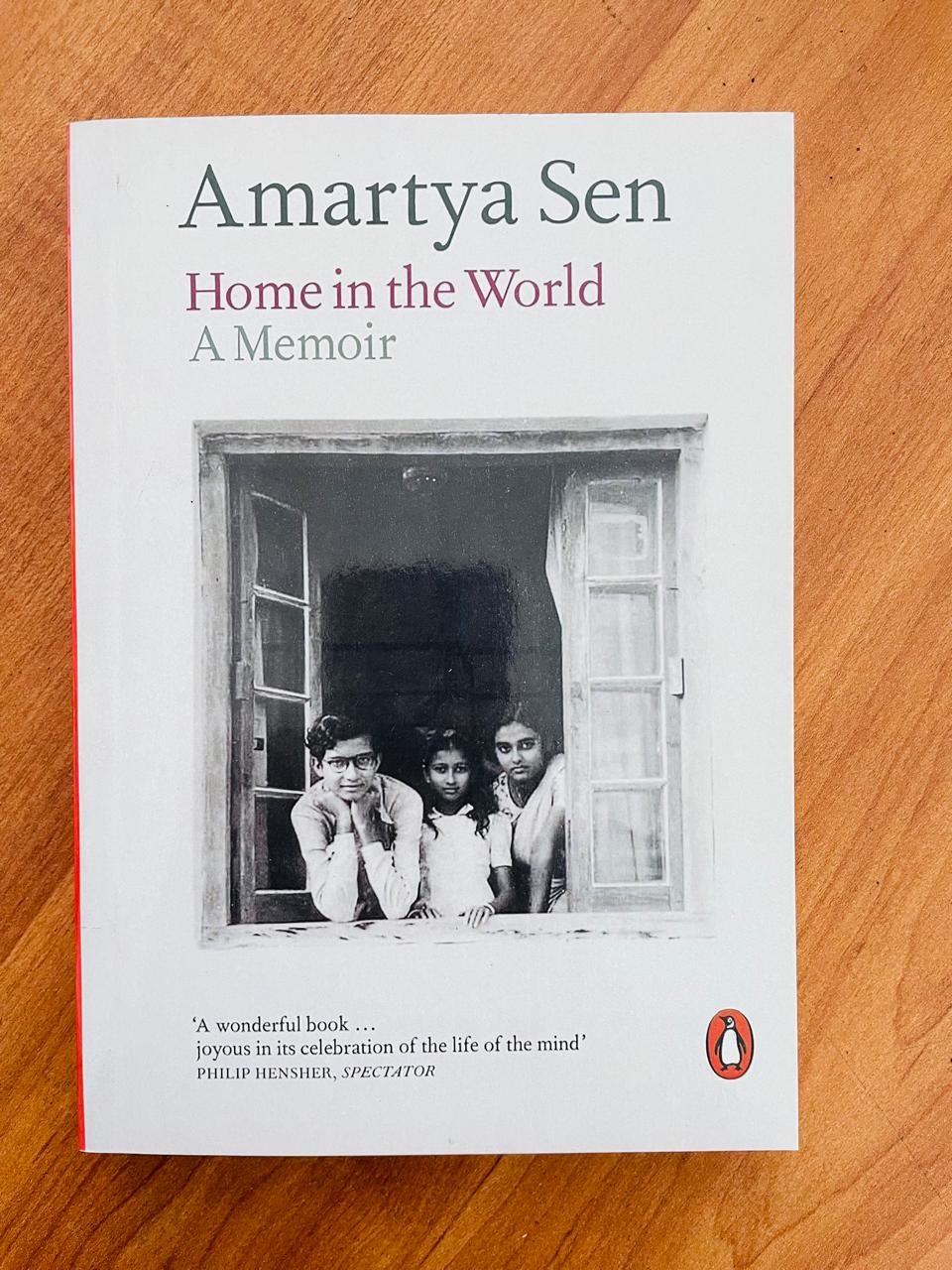
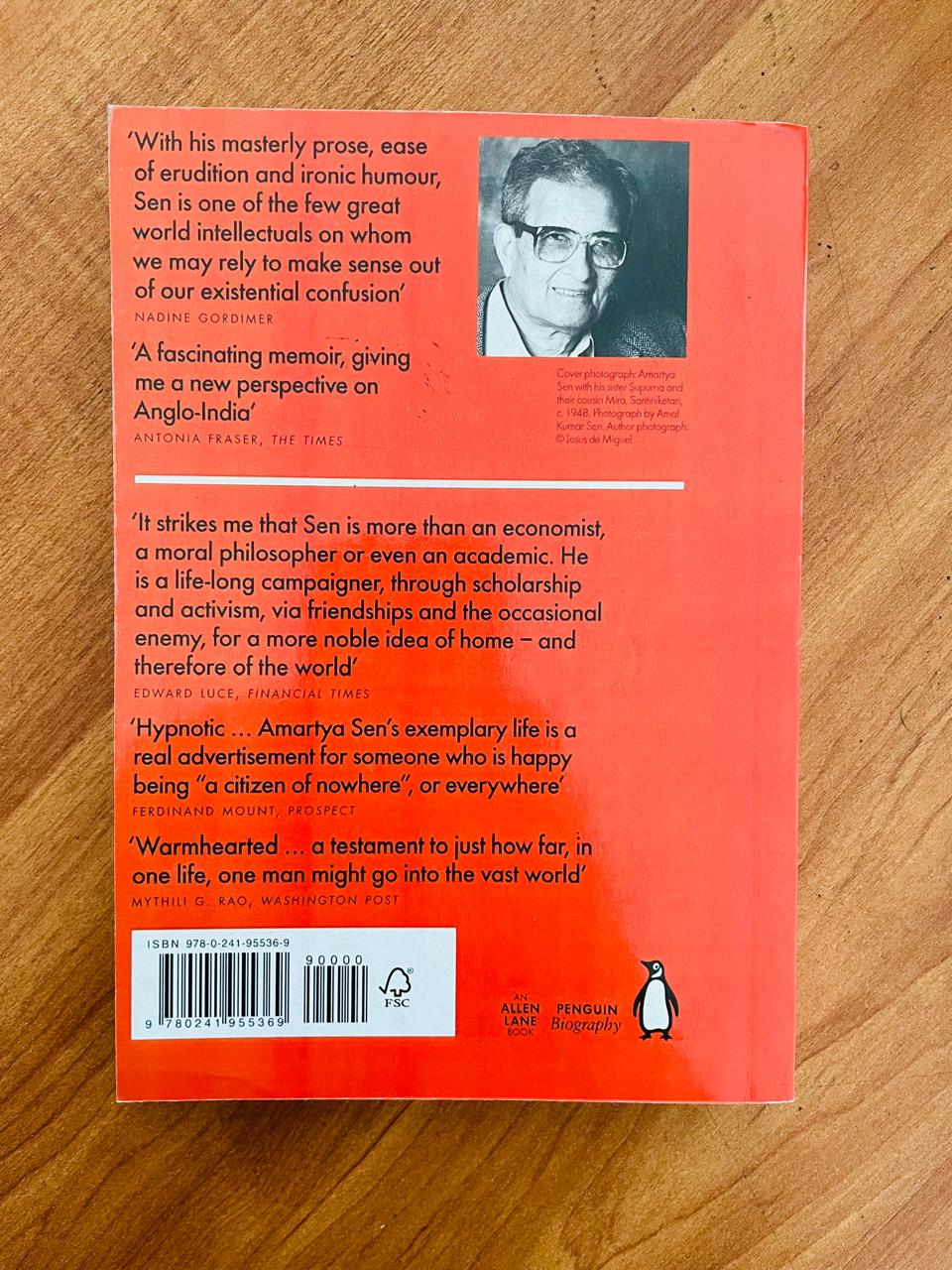
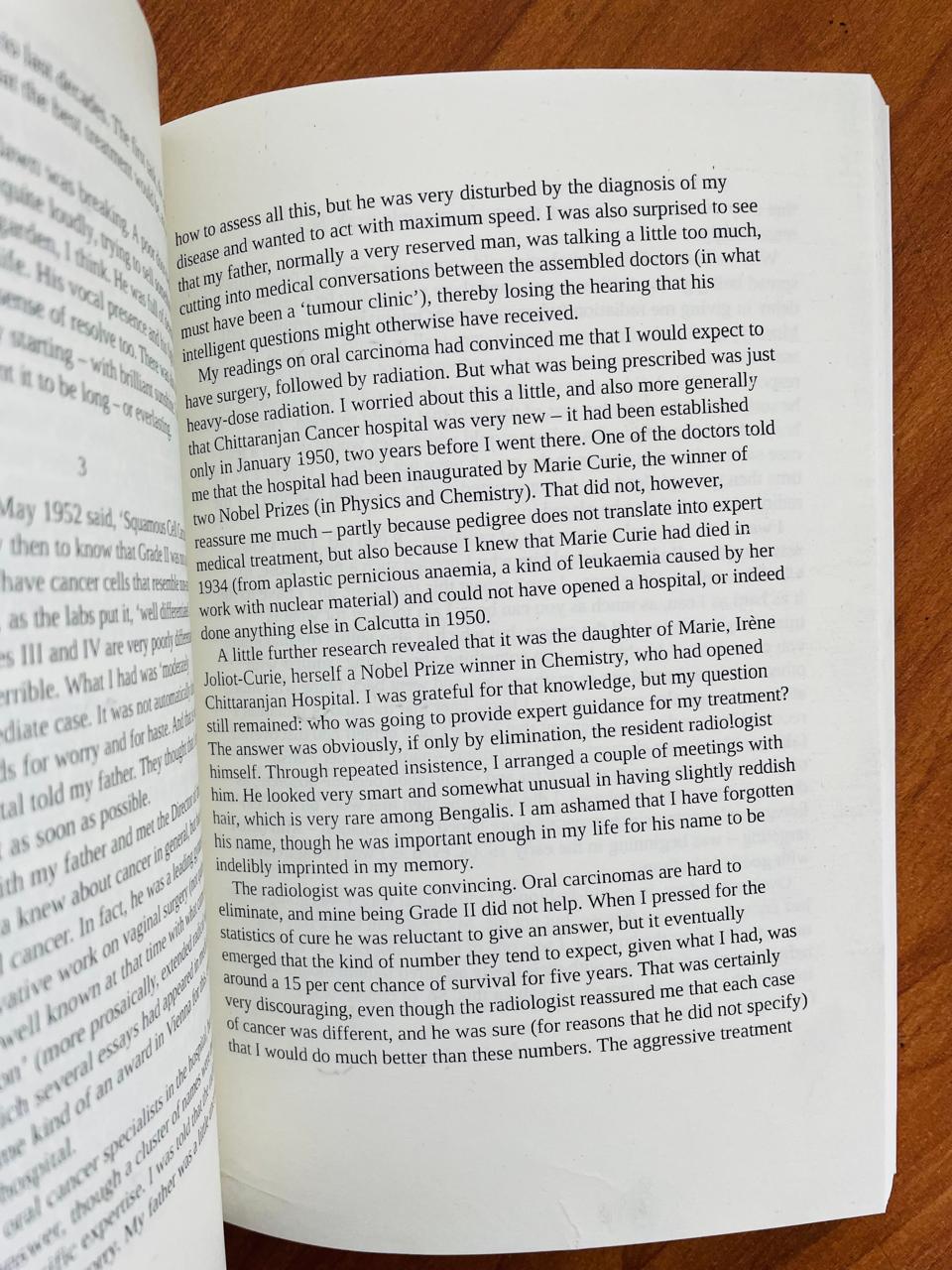





Home in the World by Amartya Sen is a thoughtful and deeply personal memoir from one of the world’s most influential economists and public intellectuals. Blending autobiography with reflections on history, education, culture, identity, inequality, economics, politics, and human development, the book offers readers an intimate look at the experiences that helped shape Amartya Sen’s life and ideas.
The memoir moves across several places that Sen considered home.
These include Dhaka, Santiniketan, Calcutta, and Cambridge.
Each place influenced him differently.
Through memories of childhood, education, friendships, family, intellectual conversations, and historical events, Sen shows how personal experience and wider social forces can shape the way a person understands the world.
Home in the World by Amartya Sen – Book Overview
Home in the World by Amartya Sen is not simply a memoir about personal achievement.
It is also a book about how ideas develop.
Sen reflects on the people, places, institutions, and historical events that influenced his thinking.
His story begins in South Asia and later moves into the academic world of Cambridge.
Along the way, readers encounter discussions of economics, philosophy, politics, social justice, culture, education, poverty, nationalism, and human freedom.
The book shows that intellectual development rarely happens in isolation.
Ideas are shaped by conversations, experiences, teachers, communities, books, political events, and personal observation.
This makes the memoir valuable not only for readers interested in Amartya Sen, but also for anyone interested in how a major thinker develops his worldview.
Childhood and Early Influences
Childhood plays an important role in Home in the World by Amartya Sen.
Sen spent parts of his early life in different regions, including Dhaka and Santiniketan.
These environments exposed him to different cultures, languages, traditions, and intellectual influences.
His childhood was not separated from the larger political and social changes happening around him.
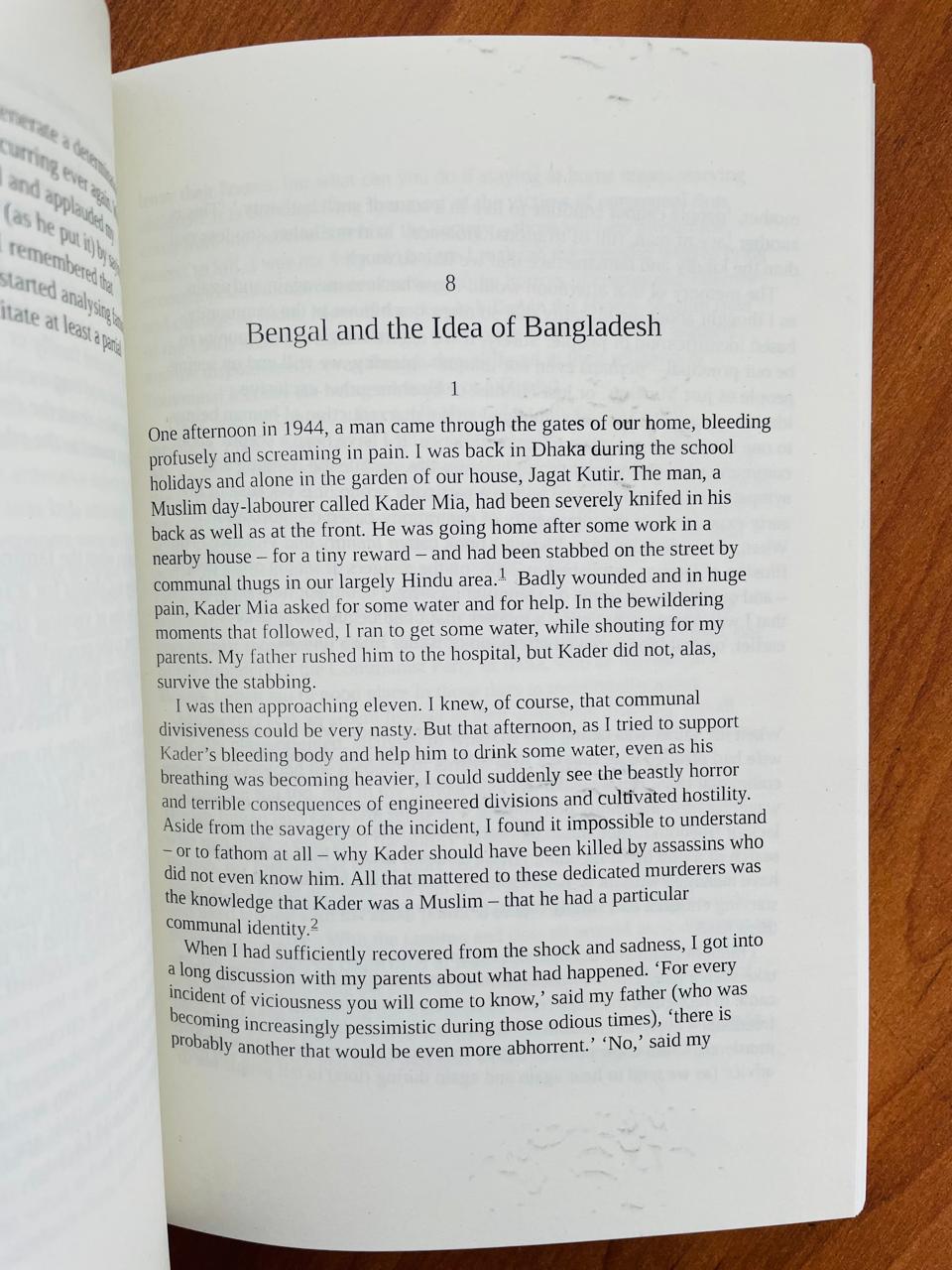
Events in Bengal, including poverty, famine, communal tensions, and political conflict, became part of the world he observed while growing up.
These experiences later influenced the questions he asked as an economist.
Instead of seeing economics as only numbers, markets, and financial systems, Sen became deeply interested in how economic conditions affect real human lives.
Santiniketan and Education
Santiniketan is one of the most important places in Home in the World by Amartya Sen.
The educational environment there was closely associated with Rabindranath Tagore and encouraged curiosity, openness, creativity, and intellectual independence.
Sen describes an education that did not simply focus on memorizing information.
Students were encouraged to ask questions, think across disciplines, and remain open to different cultures.
This type of education helped shape Sen’s later intellectual style.
His work often crosses the boundaries between economics, philosophy, politics, ethics, and social policy.
The memoir suggests that education becomes most powerful when it helps people develop the ability to think rather than simply repeat information.
Calcutta and the Study of Economics
Calcutta becomes another important setting in Home in the World by Amartya Sen.
It was here that Sen studied economics and became involved in an intellectually active environment.
The city exposed him to political debate, student movements, books, conversations, and competing economic ideas.
Economics was not treated as a purely technical subject.
It was connected to questions about poverty, justice, opportunity, inequality, freedom, and social development.
This broad approach to economics would later become central to Sen’s work.
His memoir shows how academic subjects become more meaningful when they are connected to real human problems.
The Bengal Famine
One of the most significant historical experiences discussed in Home in the World by Amartya Sen is the Bengal famine.
Sen witnessed the effects of famine during his youth.
The suffering he observed later influenced his academic interest in poverty, hunger, welfare, and economic development.
The experience helped him question simple explanations of famine.
Food shortages alone do not always explain why people starve.
Economic access, purchasing power, distribution systems, social inequality, and public policy can also be crucial.
This perspective later became important in Sen’s work on famine and welfare economics.
The memoir demonstrates how an experience observed during childhood can eventually become part of a much larger intellectual investigation.
Identity and Belonging
Identity is a major theme in Home in the World by Amartya Sen.
Sen has lived and studied in different places and cultures.
Instead of viewing identity as something simple and fixed, he reflects on how people can belong to many communities at the same time.
A person can have connections to a country, region, language, profession, family, university, culture, and many other groups.
These identities do not necessarily need to compete.
This idea becomes especially important in discussions of nationalism and communal conflict.
When people are reduced to only one identity, differences can become more dangerous.
Sen’s memoir encourages a more flexible understanding of human belonging.
Cambridge and Intellectual Development
Cambridge plays a major role in Home in the World by Amartya Sen.
Sen arrived there as a young student and entered an environment filled with influential economists and thinkers.
The university exposed him to major debates in economics, philosophy, and political thought.
Cambridge was not a place where everyone agreed.
Different schools of thought competed with one another.
This disagreement created an intellectually stimulating environment.
Sen learned through debate, discussion, criticism, and exposure to perspectives different from his own.
The memoir shows why disagreement can be productive when people are willing to listen and respond thoughtfully.
Economics and Human Welfare
One of the strongest ideas in Home in the World by Amartya Sen is that economics should remain connected to human welfare.
Economic success cannot be understood only through national income or financial growth.
The quality of people’s lives matters.
Do they have access to education?
Can they receive healthcare?
Do they have the freedom to make meaningful choices?
Are they protected from extreme poverty?
Can they participate in society?
Questions like these became central to Sen’s intellectual work.
The memoir helps readers understand how these concerns developed through his personal experiences and education.
Poverty and Inequality
Poverty is another important subject in Home in the World by Amartya Sen.
Sen’s experiences in South Asia exposed him to large differences in wealth and opportunity.
These observations encouraged him to think about poverty in a broader way.
A person may experience poverty not only because of low income, but also because they lack access to education, healthcare, social participation, security, and freedom.
This approach emphasizes human capability.
The important question becomes not simply how much money someone has, but what they are actually able to do with their life.
This idea has influenced discussions of development and public policy around the world.
Culture and Intellectual Openness
Home in the World by Amartya Sen also celebrates intellectual openness.
Sen’s life was shaped by exposure to different cultures, traditions, languages, and academic disciplines.
Rather than seeing these differences as threats, the memoir presents them as opportunities to learn.
This perspective challenges narrow ideas about culture.
People do not need to belong to only one tradition.
They can learn from many sources.
They can appreciate local identity while also participating in a global intellectual community.
This makes the memoir especially relevant in a world where cultural and political divisions can become intense.
Friendship and Intellectual Conversation
Ideas develop through relationships as well as books.
Throughout Home in the World by Amartya Sen, conversations with teachers, students, friends, colleagues, and family members play an important role.
These interactions help demonstrate why intellectual life is often collaborative.
A good conversation can challenge assumptions.
A disagreement can reveal weaknesses in an argument.
A teacher can introduce a new perspective.
A friend can help someone see a problem differently.
Sen’s memoir presents learning as something that happens through relationships as much as formal study.
History and Personal Memory
One of the interesting qualities of Home in the World by Amartya Sen is the way personal memory is connected to history.
Sen’s life intersects with major events in twentieth-century South Asia and Britain.
Colonialism, Indian independence, communal conflict, famine, political change, and academic debates all appear within the memoir.
These events are not presented simply as historical background.
They affected real people.
By connecting personal experiences with larger events, Sen shows how history enters everyday life.
This makes the book both personal and intellectually wide-ranging.
Why Read Home in the World by Amartya Sen?
Home in the World by Amartya Sen is a strong choice for readers interested in:
- Memoirs
- Economics
- Philosophy
- Social justice
- Education
- India
- Bengal
- Cambridge
- Poverty and inequality
- History
- Identity
- Culture
- Politics
- Human development
- Intellectual biographies
The book allows readers to understand the personal experiences behind many of Sen’s later ideas.
Who Should Read This Book?
Home in the World by Amartya Sen may especially appeal to:
- Economics students
- Philosophy students
- History readers
- Political science students
- Social science readers
- Teachers and academics
- Readers interested in India
- Readers interested in Nobel Prize-winning thinkers
- Memoir readers
- Public policy students
- Readers interested in inequality
- Readers interested in education and intellectual development
It can also be valuable for readers who enjoy memoirs that combine personal history with larger social and political ideas.
A Powerful Memoir of Ideas and Belonging
Home in the World by Amartya Sen tells the story of a life shaped by many different homes.
Dhaka, Santiniketan, Calcutta, Cambridge, and other places contributed to the development of Sen’s identity and intellectual outlook.
Rather than presenting success as the result of individual brilliance alone, the memoir demonstrates the importance of education, conversation, historical experience, curiosity, friendship, and exposure to different perspectives.
Sen’s story also shows why economics and philosophy matter beyond universities.
Questions about poverty, inequality, freedom, identity, education, and justice directly affect people’s lives.
For readers interested in memoir, economics, history, philosophy, human development, identity, and the experiences behind one of the world’s most influential intellectual careers, Home in the World by Amartya Sen offers a thoughtful, humane, and rewarding reading experience.
Learn more about Home in the World: A Memoir by Amartya Sen on the official Penguin website.
Explore more memoirs and biographies at Bargain Books.
Be the first to review “Home in the world: A Memoir by Amartya Sen, Steven Crossley”
Related products
-21%

Non-Fiction & Knowledge
7 Secrets to Investing Like Warren Buffett by Mary Buffett & Sean Seah
Original price was: රු1,900.00.රු1,500.00Current price is: රු1,500.00.
3 X Rs. 500.00 or 8% Cashback with


or 3 X රු500.00 with


or up to 4 X රු375.00 with


Out of stock
Non-Fiction & Knowledge
රු1,600.00
3 X Rs. 533.33 or 8% Cashback with
or 3 X රු533.33 with
or up to 4 X රු400.00 with

රු2,000.00
3 X Rs. 666.67 or 8% Cashback with
or 3 X රු666.67 with
or up to 4 X රු500.00 with
-33%

Non-Fiction & Knowledge
Original price was: රු2,850.00.රු1,900.00Current price is: රු1,900.00.
3 X Rs. 633.33 or 8% Cashback with
or 3 X රු633.33 with
or up to 4 X රු475.00 with
-23%

Non-Fiction & Knowledge
Original price was: රු2,200.00.රු1,700.00Current price is: රු1,700.00.
3 X Rs. 566.67 or 8% Cashback with
or 3 X රු566.67 with
or up to 4 X රු425.00 with
-7%

Out of stock
Original price was: රු4,500.00.රු4,200.00Current price is: රු4,200.00.
3 X Rs. 1,400.00 or 8% Cashback with
or 3 X රු1,400.00 with
or up to 4 X රු1,050.00 with
-14%
Out of stock
Non-Fiction & Knowledge
Original price was: රු3,500.00.රු3,000.00Current price is: රු3,000.00.
3 X Rs. 1,000.00 or 8% Cashback with
or 3 X රු1,000.00 with
or up to 4 X රු750.00 with

Non-Fiction & Knowledge
රු1,950.00
3 X Rs. 650.00 or 8% Cashback with
or 3 X රු650.00 with
or up to 4 X රු487.50 with
Reviews
There are no reviews yet.