
No products in the cart.
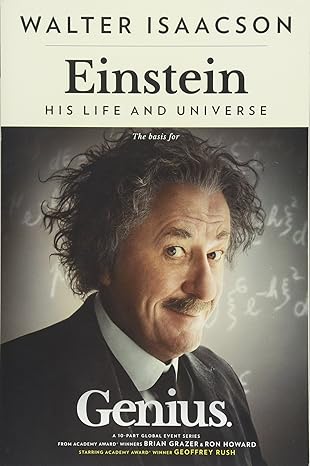
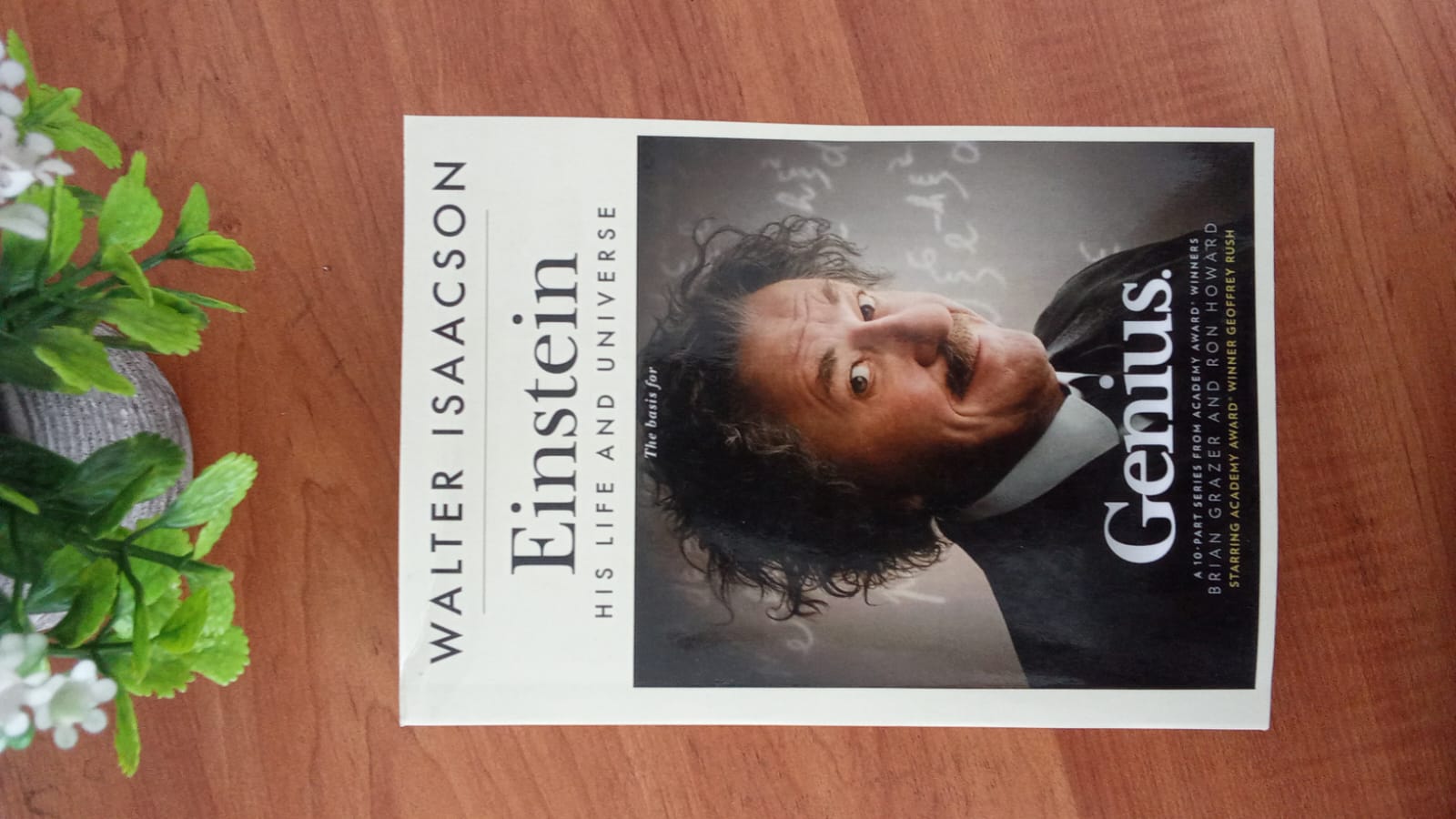
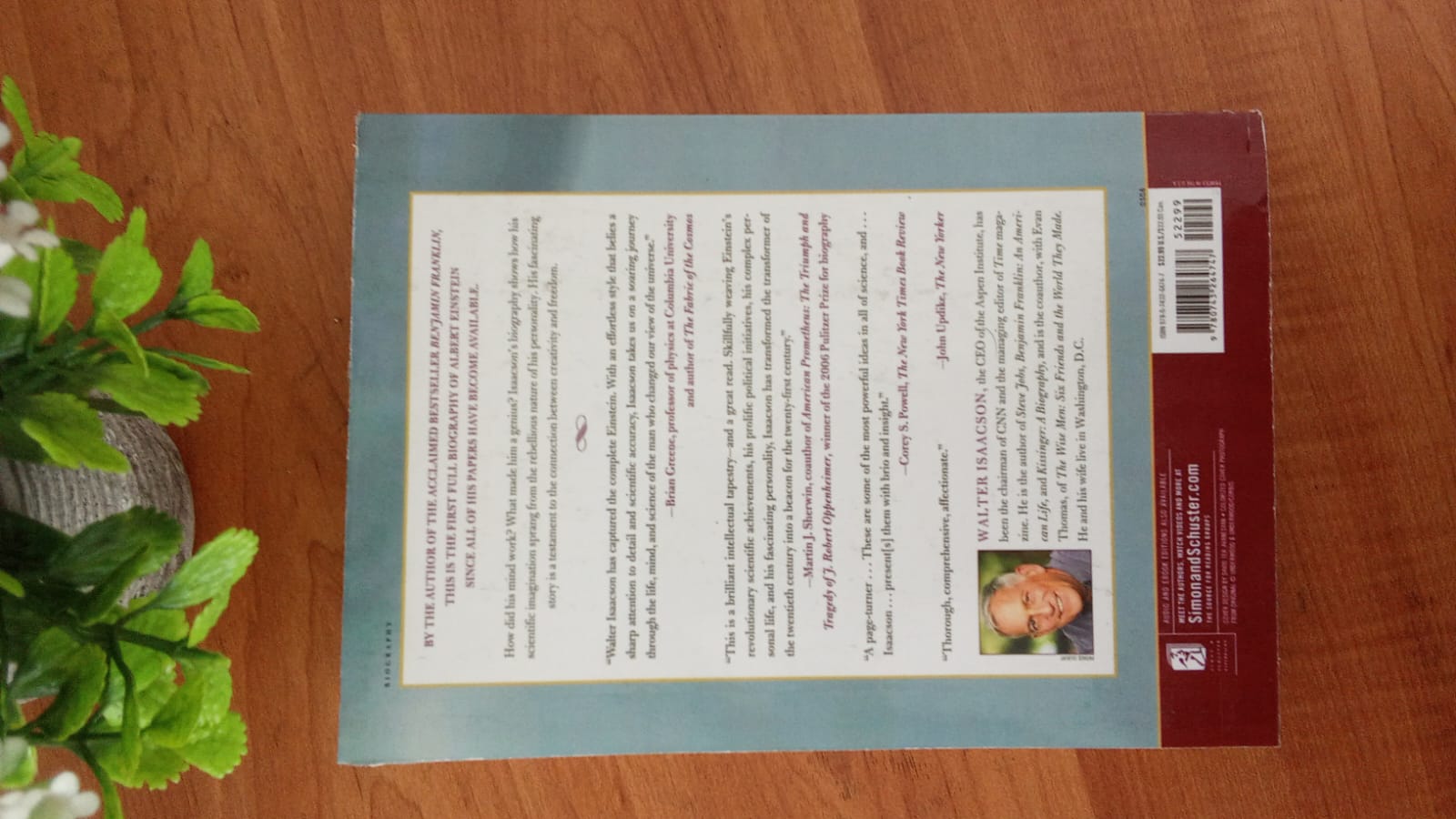
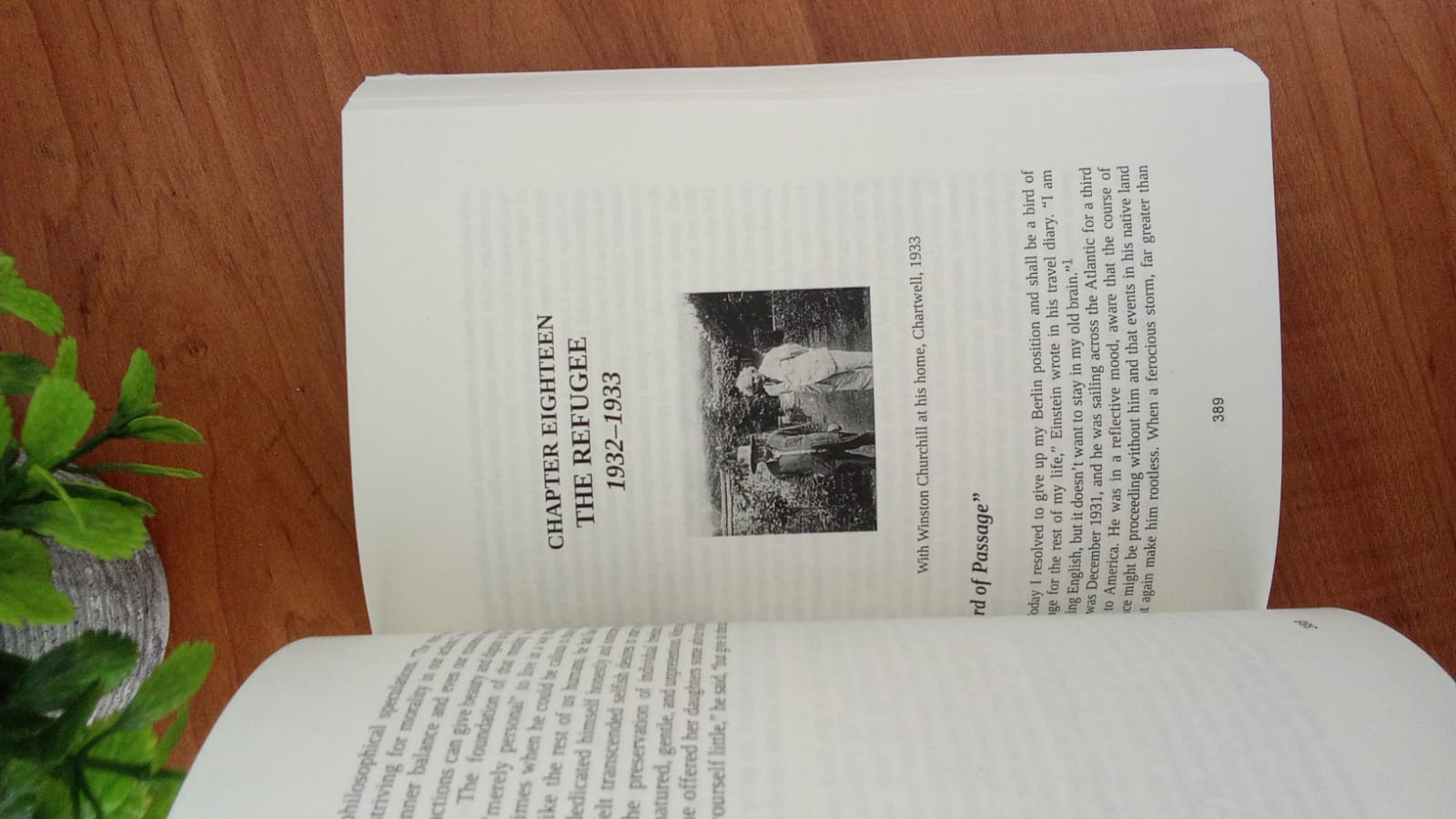
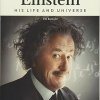
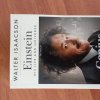
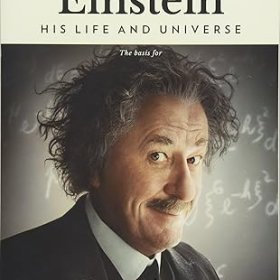
Einstein by Walter Isaacson

රු2,900.00
3 X Rs. 966.67 or 8% Cashback with


or 3 X රු966.67 with


or up to 4 X රු725.00 with


About Einstein by Walter Isaacson
Einstein by Walter Isaacson is a fascinating biography that explores the life, discoveries, personality, and extraordinary mind of Albert Einstein. Drawing on personal letters and historical material, Walter Isaacson presents an engaging portrait of one of history’s greatest scientific thinkers.
Why Read Einstein by Walter Isaacson?
Readers interested in science, history, creativity, and biography will find Einstein by Walter Isaacson both informative and inspiring. The book explores how curiosity, imagination, independence, and determination shaped Einstein’s remarkable achievements.
Einstein by Walter Isaacson also offers insight into the personal experiences behind his scientific discoveries and shows how his unconventional way of thinking influenced modern physics.
For anyone looking for an engaging biography of a revolutionary thinker, Einstein by Walter Isaacson is an excellent addition to a personal library.
4 in stock
Einstein by Walter Isaacson is a fascinating biography of Albert Einstein, one of the most influential scientists in modern history.
The book explores far more than famous equations and scientific discoveries.
It examines the person behind the genius.
Einstein was imaginative.
Independent.
Curious.
Rebellious.
And often unwilling to accept conventional thinking simply because everyone else believed it.
Walter Isaacson connects those personality traits with Einstein’s scientific creativity, showing how his willingness to question assumptions helped him change humanity’s understanding of space, time, energy and the universe.
Why Read Einstein?
Einstein is ideal for readers who enjoy biography, science, history and stories about extraordinary thinkers.
Most people recognize Albert Einstein.
They know the famous photograph.
They know the equation E = mc².
They may know something about relativity.
But understanding the person behind those achievements is much more interesting.
Isaacson explores Einstein’s childhood, education, relationships, scientific work, political beliefs and personality.
The result is a portrait of a brilliant scientist who was also a complicated human being.
Einstein and the Power of Curiosity
Curiosity was central to Einstein’s way of thinking.
He was interested in questions that other people might have considered ordinary.
Why does light behave the way it does?
What is time?
What happens when objects move extremely quickly?
How are space and gravity connected?
Instead of simply accepting established explanations, Einstein continued asking questions.
Einstein shows how this curiosity became one of the foundations of his scientific imagination. Simon & Schuster emphasizes that his success was linked to questioning conventional wisdom and being fascinated by mysteries others overlooked.
The Young Albert Einstein
Albert Einstein did not begin life as the universally admired symbol of genius he later became.
His early academic and professional journey contained difficulties.
Isaacson’s biography follows him through a period when he struggled to establish himself professionally and ultimately worked in a patent office rather than immediately entering a prestigious academic position.
This part of Einstein is especially interesting because it challenges the idea that successful people always follow a perfect path.
Even extraordinary talent can face rejection.
Progress can be slow.
Recognition may arrive much later.
Einstein and Independent Thinking
One of Einstein’s defining characteristics was intellectual independence.
He did not automatically accept an idea simply because an authority supported it.
He wanted to understand things for himself.
That attitude sometimes made him difficult.
But it also helped him challenge assumptions that others rarely questioned.
Einstein demonstrates why independent thinking can be so valuable.
Innovation often begins when someone asks:
“Why must it work this way?”
Sometimes the biggest breakthroughs begin with questions that appear simple.
Einstein and the Theory of Relativity
Einstein is most strongly associated with the theory of relativity.
His work changed how scientists understood fundamental ideas about space, time and gravity.
For readers without an advanced physics background, the appeal of Einstein is that Isaacson places the science inside Einstein’s life rather than presenting it as an isolated textbook lesson.
The scientific ideas develop alongside his experiences, friendships, debates and personality. Simon & Schuster specifically praises the biography for combining Einstein’s personal and scientific lives.
Science and Imagination
One of the most fascinating lessons from Einstein is that scientific thinking can require enormous imagination.
Science is often associated only with numbers and formulas.
But major discoveries may begin as creative questions.
Einstein became famous for using imaginative thought experiments.
Instead of relying only on what already existed, he mentally explored unusual possibilities.
That ability to imagine situations differently became an important part of his scientific method.
Einstein and Creativity
Creativity is one of the central themes emphasized by Isaacson.
The publisher describes Einstein’s story as demonstrating the connection between creativity and freedom.
Einstein was not simply someone who memorized more facts than everyone else.
His strength came partly from seeing familiar problems in unfamiliar ways.
This is a valuable lesson beyond physics.
Creativity matters in:
- Science
- Business
- Technology
- Art
- Leadership
- Entrepreneurship
- Problem-solving
Knowledge matters.
But knowledge combined with imagination can create something new.
Failure Before Recognition
People often see the final result of success.
They do not see the years before it.
Einstein experienced professional uncertainty before becoming internationally famous.
This makes Einstein particularly motivating for students and young professionals.
A difficult beginning does not determine the final outcome.
Rejection does not automatically mean lack of ability.
Sometimes a person simply has not yet reached the environment where their strengths can flourish.
Einstein and the Patent Office
Einstein’s work at the patent office has become one of the most famous parts of his early biography.
It creates an unusual contrast.
A man who would eventually transform modern physics spent part of his early career evaluating inventions rather than holding a prestigious university position.
Isaacson uses this period to show Einstein before worldwide recognition.
The lesson is powerful.
Your current job title does not necessarily define your ultimate potential.
Challenging Conventional Wisdom
Many important discoveries require someone to challenge accepted assumptions.
But doing that requires confidence.
Not arrogance.
Confidence.
You need enough independence to ask whether an accepted explanation could be incomplete.
Einstein repeatedly shows how Einstein’s personality supported this kind of questioning.
That attitude shaped both his scientific work and many of his broader views about freedom and society.
Einstein Beyond Science
Einstein is not only about physics.
Isaacson also explores Einstein’s personal relationships, morality, political thinking and beliefs about freedom.
This creates a fuller portrait.
Great achievements do not erase personal complexity.
Someone can be brilliant in one part of life and struggle in another.
That makes the biography more human.
Readers encounter Einstein as a person rather than simply a historical symbol.
Personal Relationships in Einstein
Einstein’s personal life was complicated.
Isaacson discusses his marriage, family relationships and struggles alongside his scientific achievements. Simon & Schuster’s description specifically notes his difficulties as a father and husband during the period before his rise to fame.
This is important because biographies can easily turn famous people into perfect heroes.
Einstein does not need to do that.
Understanding weaknesses alongside achievements makes the story more believable.
Freedom and Creativity
Freedom was deeply connected to Einstein’s worldview.
He valued independent minds.
Independent spirits.
Independent individuals.
Isaacson connects these beliefs with both Einstein’s scientific work and his broader moral and political ideas.
That creates one of the book’s strongest themes.
Creativity struggles when people are afraid to question.
Innovation requires room to think differently.
Einstein and Scientific Revolution
Einstein’s work helped reshape modern physics.
But revolutionary ideas are rarely immediately comfortable.
New theories can challenge existing explanations.
Experts may disagree.
Evidence needs to be examined.
Ideas must survive criticism.
Einstein allows readers to see discovery as a process rather than simply memorizing the final conclusions found in textbooks.
That makes scientific history much more interesting.
Genius Is More Than Intelligence
One of the questions surrounding Einstein is simple:
What made him a genius?
Isaacson’s answer is more complicated than high intelligence.
The biography connects his achievements with creativity, curiosity, independence and willingness to challenge assumptions.
That makes Einstein valuable even for readers who are not scientists.
You may never develop a theory of relativity.
But you can still learn to ask better questions.
Think independently.
Remain curious.
And approach problems creatively.
Einstein for Students
Students can learn a great deal from Einstein.
The book shows that education should be more than memorization.
Learning becomes more valuable when it creates curiosity.
Instead of asking only:
“What answer does the teacher want?”
Ask:
“Why is this true?”
“How does this work?”
“What would happen if the assumption changed?”
Those questions encourage deeper understanding.
Einstein for Entrepreneurs and Innovators
Entrepreneurs may also find the biography useful.
Innovation requires challenging assumptions.
Businesses often operate according to habits.
“This is how the industry works.”
“This is how customers behave.”
“This is how everyone does it.”
But major opportunities can appear when someone challenges one of those assumptions.
Einstein demonstrates the value of seeing familiar problems differently.
Einstein and Persistence
Big ideas require persistence.
Not every problem has an immediate solution.
Some questions require years of thought.
Scientific theories require evidence and refinement.
Creative work often involves uncertainty.
Einstein’s career demonstrates that important intellectual work may require patience.
That lesson applies to many fields.
A Biography of Science and Humanity
One of the strengths of Einstein is the balance between scientific achievement and personal biography.
Readers learn about revolutionary physics.
But they also learn about the person producing those ideas.
Isaacson uses Einstein’s personal letters and historical material to connect his personality with his discoveries.
That makes the book accessible to readers interested in people as much as science.
7 Powerful Lessons From Einstein
- Stay Curious – Important discoveries often begin with simple questions.
- Think Independently – Do not accept conventional wisdom automatically.
- Use Imagination – Creativity can be as important as technical knowledge.
- Keep Going After Rejection – A difficult beginning does not determine your future.
- Question Assumptions – Breakthroughs often happen when old ideas are examined differently.
- Value Intellectual Freedom – Independent thought helps creativity flourish.
- Remain Human – Extraordinary achievement does not make anyone perfect.
What You Can Learn From Einstein
Readers can explore:
- Albert Einstein
- Walter Isaacson
- Theory of relativity
- Physics
- Scientific discovery
- Creativity
- Curiosity
- Innovation
- Independent thinking
- Science history
- Personal relationships
- Academic life
- Genius
- Freedom
- Persistence
- Twentieth-century history
- Biography
- Scientific imagination
Who Should Read Einstein?
Einstein is ideal for readers who enjoy biographies.
Science readers can learn more about the person behind some of modern physics’ most influential ideas.
Students may find inspiration in Einstein’s curiosity and unconventional career path.
Entrepreneurs and creators may appreciate the lessons about imagination and independent thinking.
Readers who enjoyed Walter Isaacson’s biographies of figures such as Steve Jobs and Leonardo da Vinci may also appreciate his approach to Einstein.
Simon & Schuster categorizes the book under science and technology biography, relativity, and modern twentieth-century history.
A Powerful Biography of a Scientific Genius
Einstein tells the story of a man whose ideas changed humanity’s understanding of the universe.
But Walter Isaacson does not present Einstein simply as an untouchable genius.
He shows the curious thinker.
The independent personality.
The struggling young professional.
The scientist.
The husband and father.
The political and moral thinker.
And the person whose imagination helped reshape modern physics.
For readers interested in science, creativity, innovation, biography and the life of one of history’s most famous thinkers, Einstein by Walter Isaacson is a fascinating addition to any bookshelf.
Book Details
Title: Einstein
Subtitle: His Life and Universe
Author: Walter Isaacson
Subject: Albert Einstein
Category: Biography / Science / History / Physics
Publisher: Simon & Schuster.
For the current Simon & Schuster Trade Paperback edition:
Publication Date: May 13, 2008
Pages: 704
ISBN-13: 9780743264747.
Edition note: Einstein: His Life and Universe exists in different editions. Use the above ISBN and page count only if your physical copy matches the Simon & Schuster trade paperback. https://yourwebsite.com/einstein/
Who Should Read Einstein by Walter Isaacson?
Einstein by Walter Isaacson is ideal for readers interested in science, history, biography, innovation, and the lives of extraordinary thinkers.
The detailed storytelling in Einstein by Walter Isaacson makes complex scientific ideas and important historical events accessible to general readers.
A Fascinating Biography of Albert Einstein
Through Einstein by Walter Isaacson, readers gain a deeper understanding of the curiosity, imagination, and independent thinking that shaped Albert Einstein’s remarkable life.
Einstein by Walter Isaacson is also an excellent choice for students, biography lovers, science enthusiasts, and anyone fascinated by influential historical figures.
Adding Einstein by Walter Isaacson to your collection gives you an engaging account of the man whose ideas transformed our understanding of the universe.
Be the first to review “Einstein by Walter Isaacson”
Related products
-14%
Out of stock
Non-Fiction & Knowledge
Original price was: රු3,500.00.රු3,000.00Current price is: රු3,000.00.
3 X Rs. 1,000.00 or 8% Cashback with
or 3 X රු1,000.00 with
or up to 4 X රු750.00 with
රු2,000.00
3 X Rs. 666.67 or 8% Cashback with
or 3 X රු666.67 with
or up to 4 X රු500.00 with
-7%

Out of stock
Original price was: රු4,500.00.රු4,200.00Current price is: රු4,200.00.
3 X Rs. 1,400.00 or 8% Cashback with
or 3 X රු1,400.00 with
or up to 4 X රු1,050.00 with
-13%
Out of stock
Non-Fiction & Knowledge
Original price was: රු3,900.00.රු3,400.00Current price is: රු3,400.00.
3 X Rs. 1,133.33 or 8% Cashback with
or 3 X රු1,133.33 with
or up to 4 X රු850.00 with
Non-Fiction & Knowledge
රු1,700.00
3 X Rs. 566.67 or 8% Cashback with
or 3 X රු566.67 with
or up to 4 X රු425.00 with
-24%
Out of stock
Non-Fiction & Knowledge
Original price was: රු2,500.00.රු1,900.00Current price is: රු1,900.00.
3 X Rs. 633.33 or 8% Cashback with
or 3 X රු633.33 with
or up to 4 X රු475.00 with
-19%
Out of stock
Biography
Original price was: රු2,400.00.රු1,950.00Current price is: රු1,950.00.
3 X Rs. 650.00 or 8% Cashback with
or 3 X රු650.00 with
or up to 4 X රු487.50 with
-18%
Out of stock
Original price was: රු2,800.00.රු2,300.00Current price is: රු2,300.00.
3 X Rs. 766.67 or 8% Cashback with
or 3 X රු766.67 with
or up to 4 X රු575.00 with
Reviews
There are no reviews yet.