
No products in the cart.
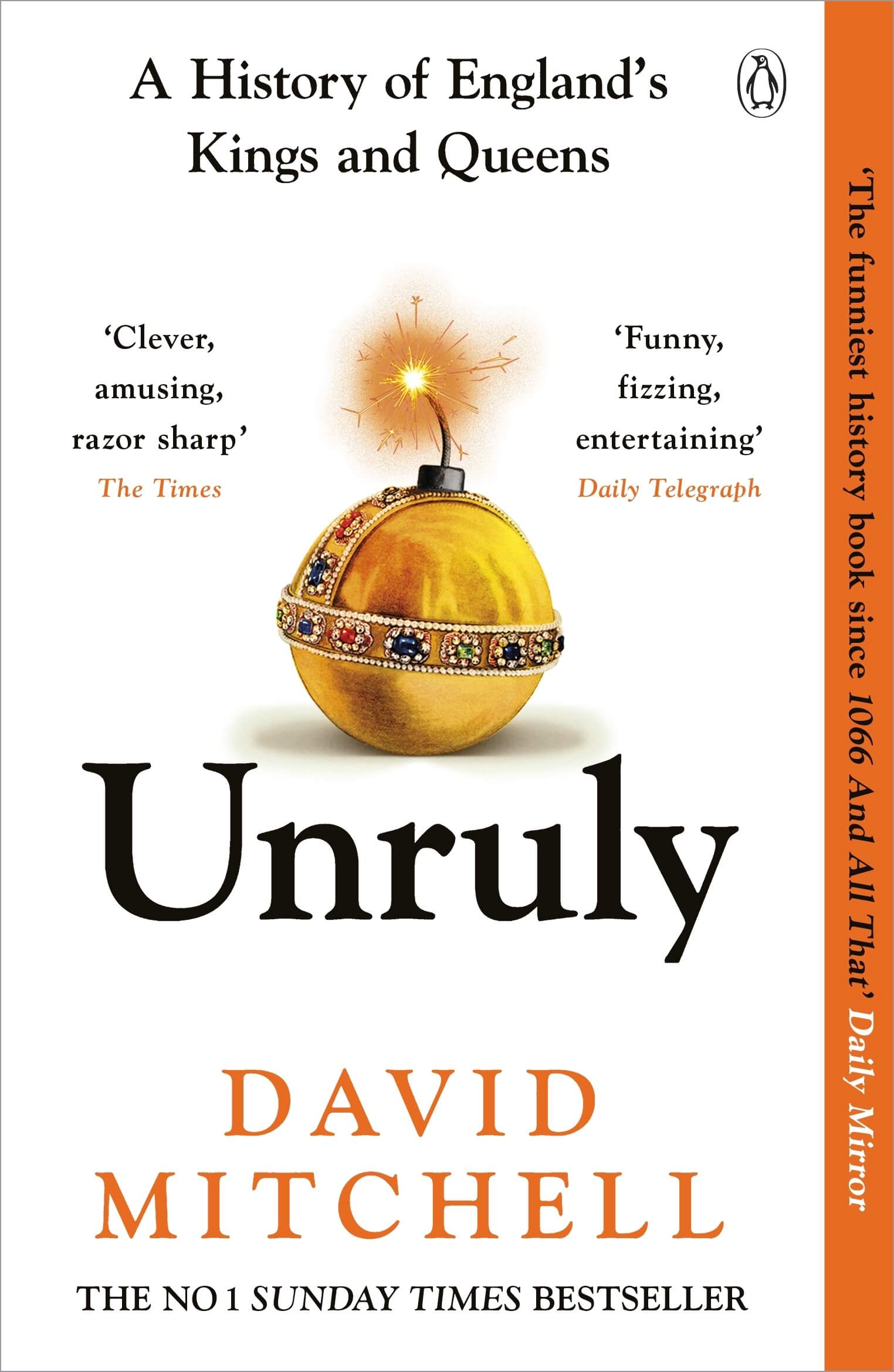
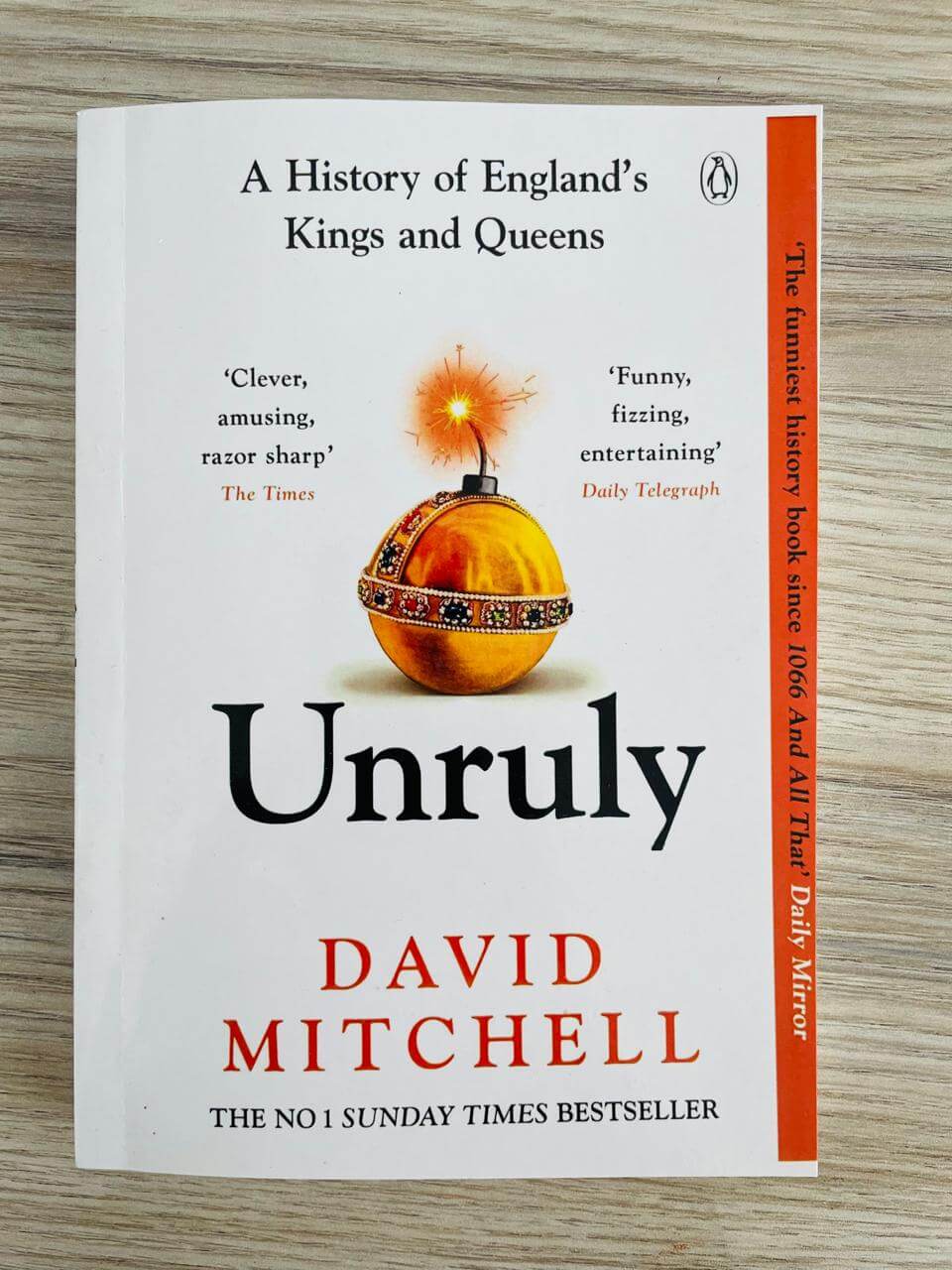






Unruly by David Mitchell


රු2,250.00
3 X Rs. 750.00 or 8% Cashback with


or 3 X රු750.00 with


or up to 4 X රු562.50 with


Book Details
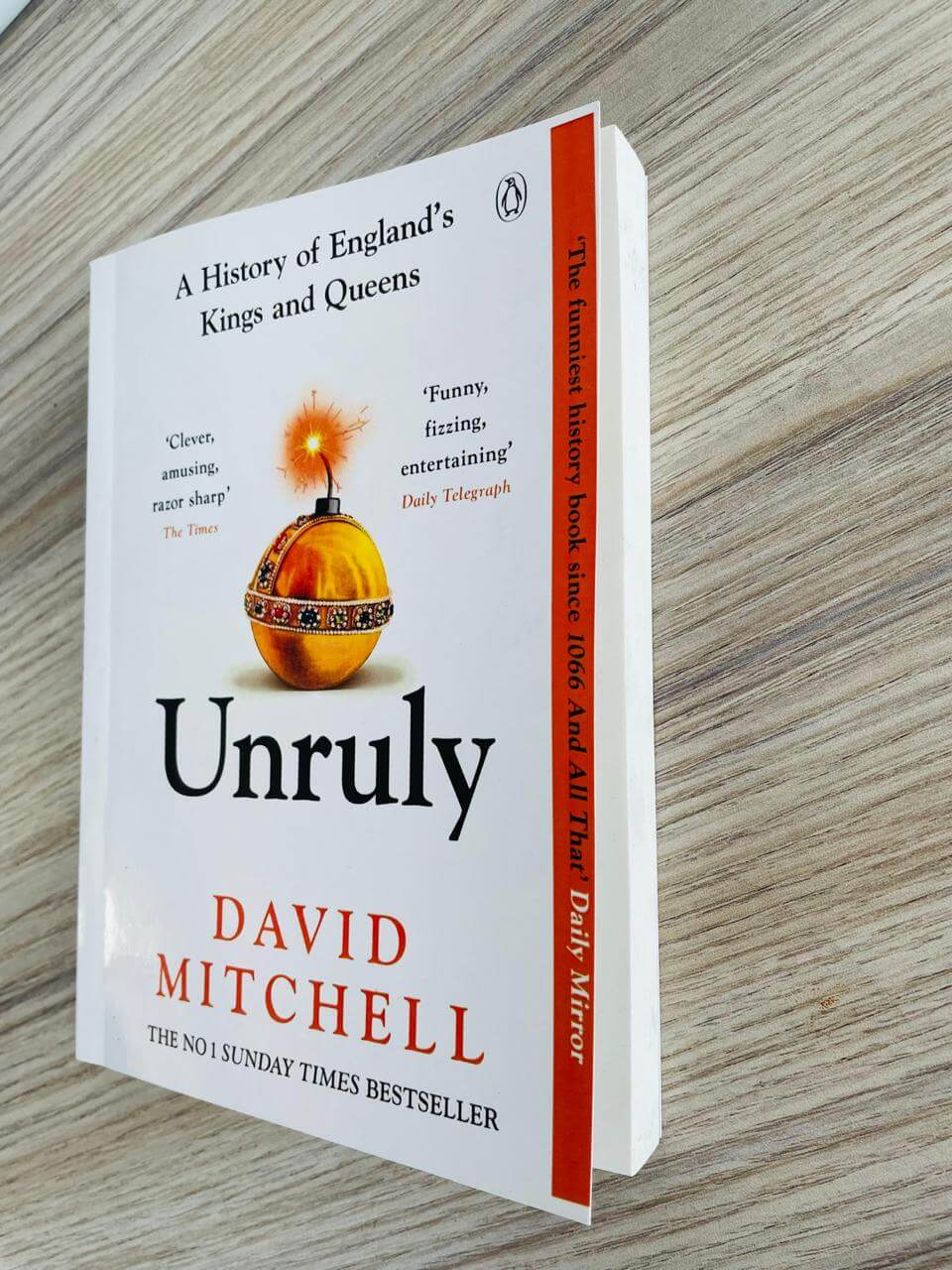
- Title: Unruly
- Author: David Mitchell
- Genre: History, Humor, Nonfiction
- Language: English
- Category: Historical Nonfiction
- Topics Covered: British History, Monarchy, Politics, Royal Families, Historical Events
- Recommended For: History Readers, Nonfiction Fans, Comedy Readers
- Indian locally published copy
6 in stock
Unruly by David Mitchell
Unruly by David Mitchell is a witty, irreverent, and surprisingly informative history of England’s kings and queens.
The book begins with the legendary figure of King Arthur.
It then moves through centuries of monarchy, conflict, ambition, dynastic struggle, political failure, war, succession crises, and royal eccentricity.
David Mitchell approaches history with humor.
But underneath the jokes is a serious attempt to explain how England’s monarchy developed and why so many rulers made such extraordinary decisions.
About Unruly by David Mitchell
Unruly by David Mitchell explores the history of England from the post-Roman period through the reign of Elizabeth I.
The book looks at famous monarchs.
It also spends time on rulers many readers may barely remember.
Mitchell asks how monarchy became such a powerful institution.
He also asks how much of royal history was shaped by careful planning—and how much depended on luck, violence, marriage, inheritance, and accident.
The result is a history book that is designed to be entertaining without treating the subject as meaningless.
7 Fascinating Lessons from Unruly by David Mitchell
1. History Is Messier Than Simple Timelines
School history can make monarchy look orderly.
One king dies.
Another takes over.
The country continues.
Reality was far more chaotic.
Succession could involve war.
Marriage could completely change political alliances.
A weak heir could destabilize an entire kingdom.
Unruly by David Mitchell repeatedly shows how uncertain power often was.
2. Kings Were Still Human
Royal portraits can make historical rulers look distant and formal.
Mitchell brings them back down to earth.
Kings could be insecure.
Queens could be politically brilliant.
Some rulers were impulsive.
Others were cautious.
Many made mistakes with enormous consequences.
The book’s humor helps readers see historical figures as people rather than statues.
3. Power Often Depended on Violence
Modern monarchy feels highly ceremonial.
Early monarchy was very different.
A ruler often needed military strength.
Power could depend on defeating rivals.
Maintaining loyalty mattered constantly.
Even an apparently secure king could face rebellion.
The book explores how monarchy gradually became more organized and institutional.
4. Succession Created Constant Problems
Who becomes king next?
That sounds like a simple question.
Historically, it often was not.
Children.
Brothers.
Cousins.
Nephews.
Rival dynasties.
All could have claims.
Many major conflicts in English history were connected to disputes over succession.
5. Myth and History Often Mix Together
Unruly by David Mitchell begins with King Arthur.
That immediately raises a problem.
Arthur occupies an enormous place in British cultural memory.
But the historical evidence is uncertain.
Mitchell uses this to explore the difference between stories people tell about the past and what historians can actually establish.
6. Institutions Changed Slowly
England did not suddenly become a modern state.
Power evolved gradually.
Nobles gained influence.
Parliament developed.
Laws changed.
Royal authority was challenged.
Documents such as Magna Carta became important.
The book shows how institutions often emerge through conflict rather than neat design.
7. History Can Be Funny Without Being Trivial
One of the strengths of Unruly by David Mitchell is its tone.
Mitchell makes jokes.
He points out absurdity.
He compares historical behavior with modern life.
But the larger subject remains serious.
War.
Rebellion.
Religion.
Government.
Succession.
Political power.
Humor makes the material more approachable without removing its importance.
King Arthur and the Problem of Legend
King Arthur is one of the most famous figures associated with early Britain.
But separating history from legend is difficult.
Stories grew over centuries.
Later writers added details.
Myth became part of national identity.
Mitchell uses Arthur as a useful starting point.
Before discussing kings we can document more clearly, he reminds readers that the earliest stories of monarchy are often uncertain.
Anglo-Saxon Kings
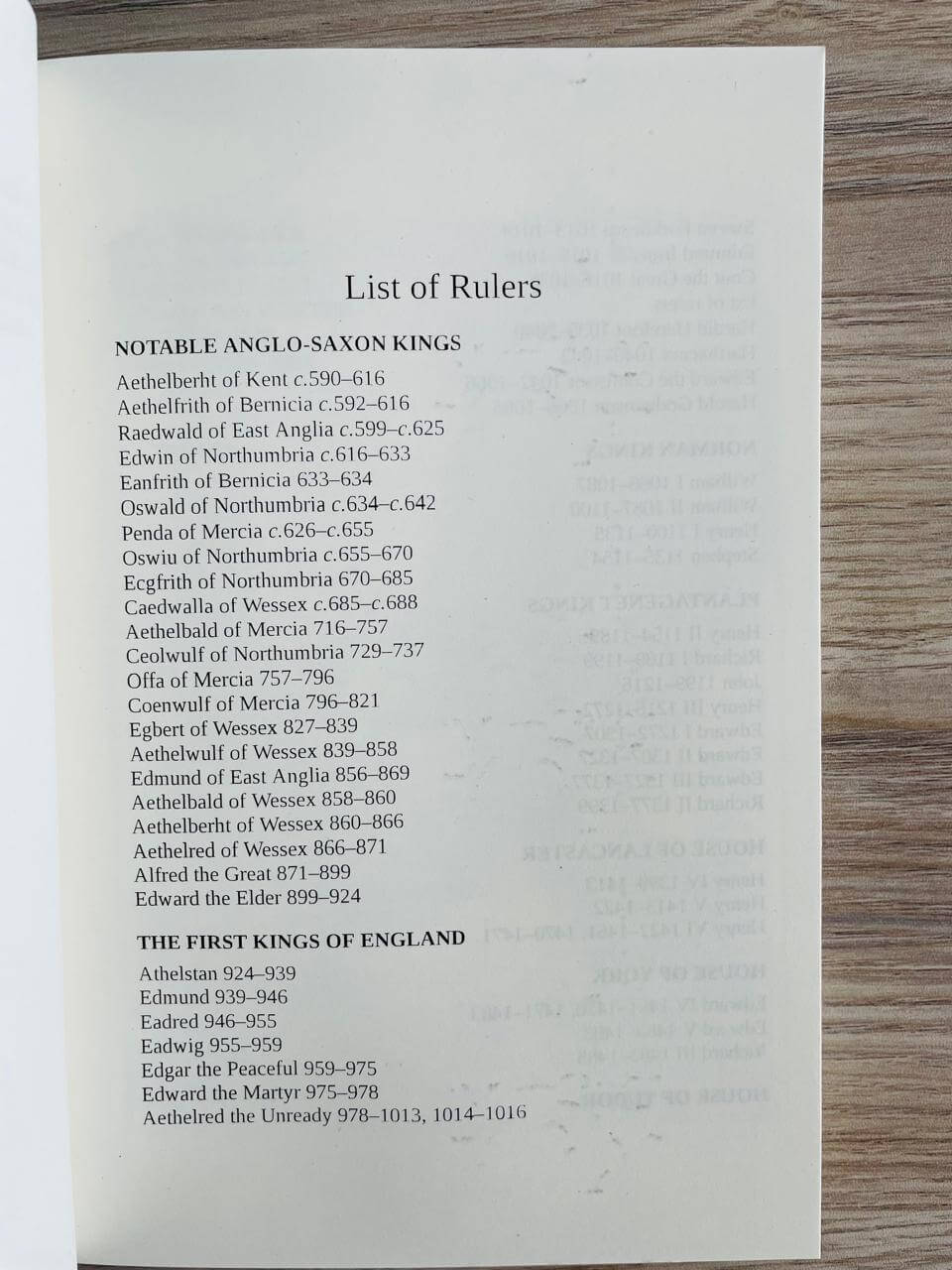
The book then moves into the world of Anglo-Saxon England.
This was not initially one unified kingdom.
Different rulers controlled different regions.
Power shifted.
Kingdoms competed.
Gradually, political consolidation increased.
These centuries laid important foundations for later England.
Vikings and Invasion
Viking attacks changed the political landscape.
Some rulers lost territory.
Others adapted.
Military leadership became extremely important.
The conflict with Scandinavian forces influenced the development of English kingship.
It also produced some of the most memorable rulers of the period.
William the Conqueror
The Norman Conquest transformed England.
William defeated Harold at the Battle of Hastings in 1066.
But winning one battle did not automatically make England easy to rule.
William still had to control the country.
The conquest reshaped land ownership, government, aristocracy, language, and political culture.
The Plantagenets
The Plantagenet period contains some of England’s most dramatic royal stories.
Family conflict.
Rebellion.
Crusades.
Territorial ambition.
Disputes with nobles.
Many famous kings belong to this period.
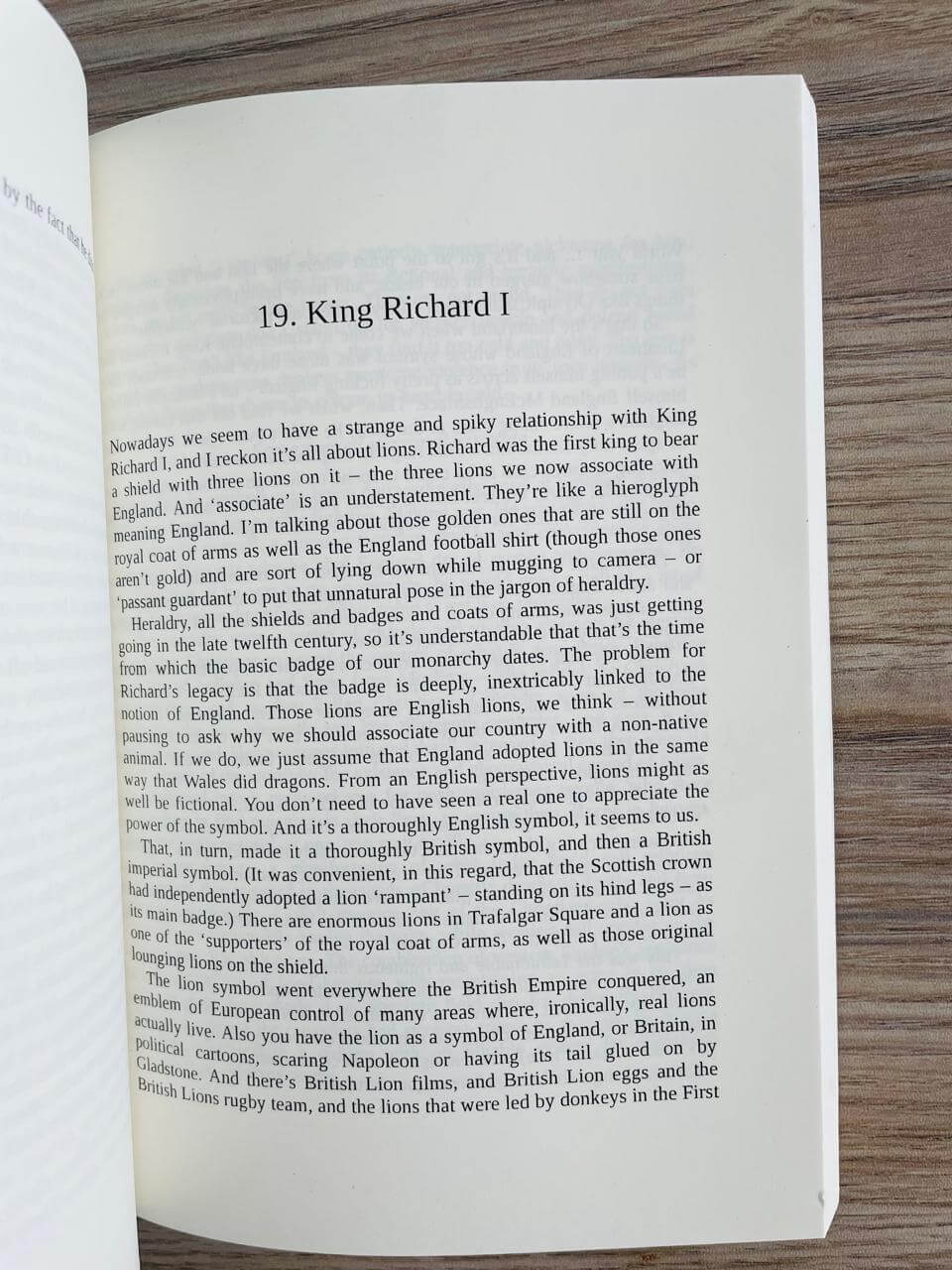
Richard the Lionheart.
John.
Edward I.
Edward III.
Each faced different challenges.
King John and Magna Carta
King John has one of the worst reputations among English monarchs.
His reign included military failure and conflict with leading nobles.
That conflict helped produce Magna Carta in 1215.
Magna Carta did not instantly create modern democracy.
But it later became symbolically important in debates about law and limits on royal power.
The Wars of the Roses
Dynastic conflict eventually contributed to the Wars of the Roses.
The rival houses of Lancaster and York competed for control.
The period involved changing alliances.
Battles.
Deposed kings.
Restored kings.
And political instability.
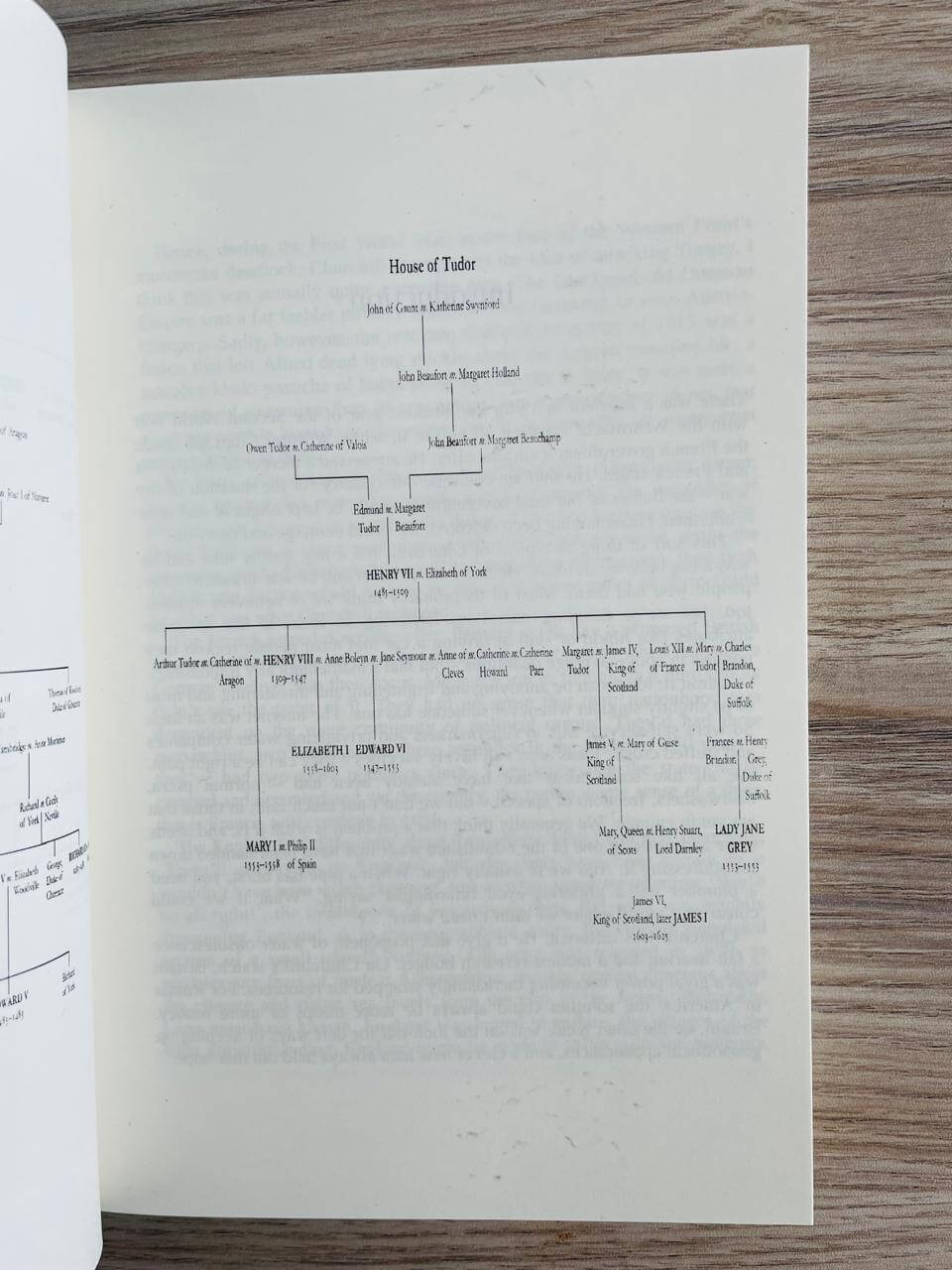
The conflict eventually created the conditions for the rise of the Tudor dynasty.
Henry VII
Henry VII established Tudor rule after defeating Richard III.
His position was not automatically secure.
He had to manage rival claims.
He needed alliances.
He also had to strengthen royal authority.
His reign helped create a more stable foundation for his famous son.
Henry VIII
Henry VIII is one of the best-known English monarchs.
His marriages dominate popular memory.
But his reign also involved major political and religious change.
England’s break with Rome transformed the relationship between monarchy and religion.
Mitchell examines both the serious consequences and the strange personalities involved.
Edward VI and Mary I
The succession after Henry VIII remained difficult.
Edward VI became king while still young.
His reign continued Protestant reform.
Mary I later attempted to restore Catholicism.
The religious direction of England changed dramatically within a short period.
This instability shows how much depended on the beliefs of individual monarchs.
Elizabeth I
The story reaches Elizabeth I.
Her reign became associated with political skill, religious settlement, overseas ambition, and conflict with Spain.
She also faced constant questions about marriage and succession.
Because she had no children, the future of the monarchy remained uncertain.
Elizabeth’s reign provides a natural endpoint for Mitchell’s first broad journey through English kingship.
Humor as a Historical Tool
David Mitchell is best known as a comedian, actor, and writer.
That background shapes the book.
He notices contradictions.
He points out ridiculous behavior.
He questions heroic myths.
This makes history feel less formal.
But the humor also serves a purpose.
It helps expose how strange political behavior can look when removed from ceremony and tradition.
Power and Legitimacy
A recurring question in Unruly by David Mitchell is why people accept rulers.
Sometimes the answer is inheritance.
Sometimes religion.
Sometimes military strength.
Sometimes political agreement.
Legitimacy changes over time.
Understanding that process helps explain how monarchy survived even as its role transformed.
Religion and Politics
Religion is deeply connected to monarchy.
Kings were not only political rulers.
They often claimed divine legitimacy.
Church institutions also possessed enormous influence.
Conflicts between rulers and religious authorities could become major political crises.
The Reformation made that relationship even more complicated.
War and Reputation
Many rulers built reputations through war.
Victory could increase prestige.
Failure could weaken authority.
But war was expensive.
Taxation created resentment.
Military defeat could destroy confidence in a ruler.
The book repeatedly shows how closely warfare and monarchy were connected.
Why Read History This Way?
History can feel intimidating when it becomes only a list of dates.
Unruly by David Mitchell focuses instead on people and consequences.
Who wanted power?
Why did they want it?
What happened when they got it?
What mistakes did they make?
This makes complex periods easier to remember.
Who Should Read This Book?
Unruly by David Mitchell is ideal for readers who enjoy British history, monarchy, political history, biography, and humorous nonfiction.
It may particularly appeal to people who usually find history books too dry.
Fans of David Mitchell’s television and comedy work may also enjoy his distinctive voice.
The book is accessible enough for general readers while still covering a broad historical period.
About David Mitchell
David Mitchell is a British comedian, actor, writer, and television personality.
He is widely known for Peep Show, That Mitchell and Webb Look, Would I Lie to You?, and other comedy and television work.
Penguin identifies Unruly: A History of England’s Kings and Queens as his first history book.
Readers can learn more through the official Penguin page for Unruly.
Product Details
Title: Unruly
Full Title: Unruly: A History of England’s Kings and Queens
Author: David Mitchell
Genre: History / British History / Monarchy / Humorous Non-Fiction
Language: English
Original Publication: 2023
UK Edition
Publisher: Michael Joseph / Penguin
ISBN-13: 9781405953184
Format: Hardcover
Pages: 448
Publication Year: 2023
Google Books lists this Michael Joseph edition at 448 pages.
UK Paperback Edition
A Penguin paperback edition is also available.
Publisher: Penguin
ISBN-13: 9781405953207
Pages: 448
Penguin lists this edition with 448 pages.
US Paperback Edition
Publisher: Crown
ISBN-13: 9780593728505
Format: Paperback
Pages: 464
Publication Date: October 1, 2024
Penguin Random House confirms these specifications for the U.S. paperback edition.
Always check the ISBN printed on your physical copy before entering final WooCommerce specifications.
Explore More History Books
Unruly by David Mitchell tells the story of English monarchy as a long, messy evolution rather than a neat chain of royal portraits.
Kings gained power.
Kings lost power.
Families fought.
Dynasties disappeared.
Institutions developed.
And the monarchy repeatedly changed to survive.
Readers looking for more historical nonfiction can explore History Books at Bargain Books.
You can also explore Non-Fiction & Knowledge Books at Bargain Books.
For readers who want British history explained with humor, personality, and plenty of royal chaos, Unruly by David Mitchell is an entertaining introduction to centuries of English monarchy.
Be the first to review “Unruly by David Mitchell”
Related products
-17%
Out of stock
Non-Fiction & Knowledge
Original price was: රු2,900.00.රු2,400.00Current price is: රු2,400.00.
3 X Rs. 800.00 or 8% Cashback with
or 3 X රු800.00 with
or up to 4 X රු600.00 with
-19%
Out of stock
Non-Fiction & Knowledge
Original price was: රු2,650.00.රු2,150.00Current price is: රු2,150.00.
3 X Rs. 716.67 or 8% Cashback with
or 3 X රු716.67 with
or up to 4 X රු537.50 with
-7%
Out of stock
Original price was: රු4,500.00.රු4,200.00Current price is: රු4,200.00.
3 X Rs. 1,400.00 or 8% Cashback with
or 3 X රු1,400.00 with
or up to 4 X රු1,050.00 with
-18%
Out of stock
Original price was: රු2,800.00.රු2,300.00Current price is: රු2,300.00.
3 X Rs. 766.67 or 8% Cashback with
or 3 X රු766.67 with
or up to 4 X රු575.00 with
Out of stock
Non-Fiction & Knowledge
රු1,600.00
3 X Rs. 533.33 or 8% Cashback with
or 3 X රු533.33 with
or up to 4 X රු400.00 with
-24%

Non-Fiction & Knowledge
Original price was: රු2,300.00.රු1,750.00Current price is: රු1,750.00.
3 X Rs. 583.33 or 8% Cashback with
or 3 X රු583.33 with
or up to 4 X රු437.50 with
-24%

Out of stock
Non-Fiction & Knowledge
Original price was: රු2,100.00.රු1,600.00Current price is: රු1,600.00.
3 X Rs. 533.33 or 8% Cashback with
or 3 X රු533.33 with
or up to 4 X රු400.00 with
Non-Fiction & Knowledge
රු2,450.00
3 X Rs. 816.67 or 8% Cashback with
or 3 X රු816.67 with
or up to 4 X රු612.50 with
Reviews
There are no reviews yet.