
No products in the cart.
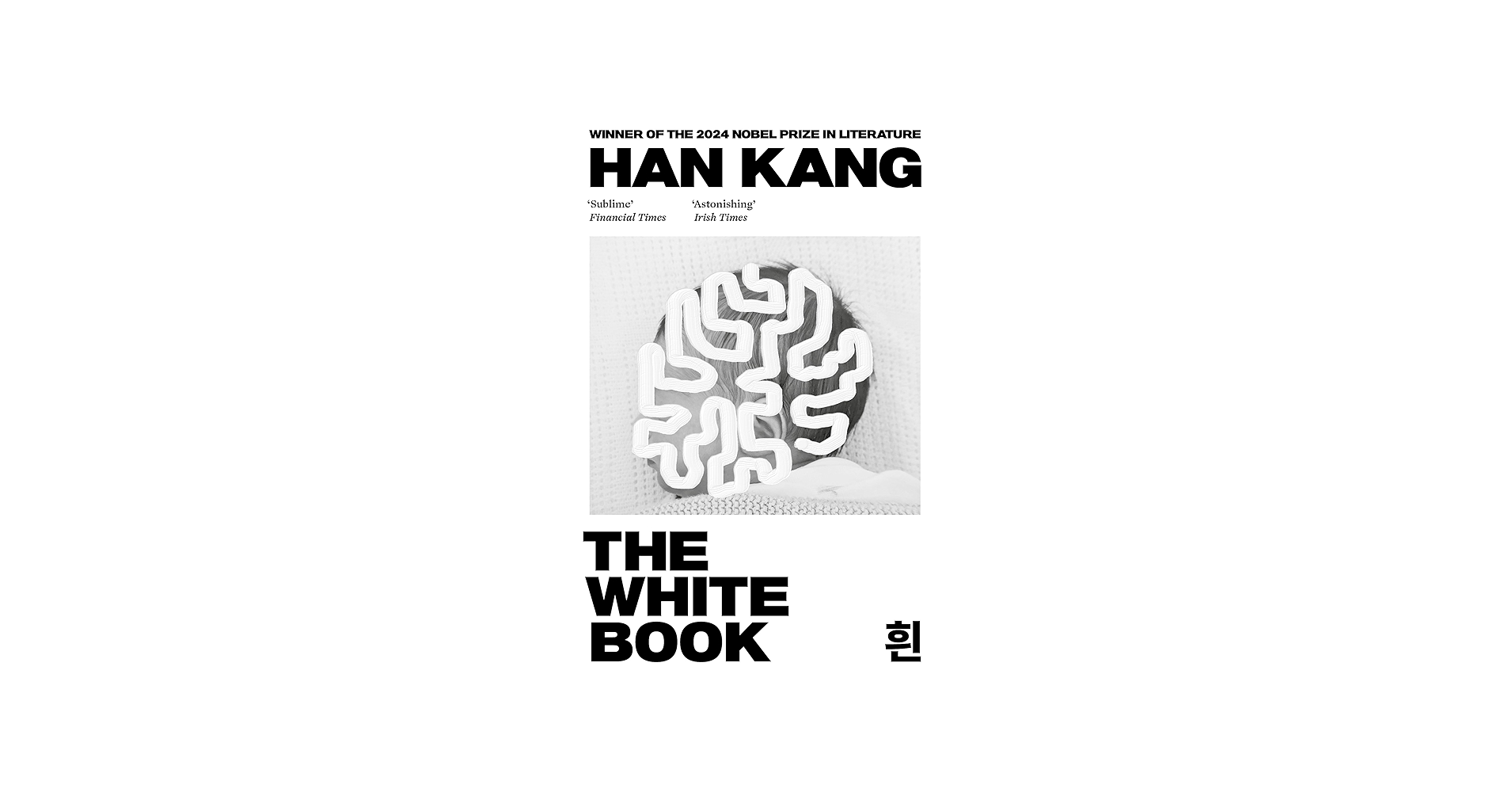
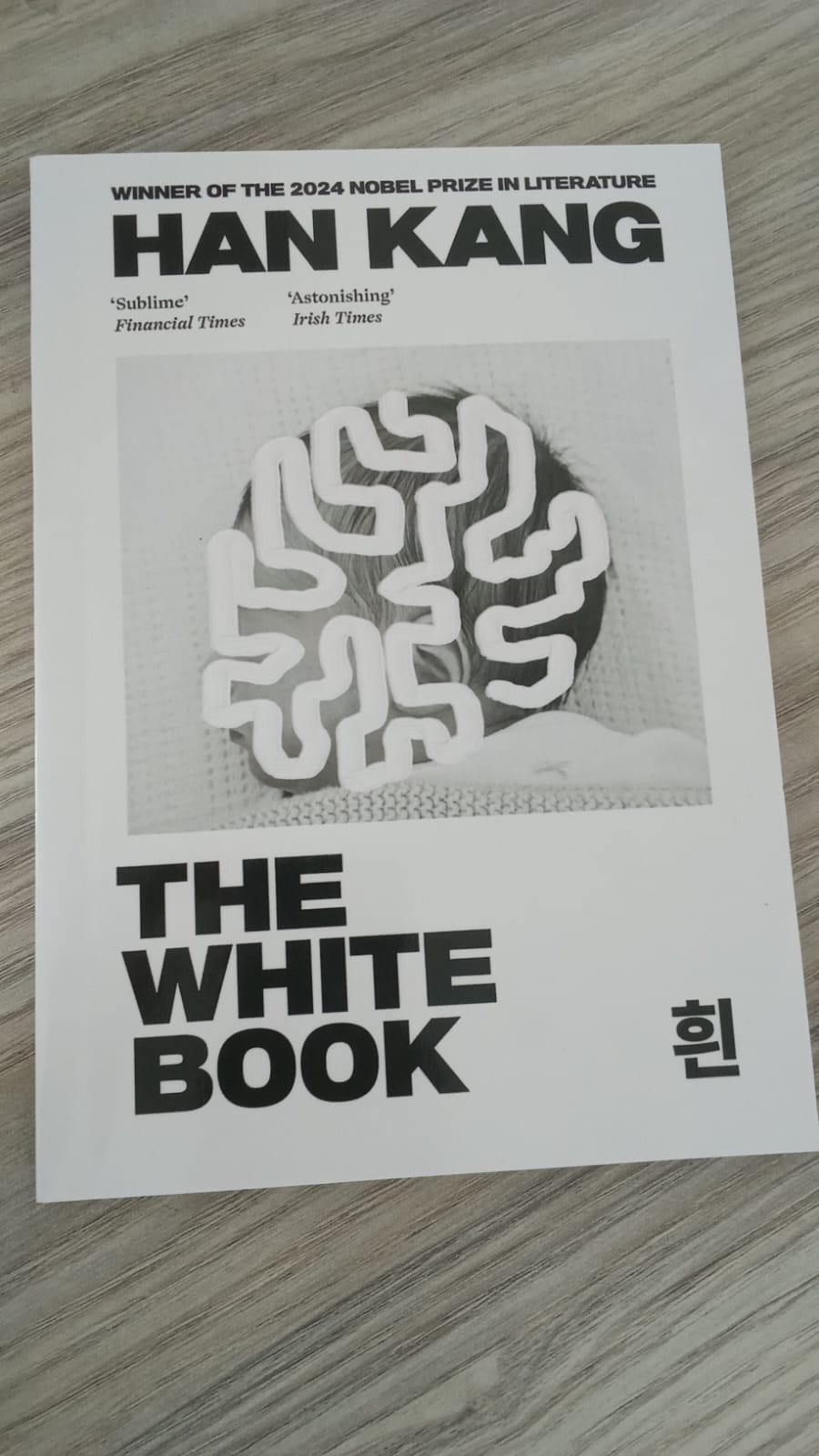
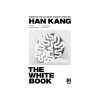
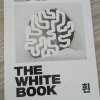
White Book by Han Kang
රු1,400.00
3 X Rs. 466.67 or 8% Cashback with


or 3 X රු466.67 with


or up to 4 X රු350.00 with


A Quiet Reflection on Life and Loss – The White Book by Han Kang
The White Book by Han Kang is a deeply moving and poetic work that explores grief, memory, and the fragile nature of human existence. Rather than following a traditional storyline, the book unfolds through a series of short reflections centered around the color white. Each moment, object, and image carries emotional depth, creating a meditative reading experience.
The central idea of The White Book is that life and loss are closely connected. Through quiet observations, the book shows that even the smallest moments can hold profound meaning.
Out of stock
Email when stock available
The White Book by Han Kang
The White Book by Han Kang is a quiet, poetic meditation on grief, memory, loss, life, and the fragile beauty of ordinary things.
The book begins with the color white.
Snow.
Salt.
Rice.
A white cloth.
A newborn’s clothing.
Each image becomes connected to memory.
And each memory leads back to grief.
About The White Book
The White Book is unlike a traditional novel.
It is made up of short reflections.
Some feel like essays.
Some feel like poetry.
Others feel like fragments of memory.
Together, they form a deeply personal exploration of loss.
7 Powerful Reflections from The White Book
1. Grief Can Live in Small Things
The book shows how grief can attach itself to ordinary objects.
A piece of cloth can carry memory.
Snow can feel temporary.
A white wall can feel empty.
Han Kang transforms simple images into emotional symbols.
2. Memory Is Fragile
Memory does not always remain complete.
Some details disappear.
Others become stronger.
The White Book explores how people rebuild the past from fragments.
That makes the book feel intimate and dreamlike.
3. White Is More Than a Colour
White can suggest purity.
But it can also suggest mourning.
Silence.
Coldness.
Beginning.
Ending.
Han Kang uses the color in many different ways.
Its meaning keeps changing throughout the book.
4. Loss Can Shape a Life Indirectly
A central subject is Han Kang’s older sister.
The child died only a few hours after birth.
Han Kang never knew her.
Yet that loss remained part of the family.
The book explores how a person can be shaped by someone they never met.
5. Language Can Hold Grief
The book is deeply concerned with words.
How do you describe absence?
How do you describe someone who barely had time to live?
Han Kang uses spare language to approach experiences that are difficult to explain directly.
6. Beauty and Pain Can Exist Together
Many images in the book are beautiful.
But they are also connected to loss.
Snow can be beautiful and temporary.
White fabric can be soft and connected to mourning.
This tension gives the book emotional power.
7. Life Continues Through Memory
The book does not erase grief.
Instead, it gives grief a shape.
By writing about her sister, Han Kang creates a form of remembrance.
The result is both sorrowful and strangely hopeful.
The Older Sister at the Heart of the Book
One of the most important elements of The White Book is Han Kang’s older sister.
She died shortly after birth.
Han Kang imagines her life.
Her absence.
And what might have been different if she had survived.
This makes the book partly a letter to someone who was never able to grow up.
White Objects as Symbols
Throughout the book, Han Kang creates a list of white things.
Each object becomes symbolic.
Rice.
Salt.
Snow.
Fog.
Breath.
A swaddling cloth.
The repetition gives the book structure.
It also creates a calm, meditative rhythm.
Grief Without a Traditional Story
There is no conventional plot.
The book moves through memory, place, image, and reflection.
That can make it feel closer to poetry than fiction.
Readers who prefer strong plot may find it unusual.
Readers who enjoy reflective writing may find it deeply moving.
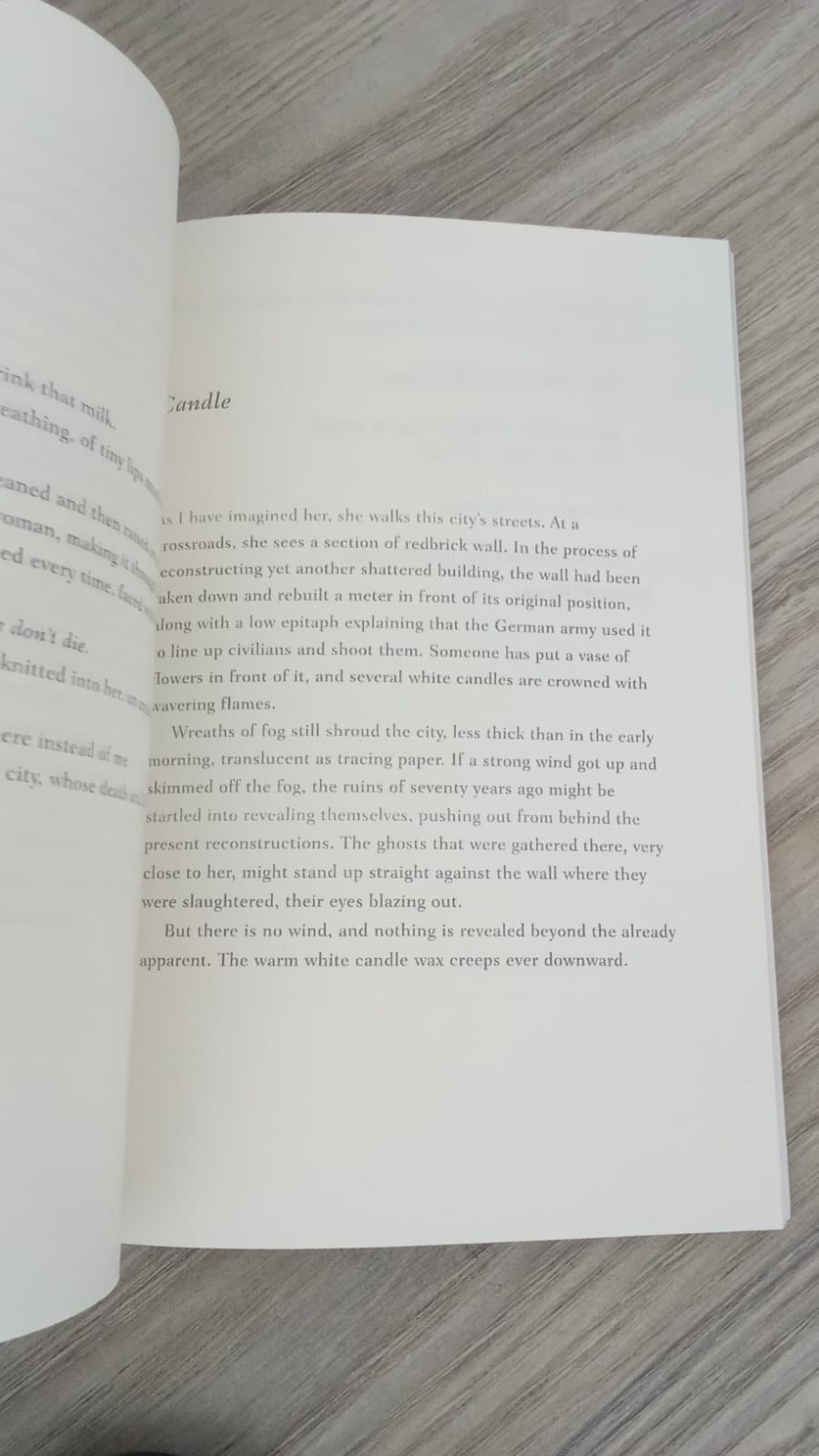
Warsaw and Memory
Part of the book is connected to Warsaw.
The city becomes another symbol of destruction and rebuilding.
Han Kang reflects on places that have experienced loss.
This expands the book beyond personal grief.
Memory becomes historical as well as individual.
The Meaning of Rebirth
Rebirth appears repeatedly.
Something can be damaged.
Something can disappear.
And yet something new may still emerge.
This idea creates a quiet sense of hope.
The book does not deny loss.
It simply asks what can come after it.
Translation by Deborah Smith
The English translation is by Deborah Smith.
She also translated Han Kang’s The Vegetarian and Human Acts.
The language in The White Book is spare and lyrical.
That makes the translation especially important.
International Recognition
The White Book was shortlisted for the 2018 Man Booker International Prize.
Han Kang later received the 2024 Nobel Prize in Literature. Penguin Random House identifies her as the author of The Vegetarian, Human Acts, Greek Lessons, The White Book, and We Do Not Part.
Who Should Read This Book?
The White Book is ideal for readers who enjoy literary fiction, poetic prose, translated literature, memoir-like writing, and meditations on grief.
It may also appeal to readers who prefer short reflective passages rather than a fast-moving plot.
Fans of The Vegetarian may appreciate seeing a quieter and more personal side of Han Kang’s writing.
About Han Kang
Han Kang is a South Korean author born in 1970.
Her internationally known works include The Vegetarian, Human Acts, Greek Lessons, The White Book, and We Do Not Part.
She received the Nobel Prize in Literature in 2024.
Readers can learn more through the official Penguin Random House page for The White Book.
Product Details
Title: The White Book
Author: Han Kang
Translator: Deborah Smith
Genre: Literary Fiction / Reflective Fiction / Translated Literature
Language: English
Current Hogarth Paperback Edition
Publisher: Hogarth
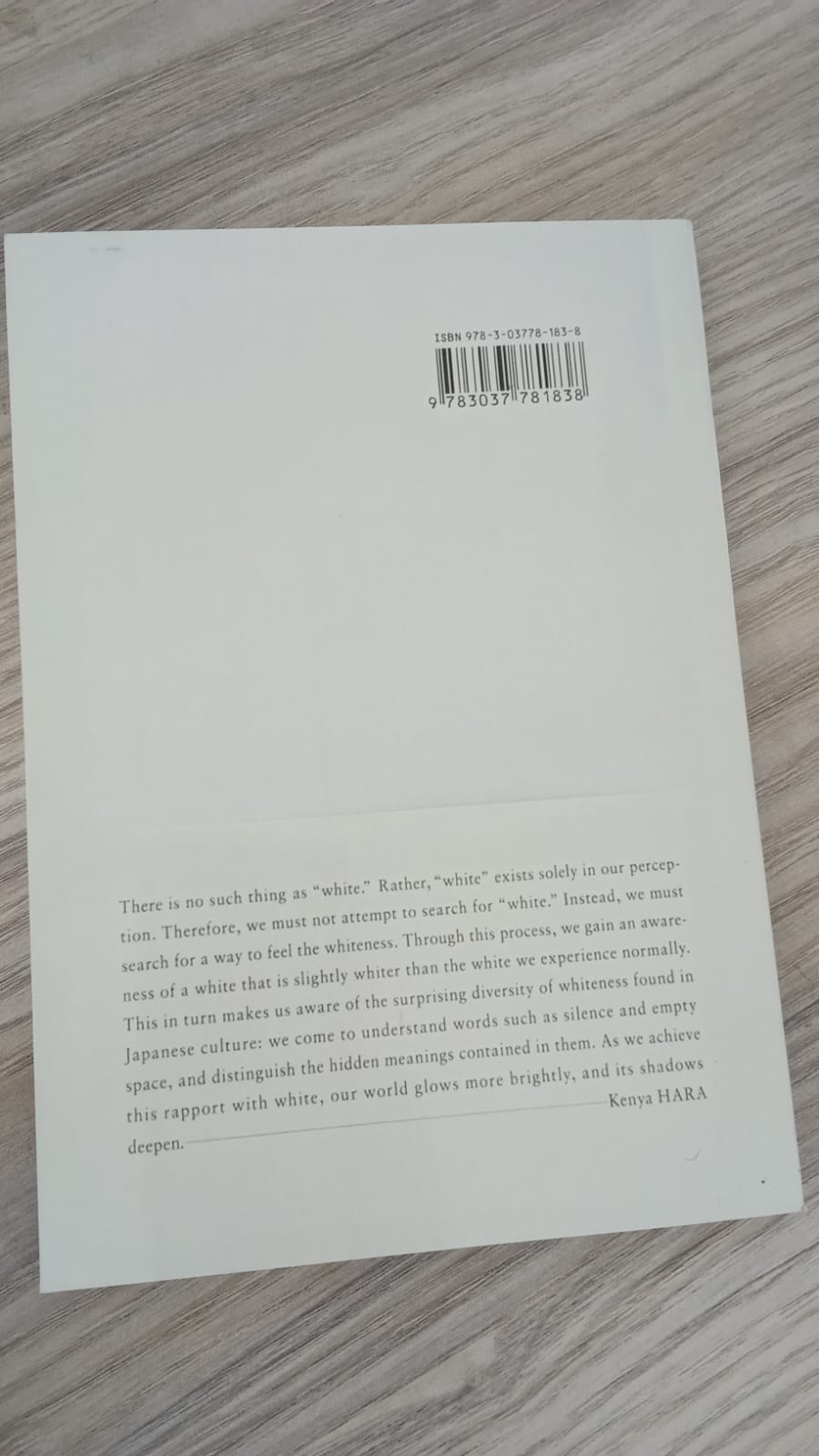
ISBN-13: 9780525573074
Format: Paperback
Pages: 160
Publication Date: March 11, 2025
Penguin Random House confirms these specifications for the current paperback edition.
Earlier Granta Edition
Publisher: Granta Publications
ISBN-13: 9781846276309
Pages: 161
Publication Date: November 2, 2017
Google Books confirms these details for the earlier English edition.
Important Edition Note
Different editions may have slightly different page counts and cover designs.
The current Hogarth paperback has 160 pages.
The earlier Granta edition has 161 pages.
Always check the ISBN printed on your physical copy before entering final WooCommerce specifications.
Explore More Fiction Books
The White Book is a quiet meditation on what remains after loss.
It is about memory.
Absence.
Fragility.
And the strange beauty of continuing to live.
Readers looking for more literary fiction can explore Fiction & Literature Books at Bargain Books.
For readers who enjoy poetic prose, grief writing, translated literature, and reflective books about memory and loss, The White Book is a powerful and beautifully written work.
Be the first to review “White Book by Han Kang”
Related products
-19%

Classics & Literary Fiction
Original price was: රු2,700.00.රු2,200.00Current price is: රු2,200.00.
3 X Rs. 733.33 or 8% Cashback with
or 3 X රු733.33 with
or up to 4 X රු550.00 with

Out of stock
Classics & Literary Fiction
රු1,750.00
3 X Rs. 583.33 or 8% Cashback with
or 3 X රු583.33 with
or up to 4 X රු437.50 with
-14%

Classics & Literary Fiction
Original price was: රු1,800.00.රු1,550.00Current price is: රු1,550.00.
3 X Rs. 516.67 or 8% Cashback with
or 3 X රු516.67 with
or up to 4 X රු387.50 with
Out of stock
Classics & Literary Fiction
රු1,750.00
3 X Rs. 583.33 or 8% Cashback with
or 3 X රු583.33 with
or up to 4 X රු437.50 with
-26%
Out of stock
Classics & Literary Fiction
Original price was: රු1,900.00.රු1,400.00Current price is: රු1,400.00.
3 X Rs. 466.67 or 8% Cashback with
or 3 X රු466.67 with
or up to 4 X රු350.00 with
-11%
Out of stock
Classics & Literary Fiction
Original price was: රු1,800.00.රු1,600.00Current price is: රු1,600.00.
3 X Rs. 533.33 or 8% Cashback with
or 3 X රු533.33 with
or up to 4 X රු400.00 with
-29%
Classics & Literary Fiction
Original price was: රු2,100.00.රු1,500.00Current price is: රු1,500.00.
3 X Rs. 500.00 or 8% Cashback with
or 3 X රු500.00 with
or up to 4 X රු375.00 with
-19%
Out of stock
Classics & Literary Fiction
Original price was: රු2,600.00.රු2,100.00Current price is: රු2,100.00.
3 X Rs. 700.00 or 8% Cashback with
or 3 X රු700.00 with
or up to 4 X රු525.00 with
Reviews
There are no reviews yet.