No products in the cart.
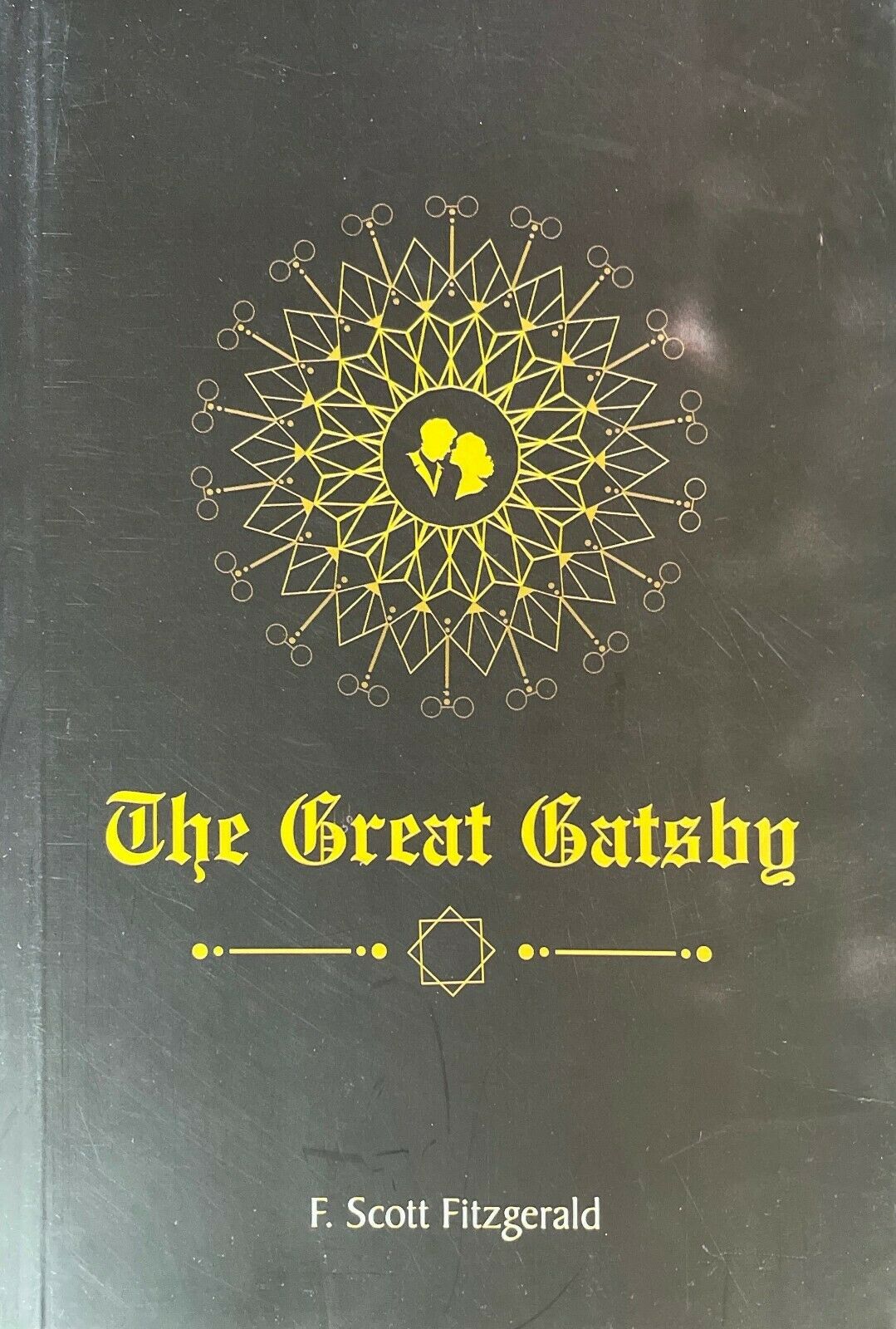
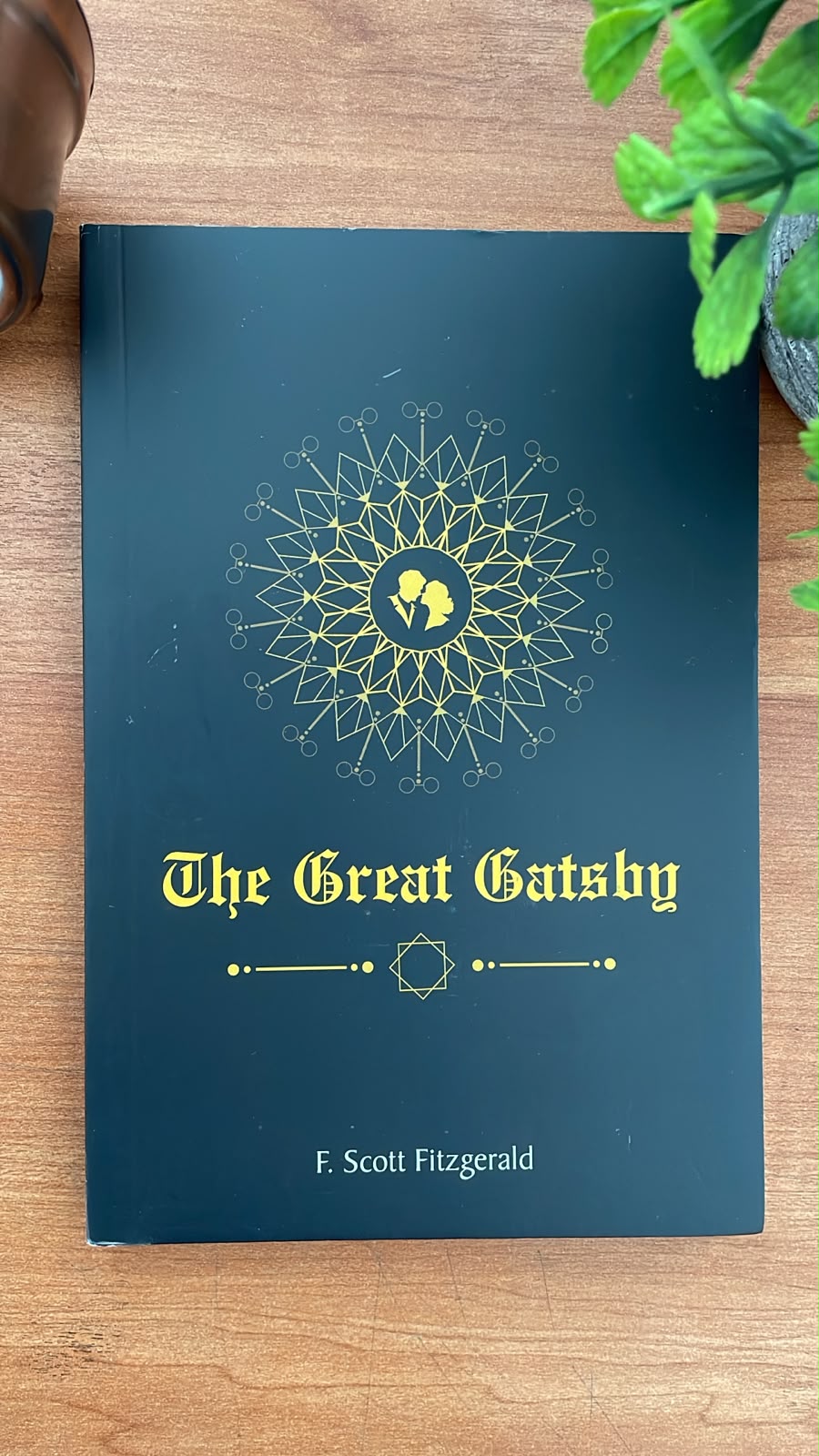
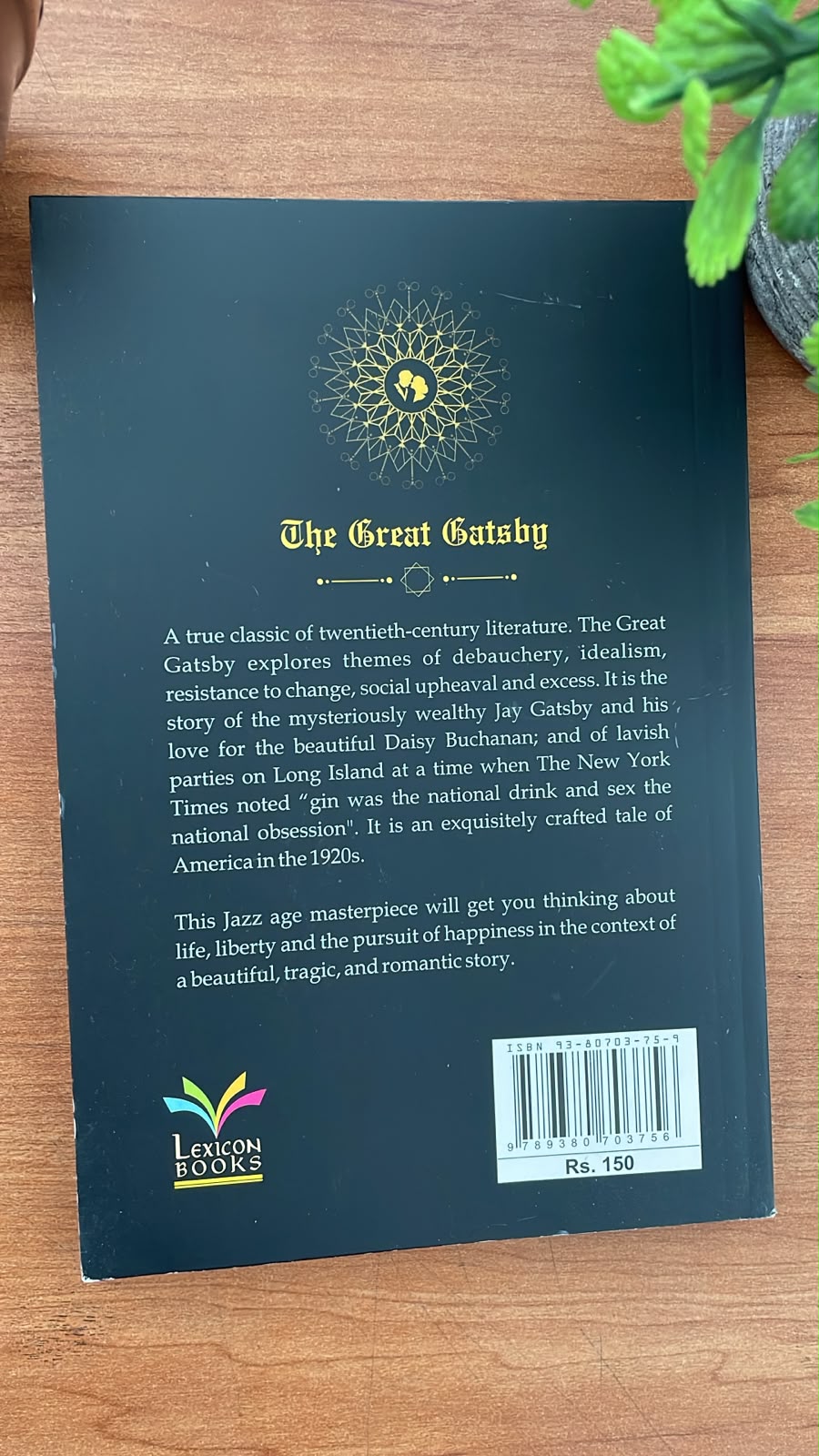
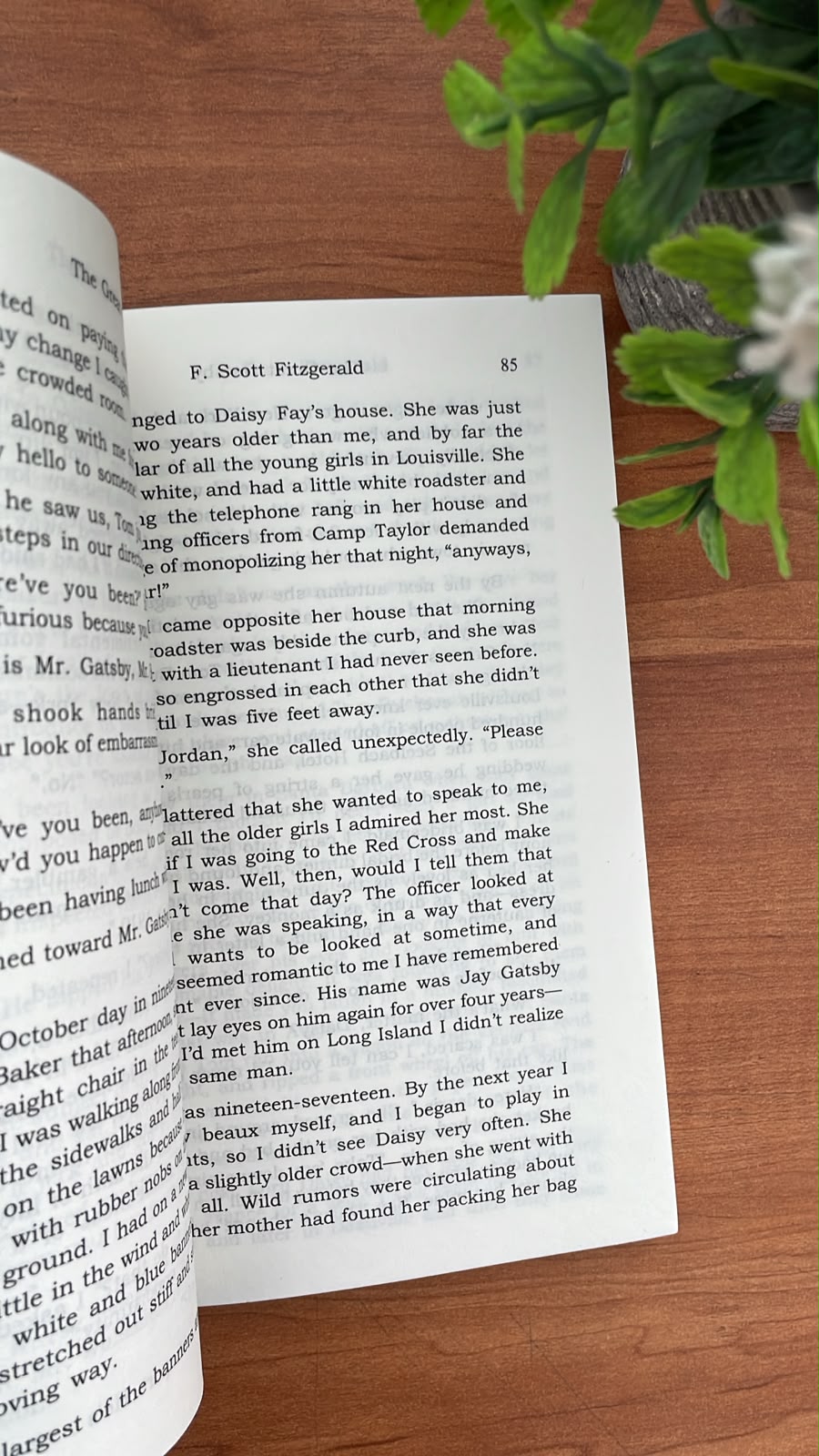
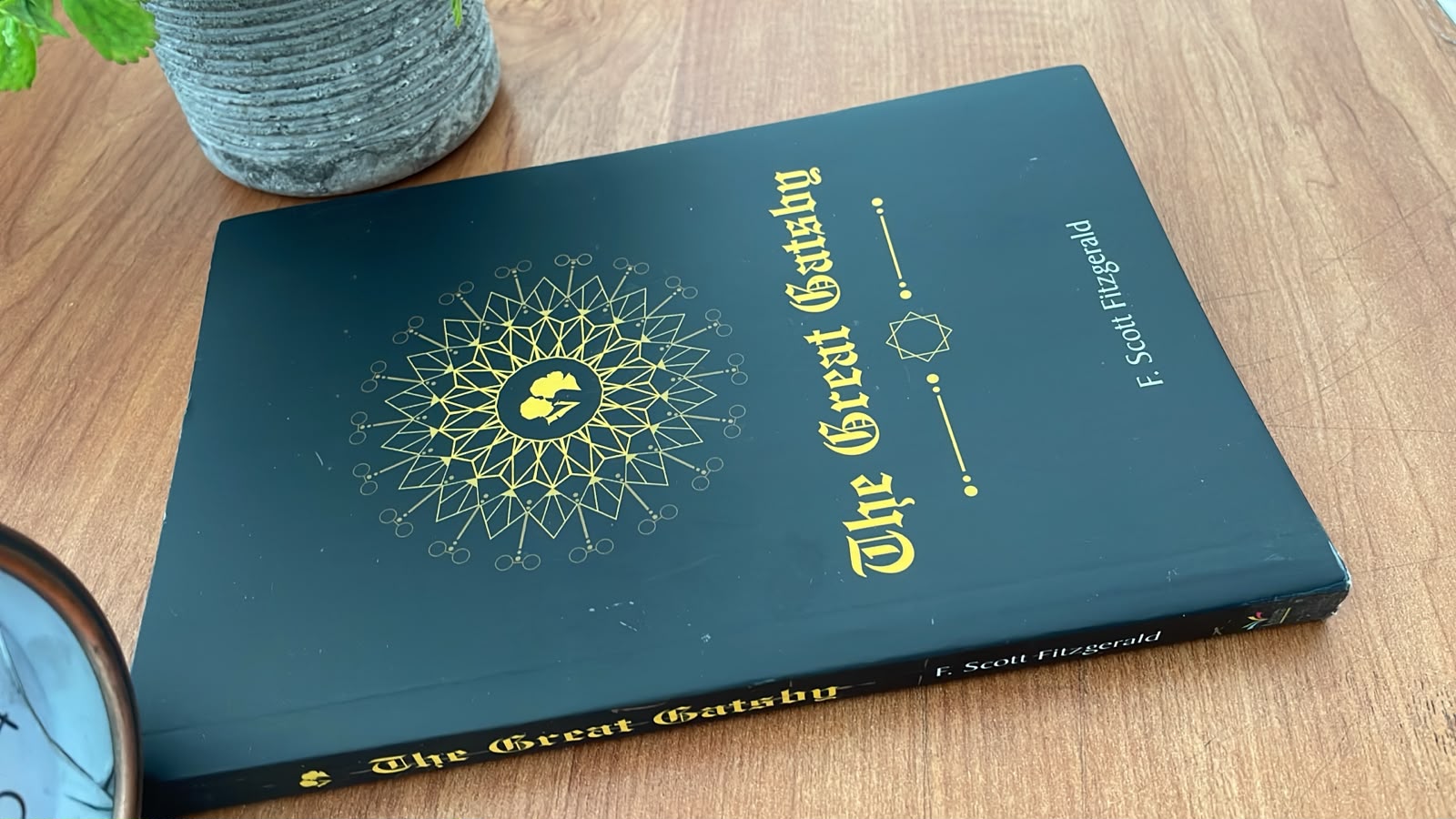






The Great Gatsby by F. Scott Fitzgerald
The Great Gatsby by F. Scott Fitzgerald is a timeless classic about love, ambition, wealth, social status and the dangerous pursuit of an impossible dream. Set during the glamorous Jazz Age of the 1920s, the novel takes readers into a world of extravagant parties, enormous fortunes and beautiful appearances hiding disappointment, loneliness and secrets.
The story is narrated by Nick Carraway, a young man who moves to Long Island and finds himself living next door to the mysterious millionaire Jay Gatsby.
Gatsby is famous for throwing spectacular parties at his mansion.
Hundreds of people arrive to enjoy the music, food and excitement, even though many of them have never actually met their host.
But Gatsby is not holding these parties simply because he enjoys wealth and attention.
Behind everything he does is one powerful dream: to reunite with Daisy Buchanan, the woman he loved years before.
Why Read The Great Gatsby?
One of the biggest reasons to read The Great Gatsby is that it tells a relatively short story while exploring enormous themes.
On the surface, it may seem to be a novel about wealthy people living glamorous lives.
But beneath the beautiful houses, expensive cars and luxurious parties is a much darker examination of ambition, love and disappointment.
Fitzgerald asks whether money can really create happiness.
Can someone recreate the past?
Can wealth give a person everything they desire?
And what happens when the dream we have spent years pursuing does not match reality?
These questions are part of what has allowed the novel to remain relevant for generations.
Meet Jay Gatsby
Jay Gatsby is one of the most memorable characters in classic literature.
He is wealthy, mysterious and surrounded by rumours.
Some guests at his parties claim he was involved in dangerous activities.
Others are fascinated simply because nobody seems to know where he came from or how he became so rich.
But underneath the mystery is a man driven by one extraordinary hope.
Gatsby wants Daisy.
He has built a luxurious life and created an impressive image of himself, believing that success will allow him to reclaim the relationship they once shared.
His determination can appear romantic, but it also becomes tragic.
Gatsby does not simply love Daisy.
He has created an idealized version of her and of the future he believes they could have together.
Nick Carraway and the World of Wealth
The story is told through Nick Carraway, Gatsby’s neighbour and Daisy’s cousin.
Nick is both a participant in and an observer of the events around him.
Through Nick, readers enter the fashionable world of wealthy families, extravagant parties and complicated relationships.
Nick becomes fascinated by Gatsby.
While he recognizes the dishonesty and excess around him, he also sees something unusual in Gatsby’s willingness to believe completely in his dream.
This creates an interesting contrast between Gatsby and many of the wealthy characters surrounding him.
Some characters have everything society says they should want but still appear dissatisfied.
Gatsby, meanwhile, continues chasing something he believes will finally make his life complete.
Gatsby and Daisy Buchanan
At the centre of The Great Gatsby is Gatsby’s relationship with Daisy Buchanan.
Gatsby and Daisy knew each other before he became wealthy.
Years later, Daisy is married to Tom Buchanan, a rich and powerful man.
Gatsby has never truly let go of his feelings for her.
He believes that if they can reunite, the years between them can somehow disappear and their earlier love can be restored exactly as it once was.
But people change.
Circumstances change.
And the past is much more difficult to recreate than Gatsby wants to believe.
Their relationship becomes the emotional centre of a story about desire, memory and unrealistic expectations.
Wealth and the American Dream
One of the most important themes in The Great Gatsby is the American Dream.
The traditional idea suggests that anyone can achieve success through ambition and hard work.
Gatsby appears to represent this dream.
He rises from a modest background and becomes extremely wealthy.
From the outside, he seems successful.
He has a mansion.
He has expensive possessions.
He hosts enormous parties.
People know his name.
Yet wealth does not give him what he truly wants.
Fitzgerald uses Gatsby’s story to question whether material success automatically creates fulfilment.
The novel also examines the difference between people who recently gained wealth and families who have possessed money and social status for generations.
Money may open doors, but it does not erase every social boundary.
The Glamour of the Jazz Age
The 1920s provide the perfect setting for the novel.
The period is often associated with jazz music, parties, fashionable lifestyles, economic growth and changing social attitudes.
Fitzgerald captures this excitement through Gatsby’s famous gatherings.
Guests arrive in expensive cars.
Music fills the mansion.
People drink, dance and enjoy themselves late into the night.
Everything appears glamorous.
However, the novel gradually reveals the emptiness beneath some of this excess.
Many people attend Gatsby’s parties without caring about him.
Relationships can be shallow.
Money allows characters to avoid consequences that others cannot escape.
The glittering world therefore becomes both beautiful and disturbing.
Love, Obsession and the Past
The Great Gatsby is often described as a love story, but it is also a story about obsession.
Gatsby’s love for Daisy is connected to his belief that the past can be recreated.
He wants more than a new relationship with her.
He wants everything to return to exactly how he remembers it.
This creates one of the novel’s most important conflicts.
Human beings often idealize the past.
A memory can become more beautiful than the reality that originally created it.
Gatsby spends years building a future based on an idealized memory.
The novel asks what happens when someone refuses to accept that time has moved forward.
Beautiful Appearances and Hidden Problems
Fitzgerald repeatedly contrasts appearances with reality.
Gatsby’s mansion appears magnificent.
His parties appear exciting.
The wealthy characters appear fortunate.
But behind these appearances are broken relationships, dishonesty, jealousy and loneliness.
This makes the novel much more than a story about rich people.
It explores the way people create public identities.
Gatsby creates an image of success.
Daisy represents beauty and privilege.
Tom represents inherited power and confidence.
But each character becomes more complicated as the story develops.
The novel encourages readers to question whether someone’s lifestyle truly reveals who they are.
Powerful Symbols in The Great Gatsby
The book is also famous for its symbolism.
One of the best-known symbols is the green light that Gatsby can see across the water.
For Gatsby, the light becomes connected with Daisy and the future he desperately wants.
More broadly, it can represent hope and the human tendency to continue reaching toward something that always seems slightly out of reach.
The novel contains several other important images connected with wealth, social class, dreams and moral decline.
These symbols give the book additional depth and make it especially interesting for students and readers who enjoy analysing literature.
A Short but Meaningful Classic
One advantage of The Great Gatsby is that it delivers a powerful story without being an extremely long novel.
Different editions vary in page count, but the story itself is relatively compact compared with many famous classics.
This makes it a good choice for readers who want to begin exploring classic literature without committing to a very long book.
Despite its length, there is plenty to discuss.
Readers can examine Gatsby’s motivations, Nick’s reliability, Daisy’s decisions, social class, wealth, morality and the meaning of the American Dream.
That combination of accessibility and depth is one reason the book remains widely studied.
Who Should Read The Great Gatsby?
This novel is an excellent choice for readers who enjoy:
- Classic literature
- Literary fiction
- Tragic love stories
- Historical settings
- Stories about wealth and ambition
- Complex characters
- American literature
- The Jazz Age and 1920s
- Social-class themes
- Symbolism
- Short classics
- Thought-provoking fiction
- Books adapted into movies
It is also an excellent starting point for readers interested in twentieth-century American fiction.
Is The Great Gatsby Worth Reading?
If you want a classic that combines romance, tragedy, beautiful writing and deeper social themes, The Great Gatsby is an excellent choice.
Gatsby’s journey is memorable because his dream is both inspiring and dangerous.
His determination allows him to transform his life, but his refusal to accept reality eventually carries serious consequences.
The novel explores a universal human experience: wanting something so strongly that we convince ourselves achieving it will make everything perfect.
Fitzgerald then asks whether any dream can survive when it finally meets reality.
That question gives the story lasting emotional power.
Buy The Great Gatsby in Sri Lanka
If you are searching for The Great Gatsby in Sri Lanka, F. Scott Fitzgerald’s celebrated novel is an essential addition to any classic-fiction collection.
Enter the glamorous world of Jay Gatsby’s parties, discover his mysterious past and follow his desperate attempt to reclaim the love of Daisy Buchanan.
With themes of wealth, ambition, social class, romance, illusion and the pursuit of dreams, The Great Gatsby remains a fascinating novel more than a century after its original publication.
Whether you are reading it for school, building a classic-book collection or simply looking for a beautifully written and thought-provoking story, The Great Gatsby is a book worth experiencing.
Learn more about The Great Gatsby by F. Scott Fitzgerald on the official Penguin Random House website.
Explore more classic fiction books at Bargain Books.
| Author | F. Scott Fitzgerald |
|---|---|
| Language | English |
| Type | Paperback Printed Book (Second Quality Copy) |
Be the first to review “Great Gatsby by F. Scott Fitzgerald”
Related products
-11%
Classics & Literary Fiction
Original price was: රු1,800.00.රු1,600.00Current price is: රු1,600.00.
3 X Rs. 533.33 or 8% Cashback with


or 3 X රු533.33 with


or up to 4 X රු400.00 with

Out of stock
Classics & Literary Fiction
The Covenant of Water by Abraham Verghese | Oprah’s Book Club Selection | Paperback Edition
රු2,750.00
3 X Rs. 916.67 or 8% Cashback with
or 3 X රු916.67 with
or up to 4 X රු687.50 with
Classics & Literary Fiction
රු2,590.00
3 X Rs. 863.33 or 8% Cashback with
or 3 X රු863.33 with
or up to 4 X රු647.50 with
-17%

Classics & Literary Fiction
If He Had Been with Me by Laura Nowlin | Kindle Edition – YA Romance Bestseller
Original price was: රු2,400.00.රු1,990.00Current price is: රු1,990.00.
3 X Rs. 663.33 or 8% Cashback with
or 3 X රු663.33 with
or up to 4 X රු497.50 with
-20%

Classics & Literary Fiction
Original price was: රු2,500.00.රු1,990.00Current price is: රු1,990.00.
3 X Rs. 663.33 or 8% Cashback with
or 3 X රු663.33 with
or up to 4 X රු497.50 with
-7%
Original price was: රු1,500.00.රු1,400.00Current price is: රු1,400.00.
3 X Rs. 466.67 or 8% Cashback with
or 3 X රු466.67 with
or up to 4 X රු350.00 with
Classics & Literary Fiction
රු1,750.00
3 X Rs. 583.33 or 8% Cashback with
or 3 X රු583.33 with
or up to 4 X රු437.50 with

Classics & Literary Fiction
රු1,850.00
3 X Rs. 616.67 or 8% Cashback with
or 3 X රු616.67 with
or up to 4 X රු462.50 with
Reviews
There are no reviews yet.