No products in the cart.
-26%
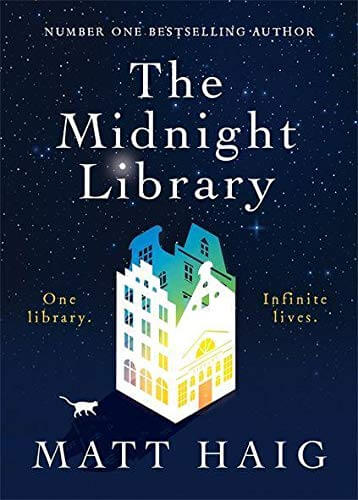
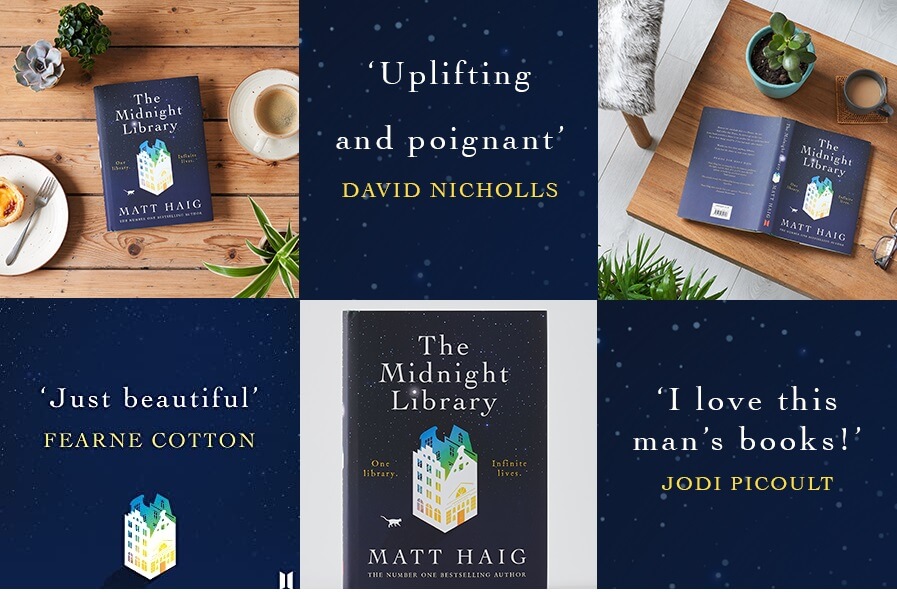
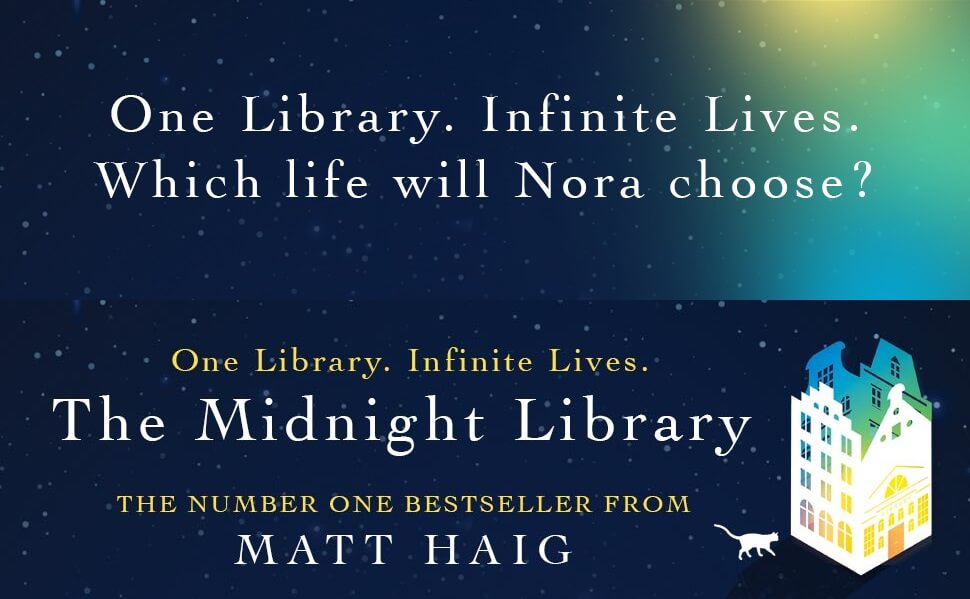
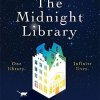


Midnight Library by Matt Haig
Original price was: රු1,900.00.රු1,400.00Current price is: රු1,400.00.
3 X Rs. 466.67 or 8% Cashback with


or 3 X රු466.67 with


or up to 4 X රු350.00 with


The Midnight Library by Matt Haig is a moving speculative novel about Nora Seed, who enters a mysterious library containing books that let her experience the different lives she might have lived. Through alternate careers, relationships and choices, she confronts regret, depression, identity, happiness and the search for meaning. Thought-provoking and ultimately hopeful, this standalone novel is ideal for readers who enjoy emotional fiction, philosophical stories, second chances and imaginative explorations of life’s possibilities.
Out of stock
Email when stock available
The Midnight Library by Matt Haig is a moving and imaginative novel about regret, second chances, alternate possibilities and the difficult question of what makes a life worth living.
Nora Seed feels that her life has gone wrong.
She carries regrets about:
Relationships.
Family.
Career choices.
Friendships.
Dreams she abandoned.
Opportunities she believes she missed.
She imagines that somewhere, somehow, there must have been a better version of her life.
Then Nora finds herself in a mysterious place known as the Midnight Library.
This is no ordinary library.
Every book contains a different version of the life Nora might have lived if she had made another choice.
What if she had stayed with a partner?
What if she had pursued music?
What if she had continued swimming?
What if she had chosen another career?
What if she had lived somewhere else?
Nora is given the extraordinary chance to enter these alternative lives.
At first, this seems like the perfect opportunity.
Surely one of those lives must contain everything she thinks she missed.
But as Nora explores different possibilities, she begins discovering that no life is as simple from the inside as it appears from the outside.
The Midnight Library by Matt Haig combines speculative fiction, philosophy and emotional storytelling to explore how regret can distort our view of both the past and present.
It is ultimately a story about learning that a meaningful life is not necessarily a perfect life.
The Midnight Library by Matt Haig – Book Overview
The Midnight Library by Matt Haig centers on Nora Seed, a woman overwhelmed by disappointment and regret.
She believes she has failed:
Her family.
Her relationships.
Her career.
Her younger self.
She imagines that better choices would have created a completely different life.
The Midnight Library gives her a way to test that belief.
Each book represents another path.
Each choice opens another possible existence.
But every new life contains consequences Nora could not have predicted.
The Midnight Library
The library exists in a mysterious space between life and death.
Its shelves stretch endlessly.
Each volume contains another version of Nora’s life.
A tiny decision can create a completely different future.
One choice changes:
Career.
Another changes:
Relationship.
Another changes:
Location.
Another changes:
Identity.
The library becomes both a magical setting and a metaphor for regret.
The Book of Regrets
One of the most important objects in the novel is Nora’s Book of Regrets.
It contains the things she wishes she had done differently.
Regret can feel like evidence.
“If I had done that, everything would have been better.”
But regret rarely shows the entire picture.
It compares:
The real life you know completely
with
An imagined life you know only partially.
That comparison is naturally unfair.
Nora Seed
Nora is not presented as a perfect heroine.
She is:
Confused.
Exhausted.
Regretful.
Emotionally overwhelmed.
Unsure of what she wants.
That makes her journey relatable.
Many people have wondered:
What if I had chosen differently?
What if I took that job?
What if I stayed with that person?
What if I had been braver?
Nora gets to explore those questions literally.
Mrs Elm
Inside the Midnight Library, Nora meets Mrs Elm, a librarian connected with her past.
Mrs Elm acts as a guide.
She helps Nora understand the strange rules of the library and encourages her to explore the lives she might have lived.
The librarian becomes an important figure in Nora’s journey through possibility and self-understanding.
Alternate Lives
The central concept of The Midnight Library by Matt Haig is the existence of alternate lives.
Each one begins with a different decision.
Nora may enter a life where she is:
More successful.
More famous.
Living somewhere different.
Following another profession.
Surrounded by different people.
On the surface, some lives appear much better.
But living them reveals complexities invisible from the outside.
The Problem With “What If?”
“What if?” can be a useful question.
But it can also become a trap.
What if I had accepted that opportunity?
What if I had said yes?
What if I had said no?
The mind creates perfect imaginary outcomes.
But real life does not work that way.
Every decision opens opportunities and closes others.
Regret
Regret is perhaps the strongest theme in The Midnight Library by Matt Haig.
Nora believes many of her past decisions were mistakes.
The library allows her to challenge those assumptions.
A life she imagined as perfect may contain:
Loss.
Responsibility.
Loneliness.
Unexpected consequences.
The novel suggests that regret is often based on incomplete information.
Second Chances
The Midnight Library offers Nora what most people never receive:
The opportunity to try again.
But the novel asks whether changing the past is really the solution.
Perhaps the deeper challenge is learning to see the present differently.
Choice
Every life contains choices.
But we never know every possible consequence before deciding.
We choose with limited information.
Then years later, we judge our younger selves using knowledge they did not possess.
The novel encourages greater compassion toward our past decisions.
Parallel Possibilities
The book uses a speculative-fiction concept similar to parallel lives.
Different choices create different versions of Nora’s existence.
This provides an imaginative framework for exploring philosophical questions about:
Identity.
Free will.
Possibility.
Meaning.
Philosophy
Although The Midnight Library by Matt Haig is an accessible novel, it contains significant philosophical ideas.
What makes a good life?
Is happiness the same as success?
How much control do we really have?
Would a different career make us happier?
Does meaning come from achievement or connection?
The story explores these questions through experience rather than abstract theory alone.
Success
Some possible lives offer Nora forms of conventional success.
Recognition.
Achievement.
Status.
Money.
But success does not automatically guarantee:
Belonging.
Peace.
Love.
Meaning.
A life can look extraordinary from the outside while feeling completely different to the person living it.
The Comparison Trap
People often compare themselves with others.
Someone has:
A better career.
A larger house.
A more exciting relationship.
More money.
More recognition.
But we usually see only a small portion of their life.
The Midnight Library by Matt Haig reminds readers that every existence includes hidden difficulties.
Social Media and Alternate Lives
The novel’s themes feel especially relevant in a world of social media.
Online, people see edited versions of other lives.
Success.
Travel.
Romance.
Achievements.
Rarely:
Loneliness.
Failure.
Fear.
Debt.
Arguments.
Uncertainty.
Comparison can therefore create the illusion that everyone else has discovered the correct version of life.
Happiness
The novel challenges the idea that happiness means finding a life with no problems.
No such life exists.
A meaningful existence may still include:
Difficulty.
Disappointment.
Loss.
Uncertainty.
What matters is not eliminating every challenge but discovering reasons to participate in life despite them.
Purpose
Nora searches for the life she is “supposed” to have.
But purpose may not always be one giant destiny waiting to be discovered.
Meaning can exist in:
Relationships.
Kindness.
Small choices.
Curiosity.
Helping someone.
Trying again.
Being present.
Small Things Matter
A person may assume their life matters only if they achieve something enormous.
Become famous.
Win something.
Build something extraordinary.
But ordinary actions can have consequences we never see.
One conversation may matter deeply to another person.
One act of kindness may alter someone’s day.
Impact is not always visible.
Relationships
Relationships become central to Nora’s understanding of different lives.
Changing one choice can change:
Who knows her.
Who loves her.
Who depends on her.
Who she becomes.
The novel shows how closely identity is connected with human relationships.
Family
Family relationships also influence Nora’s regrets.
She carries emotional pain related to expectations, choices and loss.
As she explores alternative possibilities, she begins reconsidering some assumptions about her family and herself.
Love
Romantic love appears in the novel, but The Midnight Library by Matt Haig is not primarily a romance.
The broader story is about Nora’s relationship with:
Life.
Herself.
Possibility.
Other people.
Love matters, but it is not presented as the single solution to every problem.
Identity
If Nora can live countless different lives, which one is truly her?
Is she defined by:
Career?
Relationship?
Success?
Location?
Achievements?
The novel suggests identity is more flexible than we sometimes imagine.
Perfection
Nora initially searches for the perfect life.
But perfection becomes increasingly difficult to define.
A perfect career may damage something else.
A perfect relationship may not exist.
A seemingly ideal life may contain problems hidden beneath the surface.
There Is No Perfect Timeline
One of the most comforting ideas in The Midnight Library by Matt Haig is that there may not be one perfect path you were supposed to follow.
Life is not necessarily a puzzle with one correct answer.
Different choices create different experiences.
Fear of Making the Wrong Choice
People sometimes become paralyzed because they fear choosing incorrectly.
Career.
Marriage.
University.
Business.
Moving abroad.
What if the decision ruins everything?
The novel suggests that no decision guarantees a perfect future.
Life requires choosing without complete certainty.
Hope
Despite beginning from a very dark emotional place, the novel is ultimately strongly concerned with hope.
Hope does not mean:
Everything will suddenly become easy.
Instead, hope means:
There may still be possibilities you cannot currently see.
Perspective
When someone is deeply unhappy, their current perspective can make the future appear closed.
The Midnight Library expands Nora’s perspective.
Her assumptions are tested.
Things she believed were certain become less certain.
That opens space for change.
Possibility
A life contains more possibility than we can always recognize.
One disappointment does not necessarily define the future.
One failure does not erase every other path.
The story repeatedly returns to the idea that possibility continues while life continues.
The Present
Nora spends enormous energy thinking about:
What she should have done.
What she could have done.
What another life might contain.
But eventually, the present becomes increasingly important.
A life cannot be lived entirely inside regret.
Matt Haig
Matt Haig is a British author known for fiction and nonfiction exploring:
Mental health.
Meaning.
Time.
Identity.
Hope.
Human connection.
His books include:
How to Stop Time
The Humans
Reasons to Stay Alive
The Comfort Book
and The Midnight Library.
Is The Midnight Library a Fantasy Book?
It contains fantasy and speculative elements.
The supernatural Midnight Library allows Nora to enter alternative versions of her life.
However, the book is also strongly rooted in:
Contemporary fiction.
Philosophy.
Emotional drama.
Mental-health themes.
Is The Midnight Library a Romance?
No.
Romantic relationships appear, but romance is not the central genre.
The main focus is Nora’s journey through regret, possibility, identity and discovering reasons to continue living.
Is The Midnight Library a Self-Help Book?
No.
It is a novel.
However, many readers find its themes personally reflective because it explores:
Regret.
Comparison.
Meaning.
Mental health.
Second chances.
Self-worth.
Is The Midnight Library a Standalone?
Yes.
The Midnight Library by Matt Haig is a standalone novel.
Readers do not need to read another Matt Haig book first.
Is It Easy to Read?
Yes.
The writing is generally accessible, and the central concept is easy to understand.
The philosophical themes give readers plenty to think about without requiring specialist knowledge.
Is It Sad?
Parts of the book are emotionally heavy.
The story begins with Nora in a severe mental-health crisis and explores:
Depression.
Regret.
Grief.
Loneliness.
Suicidal thoughts and behavior.
However, the overall direction of the novel is toward hope, connection and rediscovering reasons to live.
Mental Health Themes
Mental health is central to The Midnight Library by Matt Haig.
The book should not be treated as clinical guidance.
Its exploration of depression and suicidal crisis is fictional and philosophical.
Readers experiencing serious or persistent mental-health difficulties should seek appropriate professional support rather than relying on a novel as treatment.
Content Considerations
The Midnight Library by Matt Haig contains potentially sensitive material including:
- Depression
- Suicidal thoughts
- A suicide attempt
- Death and mortality
- Grief and bereavement
- Loneliness
- Regret
- Feelings of hopelessness
- Relationship difficulties
- Family conflict
- Emotional distress
- References to substance use
These themes are central to the story, though the novel ultimately moves toward hope and the value of continuing to live.
Important Themes
The Midnight Library by Matt Haig explores:
- Regret
- Second chances
- Alternate lives
- Choice
- Mental health
- Depression
- Hope
- Purpose
- Meaning
- Identity
- Relationships
- Family
- Comparison
- Possibility
- Self-worth
- Happiness
- Mortality
- Philosophy
- Human connection
- Appreciating life
7 Powerful Reasons to Read The Midnight Library by Matt Haig
There are many reasons to read The Midnight Library by Matt Haig, but seven stand out:
- The concept is immediately fascinating – A mysterious library containing every life you could have lived creates an imaginative way to explore regret and choice.
- It challenges the fantasy of the perfect life – Lives that appear ideal from a distance often contain difficulties that were impossible to imagine.
- Nora’s journey explores a question almost everyone asks – Most people have wondered at some point, “What if I had chosen differently?”
- The story combines fiction with philosophy – Readers encounter questions about happiness, meaning, identity and possibility through Nora’s experiences rather than abstract theory alone.
- It explores mental health while moving toward hope – The story begins from a very dark place but gradually examines reasons to reconnect with life.
- It reminds readers that small lives can still have enormous meaning – A person’s value is not determined only by fame, wealth or extraordinary achievement.
- It encourages readers to look at the life they have differently – Instead of endlessly imagining alternate timelines, the novel asks what possibilities may still exist in the present one.
Why Read The Midnight Library by Matt Haig?
The Midnight Library by Matt Haig is an excellent choice for readers interested in:
- Matt Haig
- Contemporary fiction
- Speculative fiction
- Philosophical fiction
- Magical realism
- Alternate lives
- Parallel universes
- Second chances
- Regret
- Mental health
- Hope
- Life choices
- Self-discovery
- Emotional fiction
- Books about meaning
- Books about purpose
- Thought-provoking novels
- Standalone fiction
- Book club reads
- Life-changing fiction
It is especially suitable for readers who enjoy novels that combine an imaginative premise with emotional and philosophical questions.
Who Should Read This Book?
The Midnight Library by Matt Haig may especially appeal to:
- Matt Haig fans
- Contemporary-fiction readers
- Readers who enjoy philosophical novels
- Fans of speculative fiction
- Book-club readers
- Readers interested in alternate lives
- Readers who enjoy emotional stories
- People interested in questions about regret and choice
- Readers interested in mental-health themes
- Fans of hopeful fiction
- Readers looking for a standalone novel
- Anyone who has ever wondered how life might have changed after one different decision
The Midnight Library by Matt Haig – What Makes a Life Worth Living?
The Midnight Library by Matt Haig begins with regret.
Nora looks at her past and sees:
Wrong decisions.
Missed opportunities.
Broken relationships.
Abandoned dreams.
From that perspective, every other life appears better.
The Midnight Library gives her something impossible:
Evidence.
She does not have to imagine what another life might have looked like.
She can enter it.
And that changes the question.
Instead of:
“What if everything had been better?”
Nora must ask:
“What is this life actually like?”
Again and again, the answer is more complicated than expected.
Every life contains trade-offs.
Every path includes things we cannot predict.
Every success changes other parts of existence.
The lesson is not that choices do not matter.
They do.
But regret often pretends that we know exactly what would have happened if we had chosen differently.
We don’t.
A different path would have contained different joys.
And different problems.
The novel gradually shifts attention away from finding the perfect alternate life and toward understanding the possibilities still available in the present.
That is what makes The Midnight Library by Matt Haig emotionally powerful.
It does not argue that life is always easy.
It does not deny:
Pain.
Loss.
Depression.
Failure.
Instead, it suggests that our current view of life is not always the complete picture.
There may be people we matter to without realizing it.
There may be opportunities we cannot yet see.
There may be experiences still waiting.
And there may be value in an ordinary life that does not look extraordinary from the outside.
For readers interested in regret, second chances, mental health, philosophy, alternate realities and the search for meaning, The Midnight Library by Matt Haig is a moving and thought-provoking novel about discovering that the best life may not be a perfect life—it may simply be a life we are willing to keep living and exploring.
Learn more about The Midnight Library by Matt Haig on the official Penguin Random House website.
Explore more fiction books at Bargain Books.
| Author | Matt Haig |
|---|---|
| Language | English |
| Type | Paperback Printed Book (Second Quality Copy) |
Be the first to review “Midnight Library by Matt Haig”
Related products
Out of stock
Classics & Literary Fiction
රු1,750.00
3 X Rs. 583.33 or 8% Cashback with
or 3 X රු583.33 with
or up to 4 X රු437.50 with
-17%
Classics & Literary Fiction
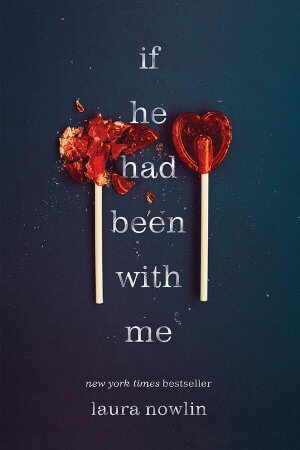
If He Had Been with Me by Laura Nowlin | Kindle Edition – YA Romance Bestseller
Original price was: රු2,400.00.රු1,990.00Current price is: රු1,990.00.
3 X Rs. 663.33 or 8% Cashback with
or 3 X රු663.33 with
or up to 4 X රු497.50 with
-22%
Out of stock
Classics & Literary Fiction
Original price was: රු2,250.00.රු1,750.00Current price is: රු1,750.00.
3 X Rs. 583.33 or 8% Cashback with
or 3 X රු583.33 with
or up to 4 X රු437.50 with
Out of stock
Classics & Literary Fiction
රු1,700.00
3 X Rs. 566.67 or 8% Cashback with
or 3 X රු566.67 with
or up to 4 X රු425.00 with
-24%
Out of stock
Classics & Literary Fiction
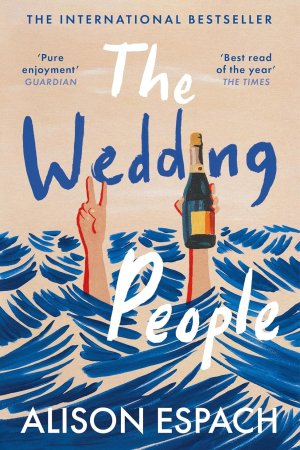
The Wedding People by Alison Espach – A Heartfelt Novel of Unexpected Friendships by Alison Espach
Original price was: රු2,500.00.රු1,900.00Current price is: රු1,900.00.
3 X Rs. 633.33 or 8% Cashback with
or 3 X රු633.33 with
or up to 4 X රු475.00 with
Out of stock
Classics & Literary Fiction
රු2,100.00
3 X Rs. 700.00 or 8% Cashback with
or 3 X රු700.00 with
or up to 4 X රු525.00 with
Out of stock
Adventure Fiction
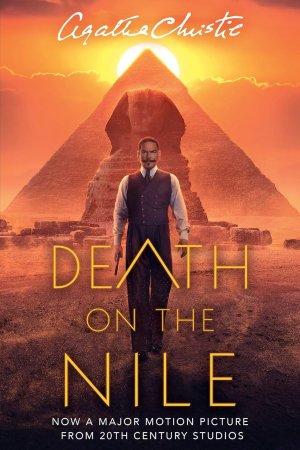
Death on the Nile – Film Tie-In Edition | Agatha Christie Paperback
රු2,400.00
3 X Rs. 800.00 or 8% Cashback with
or 3 X රු800.00 with
or up to 4 X රු600.00 with
Out of stock
Classics & Literary Fiction
රු1,600.00
3 X Rs. 533.33 or 8% Cashback with
or 3 X රු533.33 with
or up to 4 X රු400.00 with
Reviews
There are no reviews yet.