
No products in the cart.
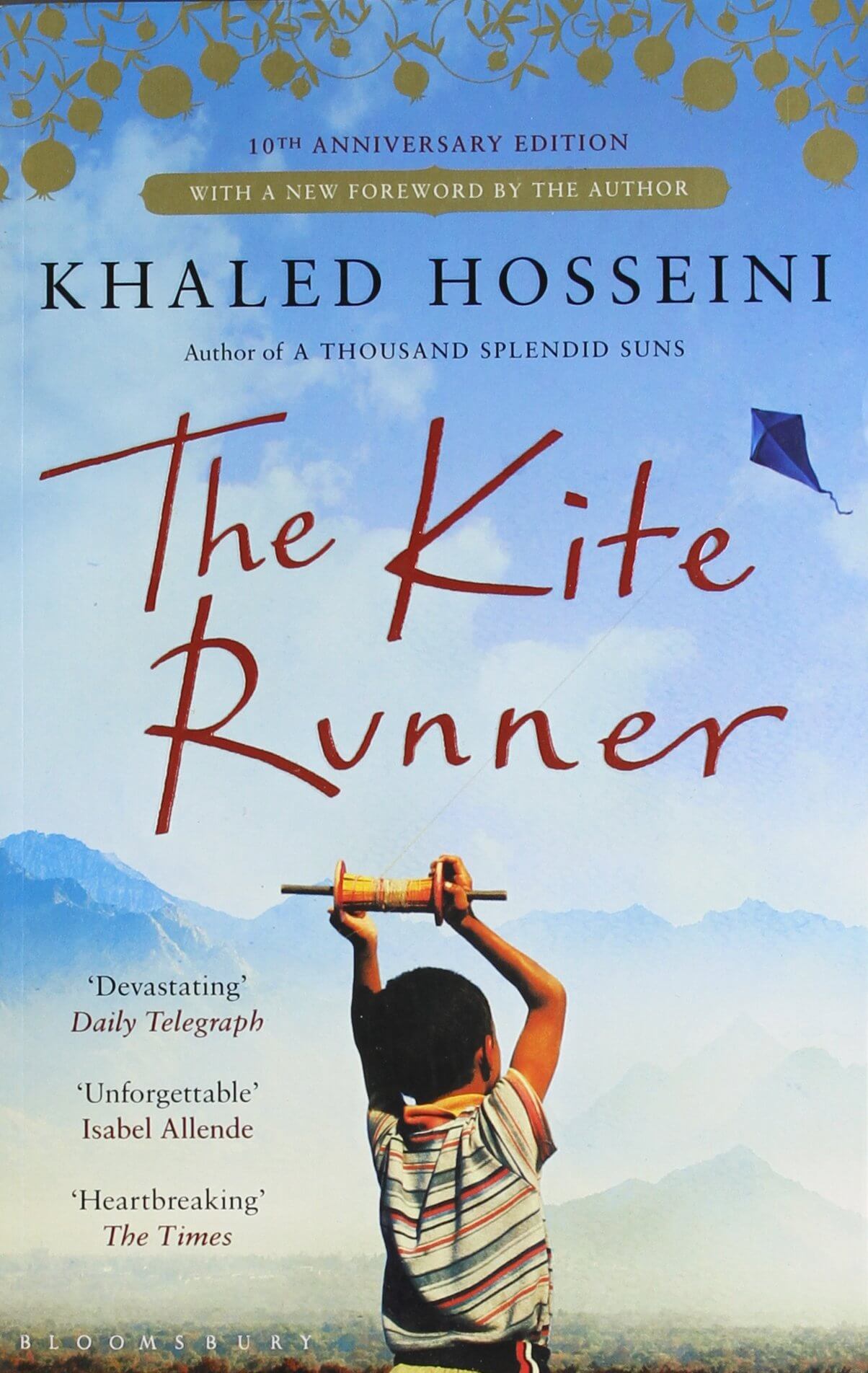
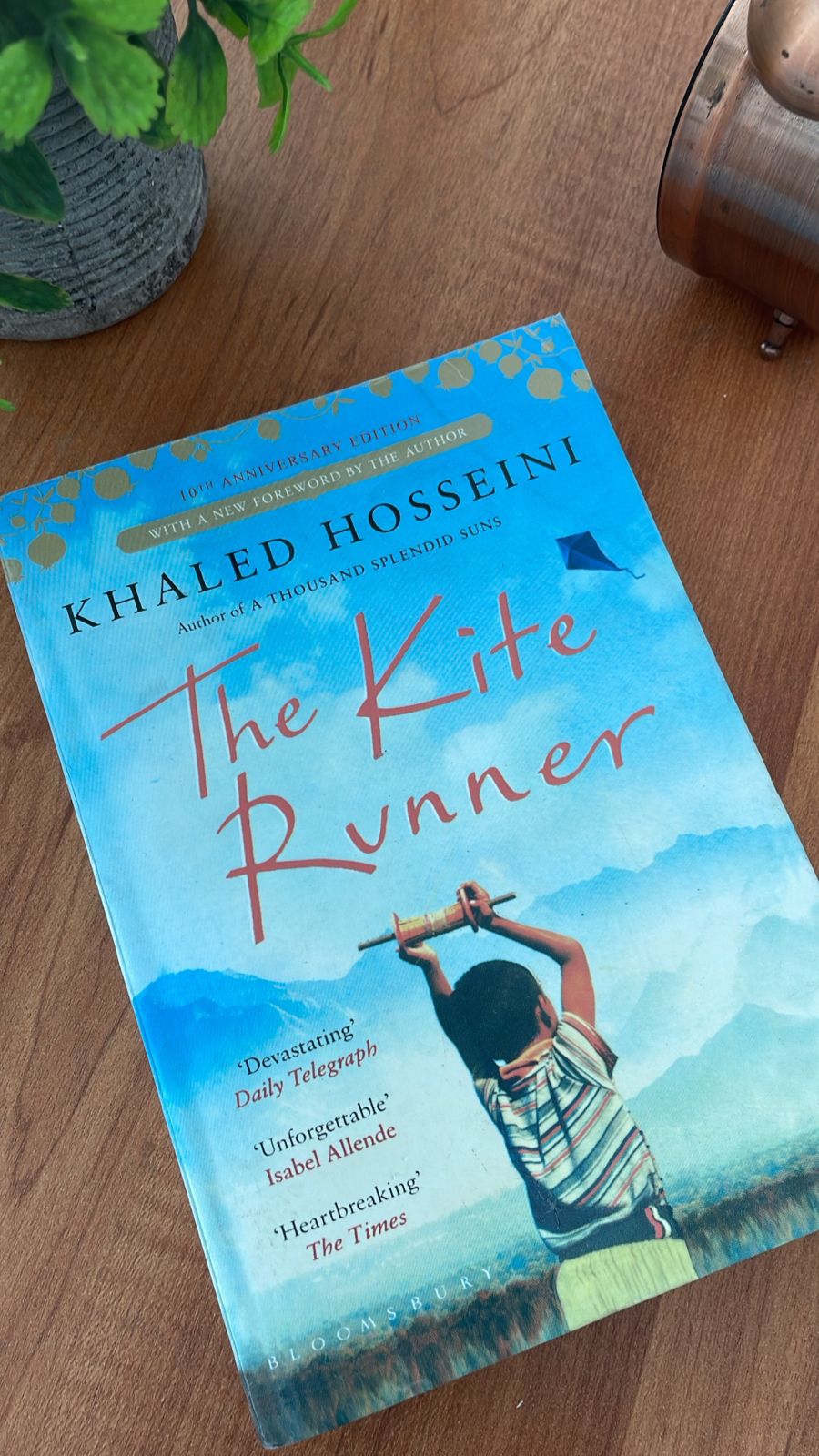


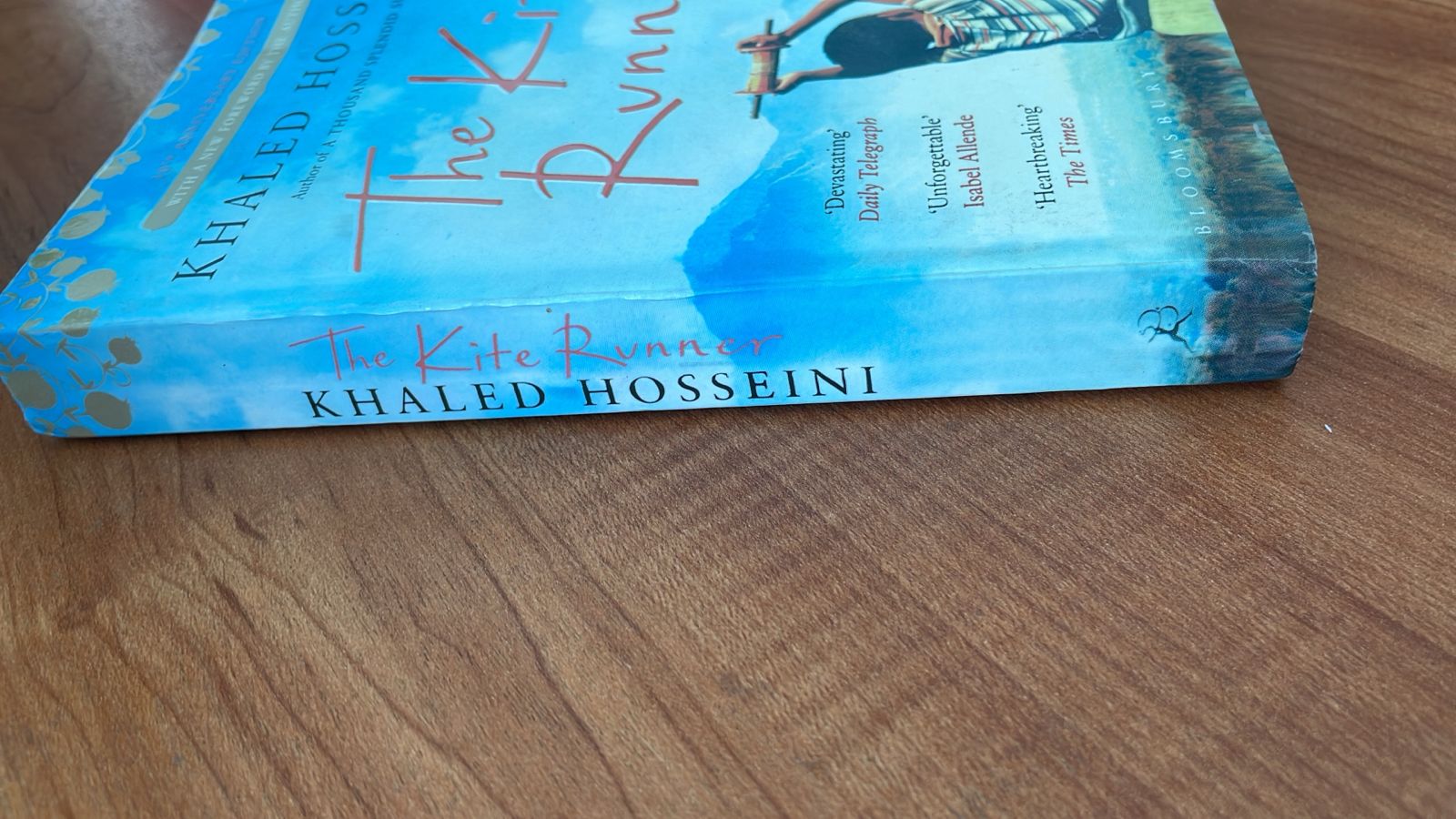




Kite Runner by Khaled Hosseini


රු1,800.00
3 X Rs. 600.00 or 8% Cashback with


or 3 X රු600.00 with


or up to 4 X රු450.00 with


The Kite Runner by Khaled Hosseini is a moving novel about Amir and Hassan, two boys growing up together in Kabul whose friendship is forever changed by betrayal and guilt. As Afghanistan is transformed by war and Amir begins a new life in America, the past continues to follow him until he is given an opportunity to seek redemption. Filled with friendship, family, loss, courage, migration and forgiveness, this unforgettable novel is a powerful exploration of how the choices we make can shape an entire lifetime.
Out of stock
Email when stock available
The Kite Runner by Khaled Hosseini is an unforgettable novel about friendship, betrayal, guilt, family, courage and the possibility of redemption, set against decades of dramatic change in Afghanistan.
At the centre of the story are two boys.
Amir and Hassan.
They grow up together in Kabul.
They play together.
Tell stories.
Run through the streets.
And share a love of kite fighting.
Yet despite their close friendship, they grow up on very different sides of Afghan society.
Amir is the privileged son of a wealthy businessman known as Baba.
Hassan is the devoted son of Baba’s servant, Ali.
Hassan is deeply loyal to Amir.
Amir cares about Hassan too.
But he is also insecure.
Jealous.
Desperate for his father’s approval.
Then, after an important kite-fighting tournament, something terrible happens.
Amir makes a choice that will follow him for years.
A friendship is broken.
A family is changed.
And guilt becomes something Amir cannot simply leave behind.
Years later, after Amir and Baba escape Afghanistan and begin a new life in America, Amir receives an opportunity to confront the past.
He discovers that redemption may still be possible.
But earning it will require courage.
The Kite Runner by Khaled Hosseini is therefore not simply a story about childhood friendship.
It is about what happens when fear causes someone to fail another person—and what it takes to try to become better afterward.
The Kite Runner by Khaled Hosseini – Book Overview
The Kite Runner by Khaled Hosseini begins in Afghanistan before decades of war and political instability reshape the country.
Amir grows up in a comfortable home in Kabul.
His father, Baba, is wealthy, respected and physically imposing.
Amir desperately wants Baba’s approval.
But Amir is sensitive.
He loves reading.
He enjoys writing stories.
He does not always match his father’s expectations of strength and masculinity.
This makes their relationship emotionally complicated.
Hassan, meanwhile, is courageous and naturally loyal.
Although he has far less social power than Amir, he often demonstrates the courage Amir wishes he possessed.
Their friendship becomes the emotional heart of the novel.
Amir
Amir is the narrator and central character.
He is not presented as a perfect hero.
That is exactly what makes him interesting.
He can be:
Loving.
Jealous.
Afraid.
Selfish.
Sensitive.
Intelligent.
Ashamed.
Amir wants to be good.
But wanting to be good is not the same as having the courage to act correctly.
One terrible moment during his childhood becomes the defining source of his guilt.
Much of The Kite Runner by Khaled Hosseini follows Amir learning whether a person can confront a past they desperately wish to forget.
Hassan
Hassan is one of the most memorable characters in the novel.
He is deeply loyal to Amir.
Brave.
Kind.
Trusting.
Hassan’s devotion makes Amir’s betrayal even more painful.
Their relationship is also shaped by social inequality.
Although the boys grow up side by side, they do not possess equal status.
Amir belongs to Afghanistan’s privileged Pashtun community.
Hassan is Hazara, part of a historically marginalized ethnic group.
That difference influences how other people treat them.
Friendship
Friendship is the most obvious theme in The Kite Runner by Khaled Hosseini.
Amir and Hassan share an intense childhood bond.
But their friendship is complicated by:
Class.
Ethnicity.
Power.
Jealousy.
Fear.
Family expectations.
Amir loves Hassan.
Yet he also sometimes takes Hassan’s loyalty for granted.
The novel asks whether friendship can survive when one person possesses far more social power than the other.
The Kite-Fighting Tournament
Kite fighting becomes one of the most important symbols in the story.
For Amir, winning the tournament represents an opportunity.
He believes victory might finally earn Baba’s admiration.
The tournament therefore becomes about much more than sport.
It represents:
Approval.
Pride.
Competition.
Childhood.
Love.
And eventually betrayal.
The excitement surrounding the kites contrasts sharply with what happens afterward.
That contrast creates one of the novel’s most powerful turning points.
Kite Running
After a kite is defeated, someone must chase the fallen kite.
Hassan is an exceptional kite runner.
His ability becomes closely connected to his loyalty toward Amir.
The kite therefore becomes both a symbol of childhood happiness and a reminder of painful memory.
By the end of the novel, its meaning has changed again.
This makes the kite one of the strongest symbols in The Kite Runner by Khaled Hosseini.
Betrayal
Betrayal is central to the story.
Amir faces a moment when Hassan desperately needs him.
But fear overwhelms him.
The decision Amir makes becomes something he cannot forget.
What makes the betrayal especially painful is that Hassan has repeatedly shown extraordinary loyalty toward Amir.
The imbalance between Hassan’s loyalty and Amir’s failure creates the emotional foundation of the novel.
Guilt
After the betrayal, Amir experiences intense guilt.
But instead of immediately taking responsibility, he initially tries to escape the feeling.
This is psychologically realistic.
People sometimes deal with guilt by:
Avoiding reminders.
Blaming others.
Creating distance.
Trying to forget.
But guilt does not disappear simply because someone refuses to face it.
The Kite Runner by Khaled Hosseini shows how unresolved guilt can influence years of someone’s life.
Redemption
Redemption is perhaps the most important theme in the novel.
Can someone who made a terrible decision as a child become a better person?
Can the past ever be repaired?
Can guilt be transformed into action?
The novel does not suggest that redemption means erasing what happened.
Some consequences cannot be reversed.
Instead, redemption means taking responsibility and choosing differently when another opportunity appears.
Courage
Amir’s journey is partly about learning courage.
As a child, he often believes courage means physical strength.
Baba appears fearless.
Hassan acts bravely.
Amir feels weak by comparison.
But adulthood teaches him that courage can take many forms.
Courage may mean:
Returning to something painful.
Facing the truth.
Taking responsibility.
Protecting another person.
Doing what is right even when fear remains.
Baba
Baba is one of the most important characters in Amir’s life.
He is charismatic.
Strong.
Respected.
Generous.
But also complicated.
Amir admires him intensely.
He also fears disappointing him.
This creates emotional pressure.
Amir wants Baba to see him as worthy.
That desire influences many of his childhood decisions.
Fathers and Sons
The relationship between fathers and sons is one of the strongest themes in The Kite Runner by Khaled Hosseini.
Amir spends much of his childhood trying to earn Baba’s approval.
Baba loves Amir.
But he does not always understand him.
Amir’s interest in books and writing feels different from the qualities Baba values most.
The novel explores how children can spend years trying to become the person they believe a parent wants them to be.
Family Secrets
Family relationships become even more complicated because the adults around Amir and Hassan carry secrets of their own.
These secrets eventually change how Amir understands:
His father.
Hassan.
His childhood.
His responsibilities.
The novel demonstrates how one generation’s choices can deeply influence the next.
Afghanistan
Afghanistan is more than the backdrop of the story.
The country itself changes dramatically during Amir’s lifetime.
Readers first encounter Kabul through childhood memories.
Homes.
Markets.
Schools.
Kite tournaments.
Family gatherings.
Friendships.
Then political violence begins transforming the country.
The contrast between the Afghanistan of Amir’s childhood and the country he later encounters is devastating.
Kabul
Kabul is initially associated with home.
Amir remembers:
His house.
The garden.
Hassan.
Baba.
The pomegranate tree.
Kites.
Neighborhood streets.
As political conditions deteriorate, those memories gain even more emotional importance.
Home becomes something that exists partly in memory.
War and Political Change
The novel moves across several periods of Afghan history.
Political instability and war gradually transform ordinary life.
Families leave.
Communities are destroyed.
Violence increases.
People become refugees.
The political history matters because it directly changes the lives of the characters.
The Kite Runner by Khaled Hosseini shows history not simply through dates and governments but through families experiencing its consequences.
Refugees
Amir and Baba eventually leave Afghanistan.
They become refugees and begin rebuilding their lives in the United States.
This dramatically changes their social position.
Baba was once a wealthy and respected man in Kabul.
In America, he must begin again.
That experience shows how migration can transform:
Identity.
Status.
Work.
Family relationships.
Belonging.
America
America represents safety and possibility for Amir.
He can study.
Become a writer.
Build a new life.
But physical distance does not erase emotional memory.
Amir may leave Afghanistan.
Afghanistan does not completely leave him.
That distinction becomes essential to the novel.
Starting Again
Immigration requires both loss and rebuilding.
Baba and Amir leave behind:
Home.
Status.
Friends.
Familiar culture.
Possessions.
Memories.
In America, they create another life.
But rebuilding does not mean forgetting.
The past remains part of who they are.
Identity
Amir’s identity exists between different worlds.
Afghan.
American.
Son.
Writer.
Friend.
Immigrant.
Husband.
His journey demonstrates how identity can evolve without completely replacing what came before.
Writing and Storytelling
Amir loves stories from childhood.
Writing eventually becomes an important part of his adult identity.
This gives storytelling a meaningful place in The Kite Runner by Khaled Hosseini.
Stories can preserve memory.
Help people understand experience.
Create connection.
They can also help someone express things that may otherwise be difficult to say.
The Pomegranate Tree
The pomegranate tree associated with Amir and Hassan becomes another important symbol.
During childhood, it represents friendship.
Shared time.
Stories.
A private place belonging to the boys.
As their relationship changes, the meaning of the tree changes too.
Hosseini uses physical places and objects to carry emotional memory throughout the novel.
Loyalty
Hassan’s loyalty is extraordinary.
His commitment to Amir creates some of the book’s most moving moments.
But loyalty also creates an uncomfortable question.
What happens when loyalty is not returned equally?
The friendship exposes how one person can receive enormous devotion without fully appreciating it until it is too late.
Class
Class differences influence Amir and Hassan’s relationship.
Amir lives as the son of a wealthy man.
Hassan belongs to a servant’s family.
Even when they behave like friends, society does not treat them as equals.
That inequality affects what each boy believes is possible.
Ethnicity
The division between Pashtun and Hazara communities is also important.
Hassan experiences prejudice because he is Hazara.
This gives the novel another layer beyond individual friendship.
Personal cruelty exists inside larger social prejudices.
The story demonstrates how discrimination becomes normalized when communities accept social hierarchies without questioning them.
Prejudice
Some characters use ethnicity to justify cruelty.
That makes prejudice one of the book’s darker themes.
The novel shows how hatred can become especially dangerous when political power reinforces it.
Readers see the consequences not only for individuals but for entire communities.
Assef
Assef represents one of the darkest forces in the novel.
He combines cruelty with extremist ideology.
His character demonstrates how personal violence and political hatred can reinforce each other.
Through him, the story explores the dangers of:
Racism.
Extremism.
Power without compassion.
Violence.
Fear
Fear influences many of Amir’s choices.
As a child, fear causes him to fail Hassan.
Later, he must decide whether he will continue allowing fear to define him.
This gives the novel a meaningful character arc.
Courage does not require the absence of fear.
It requires acting despite it.
Shame
Shame differs from guilt.
Guilt says:
“I did something wrong.”
Shame says:
“There is something wrong with me.”
Amir struggles with both.
His journey toward redemption requires him to move beyond simply hating himself.
He needs to accept responsibility and act.
Forgiveness
Forgiveness in The Kite Runner by Khaled Hosseini is complicated.
Some relationships cannot simply return to what they once were.
Some wounds remain.
The novel therefore does not present forgiveness as magical.
Instead, it suggests that change can begin even when complete repair is impossible.
Memory
Memory drives the entire story.
Amir’s adult life is shaped by childhood events.
Certain places.
Words.
People.
Objects.
all pull him back toward the past.
The novel repeatedly demonstrates that buried memories do not disappear.
They influence present choices.
Home
What is home?
A country?
A house?
A family?
A memory?
For Amir, home becomes increasingly complicated.
He builds a life in America.
Yet Kabul remains emotionally significant.
This tension between old home and new home is familiar to many immigrant narratives.
Loss
Almost every major character experiences loss.
Loss of:
Friendship.
Family.
Home.
Safety.
Country.
Trust.
Innocence.
The novel’s emotional power comes partly from the way these losses accumulate over time.
Hope
Despite its painful subject matter, The Kite Runner by Khaled Hosseini is not entirely hopeless.
The possibility of redemption creates hope.
A person cannot rewrite the past.
But the future is not automatically determined by the worst thing they have done.
That message gives the ending emotional power.
Friendship and Inequality
One of the most interesting elements of Amir and Hassan’s friendship is the contradiction.
They genuinely care about each other.
Yet they exist within a deeply unequal social structure.
That means affection alone cannot erase power differences.
This makes their relationship much more complex than an ordinary childhood friendship.
Growing Up
The novel can also be read as a coming-of-age story.
Amir begins as a child desperate for approval.
He eventually becomes an adult who must make his own moral choices.
Growing older does not automatically make someone mature.
Amir becomes mature when he begins accepting responsibility.
Masculinity
Baba’s expectations influence Amir’s understanding of masculinity.
Amir believes he is disappointing his father because he is:
Sensitive.
Interested in literature.
Less physically confident.
The novel challenges the idea that strength has only one form.
Moral courage can be more important than physical toughness.
Sacrifice
Different characters make sacrifices throughout the novel.
Some sacrifices are made from love.
Some from loyalty.
Some from responsibility.
Hassan’s willingness to sacrifice for Amir makes Amir’s later betrayal particularly painful.
Secrets and Consequences
Secrets may protect someone temporarily.
But they often create future consequences.
Many characters in The Kite Runner by Khaled Hosseini hide important truths.
Eventually those truths influence the next generation.
This reinforces one of the book’s most important ideas:
The past does not simply disappear.
Returning to Afghanistan
Amir’s eventual return to the region is both physical and emotional.
He is returning toward:
Childhood.
Guilt.
Memory.
Family.
Responsibility.
The journey forces him to confront things he spent years avoiding.
This becomes the real test of whether he has changed.
A Chance to Make Things Right
One of the most important ideas in The Kite Runner by Khaled Hosseini is that someone may receive another opportunity to act differently.
The second opportunity does not erase the first failure.
But it reveals whether the person has grown.
Amir’s journey toward redemption therefore depends on action rather than words.
Literary Fiction
The novel combines:
Family drama.
Historical fiction.
Coming-of-age storytelling.
Immigrant experience.
Political history.
Moral conflict.
Its accessibility has helped it attract readers well beyond traditional literary-fiction audiences.
An International Bestseller
The Kite Runner by Khaled Hosseini became an international bestseller and helped introduce millions of readers to a story deeply connected with Afghanistan.
Its emotional themes are universal enough to cross cultural boundaries.
Friendship.
Family.
Guilt.
Love.
Fear.
Redemption.
These experiences allow readers from different backgrounds to connect with the characters.
Is The Kite Runner Part of a Series?
No.
The Kite Runner by Khaled Hosseini is a standalone novel.
You do not need to read another book before starting it.
Khaled Hosseini’s other well-known novels include:
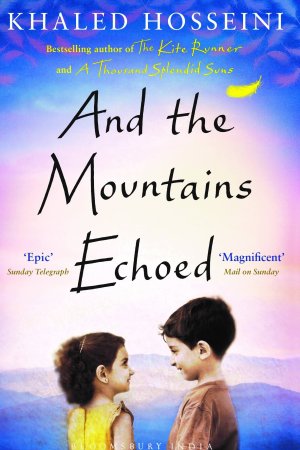
A Thousand Splendid Suns
And the Mountains Echoed
These books also explore Afghanistan, family, relationships and the effects of history, but they tell separate stories.
What to Read After The Kite Runner
Readers who enjoy this novel may want to continue with:
A Thousand Splendid Suns
Another powerful Khaled Hosseini novel set largely in Afghanistan, focusing on the lives and relationship of two women.
And the Mountains Echoed
A multi-generational story about family, separation, love and sacrifice across different countries and decades.
Content Warning
The Kite Runner by Khaled Hosseini contains mature and distressing themes.
Readers should be aware of content involving:
- Sexual assault
- Violence
- War
- Racism and ethnic persecution
- Child abuse
- Death
- Trauma
- Political extremism
- Refugee experiences
The novel handles several painful subjects that may be difficult for some readers.
7 Powerful Reasons to Read The Kite Runner
There are many reasons readers may find The Kite Runner by Khaled Hosseini unforgettable, but seven stand out:
- The friendship between Amir and Hassan is deeply emotional – Their relationship explores loyalty, inequality, betrayal and the consequences of choices made during childhood.
- The theme of redemption is powerful – Amir’s journey asks whether someone can confront past failures and choose to become better.
- Afghanistan becomes a vivid part of the story – Readers experience Kabul before conflict, during political upheaval and after years of devastation.
- The father-son relationship adds emotional depth – Amir’s desire for Baba’s approval influences many of his decisions.
- The characters are morally complex – Amir is deeply flawed, making his growth and struggle with guilt feel human rather than idealized.
- The novel explores universal themes – Friendship, family, shame, courage, migration, forgiveness and hope make the story relatable across cultures.
- It leaves a lasting emotional impact – The combination of personal tragedy, historical change and the possibility of redemption makes the novel difficult to forget.
Why Read The Kite Runner by Khaled Hosseini?
The Kite Runner by Khaled Hosseini is an excellent choice for readers interested in:
- Khaled Hosseini
- Literary fiction
- Historical fiction
- Afghanistan
- Friendship
- Family
- Fathers and sons
- Betrayal
- Guilt
- Redemption
- Immigration
- Refugee stories
- Coming-of-age fiction
- Emotional novels
- Contemporary classics
- Book-club fiction
- Stories about forgiveness
It is especially suitable for readers who appreciate emotionally powerful novels where personal relationships are shaped by larger historical events.
Who Should Read This Book?
The Kite Runner by Khaled Hosseini may especially appeal to:
- Khaled Hosseini readers
- Literary-fiction fans
- Historical-fiction readers
- Book-club readers
- Readers interested in Afghanistan
- Readers who enjoy emotional stories
- Readers interested in immigrant experiences
- Fans of family dramas
- Readers who enjoy morally complex characters
- Readers interested in friendship and betrayal
- Readers who appreciate redemption stories
- Students studying modern literature
- Readers looking for thought-provoking contemporary classics
A Powerful Story of Betrayal and Redemption
The Kite Runner by Khaled Hosseini begins with two boys whose childhoods are closely connected.
Amir has privilege.
Hassan has loyalty.
They share stories.
A home.
Childhood memories.
And kites flying over Kabul.
Then one terrible moment changes everything.
Amir chooses fear.
Hassan pays the price.
Years pass.
Countries change.
Families separate.
Amir grows older.
But guilt remains.
Eventually, life offers Amir something he never expected:
Another chance.
Not a chance to erase what happened.
That is impossible.
Instead, he receives a chance to act differently.
That distinction is what gives the novel its emotional power.
Redemption does not mean pretending the past never happened.
It means accepting what happened and choosing courage when another opportunity appears.
For readers who enjoy emotional literary fiction, friendship, family relationships, historical settings, morally complex characters and stories about the possibility of becoming better after making serious mistakes, The Kite Runner by Khaled Hosseini is a powerful and unforgettable novel.
Learn more about The Kite Runner by Khaled Hosseini on Khaled Hosseini’s official website.
Explore more literary fiction books at Bargain Books.
| Weight | 0.43 kg |
|---|---|
| Dimensions | 20.3 × 25.4 × 4.7 cm |
| Author | Khaled Hosseini |
| Language | English |
| Type | Paperback Printed Book (Second Quality Copy) |
| ISBN/ISSN | 1408850257 |
| Pages | 352 |
Be the first to review “Kite Runner by Khaled Hosseini”
Related products
-17%

Classics & Literary Fiction
Original price was: රු2,400.00.රු1,990.00Current price is: රු1,990.00.
3 X Rs. 663.33 or 8% Cashback with
or 3 X රු663.33 with
or up to 4 X රු497.50 with

Out of stock
Fiction & Literature
රු1,700.00
3 X Rs. 566.67 or 8% Cashback with
or 3 X රු566.67 with
or up to 4 X රු425.00 with
-22%

Out of stock
Fiction & Literature
Original price was: රු2,250.00.රු1,750.00Current price is: රු1,750.00.
3 X Rs. 583.33 or 8% Cashback with
or 3 X රු583.33 with
or up to 4 X රු437.50 with
-48%

Out of stock
Classics & Literary Fiction
Original price was: රු3,000.00.රු1,550.00Current price is: රු1,550.00.
3 X Rs. 516.67 or 8% Cashback with
or 3 X රු516.67 with
or up to 4 X රු387.50 with
-6%

Original price was: රු8,700.00.රු8,200.00Current price is: රු8,200.00.
3 X Rs. 2,733.33 or 8% Cashback with
or 3 X රු2,733.33 with
or up to 4 X රු2,050.00 with
-21%

Out of stock
Contemporary Fiction
Original price was: රු2,400.00.රු1,900.00Current price is: රු1,900.00.
3 X Rs. 633.33 or 8% Cashback with
or 3 X රු633.33 with
or up to 4 X රු475.00 with
Out of stock
Classics & Literary Fiction
රු1,750.00
3 X Rs. 583.33 or 8% Cashback with
or 3 X රු583.33 with
or up to 4 X රු437.50 with

Out of stock
Children & Young Adult
රු12,000.00
3 X Rs. 4,000.00 or 8% Cashback with
or 3 X රු4,000.00 with
or up to 4 X රු3,000.00 with
Reviews
There are no reviews yet.