
No products in the cart.
-31%
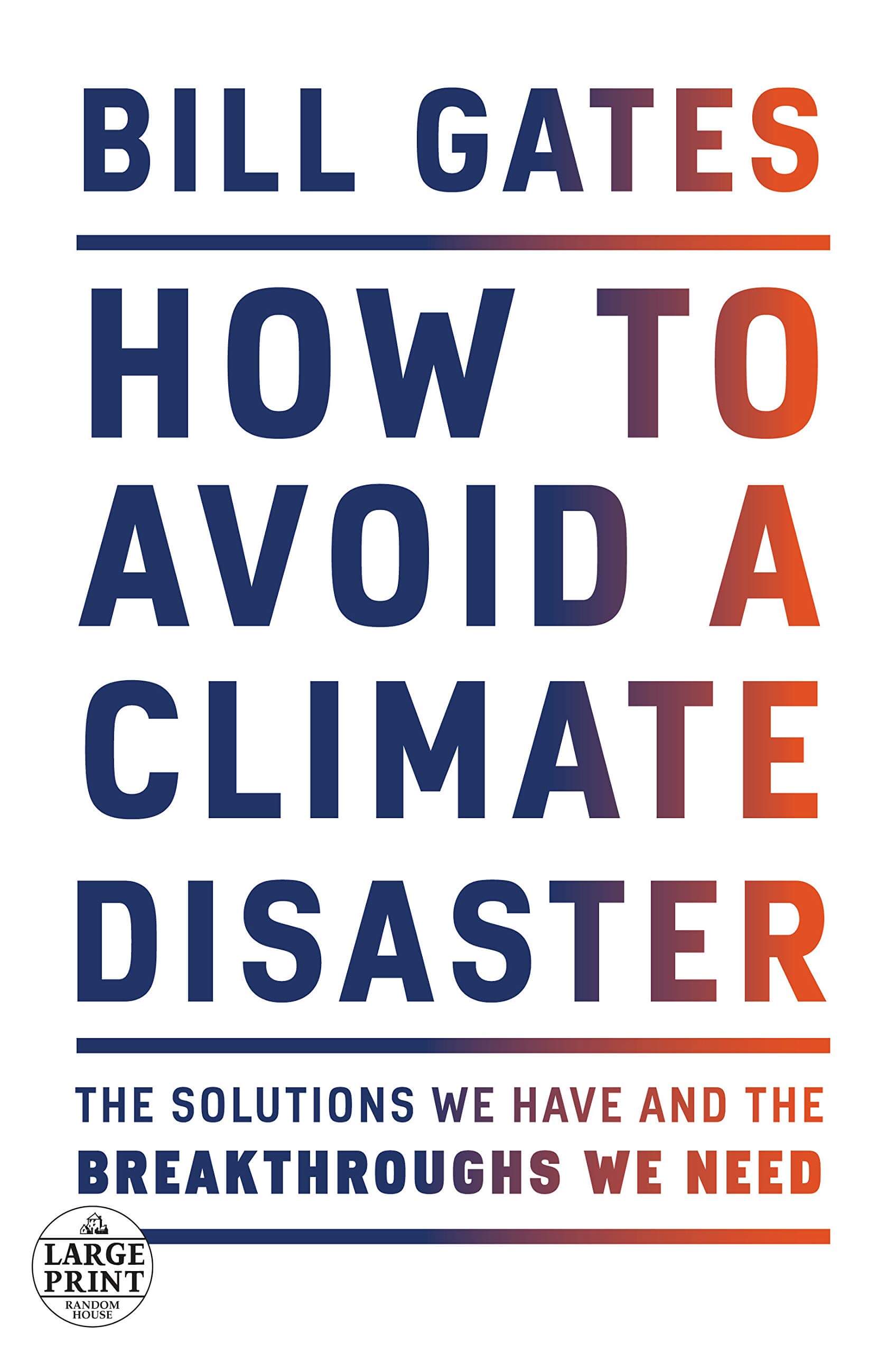
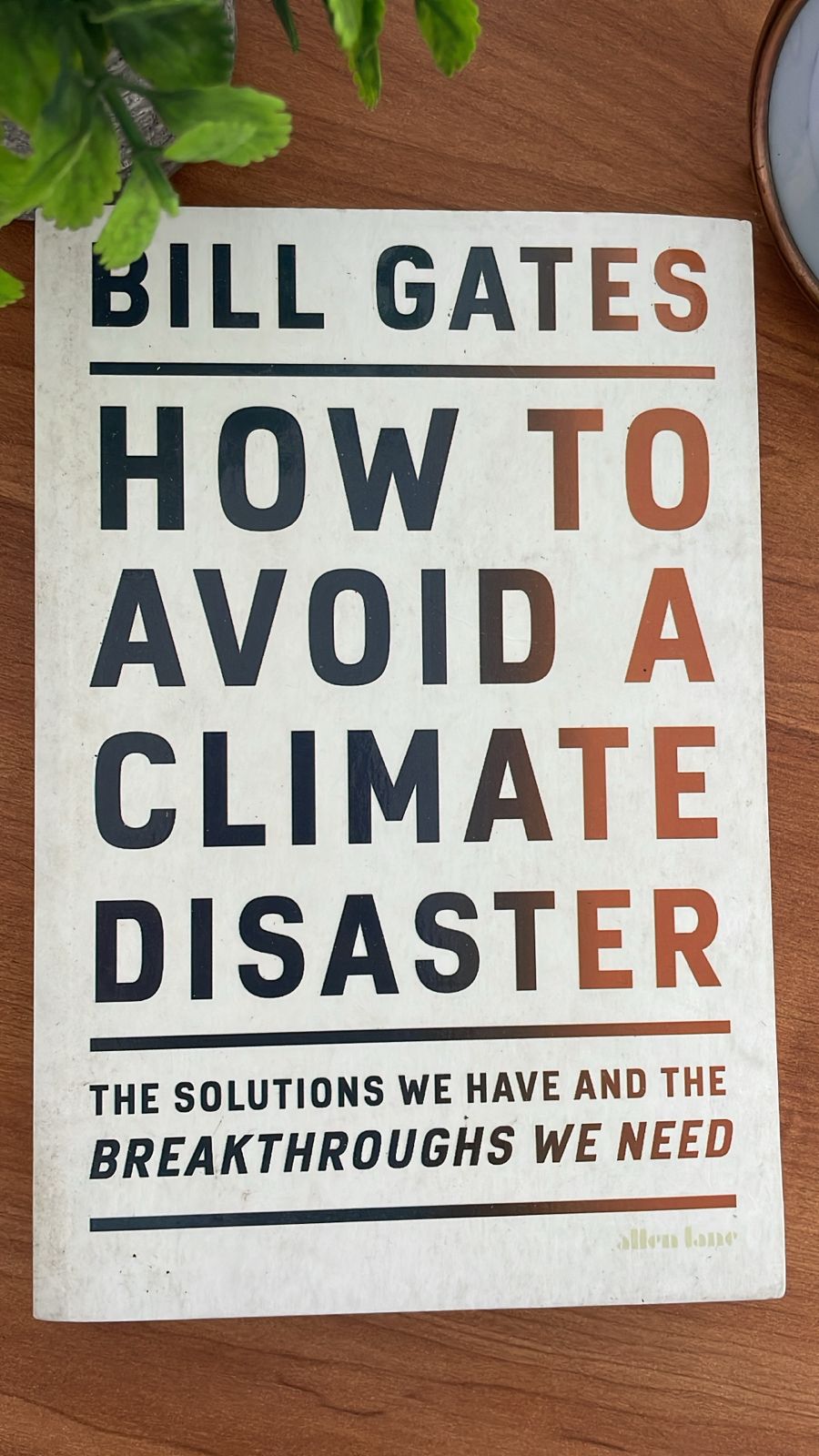

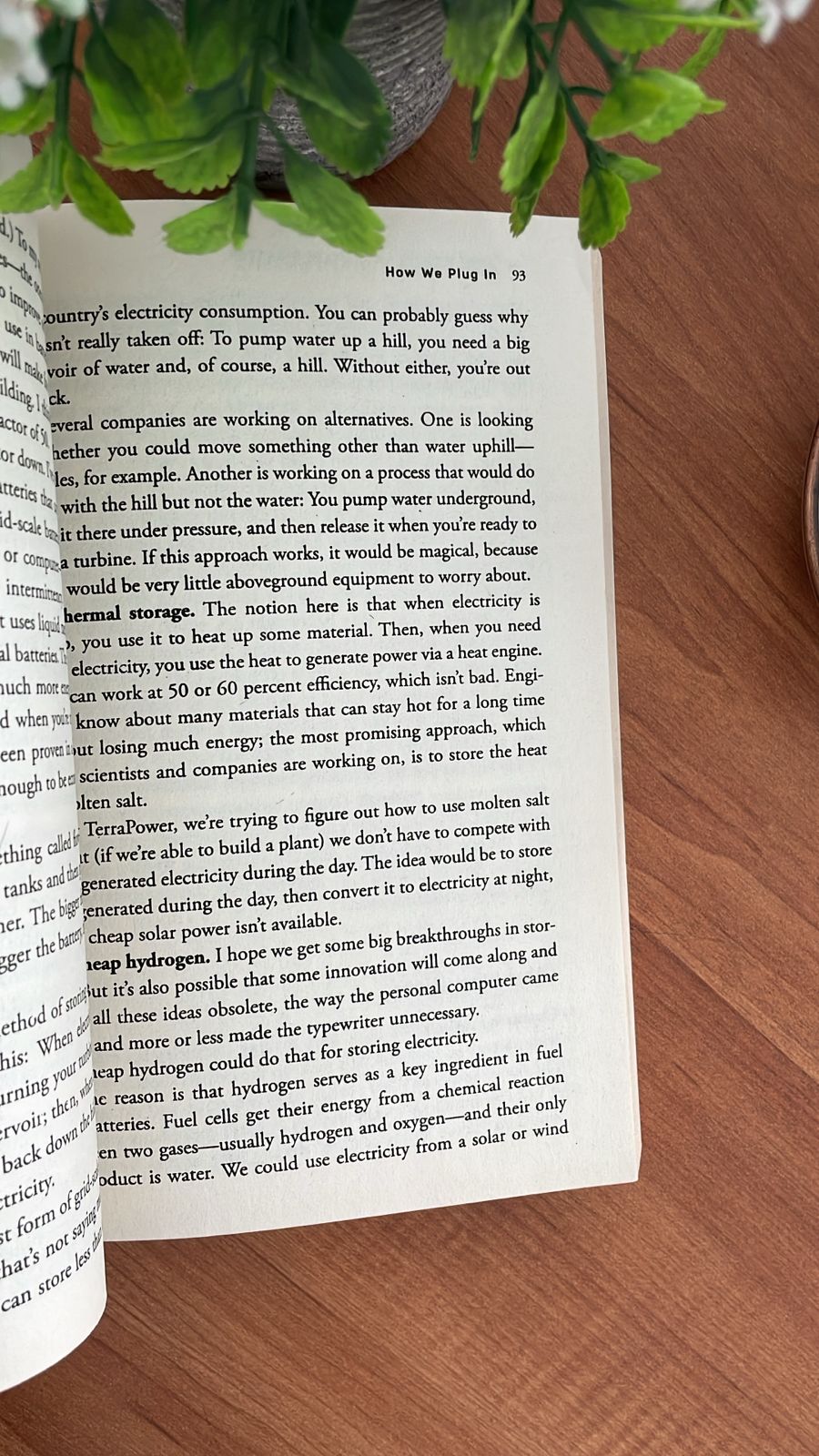
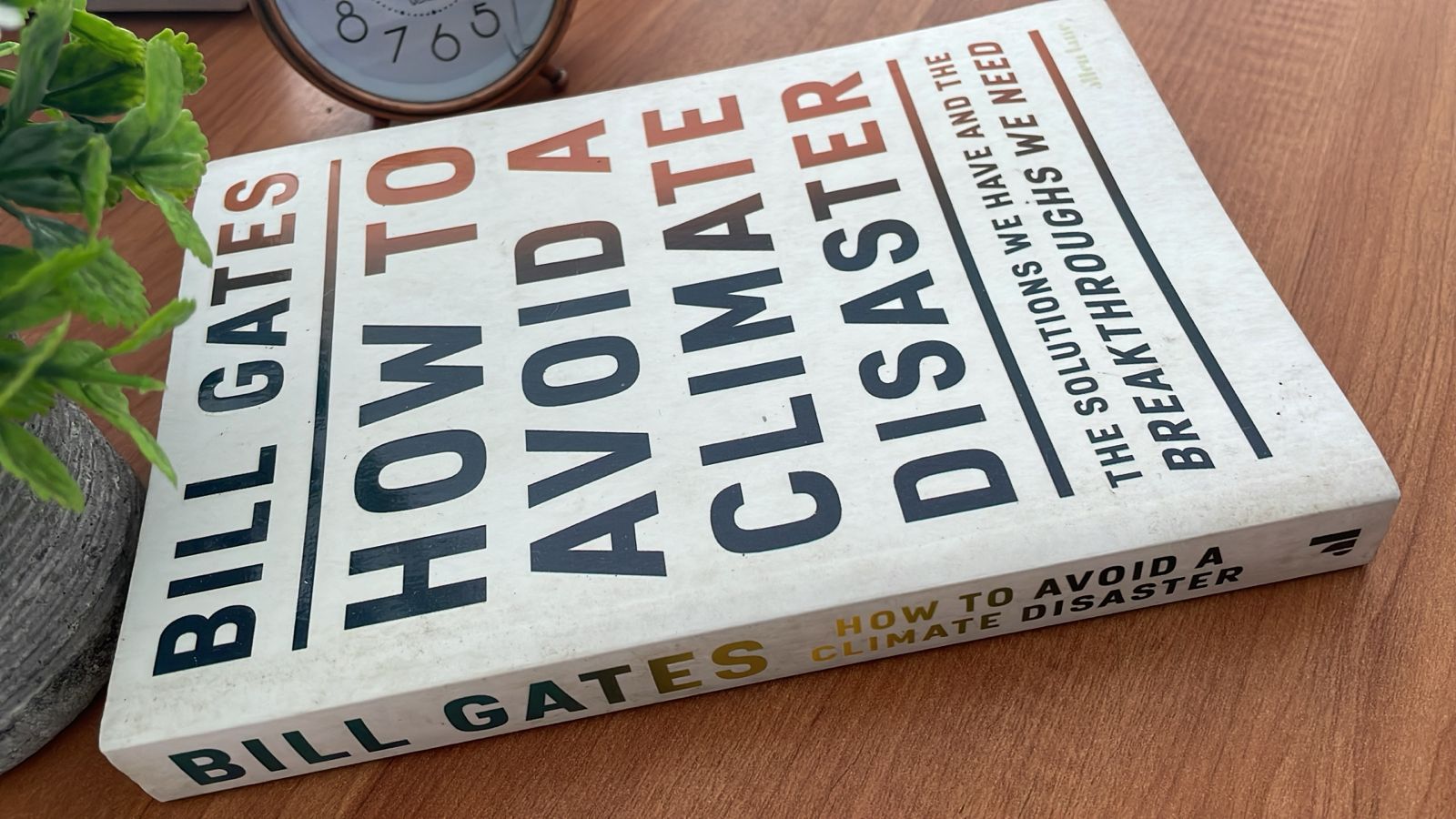


How to Avoid a Climate Disaster by Bill Gates


Original price was: රු2,900.00.රු1,990.00Current price is: රු1,990.00.
3 X Rs. 663.33 or 8% Cashback with


or 3 X රු663.33 with


or up to 4 X රු497.50 with


“How to Avoid a Climate Disaster: The Solutions We Have and the Breakthroughs We Need” by Bill Gates is a crucial guide that outlines practical steps and innovative solutions to address the global climate crisis. Drawing from his expertise and collaborations with experts, Gates provides a comprehensive roadmap to achieving net-zero emissions and mitigating climate change impacts.
3 in stock
How to Avoid a Climate Disaster by Bill Gates is a practical and accessible guide to understanding climate change and the enormous challenge of reducing global greenhouse gas emissions to net zero. Drawing on years of research, conversations with scientists and engineers, and investment in clean-energy technologies, Bill Gates examines what the world must change if it wants to avoid the worst consequences of global warming.
The book does not focus only on describing the climate problem.
Its main purpose is to explore solutions.
Gates examines where emissions come from, why reducing them is difficult, which technologies already exist, which innovations still need major breakthroughs, and how governments, companies, investors, and individuals can contribute.
His central argument is clear: reducing emissions significantly is not enough.
The world ultimately needs to reach net-zero greenhouse gas emissions.
How to Avoid a Climate Disaster by Bill Gates – Book Overview
How to Avoid a Climate Disaster by Bill Gates begins by explaining why climate change requires urgent attention.
Human activity releases greenhouse gases into the atmosphere.
These gases trap heat and contribute to rising global temperatures.
The consequences can affect agriculture, water supplies, coastlines, ecosystems, health, infrastructure, and economies.
The challenge is especially serious because modern civilization depends heavily on activities that produce emissions.
Electricity generation creates emissions.
Manufacturing creates emissions.
Transportation creates emissions.
Agriculture creates emissions.
Heating and cooling buildings create emissions.
This means climate change cannot be solved by changing only one industry.
The entire global economy must gradually become cleaner.
Why Net Zero Matters
One of the most important ideas in How to Avoid a Climate Disaster by Bill Gates is the need to reach net-zero emissions.
Reducing emissions by 20%, 50%, or even 80% would still leave large amounts of greenhouse gases entering the atmosphere.
Net zero means balancing the greenhouse gases produced with those removed or prevented so that the total additional contribution approaches zero.
Gates argues that this is the level of transformation required to stop worsening the climate problem over the long term.
Reaching net zero will be extremely difficult because the world must continue providing energy, transportation, food, housing, and economic opportunity while changing how those systems work.
The Scale of Global Emissions
How to Avoid a Climate Disaster by Bill Gates emphasizes the enormous scale of the challenge.
Modern societies use huge amounts of energy.
Billions of people depend on electricity, transportation, agriculture, construction, manufacturing, and industrial processes every day.
Climate solutions therefore need to work at enormous scale.
A technology that performs well in a laboratory may still fail if it cannot be manufactured cheaply enough or deployed globally.
This is why Gates focuses heavily on practical implementation.
The question is not simply whether a technology works.
The question is whether it can become affordable, reliable, and widespread enough to replace high-emission alternatives.
Electricity and Clean Energy
Electricity is one of the major sectors discussed in How to Avoid a Climate Disaster by Bill Gates.
Modern economies depend on reliable electrical power.
Renewable energy sources such as wind and solar can significantly reduce emissions from electricity generation.
However, renewable energy also creates challenges because generation can vary with weather and time of day.
Energy storage, improved electricity grids, nuclear power, and other clean-energy technologies may therefore be necessary.
Gates argues that the world needs multiple solutions rather than relying on a single technology.
Different countries have different resources, climates, economies, and energy systems.
A combination of technologies is likely to be necessary.
Manufacturing and Industrial Emissions
Manufacturing is another major source of emissions.
How to Avoid a Climate Disaster by Bill Gates examines industries such as steel and cement, which are essential to modern infrastructure but can produce significant greenhouse gas emissions.
The world cannot simply stop using these materials.
Cities need buildings.
Countries need roads and bridges.
Businesses need factories.
Growing economies require infrastructure.
The challenge is finding cleaner ways to manufacture essential materials.
This may require new chemical processes, cleaner electricity, carbon capture, alternative materials, and significant technological innovation.
Agriculture and Food
Food production also contributes to climate change.
How to Avoid a Climate Disaster by Bill Gates explores emissions connected to livestock, fertilizers, land use, and agriculture.
Feeding billions of people while reducing emissions is a complex problem.
Farmers need affordable technologies.
Consumers need food that remains accessible.
Developing countries also need opportunities to improve agricultural productivity.
Possible solutions include improved farming practices, alternative proteins, better fertilizers, reduced food waste, and technologies that help agriculture become more efficient.
The book demonstrates that climate policy cannot ignore food systems.
Transportation
Transportation is another important area in How to Avoid a Climate Disaster by Bill Gates.
Cars, trucks, ships, and aircraft depend heavily on fossil fuels.
Electric vehicles offer one possible solution for many road-based journeys.
However, some forms of transport are much more difficult to electrify.
Long-distance aviation and shipping require large amounts of energy.
Heavy trucks may also present different challenges depending on infrastructure and battery technology.
This means cleaner fuels, advanced batteries, hydrogen, and other technologies may become important parts of the transition.
Heating and Cooling Buildings
Buildings consume large amounts of energy.
How to Avoid a Climate Disaster by Bill Gates examines heating, cooling, construction, and energy efficiency.
Improving insulation can reduce energy use.
More efficient heating and cooling systems can reduce demand.
Cleaner electricity can reduce emissions from buildings even further.
But upgrading millions of existing buildings can be expensive.
New buildings therefore need to be designed more efficiently, while existing buildings may require gradual improvements.
This shows why climate solutions often depend on both technology and long-term infrastructure planning.
The Green Premium
One of the most useful concepts in How to Avoid a Climate Disaster by Bill Gates is the idea of the Green Premium.
The Green Premium is the additional cost of choosing a cleaner product or technology instead of a higher-emission alternative.
For example, if clean aviation fuel costs significantly more than conventional fuel, the difference represents a Green Premium.
Gates argues that reducing these premiums is essential.
People and businesses are more likely to adopt clean alternatives when those alternatives become affordable.
Innovation should therefore focus not only on making clean technology possible, but on making it economically competitive.
Innovation and Breakthrough Technologies
Innovation is central to How to Avoid a Climate Disaster by Bill Gates.
Some technologies needed for a cleaner future already exist.
Others need major improvement.
And some solutions may still need to be invented.
Gates argues that governments and businesses should increase investment in research and development.
New technologies often require years of testing before they become practical.
After that, companies must learn how to manufacture them at scale.
Infrastructure must be built.
Regulations may need to change.
Customers must adopt them.
Innovation therefore involves more than scientific discovery.
It requires an entire system that can move ideas from laboratories into real-world use.
Government and Climate Policy
Governments have an important role in How to Avoid a Climate Disaster by Bill Gates.
Markets alone may not develop clean technologies quickly enough.
Governments can support research.
They can establish emissions standards.
They can create incentives for cleaner products.
They can fund infrastructure.
They can purchase low-carbon technologies.
They can also create long-term policy signals that encourage businesses to invest.
Consistency matters.
Companies may hesitate to spend billions on new technology if climate regulations change dramatically every few years.
Clear long-term policies can reduce uncertainty and encourage investment.
The Role of Businesses
Businesses also have significant responsibilities.
How to Avoid a Climate Disaster by Bill Gates encourages companies to reduce their own emissions while also helping create markets for cleaner products.
Large companies can influence suppliers.
They can purchase clean electricity.
They can invest in low-carbon technology.
They can commit to buying cleaner materials even when those products are initially more expensive.
These decisions can help new technologies scale.
As production increases, prices may fall.
This can make clean alternatives more accessible to everyone.
The Role of Individuals
Individual actions matter, although How to Avoid a Climate Disaster by Bill Gates makes clear that climate change cannot be solved only through personal lifestyle changes.
Consumers can choose cleaner products when available.
They can reduce unnecessary energy use.
They can support companies developing sustainable technologies.
They can also vote and communicate with political leaders.
Individuals can influence employers and institutions.
The larger goal is to create systems where the environmentally responsible choice becomes easier and more affordable.
Personal choices matter most when they help support broader technological and political change.
Climate Change and Developing Countries
Climate solutions must also consider economic development.
Many low- and middle-income countries need more electricity, transportation, housing, food, and infrastructure.
It would be unrealistic and unfair to expect these countries simply to remain poor in order to reduce emissions.
How to Avoid a Climate Disaster by Bill Gates therefore emphasizes the importance of creating clean technologies that are affordable enough for global use.
Developing countries should not have to choose between economic growth and climate protection.
Innovation needs to make cleaner development possible.
Climate Adaptation
Even if emissions fall dramatically, some climate change is already happening.
This means adaptation is also necessary.
How to Avoid a Climate Disaster by Bill Gates discusses the importance of helping communities prepare for changing conditions.
Farmers may need crops that can survive higher temperatures or drought.
Cities may need stronger infrastructure.
Coastal regions may need protection from rising sea levels.
Health systems may need to prepare for changing disease patterns.
Reducing future emissions and adapting to existing climate changes must therefore happen at the same time.
Science, Economics and Practical Solutions
One of the strengths of How to Avoid a Climate Disaster by Bill Gates is its combination of science and economics.
A solution can be technically excellent but economically unrealistic.
Another solution may be affordable but fail to reduce emissions enough.
The best climate strategies need to consider:
- Scientific effectiveness
- Cost
- Reliability
- Scalability
- Infrastructure requirements
- Government policy
- Consumer acceptance
- Business incentives
- Global development
- Long-term impact
This practical perspective helps readers understand why solving climate change is difficult but not impossible.
Why Read How to Avoid a Climate Disaster by Bill Gates?
How to Avoid a Climate Disaster by Bill Gates is a strong choice for readers interested in:
- Climate change
- Clean energy
- Sustainability
- Net-zero emissions
- Renewable energy
- Green technology
- Innovation
- Environmental science
- Government policy
- Business and climate
- Electric vehicles
- Agriculture
- Manufacturing
- Energy systems
- The future of the planet
The book avoids treating climate change as only an environmental problem.
Instead, it connects the challenge to technology, economics, infrastructure, business, policy, and global development.
Who Should Read This Book?
How to Avoid a Climate Disaster by Bill Gates may especially appeal to:
- Students
- Business leaders
- Entrepreneurs
- Engineers
- Technology professionals
- Environmental readers
- Policymakers
- Investors
- Sustainability professionals
- Climate-change readers
- Energy professionals
- Readers interested in Bill Gates
- Readers interested in global challenges
It is particularly useful for readers who want a straightforward introduction to the practical challenges involved in reaching net-zero emissions.
A Powerful Plan for a Cleaner Future
How to Avoid a Climate Disaster by Bill Gates presents climate change as one of humanity’s largest challenges, but it does not treat disaster as inevitable.
Gates argues that solutions are possible if the world combines innovation, investment, policy, science, business, and international cooperation.
Electricity needs to become cleaner.
Manufacturing needs new technologies.
Transportation needs low-carbon alternatives.
Agriculture needs to reduce emissions.
Buildings need greater efficiency.
And clean technologies need to become affordable enough for global adoption.
None of these changes will be simple.
But understanding the challenge clearly is the first step toward solving it.
For readers interested in climate change, clean energy, innovation, sustainability, technology, economics, and practical strategies for reaching net zero, How to Avoid a Climate Disaster by Bill Gates offers an accessible and thought-provoking guide to the work that lies ahead.
Learn more about How to Avoid a Climate Disaster by Bill Gates on Bill Gates’ official website.
Explore more science and environment books at Bargain Books.
| Author | Bill Gates |
|---|---|
| Language | English |
| Type | Paperback Printed Book (Second Quality Copy) |
| ISBN/ISSN | 0241448301 |
| Pages | 272 |
Be the first to review “How to Avoid a Climate Disaster by Bill Gates”
Related products
-26%
Non-Fiction & Knowledge
The 7 Habits of Highly Effective People by Stephen R. Covey – Blue Cover
Original price was: රු2,300.00.රු1,700.00Current price is: රු1,700.00.
3 X Rs. 566.67 or 8% Cashback with
or 3 X රු566.67 with
or up to 4 X රු425.00 with
-24%
Non-Fiction & Knowledge
Original price was: රු2,300.00.රු1,750.00Current price is: රු1,750.00.
3 X Rs. 583.33 or 8% Cashback with
or 3 X රු583.33 with
or up to 4 X රු437.50 with
-24%

Out of stock
Non-Fiction & Knowledge
Original price was: රු2,100.00.රු1,600.00Current price is: රු1,600.00.
3 X Rs. 533.33 or 8% Cashback with
or 3 X රු533.33 with
or up to 4 X රු400.00 with

Non-Fiction & Knowledge
රු2,450.00
3 X Rs. 816.67 or 8% Cashback with
or 3 X රු816.67 with
or up to 4 X රු612.50 with
-34%

Self-Help & Psychology
Original price was: රු2,350.00.රු1,550.00Current price is: රු1,550.00.
3 X Rs. 516.67 or 8% Cashback with
or 3 X රු516.67 with
or up to 4 X රු387.50 with
-23%

Non-Fiction & Knowledge
Original price was: රු2,200.00.රු1,700.00Current price is: රු1,700.00.
3 X Rs. 566.67 or 8% Cashback with
or 3 X රු566.67 with
or up to 4 X රු425.00 with
-19%
Out of stock
Non-Fiction & Knowledge
Original price was: රු2,650.00.රු2,150.00Current price is: රු2,150.00.
3 X Rs. 716.67 or 8% Cashback with
or 3 X රු716.67 with
or up to 4 X රු537.50 with

Non-Fiction & Knowledge
රු1,700.00
3 X Rs. 566.67 or 8% Cashback with
or 3 X රු566.67 with
or up to 4 X රු425.00 with
Reviews
There are no reviews yet.