
No products in the cart.
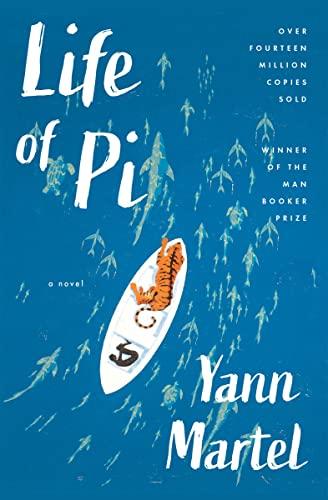
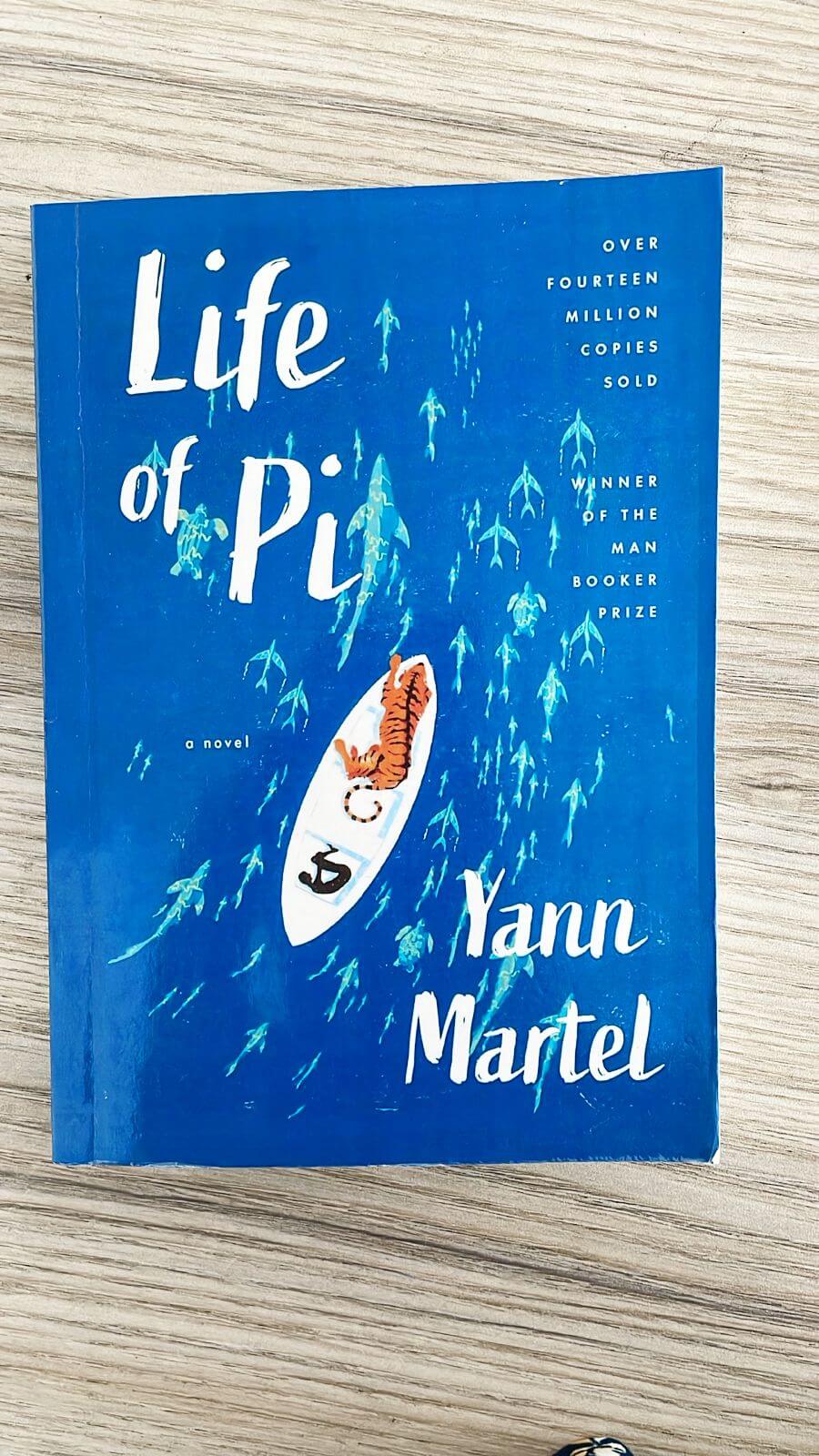
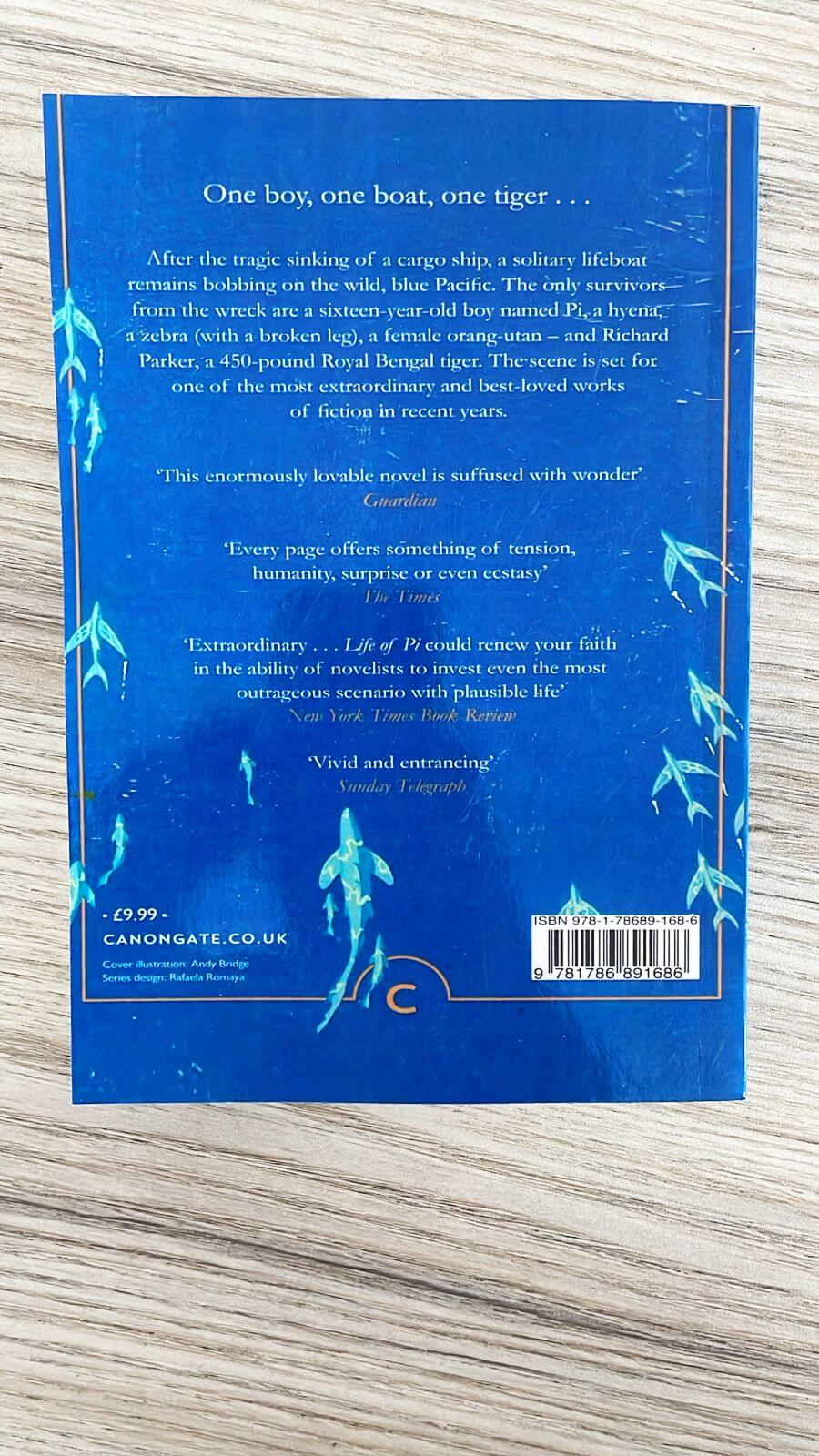
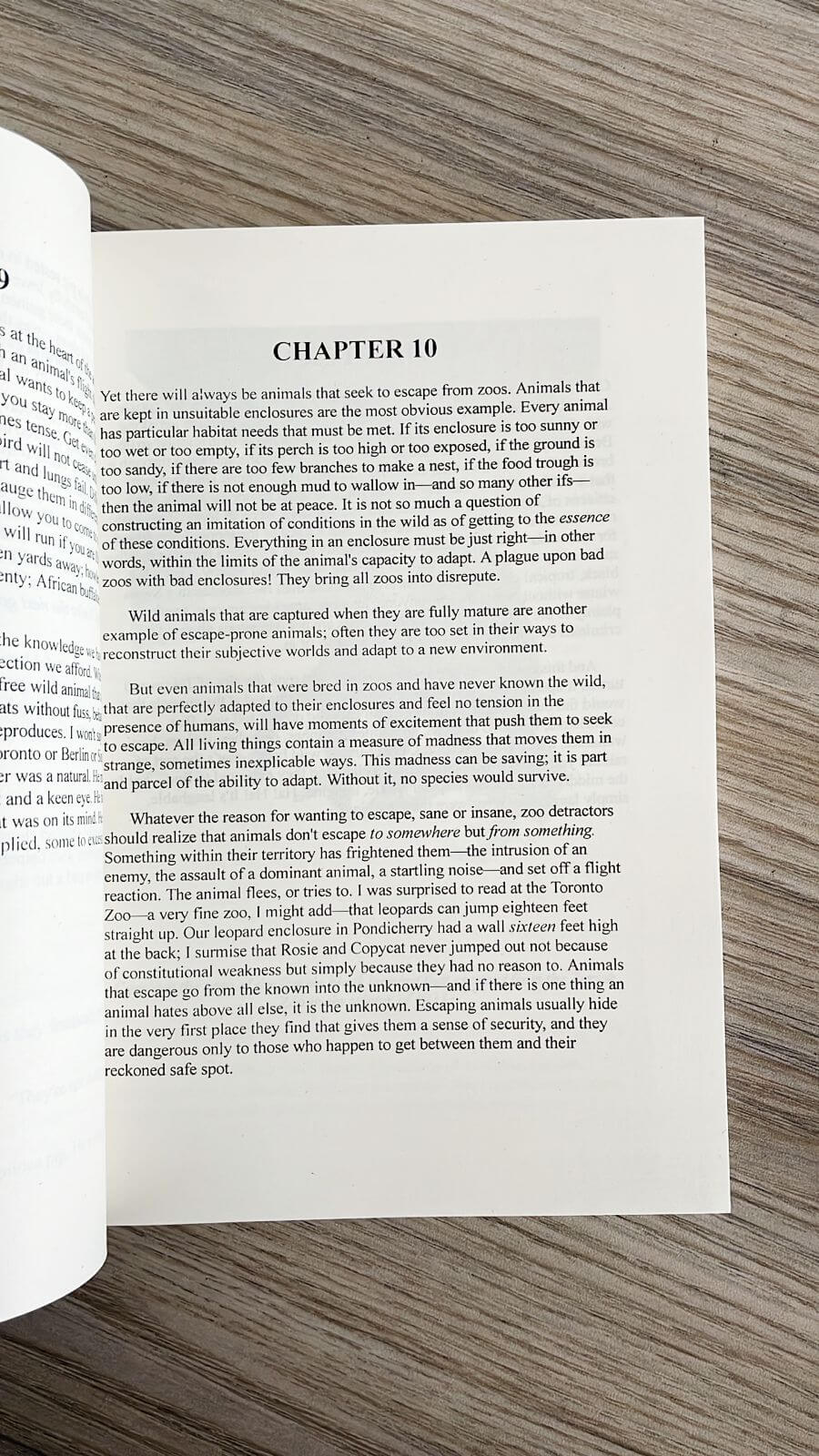
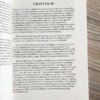
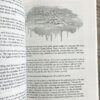
LIFE OF PI by Yann Martel


රු2,250.00
3 X Rs. 750.00 or 8% Cashback with


or 3 X රු750.00 with


or up to 4 X රු562.50 with


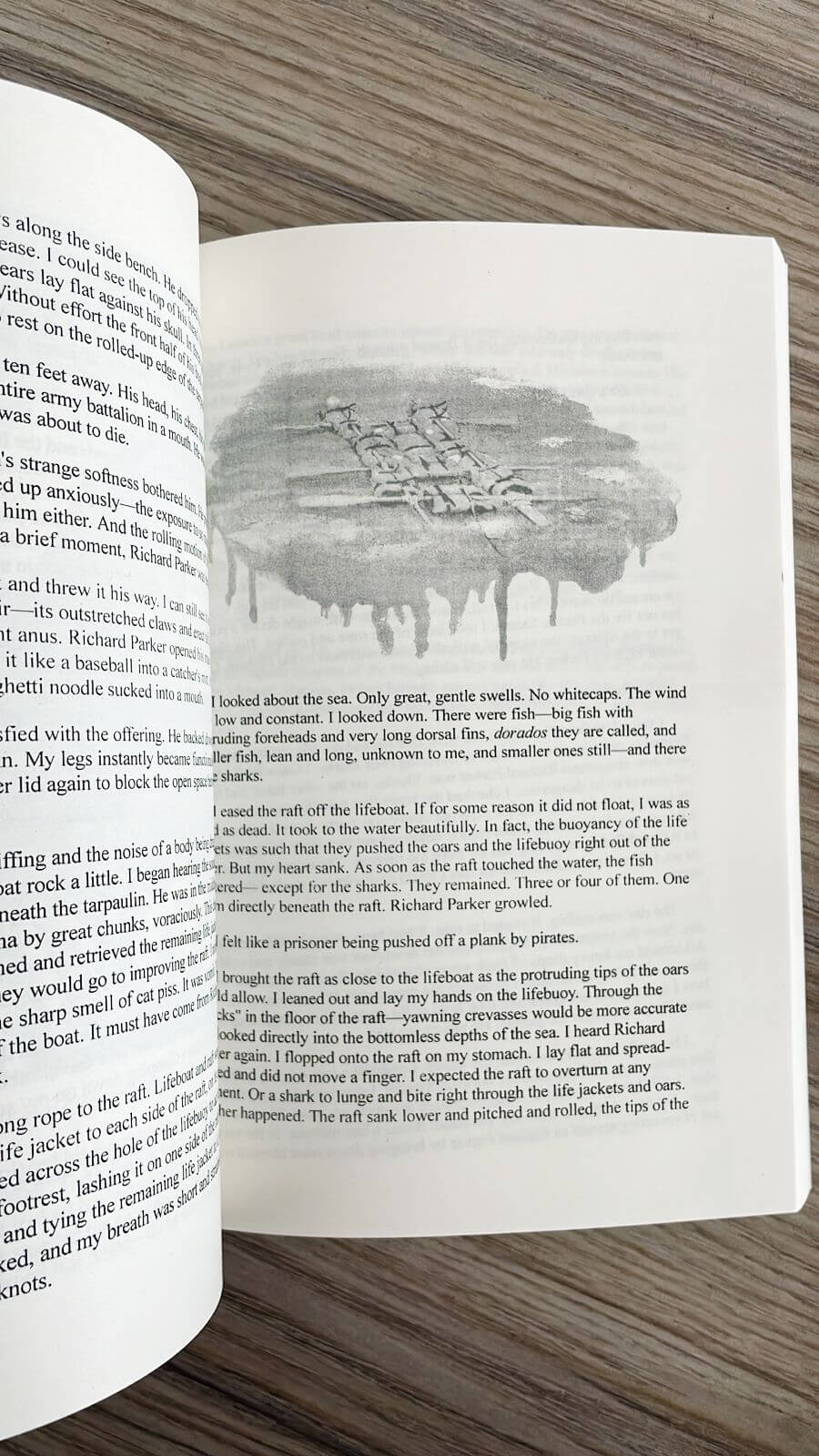
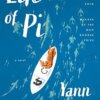
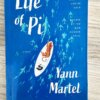
Life of Pi by Yann Martel is an award-winning philosophical adventure about Piscine “Pi” Patel, a teenage boy who survives a shipwreck and becomes stranded in the Pacific Ocean on a lifeboat with a Bengal tiger named Richard Parker. Combining survival, faith, fear, hope, storytelling and questions about truth, this unforgettable modern classic won the Man Booker Prize and inspired the acclaimed film directed by Ang Lee.
3 in stock
Life of Pi by Yann Martel is a remarkable philosophical adventure novel about survival, faith, fear, hope, storytelling and the extraordinary relationship between a teenage boy and a Bengal tiger named Richard Parker.
At the centre of the story is Piscine Molitor Patel, better known as Pi.
Pi grows up in India in a family connected to a zoo.
From an early age, he becomes fascinated by:
Animals.
Religion.
Stories.
Human behaviour.
The mysteries of life.
Pi is curious about faith and refuses to limit himself to one spiritual tradition.
He explores:
Hinduism.
Christianity.
Islam.
Rather than seeing these traditions only as opposites, Pi searches for meaning in all of them.
Then his life changes completely.
Pi’s family decides to leave India and move to Canada.
They travel by cargo ship, taking several zoo animals with them.
But disaster strikes.
The ship sinks in the Pacific Ocean.
Pi survives.
He finds himself alone on a lifeboat.
Almost alone.
Because sharing that lifeboat with him is a fully grown Bengal tiger.
Richard Parker.
What follows is one of the most unforgettable survival stories in modern fiction.
Life of Pi by Yann Martel – Book Overview
Life of Pi by Yann Martel combines adventure, philosophy, spirituality and psychological survival.
The novel begins by introducing Pi’s childhood.
He grows up around animals.
This gives him knowledge that later becomes essential.
He understands:
Territory.
Predators.
Animal behaviour.
Fear.
Routine.
Survival.
These lessons become extremely important when Pi finds himself sharing a small lifeboat with one of the world’s most dangerous animals.
Piscine Molitor Patel
Pi’s full name is unusual.
Piscine Molitor Patel.
The name comes from a swimming pool in Paris.
But at school, other children mock him.
Eventually, he chooses a shorter identity:
Pi.
He connects his new name with the mathematical symbol π.
This early moment introduces an important theme:
Identity can be something we inherit.
But it can also be something we shape.
Pi and Religion
Faith is one of the strongest themes in Life of Pi by Yann Martel.
Pi is deeply interested in religion.
He does not want to choose only one tradition.
He sees beauty in:
Hinduism.
Christianity.
Islam.
His approach creates confusion among adults.
They want him to choose.
But Pi does not see why appreciating one belief must automatically require rejecting another.
Faith and Meaning
For Pi, religion is connected with meaning.
The world can be:
Beautiful.
Terrifying.
Unfair.
Mysterious.
Faith helps him create a way of understanding experiences that cannot always be explained scientifically.
That becomes especially important during his time at sea.
Pi’s Family Zoo
Pi’s family runs a zoo in Pondicherry, India.
Growing up around animals teaches Pi that animals should never be romanticized.
A tiger is not a giant house cat.
A wild animal is dangerous.
Pi learns to respect:
Territory.
Instinct.
Hierarchy.
Fear.
Predatory behaviour.
These lessons later help him survive.
Richard Parker
The most famous character in Life of Pi by Yann Martel besides Pi himself is the Bengal tiger Richard Parker.
Richard Parker is powerful.
Beautiful.
Dangerous.
Unpredictable.
Pi understands one important fact immediately:
He cannot simply become friends with the tiger.
He needs a survival strategy.
A Boy and a Tiger
The relationship between Pi and Richard Parker is one of the most fascinating elements of the book.
At first, the tiger represents danger.
Pi must constantly think:
How do I survive?
How do I avoid being attacked?
How do I maintain distance?
How do I create boundaries?
Over time, however, Richard Parker becomes connected with Pi’s will to continue living.
Survival
Survival is the central physical challenge in Life of Pi by Yann Martel.
Pi must find:
Water.
Food.
Shelter.
Safety.
A routine.
He must deal with:
Hunger.
Thirst.
Heat.
Storms.
Fear.
Isolation.
Animal danger.
There is no rescue arriving immediately.
He has to adapt.
Adaptability
Pi survives because he learns.
He changes his behaviour according to circumstances.
This is one of the novel’s strongest lessons.
Survival often requires adaptation.
A person who refuses to change may be overwhelmed by reality.
Pi studies his environment.
Experiments.
Makes mistakes.
Learns.
Then continues.
Fear
Fear is everywhere.
Fear of:
The tiger.
The ocean.
Storms.
Hunger.
Death.
Loneliness.
The unknown.
But Pi learns that fear must be managed.
Fear can warn you.
But uncontrolled fear can destroy your ability to act.
Courage
Courage does not mean being fearless.
Pi is afraid many times.
But he keeps going.
That is courage.
Continue despite fear.
Think despite panic.
Act despite uncertainty.
The Pacific Ocean
The ocean becomes both beautiful and terrifying.
At times it appears peaceful.
At others, it becomes completely dangerous.
The sea provides:
Food.
Beauty.
Mystery.
But also:
Storms.
Isolation.
Death.
This contradiction gives the novel much of its atmosphere.
Isolation
Imagine being surrounded by water in every direction.
No city.
No road.
No familiar voice.
No certainty of rescue.
Isolation becomes a psychological challenge as serious as hunger.
Pi has to protect not only his body but also his mind.
Routine
Routine becomes an important survival tool.
When life becomes chaotic, structure can create stability.
Pi develops patterns.
He focuses on:
Food.
Water.
Shelter.
The tiger.
Observation.
Daily survival.
Routine prevents him from becoming completely overwhelmed.
Hope
Hope is essential in Life of Pi by Yann Martel.
Hope does not guarantee rescue.
But without hope, survival becomes much harder.
Pi continues because he believes another day may matter.
Hope gives him a reason to:
Find water.
Prepare food.
Protect himself.
Keep thinking.
Keep living.
Despair
The novel does not pretend survival is emotionally easy.
Pi experiences moments of:
Fear.
Exhaustion.
Sadness.
Loneliness.
Hopelessness.
Survival is not presented as constant bravery.
Sometimes survival means simply making it through the next hour.
Faith During Crisis
Pi’s spiritual beliefs become especially important during his time at sea.
When the world becomes unpredictable, faith gives him something larger than immediate suffering.
He can:
Pray.
Reflect.
Seek meaning.
Hope.
The novel does not force readers to accept Pi’s religious beliefs.
Instead, it asks readers to think about why human beings need stories and beliefs when facing uncertainty.
Science and Religion
Life of Pi by Yann Martel does not simply present science and religion as enemies.
Pi understands practical survival.
He knows about animals.
He observes nature.
He uses reason.
But he also uses faith.
This creates one of the novel’s central tensions:
Can scientific explanation and spiritual meaning exist together?
The book invites readers to decide.
Storytelling
Storytelling becomes one of the most important themes in the entire novel.
People use stories to understand:
Life.
Trauma.
Love.
Death.
Faith.
Identity.
A story may not simply tell us what happened.
It may tell us how someone understands what happened.
Truth
What does it mean for a story to be true?
Does truth mean only:
Literal facts?
Or can a story communicate emotional or philosophical truth?
Life of Pi by Yann Martel explores this question deeply.
Readers are eventually challenged to think about how they choose between different ways of understanding reality.
The Better Story
One of the novel’s most famous philosophical ideas is connected to the question of which story we choose to believe.
Why do people prefer one explanation over another?
Because it is more logical?
More beautiful?
More meaningful?
More bearable?
The novel leaves readers thinking long after the final pages.
Imagination
Imagination becomes another form of survival.
A human being can survive physically while being destroyed emotionally.
Stories, beliefs and imagination give Pi mental space beyond the lifeboat.
Animals
Animals play an important symbolic and practical role in Life of Pi by Yann Martel.
The book explores the difference between:
Wild animals.
Human expectations.
Instinct.
Domestication.
Fear.
Pi understands that animals should be respected as animals.
They do not behave according to human morality.
Animal Territory
Pi uses his understanding of animal territory to manage Richard Parker.
He cannot overpower the tiger physically.
Instead, he has to create a system.
This demonstrates another survival lesson:
Intelligence can sometimes compensate for physical weakness.
Knowledge Matters
Pi’s childhood knowledge becomes unexpectedly useful.
This is a powerful theme.
You never know which skills may matter later.
Knowledge of animals that once seemed ordinary becomes essential.
Discipline
Survival requires discipline.
Pi cannot simply act according to emotion.
He needs to:
Save resources.
Prepare carefully.
Observe.
Maintain routines.
Control panic.
Discipline helps him survive circumstances that would otherwise feel impossible.
Resourcefulness
Pi constantly uses what is available.
He cannot order supplies.
He cannot buy equipment.
He has to improvise.
This makes resourcefulness one of his greatest strengths.
Problem-Solving
Every day creates a new problem.
How do I collect water?
How do I get food?
How do I avoid the tiger?
How do I survive storms?
Pi’s survival becomes a sequence of problems requiring practical solutions.
Human Resilience
Life of Pi by Yann Martel is ultimately a book about resilience.
Human beings can sometimes survive situations they never believed they could handle.
Resilience does not mean never suffering.
It means continuing through suffering.
Loss
Pi experiences enormous loss.
His old life disappears.
His family.
Home.
Security.
Future plans.
Everything changes.
This gives the survival story emotional depth.
He is not simply trying to remain alive physically.
He is also dealing with grief.
Grief
Grief can make survival more difficult.
Why continue when everything important has been lost?
Pi’s answer changes over time.
Faith.
Instinct.
Hope.
Fear.
Richard Parker.
All contribute to his determination.
Richard Parker as Motivation
Strangely, the tiger may help Pi survive.
Because Richard Parker is dangerous, Pi must remain alert.
He needs:
Routine.
Food.
Strategy.
Attention.
The responsibility of managing the tiger gives Pi something to focus on.
This is one of the novel’s most interesting paradoxes.
Your Greatest Threat Can Give You Purpose
Richard Parker is a threat.
But he also gives Pi a reason to stay mentally active.
Sometimes the thing that challenges us most can also force us to develop strength.
Nature
Nature in Life of Pi by Yann Martel is neither good nor evil.
The ocean does not hate Pi.
The tiger is not morally cruel.
Storms are not personal.
Nature simply exists.
This forces Pi to adapt rather than expect fairness.
Beauty and Danger
The novel repeatedly places beauty beside danger.
The ocean can be spectacular.
Animals can be beautiful.
The stars can be breathtaking.
But that beauty exists inside a situation that may kill Pi.
This contrast makes the story memorable.
Hunger
Hunger changes people.
It reduces life to basic needs.
Food becomes more important than comfort.
Pi has to confront what he is willing to do to survive.
Thirst
Water becomes one of the most valuable resources imaginable.
Something people normally take for granted becomes the difference between life and death.
This gives readers a new appreciation for basic necessities.
Life at Sea
Living on a lifeboat requires constant awareness.
Weather.
Supplies.
Animals.
The condition of the boat.
Every small problem can become serious.
The story creates tension because safety is never guaranteed.
Identity Under Pressure
Crisis can change how people see themselves.
Before the shipwreck, Pi is:
A student.
A son.
A zoo owner’s child.
A religious seeker.
At sea, he becomes:
A survivor.
Circumstances force him to discover abilities he did not know he had.
Human Instinct
Like animals, humans have survival instincts.
When normal rules disappear, people may behave differently.
The novel asks uncomfortable questions about:
Civilization.
Morality.
Instinct.
What people may do when survival is at stake.
Morality and Survival
Is morality easy only when life is comfortable?
What happens when someone is starving?
Terrified?
Alone?
Life of Pi by Yann Martel pushes readers to consider how survival pressure can change moral choices.
Philosophy
The novel is philosophical without becoming a textbook.
Its questions emerge through the story.
What is truth?
What is faith?
Why do people tell stories?
What makes life meaningful?
What separates humans from animals?
How much can a person endure?
These questions give the novel depth beyond adventure.
Belief
Belief is not presented as simple certainty.
Pi’s faith exists alongside:
Doubt.
Fear.
Pain.
Confusion.
That makes it more human.
God and Suffering
One of the difficult questions behind the novel is:
How can someone maintain faith while suffering?
Pi does not receive simple answers.
Instead, faith becomes part of the way he continues.
Story as Survival
People often tell stories after traumatic experiences.
Stories can help organize events that feel chaotic.
They can give structure to memory.
They can help people survive emotionally.
This idea becomes increasingly important toward the end of the book.
The Ending
The ending of Life of Pi by Yann Martel is one of the most discussed parts of the novel.
Without revealing major spoilers, the final section encourages readers to reconsider what they thought they understood.
It transforms the story from a straightforward survival adventure into something much more philosophical.
A Book That Makes You Think
Some novels end when the plot ends.
Life of Pi continues inside the reader’s mind.
You may ask:
What really happened?
What do I believe?
Why do I believe it?
What is the purpose of storytelling?
That is one reason the novel remains so popular.
Literary Style
Yann Martel combines:
Adventure.
Humor.
Philosophy.
Spiritual reflection.
Descriptions of nature.
Suspense.
The result is unusual.
The book can appeal to both readers who enjoy action and readers who enjoy deeper themes.
Award Recognition
Life of Pi won the Man Booker Prize for Fiction in 2002.
The award helped establish the novel as one of the most recognized contemporary literary works of its era.
International Success
The novel became a major international bestseller.
Readers around the world connected with its themes of:
Survival.
Faith.
Fear.
Hope.
Storytelling.
Its unusual premise also made it highly memorable.
Life of Pi Movie Adaptation
Life of Pi by Yann Martel was adapted into the acclaimed 2012 film directed by Ang Lee.
The movie became famous for its visual effects and depiction of:
The ocean.
Richard Parker.
The lifeboat.
Pi’s survival journey.
The film won multiple Academy Awards, including Best Director for Ang Lee.
Book Versus Movie
The film captures the visual beauty of the story extremely well.
However, the book gives readers more access to:
Pi’s thoughts.
Religious ideas.
Philosophical questions.
Internal struggle.
Readers who enjoyed the movie can gain much more context from the novel.
Is Life of Pi Based on a True Story?
No.
Life of Pi by Yann Martel is a work of fiction.
However, its realistic survival details and philosophical framing can make the story feel believable.
That uncertainty is part of the reading experience.
Is Life of Pi a Children’s Book?
Not exactly.
Although the main character is young, the novel is generally considered literary fiction and is suitable for older teenagers and adults.
It contains:
Death.
Trauma.
Animal violence.
Survival situations.
Philosophical themes.
Younger readers may find some sections disturbing.
Content Considerations
Life of Pi by Yann Martel contains potentially difficult material involving:
- Shipwreck
- Death and grief
- Animal attacks
- Animal injury
- Predation
- Starvation
- Dehydration
- Psychological trauma
- Isolation
- Disturbing survival situations
The novel is not horror, but some survival scenes can be intense.
7 Powerful Reasons to Read Life of Pi
There are many reasons to read Life of Pi by Yann Martel, but seven stand out:
- It offers an unforgettable survival story – Pi’s journey across the Pacific creates suspense, danger and constant problem-solving.
- Richard Parker is one of literature’s most memorable animals – The Bengal tiger creates both danger and an unexpected source of motivation for Pi.
- The book explores faith without giving simple answers – Hinduism, Christianity and Islam become part of Pi’s search for meaning.
- It asks fascinating questions about truth and storytelling – Readers are encouraged to think about why humans tell stories and what makes a story meaningful.
- Pi demonstrates extraordinary resilience – His ability to adapt, learn and continue despite fear offers powerful lessons about human endurance.
- The novel combines adventure with philosophy – Readers get survival suspense alongside deeper reflections on identity, belief, morality and reality.
- The ending changes how you understand the entire story – Without revealing spoilers, the final section makes Life of Pi a novel readers often continue thinking about long after finishing it.
Why Read Life of Pi by Yann Martel?
Life of Pi by Yann Martel is an excellent choice for readers interested in:
- Yann Martel books
- Literary fiction
- Adventure novels
- Survival stories
- Philosophical fiction
- Faith and spirituality
- Bengal tigers
- Richard Parker
- Shipwreck stories
- Ocean survival
- Booker Prize winners
- Modern classics
- Books about resilience
- Stories about hope
- Books about storytelling
- Psychological survival
- Coming-of-age fiction
- Movie adaptation books
It is particularly suitable for readers who enjoy novels that combine an exciting plot with questions about life, faith and truth.
Who Should Read This Book?
Life of Pi by Yann Martel may especially appeal to:
- Literary-fiction readers
- Adventure fans
- Readers who enjoy survival stories
- Students studying modern literature
- Readers interested in philosophy
- Readers interested in religion and faith
- Fans of psychological fiction
- Readers who enjoyed the Life of Pi movie
- Readers who enjoy unusual narrators
- Fans of modern classics
- Readers interested in human resilience
- Anyone who enjoys books that encourage discussion and interpretation
Survival, Faith and the Stories That Keep Us Alive
Life of Pi by Yann Martel begins as the story of a boy growing up around animals and religion.
Then everything changes.
A ship sinks.
A family disappears.
A lifeboat becomes an entire world.
And a Bengal tiger becomes both Pi’s greatest danger and one of the reasons he continues fighting to survive.
Pi has almost nothing.
Yet he still has:
Knowledge.
Imagination.
Faith.
Fear.
Hope.
The ability to adapt.
These become his most important resources.
But the novel is not only asking:
How did Pi survive?
It asks something deeper.
How do people make sense of experiences that feel impossible?
Why do we need stories?
Why do we believe certain versions of reality?
Can faith and reason exist together?
And when several explanations are possible, which story do we choose?
For readers who enjoy adventure, survival, philosophy, spirituality, unforgettable characters and novels that remain in your mind after the final page, Life of Pi by Yann Martel is a powerful and thought-provoking modern classic.
Learn more about Life of Pi by Yann Martel on the official Penguin Random House website.
Explore more literary fiction books at Bargain Books.
Be the first to review “LIFE OF PI by Yann Martel”
Related products
-17%

Classics & Literary Fiction
Original price was: රු2,400.00.රු1,990.00Current price is: රු1,990.00.
3 X Rs. 663.33 or 8% Cashback with
or 3 X රු663.33 with
or up to 4 X රු497.50 with
-14%

Classics & Literary Fiction
Original price was: රු1,800.00.රු1,550.00Current price is: රු1,550.00.
3 X Rs. 516.67 or 8% Cashback with
or 3 X රු516.67 with
or up to 4 X රු387.50 with
Out of stock
Classics & Literary Fiction
රු1,750.00
3 X Rs. 583.33 or 8% Cashback with
or 3 X රු583.33 with
or up to 4 X රු437.50 with

Out of stock
Classics & Literary Fiction
රු2,590.00
3 X Rs. 863.33 or 8% Cashback with
or 3 X රු863.33 with
or up to 4 X රු647.50 with
Out of stock
Adventure Fiction
Death on the Nile – Film Tie-In Edition | Agatha Christie Paperback
රු2,400.00
3 X Rs. 800.00 or 8% Cashback with
or 3 X රු800.00 with
or up to 4 X රු600.00 with
-48%

Out of stock
Classics & Literary Fiction
Original price was: රු3,000.00.රු1,550.00Current price is: රු1,550.00.
3 X Rs. 516.67 or 8% Cashback with
or 3 X රු516.67 with
or up to 4 X රු387.50 with
-29%
Classics & Literary Fiction
Original price was: රු2,100.00.රු1,500.00Current price is: රු1,500.00.
3 X Rs. 500.00 or 8% Cashback with
or 3 X රු500.00 with
or up to 4 X රු375.00 with
-19%

Classics & Literary Fiction
Original price was: රු2,700.00.රු2,200.00Current price is: රු2,200.00.
3 X Rs. 733.33 or 8% Cashback with
or 3 X රු733.33 with
or up to 4 X රු550.00 with
Reviews
There are no reviews yet.