
No products in the cart.
-26%
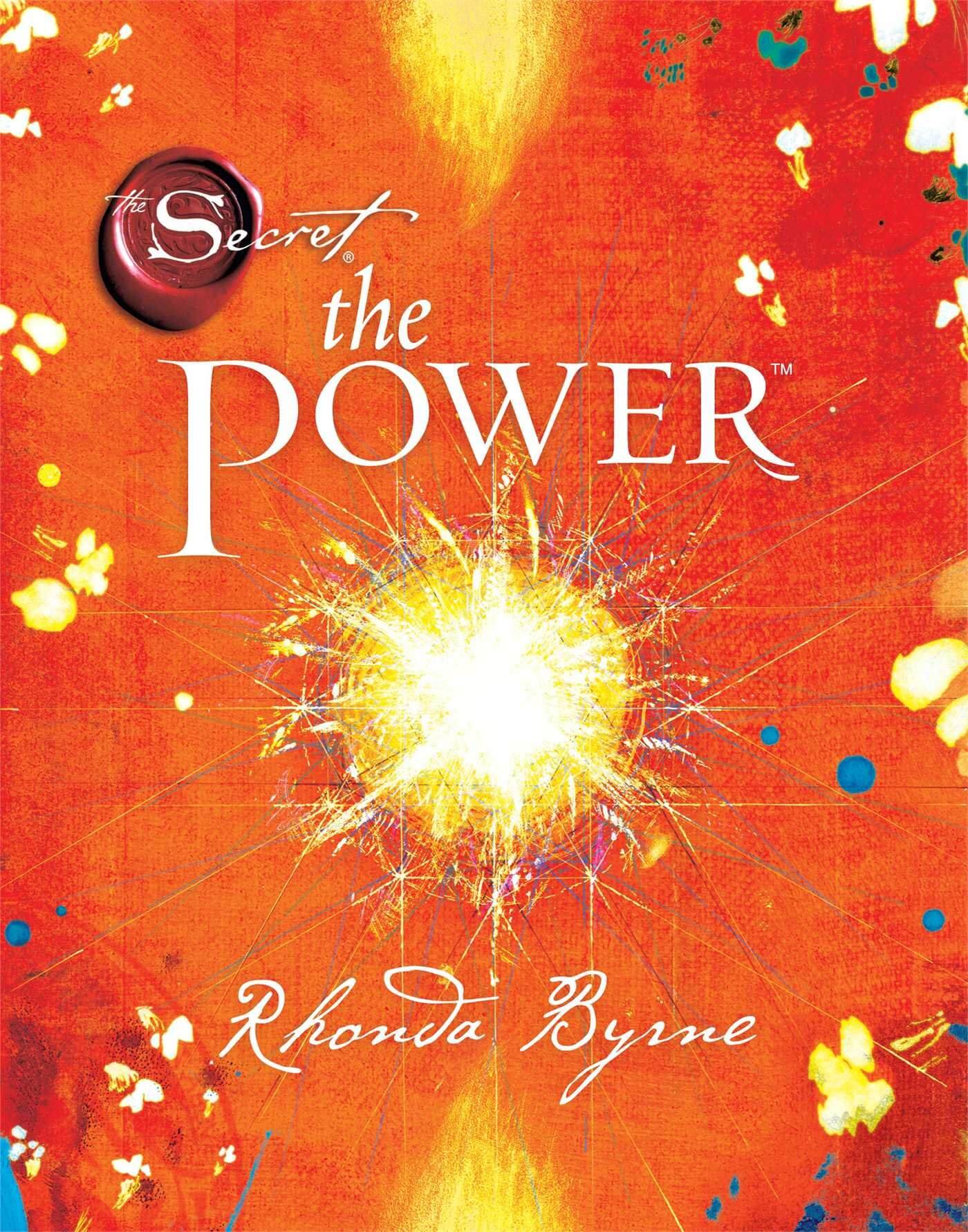
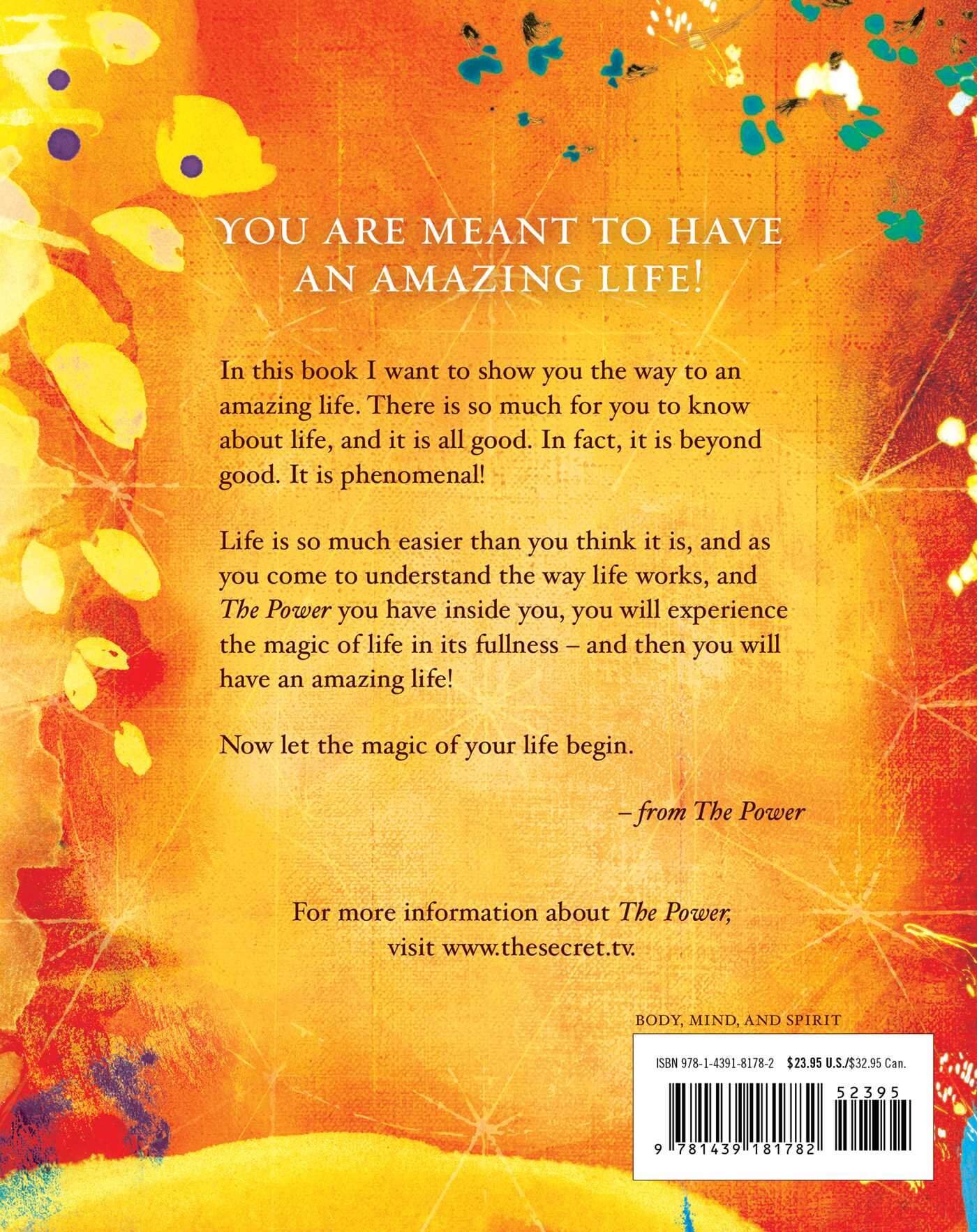
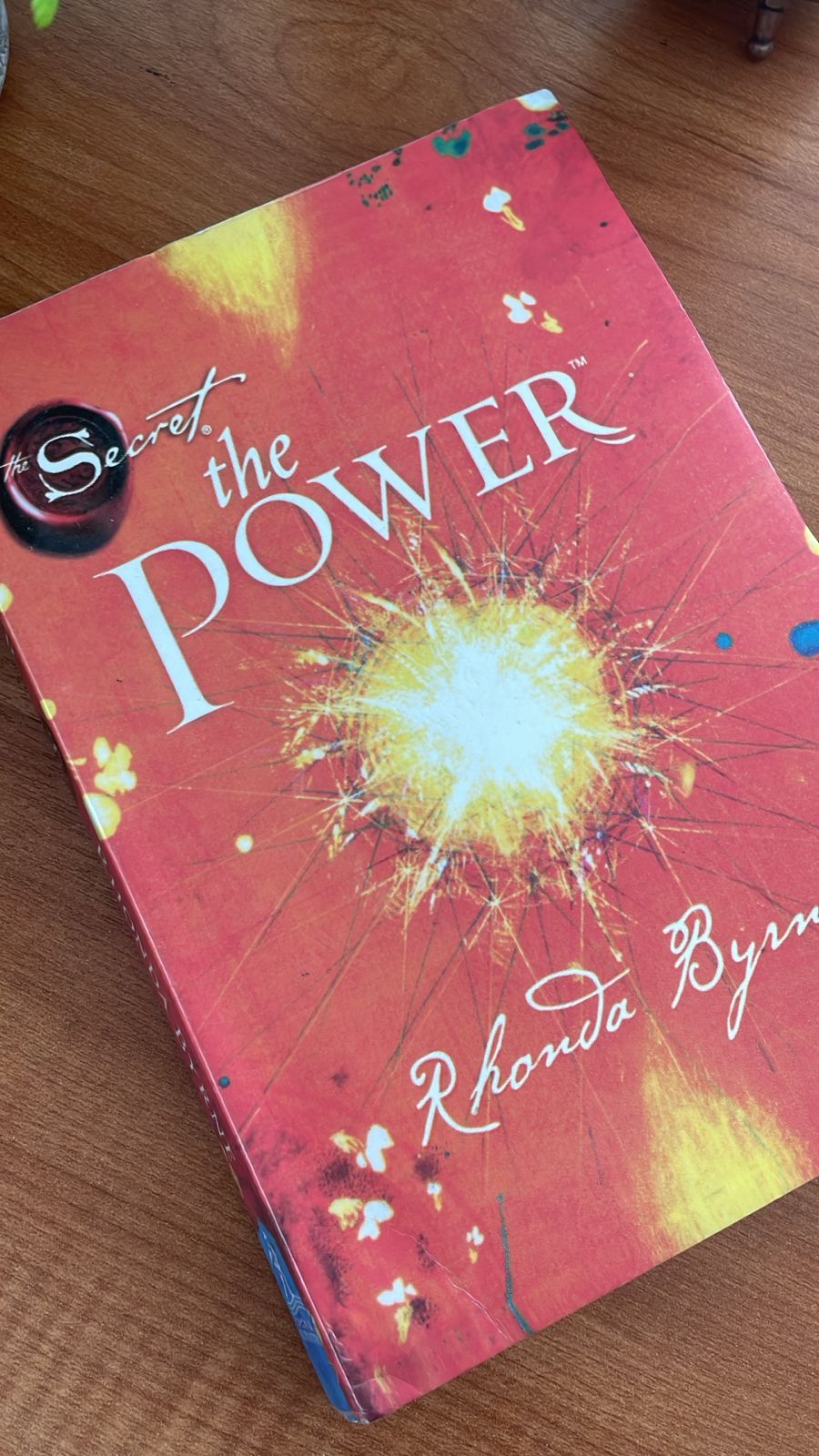

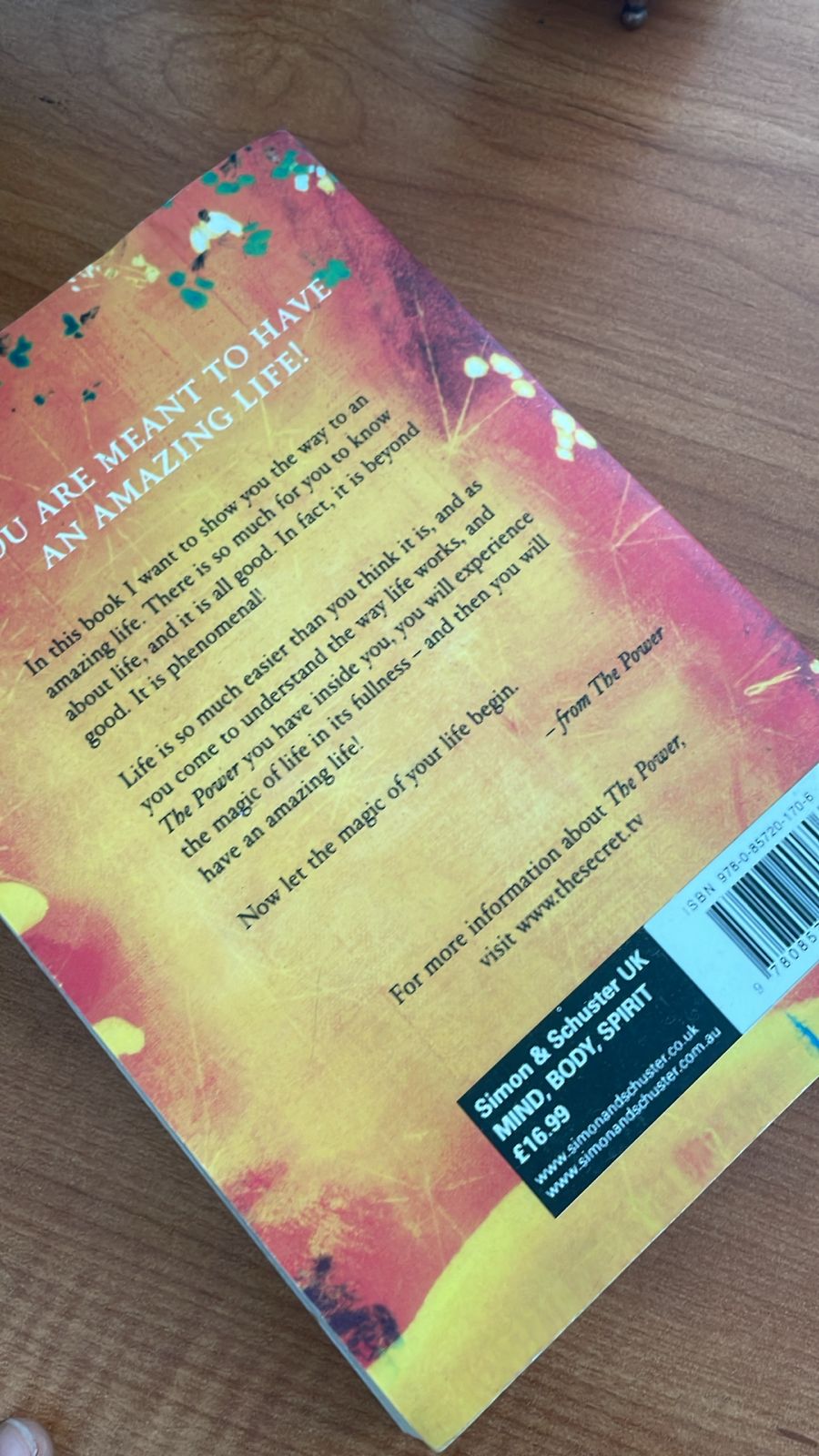
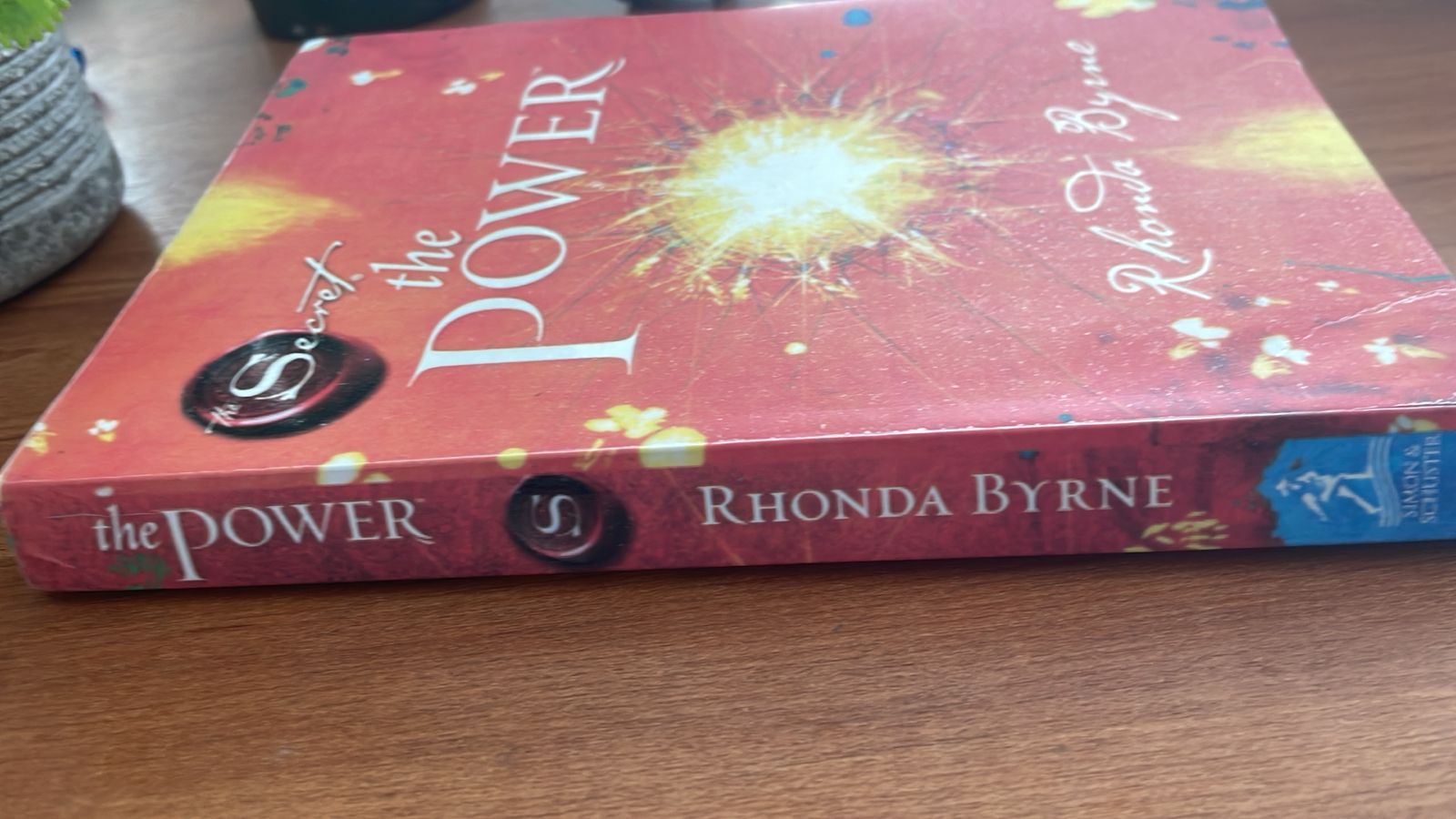




Secret The Power by Rhonda Byrne

Original price was: රු2,300.00.රු1,700.00Current price is: රු1,700.00.
3 X Rs. 566.67 or 8% Cashback with


or 3 X රු566.67 with


or up to 4 X රු425.00 with


Unlock the transformative power of love with “The Power” by Rhonda Byrne. This self-help book explores the limitless potential of positive thinking and the Law of Attraction. Order now to harness the energy of love and manifest your dreams for a life of abundance and happiness.
5 in stock
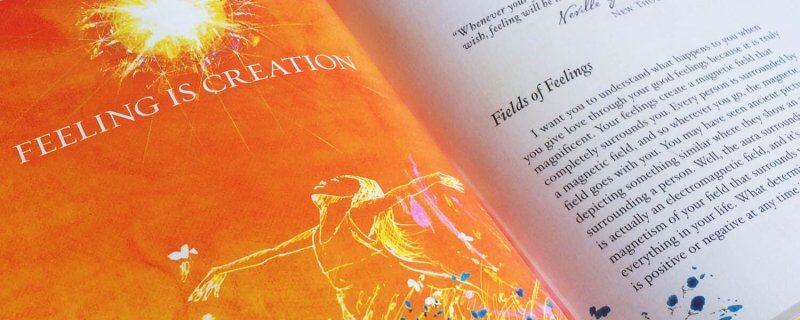
The Power by Rhonda Byrne is an inspirational self-development book that expands on the ideas introduced in The Secret, focusing on what Byrne describes as the greatest force available to every human being: love.
According to Byrne, the way we think, feel and respond to life influences the experiences we notice, pursue and create.
The book encourages readers to focus more deliberately on:
Love.
Gratitude.
Positive feelings.
Appreciation.
Imagination.
Relationships.
Health.
Money.
Career.
Happiness.
Rather than approaching personal change only through hard work or external circumstances, Byrne places particular emphasis on a person’s emotional state.
Her central message is that positive feelings such as love and gratitude can change how we experience life and how we approach opportunities, relationships and challenges.
The Power by Rhonda Byrne is written in a motivational, accessible style with short sections, quotations and practical ideas intended to help readers examine what they are focusing on each day.
The Power by Rhonda Byrne – Book Overview
The Power by Rhonda Byrne asks readers to consider one central idea:
What if love is not merely an emotion experienced in relationships?
What if it is also a powerful attitude toward:
Life.
Work.
Money.
Health.
Other people.
Yourself.
Your future.
Byrne argues that what we consistently focus on influences how we experience life.
When attention is dominated by:
Fear.
Anger.
Resentment.
Scarcity.
Frustration.
we may begin seeing more evidence that supports those feelings.
When attention shifts toward:
Gratitude.
Love.
Possibility.
Appreciation.
Opportunity.
our behavior and interpretation of events may also change.
The Follow-Up to The Secret
The Power follows Byrne’s bestselling book The Secret.
The Secret popularized Byrne’s interpretation of the Law of Attraction.
The official publisher describes The Power as the follow-up to The Secret and as a handbook centered on the “power” Byrne believes can help people create change in their lives.
You can read The Power by Rhonda Byrne without reading The Secret first.
However, readers already familiar with The Secret will recognize many of the underlying ideas.
What Is “The Power”?
The answer Byrne gives is:
Love.
Not simply romantic love.
She uses the word more broadly to include:
Appreciation.
Gratitude.
Joy.
Excitement.
Kindness.
Positive expectation.
Enjoyment.
When you appreciate something, Byrne considers that an expression of love.
When you feel grateful, that is another expression.
When you genuinely enjoy your work, relationships or surroundings, the same principle applies.
Love as a Way of Focusing Attention
One practical way to understand the book—without requiring agreement with every metaphysical claim—is as a system for managing attention.
If you continuously focus on what you dislike, your mind becomes highly aware of problems.
If you deliberately notice things you appreciate, your attention begins including positive experiences that may previously have been ignored.
This does not mean problems disappear.
It means the way you mentally engage with them can change.
The Law of Attraction
The broader Secret philosophy is based on what Byrne calls the Law of Attraction.
In Byrne’s framework:
Thoughts and feelings are believed to attract corresponding experiences.
Positive focus is therefore encouraged.
Negative focus is discouraged.
This is presented as a universal principle throughout her work.
Readers should understand, however, that the Law of Attraction as a literal universal mechanism is not established scientific fact.
Positive thinking, gratitude and goal-focused behavior can be psychologically useful, but thoughts alone do not guarantee specific external outcomes.
That distinction is important when applying the book’s ideas.
Feelings
The Power by Rhonda Byrne places unusually strong emphasis on feelings.
Byrne argues that your emotional state provides information about what you are focusing on.
If you feel:
Joy.
Love.
Appreciation.
Excitement.
she interprets that as movement in a positive direction.
If you feel:
Anger.
Fear.
Jealousy.
Frustration.
she encourages changing attention toward something that feels better.
Emotional Awareness
Even outside the book’s manifestation philosophy, this can be a useful practice.
Ask:
What am I feeling?
Why?
What am I focusing on?
Is this helping me?
Can I respond differently?
Becoming aware of emotion before reacting automatically can improve decision-making.
Gratitude
Gratitude is one of the most important practices associated with Byrne’s wider work.
Gratitude means deliberately noticing what is already valuable.
That might include:
Family.
Friends.
Health.
Food.
A safe home.
Work.
Education.
Small opportunities.
A good conversation.
A peaceful moment.
The exercise is simple.
But many people spend far more time noticing what is missing than appreciating what already exists.
Gratitude Does Not Mean Ignoring Problems
This distinction matters.
You can appreciate what is good while still acknowledging what needs improvement.
For example:
“I am grateful for my current job”
does not mean:
“I can never look for a better one.”
Gratitude and ambition can exist together.
Relationships
Relationships receive considerable attention in The Power by Rhonda Byrne.
Byrne encourages readers to focus more on what they appreciate about people rather than constantly concentrating on faults.
This can be especially useful in ordinary relationships.
If someone makes ten helpful choices and one irritating mistake, the mind may focus entirely on the mistake.
Deliberate appreciation restores balance.
Appreciation in Relationships
A simple practice is asking:
What do I genuinely appreciate about this person?
Their kindness?
Humor?
Reliability?
Support?
Patience?
Effort?
Expressing appreciation can strengthen relationships when it is sincere.
Love Is Not Tolerating Harm
Positive thinking should never be used to justify remaining in an abusive or unsafe relationship.
Love does not require:
Accepting violence.
Ignoring manipulation.
Removing boundaries.
Staying somewhere dangerous.
In serious relationship situations, safety and appropriate professional support matter more than manifestation advice.
Self-Love
Byrne’s ideas can also be applied inwardly.
People often speak to themselves far more harshly than they would speak to another person.
“I am useless.”
“I always fail.”
“I will never succeed.”
Repeated self-criticism can affect confidence and motivation.
A healthier approach is realistic self-respect.
You can acknowledge mistakes without turning them into your identity.
Money
The Power by Rhonda Byrne discusses money as another area in which attitude matters.
Financial anxiety can dominate attention.
Someone may constantly think:
Not enough.
Too expensive.
I cannot afford anything.
Byrne encourages moving away from emotional scarcity toward appreciation and a sense of possibility.
Positive Thinking Is Not a Financial Plan
This is an important practical limitation.
Financial progress normally also requires actions such as:
Budgeting.
Saving.
Increasing income.
Reducing unnecessary debt.
Understanding investments.
Building useful skills.
Managing risk.
Positive thinking may improve motivation, but it should not replace sound financial planning.
Career
Byrne encourages readers to bring more enthusiasm and appreciation into work.
This can be useful even if a job is not perfect.
Ask:
What can I learn here?
Who can I help?
What skill can I develop?
What opportunity can I create?
A more constructive mindset can improve performance and increase awareness of opportunities.
Loving What You Do
This does not always mean finding your perfect dream career immediately.
Sometimes it means improving your relationship with the work already in front of you.
Then, from a stronger position, you can make better long-term decisions.
Goals
The Power by Rhonda Byrne encourages readers to imagine desired outcomes.
Visualization can help clarify goals.
For example, instead of saying:
“I want a successful business,”
visualize:
What does the business sell?
Who are the customers?
What does a normal workday look like?
How much revenue is needed?
What systems exist?
Clarity can support practical planning.
Visualization
Visualization is most useful when connected to action.
Imagine the outcome.
Then ask:
What needs to happen next?
A dream becomes more useful when converted into:
Tasks.
Habits.
Deadlines.
Skills.
Repeated action.
Imagination
Byrne treats imagination as an important creative force.
Before anything is built, it is often imagined first.
A building.
Business.
Book.
Software system.
Painting.
New career.
Imagination allows people to explore possibilities before they exist physically.
The Power of Attention
Attention is limited.
Whatever repeatedly receives your attention begins occupying more of your mental world.
If you repeatedly focus on:
Problems.
Conflict.
Bad news.
Comparison.
you may begin experiencing the world primarily through those categories.
Deliberately choosing where attention goes can therefore be powerful.
Social Media and Comparison
This idea is especially relevant today.
Social media makes comparison constant.
Someone always appears:
Richer.
More successful.
More attractive.
More productive.
More traveled.
Comparison can create dissatisfaction even when life is objectively going well.
Gratitude interrupts this cycle.
Give Attention to What You Want to Grow
If you value:
Health,
give attention to healthy routines.
Relationships,
give attention to communication.
Career,
give attention to skills.
Business,
give attention to customers.
Reading,
give attention to books.
Attention alone does not guarantee results.
But neglected areas rarely improve by accident.
Health
Byrne’s philosophy also discusses health and positive emotion.
Optimism and stress management can contribute to overall well-being.
However, readers should not interpret manifestation teachings as a substitute for evidence-based medicine.
Illness can have complex biological causes.
Serious symptoms require appropriate medical evaluation and treatment.
Positive mindset can accompany healthcare.
It should not replace it.
Stress
One practical element of the book is reducing unnecessary negative focus.
Stress often grows because the mind repeatedly rehearses:
What could go wrong.
What already went wrong.
What someone said.
What might happen tomorrow.
Bringing attention back to the present can interrupt that cycle.
What Can I Do Now?
A useful question is:
What can I actually do right now?
If the answer is:
Make the call.
Do it.
If the answer is:
Nothing until tomorrow.
Then continuing to mentally repeat the problem may offer little value.
Give What You Want to Receive
One idea commonly associated with Byrne’s philosophy is giving outwardly what you hope to experience.
Want more kindness?
Be kinder.
Want more respect?
Treat people respectfully.
Want encouragement?
Encourage someone.
Want generosity?
Practice generosity.
This can have practical interpersonal value without requiring any supernatural explanation.
Kindness Creates Feedback Loops
People often respond to how they are treated.
A friendly person may receive more friendliness.
A supportive manager may receive more employee trust.
A helpful colleague may build stronger professional relationships.
Positive behavior can create real social feedback loops.
Positive Emotional Momentum
One good choice can make the next one easier.
Exercise.
Then feel better.
Feeling better makes healthy food easier.
That improves sleep.
Better sleep improves energy.
Energy improves productivity.
Positive behaviors can reinforce each other.
Negative Momentum Works Too
Poor sleep.
Low energy.
Missed work.
Stress.
More poor sleep.
The goal is not to blame people when this happens.
It is to identify one point where the cycle can be interrupted.
What You Practice Becomes Easier
Gratitude can become a habit.
Complaint can become a habit.
Optimism can become a habit.
Cynicism can become a habit.
The brain becomes familiar with repeated patterns.
This makes daily practice more important than occasional inspiration.
Small Daily Practices
Readers can turn The Power by Rhonda Byrne into practical exercises.
For example:
Each morning, write three things you appreciate.
Before sleeping, identify one good moment from the day.
When frustrated, pause before reacting.
When setting a goal, write one concrete next step.
Tell someone specifically what you appreciate about them.
These practices are simple enough to repeat.
Positive Thinking Versus Denial
Positive thinking becomes harmful when it turns into denial.
If a business is losing money, the answer is not:
“Everything is perfect.”
A healthier approach is:
“This is difficult, but I can analyze it and improve what is within my control.”
That combines optimism with reality.
Toxic Positivity
People should also be allowed to experience:
Grief.
Anger.
Fear.
Sadness.
Disappointment.
These emotions are not moral failures.
Trying to force constant happiness can make difficult experiences harder.
The goal is not permanent positivity.
It is developing a healthier relationship with thoughts and emotions.
Responsibility Without Self-Blame
Manifestation philosophies sometimes risk implying that people caused every negative event through negative thinking.
That conclusion can be unfair and harmful.
People do not control:
Natural disasters.
Other people’s abuse.
Genetic illness.
Economic recessions.
Many accidents.
Every external event.
A useful interpretation of personal responsibility is:
Focus on the choices you can influence without blaming yourself for everything you cannot.
The Power and The Secret
Readers frequently ask about the difference.
The Secret introduces Byrne’s Law of Attraction framework.
The Power focuses much more heavily on love and feeling as the force she believes activates that framework.
Do You Need to Read The Secret First?
No.
The Power by Rhonda Byrne can be read independently.
However, reading The Secret first may make Byrne’s terminology and philosophy easier to understand.
A practical order is:
- The Secret
- The Power
- The Magic
- Hero
This is not a strict narrative series, so each book can still be read separately.
Is The Power a Self-Help Book?
Yes.
It fits under:
Self-Help & Personal Development.
Motivation.
Positive Thinking.
Spirituality.
Law of Attraction.
It is not a scientific psychology textbook.
Is The Power Religious?
Not specifically.
The book uses spiritual language and references universal forces, gratitude and love, but it is not written as a guide to one specific religious tradition.
Readers from different backgrounds may interpret the ideas differently.
Is It Scientifically Proven?
The book contains philosophical and metaphysical claims that should not be confused with established scientific laws.
Research supports the potential benefits of practices such as:
Gratitude.
Optimism.
Goal setting.
Social support.
But there is no established scientific evidence that thoughts or emotions alone universally attract specific external events in the literal way sometimes described by Law of Attraction teachings.
Readers can therefore separate the useful behavioral practices from claims they may or may not personally accept.
Rhonda Byrne
Rhonda Byrne is an Australian author and producer best known for creating The Secret.
Her official biography lists her major works as:
The Secret
The Power
The Magic
Hero
How The Secret Changed My Life
The Greatest Secret
and The Secret to Love, Health and Money.
She released The Power in 2010, and it became another New York Times bestseller.
Correct Product and ISBN Information
Your current procurement sheet has:
Secret The Power
Rhonda Byrne
ISBN 9781471172397
This needs correction.
9781471172397 belongs to The Secret, not The Power.
Your other inventory record lists:
The Power
Rhonda Byrne
ISBN 9780857201706
Simon & Schuster confirms 9780857201706 for its hardcover edition of The Power.
So for that edition, use:
Title: The Power
Author: Rhonda Byrne
ISBN-13: 9780857201706
Series: The Secret Library
Format: Hardcover
If your physical copy is a different edition, use the ISBN printed on that exact book.
7 Powerful Lessons From The Power by Rhonda Byrne
- Pay attention to what you repeatedly focus on. Constant attention to problems can make them dominate your mental life, while consciously noticing positive experiences creates a more balanced perspective.
- Practice gratitude before waiting for everything to become perfect. Appreciating what you already have can improve your relationship with your present life while you continue working toward future goals.
- Give people more of what you hope to receive. Kindness, encouragement, respect and generosity can create stronger relationships and healthier social feedback loops.
- Use imagination to clarify what you want. Visualization can make vague goals more specific, especially when followed by practical plans and consistent action.
- Do not let negative emotion run automatically. Pause, identify what you are feeling and decide whether there is a more useful way to respond.
- Positive feelings work best when combined with real action. Loving the idea of success is not enough. Skills, habits, preparation, decisions and effort remain necessary.
- Love can be treated as a daily practice, not only an emotion. Appreciation, patience, gratitude, generosity and care are behaviors people can intentionally practice even when circumstances are imperfect.
Why Read The Power by Rhonda Byrne?
The Power by Rhonda Byrne may appeal to readers interested in:
- Rhonda Byrne
- The Secret
- Law of Attraction
- Positive thinking
- Gratitude
- Manifestation
- Personal growth
- Motivation
- Spirituality
- Self-development
- Relationships
- Happiness
- Mindset
- Visualization
- Goal setting
- Emotional awareness
- Self-love
- Optimism
- Positive habits
- Inspirational books
It is particularly suited to readers who enjoyed The Secret and want a deeper explanation of Byrne’s emphasis on emotion, love and gratitude.
Who Should Read This Book?
The Power by Rhonda Byrne may especially appeal to readers who enjoy motivational self-help, spiritual personal development, gratitude practices and books about changing mindset.
It can also appeal to readers trying to become more aware of how:
Thoughts.
Emotions.
Attention.
Habits.
influence daily life.
Readers do not need to accept every Law of Attraction claim literally to experiment with practical ideas such as gratitude, appreciation, goal clarity and positive communication.
The Power by Rhonda Byrne – Change What You Give Your Attention To
The Power by Rhonda Byrne asks readers to examine something that is easy to overlook:
Where is your emotional attention going every day?
Are you constantly noticing what is wrong?
What is missing?
Who disappointed you?
How much money you do not have?
How far you still have to go?
Or do you also notice:
What is working?
Who supports you?
What you have learned?
What opportunity exists?
What you enjoy?
What you can do next?
The difference does not mean pretending life is perfect.
Life can be difficult.
Money problems are real.
Health problems are real.
Relationship problems are real.
Failure is real.
But people still have some influence over how they mentally engage with those realities.
That may be the most practical way to approach The Power by Rhonda Byrne.
Use gratitude to notice what is already good.
Use visualization to clarify where you want to go.
Use appreciation to strengthen relationships.
Use positive emotion to support action.
And use realism to make sure inspiration is connected with real-world decisions.
You do not need to believe that every thought magically changes the universe to recognize that thoughts can influence:
Attention.
Motivation.
Behavior.
Communication.
Persistence.
And those things can influence outcomes.
Read thoughtfully.
Keep what helps.
Question what needs evidence.
Then turn inspiration into action.
That balanced approach makes The Power by Rhonda Byrne an engaging motivational companion for readers interested in gratitude, positive thinking, self-development and the wider philosophy of The Secret.
Learn more about The Power by Rhonda Byrne on the official The Secret website.
Explore more self-help and personal development books at Bargain Books.
| Author | Rhonda Byrne |
|---|---|
| Type | Paperback Printed Book |
| ISBN/ISSN | 0857201700, 978-0857201706 |
| Language | English |
| Pages | 272 |
Be the first to review “Secret The Power by Rhonda Byrne”
Related products
-13%
Out of stock
Non-Fiction & Knowledge
Original price was: රු3,900.00.රු3,400.00Current price is: රු3,400.00.
3 X Rs. 1,133.33 or 8% Cashback with
or 3 X රු1,133.33 with
or up to 4 X රු850.00 with
රු2,000.00
3 X Rs. 666.67 or 8% Cashback with
or 3 X රු666.67 with
or up to 4 X රු500.00 with

Out of stock
Non-Fiction & Knowledge
රු1,900.00
3 X Rs. 633.33 or 8% Cashback with
or 3 X රු633.33 with
or up to 4 X රු475.00 with

Non-Fiction & Knowledge
රු1,950.00
3 X Rs. 650.00 or 8% Cashback with
or 3 X රු650.00 with
or up to 4 X රු487.50 with
-24%
Non-Fiction & Knowledge
Original price was: රු2,300.00.රු1,750.00Current price is: රු1,750.00.
3 X Rs. 583.33 or 8% Cashback with
or 3 X රු583.33 with
or up to 4 X රු437.50 with
Non-Fiction & Knowledge
රු1,550.00
3 X Rs. 516.67 or 8% Cashback with
or 3 X රු516.67 with
or up to 4 X රු387.50 with
-24%
Out of stock
Non-Fiction & Knowledge
Original price was: රු2,100.00.රු1,600.00Current price is: රු1,600.00.
3 X Rs. 533.33 or 8% Cashback with
or 3 X රු533.33 with
or up to 4 X රු400.00 with
-34%

Self-Help & Psychology
Original price was: රු2,350.00.රු1,550.00Current price is: රු1,550.00.
3 X Rs. 516.67 or 8% Cashback with
or 3 X රු516.67 with
or up to 4 X රු387.50 with
Reviews
There are no reviews yet.