
No products in the cart.
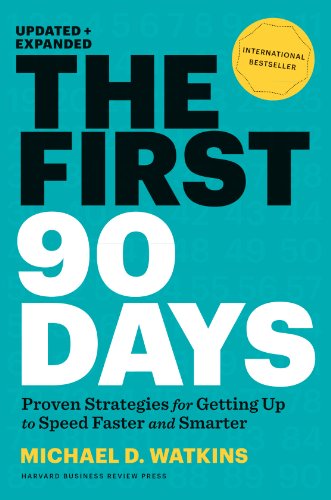

The First 90 Days by Michael D. Watkins


රු1,800.00
3 X Rs. 600.00 or 8% Cashback with


or 3 X රු600.00 with


or up to 4 X රු450.00 with


Unlock success in new roles with “The First 90 Days” by Michael D. Watkins. This paperback guide offers proven strategies for navigating transitions and making an impact from day one. Whether it’s a new job, leadership role, or organizational change, learn how to assess, build relationships, and set a path for lasting achievement. Order now and master the art of successful transitions.
Out of stock
Email when stock available
The First 90 Days by Michael D. Watkins is a practical leadership and career guide for anyone stepping into a new position and wanting to make a strong start.
New job.
New boss.
New team.
New expectations.
New responsibilities.
And suddenly everyone is watching what you do.
The first few months in a role can shape how people see you for years.
Make the right moves and you can build credibility quickly.
Make the wrong moves and you may spend months trying to recover.
That is the central problem addressed in The First 90 Days.
Michael D. Watkins provides a structured framework for understanding a new organization, learning quickly, building relationships, securing early wins, aligning your team, and creating momentum during a professional transition.
Why Read The First 90 Days?
The First 90 Days is ideal for anyone beginning a new professional chapter.
That could mean:
- Starting a new job
- Receiving a promotion
- Becoming a manager
- Taking over a new team
- Moving to another department
- Joining a new company
- Leading an international assignment
- Becoming a senior executive
- Taking over a struggling business
- Moving from individual contributor to leader
The book is especially useful because it does not assume every leadership situation is the same.
A new CEO taking over a successful business has different challenges from a manager trying to rescue a failing department.
Watkins teaches readers to diagnose the situation before deciding how quickly or aggressively to act.
The First 90 Days and Career Transitions
Changing jobs can feel exciting.
It can also be dangerous.
When you enter a new role, your previous success does not automatically guarantee future success.
The skills that helped you succeed before may not be the same skills required now.
The First 90 Days encourages readers to mentally leave the old role behind and understand what the new position actually requires.
This is especially important after a promotion.
You may be promoted because you were excellent at your previous job.
But your new responsibilities may demand completely different behaviours.
Prepare Yourself
The first major challenge is preparation.
Before trying to change an organization, you need to change your own thinking.
Ask:
What made me successful before?
Which of those strengths still matter?
Which habits could hold me back?
What does success look like in this new role?
What skills do I now need?
Moving into a bigger role often requires letting go of previous ways of working.
A manager cannot personally complete every task.
A senior leader cannot solve every problem directly.
Success increasingly depends on other people.
That shift is one of the lessons emphasized throughout The First 90 Days.
The First 90 Days and Accelerated Learning
One of the biggest mistakes a new leader can make is acting before understanding.
You arrive.
See problems.
And immediately start fixing things.
That may feel decisive.
But what if you do not understand why those processes exist?
What if the apparent problem is actually a symptom of something deeper?
The First 90 Days encourages accelerated learning before major action.
Learn about:
Customers.
Products.
Employees.
Competitors.
Culture.
Processes.
Politics.
Performance.
History.
Stakeholders.
The faster you understand the environment, the better your decisions become.
Genesis Advisers describes accelerated learning as a central part of Watkins’ transition framework.
Ask Better Questions
New leaders should not only collect information.
They should ask better questions.
Why does the organization operate this way?
Which problems have existed for years?
What has already been tried?
Who has influence?
Which teams work well together?
Where are customers unhappy?
What does my manager consider most important?
What are employees afraid to say openly?
Listening carefully can reveal far more than arriving with immediate answers.
Match Strategy to Situation
Not every new job requires the same approach.
Watkins introduced the STARS framework to help leaders understand the type of situation they have inherited.
The five situations are:
Start-up
Turnaround
Accelerated Growth
Realignment
Sustaining Success
Each requires a different leadership strategy.
Start-Up
A start-up situation means building something new.
Systems may not exist.
Teams may still be forming.
Processes may need to be created.
The leader’s challenge is often:
Building quickly.
Recruiting people.
Creating structure.
Establishing priorities.
And turning ideas into functioning operations.
Turnaround
A turnaround situation is very different.
Something is already failing.
Performance may be poor.
Cash may be tight.
Customers may be unhappy.
Morale may be low.
In this environment, speed matters.
The leader may need to make difficult decisions quickly.
The goal is stabilization before longer-term improvement.
Accelerated Growth
Accelerated growth sounds positive.
But rapid growth creates its own problems.
Processes that worked for a small organization may fail at a larger scale.
Teams become overloaded.
Communication gets harder.
Responsibilities become unclear.
The leader’s challenge is often to create structure without destroying momentum.
Realignment
A realignment situation may look healthy from the outside.
But deeper problems are developing.
Perhaps customers are slowly leaving.
Technology is changing.
Costs are increasing.
Employees have become comfortable.
The danger is that people may not believe change is necessary.
Leadership therefore requires creating awareness before the situation becomes a crisis.
Sustaining Success
Sometimes you inherit something that already works.
That creates another challenge.
Do not destroy what made it successful.
New leaders sometimes feel pressure to prove themselves by changing everything.
But The First 90 Days shows that success may require preserving strengths while carefully identifying where improvement is actually needed.
The First 90 Days and Your New Boss
One of the most important relationships in a new role is your relationship with your manager.
You need to understand:
What they expect.
How they communicate.
How they measure success.
Which problems matter most.
What resources you have.
Where your authority begins and ends.
Failing to clarify expectations can create problems quickly.
You may spend weeks solving something your manager considers unimportant.
Meanwhile, the issue they actually care about remains untouched.
Negotiate Success
Watkins encourages leaders to actively discuss expectations with their boss instead of assuming they understand them.
Questions might include:
What should I accomplish during my first 30 days?
What would make my first 90 days successful?
Which problems need immediate attention?
What should I avoid changing?
Who should I meet?
What decisions can I make independently?
Clear expectations reduce unnecessary confusion.
The First 90 Days and Early Wins
One of the most famous concepts in the book is early wins.
Early wins are visible improvements that demonstrate progress.
They build credibility.
Create momentum.
Encourage employees.
And show stakeholders that positive change is beginning.
Watkins emphasizes securing meaningful early wins rather than trying to transform everything immediately.
Choose Early Wins Carefully
Not every quick result is valuable.
A good early win should matter.
It should solve a real problem.
Support longer-term priorities.
Be visible enough for stakeholders to notice.
And demonstrate the type of leadership you want to establish.
For example:
Improving a broken customer process.
Resolving a long-standing team issue.
Delivering an overdue project.
Removing unnecessary bureaucracy.
Clarifying priorities.
These may create credibility far faster than announcing a huge transformation plan.
The First 90 Days and Credibility
Credibility is extremely valuable when entering a new role.
People are asking questions about you.
Does this person understand the business?
Can they make difficult decisions?
Will they listen?
Can they be trusted?
Are they capable?
Do they respect the team?
You begin forming answers to those questions from your first days.
That is why small behaviours matter.
Showing up prepared.
Keeping promises.
Listening.
Following through.
Making thoughtful decisions.
These actions gradually build trust.
Avoid Trying to Prove Yourself Too Quickly
New leaders sometimes feel pressure to immediately demonstrate intelligence.
That can create problems.
They talk too much.
Listen too little.
Criticize existing systems.
Announce changes before understanding the culture.
Compare everything with their previous company.
This can create resistance.
The First 90 Days encourages learning before major judgement.
Your first priority should be understanding.
Then action.
Achieve Alignment
Even a strong strategy can fail if the organization is not aligned around it.
Strategy.
Structure.
Systems.
Skills.
Processes.
People.
All of these need to support one another.
Imagine telling employees that customer service is the priority while rewarding only sales volume.
The message and system conflict.
Or imagine demanding innovation while punishing every failed experiment.
Again, the organization is misaligned.
The First 90 Days encourages leaders to identify these contradictions and gradually bring the organization into alignment.
The First 90 Days and Building Your Team
Many new managers inherit an existing team.
They do not get to choose everyone.
That creates difficult questions.
Who is performing well?
Who has potential?
Who needs coaching?
Who is in the wrong role?
Who should receive more responsibility?
Who may need to leave?
Watkins includes team assessment as a major part of transition success.
Do Not Judge Too Quickly
You need to assess people.
But rushing can also be dangerous.
The quiet employee may understand the business better than anyone.
The person who impresses immediately may not deliver consistently.
Someone who appears resistant may simply have useful information about failed past initiatives.
Take enough time to understand:
Competence.
Judgement.
Trustworthiness.
Energy.
Relationships.
Performance.
Potential.
Then make stronger decisions about the team.
The First 90 Days and Alliances
Formal authority is not enough.
You may have a senior job title.
But many people you need will not report to you.
Peers.
Executives.
Other departments.
Customers.
Suppliers.
Informal influencers.
You need relationships with these people.
That is why The First 90 Days includes alliance-building as one of its major transition tasks.
Understand the Real Organization
An organization chart shows reporting relationships.
It does not always show influence.
Sometimes the most influential person has no impressive title.
People trust them.
Ask their opinion.
Follow their lead.
A smart new leader learns both structures:
The formal organization.
And the informal organization.
Understanding both makes change easier.
The First 90 Days and Managing Yourself
Leadership transitions create pressure.
You are learning.
Meeting people.
Making decisions.
Trying to prove yourself.
Managing expectations.
And probably working longer hours.
That can become exhausting.
Watkins therefore includes self-management as part of the framework.
You need to protect:
Energy.
Attention.
Decision quality.
Health.
Relationships.
And time.
Burning yourself out during the first month does not create sustainable leadership.
Do Not Try to Fix Everything
Every organization has problems.
You cannot solve them all in 90 days.
Trying creates scattered attention.
Instead, identify:
What must happen now.
What can wait.
What creates the greatest impact.
Which problems block other progress.
Prioritization becomes one of the most important leadership skills during a transition.
The First 90 Days for New Managers
This book is particularly useful for first-time managers.
Moving from employee to manager can be difficult.
Your job changes from:
Doing the work
to
Creating conditions where other people can do excellent work.
You need to:
Delegate.
Give feedback.
Set priorities.
Resolve conflict.
Make decisions.
Develop employees.
Communicate upward.
That transition requires a different mindset.
The First 90 Days for Senior Leaders
Senior executives face similar transition principles but at a much larger scale.
Their decisions may affect:
Hundreds of employees.
Millions in revenue.
Company culture.
Strategy.
Investors.
Customers.
Leadership teams.
External stakeholders.
The higher the role, the more important alignment and alliances become.
That is why the framework is designed for roles ranging from first-time managers through CEOs.
The First 90 Days After a Promotion
Internal promotions can be surprisingly difficult.
People already know you.
Former colleagues may now report to you.
Some may have wanted your role.
Others may expect you to behave exactly as before.
You need to establish a new identity without unnecessarily damaging relationships.
That transition can be harder than joining a completely new company.
The Break-Even Point
Watkins uses the idea of a break-even point.
When you enter a new role, you initially consume value.
People train you.
Explain things.
Answer questions.
Give you support.
Over time, you begin creating value.
The goal is to reach the point where your contribution exceeds what the organization has invested in your transition.
IMD describes The First 90 Days as a framework intended to shorten the time required to reach that break-even point.
7 Powerful Lessons From The First 90 Days
- Prepare mentally for the new role. Previous success does not automatically guarantee success in a different position.
- Accelerate your learning. Understand the organization before attempting major change.
- Match your strategy to the situation. Start-ups, turnarounds, accelerated growth, realignments, and sustaining-success situations require different approaches.
- Build a strong relationship with your boss. Clarify expectations, priorities, resources, and working styles.
- Secure meaningful early wins. Visible progress builds credibility and momentum.
- Build the right team and alliances. Success depends on people both inside and outside your reporting structure.
- Manage yourself carefully. The First 90 Days reminds leaders that sustained performance requires focus, discipline, prioritization, and personal resilience.
What You Can Expect From The First 90 Days
Readers can expect:
- Leadership strategies
- Career-transition guidance
- Onboarding advice
- New-manager guidance
- Early-win strategies
- Team assessment
- Stakeholder management
- Relationship building
- Organizational alignment
- Strategic learning
- Self-management
- Practical checklists
- Self-assessments
- Tools for managers and executives
The updated edition includes practical tools, checklists, and self-assessments designed to help readers apply each chapter to their own situation.
Who Should Read The First 90 Days?
The First 90 Days is ideal for:
New managers.
Recently promoted employees.
Executives.
Team leaders.
Department heads.
Entrepreneurs.
HR professionals.
Project leaders.
People starting a new job.
Managers taking over struggling teams.
Professionals moving internationally.
Anyone preparing for an important career transition.
A Powerful Guide for Starting a New Role
The First 90 Days is built around a simple idea.
The beginning matters.
You do not need to solve every problem during your first three months.
But you do need to learn.
Build trust.
Understand expectations.
Diagnose the situation.
Create early wins.
Strengthen your team.
Build relationships.
And establish momentum.
Michael D. Watkins turns those challenges into a structured transition framework that has become widely used for leadership onboarding and career transitions. Genesis Advisers continues to use the First 90 Days methodology in leadership-transition programs today.
For anyone beginning a new job, receiving a promotion, becoming a manager, or taking responsibility for a new organization, The First 90 Days is a practical guide to starting stronger and avoiding common transition mistakes.
Book Details
Title: The First 90 Days
Updated Full Title: The First 90 Days, Updated and Expanded: Proven Strategies for Getting Up to Speed Faster and Smarter
Author: Michael D. Watkins
Genre: Business / Leadership / Management / Career Development
Original Edition: 2003
Updated & Expanded Edition: 2013
Publisher: Harvard Business Review Press.
Updated & Expanded Edition Details
A widely available 2013 edition has:
ISBN-13: 9781422188613
Format: Hardcover
Publisher: Harvard Business Review Press
Publication Date: May 14, 2013
Pages: 304
Dimensions: approximately 5.5 × 8.25 inches.
Important Edition Note
The original 2003 edition and the updated 2013 edition have different ISBNs and page counts.
The updated edition contains revised material, new tools, updated statistics, and a new preface dealing with careers as a sequence of professional transitions.
Use the ISBN printed on your physical copy before entering exact edition information on your website.
Learn more about The First 90 Days by Michael D. Watkins on the official Harvard Business Review website.
Explore more business and leadership books at Bargain Books.
| Author | Michael D. Watkins |
|---|---|
| Type | Paperback Printed Book |
| Language | English |
| Pages | 232 |
Be the first to review “The First 90 Days by Michael D. Watkins”
Related products

Out of stock
Non-Fiction & Knowledge
රු1,600.00
3 X Rs. 533.33 or 8% Cashback with
or 3 X රු533.33 with
or up to 4 X රු400.00 with
-24%

Non-Fiction & Knowledge
Original price was: රු2,300.00.රු1,750.00Current price is: රු1,750.00.
3 X Rs. 583.33 or 8% Cashback with
or 3 X රු583.33 with
or up to 4 X රු437.50 with
-13%

Out of stock
Non-Fiction & Knowledge
Original price was: රු3,900.00.රු3,400.00Current price is: රු3,400.00.
3 X Rs. 1,133.33 or 8% Cashback with
or 3 X රු1,133.33 with
or up to 4 X රු850.00 with
-23%

Non-Fiction & Knowledge
Original price was: රු2,200.00.රු1,700.00Current price is: රු1,700.00.
3 X Rs. 566.67 or 8% Cashback with
or 3 X රු566.67 with
or up to 4 X රු425.00 with

රු2,000.00
3 X Rs. 666.67 or 8% Cashback with
or 3 X රු666.67 with
or up to 4 X රු500.00 with

Out of stock
Non-Fiction & Knowledge
රු1,500.00
3 X Rs. 500.00 or 8% Cashback with
or 3 X රු500.00 with
or up to 4 X රු375.00 with
-19%

Out of stock
Non-Fiction & Knowledge
Original price was: රු2,650.00.රු2,150.00Current price is: රු2,150.00.
3 X Rs. 716.67 or 8% Cashback with
or 3 X රු716.67 with
or up to 4 X රු537.50 with
-33%

Self-Help & Psychology
Original price was: රු2,300.00.රු1,550.00Current price is: රු1,550.00.
3 X Rs. 516.67 or 8% Cashback with
or 3 X රු516.67 with
or up to 4 X රු387.50 with
Reviews
There are no reviews yet.