
No products in the cart.
-13%
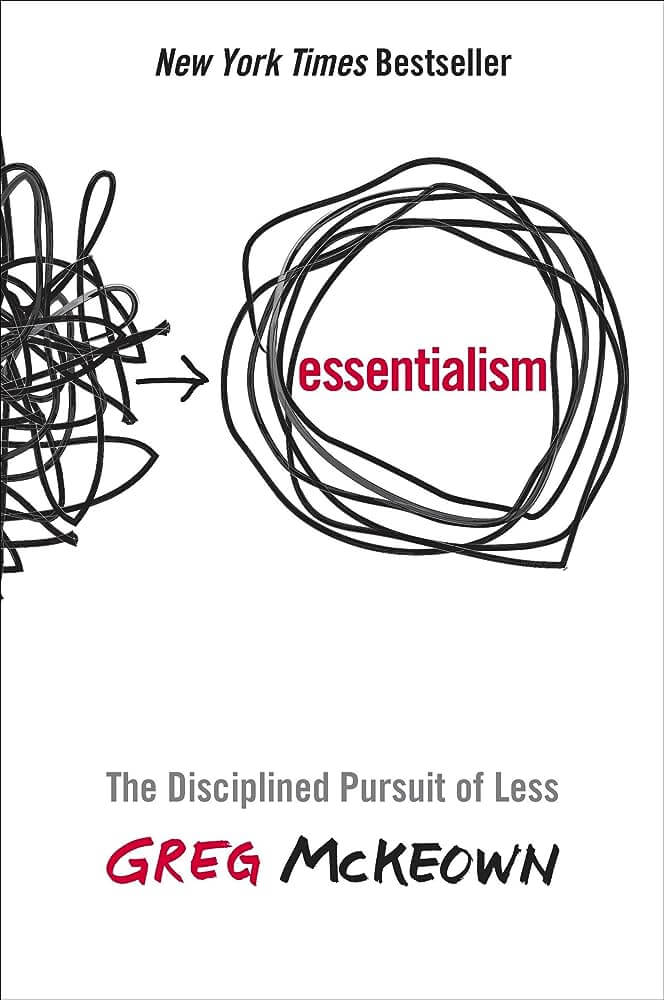
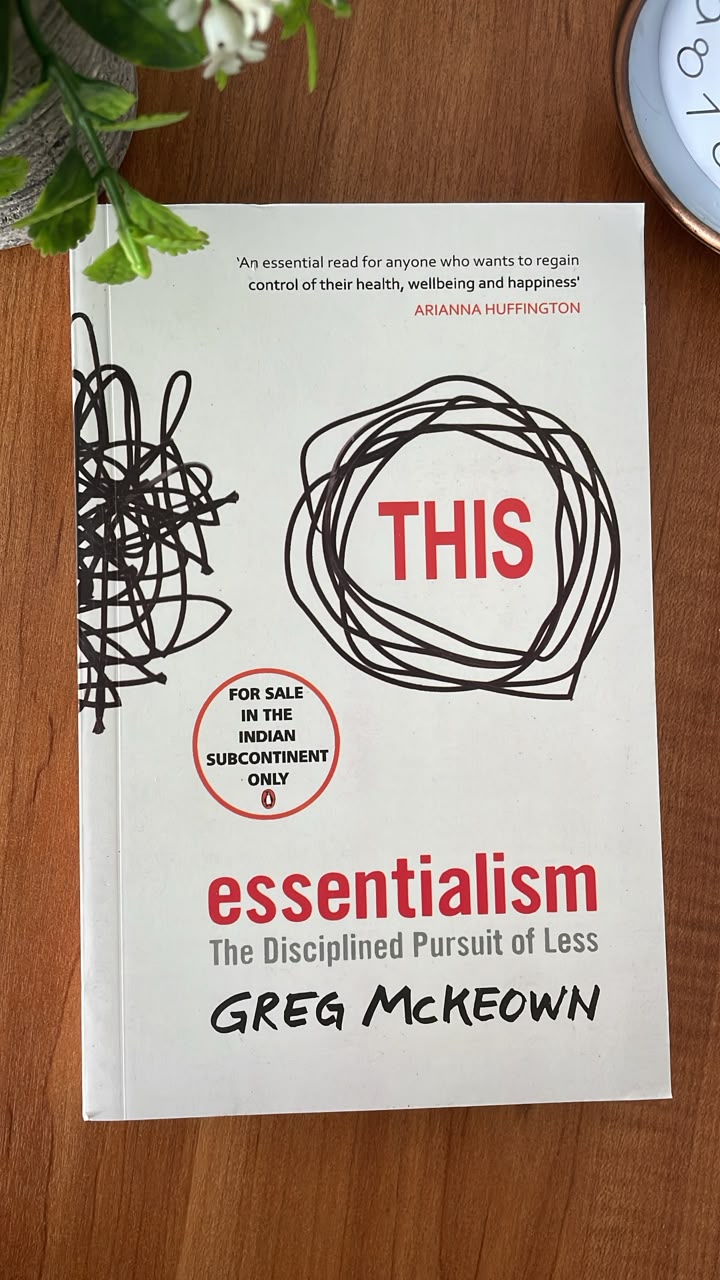
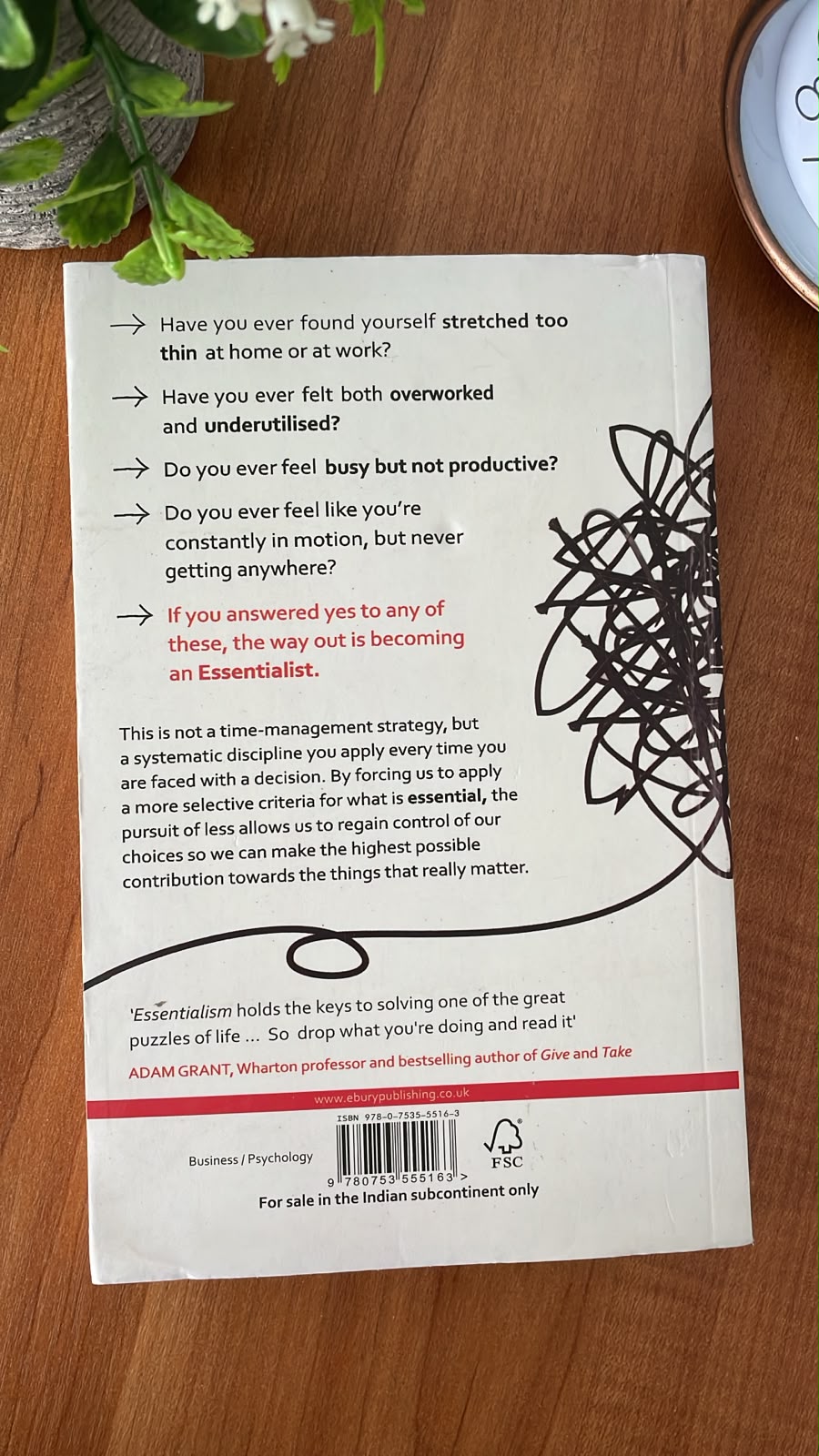
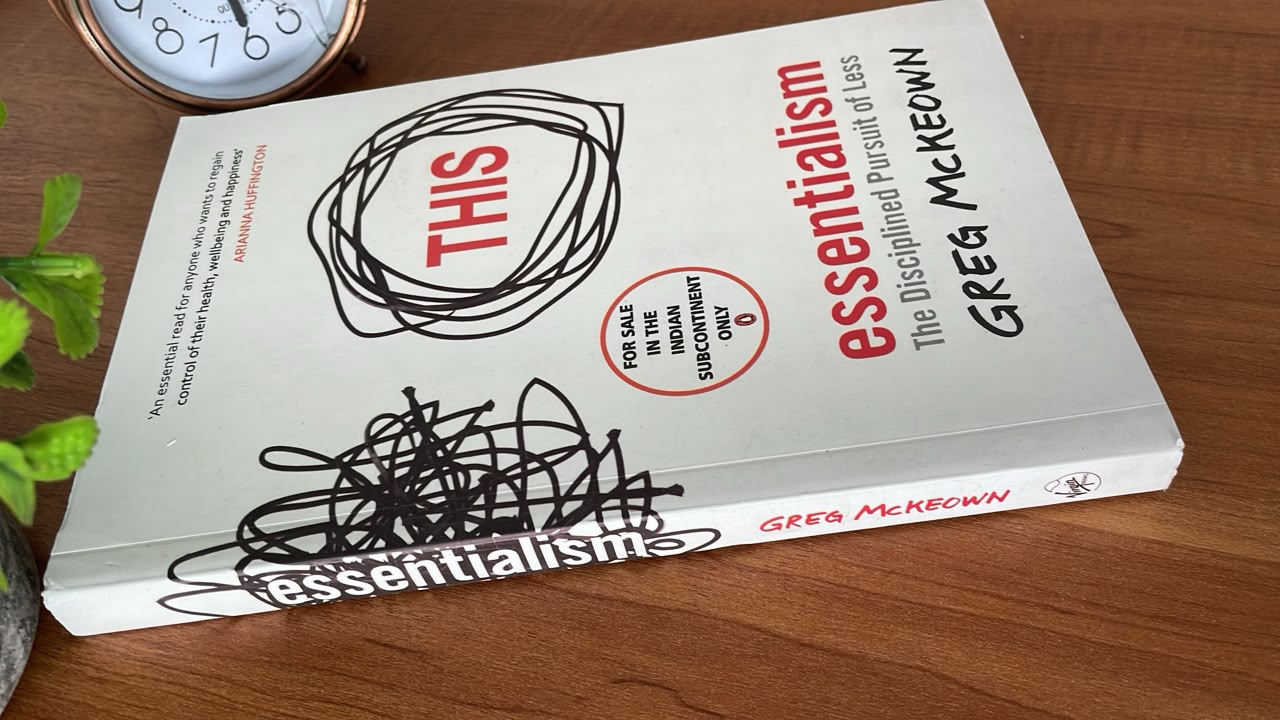


Essentialism by Greg McKeown

Original price was: රු2,300.00.රු2,000.00Current price is: රු2,000.00.
3 X Rs. 666.67 or 8% Cashback with


or 3 X රු666.67 with


or up to 4 X රු500.00 with


“Essentialism: The Disciplined Pursuit of Less” by Greg McKeown is a transformative guide that teaches readers how to focus on what truly matters by eliminating non-essential activities and commitments. Through practical advice and a streamlined approach, McKeown provides strategies for achieving greater effectiveness and satisfaction in both personal and professional life by embracing simplicity and intentionality.
17 in stock
Essentialism by Greg McKeown is a powerful productivity and personal-development book about focusing your time, attention and energy on what truly matters.
Modern life constantly demands more.
More meetings.
More messages.
More projects.
More responsibilities.
More opportunities.
More decisions.
The problem is that trying to do everything can make it difficult to do anything exceptionally well.
Essentialism offers a different approach.
Rather than asking how to fit everything into your schedule, Greg McKeown encourages readers to identify the few things that matter most and deliberately eliminate the rest.
His central philosophy is simple:
Do less, but better.
McKeown explains that Essentialism is not merely another time-management technique. It is a disciplined system for identifying what is essential, removing what is not, and directing resources toward the activities where you can make your highest contribution.
Why Read Essentialism?
Essentialism is especially useful for people who feel constantly busy but rarely feel genuinely productive.
You may complete dozens of tasks.
Answer emails.
Attend meetings.
Reply to messages.
Handle small emergencies.
Yet the project that actually matters remains unfinished.
The issue may not be effort.
It may be focus.
McKeown argues that when everything becomes important, nothing is truly prioritized.
Essentialism helps readers become more selective.
Essentialism and Doing Less but Better
The central idea of Essentialism is not simply doing fewer things.
Doing less without purpose would not necessarily improve anything.
The goal is to eliminate lower-value activities so that you can give greater attention to what truly matters.
McKeown describes this as the disciplined pursuit of less.
Imagine spreading your energy across twenty projects.
Each receives a small amount of attention.
Now imagine concentrating the same energy on three priorities.
Those three may receive dramatically better execution.
That is the difference between being busy and making meaningful progress.
Not Everything Is Equally Important
One of the strongest lessons in Essentialism is that opportunities do not have equal value.
Some tasks create enormous results.
Others create almost none.
Yet people often treat both with similar urgency.
A message arrives.
You respond.
A meeting invitation appears.
You accept.
Someone asks for help.
You immediately say yes.
Soon, your day is controlled by other people’s priorities.
Essentialism encourages readers to pause before committing.
Ask:
Is this truly important?
Does it support my highest priorities?
What am I giving up by saying yes?
Essentialism and the Power of Choice
Choice is central to McKeown’s philosophy.
People often say:
“I have to.”
“I don’t have a choice.”
“Everyone expects me to.”
But many commitments began with a choice, even if that choice was made automatically.
McKeown contrasts the nonessentialist attitude of “I have to” with the Essentialist mindset of “I choose to.”
Recognizing choice creates responsibility.
It also creates freedom.
You begin deciding more carefully where your time goes.
Learn to Say No
Saying no is difficult.
People fear disappointing others.
They worry about appearing rude.
They want to be helpful.
But every yes contains a hidden no.
If you say yes to another unnecessary meeting, you may be saying no to focused work.
If you accept another project, you may reduce the quality of your existing commitments.
If you continually agree to other people’s priorities, you may have little time left for your own.
Essentialism teaches that saying no can be necessary for protecting important work.
Essentialism and Trade-Offs
Every decision involves a trade-off.
You cannot attend two meetings happening at the same time.
You cannot spend the same hour both working and resting.
You cannot direct your full attention toward ten priorities simultaneously.
Nonessential thinking asks:
“How can I do both?”
Essential thinking asks:
“Which matters more?”
McKeown explicitly places trade-offs at the heart of the Essentialist mindset.
Accepting trade-offs makes prioritization easier.
Create Space to Think
Constant activity leaves little room for reflection.
But important decisions often require thinking.
What should you stop doing?
Which project creates the most value?
Which opportunity deserves your attention?
Where is your time being wasted?
McKeown’s framework begins with exploring and evaluating what is truly important before eliminating distractions and executing on priorities.
Thinking is therefore not wasted time.
It helps determine where effort should go.
Essentialism and Focus
Focus becomes difficult when attention is divided.
Notifications.
Emails.
Meetings.
Phone calls.
Social media.
Multiple projects.
Each demands a small piece of attention.
But deep, meaningful work often requires uninterrupted concentration.
Essentialism encourages readers to protect their ability to focus instead of allowing every external demand to become an immediate priority.
Fewer priorities can create better execution.
Separate the Vital Few From the Trivial Many
Many activities appear important because they are urgent.
But urgency and importance are different.
A minor email may demand an immediate response.
A strategic project may not demand anything today.
Yet the strategic project could matter far more six months from now.
Essentialism asks readers to separate the vital few from the many less-important activities competing for attention.
This helps prevent urgent but low-value work from controlling the entire day.
Essentialism and Productivity
Traditional productivity often focuses on efficiency.
How can you complete tasks faster?
How can you fit more into the day?
Essentialism asks a different question:
Should this task be done at all?
That question can be more powerful.
Completing an unnecessary task faster still means spending time on something unnecessary.
Removing it creates real capacity.
McKeown explicitly says Essentialism is not about getting more things done in less time; it is about getting the right things done.
Eliminate Before You Optimize
People often try to optimize complicated schedules.
New apps.
New productivity systems.
New calendars.
New workflows.
But sometimes the simplest improvement is elimination.
Remove unnecessary meetings.
Cancel low-value commitments.
Reduce unnecessary reports.
Stop participating in projects that no longer matter.
Then optimize what remains.
Elimination creates room.
Essentialism and Boundaries
Boundaries protect priorities.
Without boundaries, other people’s requests can automatically become your responsibilities.
A colleague asks for help.
A client adds another request.
Someone schedules a meeting.
Your calendar fills.
Boundaries do not mean refusing everything.
They mean deciding deliberately what deserves access to your time and attention.
That helps prevent resentment and overload.
If It Isn’t a Clear Yes, Think Carefully
Many decisions are not between good and bad.
They are between several good opportunities.
This makes prioritization harder.
The problem is that accepting every decent opportunity can prevent you from pursuing an exceptional one.
Essentialism encourages stricter criteria.
Instead of asking:
“Is this good?”
Ask:
“Is this important enough to deserve my limited time?”
That higher standard helps eliminate mediocre commitments.
Essentialism and Execution
Identifying priorities is only one part of the process.
The work still has to happen.
McKeown structures the Essentialist approach around three broad stages: Explore and Evaluate, Eliminate, and Execute.
First, determine what matters.
Then remove what does not.
Finally, create systems that make execution easier.
This prevents Essentialism from becoming merely a philosophy about saying no.
The ultimate goal is better results.
Remove Obstacles
Execution becomes easier when friction is reduced.
If an important task repeatedly gets delayed, ask why.
Is the goal unclear?
Are interruptions constant?
Is the process too complicated?
Are too many approvals required?
Is the first step difficult to identify?
An Essentialist does not only use discipline.
They try to remove obstacles so the right actions become easier. McKeown contrasts forcing execution at the last moment with intentionally removing barriers to execution.
Essentialism and Business
Business leaders often face too many opportunities.
New products.
New markets.
New partnerships.
New features.
New projects.
Saying yes to everything can dilute resources.
Money becomes scattered.
Teams lose focus.
Priorities change constantly.
Essentialism can help organizations ask:
What are we uniquely positioned to do well?
Which initiative matters most?
What should we stop doing?
Strategic focus often requires elimination.
Essentialism for Managers
Managers can unintentionally create nonessential work.
Too many meetings.
Too many priorities.
Constant changes.
Unclear responsibilities.
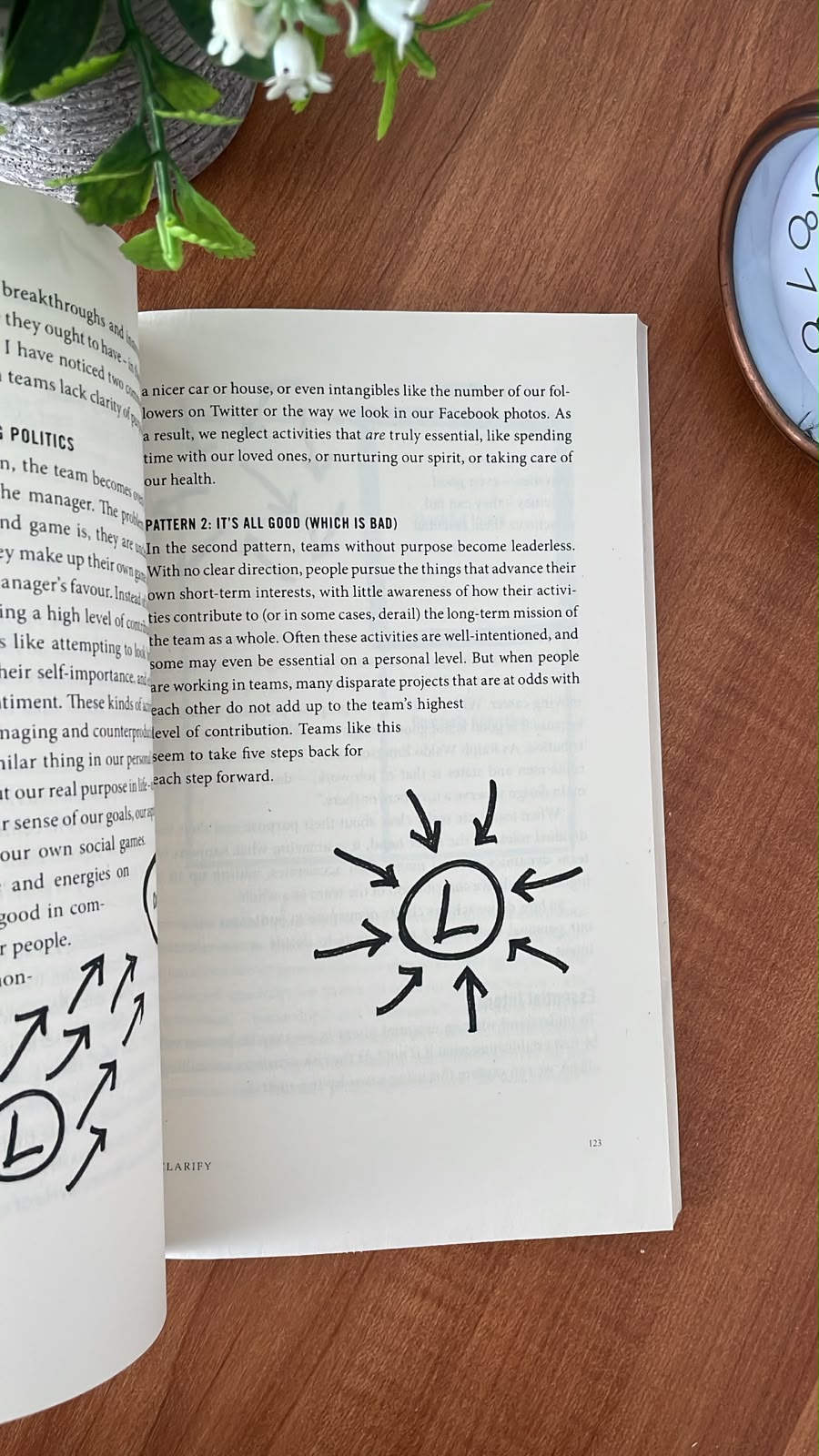
Employees then spend more time managing competing demands than completing meaningful work.
Managers can apply Essentialism by creating clarity.
Define the most important goals.
Reduce unnecessary projects.
Protect focused work.
Make trade-offs explicit.
A smaller number of priorities can make teams more effective.
Essentialism for Entrepreneurs
Entrepreneurs often have unlimited ideas but limited resources.
Time is limited.
Money is limited.
Employees are limited.
Attention is limited.
That makes selection essential.
A startup trying to serve everyone can struggle to serve anyone exceptionally well.
Essentialism helps entrepreneurs concentrate resources around the few actions most likely to create meaningful progress.
Essentialism for Students
Students face similar problems.
Classes.
Assignments.
Exams.
Social activities.
Projects.
Part-time work.
Learning to prioritize can reduce unnecessary stress.
Instead of trying to give every task equal attention, determine what matters most.
Which exam requires the most preparation?
Which deadline is closest?
Which assignment has the largest impact?
Then organize your effort around those priorities.
Rest Is Not Wasted Time
People sometimes treat rest as the opposite of productivity.
But exhausted people make poorer decisions.
Their concentration declines.
Their creativity suffers.
Rest can support better performance.
Essentialism challenges the assumption that constant activity is always productive.
Doing less can sometimes create better work precisely because you have more energy for the things that remain.
7 Powerful Lessons From Essentialism
- Do Less, But Better – Concentrate effort on fewer activities that genuinely matter.
- Recognize Your Choices – Replace automatic “I have to” thinking with more deliberate choices.
- Accept Trade-Offs – Choosing one priority often means deliberately rejecting another.
- Learn to Say No – Protect time and energy from commitments that do not support your highest priorities.
- Separate the Vital Few From the Trivial Many – Not every opportunity deserves equal attention.
- Eliminate Before Optimizing – Removing unnecessary work can create more value than completing it faster.
- Make Execution Easier – Remove obstacles and build routines that help important work happen consistently.
What You Can Learn From Essentialism
Readers can explore:
- Focus
- Productivity
- Prioritization
- Time management
- Saying no
- Decision-making
- Personal development
- Leadership
- Business strategy
- Work-life balance
- Self-management
- Goal setting
- Attention management
- Simplification
- Discipline
- Meaningful work
- Personal effectiveness
Who Should Read Essentialism?
Essentialism is ideal for professionals who feel overcommitted or overwhelmed.
Managers can use its ideas to create clearer priorities.
Entrepreneurs can apply it when deciding which opportunities deserve limited resources.
Students can use the principles to manage competing responsibilities.
Busy professionals may find it useful for protecting focused work.
It is especially relevant for anyone who regularly ends the day feeling busy but uncertain whether they worked on what actually mattered.
A Powerful Guide to Doing Less but Better
Essentialism challenges the assumption that success requires doing everything.
Greg McKeown offers a different strategy.
Explore what matters.
Eliminate what does not.
Execute what remains.
Protect your choices.
Accept trade-offs.
Say no when necessary.
Focus deeply on the work capable of creating the greatest contribution.
McKeown describes Essentialism as a mindset and a way of life rather than simply another productivity technique.
For readers interested in productivity, leadership, focus and intentionally designing how they spend their limited time and energy, Essentialism by Greg McKeown is an excellent addition to any personal-development or business bookshelf.
Book Details
Full Title: Essentialism: The Disciplined Pursuit of Less
Author: Greg McKeown
Genre: Productivity / Business / Personal Development / Leadership
Original Publication: 2014.
A current Crown Currency paperback edition is listed as:
ISBN-13: 9780804137409
Format: Paperback
Publisher: Crown Currency
Publication Date: December 29, 2020
Pages: 304
Dimensions: approximately 5-3/16 × 8 inches.
Edition Note
A 10th Anniversary Edition was introduced in 2024 with a new introduction and a bonus 21-Day Essentialism Challenge.
Because several editions exist, use the ISBN and page count printed on your actual copy when creating the product listing. https://yourwebsite.com/essentialism/

| Weight | 0.210 kg |
|---|---|
| Dimensions | 19.8 × 1.74 × 12.9 cm |
| Author | Greg McKeown |
| Type | Paperback Printed Book |
| Language | English |
| Pages | 288 |
| ISBN/ISSN | 0753558696 |
Be the first to review “Essentialism by Greg McKeown”
Related products
-34%

Self-Help & Psychology
Original price was: රු2,350.00.රු1,550.00Current price is: රු1,550.00.
3 X Rs. 516.67 or 8% Cashback with
or 3 X රු516.67 with
or up to 4 X රු387.50 with
-19%
Out of stock
Non-Fiction & Knowledge
Original price was: රු2,650.00.රු2,150.00Current price is: රු2,150.00.
3 X Rs. 716.67 or 8% Cashback with
or 3 X රු716.67 with
or up to 4 X රු537.50 with

Non-Fiction & Knowledge
රු1,950.00
3 X Rs. 650.00 or 8% Cashback with
or 3 X රු650.00 with
or up to 4 X රු487.50 with
-26%
Non-Fiction & Knowledge
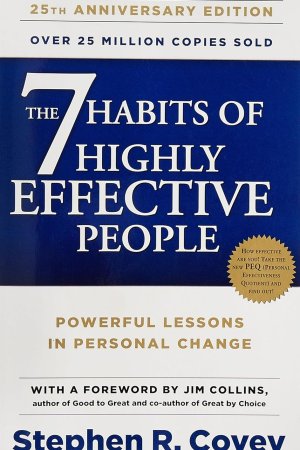
The 7 Habits of Highly Effective People by Stephen R. Covey – Blue Cover
Original price was: රු2,300.00.රු1,700.00Current price is: රු1,700.00.
3 X Rs. 566.67 or 8% Cashback with
or 3 X රු566.67 with
or up to 4 X රු425.00 with

Out of stock
Non-Fiction & Knowledge
රු1,900.00
3 X Rs. 633.33 or 8% Cashback with
or 3 X රු633.33 with
or up to 4 X රු475.00 with
-13%
Out of stock
Non-Fiction & Knowledge
Original price was: රු3,850.00.රු3,350.00Current price is: රු3,350.00.
3 X Rs. 1,116.67 or 8% Cashback with
or 3 X රු1,116.67 with
or up to 4 X රු837.50 with
Non-Fiction & Knowledge
රු1,800.00
3 X Rs. 600.00 or 8% Cashback with
or 3 X රු600.00 with
or up to 4 X රු450.00 with
Out of stock
Self-Help & Psychology
රු2,200.00
3 X Rs. 733.33 or 8% Cashback with
or 3 X රු733.33 with
or up to 4 X රු550.00 with
Reviews
There are no reviews yet.