
No products in the cart.
-21%
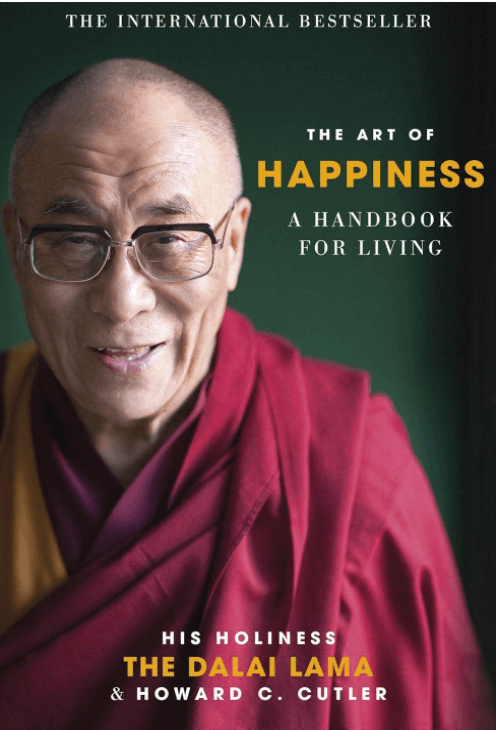
The Art of Happiness by Dalai Lama


Original price was: රු2,400.00.රු1,900.00Current price is: රු1,900.00.
3 X Rs. 633.33 or 8% Cashback with


or 3 X රු633.33 with


or up to 4 X රු475.00 with


Discover the path to lasting joy with ‘The Art of Happiness’ by the Dalai Lama and Howard Cutler. This bestselling guide combines ancient wisdom with modern psychology to offer practical insights for a more fulfilling life. Ideal for readers seeking happiness, inner peace, and a holistic approach to well-being.
10 in stock
The Art of Happiness by Dalai Lama
The Art of Happiness by Dalai Lama is an inspiring guide to understanding happiness and creating greater peace in everyday life.
Written with psychiatrist Howard C. Cutler, the book combines the Dalai Lama’s perspectives with conversations and observations about human emotions and well-being.
It encourages readers to look beyond temporary pleasure and think more deeply about what creates lasting happiness.
Why Read The Art of Happiness by Dalai Lama?
The Art of Happiness by Dalai Lama is suitable for readers interested in personal development, mindfulness, emotional well-being, compassion, and positive living.
The book explores the idea that happiness is not determined entirely by money, success, possessions, or external circumstances.
Our attitudes and ways of thinking can also influence how we experience life.
This makes happiness something we can actively work toward.
Happiness as a Purpose in Life
One of the central ideas of the book is that people naturally seek happiness.
Different people may pursue it in different ways.
Some focus on careers.
Others focus on relationships, money, achievements, or experiences.
The book encourages readers to examine whether these things create lasting satisfaction or only temporary pleasure.
Training the Mind
The Art of Happiness by Dalai Lama emphasizes the importance of developing healthier ways of thinking.
Thought patterns can influence how we react to difficult situations.
Constant comparison can create dissatisfaction.
Anger can affect relationships.
Fear can prevent people from taking meaningful action.
By becoming more aware of these patterns, readers can begin responding differently.
The Importance of Compassion
Compassion is another major theme in the book.
Understanding the experiences of other people can change the way we interact with them.
When we recognize that everyone faces difficulties, it becomes easier to respond with patience.
Compassion can also strengthen relationships.
It encourages understanding instead of immediate judgment.
Happiness and Relationships
Relationships play an important role in emotional well-being.
People naturally want connection.
However, relationships can also create disappointment, conflict, and misunderstanding.
The book encourages readers to develop relationships based on respect and genuine care.
Healthy relationships can become an important source of support and meaning.
Dealing With Difficult Emotions
The Art of Happiness by Dalai Lama also explores difficult emotions.
Anger, fear, jealousy, frustration, and sadness are part of human life.
Trying to eliminate every uncomfortable feeling is unrealistic.
Instead, readers are encouraged to understand where these emotions come from.
Greater awareness can make it easier to prevent emotions from controlling our actions.
Responding to Anger
Anger can feel powerful in the moment.
It can influence the words we use and the decisions we make.
The book encourages readers to examine anger carefully.
A pause can prevent an emotional reaction from becoming a larger conflict.
Understanding another person’s perspective can also reduce unnecessary hostility.
Facing Suffering
Life inevitably includes difficulties.
People experience loss, disappointment, uncertainty, illness, failure, and change.
The book does not suggest that happiness means avoiding every painful experience.
Instead, it explores how our perspective can influence the way we respond to difficult circumstances.
Resilience can grow when we learn to accept that challenges are part of life.
Changing Your Perspective
Sometimes a situation cannot be changed immediately.
Our perspective, however, may still change.
Looking at a problem from another angle can reveal possibilities that were difficult to see before.
This does not mean pretending problems do not exist.
It means developing greater flexibility in the way we think about them.
The Difference Between Pleasure and Happiness
The Art of Happiness by Dalai Lama encourages readers to distinguish temporary pleasure from deeper happiness.
Buying something new may feel exciting.
Receiving praise can feel rewarding.
Achieving a goal may create satisfaction.
However, these feelings may eventually fade.
Lasting happiness may depend more on inner stability, relationships, compassion, and a meaningful approach to life.
Stop Comparing Yourself With Others
Comparison can become a major source of dissatisfaction.
There will almost always be someone who appears wealthier, more successful, more attractive, or more accomplished.
Constant comparison can make achievements feel insufficient.
The book encourages a more balanced approach.
Instead of measuring life entirely against other people, readers can focus on their own values and development.
Developing Inner Peace
Inner peace does not mean living without problems.
It means developing the ability to remain more balanced when difficulties appear.
A calmer mind can make better decisions.
It can also improve communication and relationships.
The Art of Happiness by Dalai Lama presents happiness as something closely connected with this inner stability.
A Practical Approach to Happiness
The book is not only philosophical.
Many of its ideas can be considered during ordinary situations.
Readers can practise patience during a disagreement.
They can become more aware of negative thinking.
They can develop greater compassion toward another person.
Small changes in everyday behaviour can gradually influence emotional well-being.
Perfect for Personal Development Readers
This book is a strong choice for readers interested in:
- Happiness
- Personal development
- Mindfulness
- Inner peace
- Compassion
- Positive thinking
- Emotional well-being
- Relationships
- Self-awareness
- Buddhist philosophy
- Personal growth
- Meaningful living
Its accessible approach makes it suitable for readers from many different backgrounds.
About the Dalai Lama and Howard C. Cutler
The Dalai Lama is a Buddhist spiritual teacher whose writings and talks frequently explore compassion, peace, ethics, and human happiness.
Howard C. Cutler is a psychiatrist who helped shape the book through conversations with the Dalai Lama.
Their different perspectives allow the book to connect spiritual ideas with questions about everyday emotional life.
Readers can learn more through the official Dalai Lama Art of Happiness page.
A Book to Revisit
The Art of Happiness by Dalai Lama contains ideas that may become more meaningful at different stages of life.
A lesson about relationships may feel especially relevant during one period.
Ideas about suffering or perspective may become more important during another.
This makes the book suitable for rereading rather than simply finishing once.
Build Your Self-Development Collection
Readers who enjoy this title can also explore more Self-Development Books, Mindfulness Books, and Personal Growth Books available in our bookstore.
Books about happiness and emotional awareness can provide useful perspectives on everyday challenges.
The Art of Happiness is a meaningful addition to a collection focused on personal growth and inner well-being.
Buy The Art of Happiness by Dalai Lama in Sri Lanka
Looking for The Art of Happiness by Dalai Lama in Sri Lanka?
This thoughtful book is an excellent choice for readers who want to understand happiness, develop greater compassion, improve relationships, and create more inner peace.
Explore practical and philosophical ideas about how the mind, emotions, relationships, and attitudes influence the way we experience life.
Add this inspiring guide to your bookshelf today.https://www.dalailama.com/books/p4
| Author | Dalai Lama |
|---|---|
| Type | Paperback Printed Book |
| ISBN/ISSN | 978-0340750155, 9780340750155 |
| Language | English |
| Pages | 288 |
Be the first to review “The Art of Happiness by Dalai Lama”
Related products

Non-Fiction & Knowledge
රු1,700.00
3 X Rs. 566.67 or 8% Cashback with
or 3 X රු566.67 with
or up to 4 X රු425.00 with
-18%

Out of stock
Original price was: රු2,800.00.රු2,300.00Current price is: රු2,300.00.
3 X Rs. 766.67 or 8% Cashback with
or 3 X රු766.67 with
or up to 4 X රු575.00 with
-19%

Out of stock
Biography
Original price was: රු2,400.00.රු1,950.00Current price is: රු1,950.00.
3 X Rs. 650.00 or 8% Cashback with
or 3 X රු650.00 with
or up to 4 X රු487.50 with

Non-Fiction & Knowledge
රු1,550.00
3 X Rs. 516.67 or 8% Cashback with
or 3 X රු516.67 with
or up to 4 X රු387.50 with

Non-Fiction & Knowledge
රු1,600.00
3 X Rs. 533.33 or 8% Cashback with
or 3 X රු533.33 with
or up to 4 X රු400.00 with

Non-Fiction & Knowledge
රු1,900.00
3 X Rs. 633.33 or 8% Cashback with
or 3 X රු633.33 with
or up to 4 X රු475.00 with

Non-Fiction & Knowledge
රු1,950.00
3 X Rs. 650.00 or 8% Cashback with
or 3 X රු650.00 with
or up to 4 X රු487.50 with
Out of stock
Autobiography
රු2,750.00
3 X Rs. 916.67 or 8% Cashback with
or 3 X රු916.67 with
or up to 4 X රු687.50 with
Reviews
There are no reviews yet.