No products in the cart.
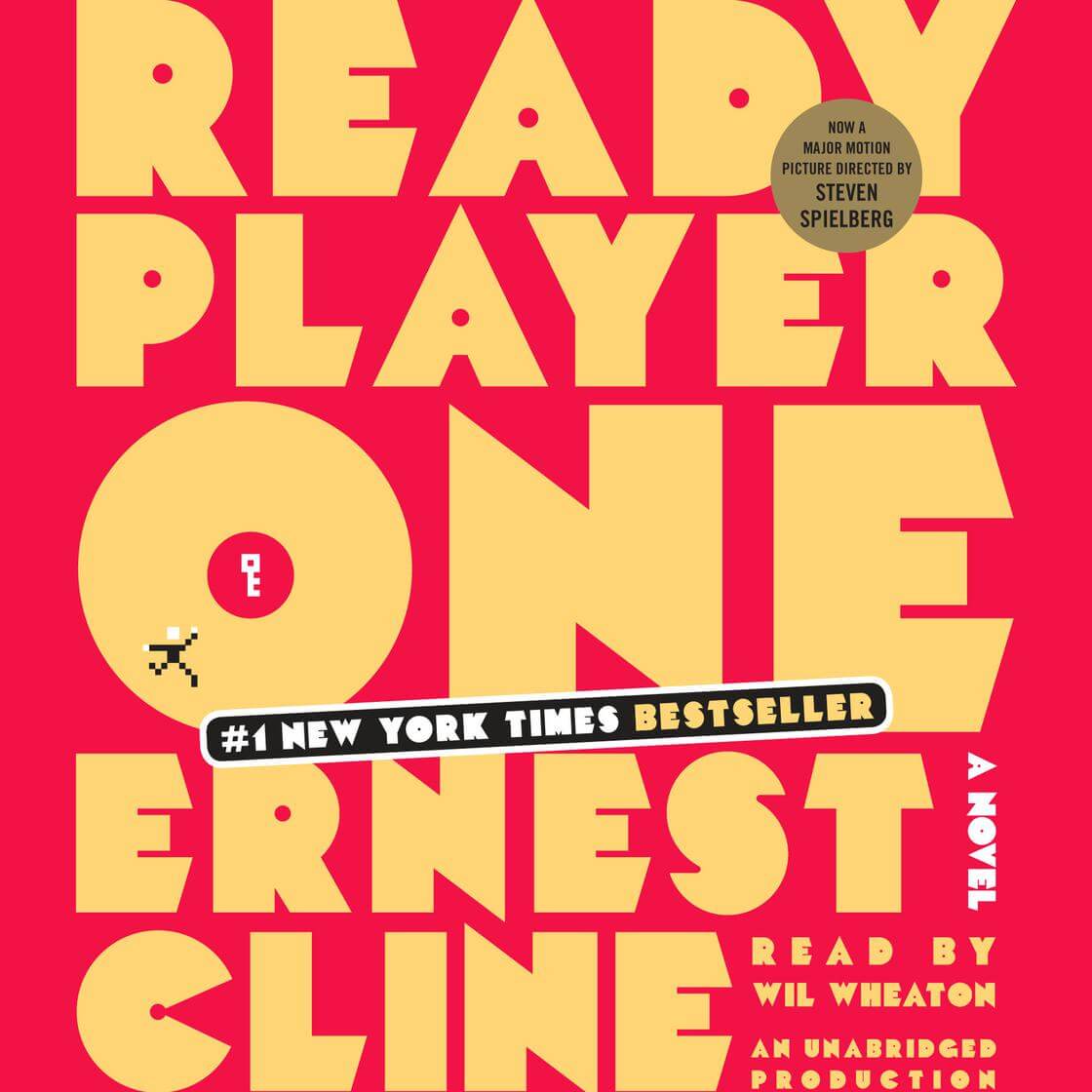
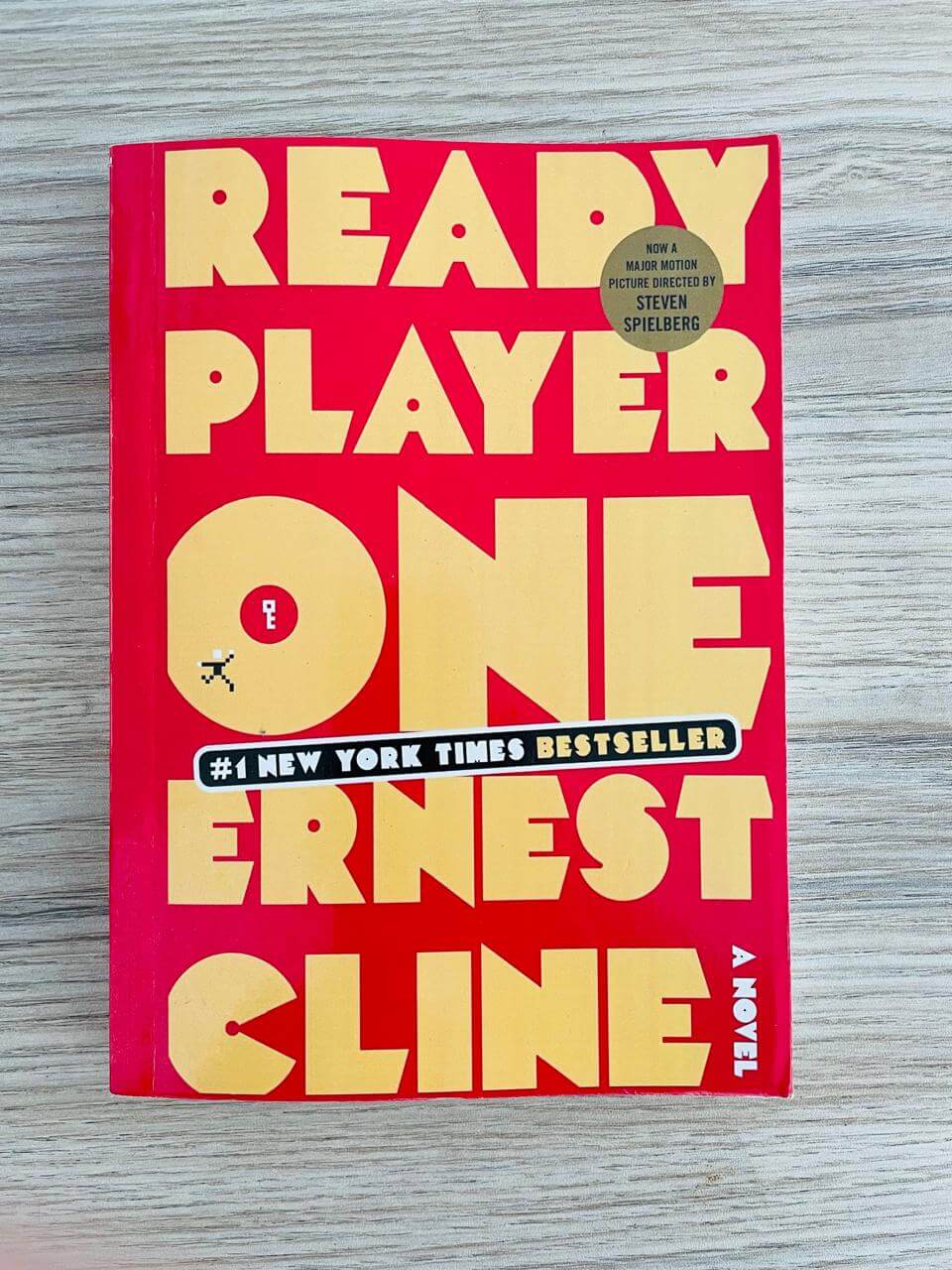
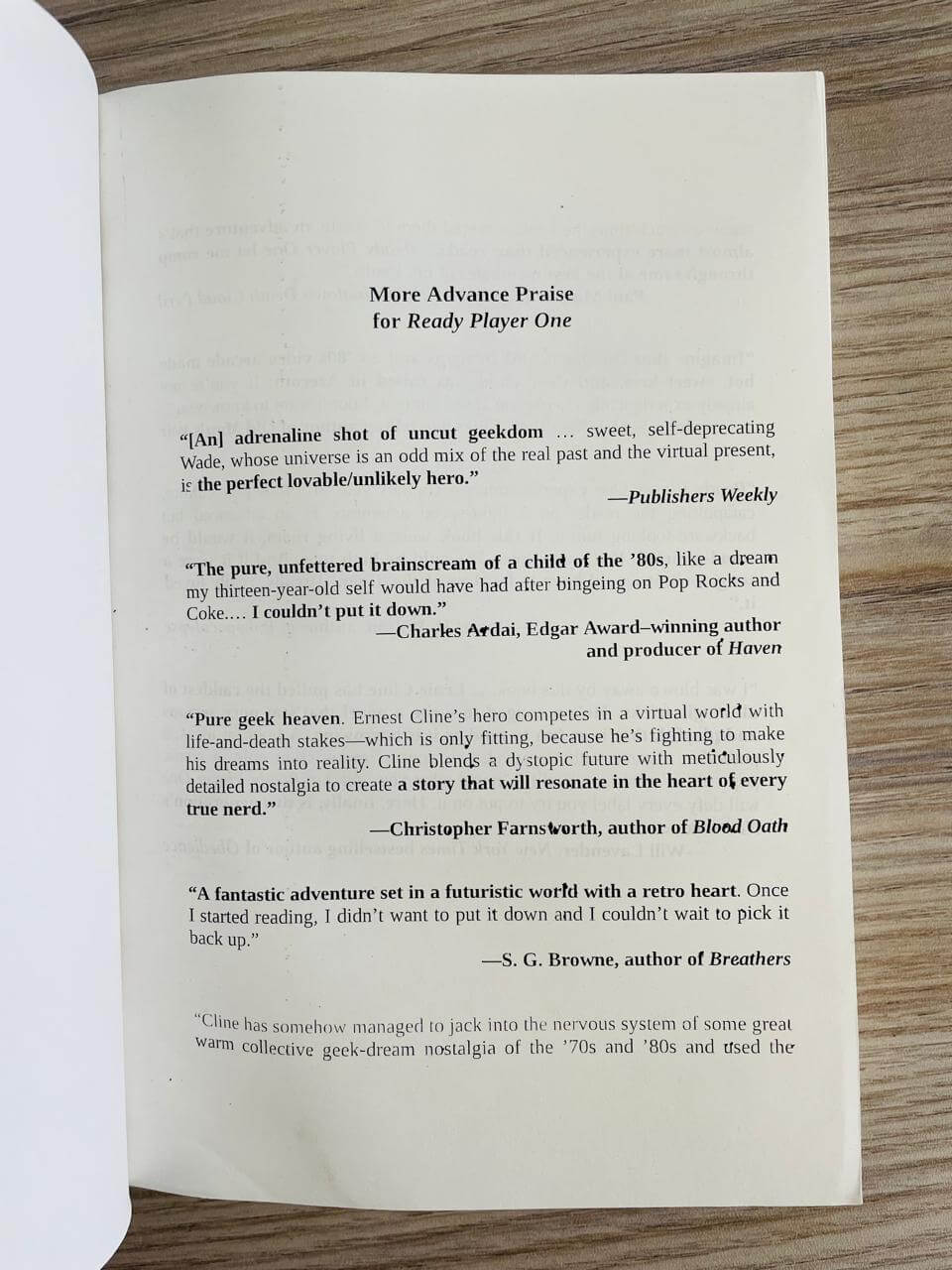
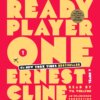
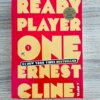





Ready Player by Ernest Cline

රු2,250.00
3 X Rs. 750.00 or 8% Cashback with


or 3 X රු750.00 with


or up to 4 X රු562.50 with


Book Details
- Title: Ready Player One
- Author: Ernest Cline
- Genre: Science Fiction, Dystopian Fiction, Cyberpunk
- Language: English
- First Published: 2011
- Setting: Futuristic Virtual Reality World
- Main Character: Wade Watts
- Themes: Virtual Reality, Gaming, Technology, Adventure, Friendship
- Indian locally published copy
5 in stock
Ready Player One by Ernest Cline is a fast-paced science-fiction adventure packed with virtual reality, gaming, puzzles, friendship, 1980s pop culture and a worldwide competition for control of the most important digital universe on Earth.
The year is 2045.
The real world is in serious trouble.
Energy shortages, poverty and environmental decline have made everyday life difficult for millions of people.
For teenager Wade Watts, reality offers very little to look forward to.
So, like much of humanity, Wade spends most of his time inside the OASIS—a vast virtual-reality universe where people can attend school, play games, meet friends, explore worlds, work, shop and become almost anyone they want to be.
Then the creator of the OASIS, billionaire programmer James Halliday, dies.
But Halliday leaves behind one final challenge.
Hidden somewhere inside the OASIS is an Easter egg.
Whoever finds it will inherit Halliday’s enormous fortune—and control of the OASIS itself.
Millions begin searching.
Years pass.
Nobody succeeds.
Until Wade discovers the first real clue.
Suddenly, the quiet teenager becomes one of the most important players in the world.
But the competition is no longer just a game.
A powerful corporation wants Halliday’s prize.
Other players are racing toward the same goal.
And some competitors are willing to hurt people in the real world to win inside the virtual one.
Ready Player One by Ernest Cline turns a digital treasure hunt into an exciting story about friendship, identity, corporate power, obsession and the difference between escaping reality and actually living in it.
Ready Player One by Ernest Cline – Book Overview
Ready Player One by Ernest Cline combines several genres at once.
Science fiction.
Dystopian fiction.
Adventure.
Gaming fiction.
Treasure hunt.
Coming-of-age story.
Romance.
The novel’s central idea is simple enough to understand immediately:
Find three hidden keys.
Pass the associated challenges.
Locate Halliday’s Easter egg.
Win everything.
But the clues are based heavily on Halliday’s interests—especially classic video games, films, music and popular culture from the 1980s.
That turns the competition into a giant puzzle built from one man’s memories.
Wade Watts
Wade Watts is the main character.
Inside the OASIS, he uses the avatar name Parzival.
In the real world, Wade lives in difficult circumstances and has very little money.
He does not begin as:
A wealthy hero.
A celebrity.
A powerful executive.
Instead, his biggest advantage is knowledge.
Wade has spent years studying:
Halliday.
Old video games.
Movies.
Music.
Role-playing games.
Technology.
The history of the OASIS.
That obsession eventually becomes useful when he notices something millions of other hunters missed.
Parzival
Inside the OASIS, Wade can become Parzival.
This raises one of the central ideas in Ready Player One by Ernest Cline:
Who are you online?
And how different is that person from who you are offline?
In virtual reality, users can change:
Appearance.
Gender presentation.
Body type.
Clothing.
Location.
Social identity.
The OASIS gives people enormous freedom.
But it also makes identity more complicated.
The OASIS
The OASIS stands for an enormous shared virtual environment that has become deeply integrated into society.
People use it for:
Education.
Entertainment.
Communication.
Commerce.
Gaming.
Social life.
Work.
It therefore functions as much more than a game.
For many characters, it is almost a second civilization.
Why People Escape Into the OASIS
The real world is difficult.
The OASIS is colorful, exciting and filled with possibility.
That makes escape understandable.
A person with little money may still be able to explore incredible virtual worlds.
Someone who feels isolated can meet thousands of people.
Someone unhappy with their physical appearance can choose another avatar.
But Ready Player One by Ernest Cline eventually asks whether an escape can become too attractive.
Virtual Reality Versus Reality
One of the strongest themes in the novel is the tension between digital life and physical life.
If the virtual world feels better than reality, why leave?
That question feels increasingly relevant as technology becomes more immersive.
Modern readers may think about:
VR headsets.
Online gaming.
Social media.
Virtual communities.
Digital identities.
AI-generated environments.
The technology in the novel is fictional, but the psychological question is very real.
James Halliday
James Halliday is the brilliant but socially awkward creator of the OASIS.
After his death, a video announcement reveals the competition for his fortune.
Halliday becomes central to the story even though he is already dead.
The hunters must effectively study his entire life.
His interests.
His memories.
His regrets.
His favorite games.
His favorite films.
His personality.
Halliday turns his past into the map for the hunt.
The Easter Egg
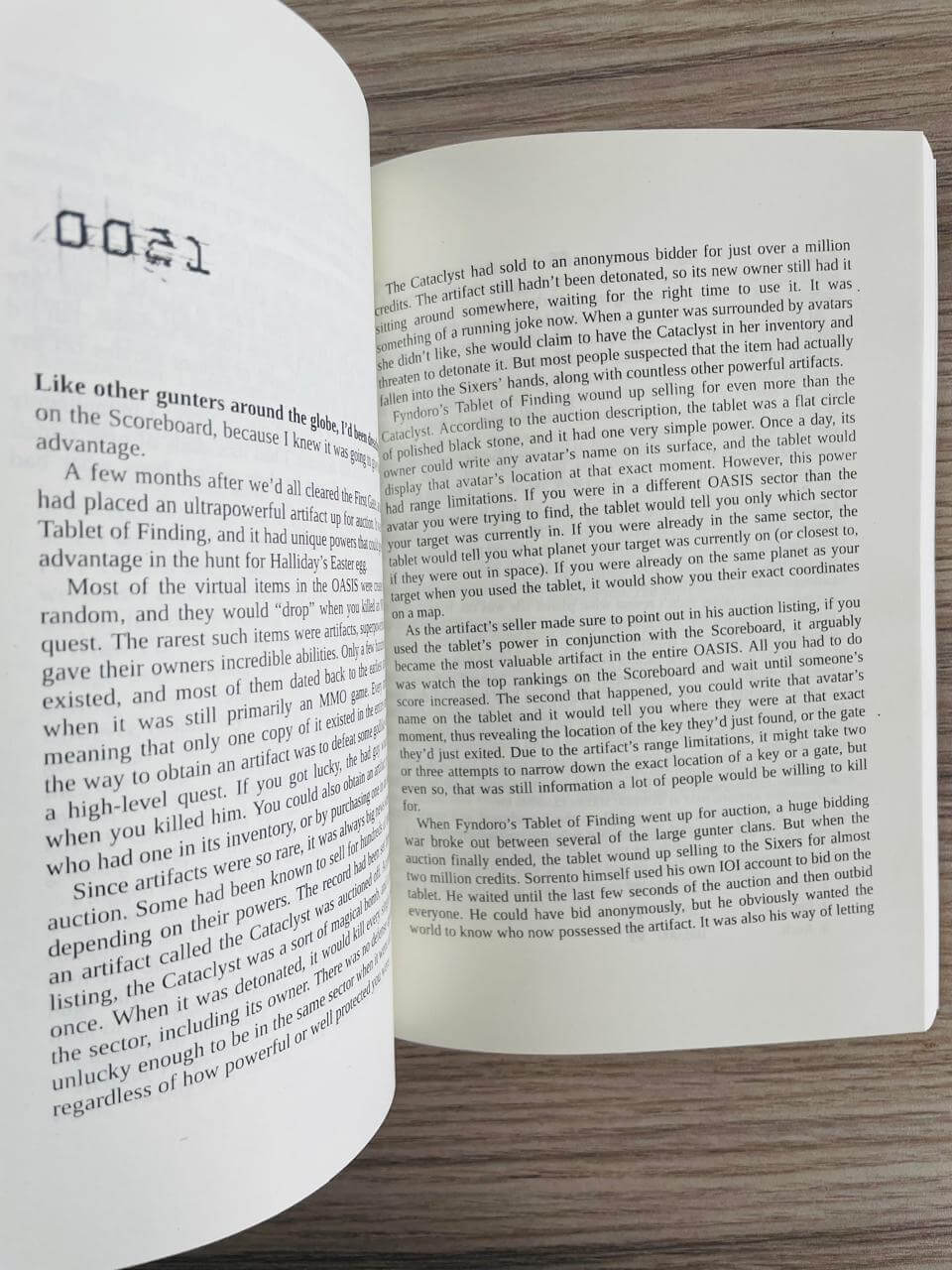
The idea of an Easter egg comes from hidden secrets placed inside games, software or media.
Halliday turns that concept into the largest treasure hunt in human history.
The ultimate Easter egg is hidden somewhere inside an almost unimaginably large virtual universe.
That is what makes finding it seem impossible.
The Gunters
People searching for Halliday’s egg become known as gunters, short for “egg hunters.”
Some dedicate years of their lives to the competition.
They study Halliday almost like a historical figure.
Every tiny detail may matter.
A favorite song.
A game score.
An old movie.
A childhood memory.
This gives the story a puzzle-solving quality.
Knowledge Becomes Power
Wade does not initially win because he has the most expensive equipment.
He gains an advantage because he knows something.
This is one of the fun ideas in Ready Player One by Ernest Cline.
Information can become power.
Observation matters.
Research matters.
Understanding the person who designed the puzzle matters.
1980s Pop Culture
The novel is famous for its enormous number of references to 1980s popular culture.
Readers encounter references connected with:
Arcade games.
Classic computers.
Science-fiction films.
Fantasy films.
Music.
Role-playing games.
Television.
Anime.
Comic culture.
This nostalgia is built directly into the treasure hunt because Halliday himself was obsessed with the era.
Do You Need to Know the 1980s References?
No.
Knowing them can make some scenes more enjoyable.
But the central story still works if you are unfamiliar with many references.
The narrative explains enough for readers to follow the challenge.
You do not need to have grown up in the 1980s.
Ernest Cline himself has noted that younger readers connected with the book despite not personally experiencing the decade.
Art3mis
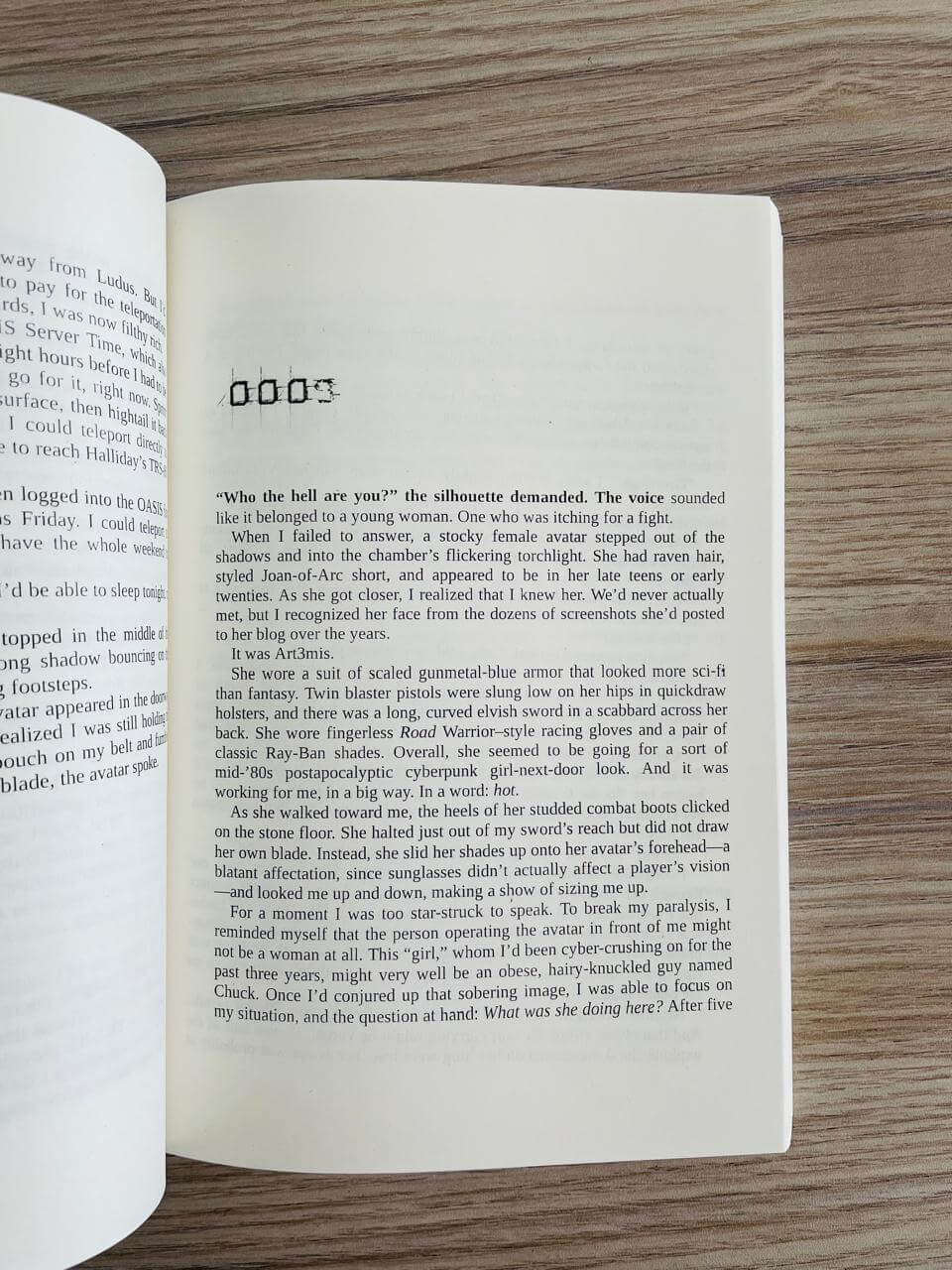
One of Wade’s most important fellow gunters is Art3mis.
She is intelligent.
Competitive.
Independent.
Knowledgeable.
And one of Wade’s strongest rivals for Halliday’s prize.
Their relationship introduces romance into the story, but importantly, Art3mis has her own ambition.
She wants to win.
She is not simply waiting for Wade’s story to happen.
Aech
Aech is Wade’s closest friend inside the OASIS.
Their friendship is based on:
Gaming.
Debate.
Competition.
Shared interests.
The virtual setting makes their relationship especially interesting because people may know someone deeply online without knowing everything about their offline identity.
Online Friendship
The novel asks an important modern question:
Can an online friendship be real?
Wade and Aech demonstrate that emotional connection does not automatically become fake because it happens through technology.
Online friendships can contain:
Trust.
Loyalty.
Shared history.
Support.
But virtual identity can also hide important truths.
Daito and Shoto
Other gunters become increasingly important as the competition develops.
The hunt begins as a rivalry between individuals.
But the growing danger forces people to consider cooperation.
This reinforces another major theme:
Sometimes the person competing with you today may need to become your ally tomorrow.
IOI
The major corporate enemy is Innovative Online Industries, usually called IOI.
The company wants control of the OASIS.
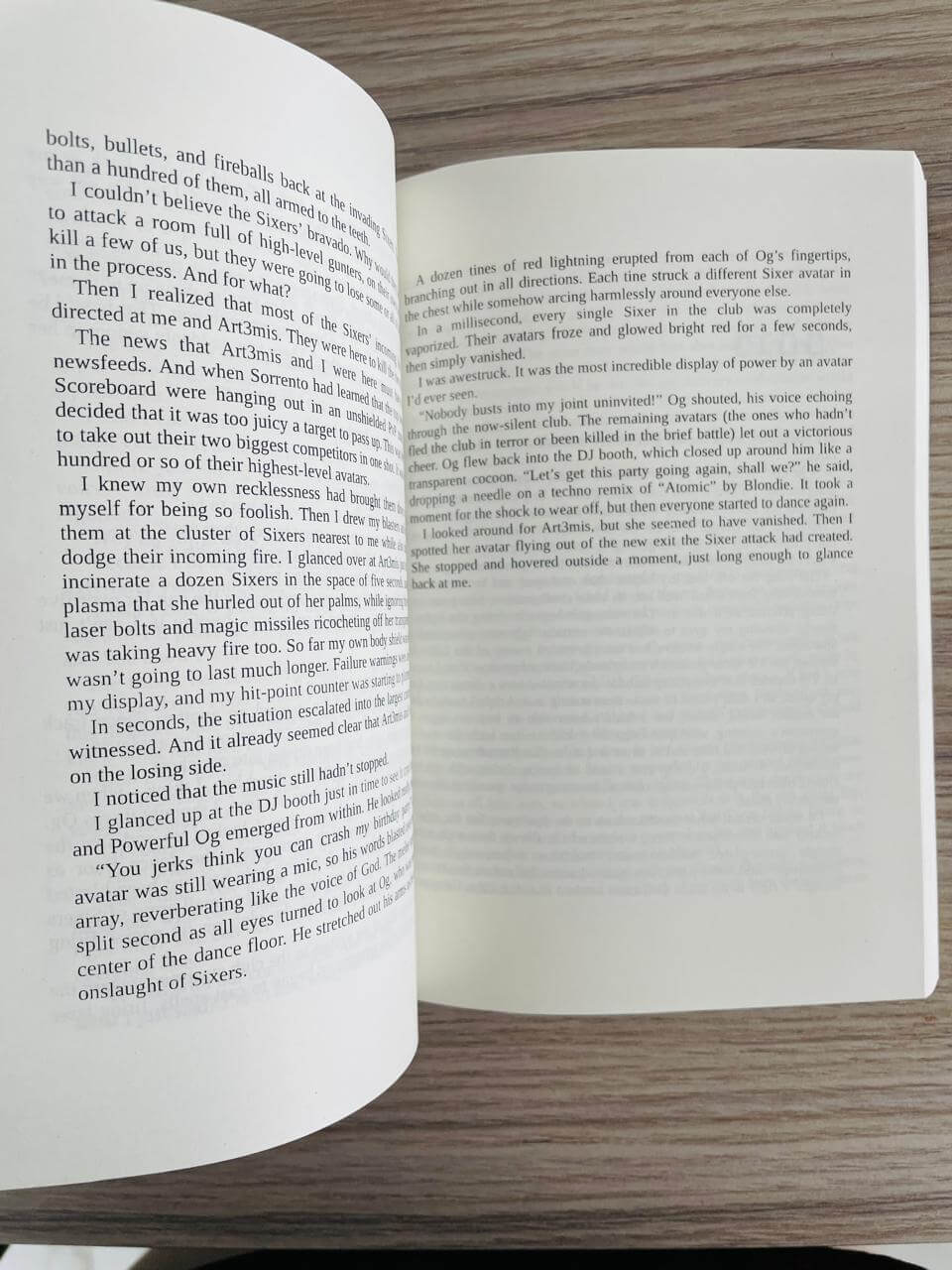
Its employees hunting for Halliday’s egg are often called Sixers.
Unlike independent gunters, IOI has enormous resources.
Money.
Employees.
Technology.
Information.
Infrastructure.
This creates a classic conflict between individuals and a powerful corporation.
Nolan Sorrento
Nolan Sorrento becomes one of the major antagonists.
He represents the corporate side of the hunt.
For Wade and many other users, the OASIS represents freedom.
For IOI, it represents something extraordinarily valuable:
A platform that can be controlled and monetized.
Corporate Control
This gives Ready Player One by Ernest Cline another interesting modern theme.
Who should control digital spaces?
A public-minded creator?
Users?
Governments?
Corporations?
If one company controls the environment where millions of people:
Work.
Study.
Communicate.
Buy things.
Socialize.
then that company possesses enormous influence.
Technology and Monopoly
The OASIS has become so important that control over it means far more than owning a successful game.
It means controlling infrastructure.
This gives Halliday’s inheritance enormous social importance.
The hunt is therefore not only about money.
It is about who controls a digital civilization.
Competition
The hunt encourages extreme competition.
Millions want the same prize.
Only one winner is expected.
That creates:
Rivalry.
Secrecy.
Misdirection.
Obsession.
But the story gradually suggests that cooperation may be more powerful than total isolation.
Friendship Versus Winning
If only one person can win, why help anyone?
This question becomes increasingly important.
Wade has to decide what matters more:
The prize.
His friends.
His principles.
A game can reveal character when winning becomes difficult.
Identity
Virtual worlds allow people to choose how they appear.
That freedom can be empowering.
But it can also create insecurity.
What if someone likes your avatar but not the physical person behind it?
What if your online identity feels more real than your offline one?
Ready Player One by Ernest Cline uses its futuristic setting to explore these very human fears.
Appearance
Wade worries about his body and appearance.
Other characters also manage how they present themselves.
This creates tension between:
Avatar identity.
Physical identity.
Self-image.
Social acceptance.
The novel ultimately pushes characters toward confronting themselves outside the protection of their avatars.
Escapism
Escapism is not presented as completely bad.
Games can provide:
Joy.
Community.
Creativity.
Education.
Friendship.
But escape becomes dangerous when it replaces engagement with reality entirely.
That distinction gives the novel more depth than simply saying technology is good or bad.
Gaming Culture
Gaming is central to the story.
Classic games are treated as:
Art.
History.
Skill.
Shared culture.
The novel respects people who care deeply about games.
This is one reason it became especially popular with gaming and geek-culture audiences.
Easter Eggs in Games
Game designers have long hidden secrets inside games.
Cline expands this small tradition into a civilization-scale mystery.
That makes every game reference potentially significant.
The Quest Structure
The novel works almost like a role-playing game.
There are:
Clues.
Keys.
Gates.
Challenges.
Rivals.
Levels of progress.
This structure gives readers a clear sense of movement.
Each discovery leads to another problem.
Puzzle Solving
The challenges require more than fighting skill.
Wade often needs:
Research.
Memory.
Pattern recognition.
Patience.
Creative thinking.
This makes the story enjoyable for readers who like treasure hunts and riddles.
Technology
The technology in the book includes highly immersive VR hardware and a massive digital ecosystem.
Published in 2011, the novel imagined a future where virtual worlds would become deeply integrated into everyday life.
Some details remain speculative.
Others feel more relevant today because virtual-reality platforms, digital economies and online identities have continued developing.
AI and Virtual Worlds
Although Ready Player One by Ernest Cline is not primarily an AI novel, modern readers may naturally connect its themes with current developments in:
Artificial intelligence.
Virtual reality.
Digital avatars.
Metaverse-style platforms.
Online economies.
The broader question remains:
How much of human life should move into digital environments?
Poverty and Inequality
The novel’s future is not a technological paradise.
Advanced virtual reality exists alongside serious economic inequality.
This is important.
Technology can advance while social conditions remain unfair.
Innovation alone does not automatically solve poverty.
The Stacks
Wade begins in a poor community where trailers are stacked vertically because of overcrowding.
This setting gives the futuristic adventure a dystopian foundation.
The contrast is striking.
The physical world is bleak.
The virtual world appears limitless.
Education
Wade attends school through the OASIS.
This idea highlights one possible advantage of immersive technology.
Students could theoretically access education without living near a physical campus.
But it also raises questions about how much human interaction should happen virtually.
Privacy
The hunt also demonstrates how dangerous personal information can become.
If powerful competitors discover someone’s real-world identity, a virtual rivalry can become physical danger.
This makes online privacy more than an abstract issue.
Digital Identity and Security
Wade must think carefully about:
Passwords.
Real identity.
Location.
Access.
Data.
The story was written before many current debates about digital privacy became as mainstream as they are today.
Yet those questions remain highly relevant.
Fame
Once Wade finds the first clue, he becomes famous.
Suddenly people know the name Parzival.
This demonstrates how quickly online success can transform someone’s life.
Attention creates:
Opportunity.
Pressure.
Risk.
Public expectations.
Obsession
Halliday’s hunt encourages extreme obsession.
Some gunters dedicate years to studying every detail of his life.
That raises a broader question:
When does passion become unhealthy?
Being dedicated can create mastery.
But a life completely organized around one goal can become dangerously narrow.
James Halliday’s Regrets
The treasure hunt also reveals that technical brilliance does not automatically produce a happy life.
Halliday built something revolutionary.
Yet his personal story contains loneliness and regret.
Success in one area cannot completely compensate for neglecting everything else.
Success Versus Life
This becomes one of the novel’s more meaningful lessons.
Winning.
Money.
Achievement.
Technology.
Recognition.
None automatically creates human connection.
That is why the final lesson of the hunt is larger than the prize itself.
Is Ready Player One Part of a Series?
Yes.
Ready Player One by Ernest Cline is followed by:
Ready Player Two
published in 2020.
Your own BookLounge catalogue lists the two titles consecutively as products 10332 and 10339.
Correct Reading Order
Read:
Book 1 – Ready Player One
Book 2 – Ready Player Two
You should read the first novel before Ready Player Two because the sequel continues Wade’s story and assumes knowledge of the original hunt.
Is Ready Player One a Standalone?
The original novel tells a complete central story and can be enjoyed independently.
However, readers who want to continue Wade’s story can move on to Ready Player Two.
Film Adaptation
Ready Player One was adapted into a major film directed by Steven Spielberg.
Ernest Cline also worked as a co-screenwriter on the adaptation.
The film was released in 2018 and introduced Wade, Art3mis and the OASIS to a much larger mainstream audience.
Book Versus Movie
The movie follows the same broad premise but changes many:
Challenges.
References.
Events.
Character moments.
Readers who have already watched the film can therefore still find plenty of surprises in the novel.
The book also has more room to explain:
Wade’s thoughts.
Halliday’s history.
The structure of the OASIS.
The culture of the gunters.
Should You Read the Book Before the Movie?
If possible, yes.
The book lets you experience the puzzles without already knowing the broad outcome.
However, movie viewers can still enjoy the novel because many details differ.
Ernest Cline
Ready Player One was Ernest Cline’s debut novel.
He later wrote Armada and Ready Player Two. Penguin Random House describes him as a bestselling novelist and screenwriter whose books have been published internationally.
Publication
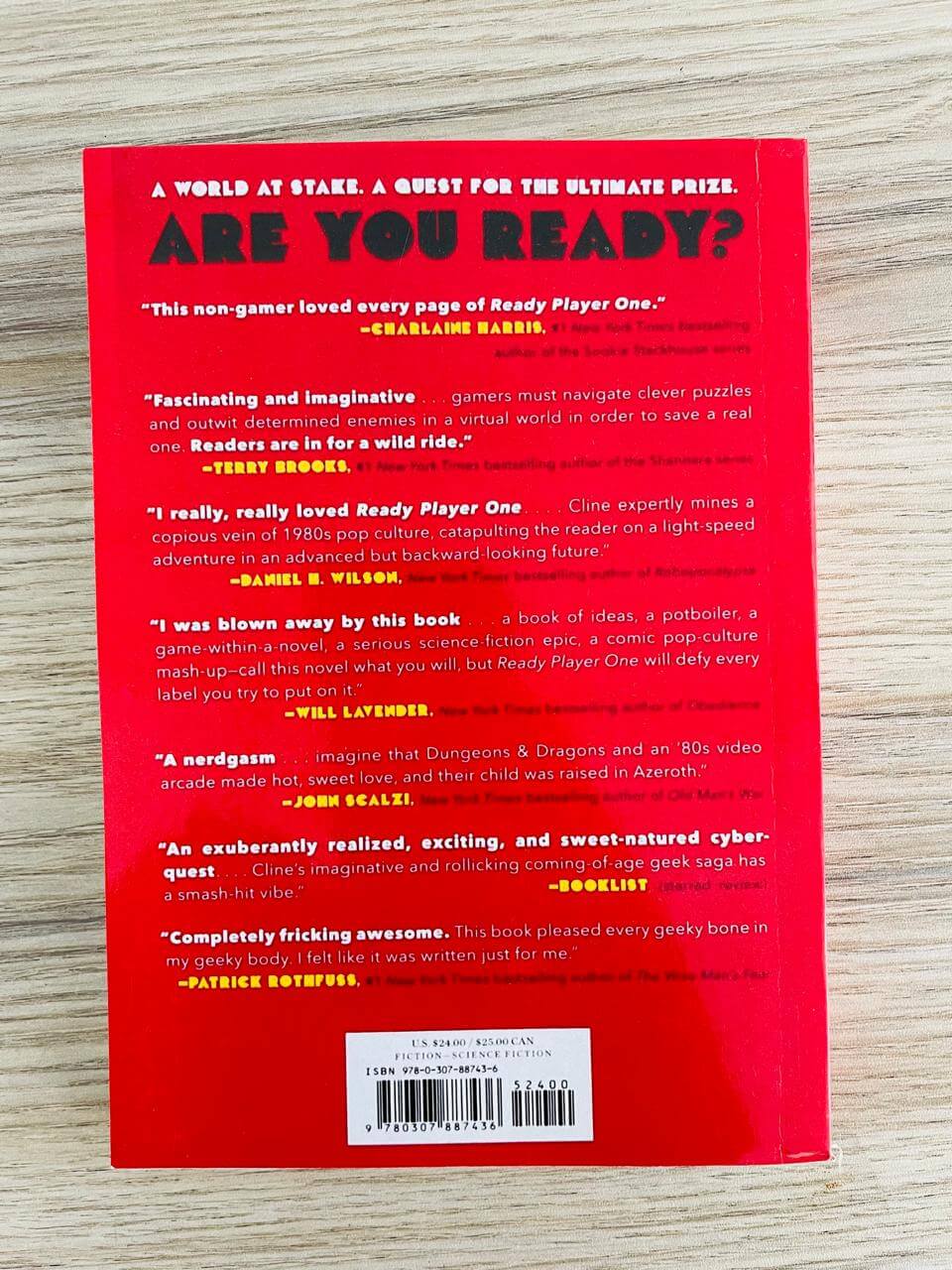
The novel was first published in 2011. Penguin Random House’s U.S. paperback edition is 384 pages and uses ISBN 9780307887443.
Your BookLounge WordPress media for product 10332 uses a cover-image filename containing 9781787461420, indicating that your physical stock may be a different UK paperback edition.
Because multiple editions exist, use the ISBN and page count printed on the physical copy you are selling for your WooCommerce attributes.
Content Considerations
Ready Player One by Ernest Cline contains material including:
- Dystopian poverty and social decline
- Violence
- Death
- Threats and murder
- Corporate abuse of power
- Online harassment and danger
- Strong language
- Sexual references
- Gambling/game-related obsession
- Social isolation
- Body-image insecurity
- Addiction-like technology use
- Some mature humor
The novel is often enjoyed by older teens and adults, but parents should consider the mature language and themes when purchasing for younger readers.
Important Themes
Ready Player One by Ernest Cline explores:
- Virtual reality
- Gaming
- Friendship
- Identity
- Technology
- Corporate power
- Online privacy
- 1980s nostalgia
- Escapism
- Digital communities
- Competition
- Cooperation
- Love
- Poverty
- Inequality
- Obsession
- Self-acceptance
- Reality versus virtual life
- Puzzles
- Personal growth
7 Epic Reasons to Read Ready Player One by Ernest Cline
- The OASIS is an unforgettable virtual world. Cline creates a digital universe where education, entertainment, commerce and gaming exist together, making the setting feel enormous and immersive.
- The treasure hunt keeps the story moving. Halliday’s keys, gates and pop-culture clues give the novel the addictive structure of a giant video game quest.
- Wade is an easy underdog to support. He begins poor and largely powerless in the real world, relying primarily on intelligence, research and determination.
- The 1980s references create a unique personality. Classic video games, movies, music and geek culture are woven directly into the plot rather than merely added as decoration.
- The friendships matter as much as the game. Wade gradually learns that winning means very little if the competition destroys every relationship he values.
- The book raises relevant questions about technology. Virtual reality, digital identity, corporate control, privacy and online life feel even more interesting in today’s increasingly digital world.
- It works as both fun adventure and social commentary. Beneath the puzzles and gaming references is a story about poverty, escapism, monopolistic power and the importance of reconnecting with reality.
Why Read Ready Player One by Ernest Cline?
Ready Player One by Ernest Cline is an excellent choice for readers interested in:
- Science fiction
- Virtual reality
- Gaming
- Video games
- Dystopian fiction
- Ernest Cline
- 1980s pop culture
- Treasure hunts
- Puzzle-solving
- Online worlds
- Technology
- Digital identity
- Cyberpunk-inspired fiction
- Adventure
- Geek culture
- Young protagonists
- Corporate villains
- Online friendship
- Fast-paced science fiction
- Books adapted into films
It is especially suitable for readers who enjoy stories that feel like playing through a massive game while also asking serious questions about the world technology is creating.
Who Should Read This Book?
Ready Player One by Ernest Cline may especially appeal to gamers, science-fiction readers, technology enthusiasts, fans of virtual-reality stories, readers who love puzzles and treasure hunts, people nostalgic for 1980s pop culture and fans of the Steven Spielberg film.
It is also an approachable choice for readers who do not normally read heavy science fiction because the technology is presented through an adventure-driven story rather than dense scientific explanation.
Ready Player One by Ernest Cline – What Happens When the Virtual World Becomes Better Than Reality?
Ready Player One by Ernest Cline begins with a world where reality has become difficult enough that millions of people would rather live somewhere else.
The OASIS gives them that somewhere.
It allows people to become almost anyone.
Go almost anywhere.
Play.
Learn.
Compete.
Fall in love.
Build another identity.
For Wade Watts, the OASIS feels more meaningful than the physical world.
Then Halliday’s contest gives him something else:
Purpose.
At first, Wade wants the prize.
Money would completely transform his life.
Winning the OASIS would make him one of the most powerful people in the world.
But the closer Wade gets to Halliday’s Easter egg, the more he begins learning that the most important lesson may not be about winning a game.
Halliday created an extraordinary virtual world.
But no virtual achievement could completely replace the things he neglected in reality.
Friendship.
Love.
Human connection.
The courage to be vulnerable without hiding behind an avatar.
That is the deeper tension inside the novel.
Technology can connect people.
It can educate them.
Entertain them.
Give opportunities to people who might otherwise have none.
But it can also become a place to hide indefinitely.
Wade’s challenge is therefore larger than solving Halliday’s puzzles.
He must decide what kind of person he wants to become outside the game.
For readers who love gaming, virtual reality, science fiction, 1980s nostalgia, high-stakes treasure hunts and stories about technology changing human life, Ready Player One by Ernest Cline remains an exciting and highly accessible adventure.
Learn more about Ready Player One by Ernest Cline on the official Penguin Random House website.
Explore more science fiction and adventure books at Bargain Books.
Be the first to review “Ready Player by Ernest Cline”
Related products
-34%
Non-Fiction & Knowledge
Original price was: රු2,250.00.රු1,490.00Current price is: රු1,490.00.
3 X Rs. 496.67 or 8% Cashback with
or 3 X රු496.67 with
or up to 4 X රු372.50 with
Out of stock
Non-Fiction & Knowledge
රු1,600.00
3 X Rs. 533.33 or 8% Cashback with
or 3 X රු533.33 with
or up to 4 X රු400.00 with
-19%
Out of stock
Non-Fiction & Knowledge
Original price was: රු2,650.00.රු2,150.00Current price is: රු2,150.00.
3 X Rs. 716.67 or 8% Cashback with
or 3 X රු716.67 with
or up to 4 X රු537.50 with
-24%
Out of stock
Non-Fiction & Knowledge
Original price was: රු2,100.00.රු1,600.00Current price is: රු1,600.00.
3 X Rs. 533.33 or 8% Cashback with
or 3 X රු533.33 with
or up to 4 X රු400.00 with
-24%
Non-Fiction & Knowledge
Original price was: රු2,300.00.රු1,750.00Current price is: රු1,750.00.
3 X Rs. 583.33 or 8% Cashback with
or 3 X රු583.33 with
or up to 4 X රු437.50 with
-39%
Out of stock
Self-Help & Psychology
Original price was: රු2,450.00.රු1,500.00Current price is: රු1,500.00.
3 X Rs. 500.00 or 8% Cashback with
or 3 X රු500.00 with
or up to 4 X රු375.00 with
Out of stock
Self-Help & Psychology
රු1,500.00
3 X Rs. 500.00 or 8% Cashback with
or 3 X රු500.00 with
or up to 4 X රු375.00 with
Out of stock
Autobiography
රු2,750.00
3 X Rs. 916.67 or 8% Cashback with
or 3 X රු916.67 with
or up to 4 X රු687.50 with
Reviews
There are no reviews yet.