
No products in the cart.
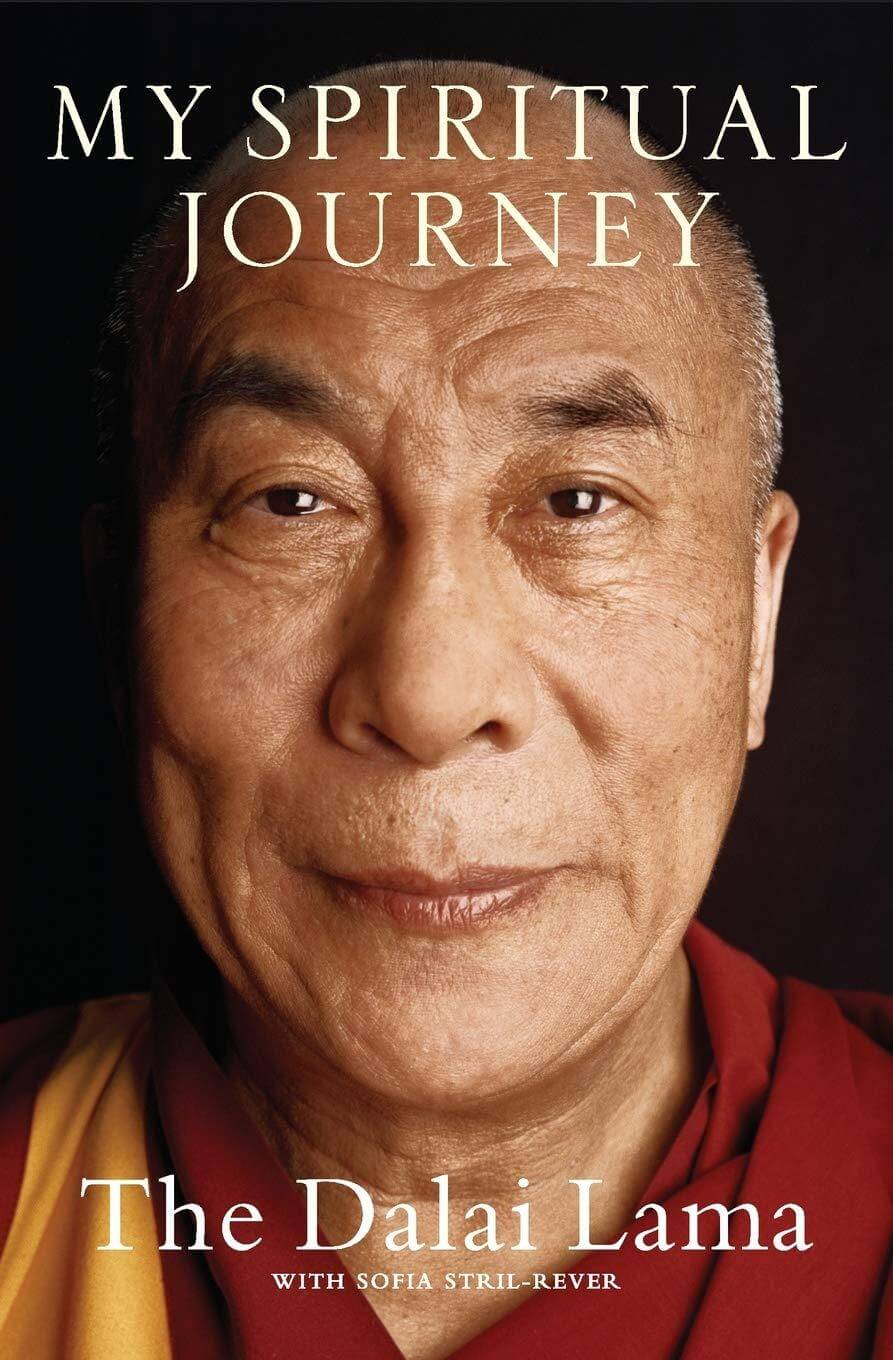
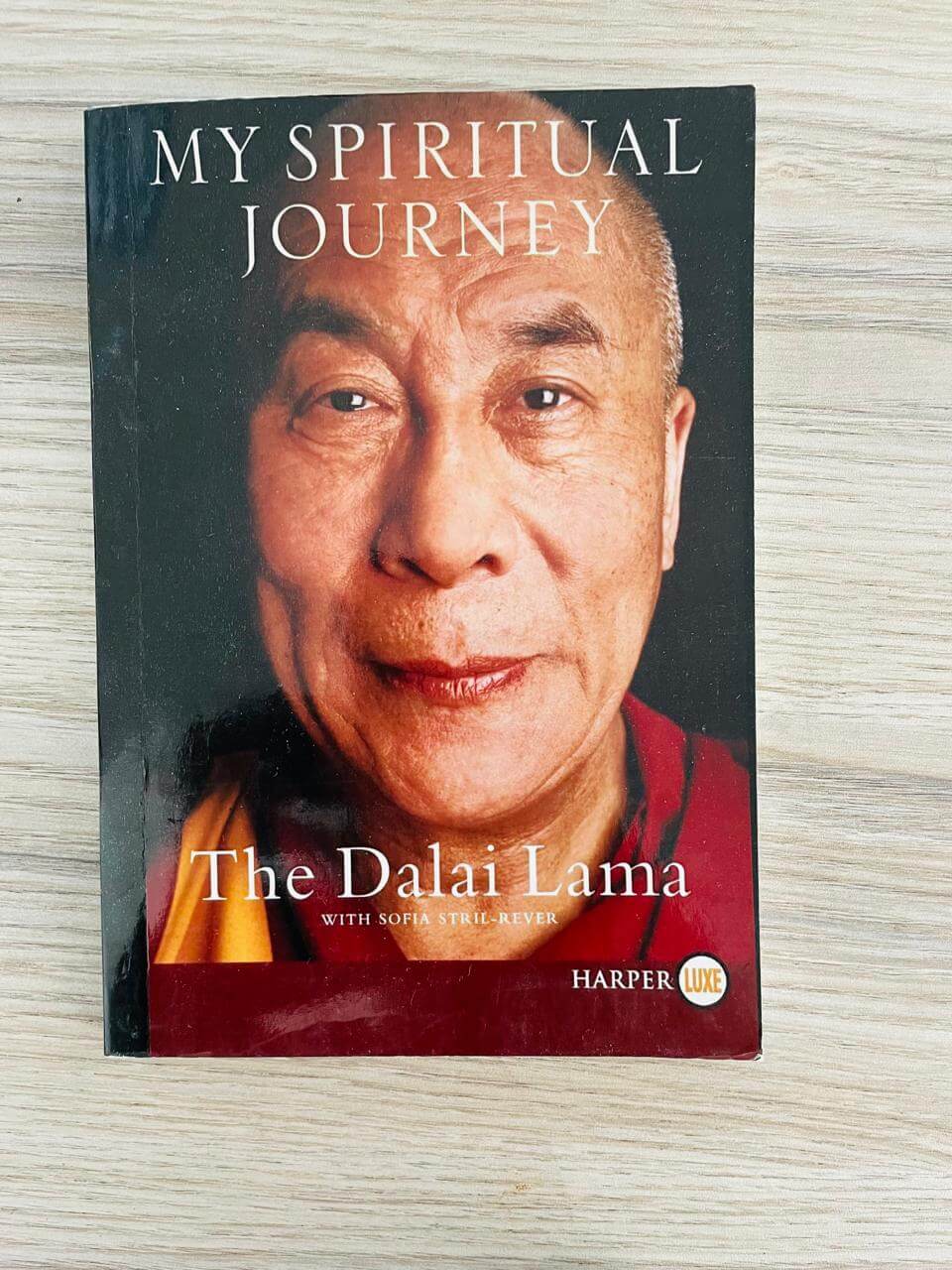








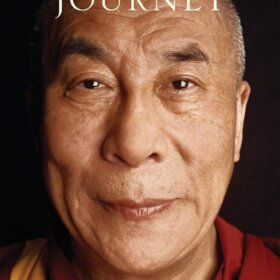
My spiritual Journey by Dalai Lama


රු1,950.00
3 X Rs. 650.00 or 8% Cashback with


or 3 X රු650.00 with


or up to 4 X රු487.50 with


My Spiritual Journey by Dalai Lama is a moving collection of personal reflections, teachings and talks from His Holiness the 14th Dalai Lama, created with Sofia Stril-Rever. Blending autobiography with Buddhist wisdom, the book explores compassion, nonviolence, happiness, suffering, mindfulness, interfaith understanding and universal human responsibility. Accessible to both religious and nonreligious readers, it offers thoughtful guidance for anyone seeking greater inner peace, kindness and meaning in everyday life.
3 in stock
My Spiritual Journey by Dalai Lama is a deeply personal and reflective book in which His Holiness the 14th Dalai Lama shares experiences, teachings and insights from a remarkable life devoted to compassion, peace, nonviolence and human understanding.
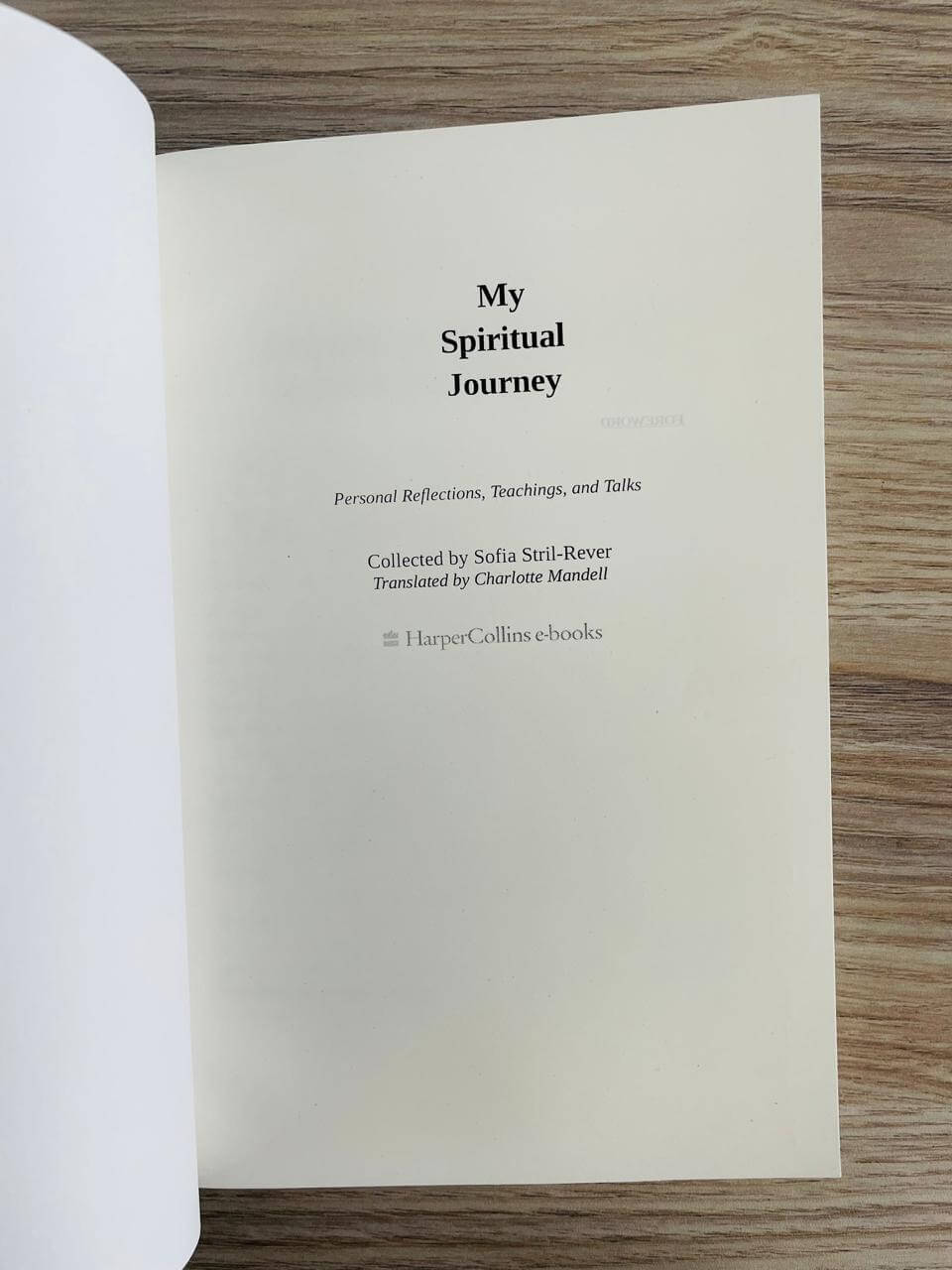
Created with writer Sofia Stril-Rever, the book brings together autobiographical reflections, teachings and talks to explore both the Dalai Lama’s personal journey and the universal values he believes can help people live more meaningful lives.
Rather than presenting spirituality as something available only to monks or deeply religious people, the book repeatedly returns to simple human qualities:
Compassion.
Kindness.
Patience.
Responsibility.
Forgiveness.
Peace.
Respect.
Understanding.
The Dalai Lama reflects on his childhood in Tibet, his spiritual education, his responsibilities as a religious leader, exile and his encounters with people across cultures and religions.
Yet My Spiritual Journey by Dalai Lama is not simply a historical memoir.
It is also an invitation to consider a much more personal question:
How should we live?
How do we respond to suffering?
How should we treat people who disagree with us?
Can happiness come from material success alone?
How can we remain compassionate when life becomes difficult?
What responsibilities do we have toward other people?
Through stories, reflections and teachings, the book encourages readers to develop inner peace while contributing to a more compassionate world.
My Spiritual Journey by Dalai Lama – Book Overview
My Spiritual Journey by Dalai Lama combines memoir and spiritual teaching.
Readers encounter important moments from the Dalai Lama’s life while also exploring broader ideas about:
Human happiness.
Compassion.
Buddhist philosophy.
Nonviolence.
Interfaith understanding.
Responsibility.
Suffering.
Inner transformation.
Peace.
The result is a book that can be read both as a personal account of an extraordinary life and as a guide to universal ethical principles.
The Dalai Lama
The 14th Dalai Lama, Tenzin Gyatso, was born in 1935 in northeastern Tibet.
He was recognized as the 14th Dalai Lama while still a young child and received extensive Buddhist education.
His life would eventually take him far beyond the monastery.
Historical and political events forced him into exile in India in 1959, where he continued his religious, cultural and humanitarian work.
Over the decades, he became internationally known for teaching about:
Compassion.
Peace.
Nonviolence.
Human values.
Religious harmony.
A Spiritual Journey Rather Than a Conventional Memoir
A conventional autobiography often focuses primarily on:
Where someone lived.
What job they had.
What events happened.
My Spiritual Journey by Dalai Lama goes further.
The events matter, but the central interest is what those experiences taught him.
The book continually asks readers to look beneath external events toward inner development.
What Is Spirituality?
The word spirituality can mean very different things to different people.
For the Dalai Lama, spirituality is strongly connected to developing human qualities such as:
Compassion.
Love.
Tolerance.
Patience.
Forgiveness.
Responsibility.
This means spirituality does not need to be limited to ceremonies or religious identity.
A person may express spirituality through how they treat another human being.
Religion and Human Values
One of the recurring ideas in My Spiritual Journey by Dalai Lama is that important ethical values can be shared across religions and even by people who do not identify with a religion.
People may follow:
Buddhism.
Christianity.
Hinduism.
Islam.
Judaism.
Other traditions.
Or no religious tradition.
Yet people can still value:
Kindness.
Honesty.
Compassion.
Peace.
Human dignity.
Compassion
Compassion is perhaps the most important theme in the book.
Compassion means recognizing the suffering of another person and caring about their well-being.
It is more than simply feeling sorry for someone.
Real compassion influences behavior.
You notice someone struggling.
You ask:
What can I do that reduces suffering rather than increases it?
Compassion Is Not Weakness
Kindness is sometimes mistaken for weakness.
But compassion can require enormous strength.
It may mean:
Remaining calm while someone is angry.
Forgiving without approving harmful behavior.
Helping someone when it is inconvenient.
Choosing dialogue instead of revenge.
Protecting another person’s dignity even during disagreement.
Compassion and Boundaries
Compassion does not require accepting harmful behavior indefinitely.
You can care about someone and still establish boundaries.
You can oppose someone’s actions while refusing to hate the person.
That distinction is especially important.
Universal Human Experience
People appear very different.
Different countries.
Languages.
Religions.
Cultures.
Careers.
But beneath those differences are shared human experiences.
People want:
Happiness.
Safety.
Love.
Respect.
Belonging.
People also experience:
Fear.
Loss.
Pain.
Loneliness.
The Dalai Lama frequently builds his philosophy around this shared humanity.
Happiness
Another central question in My Spiritual Journey by Dalai Lama is:
What actually creates happiness?
People often connect happiness with:
Money.
Status.
Possessions.
Career success.
Recognition.
These things may improve aspects of life.
But external success alone cannot guarantee inner peace.
Inner Happiness
The book emphasizes developing an inner foundation.
If happiness depends entirely on external conditions, then every change threatens it.
Job lost?
Happiness disappears.
Relationship ends?
Everything collapses.
Someone criticizes you?
Self-worth disappears.
Inner stability allows people to experience difficulty without losing themselves completely.
Material Wealth
The Dalai Lama does not need to be read as saying that money is meaningless.
Money can provide:
Food.
Housing.
Education.
Healthcare.
Security.
Opportunity.
The deeper point is that money cannot perform every emotional or spiritual function.
You cannot purchase genuine friendship.
You cannot buy inner peace in the same way you buy an object.
Suffering
Buddhist philosophy gives significant attention to suffering.
Life includes:
Illness.
Aging.
Loss.
Disappointment.
Conflict.
Death.
Ignoring these realities does not remove them.
Spiritual practice involves understanding how we respond to them.
Pain Versus Additional Suffering
Something painful may happen.
Then the mind adds:
“This should never have happened.”
“My life is finished.”
“I will never recover.”
Sometimes the original event is painful enough.
Mental resistance adds another layer.
Acceptance does not mean liking what happened.
It means beginning with reality.
Impermanence
Everything changes.
Relationships.
Health.
Possessions.
Careers.
Bodies.
Emotions.
Circumstances.
This idea of impermanence is central to Buddhist thought.
Why Impermanence Can Be Comforting
Change sounds frightening.
But impermanence also means:
Pain changes.
Difficult periods change.
Fear changes.
Bad circumstances do not necessarily last forever.
Impermanence takes things away.
But it also makes new beginnings possible.
Attachment
Human beings naturally become attached to:
People.
Possessions.
Status.
Identity.
Expectations.
Problems arise when we demand that changing things remain permanent.
The book encourages a healthier relationship with attachment.
Love Without Possession
Love does not have to mean:
You belong to me.
Healthy love can involve wishing for another person’s well-being without trying to control everything about them.
Compassion expands love beyond possession.
Anger
Anger is another major spiritual challenge.
Someone insults you.
Hurts you.
Disrespects you.
The immediate reaction may be:
Attack.
Revenge.
Hatred.
But anger can damage the person carrying it as well as the intended target.
Pause Before Reacting
A useful practice is creating a small gap.
Something happens.
Emotion rises.
Pause.
Then respond.
That gap allows:
Judgment.
Perspective.
Self-control.
Anger Can Contain Information
Not all anger should simply be ignored.
Anger may reveal:
Injustice.
A broken boundary.
Fear.
Pain.
The goal is understanding the message without allowing the emotion to control every action.
Forgiveness
Forgiveness does not necessarily mean:
Forgetting.
Pretending harm never happened.
Returning to an unsafe situation.
It can mean gradually refusing to let another person’s harmful action continue controlling your emotional life.
Hatred Creates Another Prison
If someone hurts you and you spend years consumed by hatred, part of your life remains emotionally tied to them.
Forgiveness can therefore be viewed as freedom.
Nonviolence
Nonviolence is one of the principles most strongly associated with the Dalai Lama.
Nonviolence is more than simply avoiding physical violence.
It also involves trying to solve conflict through:
Dialogue.
Understanding.
Patience.
Negotiation.
Respect.
Nonviolence Is Not Passivity
Choosing nonviolence does not mean ignoring injustice.
A person can strongly resist something while still refusing hatred or unnecessary harm.
Courage and nonviolence can exist together.
Peace
People often speak about world peace.
But My Spiritual Journey by Dalai Lama repeatedly connects larger peace with inner attitudes.
Societies are made from people.
If individuals cultivate:
Hatred.
Fear.
Greed.
Resentment.
those emotions influence collective behavior.
Inner Peace
Inner peace does not mean nothing difficult ever happens.
It means developing greater stability while difficulty happens.
Meditation.
Reflection.
Compassion.
Perspective.
can help support that stability.
Meditation
Meditation is strongly associated with Buddhist practice.
But readers should not imagine meditation only as sitting perfectly still with an empty mind.
Meditation can involve:
Attention.
Observation.
Compassion.
Reflection.
Awareness.
Training the mind.
The Mind Can Be Trained
Physical strength improves through training.
Mental habits can also change through practice.
Patience can develop.
Attention can improve.
Compassion can deepen.
Responses can become less automatic.
This is an encouraging idea because it means personality is not completely fixed.
Mindfulness
Mindfulness involves becoming more aware of present experience.
What am I thinking?
What am I feeling?
What is happening in my body?
Why am I reacting this way?
Awareness creates the possibility of choice.
Respond Instead of React
Reaction is automatic.
Response includes awareness.
Someone sends an angry message.
Reaction:
Send something worse immediately.
Response:
Pause.
Understand.
Then decide.
That difference can transform relationships.
Responsibility
My Spiritual Journey by Dalai Lama repeatedly emphasizes responsibility beyond ourselves.
Your actions affect:
Family.
Friends.
Coworkers.
Community.
Environment.
Society.
A meaningful life therefore includes asking not only:
“What do I want?”
but also:
“How do my choices affect other people?”
Universal Responsibility
The idea of universal responsibility encourages people to recognize their connection with others.
Modern life makes this increasingly visible.
Products are made through international supply chains.
Environmental choices cross borders.
Technology connects distant societies instantly.
Our lives are interconnected.
Interdependence
Very little is achieved entirely alone.
Think about one ordinary meal.
Farmers.
Drivers.
Shop employees.
Manufacturers.
Electricity providers.
Infrastructure.
Thousands of people may indirectly contribute.
Interdependence encourages humility.
Gratitude
Recognizing interdependence can create gratitude.
You begin noticing how much of life depends on:
Other people.
Nature.
Communities.
Systems.
Gratitude shifts attention from:
“What am I missing?”
toward:
“What already supports my life?”
Buddhism
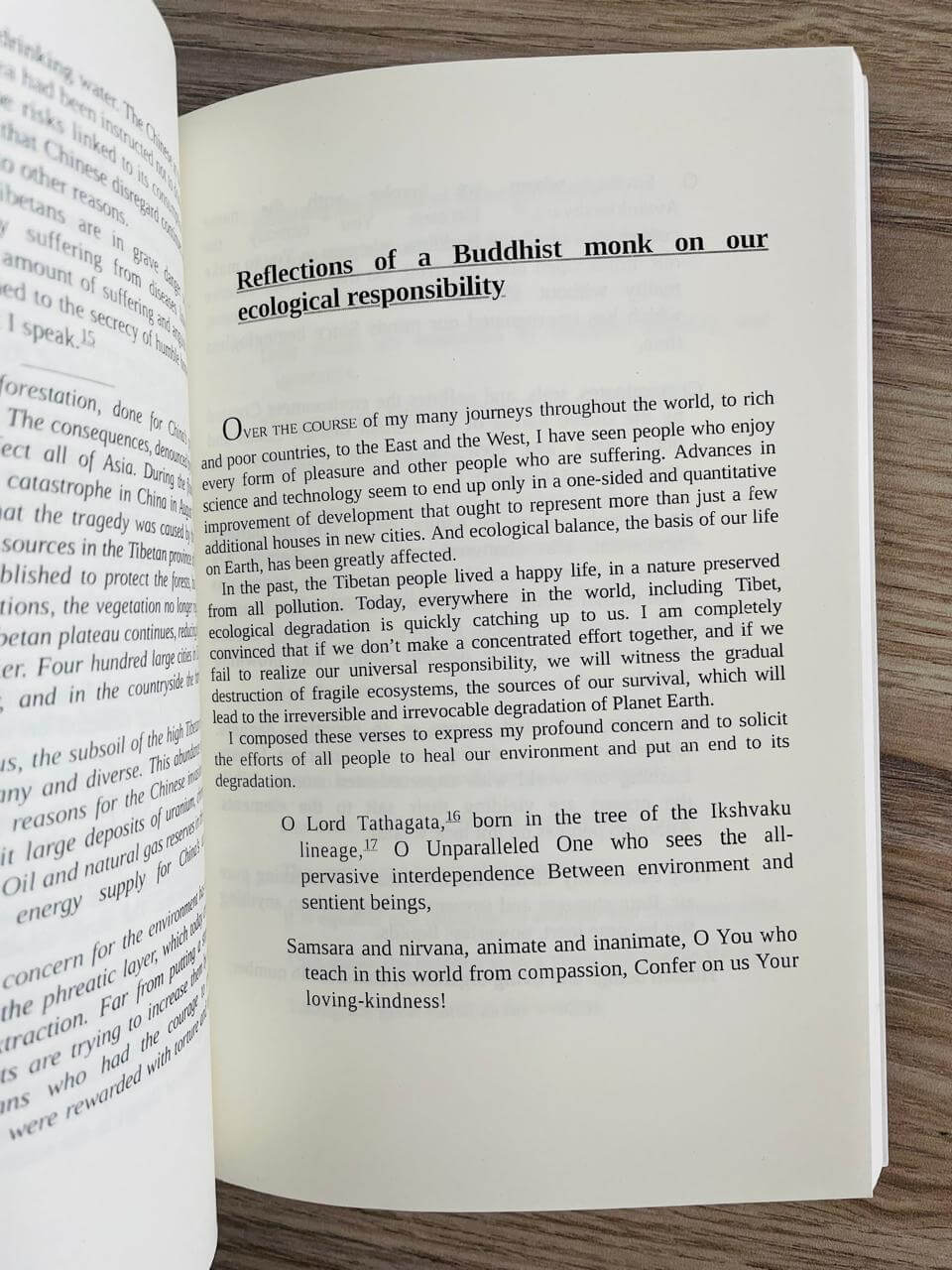
My Spiritual Journey by Dalai Lama naturally contains Buddhist teachings because the Dalai Lama is a Tibetan Buddhist spiritual leader.
However, the book also attempts to present many values in ways accessible beyond Buddhism.
Readers do not need to become Buddhist to consider ideas about:
Compassion.
Patience.
Nonviolence.
Mindfulness.
Responsibility.
Tibetan Buddhism
Readers interested in Tibetan Buddhism will gain insight into the worldview that shaped the Dalai Lama’s life.
His education included intensive study of Buddhist philosophy, ethics, logic and meditation.
But the book’s message repeatedly expands toward universal human values.
Faith and Reason
The Dalai Lama has long encouraged dialogue between Buddhist thought and modern science.
This reflects an attitude that spiritual traditions and rational inquiry do not always need to be enemies.
Questions can be examined thoughtfully.
Science and Spirituality
Science is particularly powerful at investigating:
Physical processes.
Biology.
Matter.
Energy.
The natural world.
Spiritual and philosophical traditions often ask different questions involving:
Meaning.
Values.
Compassion.
Purpose.
Human experience.
The two approaches can sometimes enter productive conversation without becoming identical.
Religion and Conflict
Religion can inspire:
Compassion.
Community.
Service.
Meaning.
But religious identity can also become part of conflict when used to divide people.
My Spiritual Journey by Dalai Lama therefore stresses religious tolerance and mutual respect.
Interfaith Dialogue
Interfaith dialogue does not require pretending all religions are identical.
Different traditions contain real differences.
Respect means being able to acknowledge disagreement without hostility.
You Do Not Need to Agree With Everything
A spiritually mature reader does not have to accept every teaching automatically.
You can:
Read.
Question.
Reflect.
Compare.
Decide what is meaningful.
Spiritual reading should encourage deeper thought, not blind agreement.
Exile
A major part of the Dalai Lama’s life was shaped by leaving Tibet and living in exile in India.
The experience involved significant political, cultural and personal upheaval.
His reflections frequently connect these difficult experiences with broader teachings about compassion and nonviolence.
Because Tibetan history and sovereignty remain politically sensitive subjects, readers interested in the historical details should compare perspectives from multiple reputable historical sources.
Responding to Hardship
One powerful aspect of the book is that its teachings do not emerge from a life without difficulty.
The Dalai Lama experienced:
Political upheaval.
Exile.
Separation from homeland.
Responsibility for a displaced community.
Yet his public teaching continued to emphasize compassion rather than revenge.
Adversity as Practice
It is easy to speak about patience when nothing is wrong.
The real test comes when:
Someone insults you.
Plans fail.
You lose something.
Life becomes unfair.
Spiritual principles become meaningful when applied under pressure.
Enemies as Teachers
One challenging Buddhist idea is that difficult people can become teachers.
Why?
Because a friendly person does not require much patience.
A difficult person gives you an opportunity to practice it.
This does not make harmful behavior acceptable.
It changes how you use the experience.
Ego
Much suffering can come from constant concern with:
How do I look?
What do people think?
Am I winning?
Am I respected enough?
The more completely identity depends on external validation, the more fragile it becomes.
Humility
Humility does not mean thinking you are worthless.
It means understanding that you are neither above nor completely separate from everyone else.
You can recognize strengths without needing superiority.
Self-Compassion
Compassion should also include yourself.
Some people are extraordinarily patient with others but constantly cruel internally.
“I am useless.”
“I always fail.”
“I am not enough.”
Self-compassion creates a healthier environment for growth.
Discipline
Spiritual development is not created by reading one inspiring sentence.
Like physical training, it requires practice.
Patience is practiced.
Compassion is practiced.
Awareness is practiced.
Forgiveness is practiced.
Daily Practice
You do not need dramatic rituals.
Daily spiritual practice might include:
Five minutes of meditation.
Gratitude.
Helping someone.
Pausing before an angry response.
Reading.
Reflection.
One compassionate action.
Small practices repeated consistently can influence character.
Human Nature
The Dalai Lama often expresses confidence in basic human potential for goodness and compassion.
Human beings can certainly behave destructively.
But we are also capable of:
Care.
Cooperation.
Sacrifice.
Empathy.
Understanding.
The question becomes which tendencies we strengthen.
Education
Education should develop more than technical intelligence.
A person can be extremely intelligent and still use intelligence destructively.
Education can also encourage:
Ethics.
Responsibility.
Compassion.
Critical thinking.
Intelligence Plus Compassion
Knowledge tells you what is possible.
Compassion asks what should be done.
Modern technology makes this distinction increasingly important.
Technology
Technology connects humanity more closely than ever.
But technology alone cannot guarantee:
Peace.
Wisdom.
Kindness.
Social media can connect people.
It can also spread anger.
Artificial intelligence can increase productivity.
Its effects still depend on human decisions.
Technical progress needs ethical development.
Environment
Interdependence also applies to the natural world.
Human well-being depends on:
Water.
Air.
Climate.
Ecosystems.
Food systems.
Environmental responsibility is therefore not separate from human responsibility.
Simplicity
A meaningful life does not necessarily require a complicated one.
More possessions.
More notifications.
More commitments.
More status.
do not automatically create more happiness.
Sometimes a simpler life provides space for:
Relationships.
Reflection.
Health.
Service.
The Present Moment
People often live psychologically somewhere else.
Past:
“I wish…”
Future:
“When I finally…”
But life happens in the present.
Mindfulness encourages readers to experience the moment that actually exists.
Mortality
Awareness of death can sound depressing.
But many spiritual traditions use mortality as motivation.
Time is limited.
Therefore:
Love people now.
Apologize now.
Begin meaningful work now.
Do not indefinitely postpone living.
Happiness Through Helping Others
One of the strongest messages in My Spiritual Journey by Dalai Lama is that concern for others can contribute to our own well-being.
Helping another person may create:
Connection.
Meaning.
Perspective.
Community.
Generosity does not only benefit the receiver.
Service
Service does not require becoming famous.
You can serve through:
Your work.
Family.
Teaching.
Listening.
Volunteering.
Creating something useful.
Treating customers fairly.
Small actions matter.
Is My Spiritual Journey a Biography?
Partly.
My Spiritual Journey by Dalai Lama contains important autobiographical material and personal reflections.
However, it is not simply a conventional chronological biography.
It combines life experiences with:
Teachings.
Talks.
Spiritual reflections.
Ethical ideas.
Is My Spiritual Journey a Buddhist Book?
Yes, Buddhist philosophy is central to the author’s life and worldview.
However, many of the book’s lessons are framed around universal values such as:
Compassion.
Nonviolence.
Human dignity.
Responsibility.
Therefore, readers outside Buddhism may still find it meaningful.
Do You Need to Be Religious?
No.
Readers can approach the book as:
Spiritual writing.
Philosophy.
Memoir.
Ethics.
Personal development.
A person does not need to share every religious belief to reflect on its ethical ideas.
Is It a Self-Help Book?
Not in the conventional productivity or success sense.
It is better categorized as:
Spirituality.
Religion.
Biography and memoir.
Philosophy.
Personal reflection.
However, readers interested in personal growth may find many practical lessons.
Is It Good for Beginners?
Yes.
Readers interested in the Dalai Lama’s ideas but unfamiliar with Buddhist philosophy can use the book as a broad introduction to his life and ethical teachings.
Official Edition Details
The HarperOne edition is:
Title: My Spiritual Journey: Personal Reflections, Teachings, and Talks
Authors: The Dalai Lama and Sofia Stril-Rever
Publisher: HarperOne
Publication Year: 2010
Print ISBN: 9780061960222Different editions may have different pagination or subtitles, so check the ISBN on your physical copy before entering WooCommerce attributes.
Important Themes
My Spiritual Journey by Dalai Lama explores:
- Compassion
- Buddhism
- Spirituality
- Happiness
- Inner peace
- Nonviolence
- Human values
- Responsibility
- Forgiveness
- Patience
- Mindfulness
- Meditation
- Interfaith understanding
- Human dignity
- Suffering
- Impermanence
- Ethics
- Peace
- Gratitude
- Personal transformation
7 Powerful Lessons From My Spiritual Journey by Dalai Lama
- Compassion is a strength, not a weakness – Caring about other people’s suffering can guide wiser and more humane choices without requiring you to abandon boundaries or judgment.
- Inner peace cannot depend entirely on external circumstances – Money, status and comfort may help life, but emotional stability requires developing the mind as well as changing the environment.
- Difficult people can become opportunities for practice – Patience becomes meaningful when tested, and challenging relationships can reveal areas where emotional growth is still needed.
- Nonviolence requires courage – Refusing hatred does not mean accepting injustice; it means trying to confront problems without creating unnecessary additional suffering.
- Human beings share more than divides them – Beneath differences of nationality, culture and religion are common desires for happiness, safety, dignity and connection.
- Spirituality should influence everyday behavior – Meditation and philosophy matter, but compassion becomes meaningful when it changes how we speak, work, forgive, listen and treat other people.
- Responsibility extends beyond ourselves – Our choices affect families, communities and the wider world, making ethical responsibility an important part of genuine spiritual growth.
Why Read My Spiritual Journey by Dalai Lama?
My Spiritual Journey by Dalai Lama is an excellent choice for readers interested in:
- Dalai Lama
- Tibetan Buddhism
- Spirituality
- Compassion
- Inner peace
- Meditation
- Mindfulness
- Philosophy
- Nonviolence
- Happiness
- Ethics
- Spiritual memoirs
- Buddhist books
- Personal development
- Forgiveness
- Human values
- Interfaith understanding
- Meaningful living
- Peace
- Personal transformation
It is particularly valuable for readers who want both personal reflections from the Dalai Lama’s life and accessible ideas that can be applied to everyday relationships and challenges.
Who Should Read This Book?
My Spiritual Journey by Dalai Lama may especially appeal to:
- Readers interested in spirituality
- Buddhist readers
- Meditation practitioners
- Philosophy readers
- Students of religion
- Readers interested in the Dalai Lama
- People exploring mindfulness
- Readers seeking greater inner peace
- People interested in compassion and forgiveness
- Readers of spiritual memoirs
- People interested in interfaith dialogue
- Anyone looking for a more humane approach to difficult relationships and life challenges
My Spiritual Journey by Dalai Lama – Compassion as a Way of Life
My Spiritual Journey by Dalai Lama ultimately asks readers to rethink what spiritual development means.
It is easy to imagine spirituality as something separate from ordinary life.
A monastery.
A meditation cushion.
A prayer.
A religious ceremony.
But the deeper test appears somewhere much more ordinary.
Someone annoys you.
How do you respond?
Someone disagrees with you.
Can you listen?
You experience disappointment.
Can you remain grounded?
Someone suffers.
Do you care?
You succeed.
Can you remain humble?
You are hurt.
Can you eventually release hatred?
These moments reveal the practical side of spirituality.
The Dalai Lama’s message repeatedly returns to compassion because compassion changes how we relate to almost everything.
Family.
Work.
Conflict.
Success.
Failure.
Strangers.
Even ourselves.
The goal is not becoming a person who never feels anger, sadness or fear.
The goal is becoming more aware of those emotions so that they do not automatically determine every action.
That is why My Spiritual Journey by Dalai Lama can appeal even to readers who do not approach it primarily as a religious book.
Its larger message is fundamentally human.
Life is uncertain.
People suffer.
Everything changes.
We depend on one another.
Therefore, becoming more compassionate, patient and responsible is not simply a spiritual ideal.
It is a practical way of living together.
For readers interested in Buddhism, spirituality, mindfulness, inner peace, compassion and the life of the Dalai Lama, this book offers a thoughtful combination of personal reflection and universal ethical teaching.
Learn more about My Spiritual Journey by the Dalai Lama on Open Road Media.
Explore more spiritual and personal development books at Bargain Books.

Be the first to review “My spiritual Journey by Dalai Lama”
Related products
-34%

Non-Fiction & Knowledge
Original price was: රු2,250.00.රු1,490.00Current price is: රු1,490.00.
3 X Rs. 496.67 or 8% Cashback with
or 3 X රු496.67 with
or up to 4 X රු372.50 with
-23%

Non-Fiction & Knowledge
Original price was: රු2,200.00.රු1,700.00Current price is: රු1,700.00.
3 X Rs. 566.67 or 8% Cashback with
or 3 X රු566.67 with
or up to 4 X රු425.00 with

Out of stock
Non-Fiction & Knowledge
රු1,500.00
3 X Rs. 500.00 or 8% Cashback with
or 3 X රු500.00 with
or up to 4 X රු375.00 with
-33%

Self-Help & Psychology
Original price was: රු2,300.00.රු1,550.00Current price is: රු1,550.00.
3 X Rs. 516.67 or 8% Cashback with
or 3 X රු516.67 with
or up to 4 X රු387.50 with
-29%

Self-Help & Psychology
Original price was: රු1,750.00.රු1,250.00Current price is: රු1,250.00.
3 X Rs. 416.67 or 8% Cashback with
or 3 X රු416.67 with
or up to 4 X රු312.50 with
-28%

Self-Help & Psychology
Original price was: රු1,800.00.රු1,300.00Current price is: රු1,300.00.
3 X Rs. 433.33 or 8% Cashback with
or 3 X රු433.33 with
or up to 4 X රු325.00 with
-34%

Self-Help & Psychology
Original price was: රු2,350.00.රු1,550.00Current price is: රු1,550.00.
3 X Rs. 516.67 or 8% Cashback with
or 3 X රු516.67 with
or up to 4 X රු387.50 with
-14%

Out of stock
Self-Help & Psychology
Original price was: රු2,900.00.රු2,500.00Current price is: රු2,500.00.
3 X Rs. 833.33 or 8% Cashback with
or 3 X රු833.33 with
or up to 4 X රු625.00 with
Reviews
There are no reviews yet.