
No products in the cart.
-16%
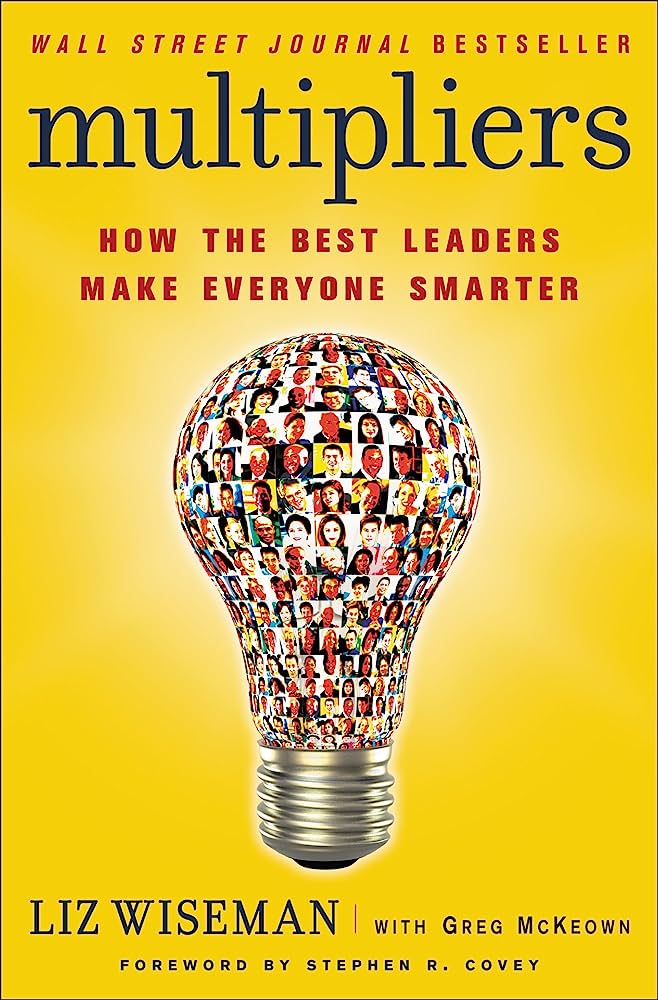
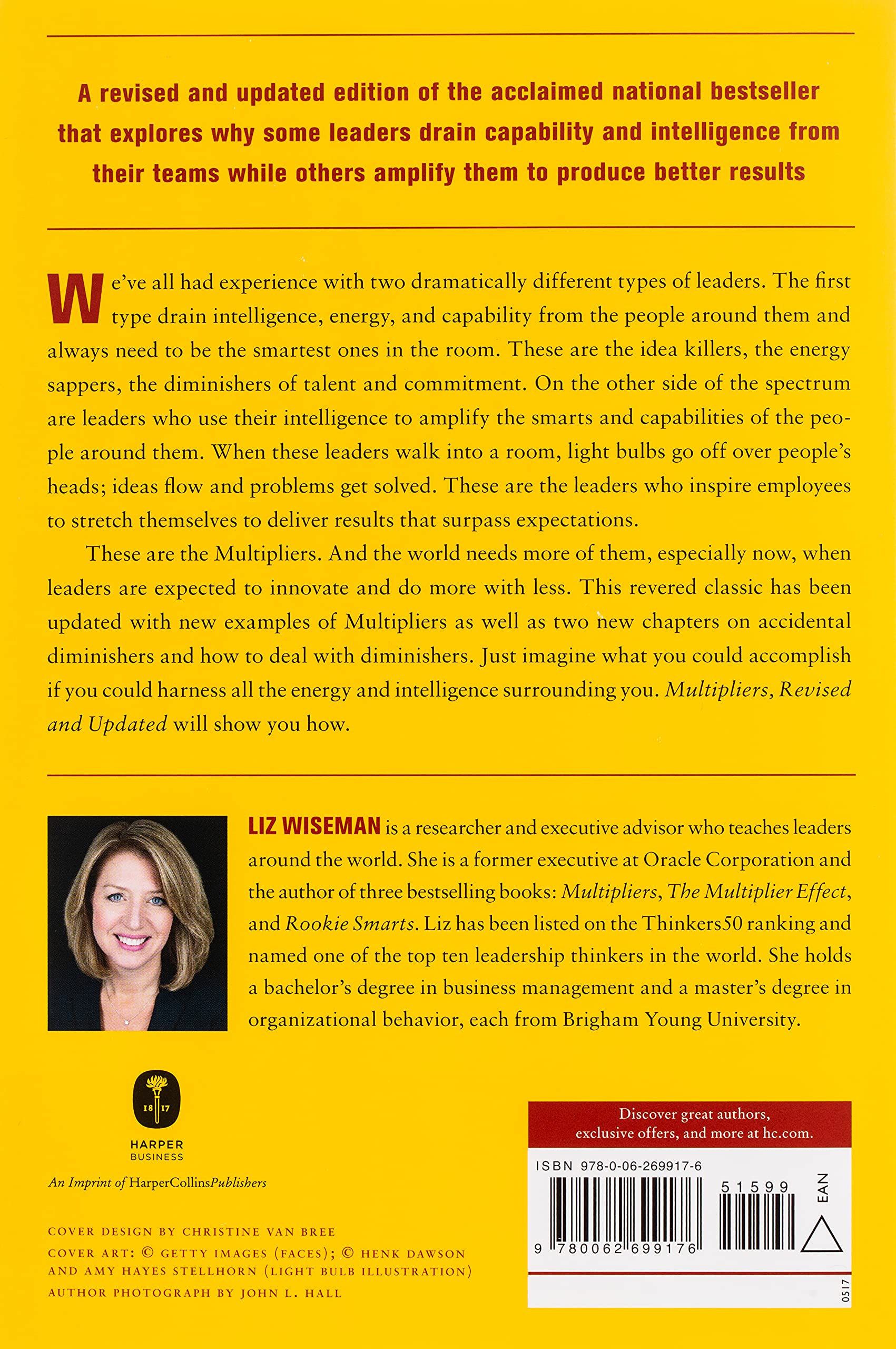
Multipliers by Liz Wiseman


Original price was: රු3,100.00.රු2,600.00Current price is: රු2,600.00.
3 X Rs. 866.67 or 8% Cashback with


or 3 X රු866.67 with


or up to 4 X රු650.00 with


Multipliers by Liz Wiseman is a practical leadership and management guide explaining why some leaders drain intelligence from their teams while others amplify it. Through the contrast between Diminishers and Multipliers, the book explores talent development, delegation, questioning, debate, accountability, psychological safety and genuine ownership. Ideal for managers, entrepreneurs, executives and team leaders who want to unlock more intelligence and capability from the people around them.
Out of stock
Email when stock available
Multipliers by Liz Wiseman is a practical leadership and management book about one powerful question: why do some leaders make everyone around them smarter, more capable and more confident, while others seem to reduce the intelligence and energy of their teams?
Some leaders enter a room and immediately take control.
They give the answers.
Make the decisions.
Correct everyone.
Dominate discussions.
And become the center of every important problem.
They may be intelligent.
They may even believe they are helping.
But over time, the people around them can become:
Quiet.
Learn more about Multipliers by Liz Wiseman on The Wiseman Group official website.
Explore more business and leadership books at Bargain Books.
Dependent.
Cautious.
Less creative.
Less willing to take responsibility.
Liz Wiseman calls these leaders Diminishers.
Other leaders behave differently.
They recognize intelligence around them.
They ask difficult questions.
Give people meaningful responsibility.
Create room for debate.
Expect strong performance.
And challenge people to think beyond what they believed they could do.
These leaders are Multipliers.
The central idea of Multipliers by Liz Wiseman is simple:
The best leader is not necessarily the smartest person in the room. The best leader may be the person who makes everyone else smarter.
Based on research involving leaders across multiple organizations and countries, the book identifies leadership disciplines that help managers access more of the intelligence, talent and creativity already present in their teams.
It is especially useful for:
Managers.
Team leaders.
Executives.
Entrepreneurs.
Business owners.
Project managers.
HR professionals.
Teachers and coaches.
Anyone responsible for helping other people perform at a higher level.
Multipliers by Liz Wiseman – Book Overview
Multipliers by Liz Wiseman examines two very different approaches to leadership.
The first is the Diminisher.
A Diminisher tends to believe:
People will not figure it out without me.
I need to make the decisions.
I need to provide the answers.
I need to stay involved in everything.
The second is the Multiplier.
A Multiplier tends to believe:
People are intelligent.
Capability can grow.
My role is to create an environment where people can contribute their best thinking.
That difference in assumptions affects everything.
Meetings.
Hiring.
Delegation.
Problem-solving.
Innovation.
Decision-making.
Team confidence.
The Multiplier Effect
When leaders behave as Multipliers, they do not simply use their own intelligence.
They access the intelligence of the entire team.
Imagine a manager with ten capable employees.
A Diminisher may unintentionally create a system where everyone waits for the manager’s opinion.
The organization effectively depends on one brain.
A Multiplier tries to activate all eleven.
That is the multiplier effect.
Leadership Is Not About Knowing Everything
A common leadership mistake is assuming:
Leader = person with the answers.
That may work when the leader genuinely has specialized knowledge.
But organizations eventually become too complex for one person to know everything.
Customers change.
Technology changes.
Markets change.
Teams contain different expertise.
The leader who insists on having every answer can become a bottleneck.
Genius Versus Genius Maker
One of the most memorable distinctions in Multipliers by Liz Wiseman is between being a genius and being a genius maker.
A genius says:
“Look how smart I am.”
A genius maker creates conditions where other people’s intelligence becomes visible.
The shift is from:
Being impressive
to:
Making other people capable.
The Diminisher
Diminishers are not always cruel or incompetent.
That is important.
Some are extremely intelligent.
Some are successful.
Some genuinely want the organization to perform well.
But their leadership habits can reduce the contribution of others.
Examples include:
Giving answers too quickly.
Taking over difficult work.
Constantly correcting.
Micromanaging.
Dominating discussions.
Making all important decisions.
Why Smart Leaders Can Become Diminishers
Imagine being promoted because you were excellent at your job.
You solved problems faster than everyone else.
Then you become a manager.
What worked before?
Being the expert.
So you continue.
Employee brings problem.
You solve it.
Another employee asks a question.
You answer.
Team gets stuck.
You take over.
It feels efficient.
But slowly, employees learn:
Why think deeply when the boss will answer?
Why make a decision when the boss will override it?
The leader becomes increasingly overloaded while the team becomes increasingly dependent.
Accidental Diminishers
One of the most useful ideas from the expanded Multipliers framework is that people can diminish others accidentally.
You do not need to be a bad person.
You may simply be:
Too helpful.
Too enthusiastic.
Too fast.
Too protective.
Too full of ideas.
Good intentions can still produce unintended effects.
The Idea Guy Problem
Imagine a leader who constantly generates ideas.
Every meeting:
“What about this?”
“We could also do that.”
“Let’s try this.”
The leader believes:
I am inspiring creativity.
Employees may hear:
Every idea from the boss becomes another project.
Eventually, they stop contributing their own ideas because they are too busy executing the leader’s.
The Rescuer Problem
A manager sees someone struggling.
They immediately step in.
Fix the issue.
Complete the task.
Save the deadline.
Short-term result:
Problem solved.
Long-term result:
The employee may not develop the ability to solve it independently next time.
Help can become dependency.
The Optimist Problem
A leader wants to create positive energy.
They repeatedly say:
“It will be fine.”
“No problem.”
“We’ve got this.”
Optimism can be useful.
But if people feel unable to discuss genuine risks or difficulties, important information may disappear.
Effective leadership creates space for reality as well as confidence.
Five Disciplines of Multipliers
The original Multipliers framework identifies five major disciplines that distinguish Multipliers from Diminishers.
They can broadly be understood as:
Talent Magnet
Liberator
Challenger
Debate Maker
Investor
These disciplines describe how Multipliers find talent, create productive environments, challenge people, make decisions and build ownership.
1. The Talent Magnet
A Talent Magnet looks for people’s natural strengths.
Instead of asking only:
“What is this person’s job title?”
they ask:
“What is this person unusually good at?”
People often have abilities that their official role does not fully use.
Someone in accounting may be an excellent communicator.
A salesperson may be brilliant at training others.
A junior employee may understand a new technology better than senior managers.
A Multiplier notices these capabilities.
Find the Genius
The idea is not that every employee is extraordinary at everything.
It is that many people possess an area of real strength.
Ask:
What does this person learn quickly?
What do others ask them for help with?
What seems almost effortless to them?
Where do they consistently produce excellent work?
This can reveal valuable capability.
Use People at Their Highest Point of Contribution
A common management problem is placing people into rigid boxes.
Job description says:
Do A, B and C.
Therefore the employee’s other strengths remain unused.
A Multiplier tries to connect talent with meaningful problems.
Do Not Hoard Talent
Some managers resist allowing their strongest employee to move to another team because:
“I need them.”
That protects the manager temporarily.
But it can limit the employee.
Multiplier leaders are more willing to help people grow, even when that growth eventually takes them somewhere else.
2. The Liberator
The second discipline involves creating an environment where people can think and contribute freely.
Wiseman describes these leaders as Liberators.
A Liberator creates both:
Safety.
And intensity.
People should feel safe enough to:
Speak.
Question.
Disagree.
Admit mistakes.
But the environment should still maintain high standards.
Safety Does Not Mean Low Standards
Psychological safety is sometimes misunderstood as:
Nobody can be challenged.
Everything is acceptable.
A productive environment can contain both:
Respect.
And demanding expectations.
People can be challenged without being humiliated.
Make Space for Other Voices
In meetings, leaders have disproportionate influence.
If the boss speaks first and strongly, others may simply agree.
A simple Multiplier habit is:
Ask first.
Listen.
Then contribute.
For example:
Instead of:
“Here’s what I think we should do.”
ask:
“What are you seeing?”
“What options do we have?”
“What am I missing?”
Speak Less
This can be surprisingly difficult for intelligent leaders.
They have knowledge.
They want to contribute.
But leadership sometimes requires deliberately leaving space.
Silence can encourage someone else to think.
Separate Opinion From Decision
A leader’s casual comment can sound like an instruction.
You say:
“Maybe we should change the design.”
The team hears:
“The boss wants the design changed.”
Be clear whether you are:
Brainstorming.
Suggesting.
Deciding.
That clarity reduces unnecessary obedience.
3. The Challenger
Multipliers do not make work easy for everyone.
They create challenges.
A Challenger defines an important opportunity or difficult problem and encourages people to stretch toward it.
Instead of:
“Here is exactly how to do this.”
the leader may ask:
“How could we achieve something we currently believe is impossible?”
Stretch Without Breaking
Good challenge sits between:
Too easy.
And impossible.
If goals are trivial, people do not grow.
If goals feel completely unrealistic and unsupported, people may disengage.
The leader’s job is to create meaningful stretch.
Ask Bigger Questions
Questions can unlock thinking.
Instead of:
“Can we increase sales by 5%?”
ask:
“What would have to change if we wanted to double sales?”
You may not actually pursue 100% growth.
But the larger question forces people to reconsider assumptions.
Define the Opportunity
People perform better when they understand why something matters.
Do not simply say:
“Complete this project.”
Explain:
Customer problem.
Business opportunity.
Reason.
Impact.
Then people can make better decisions without requiring constant instructions.
4. The Debate Maker
Strong decisions do not always come from one leader thinking privately and announcing the answer.
Multipliers create debate.
A Debate Maker allows competing ideas to be examined before a decision is made.
Debate Is Not Fighting
Healthy debate means:
Question the idea.
Challenge assumptions.
Present evidence.
Explore alternatives.
It does not mean:
Attack the person.
Humiliate.
Create political conflict.
The goal is better thinking.
Invite Disagreement
If everyone agrees with the leader immediately, ask:
“What argument are we missing?”
“What would someone who disagrees say?”
“What is the strongest case against this plan?”
These questions improve decision quality.
Avoid False Consensus
A quiet room does not necessarily mean agreement.
People may be:
Afraid.
Uninterested.
Confused.
Waiting for someone senior to decide.
Multipliers actively surface different perspectives.
Decide Clearly After Debate
Debate should eventually end.
After discussion, clarify:
What was decided?
Who owns it?
What happens next?
Otherwise, endless discussion becomes another problem.
5. The Investor
The final major discipline is becoming an Investor.
Investors give people genuine ownership.
This is different from delegating a task while controlling every step.
Ownership Changes Behavior
Compare:
“Do exactly these ten steps.”
with:
“You own this outcome. Here are the constraints. Come back with your solution.”
The second requires more thinking.
Responsibility creates development.
Give the Pen Back
Managers often take ownership away without noticing.
Employee:
“What should I do?”
Manager:
“Do this.”
Instead, ask:
“What do you think we should do?”
This returns responsibility to the employee.
Support Without Taking Over
If someone owns a problem, you can still help.
Provide:
Context.
Resources.
Coaching.
Feedback.
But avoid automatically reclaiming the decision.
Accountability
Ownership without accountability is incomplete.
A Multiplier gives autonomy but also expects results.
Questions include:
What did we agree?
What happened?
What did you learn?
What will you do next?
Multipliers Are Not Weak Leaders
Some readers may assume this leadership style means:
Never give instructions.
Never make decisions.
Always be gentle.
That is incorrect.
Multiplier leadership can be demanding.
The difference is that the leader does not unnecessarily remove thinking from other people.
When Leaders Should Decide
There are situations where direct leadership is necessary.
Emergency.
Compliance issue.
Safety problem.
Legal requirement.
Time-critical decision.
The goal is not eliminating authority.
It is using authority intentionally.
Micromanagement
Micromanagement is one of the clearest ways leadership can diminish capability.
A manager repeatedly checks:
Every detail.
Every email.
Every decision.
Employees stop feeling ownership.
Why Managers Micromanage
Micromanagement often comes from:
Fear.
Perfectionism.
Past mistakes.
Lack of trust.
Pressure.
The manager may think:
“If I don’t watch everything, quality will collapse.”
But constant control can eventually create the very weakness the manager fears.
Create Clear Outcomes
Instead of controlling every step, define:
Desired result.
Deadline.
Quality standard.
Constraints.
Then allow the person to determine how.
Questions Instead of Answers
One of the easiest ways to apply Multipliers by Liz Wiseman is replacing some answers with questions.
Employee:
“What should I do?”
Leader:
“What options have you considered?”
Employee:
“Which one is best?”
Leader:
“What criteria would you use?”
This develops judgment.
Coaching
Good coaching does not mean withholding help unnecessarily.
It means helping someone think.
Ask:
“What is the real problem?”
“What have you tried?”
“What are you assuming?”
“What would you do if I wasn’t here?”
These questions build capability.
Leadership and Ego
Being the smartest person in the room feels good.
People ask you questions.
You have answers.
You become important.
But there is a hidden danger.
A leader can become emotionally dependent on being needed.
Multiplier leadership requires enough confidence to allow other people to become impressive.
Your Team’s Success Is Your Success
A traditional ego-driven model says:
Leader gets credit.
Multiplier thinking says:
If people around me grow, that is evidence of leadership.
Recognition
Give credit specifically.
Not simply:
“Great job, team.”
Try:
“Amal identified the inventory problem.”
“Sarah redesigned the process.”
Specific recognition tells people their contribution was seen.
Leadership in Small Businesses
Multipliers by Liz Wiseman is not only useful for giant companies.
Small-business owners may need it even more.
Why?
Because founders often become the center of everything.
Pricing.
Purchasing.
Customer complaints.
Marketing.
Hiring.
Finance.
Every decision goes through one person.
Eventually, the business cannot grow beyond the founder’s personal capacity.
Entrepreneurs Need Multipliers
A founder who wants scale needs employees who can:
Think.
Decide.
Solve.
Improve.
If every employee waits for the founder, the company has not truly built a team.
It has created assistants around one decision-maker.
Leadership in Software Teams
The ideas apply strongly to technical teams.
Imagine a senior developer who rewrites every junior developer’s code.
Quality may improve today.
But junior developers may never develop strong judgment.
A Multiplier approach might include:
Code review.
Questions.
Architecture guidance.
Ownership.
Constructive feedback.
The goal is improving both:
The product.
And the engineer.
Leadership in Retail
Retail managers can apply the framework too.
Instead of staff always asking:
“What do I tell this customer?”
train them to understand:
Policies.
Customer goals.
Decision boundaries.
Then give them authority within those boundaries.
Leadership in a Bookstore
A bookstore manager might ask employees:
Which titles are customers requesting repeatedly?
Which display is producing sales?
Which category needs improvement?
What should we promote next week?
Employees working directly with customers may hold information the manager does not.
Multiplier leadership captures that intelligence.
Leadership in Education
Teachers and educators can also apply Multiplier principles.
The objective is not only giving answers.
It is helping students develop the ability to:
Think.
Ask.
Explore.
Solve.
Leadership at Home
Some principles even apply outside organizations.
When someone brings you a problem, constantly solving everything for them can reduce independence.
Sometimes the more useful response is:
“What do you think?”
Difficult Employees
Multiplier leadership does not mean every problem is caused by managers.
Some employees may:
Underperform.
Avoid responsibility.
Lack necessary skills.
Behave unethically.
Strong leadership still requires addressing performance honestly.
Talent Development
One of the strongest messages in Multipliers by Liz Wiseman is that talent is not simply something you hire.
Talent can be developed.
People often become more capable when leaders:
Trust them.
Challenge them.
Give responsibility.
Provide feedback.
Intelligence Is Expandable
A Diminisher mindset often treats capability as fixed.
Smart person.
Weak person.
Multiplier thinking asks:
How much more can this person contribute in the right environment?
Meetings
Meetings provide an excellent test of leadership style.
Ask after your next meeting:
Who spoke most?
Who generated ideas?
Who challenged assumptions?
Did the leader dominate?
Did junior employees contribute?
The answers reveal culture.
The Leader Should Not Win Every Debate
If the leader’s idea always survives, employees eventually learn:
Debate is theater.
Real decisions are already made.
A credible debate requires the possibility that someone else’s argument changes the outcome.
Listening
Listening is one of the simplest but hardest leadership skills.
Do not listen only for:
The pause where you can respond.
Listen for:
Information you do not already know.
Curiosity
Curiosity is central to Multiplier leadership.
Instead of proving intelligence, become interested in other people’s intelligence.
Ask:
“Tell me more.”
“Why do you think that?”
“What are you noticing?”
Innovation
Innovation often disappears in environments where employees fear being wrong.
New ideas are uncertain by definition.
If mistakes are punished harshly, people learn to suggest only safe ideas.
Multipliers create room for intelligent experimentation.
Failure
Not every experiment will work.
Ask after failure:
What did we learn?
What assumption was wrong?
What should we try next?
This keeps accountability while preserving learning.
High Standards
The book should not be interpreted as encouraging low performance.
Multipliers often expect a great deal from people.
But they combine high expectations with belief in capability.
Give People Bigger Problems
One way to develop someone is not giving more small tasks.
Give them a meaningful problem.
Then support them as they solve it.
Growth often comes from responsibility.
Delegation Versus Abdication
Good delegation is not:
“Here’s the problem. Good luck.”
Provide:
Context.
Authority.
Resources.
Expected outcome.
Feedback.
Then allow ownership.
Trust
Delegation requires trust.
But trust does not need to be blind.
It can grow progressively.
Small responsibility.
Successful result.
Larger responsibility.
Decision-Making
When every decision rises upward in an organization, leadership becomes slow.
A Multipliers culture pushes appropriate decisions toward people who have the relevant information.
Information and Authority
Sometimes employees know what should happen but do not have authority to act.
Good organizational design aligns:
Knowledge.
Responsibility.
Decision rights.
Accountability Without Fear
Fear may create temporary compliance.
But excessive fear reduces:
Creativity.
Risk reporting.
Questions.
People hide problems from leaders who punish bad news.
Bad News Should Travel Fast
Leaders need accurate information.
If employees are scared to report problems, small issues can become expensive crises.
Create a culture where identifying a problem is valued.
Tell the Truth Early
Encourage:
“We have a problem.”
not:
“Let’s hide this until we have a perfect solution.”
Early visibility gives teams more options.
Accidental Diminisher Self-Check
Ask yourself:
Do I answer too quickly?
Do I interrupt?
Do I rescue people?
Do I generate too many ideas?
Do I become involved in every decision?
Do people wait for my approval unnecessarily?
Do employees become less confident around me?
These questions can reveal leadership habits worth changing.
You Can Be Both
Most people are not permanently:
Multiplier
or
Diminisher.
A leader may multiply in one situation and diminish in another.
For example:
Excellent listener with marketing team.
Micromanager with finance team.
The goal is awareness.
Stress Can Turn Multipliers Into Diminishers
Under pressure, leaders often revert to control.
Deadline approaches.
Problem appears.
Leader thinks:
“No time. I’ll do it.”
Sometimes that is necessary.
But if emergencies become the permanent leadership model, team development stops.
Speed Versus Development
Doing it yourself may be faster today.
Teaching someone may be faster over the next hundred times.
Leadership requires balancing:
Immediate efficiency.
Long-term capability.
Leadership Is Leverage
This connects to the title.
A leader’s personal output is limited.
But a leader who increases the capability of ten people creates leverage.
That is why Multipliers by Liz Wiseman is particularly valuable for managers moving from individual contributor roles into leadership.
New Managers
New managers often struggle because their old success formula stops working.
Before:
My performance = my work.
After promotion:
My performance increasingly depends on team performance.
That requires a different skill set.
Stop Proving Yourself
New managers may feel pressure to demonstrate:
“I deserve this promotion.”
So they dominate.
Correct.
Show expertise.
But leadership credibility can come from enabling results, not constantly proving intelligence.
Senior Leaders
Senior leaders face the same issue at larger scale.
The higher you move, the less realistic it becomes to possess all detailed knowledge.
Senior leadership increasingly requires:
Questions.
Judgment.
Talent.
Direction.
Culture.
Organizational Culture
One Multiplier helps.
A culture of Multipliers is stronger.
Imagine managers throughout an organization consistently:
Inviting ideas.
Delegating ownership.
Developing talent.
Encouraging debate.
The organization can use more of the intelligence it already pays for.
Doing More With Less
Organizations often respond to limited resources by telling employees:
Work harder.
But there is another possibility:
Use existing capability better.
Wiseman’s work argues that Multiplier leaders can access significantly more of the intelligence already present around them.
Human Capability Is Often Underused
A company may complain:
“We need more talented people.”
But first ask:
Are we fully using the people we already have?
Sometimes the missing resource is not additional headcount.
It is leadership that allows existing talent to contribute.
Employee Engagement
People tend to become more engaged when they feel:
Trusted.
Challenged.
Heard.
Useful.
Ownership can create motivation.
Purposeful Work
Give people enough context to understand how their work contributes.
A task feels different when you know:
Who it helps.
Why it matters.
What outcome it creates.
Recognition and Development
Recognition should not only celebrate results.
Also recognize:
Learning.
Initiative.
Strong thinking.
Improvement.
This reinforces the behaviors a Multiplier culture needs.
Conflict
Healthy teams are not teams with zero disagreement.
They are teams capable of disagreement without destroying relationships.
Multipliers create productive intellectual conflict.
Challenge Ideas, Respect People
A useful principle:
Be tough on the idea.
Respectful toward the person.
This allows stronger debate.
Remote Teams
The Multiplier model is also relevant to distributed teams.
Remote work can make it easier for leaders to:
Over-message.
Over-monitor.
Schedule excessive check-ins.
Good remote leadership requires clarity plus trust.
Do Not Confuse Visibility With Productivity
You cannot always see remote employees working.
That makes some managers nervous.
Focus on:
Outcomes.
Quality.
Deadlines.
Communication.
rather than constant visible activity.
Artificial Intelligence and Multiplier Leadership
Modern AI tools make the book’s main question even more interesting.
Technology can increase individual capability.
But leadership still determines whether teams:
Share ideas.
Use judgment.
Challenge assumptions.
Learn.
The smartest tool does not automatically create the smartest organization.
Leader as System Designer
A strong leader shapes an environment.
What gets rewarded?
Who can speak?
Who decides?
How are mistakes handled?
How is talent developed?
Leadership is not only individual behavior.
It is designing conditions where others can perform.
Who Is Liz Wiseman?
Liz Wiseman is a leadership researcher, executive adviser and CEO of The Wiseman Group.
Her work focuses on how leaders can access and expand the intelligence and capability of people around them.
She is also known for books such as:
Impact Players
Rookie Smarts
and The Multiplier Effect.
Original and Revised Editions
The original edition of Multipliers: How the Best Leaders Make Everyone Smarter was published in 2010.
Your ISBN 9780061964398 corresponds to that original HarperCollins edition.
The revised and updated edition was published later and includes additional material, including expanded discussion of accidental diminishing.
When creating the WooCommerce listing, use the ISBN and cover details printed on the physical edition you are actually selling.
Is Multipliers a Leadership Book?
Yes.
Multipliers by Liz Wiseman is primarily a book about:
Leadership.
Management.
Talent development.
Organizational performance.
Team intelligence.
It fits best in a Business / Management / Leadership category.
Is Multipliers Good for Entrepreneurs?
Yes.
Entrepreneurs often need to move from:
Doing everything personally
to
Building a team capable of operating without constant founder intervention.
The Multiplier framework is particularly useful during that transition.
Is Multipliers Good for New Managers?
Yes.
New managers may benefit significantly because the book explains a common mistake:
Continuing to behave like the best individual contributor instead of learning to develop others.
Is Multipliers Only for Executives?
No.
The principles can apply whenever one person influences how others think and work.
Team leaders.
Project managers.
Teachers.
Coaches.
Supervisors.
Founders.
Is Multipliers About Delegation?
Delegation is part of it, but the concept is broader.
It involves:
Finding talent.
Creating space.
Setting challenges.
Encouraging debate.
Giving ownership.
Is It About Being Nice?
No.
Multiplier leadership is not simply being friendly.
A leader may be supportive while still:
Setting difficult goals.
Demanding accountability.
Challenging weak thinking.
The goal is increasing capability, not avoiding discomfort.
Important Themes
Multipliers by Liz Wiseman explores:
- Leadership
- Management
- Team development
- Talent management
- Delegation
- Employee empowerment
- Coaching
- Organizational intelligence
- Psychological safety
- Accountability
- Decision-making
- Debate
- Innovation
- Team performance
- Employee engagement
- Ownership
- Management culture
- Leadership development
- Business performance
- Human potential
7 Powerful Leadership Lessons From Multipliers by Liz Wiseman
There are many lessons in Multipliers by Liz Wiseman, but seven stand out:
- The best leader does not need to be the smartest person in the room – Great leadership often comes from creating an environment where everyone can contribute their intelligence.
- Look for people’s natural genius and give it meaningful work – Employees frequently possess strengths beyond what appears in their job descriptions, and strong leaders learn how to use those capabilities.
- Ask more questions instead of immediately giving answers – When leaders solve every problem, teams become dependent. Questions help people develop their own judgment.
- Create both safety and high expectations – People need enough psychological safety to speak honestly, but strong teams also require challenge, accountability and demanding standards.
- Use debate to improve important decisions – Healthy disagreement surfaces assumptions and allows better ideas to win instead of simply allowing the most senior person’s opinion to dominate.
- Give people genuine ownership – Delegating responsibility while continuing to control every decision does not develop people. Ownership grows capability.
- Watch for accidental diminishing – Even well-intentioned leaders can suppress intelligence by talking too much, rescuing too quickly, micromanaging or overwhelming teams with their own ideas.
Why Read Multipliers by Liz Wiseman?
Multipliers by Liz Wiseman is an excellent choice for readers interested in:
- Leadership
- Management
- Liz Wiseman
- Business books
- Team management
- Employee development
- Talent management
- Delegation
- Coaching
- Management skills
- Team performance
- Entrepreneurship
- Employee engagement
- Organizational culture
- Psychological safety
- Leadership development
- Productivity
- Innovation
- Decision-making
- Building high-performing teams
It is especially useful for anyone who has recently moved from doing great individual work to becoming responsible for the work of other people.
Who Should Read This Book?
Multipliers by Liz Wiseman may especially appeal to:
- Managers
- New managers
- Executives
- Entrepreneurs
- Business owners
- Team leaders
- Project managers
- HR professionals
- Department heads
- Teachers
- Coaches
- Software team leads
- Retail managers
- Operations managers
- Anyone responsible for developing people
Multipliers by Liz Wiseman – Become a Genius Maker
Multipliers by Liz Wiseman ultimately challenges one of the oldest assumptions about leadership.
We often imagine the great leader as the heroic genius.
The person who:
Knows more.
Decides faster.
Solves everything.
Saves the team.
But that model contains a serious limitation.
One person’s intelligence is finite.
No matter how brilliant a leader becomes, there are still only twenty-four hours in a day.
There are still problems they will not see.
Ideas they will not generate.
Details they cannot know.
A Multiplier operates differently.
Instead of trying to become the source of all intelligence, the leader creates a system where intelligence can come from everywhere.
The junior employee can challenge an assumption.
The experienced worker can improve a process.
The specialist can own a difficult decision.
The quiet person in the meeting can contribute an idea.
The manager’s role changes from:
I have the answer
to:
How do I help this group produce the best answer?
That does not make leadership less important.
It makes leadership more powerful.
The leader still provides:
Direction.
Standards.
Judgment.
Accountability.
But they do not unnecessarily take thinking away from everyone else.
That is the deeper meaning of the title.
A Multiplier does not simply add their own contribution.
They multiply the contribution of others.
For leaders, managers and entrepreneurs who want stronger teams without becoming the bottleneck for every problem, Multipliers by Liz Wiseman provides a practical framework for making people more capable, more confident and more willing to take responsibility.
The question after reading is simple:
When people work with you, do they become smaller?
Or do they become smarter?
Learn more about Multipliers by Liz Wiseman on The Wiseman Group official website.
Explore more business and leadership books at Bargain Books.
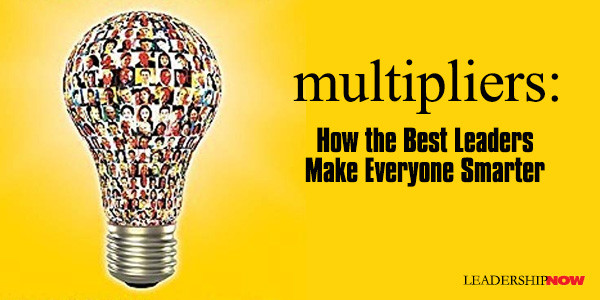
| Author | Liz Wiseman |
|---|---|
| Type | Paperback Printed Book |
| ISBN/ISSN | 0062699172, 978-0062699176 |
| Language | English |
| Pages | 384 |
Be the first to review “Multipliers by Liz Wiseman”
Related products
-19%
Analysis & Strategy
Original price was: රු2,600.00.රු2,100.00Current price is: රු2,100.00.
3 X Rs. 700.00 or 8% Cashback with
or 3 X රු700.00 with
or up to 4 X රු525.00 with

රු2,000.00
3 X Rs. 666.67 or 8% Cashback with
or 3 X රු666.67 with
or up to 4 X රු500.00 with

රු1,500.00
3 X Rs. 500.00 or 8% Cashback with
or 3 X රු500.00 with
or up to 4 X රු375.00 with
-26%

Out of stock
Analysis & Strategy
Original price was: රු1,900.00.රු1,400.00Current price is: රු1,400.00.
3 X Rs. 466.67 or 8% Cashback with
or 3 X රු466.67 with
or up to 4 X රු350.00 with
-16%

Business, Finance & Economics
Original price was: රු3,150.00.රු2,650.00Current price is: රු2,650.00.
3 X Rs. 883.33 or 8% Cashback with
or 3 X රු883.33 with
or up to 4 X රු662.50 with

Business, Finance & Economics
රු2,500.00
3 X Rs. 833.33 or 8% Cashback with
or 3 X රු833.33 with
or up to 4 X රු625.00 with

Out of stock
Business, Finance & Economics
රු2,750.00
3 X Rs. 916.67 or 8% Cashback with
or 3 X රු916.67 with
or up to 4 X රු687.50 with
-17%

Original price was: රු2,900.00.රු2,400.00Current price is: රු2,400.00.
3 X Rs. 800.00 or 8% Cashback with
or 3 X රු800.00 with
or up to 4 X රු600.00 with
Reviews
There are no reviews yet.