
No products in the cart.
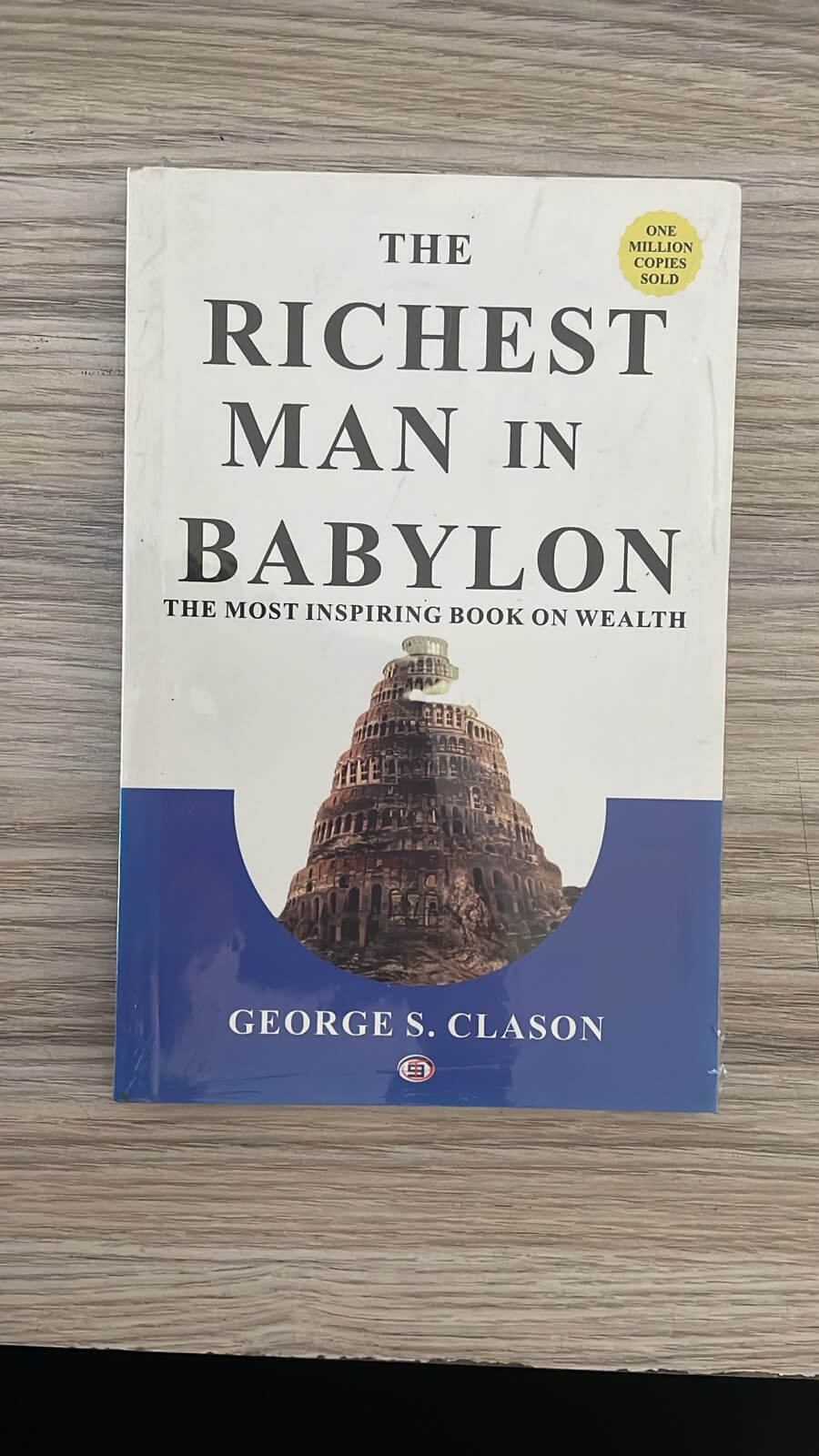
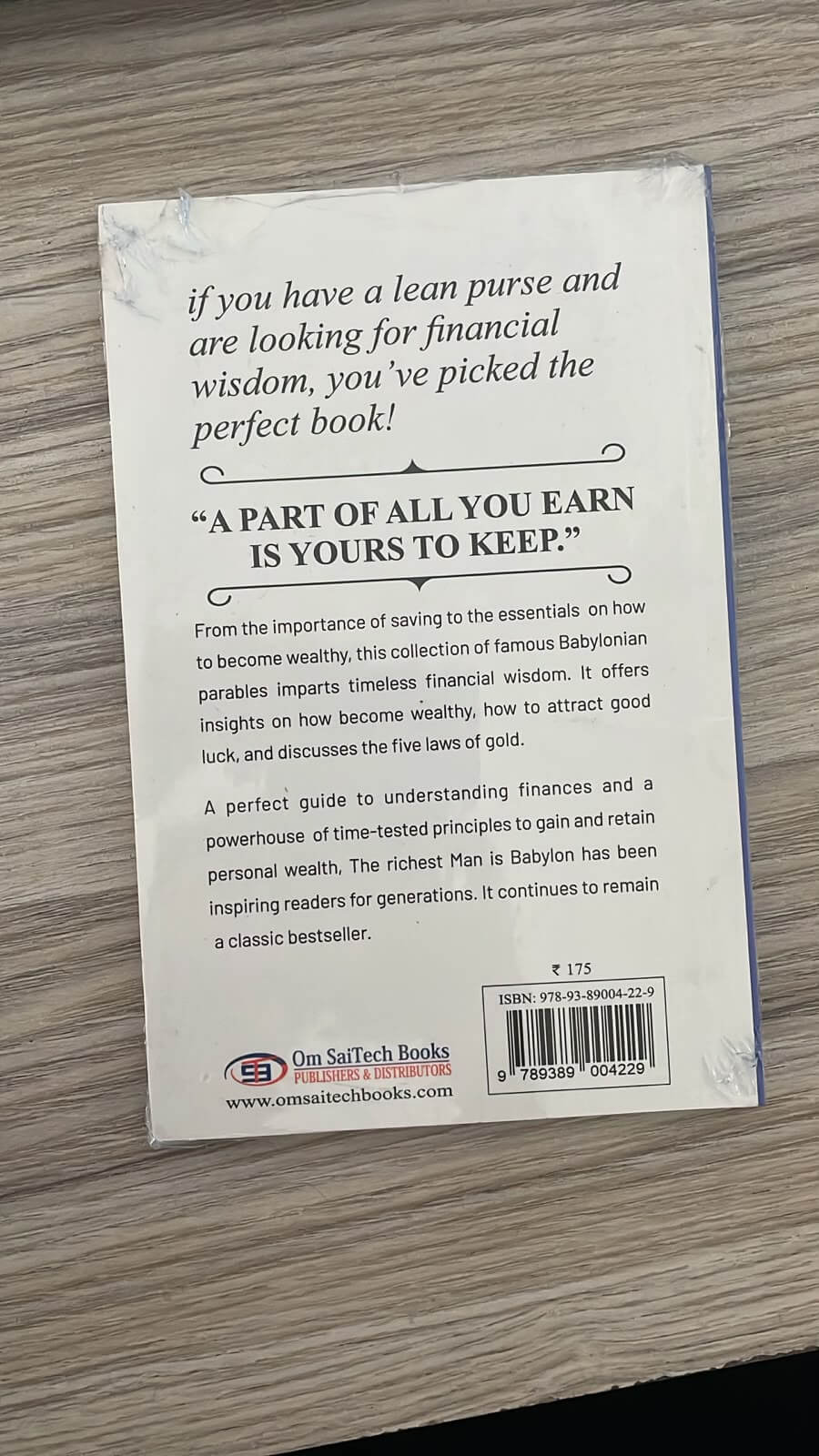
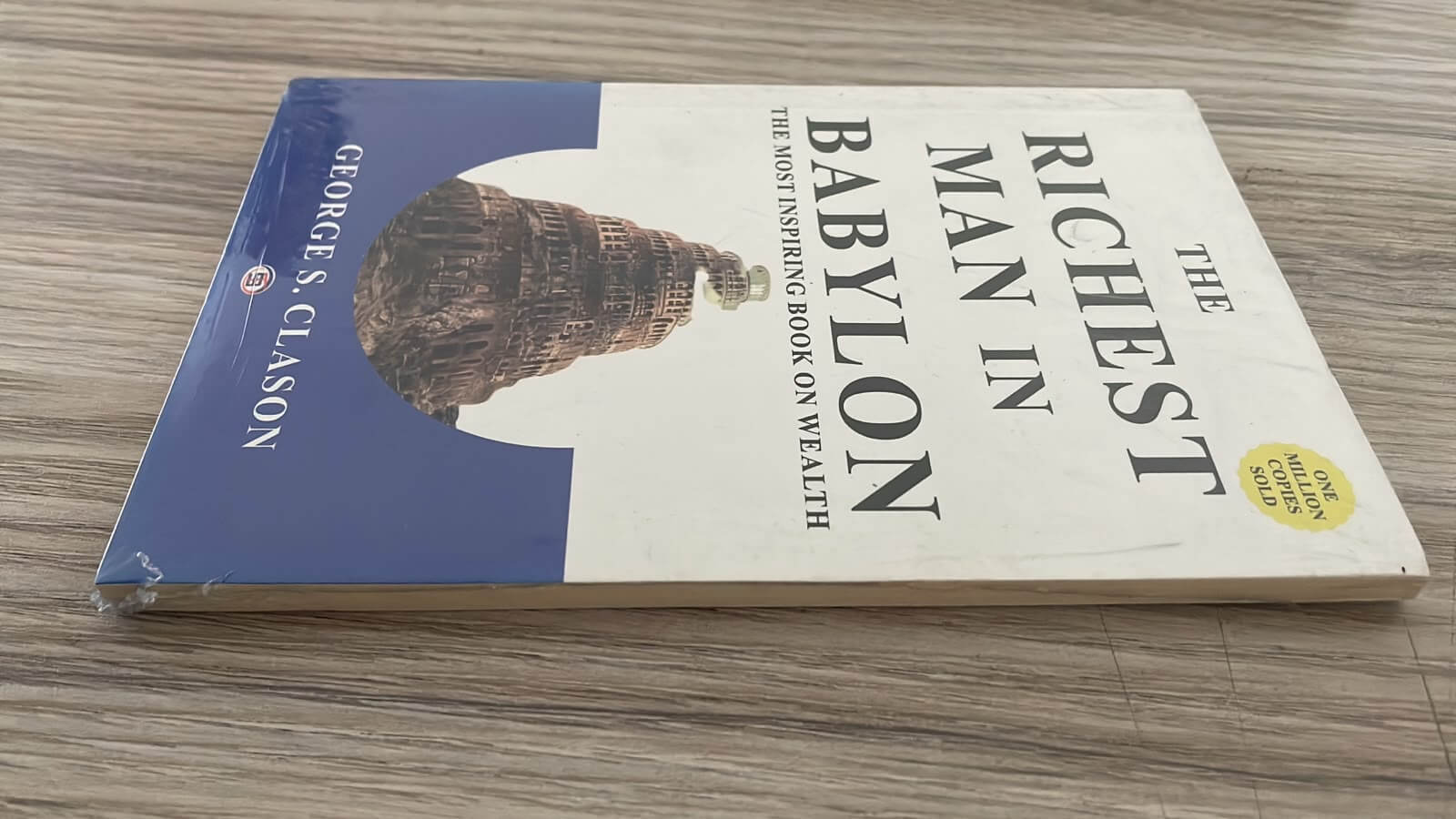



The Richest Man in Babylon by George S. Clason
The Richest Man in Babylon by George S. Clason is one of the best-known classics in personal finance. Through simple and memorable stories set in ancient Babylon, the book teaches timeless ideas about saving money, controlling expenses, investing carefully, protecting wealth, and developing better financial habits.
Instead of explaining money through complicated formulas or technical language, Clason presents his lessons through parables. Characters face familiar financial problems such as spending everything they earn, struggling with debt, making poor investments, and trying to improve their financial position.
Although the stories take place in an ancient setting, the questions they explore remain familiar today: How much should you save? How can you control spending? How should you approach investing? How can you protect the money you have worked hard to earn?
About The Richest Man in Babylon
The Richest Man in Babylon originally grew from financial parables written by George S. Clason. His stories use the city of Babylon as the setting for lessons about money management and personal wealth.
One of the central characters is Arkad, described as the richest man in Babylon. Through his experiences, readers are introduced to straightforward principles for improving their financial habits.
Rather than promising instant wealth, the book emphasizes discipline, patience, saving, learning, and thoughtful decision-making.
Its simple storytelling makes it especially accessible for readers beginning to learn about personal finance.
7 Powerful Lessons from The Richest Man in Babylon
1. Pay Yourself First
One of the most famous principles in The Richest Man in Babylon is to keep a portion of everything you earn.
Instead of spending your entire income and saving whatever remains, the book encourages readers to make saving a priority.
Regularly setting aside part of your income can help create a foundation for future financial security.
2. Control Your Expenses
Earning more money does not automatically solve financial problems if spending rises at the same time.
Clason encourages readers to distinguish between genuine needs and desires.
A budget can help you understand where your money goes and decide which expenses are truly important.
The lesson is not necessarily to avoid enjoying life. It is to make sure your spending does not consume everything you earn.
3. Put Your Money to Work
Saving is an important beginning, but the book also explores the idea of using accumulated money productively.
Instead of allowing savings to remain completely idle, readers are encouraged to learn about opportunities that may help their money generate additional returns.
This lesson also comes with an important message: understand what you are doing before committing your money.
4. Protect Your Wealth from Loss
Building wealth is difficult if poor decisions repeatedly destroy your savings.
The Richest Man in Babylon warns readers against putting money into opportunities they do not understand or trusting advice from people without relevant knowledge.
Before making an investment, it is important to consider the risks and seek reliable information.
Protecting capital can be just as important as trying to grow it.
5. Improve Your Ability to Earn
Financial progress is not only about reducing expenses.
The book also encourages people to increase their knowledge, develop useful skills, and become more valuable in their work or business.
Learning can improve your ability to identify opportunities and potentially increase your earning capacity.
This makes personal development an important part of the book’s approach to money.
6. Plan for the Future
Financial decisions made today can affect your life many years from now.
Clason’s stories encourage readers to think beyond immediate spending and prepare for future needs.
Building savings, developing financial knowledge, managing debt responsibly, and planning ahead can create a stronger foundation for long-term financial stability.
7. Seek Knowledge Before Investing
Not every opportunity is a good opportunity.
One of the strongest lessons from the book is the importance of seeking guidance from people who genuinely understand the area in which you are considering investing.
Excitement and promises of quick profit should not replace knowledge and careful judgment.
The principle remains highly relevant: understand the risks before putting your money at risk.
Why Read The Richest Man in Babylon?
One reason The Richest Man in Babylon has remained popular for generations is its simplicity.
Personal finance can sometimes seem complicated, particularly for beginners. This book reduces many financial ideas to understandable principles that readers can remember and discuss easily.
Its lessons cover areas such as:
- Saving money consistently
- Controlling unnecessary spending
- Building better money habits
- Understanding investments
- Protecting savings
- Managing financial responsibilities
- Increasing earning ability
- Thinking about long-term financial security
The book is not a detailed modern investment manual, nor should its stories replace professional financial advice. Instead, it provides a foundation for thinking more carefully about earning, saving, spending, and investing.
Who Should Read The Richest Man in Babylon?
This book is suitable for readers interested in:
- Personal finance
- Money management
- Saving
- Investing
- Wealth building
- Financial independence
- Entrepreneurship
- Self-development
- Business and finance
It can be particularly useful for young adults and beginners who want an accessible introduction to fundamental financial concepts.
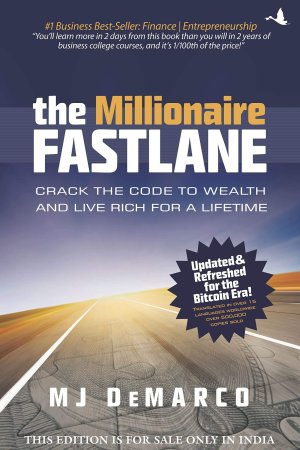
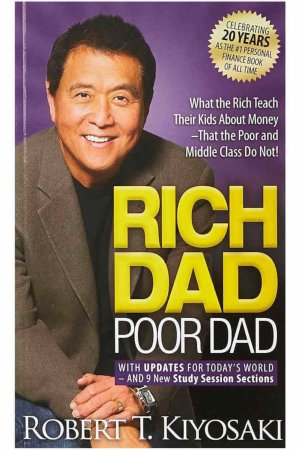
Readers who enjoyed books such as Rich Dad Poor Dad or The Millionaire Fastlane may also appreciate the focus on financial education and long-term thinking found in this classic.
About George S. Clason
George Samuel Clason was an American businessman and writer. In 1926, he began publishing a series of pamphlets about thrift and financial success using parables set in ancient Babylon.
These stories were distributed by banks and insurance companies and became widely known. The most famous eventually gave its name to The Richest Man in Babylon.
His storytelling approach helped turn basic financial principles into memorable lessons that readers could understand without specialized financial knowledge.
Build Better Financial Habits
The Richest Man in Babylon remains a compelling introduction to the basic principles of personal finance because its central message is simple: financial progress usually begins with better habits.
Save consistently.
Control your spending.
Protect what you have.
Learn before investing.
Develop your skills.
Think about the future.
These principles may sound simple, but applying them consistently can require patience and discipline.
For readers looking for a classic introduction to saving, money management, financial education, and wealth-building principles, The Richest Man in Babylon by George S. Clason is an excellent addition to a personal finance reading list.
Learn more about The Richest Man in Babylon by George S. Clason on Project Gutenberg.
Explore more personal finance and wealth-building books at Bargain Books.
| Author | George S. Calson |
|---|---|
| Language | English |
| Type | Paperback Printed Book (Second Quality Copy) |
Be the first to review “Richestman babylon by George S. Calson”
Related products
Business, Finance & Economics
රු1,700.00
3 X Rs. 566.67 or 8% Cashback with


or 3 X රු566.67 with


or up to 4 X රු425.00 with

![Stories of bible [hardcover]](https://bargainbooks.lk/wp-content/uploads/Stories-of-bible-hardcover-4-1-300x450.jpeg)
Damaged & Imperfect Books
රු1,750.00
3 X Rs. 583.33 or 8% Cashback with
or 3 X රු583.33 with
or up to 4 X රු437.50 with
-14%
Out of stock
Non-Fiction & Knowledge
Original price was: රු3,500.00.රු3,000.00Current price is: රු3,000.00.
3 X Rs. 1,000.00 or 8% Cashback with
or 3 X රු1,000.00 with
or up to 4 X රු750.00 with
Business, Finance & Economics
රු1,900.00
3 X Rs. 633.33 or 8% Cashback with
or 3 X රු633.33 with
or up to 4 X රු475.00 with
-32%
Business, Finance & Economics
Original price was: රු2,800.00.රු1,900.00Current price is: රු1,900.00.
3 X Rs. 633.33 or 8% Cashback with
or 3 X රු633.33 with
or up to 4 X රු475.00 with
-22%

Out of stock
Business, Finance & Economics
Original price was: රු2,250.00.රු1,750.00Current price is: රු1,750.00.
3 X Rs. 583.33 or 8% Cashback with
or 3 X රු583.33 with
or up to 4 X රු437.50 with
-21%
Non-Fiction & Knowledge
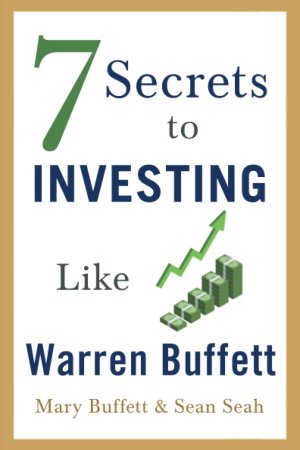
7 Secrets to Investing Like Warren Buffett by Mary Buffett & Sean Seah
Original price was: රු1,900.00.රු1,500.00Current price is: රු1,500.00.
3 X Rs. 500.00 or 8% Cashback with
or 3 X රු500.00 with
or up to 4 X රු375.00 with
-39%
Self-Help & Psychology
Original price was: රු2,450.00.රු1,500.00Current price is: රු1,500.00.
3 X Rs. 500.00 or 8% Cashback with
or 3 X රු500.00 with
or up to 4 X රු375.00 with
Reviews
There are no reviews yet.