
No products in the cart.
-15%
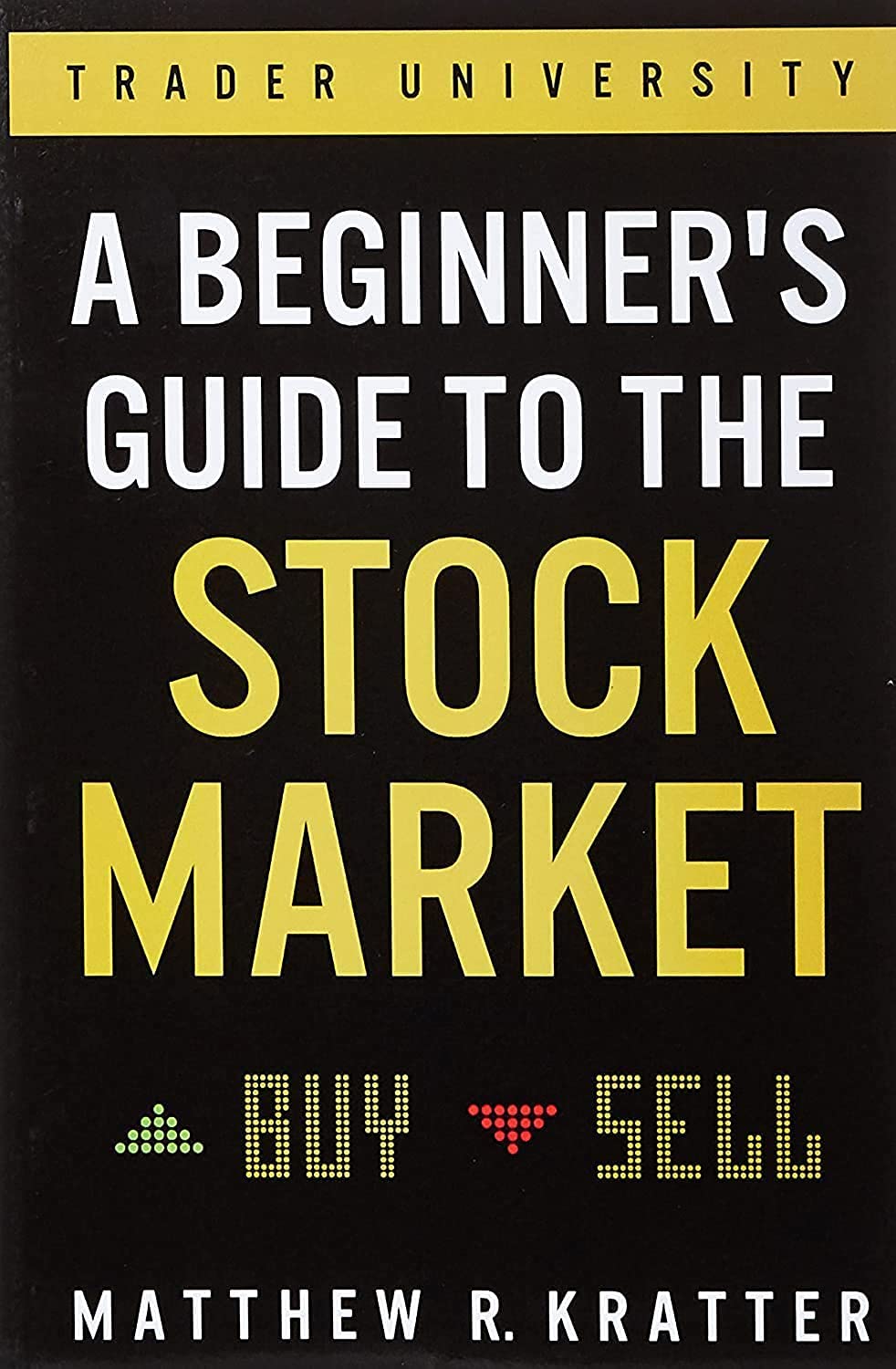
Beginner’s Guide To The Stock Market by Matthew R Kratter (Hardcover)

Original price was: රු3,300.00.රු2,800.00Current price is: රු2,800.00.
3 X Rs. 933.33 or 8% Cashback with


or 3 X රු933.33 with


or up to 4 X රු700.00 with


Dive into the world of investing with the ‘Beginner’s Guide to the Stock Market’ Hardcover edition. This comprehensive guide provides essential insights for novice investors, covering everything from stock basics to strategic investment approaches. Ideal for those seeking a durable and informative resource to kickstart their journey into the exciting realm of the stock market.
Out of stock
Email when stock available
Beginner’s Guide to the Stock Market by Matthew R. Kratter is a practical introduction to investing and trading for people who are new to the stock market.
The book explains fundamental ideas in straightforward language and aims to help beginners understand how stocks work before putting their money at risk.
It covers topics such as buying your first stock, choosing a brokerage account, investing in ETFs, earning dividend income and understanding different investing strategies.
Beginner’s Guide to the Stock Market is especially suitable for readers who want an accessible starting point before exploring more advanced investing books.
Why Read Beginner’s Guide to the Stock Market?
Beginner’s Guide to the Stock Market focuses on practical concepts that new investors need to understand.
The stock market can initially appear complicated.
There are stocks, ETFs, dividends, brokerage accounts, market orders and many other terms to learn.
This book aims to make those ideas easier to understand.
Instead of assuming that the reader already has investing experience, Matthew R. Kratter introduces concepts from a beginner-friendly perspective.
Learn How the Stock Market Works
Understanding the market should come before investing money.
Beginner’s Guide to the Stock Market introduces readers to the basic mechanics of buying and selling shares.
A stock represents ownership in a company.
Investors buy stocks because they believe those investments may increase in value or generate income over time.
However, investing always involves risk.
Learning the fundamentals can help beginners make more informed decisions rather than simply following rumours or trends.
Buying Your First Stock
One of the topics covered in Beginner’s Guide to the Stock Market is how to buy your first stock.
For a complete beginner, the process can seem intimidating.
You need a brokerage account.
You need to understand what you are buying.
You also need to know how different types of orders work.
The book introduces these steps so that readers can better understand how investing works in practice.
Understanding Brokerage Accounts
A brokerage account gives investors access to financial markets.
Kratter discusses choosing a place to open an account as part of the book’s beginner-oriented material.
This is an important concept because purchasing shares usually requires a broker or investment platform.
Readers can use the book as a starting point for understanding what they should consider before entering the market.
ETFs for Beginners
Beginner’s Guide to the Stock Market also discusses ETFs, or exchange-traded funds.
An ETF can hold a collection of investments rather than requiring an investor to select only one individual company.
For beginners, understanding diversification is important.
Putting all your money into a single company can create significant risk.
Learning about ETFs introduces readers to another way of participating in financial markets.
Dividend Stocks and Passive Income
Dividend investing is another topic covered in the book.
Some companies distribute part of their earnings to shareholders through dividends.
Investors may use dividend-paying stocks as part of an income-focused strategy.
However, dividends are not guaranteed.
Companies can reduce or stop payments.
Beginner’s Guide to the Stock Market introduces the concept so new investors can understand how stocks may potentially produce income as well as capital gains.
Beginner’s Guide to the Stock Market and Value Investing
The book also discusses value stocks and stock-selection approaches associated with investors such as Warren Buffett.
Value investing generally involves looking for businesses that an investor believes are worth more than their current market price.
This requires more than simply buying a stock because it looks cheap.
Investors need to consider the underlying company.
Understanding the business can be just as important as watching the share price.
Trading and Momentum Stocks
Not every market participant follows a long-term investing strategy.
Some people actively trade stocks.
Beginner’s Guide to the Stock Market introduces momentum stocks and trading concepts alongside longer-term investing ideas.
Momentum traders generally focus on stocks showing strong price movement.
Trading can involve considerably different risks from long-term investing.
For beginners, learning the difference between investing and trading is therefore important.
Avoid Common Beginner Mistakes
New investors can easily make emotional decisions.
Someone may buy a stock simply because everyone online is discussing it.
Another person may panic and sell after a sudden decline.
Others may invest money without understanding the company they are purchasing.
Beginner’s Guide to the Stock Market emphasizes avoiding costly mistakes and understanding how markets operate before committing money.
Understand Risk Before Investing
No investing book can guarantee profits.
Stock prices rise and fall.
Even strong companies can experience major declines.
That is why learning about risk is essential.
Beginner’s Guide to the Stock Market can provide introductory knowledge, but readers should still research investments independently before making financial decisions.
The goal should be informed decision-making rather than searching for guaranteed returns.
Building Long-Term Wealth
Investing is often most useful when viewed over a longer period.
Instead of expecting instant results, investors can focus on developing knowledge, discipline and consistent habits.
Beginner’s Guide to the Stock Market introduces readers to approaches aimed at growing money and creating a stronger financial future.
The book can therefore be useful for readers taking their first steps into investing.
7 Powerful Lessons From Beginner’s Guide to the Stock Market
- Learn Before Investing – Understand how the market works before risking your money.
- Know How to Buy Stocks – Learn the basic process of purchasing shares.
- Understand ETFs – Explore diversified investment products instead of focusing only on individual stocks.
- Learn About Dividends – Understand how some stocks can potentially generate income.
- Study Different Strategies – Investing and trading require different approaches.
- Avoid Costly Mistakes – Emotional and poorly researched decisions can hurt investors.
- Think Long Term – Building wealth generally requires patience, knowledge and discipline.
What You Can Learn From Beginner’s Guide to the Stock Market
Readers can explore:
- Stock market basics
- Buying stocks
- Brokerage accounts
- ETFs
- Dividend stocks
- Passive-income concepts
- Value investing
- Stock selection
- Momentum stocks
- Trading basics
- Investment risk
- Market terminology
- Beginner investing mistakes
- Long-term wealth building
- Financial education
Who Should Read Beginner’s Guide to the Stock Market?
Beginner’s Guide to the Stock Market is designed primarily for people who have little or no previous experience with stocks.
Students interested in investing may find it useful.
Young professionals beginning to manage their own money may also appreciate its introductory approach.
Readers interested in personal finance can use it to understand how the stock market fits into the wider world of investing.
It can also work as an accessible first book before moving into more detailed books on company analysis, portfolio construction or investing psychology.
A Powerful Starting Point for New Investors
Beginner’s Guide to the Stock Market gives new investors a straightforward introduction to stocks, ETFs, dividends, trading and investment strategies.
Matthew R. Kratter focuses on practical topics such as opening a brokerage account, purchasing a first stock, avoiding common mistakes and understanding different ways people participate in the market.
The book does not remove the risks involved with investing.
Instead, it can help readers develop a basic understanding before making their own financial decisions.
For anyone looking for an accessible first step into stocks and investing, Beginner’s Guide to the Stock Market is a useful addition to a business, finance or personal-development bookshelf. https://yourwebsite.com/beginners-guide-to-the-stock-market/
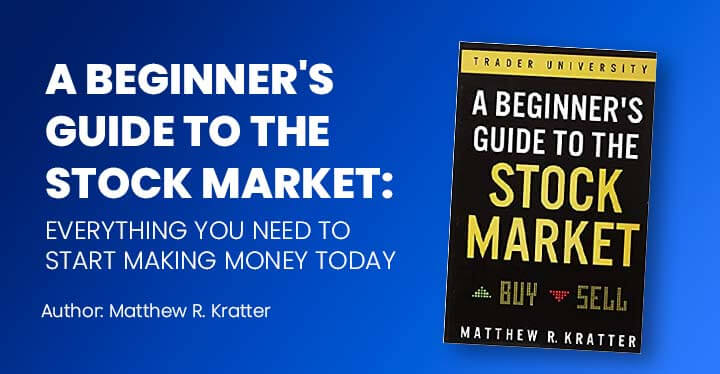
| Author | Matthew R Kratter |
|---|---|
| Type | Hardcover |
| ISBN/ISSN | 1099617200, 978-1099617201 |
| Language | English |
| Pages | 98 |
Be the first to review “Beginner’s Guide To The Stock Market by Matthew R Kratter (Hardcover)”
Related products

Non-Fiction & Knowledge
රු2,450.00
3 X Rs. 816.67 or 8% Cashback with
or 3 X රු816.67 with
or up to 4 X රු612.50 with

Out of stock
Non-Fiction & Knowledge
රු1,900.00
3 X Rs. 633.33 or 8% Cashback with
or 3 X රු633.33 with
or up to 4 X රු475.00 with

Out of stock
Non-Fiction & Knowledge
රු1,600.00
3 X Rs. 533.33 or 8% Cashback with
or 3 X රු533.33 with
or up to 4 X රු400.00 with
-17%

Out of stock
Non-Fiction & Knowledge
Original price was: රු2,900.00.රු2,400.00Current price is: රු2,400.00.
3 X Rs. 800.00 or 8% Cashback with
or 3 X රු800.00 with
or up to 4 X රු600.00 with

Non-Fiction & Knowledge
රු1,550.00
3 X Rs. 516.67 or 8% Cashback with
or 3 X රු516.67 with
or up to 4 X රු387.50 with

රු2,000.00
3 X Rs. 666.67 or 8% Cashback with
or 3 X රු666.67 with
or up to 4 X රු500.00 with

Out of stock
Non-Fiction & Knowledge
රු1,800.00
3 X Rs. 600.00 or 8% Cashback with
or 3 X රු600.00 with
or up to 4 X රු450.00 with
-34%

Non-Fiction & Knowledge
Original price was: රු2,250.00.රු1,490.00Current price is: රු1,490.00.
3 X Rs. 496.67 or 8% Cashback with
or 3 X රු496.67 with
or up to 4 X රු372.50 with
Reviews
There are no reviews yet.