
No products in the cart.
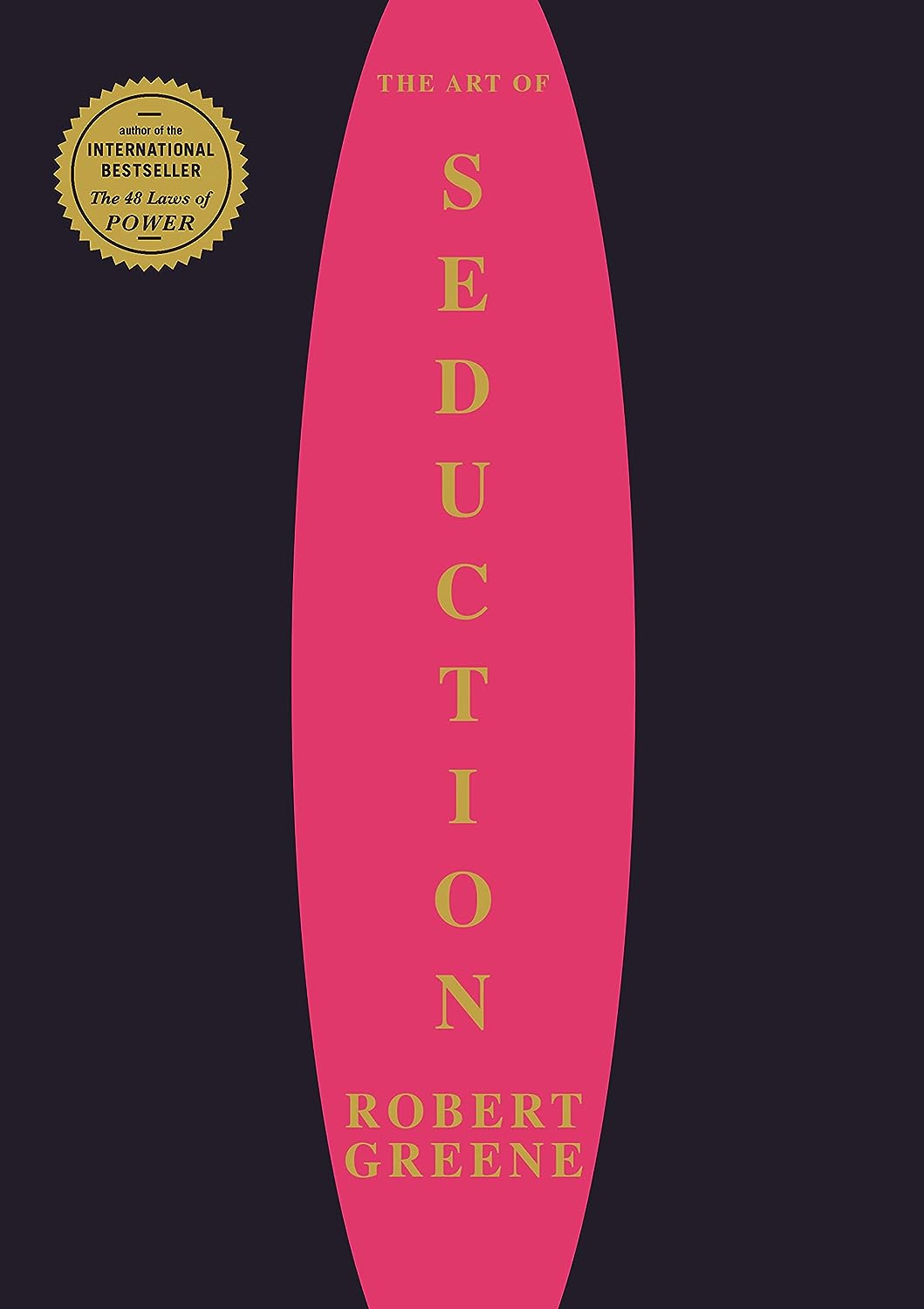
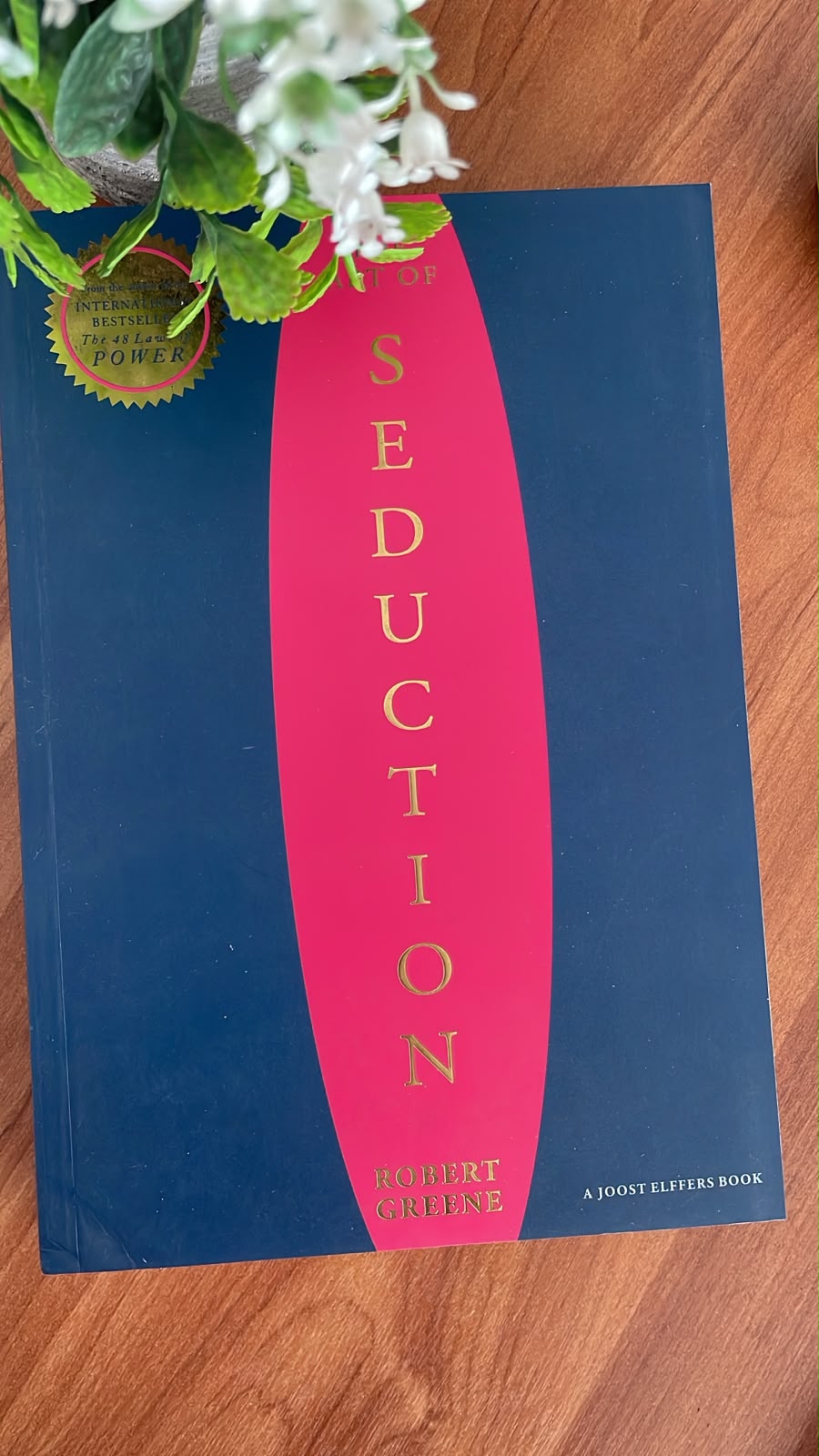
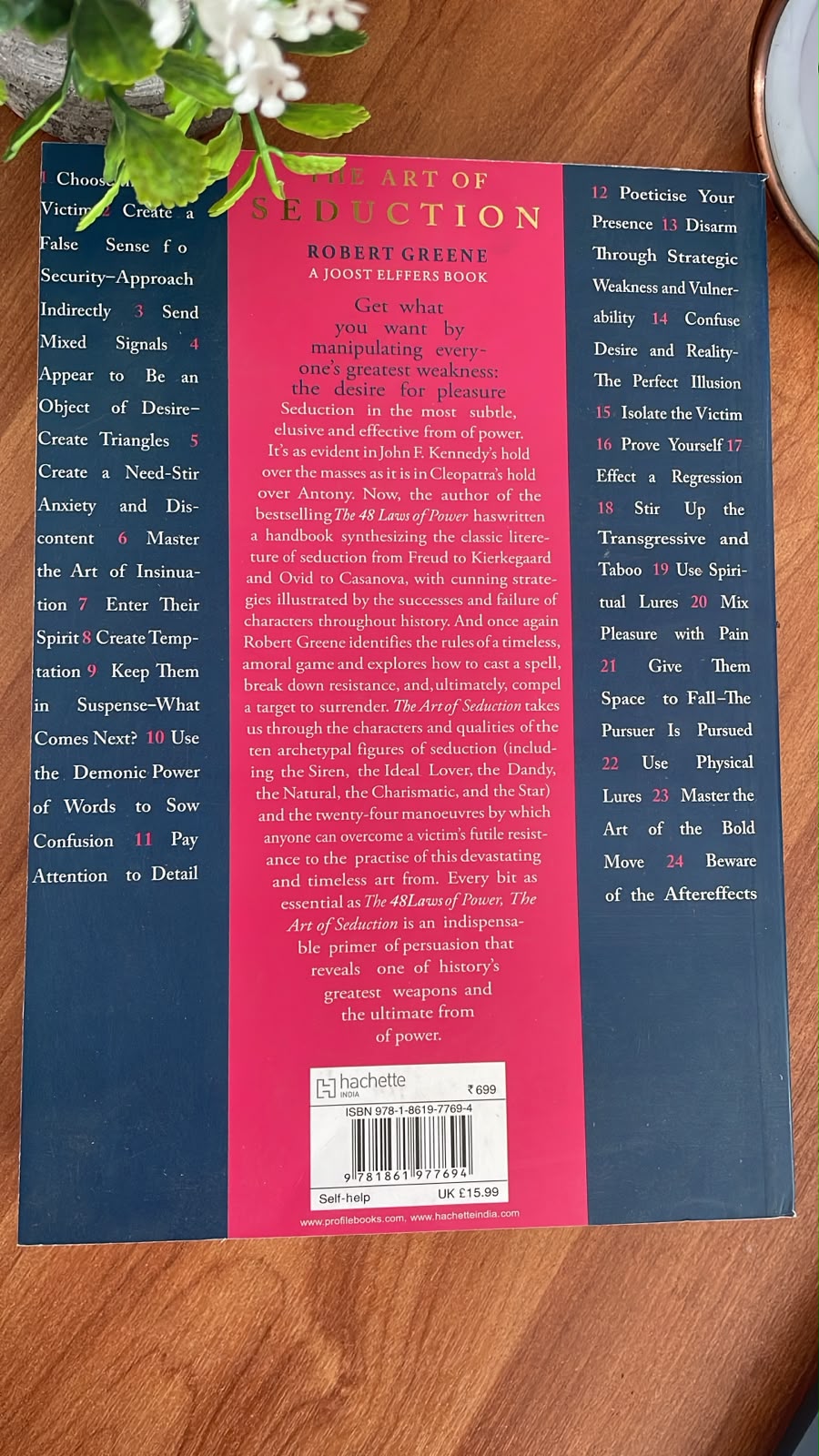
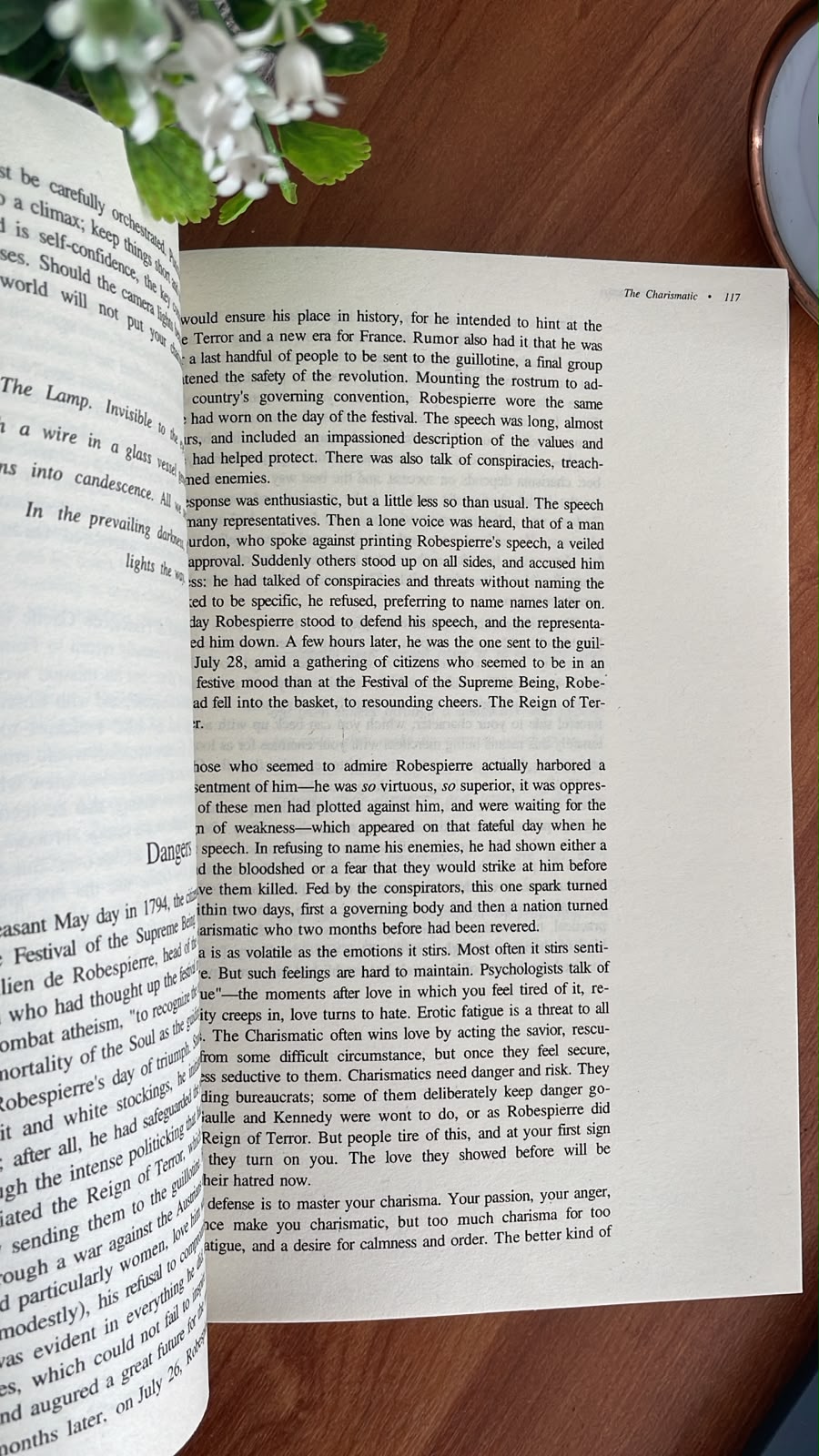
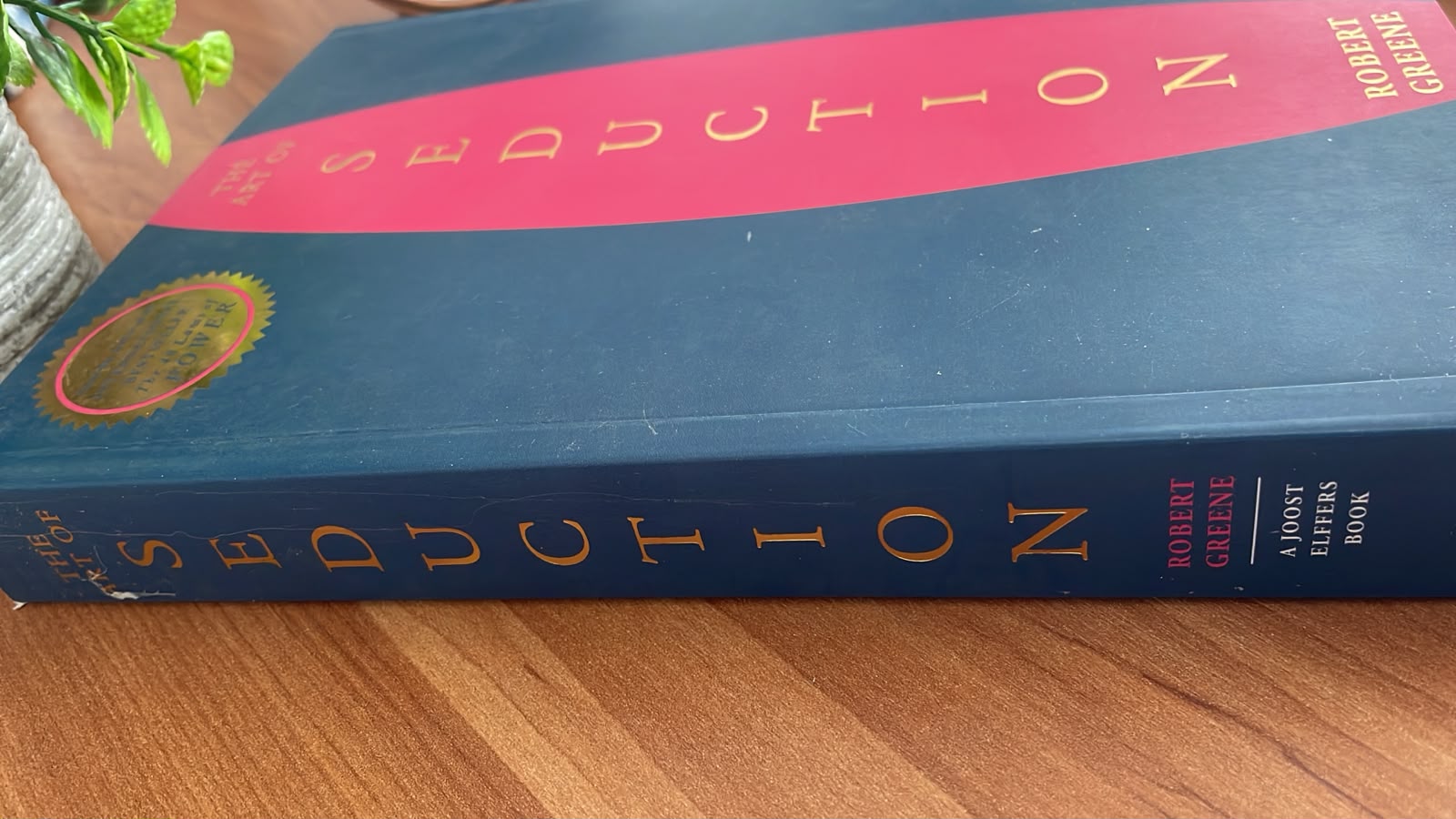





The Art of Seduction by Robert Greene


රු1,950.00
3 X Rs. 650.00 or 8% Cashback with


or 3 X රු650.00 with


or up to 4 X රු487.50 with


Unlock the secrets of allure and desire with ‘The Art of Seduction’ by Robert Greene. This provocative bestseller explores the timeless strategies of seduction, offering insights into the dynamics of power, passion, and persuasion. Ideal for readers seeking a bold exploration of human nature and the artful dance of attraction.
9 in stock

Art of Seduction by Robert Greene
Art of Seduction by Robert Greene is a fascinating exploration of persuasion, attraction, psychology, influence, strategy, and human behaviour.
The book examines the ways people throughout history have attracted attention, created fascination, built influence, and shaped the emotions of others.
Greene combines historical stories with observations about psychology and social behaviour.
The result is a book that can be read as both a study of influence and a guide to understanding how persuasive personalities operate.
Why Read Art of Seduction?
Art of Seduction explores a side of human behaviour that often operates beneath everyday conversations and relationships.
People are not influenced only by facts and logic.
Emotion, curiosity, confidence, attention, mystery, timing, and personality can all affect how someone responds to another person.
Robert Greene examines these elements through historical figures and famous personalities.
This makes the book especially interesting for readers who enjoy psychology, strategy, communication, and human behaviour.
Understanding the Psychology of Attraction
Attraction can take many forms.
It can involve appearance, personality, confidence, humour, mystery, charisma, or emotional connection.
Greene examines why certain people seem naturally capable of attracting attention.
He also explores the psychological qualities that make some personalities more memorable than others.
Art of Seduction therefore goes beyond romantic relationships.
Many of its observations can also be considered in relation to communication, leadership, marketing, networking, and social influence.
Different Seductive Character Types
One of the memorable elements of the book is Greene’s discussion of different seductive personalities.
Some people attract others through mystery.
Some use confidence.
Others rely on charm, excitement, warmth, or charisma.
These different styles demonstrate that influence does not come from one universal personality.
People respond differently depending on their own emotions, desires, expectations, and personalities.
The Importance of Mystery
Mystery can create curiosity.
When everything about a person is immediately obvious, there may be little left to discover.
Greene examines how influential personalities throughout history often maintained an element of unpredictability.
That uncertainty can encourage people to pay greater attention.
Art of Seduction uses historical examples to demonstrate how curiosity and anticipation can influence human behaviour.
Confidence and Presence
Confidence can strongly influence how a person is perceived.
People often notice individuals who appear comfortable with themselves.
Body language, tone of voice, communication style, and emotional control can all contribute to presence.
However, confidence is not necessarily the same as arrogance.
Effective social interaction usually requires understanding the people around you as well as understanding yourself.
The Role of Communication
Communication plays an important role throughout Art of Seduction.
Words matter.
But tone, timing, attention, and emotion can matter just as much.
A person may remember how a conversation made them feel long after they forget the exact words.
This makes emotional awareness an important part of communication.
Understanding another person’s perspective can also make conversations more meaningful.
Persuasion and Influence
Persuasion is another central idea in the book.
People are constantly influencing each other.
Advertising influences customers.
Leaders influence teams.
Friends influence decisions.
Stories influence opinions.
Greene examines how influence can become more powerful when it connects with emotion rather than relying entirely on direct arguments.
Understanding these techniques can also help readers recognize when persuasive strategies are being used on them.
Historical Examples
Robert Greene is known for using history as a major part of his writing.
Art of Seduction draws on famous personalities and historical situations to illustrate different forms of influence and attraction.
These examples turn psychological ideas into memorable stories.
Readers can observe how different personalities approached power, relationships, reputation, communication, and persuasion.
This storytelling style is one reason Greene’s books appeal to readers beyond traditional self-development audiences.
Strategy and Timing
Timing can dramatically change the effect of communication.
A message delivered at the wrong moment may fail.
The same idea delivered at the right moment can have far greater impact.
The book explores the importance of patience and observation.
Understanding circumstances before acting can sometimes be more effective than reacting immediately.
Emotional Intelligence
Many ideas in Art of Seduction connect closely with emotional intelligence.
Understanding another person’s feelings can improve communication.
Recognizing your own emotions can also prevent impulsive decisions.
People who understand emotional signals may be better able to navigate complicated social situations.
This does not mean every strategy described in the book should be followed.
The book can also be read critically as a way to understand and recognize different influence techniques.
Power and Human Behaviour
Robert Greene frequently examines power in his books.
Power does not always involve authority or money.
Attention can create power.
Reputation can create power.
Information can create power.
The ability to understand other people’s motivations can also create an advantage.
Art of Seduction examines these subtle forms of influence through the lens of attraction and persuasion.
Perfect for Robert Greene Readers
This book is a strong choice for readers interested in:
- Psychology
- Human behaviour
- Persuasion
- Influence
- Strategy
- Communication
- Emotional intelligence
- Social psychology
- Power dynamics
- Personal development
- Historical examples
- Robert Greene books
Readers who enjoyed The 48 Laws of Power, Mastery, or The Laws of Human Nature may find similar themes in this title. Robert Greene’s publisher lists all of these among his major works.
About Robert Greene
Robert Greene is an internationally bestselling author known for books examining power, strategy, mastery, influence, and human behaviour.
His major works include The 48 Laws of Power, The Art of Seduction, The 33 Strategies of War, Mastery, The Laws of Human Nature, and The Daily Laws.
His writing frequently combines historical examples with observations about psychology and strategic behaviour.
Readers can learn more through the official Profile Books Art of Seduction page.
More Than a Book About Romance
Despite its title, Art of Seduction is not limited to romantic attraction.
It examines broader questions about attention, influence, communication, social behaviour, and emotional psychology.
Readers may approach it as a strategy book, a psychological study, or a collection of historical observations.
It can also encourage readers to become more aware of persuasive behaviour in everyday life.
Buy Art of Seduction in Sri Lanka
Looking for Art of Seduction in Sri Lanka?
Robert Greene’s well-known book is an interesting choice for readers who enjoy psychology, persuasion, history, strategy, communication, and human behaviour.
Explore historical examples and psychological observations about attraction, influence, personality, timing, and power.
Add this popular Robert Greene title to your collection today.https://profilebooks.com/work/the-art-of-seduction/
| Author | Robert Greene |
|---|---|
| Type | Paperback Printed Book |
| ISBN/ISSN | 1861976410, 978-1861976413 |
| Language | English |
| Pages | 224 |
Be the first to review “The Art of Seduction by Robert Greene”
Related products

Out of stock
Non-Fiction & Knowledge
රු1,800.00
3 X Rs. 600.00 or 8% Cashback with
or 3 X රු600.00 with
or up to 4 X රු450.00 with

Out of stock
Non-Fiction & Knowledge
රු1,600.00
3 X Rs. 533.33 or 8% Cashback with
or 3 X රු533.33 with
or up to 4 X රු400.00 with
-17%
Out of stock
Non-Fiction & Knowledge
Original price was: රු2,900.00.රු2,400.00Current price is: රු2,400.00.
3 X Rs. 800.00 or 8% Cashback with
or 3 X රු800.00 with
or up to 4 X රු600.00 with

රු2,000.00
3 X Rs. 666.67 or 8% Cashback with
or 3 X රු666.67 with
or up to 4 X රු500.00 with
-13%

Out of stock
Non-Fiction & Knowledge
Original price was: රු3,850.00.රු3,350.00Current price is: රු3,350.00.
3 X Rs. 1,116.67 or 8% Cashback with
or 3 X රු1,116.67 with
or up to 4 X රු837.50 with
Non-Fiction & Knowledge
රු2,250.00
3 X Rs. 750.00 or 8% Cashback with
or 3 X රු750.00 with
or up to 4 X රු562.50 with
-14%

Out of stock
Self-Help & Psychology
Original price was: රු2,900.00.රු2,500.00Current price is: රු2,500.00.
3 X Rs. 833.33 or 8% Cashback with
or 3 X රු833.33 with
or up to 4 X රු625.00 with
-19%

Out of stock
Non-Fiction & Knowledge
Original price was: රු2,650.00.රු2,150.00Current price is: රු2,150.00.
3 X Rs. 716.67 or 8% Cashback with
or 3 X රු716.67 with
or up to 4 X රු537.50 with
Reviews
There are no reviews yet.