
No products in the cart.
-12%

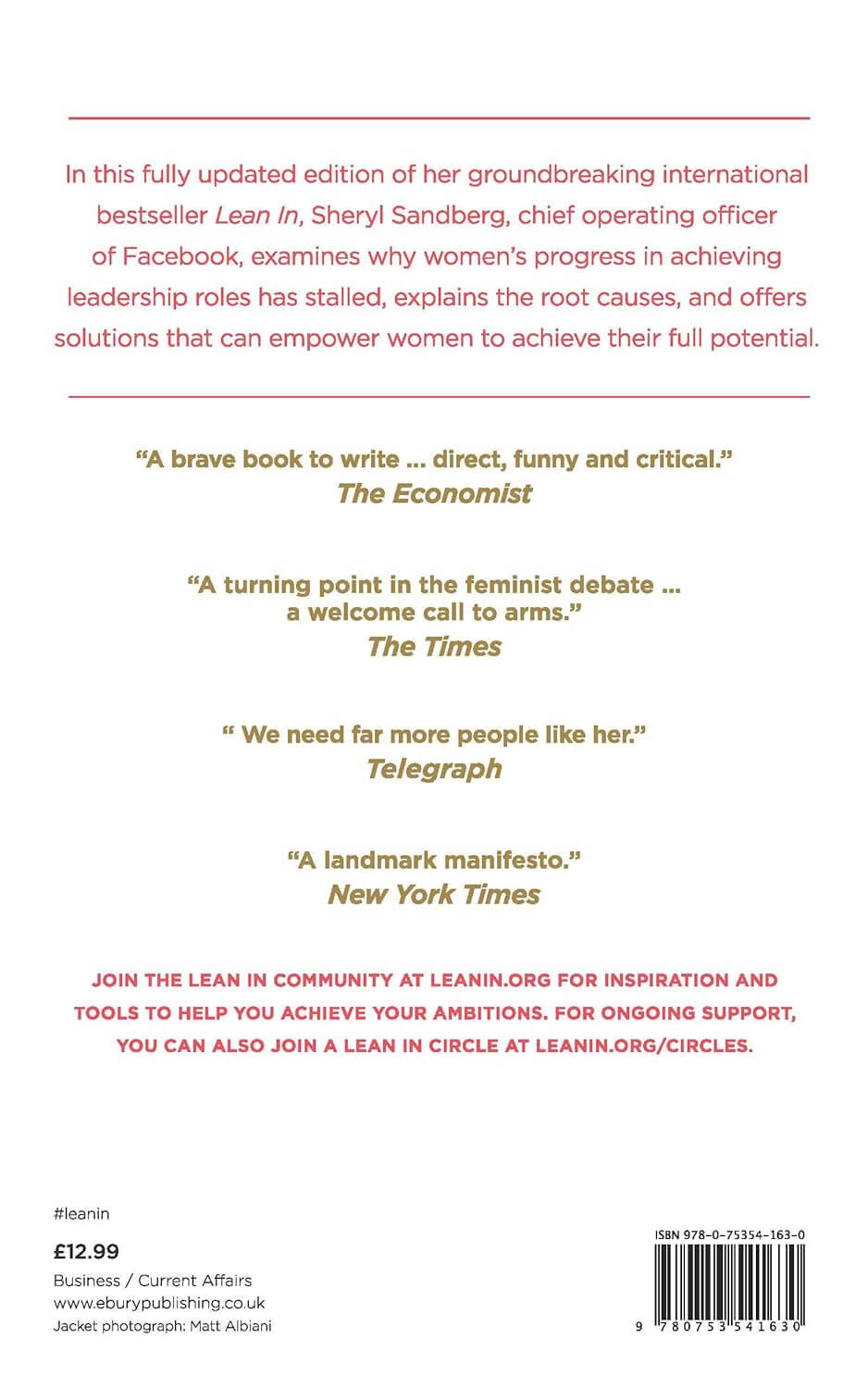

Lean In by Sheryl Sandberg


Original price was: රු2,600.00.රු2,300.00Current price is: රු2,300.00.
3 X Rs. 766.67 or 8% Cashback with


or 3 X රු766.67 with


or up to 4 X රු575.00 with


Lean In by Sheryl Sandberg is a bestselling leadership and career-development book exploring women in the workplace, ambition, confidence, negotiation, mentorship, leadership and work-life responsibilities. Through research, personal stories and practical lessons, Sandberg encourages readers to take opportunities, speak up, negotiate, build supportive professional relationships and challenge the barriers that can limit women’s advancement. Ideal for professionals, entrepreneurs, managers and readers interested in leadership and workplace equality.
Out of stock
Email when stock available
Lean In by Sheryl Sandberg is a thought-provoking leadership and career-development book about ambition, confidence, workplace equality, negotiation, mentorship, career growth and the challenges women can face while building successful professional lives.
Sheryl Sandberg draws on:
Personal experience.
Research.
Workplace observations.
Leadership lessons.
Career stories.
Statistics.
to explore why women remain underrepresented in many senior leadership positions.
The central idea is not simply that women should work harder.
Instead, Sandberg examines a combination of:
Personal confidence.
Professional opportunity.
Workplace culture.
Family expectations.
Gender bias.
Mentorship.
Negotiation.
Leadership.
She argues that meaningful change requires both individuals and organizations to think differently about how careers are built.
Lean In by Sheryl Sandberg became widely discussed because it encouraged women to participate more actively in professional opportunities while also calling attention to barriers that can make advancement more difficult.
Lean In by Sheryl Sandberg – Book Overview
Lean In by Sheryl Sandberg focuses on one major question:
Why are women still underrepresented in many positions of power and leadership?
There is no single explanation.
The reasons can include:
Gender stereotypes.
Workplace bias.
Unequal expectations.
Confidence gaps.
Family responsibilities.
Lack of mentorship.
Structural barriers.
Career interruptions.
Sandberg discusses both external barriers and internal patterns that may influence professional decisions.
Her approach encourages readers to consider what they can control personally while also recognizing that workplace systems and social expectations matter.
Leaning In
The phrase “lean in” became strongly associated with taking a more active role in one’s career.
It can mean:
Speaking up.
Applying for opportunities.
Taking challenging assignments.
Negotiating.
Asking for responsibility.
Participating in important conversations.
Not automatically assuming you are unqualified.
The idea is to avoid withdrawing before someone else has actually said no.
Sitting at the Table
One of the best-known ideas in Lean In by Sheryl Sandberg is the importance of “sitting at the table.”
This idea is both literal and symbolic.
In meetings, some people naturally move toward positions where they can participate visibly.
Others remain at the edge.
Professionally, the same pattern can happen.
People may underestimate their own contribution and hesitate to claim space.
Sandberg encourages women to recognize their value and participate fully.
Confidence
Confidence is a major theme.
People do not always evaluate their own abilities accurately.
Some highly capable professionals may think:
I am not ready.
I need more experience.
Someone else probably knows more.
I should wait.
That hesitation can reduce access to opportunities.
Lean In by Sheryl Sandberg encourages readers to distinguish between:
Genuine lack of preparation.
and
Unnecessary self-doubt.
The Confidence Gap
Research frequently discussed in workplace conversations suggests that men and women can sometimes approach opportunities differently.
A person may decide not to apply for a role because they do not meet every requirement.
Another may apply despite meeting only part of the description.
The lesson is not to become careless.
It is to avoid expecting perfection before taking a reasonable professional risk.
Impostor Feelings
Many successful people experience feelings associated with impostor syndrome.
They may believe:
I do not really deserve this.
People will eventually discover I am not good enough.
My success happened because of luck.
These thoughts can exist even when someone has strong evidence of competence.
Lean In by Sheryl Sandberg encourages readers not to let these feelings automatically determine career decisions.
Career Opportunities
Career growth often requires accepting opportunities before feeling completely prepared.
A new role may feel uncomfortable.
A promotion may require unfamiliar responsibilities.
A difficult project may create uncertainty.
But growth often happens through challenge.
Waiting until everything feels easy can mean waiting forever.
Taking Risks
Professional risk does not mean making reckless decisions.
It means accepting that growth includes uncertainty.
A useful opportunity may involve:
A larger team.
A new department.
A different industry.
Greater visibility.
More responsibility.
The question becomes:
Is fear stopping me from doing something I am capable of learning?
Career as a Jungle Gym
One memorable concept in Lean In by Sheryl Sandberg is that careers do not always need to look like ladders.
A ladder moves in one direction.
Up.
A jungle gym allows movement:
Up.
Sideways.
Across.
Sometimes even temporarily downward.
A lateral move may create:
New skills.
Better networks.
Different experiences.
Future opportunities.
This broader view can help people make more flexible career decisions.
Career Growth Is Not Always Linear
Traditional career thinking often assumes:
Junior role.
Promotion.
Another promotion.
Management.
Executive role.
Real careers can be much less predictable.
People:
Change industries.
Take career breaks.
Return to work.
Start businesses.
Move internationally.
Study again.
Change specialties.
Lean In by Sheryl Sandberg encourages readers to focus on long-term growth rather than one perfect sequence.
Women in Leadership
A major concern of the book is the shortage of women in many senior leadership positions.
Leadership matters because leaders influence:
Hiring.
Promotion.
Pay.
Workplace culture.
Policy.
Mentorship.
Organizational priorities.
Greater representation can influence the environment experienced by future employees.
Leadership Is Not Only a Title
Leadership is not limited to becoming CEO.
People can lead through:
Projects.
Teams.
Mentorship.
Ideas.
Initiatives.
Problem-solving.
Influence.
The book encourages women to see themselves as potential leaders before receiving formal leadership titles.
Ambition
Ambition can be viewed differently depending on who expresses it.
An ambitious man may be described as:
Driven.
Focused.
Leadership material.
An ambitious woman may sometimes be judged more negatively.
This double standard can influence behavior.
Lean In by Sheryl Sandberg argues that women should not automatically reduce their ambitions to fit other people’s expectations.
Success and Likeability
One of the more uncomfortable themes in the book involves the relationship between success and likeability.
Professional success can sometimes increase admiration for men while making highly successful women more vulnerable to negative judgments.
This creates a difficult social pressure.
Be successful.
But not too assertive.
Be confident.
But not too confident.
Be ambitious.
But not intimidating.
Understanding this bias can help workplaces evaluate leaders more fairly.
Gender Stereotypes
Gender stereotypes influence expectations.
People may unconsciously associate:
Leadership with men.
Caregiving with women.
Assertiveness with masculinity.
Warmth with femininity.
These assumptions can affect:
Hiring.
Promotion.
Performance reviews.
Salary negotiations.
Leadership perceptions.
The book encourages greater awareness of these patterns.
Negotiation
Negotiation is another important topic.
Professional success sometimes depends on asking for:
Higher pay.
Better responsibilities.
A promotion.
Resources.
Flexibility.
Recognition.
Some people avoid negotiation because they fear appearing demanding.
But refusing to negotiate can create long-term financial and professional consequences.
Negotiating Salary
Salary differences accumulate over time.
Imagine two people beginning similar careers.
One consistently negotiates.
The other rarely does.
Even modest differences can grow across multiple promotions and job changes.
Lean In by Sheryl Sandberg encourages readers to understand negotiation as a professional skill rather than a personal confrontation.
Asking for Opportunities
Opportunities are not always automatically offered.
Sometimes people need to ask.
Can I lead this project?
Can I join that meeting?
Can I take responsibility for this account?
Can I be considered for promotion?
Advocating for yourself can increase visibility.
Mentorship
Mentorship receives significant attention in Lean In by Sheryl Sandberg.
A mentor can offer:
Advice.
Perspective.
Introductions.
Encouragement.
Industry knowledge.
Career guidance.
But Sandberg also challenges the idea that someone should simply search for a powerful mentor before proving themselves.
Strong mentorship relationships often develop after someone demonstrates commitment and ability.
Sponsorship
A sponsor can be even more powerful than a mentor.
A mentor may advise you.
A sponsor actively advocates for you.
They may say:
Give her the project.
Consider her for promotion.
She is ready.
I trust her.
Having respected people willing to advocate for your ability can strongly influence career advancement.
Mentorship Should Be Genuine
Networking becomes weak when people approach relationships only by asking:
What can this person do for me?
Stronger relationships usually develop through:
Shared work.
Trust.
Contribution.
Respect.
Reliability.
Mentorship should grow from genuine professional connection.
Workplace Relationships
Strong careers depend partly on relationships.
Colleagues can become:
Collaborators.
Mentors.
Sponsors.
Friends.
Future employers.
Business partners.
Investing in professional relationships matters.
Networking
Networking does not need to mean collecting hundreds of contacts.
A strong network can be built through:
Doing good work.
Helping others.
Staying connected.
Sharing knowledge.
Being reliable.
Creating mutual value.
Communication
Women in leadership may sometimes need to navigate communication carefully because identical behavior can be interpreted differently based on gender stereotypes.
Understanding workplace dynamics can help professionals communicate more strategically without abandoning authenticity.
Speaking Up
Meetings create opportunities for visibility.
If someone consistently remains silent, others may not recognize their expertise.
Speaking up can mean:
Offering an idea.
Asking a thoughtful question.
Disagreeing respectfully.
Summarizing a problem.
Giving useful feedback.
Professional visibility matters.
Taking Credit for Good Work
People should not take credit for work they did not do.
But they also should not hide their real contributions.
If you successfully led a project, it is reasonable to say so.
Excessive self-deprecation can cause others to underestimate your impact.
Feedback
Feedback is necessary for growth.
But receiving criticism can feel uncomfortable.
A strong professional learns to ask:
What can I learn from this?
Is the feedback specific?
Is it fair?
What should I change?
At the same time, organizations should examine whether feedback contains gender bias.
Workplace Equality
Lean In by Sheryl Sandberg is not only about individual behavior.
Workplaces also need change.
Organizations should examine:
Hiring systems.
Promotion criteria.
Parental leave.
Flexible working.
Leadership pipelines.
Pay equality.
Performance evaluations.
Bias.
Individuals cannot solve every structural problem alone.
Structural Barriers
A woman may be confident, ambitious and highly qualified and still experience discrimination.
This is important.
The message should not become:
If women simply lean in, inequality disappears.
External systems matter.
Policies matter.
Culture matters.
Leadership decisions matter.
Family and Career
One of the most discussed parts of Lean In by Sheryl Sandberg concerns the relationship between professional life and family.
Many women experience pressure to manage both:
Career.
Household responsibilities.
Parenting.
These pressures can affect professional decisions long before children actually arrive.
Do Not Leave Before You Leave
Sandberg discusses a pattern where some women reduce career investment early because they anticipate future family responsibilities.
They may:
Reject promotions.
Avoid demanding projects.
Stop pursuing advancement.
before marriage or children actually require those decisions.
Her argument is that people should avoid making major career sacrifices before those sacrifices are genuinely necessary.
Parenthood
Parenthood changes priorities.
This is true for both women and men.
The difficulty is that childcare and household responsibilities have historically fallen disproportionately on women in many societies.
That can create major career consequences.
Shared Responsibility at Home
For professional equality to improve, responsibility at home also matters.
A partner can contribute equally to:
Childcare.
Housework.
Scheduling.
School responsibilities.
Family planning.
Emotional labor.
When domestic responsibility is shared more equally, both partners may have greater freedom to pursue meaningful careers.
Make Your Partner a Real Partner
This is one of the most important relationship ideas associated with Lean In by Sheryl Sandberg.
A truly supportive partnership involves shared responsibility.
Not one person’s career automatically taking priority.
Not one person carrying every household duty.
Partners need honest conversations about:
Career.
Money.
Children.
Housework.
Time.
Goals.
Work-Life Balance
The idea of perfect balance can be unrealistic.
Some periods of life require more attention at work.
Other periods require more attention at home.
The goal may be less about perfect daily balance and more about creating a sustainable life over time.
Guilt
Working parents can experience guilt.
At work:
Should I be with my family?
At home:
Should I be doing more professionally?
This creates emotional pressure.
Lean In by Sheryl Sandberg encourages readers to reject impossible standards of perfection.
The Myth of Doing Everything Perfectly
No one performs every role perfectly.
Employee.
Leader.
Parent.
Partner.
Friend.
Daughter.
Son.
Trying to achieve perfection in every category can create exhaustion.
The more useful goal is making intentional choices about what matters most.
Perfectionism
Perfectionism can become another barrier.
If someone believes they must be 100% prepared before acting, opportunities may disappear.
Sometimes:
Good enough.
Prepared enough.
Ready to learn.
is sufficient.
Done Is Better Than Perfect
A practical lesson is that finishing useful work can matter more than endlessly trying to make it perfect.
Perfection can delay:
Projects.
Applications.
Presentations.
Business launches.
Creative work.
High standards are valuable.
But perfectionism can become avoidance.
Fear
Fear influences professional decisions.
Fear of:
Failure.
Criticism.
Rejection.
Embarrassment.
Being disliked.
Looking inexperienced.
Lean In by Sheryl Sandberg encourages readers to recognize fear without automatically obeying it.
What Would You Do If You Weren’t Afraid?
This question captures one of the book’s central themes.
If fear disappeared temporarily:
Would you apply?
Speak?
Negotiate?
Launch?
Lead?
Change jobs?
Ask for help?
The answer may reveal opportunities worth considering.
Taking Initiative
Organizations value people who can identify problems and act.
Instead of always waiting for instructions, professionals can ask:
What needs to be improved?
What can I take responsibility for?
Where can I add value?
Initiative can accelerate career development.
Leadership Opportunities
Leadership experience often begins before formal promotion.
You can lead:
A small project.
A meeting.
A customer initiative.
A process improvement.
A team activity.
These opportunities develop skills before the official title arrives.
Failure
Career growth includes failure.
A project may fail.
An application may be rejected.
A promotion may go to someone else.
A business idea may not work.
Failure does not automatically mean someone lacks ability.
It often provides information.
Learning From Failure
A useful response to failure asks:
What worked?
What did not?
What was within my control?
What should I do differently next time?
This turns disappointment into learning.
Resilience
Resilience is the ability to continue after difficulty.
Career resilience can involve:
Recovering from rejection.
Adapting to change.
Learning new skills.
Seeking feedback.
Trying again.
Long careers contain many setbacks.
Career Decisions
Career choices should not always be based purely on salary or title.
Consider:
What will I learn?
Who will I work with?
Will I receive more responsibility?
Does this fit my long-term goals?
A role with a slightly lower title may sometimes create better future opportunities.
Growth Opportunities
One of the most valuable career questions is:
Will this role help me grow?
Growth can include:
Technical skills.
Management experience.
Industry knowledge.
Networks.
Communication.
Leadership.
Leadership and Authenticity
Women should not need to imitate stereotypically masculine leadership behavior to succeed.
Effective leadership can include:
Empathy.
Collaboration.
Listening.
Clarity.
Decisiveness.
Confidence.
Different people can lead differently.
Supporting Other Women
Progress becomes harder if women see each other only as competitors.
Women can support one another through:
Mentorship.
Recommendations.
Introductions.
Encouragement.
Sharing information.
Advocacy.
A stronger professional environment benefits from cooperation.
The Queen Bee Problem
Sometimes one successful woman may distance herself from other women because she believes only one woman can succeed.
This reflects scarcity thinking.
If leadership opportunities are limited artificially, people may become more competitive.
The better solution is expanding opportunity rather than competing for one symbolic position.
Men and Lean In
Lean In by Sheryl Sandberg is relevant to men too.
Men can influence workplace equality by:
Mentoring women.
Sharing household responsibilities.
Questioning bias.
Supporting parental leave.
Evaluating performance fairly.
Creating inclusive teams.
Gender equality cannot become the responsibility of women alone.
Managers
Managers can use ideas from the book to examine whether they:
Interrupt women more often.
Promote employees differently.
Reward assertiveness differently.
Assume mothers are less ambitious.
Give high-visibility work fairly.
Small patterns can create large career differences over time.
Entrepreneurs
Entrepreneurs may also find the book useful.
Starting a business requires:
Confidence.
Risk-taking.
Negotiation.
Networking.
Leadership.
Resilience.
These are many of the same skills discussed in Lean In by Sheryl Sandberg.
Students
Students preparing for careers can benefit from learning these ideas early.
Confidence.
Networking.
Negotiation.
Mentorship.
Leadership.
Taking opportunities.
These skills can influence career development from the beginning.
Early Career Professionals
People early in their careers may particularly benefit from the book because small decisions can compound.
Speaking up.
Taking a project.
Finding mentors.
Building a strong network.
Asking for feedback.
Each step can influence later opportunities.
Senior Leaders
Senior leaders can read Lean In by Sheryl Sandberg from another perspective.
Instead of asking:
How do I advance?
they can ask:
What environment am I creating?
Who receives opportunities?
Who gets heard?
Where might bias influence decisions?
Leadership includes improving systems for others.
Criticism of Lean In
The book has also received substantial criticism and debate.
Some readers argue that it places too much emphasis on what individual women can do inside existing workplace systems.
Others believe it does not sufficiently represent women facing:
Lower incomes.
Less flexible employment.
Racial discrimination.
Limited childcare access.
Different cultural circumstances.
These criticisms are important when reading the book today.
Individual Change Versus Structural Change
A useful way to approach Lean In by Sheryl Sandberg is to recognize that both can matter.
Individuals can:
Develop confidence.
Negotiate.
Seek leadership.
Take opportunities.
Organizations can:
Change biased systems.
Improve parental policies.
Create fair promotion processes.
Support flexibility.
Improve pay equity.
Neither side alone solves every problem.
Workplace Culture
Culture determines whether people can realistically lean in.
If a company punishes:
Parenthood.
Flexibility.
Speaking up.
Different leadership styles.
then individual confidence alone cannot fix the problem.
That makes organizational leadership essential.
Equality Benefits Everyone
More inclusive workplaces can benefit both women and men.
Flexible work.
Shared parental responsibilities.
Fair evaluation.
Psychological safety.
Transparent promotion systems.
These policies can help many employees.
Success Means Different Things
Not everyone wants to become CEO.
That is okay.
The point of career empowerment should not be forcing everyone toward the same destination.
A meaningful career can look different for different people.
The important question is:
Are you making the choice freely?
Or are fear, bias or social expectation making it for you?
Personal Definition of Success
Success might mean:
Executive leadership.
Entrepreneurship.
Creative independence.
Stable income.
Flexible work.
Family time.
Social impact.
Professional mastery.
There is no single correct answer.
7 Powerful Career Lessons From Lean In
There are many lessons in Lean In by Sheryl Sandberg, but seven stand out:
- Sit at the table – Do not automatically underestimate your contribution or remove yourself from important professional conversations.
- Do not leave before you leave – Avoid making career sacrifices years before family responsibilities actually require a decision.
- Take reasonable professional risks – Growth often requires accepting opportunities before you feel completely ready.
- Treat your career like a jungle gym, not only a ladder – Sideways moves can create valuable skills and future opportunities.
- Make your partner a real partner – Greater equality at work becomes easier when household and family responsibilities are shared.
- Seek genuine mentors and sponsors – Strong professional relationships can provide advice, visibility and advocacy.
- Ask what you would do if you weren’t afraid – Fear should be considered, but it should not automatically control your career.
Why Read Lean In by Sheryl Sandberg?
Lean In by Sheryl Sandberg is a strong choice for readers interested in:
- Women’s leadership
- Career development
- Sheryl Sandberg
- Women in business
- Workplace equality
- Confidence
- Leadership
- Negotiation
- Career growth
- Mentorship
- Women entrepreneurs
- Gender equality
- Management
- Professional development
- Work-life balance
- Workplace culture
- Personal development
It is especially useful for readers interested in the relationship between individual career decisions and broader workplace expectations.
Who Should Read This Book?
Lean In by Sheryl Sandberg may especially appeal to:
- Women professionals
- Entrepreneurs
- Managers
- Business leaders
- Students
- Early-career professionals
- HR professionals
- Women entering leadership roles
- Working parents
- Career-development readers
- Readers interested in workplace equality
- Leadership students
- Mentors and coaches
- Men interested in becoming stronger workplace allies
Lean In to Your Career Without Waiting for Perfect Conditions
Lean In by Sheryl Sandberg asks readers to examine the invisible decisions that can shape careers.
Do you speak up?
Do you apply?
Do you negotiate?
Do you take the difficult assignment?
Do you assume someone else is more qualified?
Do you step away from an opportunity because of a future problem that has not happened yet?
These decisions can look small individually.
Over years, they can become significant.
At the same time, the book makes clear that careers do not exist separately from:
Gender expectations.
Family.
Workplace systems.
Culture.
Leadership.
That is why the conversation around Lean In remains valuable.
It encourages readers to think about both personal agency and the environments in which professional decisions are made.
For readers interested in leadership, career growth, confidence, negotiation, women’s advancement, mentorship, workplace equality and professional development, Lean In by Sheryl Sandberg offers an accessible and widely discussed perspective on how women can pursue ambitious careers while organizations and families work toward greater equality.
Learn more about Lean In by Sheryl Sandberg on the official Lean In website.
Explore more leadership and personal development books at Bargain Books.
| Author | Sheryl Sandberg |
|---|---|
| Type | Paperback Printed Book |
| ISBN/ISSN | 0753541637, 978-0753541630 |
| Language | English |
| Pages | 256 |
Be the first to review “Lean In by Sheryl Sandberg”
Related products

Out of stock
රු3,900.00
3 X Rs. 1,300.00 or 8% Cashback with
or 3 X රු1,300.00 with
or up to 4 X රු975.00 with

රු2,000.00
3 X Rs. 666.67 or 8% Cashback with
or 3 X රු666.67 with
or up to 4 X රු500.00 with
-32%
Out of stock
Business, Finance & Economics
Original price was: රු2,800.00.රු1,900.00Current price is: රු1,900.00.
3 X Rs. 633.33 or 8% Cashback with
or 3 X රු633.33 with
or up to 4 X රු475.00 with

Out of stock
Business
රු2,700.00
3 X Rs. 900.00 or 8% Cashback with
or 3 X රු900.00 with
or up to 4 X රු675.00 with
-17%

Out of stock
Business, Finance & Economics
Original price was: රු1,800.00.රු1,500.00Current price is: රු1,500.00.
3 X Rs. 500.00 or 8% Cashback with
or 3 X රු500.00 with
or up to 4 X රු375.00 with
-21%

Non-Fiction & Knowledge
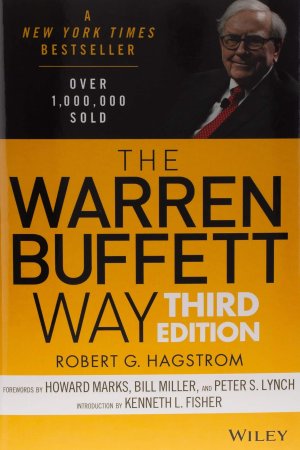
7 Secrets to Investing Like Warren Buffett by Mary Buffett & Sean Seah
Original price was: රු1,900.00.රු1,500.00Current price is: රු1,500.00.
3 X Rs. 500.00 or 8% Cashback with
or 3 X රු500.00 with
or up to 4 X රු375.00 with

Out of stock
රු1,500.00
3 X Rs. 500.00 or 8% Cashback with
or 3 X රු500.00 with
or up to 4 X රු375.00 with
-33%

Non-Fiction & Knowledge
Original price was: රු2,850.00.රු1,900.00Current price is: රු1,900.00.
3 X Rs. 633.33 or 8% Cashback with
or 3 X රු633.33 with
or up to 4 X රු475.00 with
Reviews
There are no reviews yet.