
No products in the cart.
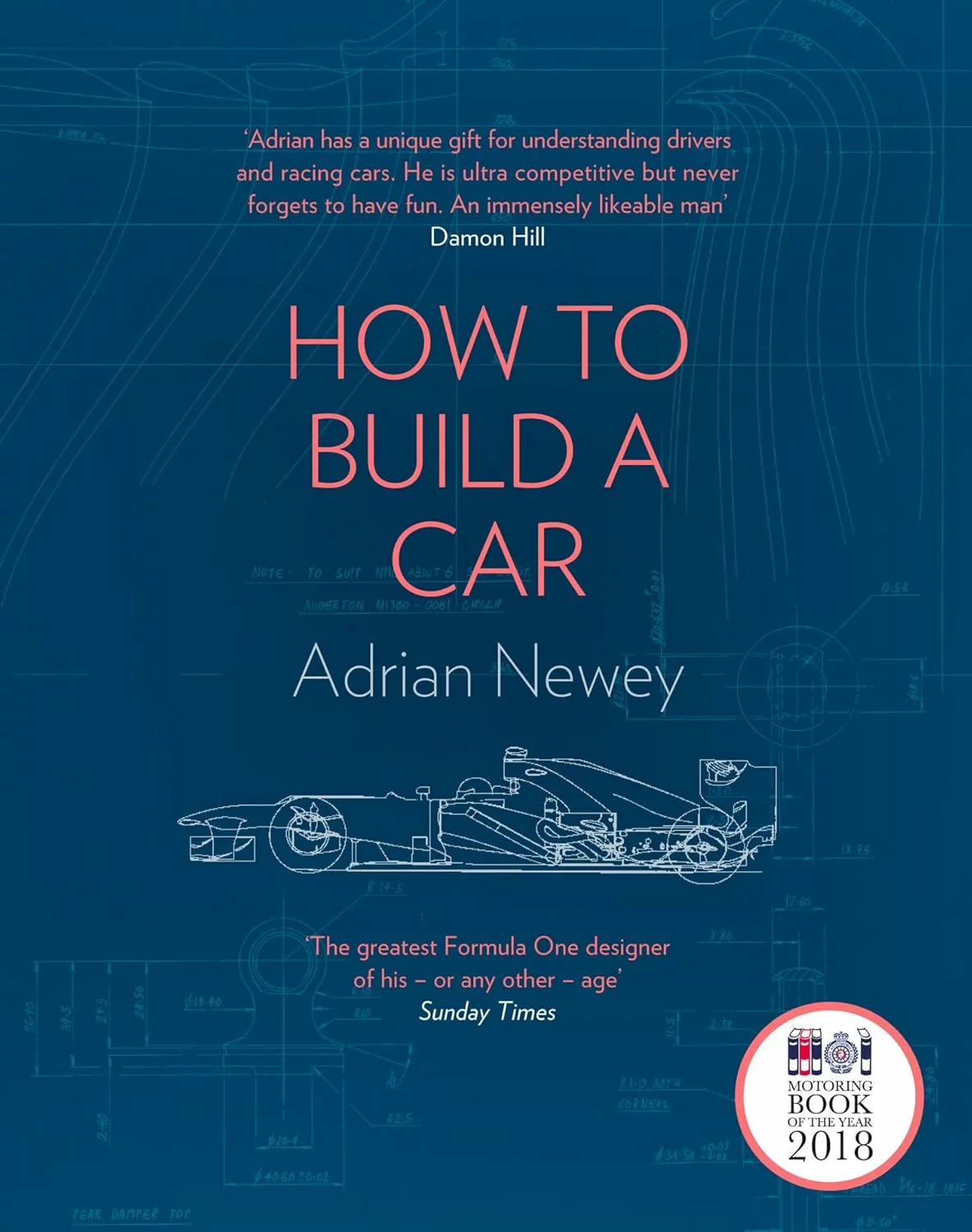
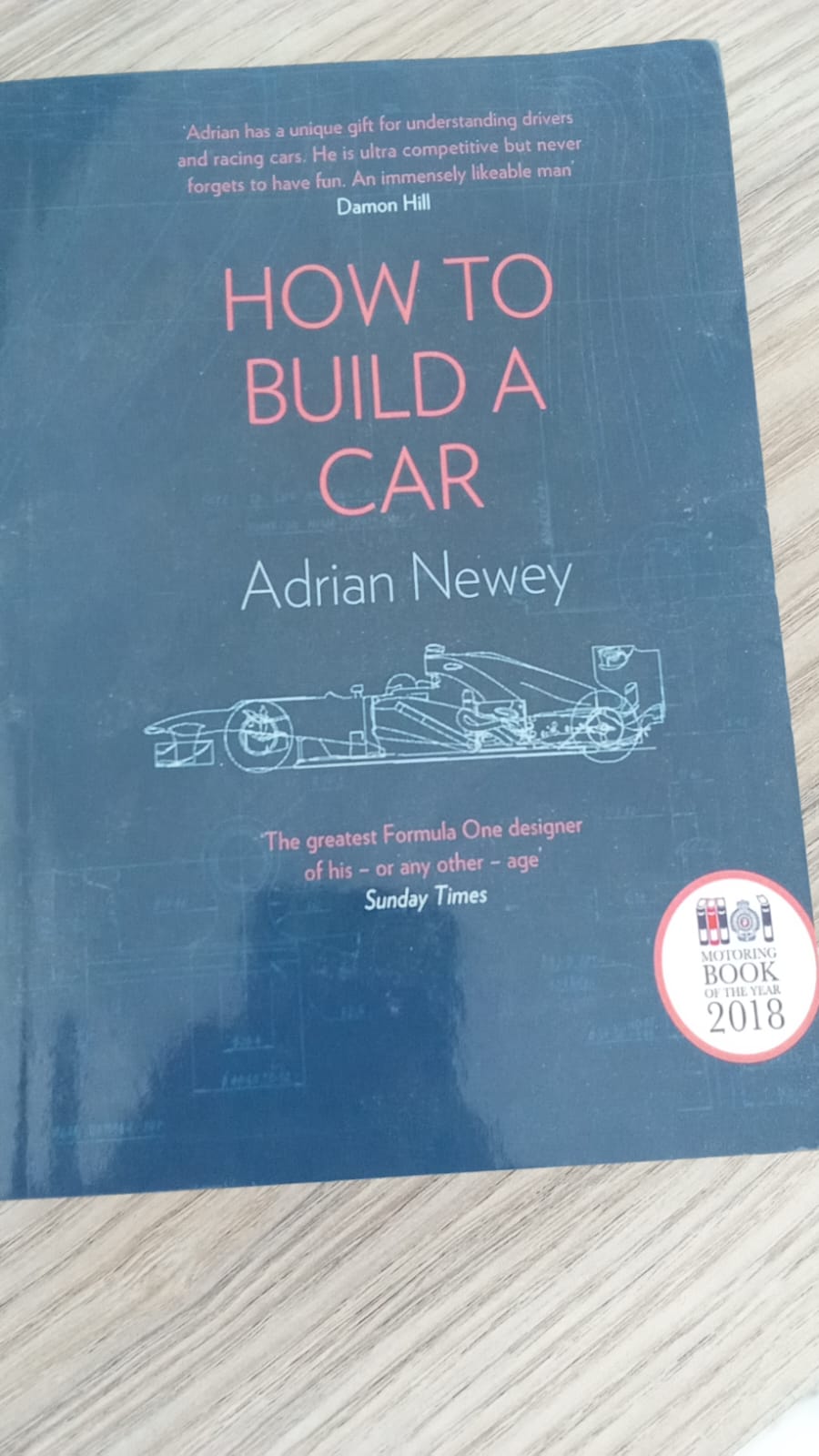
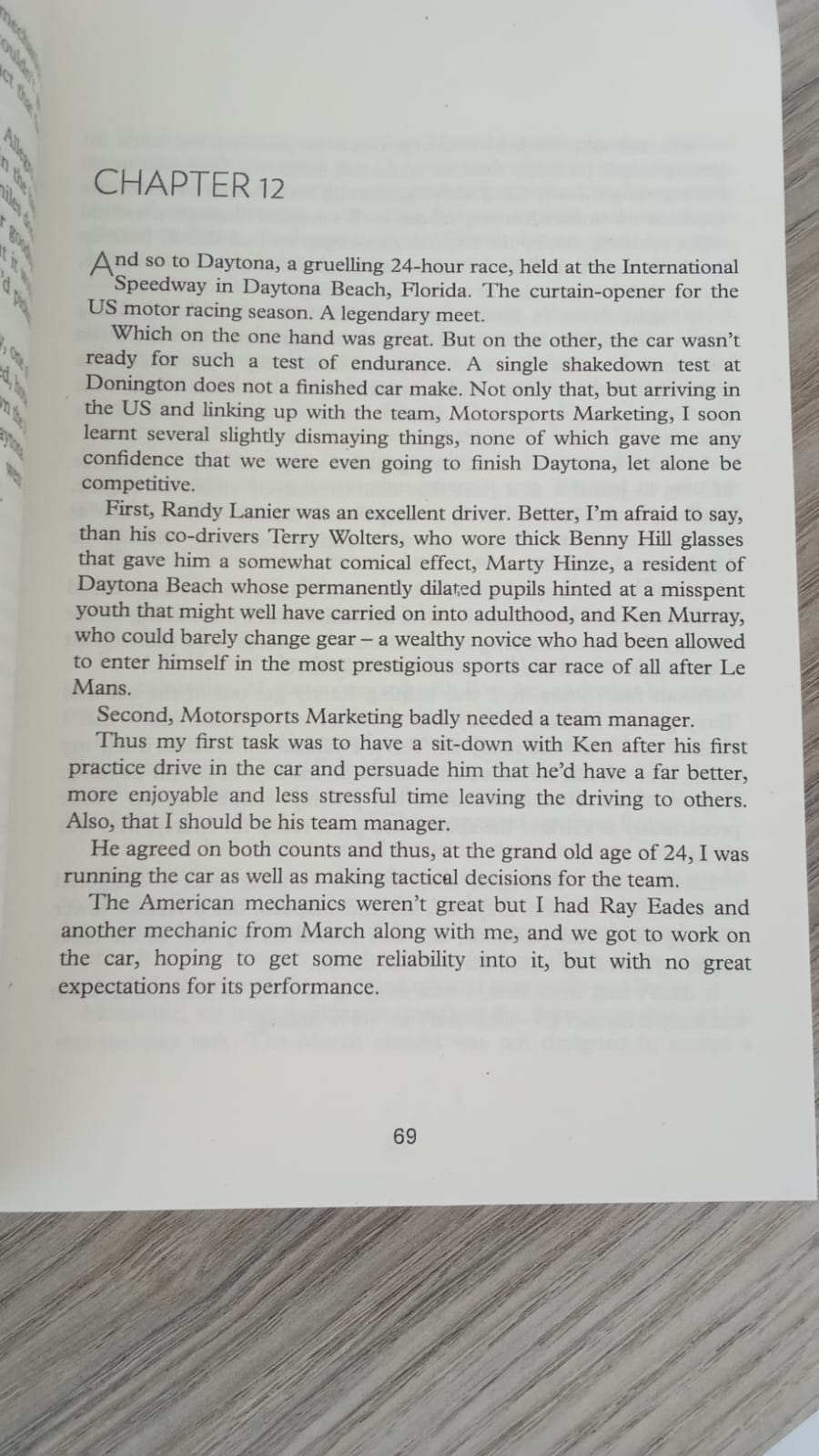

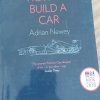


How To Build A Car by Adrian Newey


රු2,100.00
3 X Rs. 700.00 or 8% Cashback with


or 3 X රු700.00 with


or up to 4 X රු525.00 with


Short Description – How To Build A Car
How To Build A Car by Adrian Newey is an inspiring blend of autobiography and engineering insight that takes readers inside the high-speed world of Formula One. The book reveals how championship-winning race cars are designed, combining creativity, precision, and problem-solving. Through personal stories and behind-the-scenes experiences, Newey shows that success comes from curiosity, teamwork, and continuous innovation.
4 in stock
How to Build a Car by Adrian Newey is a fascinating combination of autobiography, Formula 1 history, engineering, motorsport, innovation, aerodynamics, and car design. Written by one of the most successful designers in Formula 1 history, the book takes readers behind the scenes of some of the fastest and most successful racing cars ever created.
Adrian Newey has spent decades studying one central question:
How can a racing car be made faster?
That simple question leads into an extraordinarily complicated world.
Aerodynamics matter.
Weight matters.
Suspension matters.
Tyres matter.
Engine performance matters.
Driver feedback matters.
Track conditions matter.
And sometimes a tiny change in the shape of a component can make the difference between winning and losing.
Through stories from his career, How to Build a Car by Adrian Newey explains how engineering ideas become competitive race cars.
How to Build a Car by Adrian Newey – Book Overview
How to Build a Car by Adrian Newey tells the story of Adrian Newey’s life through the cars he designed, the teams he joined, the drivers he worked with, and the races that shaped his career.
Newey became interested in designing cars from a young age.
He began sketching car designs as a child and developed a deep fascination with understanding how vehicles moved through air.
That interest eventually became a career in motorsport engineering.
His journey took him through IndyCar and Formula 1, where he became associated with some of the sport’s most successful teams.
The book follows his experiences with teams including Williams, McLaren, and Red Bull Racing.
Instead of presenting engineering as a collection of equations, Newey explains many ideas through stories about real racing problems.
This makes the book accessible not only to engineers but also to ordinary Formula 1 fans.
Adrian Newey and Formula 1
Adrian Newey is one of the central engineering figures in modern Formula 1.
How to Build a Car by Adrian Newey gives readers insight into how his approach to racing developed over time.
Formula 1 is constantly changing.
Rules change.
Engines change.
Aerodynamic restrictions change.
Tyres change.
Competitors discover new ideas.
A successful designer cannot simply build one great car and repeat it forever.
Every season brings a new technical challenge.
Newey’s career demonstrates why adaptability is essential in motorsport.
A designer must understand the regulations while also searching for possibilities that competitors may have overlooked.
The Importance of Aerodynamics
Aerodynamics is one of the most important subjects in How to Build a Car by Adrian Newey.
A Formula 1 car moves through air at enormous speed.
The way that air flows around, underneath, and over the car can dramatically influence performance.
Engineers want to create downforce.
Downforce pushes the car toward the track, allowing drivers to take corners at higher speeds.
But creating downforce can also increase drag.
Too much drag reduces straight-line speed.
This creates a constant engineering challenge.
Designers must find the right balance between cornering performance and efficiency.
Newey’s ability to understand airflow has been one of the defining characteristics of his career.
Designing a Formula 1 Car
A Formula 1 car is not simply a fast engine attached to four wheels.
How to Build a Car by Adrian Newey demonstrates how thousands of design decisions must work together.
A racing car includes:
- Front and rear wings
- Floor and diffuser
- Suspension
- Brakes
- Tyres
- Cooling systems
- Chassis
- Engine packaging
- Gearbox
- Steering
- Aerodynamic surfaces
- Safety structures
Changing one component can affect another.
A suspension adjustment may influence aerodynamics.
A cooling requirement may require changing bodywork.
A new regulation may force engineers to rethink the entire car.
This interaction between systems makes Formula 1 engineering incredibly complex.
Williams and Championship Success
Williams became an important part of Newey’s Formula 1 career.
In How to Build a Car by Adrian Newey, readers gain insight into a period when Williams produced some of the most competitive cars on the Formula 1 grid.
Newey worked within an environment where engineering innovation and competition were constant.
Drivers including Nigel Mansell, Alain Prost, and Damon Hill raced cars connected to Newey’s design work.
The experiences helped establish his reputation as one of the leading technical minds in Formula 1.
But motorsport success is rarely permanent.
Teams must constantly improve because competitors quickly respond to successful ideas.
Yesterday’s advantage can disappear within a season.
McLaren and New Challenges
Newey later joined McLaren, beginning another important stage of his career.
How to Build a Car by Adrian Newey explores the technical challenges and competitive environment surrounding this period.
McLaren was already one of Formula 1’s legendary teams.
Working there meant operating under intense expectations.
Newey’s designs contributed to cars driven by major Formula 1 stars, including Mika Häkkinen and David Coulthard.
The experience demonstrates that even elite teams need continuous innovation.
Success depends on engineering, driver talent, strategy, reliability, teamwork, and countless small improvements.
Red Bull Racing
Red Bull Racing became another defining chapter in How to Build a Car by Adrian Newey.
When Newey joined the organization, Red Bull was still developing into the championship force it would later become.
Building a winning team requires more than hiring one talented engineer.
The organization needs:
- Strong technical leadership
- Skilled engineers
- Good communication
- Reliable manufacturing
- Strong drivers
- Effective race strategy
- Constant development
- A culture willing to innovate
Newey played an important technical role as Red Bull developed cars capable of competing for championships.
The success showed how a relatively newer Formula 1 team could challenge established giants.
Sebastian Vettel and Championship Cars
Sebastian Vettel became closely associated with Red Bull’s championship success during Newey’s career.
How to Build a Car by Adrian Newey provides valuable background on how designers and drivers work together.
A Formula 1 driver does more than simply drive.
Drivers provide feedback about how the car behaves.
They can describe problems with balance, braking, traction, stability, and cornering.
Engineers must interpret that feedback and convert it into technical changes.
A strong relationship between driver and engineering team can therefore become a major competitive advantage.
The fastest theoretical design is not always the fastest practical race car if the driver cannot use its performance effectively.
Working With Great Drivers
Throughout How to Build a Car by Adrian Newey, readers encounter some of motorsport’s most famous names.
Newey worked around drivers including:
- Mario Andretti
- Nigel Mansell
- Alain Prost
- Damon Hill
- David Coulthard
- Mika Häkkinen
- Mark Webber
- Sebastian Vettel
Each driver has a different style.
Some prefer a car that behaves one way under braking.
Others prefer different levels of front-end grip or rear stability.
Engineers must understand these preferences while also pursuing the fastest overall design.
This relationship between human skill and mechanical engineering is one of the most fascinating parts of Formula 1.
Engineering Is About Compromise
One of the strongest lessons in How to Build a Car by Adrian Newey is that engineering rarely offers a perfect solution.
Making one area better may make another area worse.
More downforce may produce more drag.
More cooling may hurt aerodynamic efficiency.
A lighter component may be less durable.
A more aggressive design may create reliability risks.
Engineers therefore need to make compromises.
The goal is not to maximize every individual feature.
It is to create the best overall system.
This lesson applies far beyond Formula 1.
Business, software, architecture, manufacturing, and product design all involve similar trade-offs.
Innovation Within the Rules
Formula 1 has extremely detailed regulations.
Yet engineers still find ways to innovate.
How to Build a Car by Adrian Newey shows how creativity can exist inside strict limitations.
A regulation may specify dimensions, materials, or technical restrictions.
Designers then examine those rules carefully to understand what possibilities remain.
The challenge becomes finding solutions that are both legal and faster than competitors.
This is one of the reasons Formula 1 engineering is so interesting.
Innovation does not happen without constraints.
Often, the constraints themselves inspire creativity.
Failure and Engineering Lessons
Not every design succeeds.
How to Build a Car by Adrian Newey also discusses difficult periods, mistakes, failures, and tragic moments in motorsport.
Engineering is a process of continuous learning.
A component can fail.
A design idea may produce less performance than expected.
A simulation may not perfectly match reality.
A competitor may simply create a better solution.
Good engineers need to examine failure without becoming defensive.
What happened?
Why did it happen?
What can be changed?
How can the same problem be prevented?
This ability to learn from failure is essential in high-performance environments.
Ayrton Senna and a Difficult Chapter
One of the most serious and emotional events connected to Newey’s career was Ayrton Senna’s fatal accident at Imola in 1994 while Newey was working at Williams.
How to Build a Car by Adrian Newey reflects on this difficult period as part of the larger story of his career.
Senna’s death profoundly affected Formula 1 and accelerated discussions about safety within the sport.
The event also demonstrates that motorsport engineering carries enormous responsibility.
Performance matters.
But safety matters even more.
Formula 1 has made significant safety advances over the decades, and engineering plays a central role in that progress.
Drawing and Creativity
One distinctive aspect of Adrian Newey’s design process is his connection to drawing.
How to Build a Car by Adrian Newey includes illustrations and sketches that help readers understand how engineering ideas develop visually.
A design often begins with a concept.
The engineer imagines how a shape might influence airflow or packaging.
That idea is then analysed, tested, modified, and eventually manufactured.
This combination of creativity and technical understanding makes engineering different from simply following formulas.
Great design requires imagination as well as calculation.
Technology and Human Intuition
Modern Formula 1 teams use enormous computing power.
Computational fluid dynamics, simulation software, wind tunnels, sensors, and data analysis all help engineers understand vehicle performance.
Yet How to Build a Car by Adrian Newey demonstrates that human intuition remains valuable.
Technology can analyse options.
But engineers still need to decide what questions to ask.
They need to understand whether simulation results make physical sense.
They need to combine driver feedback with data.
The strongest engineering process combines technology with experience and judgment.
Teamwork Behind Every F1 Car
Formula 1 cars are built by teams, not individuals.
How to Build a Car by Adrian Newey makes clear that championship success requires the combined work of hundreds of talented people.
Designers create concepts.
Aerodynamicists analyse airflow.
Engineers develop mechanical systems.
Manufacturing teams build parts.
Mechanics assemble and maintain the cars.
Drivers provide feedback.
Strategists make race decisions.
Every department contributes.
This makes Formula 1 one of the clearest examples of high-performance teamwork.
A brilliant concept means little if the organization cannot execute it effectively.
Why Read How to Build a Car by Adrian Newey?
How to Build a Car by Adrian Newey is an excellent choice for readers interested in:
- Formula 1
- Motorsport
- Engineering
- Car design
- Aerodynamics
- Racing history
- Innovation
- Red Bull Racing
- Williams F1
- McLaren
- Sebastian Vettel
- F1 drivers
- Automotive technology
- Engineering careers
- Memoirs and autobiographies
The book provides both technical insight and personal stories from decades inside elite motorsport.
Who Should Read This Book?
How to Build a Car by Adrian Newey may especially appeal to:
- Formula 1 fans
- Motorsport enthusiasts
- Engineering students
- Mechanical engineers
- Automotive engineers
- Car enthusiasts
- Designers
- Racing fans
- Technology students
- Red Bull fans
- McLaren fans
- Williams fans
- Readers interested in innovation
- Readers who enjoy sports memoirs
You do not need to be an engineer to enjoy the book.
Newey explains his career through stories, races, personalities, drawings, and technical challenges that make the engineering more approachable.
A Powerful Formula 1 Engineering Memoir
How to Build a Car by Adrian Newey is much more than a manual explaining how racing cars work.
It is the story of a career built around curiosity, competition, creativity, engineering, and the relentless pursuit of speed.
From early sketches to championship-winning Formula 1 cars, Newey shows how ideas develop through experimentation, teamwork, technical knowledge, and constant improvement.
Readers gain insight into aerodynamics, car design, famous drivers, legendary teams, Formula 1 politics, engineering compromises, victories, failures, and some of the most important moments in modern motorsport.
For anyone fascinated by Formula 1, racing cars, engineering, technology, innovation, and the relationship between driver and machine, How to Build a Car by Adrian Newey offers an entertaining and highly informative journey behind the scenes of elite motorsport.
Learn more about How to Build a Car by Adrian Newey on Google Books.
Explore more business, engineering, and biography books at Bargain Books.
Be the first to review “How To Build A Car by Adrian Newey”
Related products
-34%

Non-Fiction & Knowledge
Original price was: රු2,250.00.රු1,490.00Current price is: රු1,490.00.
3 X Rs. 496.67 or 8% Cashback with
or 3 X රු496.67 with
or up to 4 X රු372.50 with

Non-Fiction & Knowledge
රු1,550.00
3 X Rs. 516.67 or 8% Cashback with
or 3 X රු516.67 with
or up to 4 X රු387.50 with
-14%
Out of stock
Self-Help & Psychology
Original price was: රු2,900.00.රු2,500.00Current price is: රු2,500.00.
3 X Rs. 833.33 or 8% Cashback with
or 3 X රු833.33 with
or up to 4 X රු625.00 with
-34%

Self-Help & Psychology
Original price was: රු2,350.00.රු1,550.00Current price is: රු1,550.00.
3 X Rs. 516.67 or 8% Cashback with
or 3 X රු516.67 with
or up to 4 X රු387.50 with
-33%

Self-Help & Psychology
Original price was: රු2,300.00.රු1,550.00Current price is: රු1,550.00.
3 X Rs. 516.67 or 8% Cashback with
or 3 X රු516.67 with
or up to 4 X රු387.50 with
-13%

Out of stock
Non-Fiction & Knowledge
Original price was: රු3,900.00.රු3,400.00Current price is: රු3,400.00.
3 X Rs. 1,133.33 or 8% Cashback with
or 3 X රු1,133.33 with
or up to 4 X රු850.00 with
-29%

Self-Help & Psychology
Original price was: රු1,750.00.රු1,250.00Current price is: රු1,250.00.
3 X Rs. 416.67 or 8% Cashback with
or 3 X රු416.67 with
or up to 4 X රු312.50 with
-23%

Non-Fiction & Knowledge
Original price was: රු2,200.00.රු1,700.00Current price is: රු1,700.00.
3 X Rs. 566.67 or 8% Cashback with
or 3 X රු566.67 with
or up to 4 X රු425.00 with
Reviews
There are no reviews yet.