
No products in the cart.
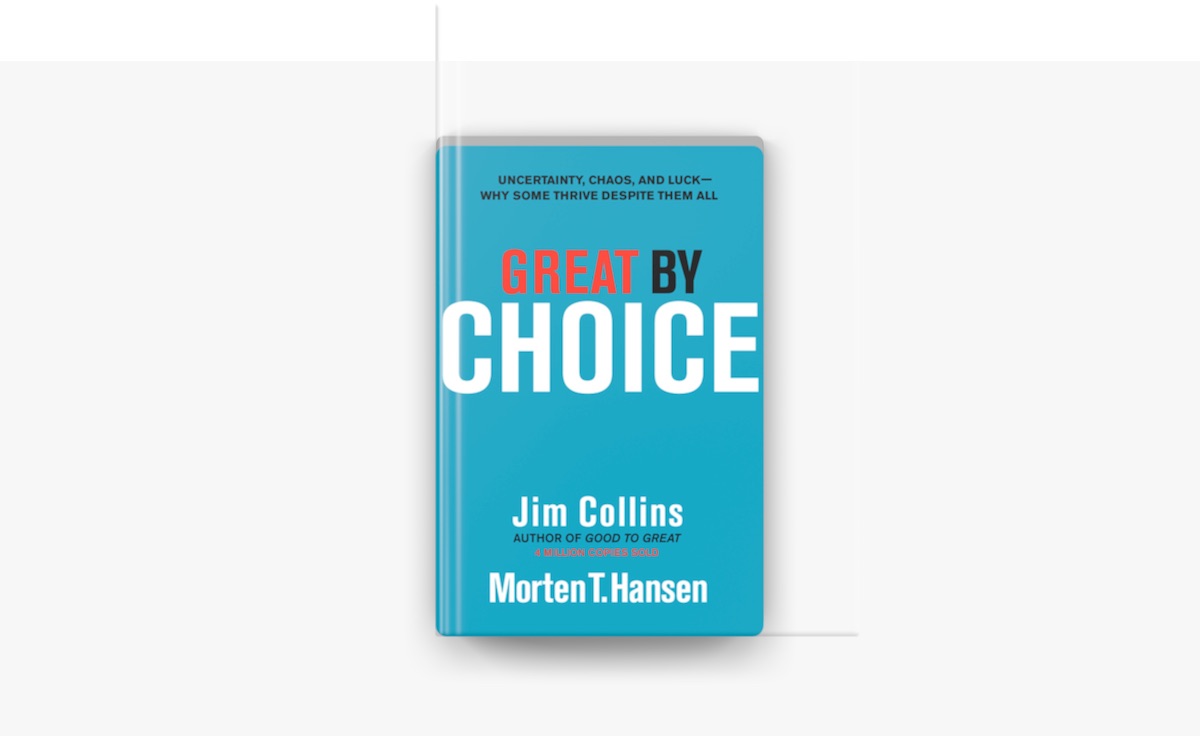
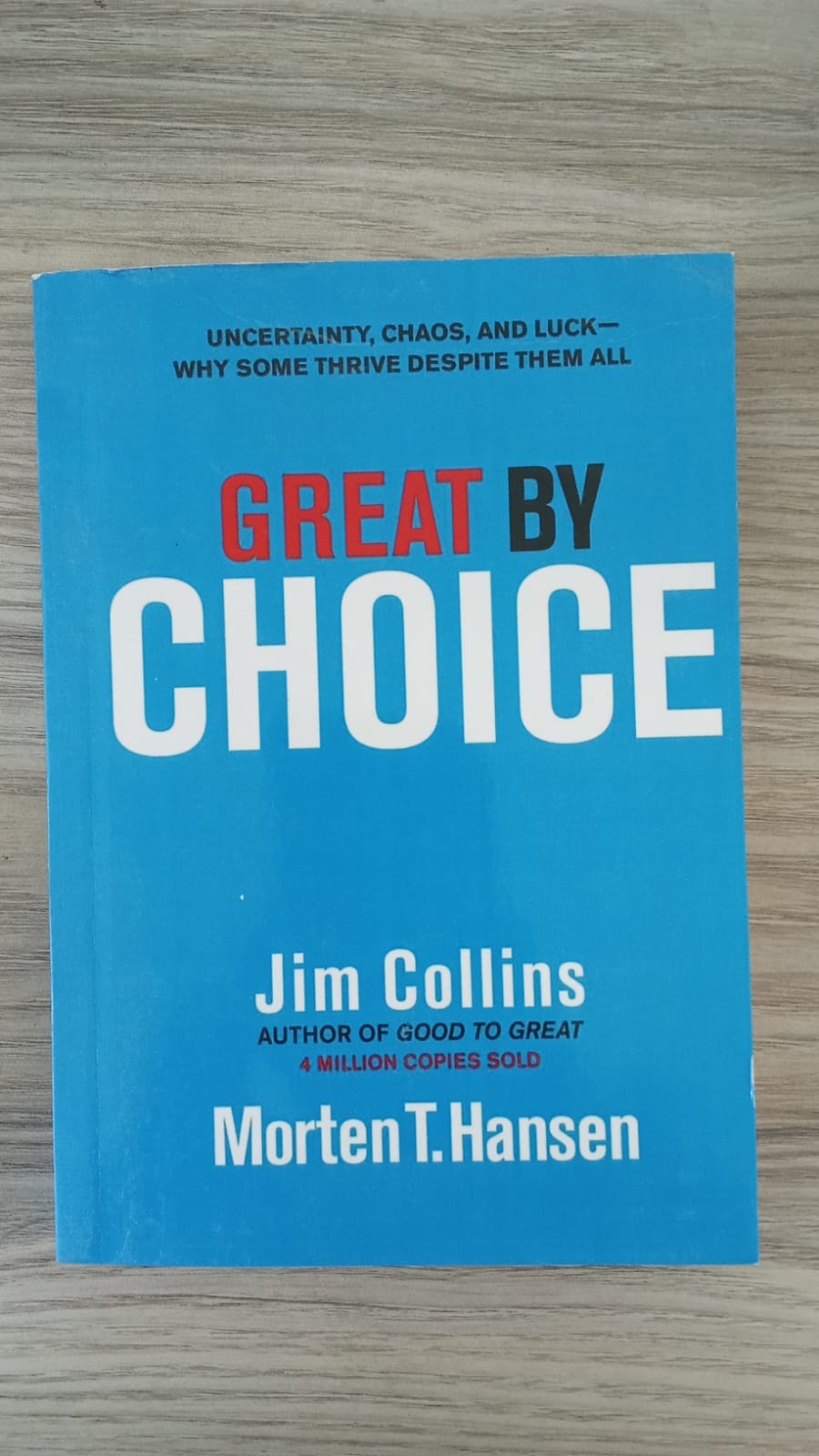





Great by Choice by Jim Collins and Morten T. Hansen

රු2,100.00
3 X Rs. 700.00 or 8% Cashback with


or 3 X රු700.00 with


or up to 4 X රු525.00 with


A Practical Guide to Understanding Love 8 Rules of Love by Jay Shetty is a modern relationship and personal growth book that explains how to build meaningful connections in today’s fast-paced world. Instead of fairy-tale expectations, the book presents love as a skill that can be learned, practiced, and improved. The central idea of 8 Rules of Love is that successful relationships do not happen by accident. They grow from awareness, communication, patience, and emotional maturity. provide details of each book in this way Rather than searching endlessly for the “perfect person,” readers learn how to become the right partner first. Love Begins With Self-Understanding One of the earliest lessons in 8 Rules of Love is self-awareness. Many relationship problems occur because people do not understand their own emotions, needs, or patterns. Jay Shetty explains that before loving someone else, individuals must understand themselves. When people rely on relationships to fix loneliness or insecurity, pressure builds quickly. 8 Rules of Love teaches readers to develop inner stability so relationships feel supportive instead of stressful. The Eight Principles Explained The book organizes its guidance into clear stages of love — from attraction to long-term commitment. Each rule addresses a different emotional challenge. Readers learn how to: Understand attraction realistically Avoid unrealistic expectations Communicate honestly Resolve conflict respectfully Build trust gradually Because the structure follows the natural timeline of relationships, 8 Rules of Love feels practical rather than theoretical. Communication and Emotional Intelligence A major strength of 8 Rules of Love is its focus on communication. Many conflicts come from misunderstanding rather than disagreement. The book encourages listening to understand instead of listening to respond. By slowing conversations and observing emotions, couples prevent small issues from becoming major problems. Readers discover that empathy strengthens relationships more than winning arguments. Handling Conflict and Distance No relationship is free from difficulty. 8 Rules of Love explains that disagreements are normal — the real problem is avoidance or reaction without thought. The author teaches readers to pause before reacting and to focus on solutions rather than blame. This approach transforms conflict into growth. Through these methods, couples build resilience rather than resentment. Love in the Modern World Modern relationships face unique pressures: social media comparison, busy schedules, and unrealistic expectations. 8 Rules of Love addresses these directly. The book reminds readers that relationships are private journeys, not public performances. When people stop comparing, satisfaction increases naturally. Because of this perspective, 8 Rules of Love feels highly relevant today. Long-Term Connection and Commitment Beyond attraction, the book explores commitment and partnership. Love becomes stable when supported by respect and shared values. Readers learn that effort is not a sign of failure — it is a sign of care. Healthy relationships require attention just like health or career. Small daily actions maintain emotional connection over time. Who Should Read This Book This book is ideal for: Singles preparing for relationships Couples improving communication Readers interested in emotional intelligence Anyone wanting healthier connections The lessons apply to friendships and family relationships as well. Explore more relationship and self-growth books here: https://booklounge.lk/product-category/self-help/ Learn more about the author: https://www.jayshetty.me/ Lasting Impact After reading 8 Rules of Love, many readers feel calmer about relationships. Instead of chasing perfection, they build understanding step by step. Ultimately, 8 Rules of Love teaches that lasting relationships grow from awareness, patience, and consistent effort. i want this details Great And Choice by Jim Collins and Morten T. Hansen
A Strategic Guide to Thriving in Chaos: Great by Choice
Great by Choice by Jim Collins and Morten T. Hansen is a definitive business and leadership book that explains how to build a resilient, high-performing organization in today’s unpredictable world. Instead of attributing success to luck or bold “heroic” leadership, the book presents greatness as a discipline that can be studied and applied. The central idea of Great by Choice is that successful companies do not thrive by accident or by having better circumstances than their rivals. They grow through fanatic discipline, empirical creativity, and productive paranoia.
4 in stock
Great by Choice by Jim Collins and Morten T. Hansen
Great by Choice by Jim Collins and Morten T. Hansen is a powerful business and leadership book about succeeding in uncertain, chaotic and rapidly changing environments.
Why do some companies survive difficult periods and become stronger while similar organizations struggle or disappear?
Is extraordinary business success mainly the result of luck?
Do successful leaders take bigger risks than everyone else?
Or are there specific behaviours that make some organizations better prepared for uncertainty?
Jim Collins and Morten T. Hansen spent years studying companies that achieved exceptional results despite operating in unpredictable environments. Their research challenges several popular assumptions about leadership, innovation, risk and business growth.
Instead of presenting success as something created by luck or dramatic decisions, Great by Choice shows how disciplined leadership and consistent action can help organizations perform even when the future is impossible to predict.
Why Read Great by Choice?
One of the biggest strengths of Great by Choice is its focus on uncertainty.
Businesses rarely operate in perfectly predictable environments.
Customer behaviour changes.
Competitors enter the market.
New technologies appear.
Economic conditions change.
Supply chains experience disruptions.
Government regulations can shift.
And unexpected events can completely change an industry.
Leaders cannot control all of these factors.
What they can control is how their organization responds.
Collins and Hansen’s research suggests that the most successful companies do not necessarily predict the future better than everyone else.
Instead, they develop disciplined practices that allow them to survive surprises and take advantage of opportunities when they appear.
The 10Xers
One of the central concepts in the book is the idea of 10Xers.
These are leaders whose organizations significantly outperformed comparison companies during extremely challenging periods.
Interestingly, these leaders were not necessarily more charismatic, visionary or aggressive than everyone else.
Instead, Collins and Hansen identified three important behaviours:
Fanatic Discipline
Successful leaders remain committed to consistent standards and practices even when conditions change.
Empirical Creativity
Rather than relying entirely on assumptions or opinions, they test ideas and use evidence before making major decisions.
Productive Paranoia
They prepare for problems even during good times.
These characteristics help organizations remain strong when unexpected challenges appear.
The 20 Mile March
One of the most memorable ideas in Great by Choice is the 20 Mile March.
Imagine two people crossing a continent.
One travels enormous distances when conditions are good but stops completely when conditions become difficult.
The other aims to travel approximately the same reasonable distance every day.
Over time, the second approach can create more reliable progress.
The same principle can be applied to business.
Organizations often become overly aggressive during periods of rapid growth.
They expand too quickly.
They hire too many people.
They spend heavily.
Then when conditions become difficult, they are forced to make dramatic cuts.
The 20 Mile March encourages consistent, disciplined progress instead.
Companies establish performance targets that are ambitious enough to create growth but controlled enough to remain sustainable.
Consistency Beats Uncontrolled Growth
A major lesson from Great by Choice is that faster growth is not always better growth.
Imagine a company suddenly experiencing enormous demand.
Management might immediately open new locations, hire many employees and increase inventory dramatically.
That could work.
But if demand falls unexpectedly, the company may suddenly have high expenses and too much inventory.
Disciplined companies think differently.
They take advantage of opportunities while still protecting themselves against possible downturns.
This does not mean avoiding growth.
It means making sure growth remains manageable.
For entrepreneurs and small-business owners, this lesson can be extremely valuable.
A business that grows sustainably may survive much longer than one that expands too quickly.
Fire Bullets, Then Cannonballs
Another famous concept in Great by Choice is:
Fire bullets, then cannonballs.
The idea is simple.
Before investing enormous resources into an uncertain idea, run smaller experiments first.
A bullet is a low-cost, low-risk test.
A cannonball is a major investment.
For example, imagine a retailer considering launching a completely new product category.
Instead of immediately purchasing a huge quantity of inventory, the business could start with a small selection.
It could measure:
- Customer interest
- Sales performance
- Profit margin
- Customer feedback
- Repeat purchases
If the experiment succeeds, the company now has evidence.
At that point, management can invest more confidently.
This approach combines creativity with discipline.
Innovation Does Not Mean Constant Risk
Businesses often hear that they must innovate constantly.
But Great by Choice argues that innovation alone does not guarantee success.
Being the first company to introduce something does not automatically mean becoming the market leader.
What matters is combining innovation with discipline.
Businesses need to understand when experimentation makes sense and when a larger commitment is justified.
This is why the bullet-and-cannonball approach is so useful.
It allows companies to experiment without risking everything.
Innovation becomes a learning process rather than a gamble.
Productive Paranoia
Successful leaders prepare for difficult situations before those situations appear.
Collins and Hansen call this productive paranoia.
Imagine a company performing extremely well.
Sales are growing.
Customers are satisfied.
Cash flow is strong.
It would be easy to assume that everything will continue improving.
A productively paranoid leader asks different questions.
What happens if sales suddenly fall?
What happens if our largest supplier stops supplying us?
What happens if a competitor reduces prices?
What happens if our website fails?
What happens if costs increase dramatically?
These questions are not meant to create unnecessary fear.
They encourage preparation.
Businesses can build cash reserves, maintain backup suppliers, improve systems and create contingency plans.
That preparation can become extremely valuable during unexpected events.
The SMaC Recipe
Another concept introduced in Great by Choice is the SMaC recipe.
SMaC stands for:
Specific, Methodical and Consistent.
A SMaC recipe is essentially a set of operating principles that help guide decisions.
Companies operating in uncertain environments need some consistency.
If leadership completely changes direction every time conditions change, employees can become confused and resources can be wasted.
A SMaC recipe provides stability.
However, the authors do not argue that companies should never change.
Rules should be updated when strong evidence demonstrates that change is necessary.
The important point is not to abandon successful practices simply because a new trend appears.
The Role of Luck
Luck is one of the most interesting subjects explored in Great by Choice.
Successful people are sometimes described as lucky.
And luck certainly plays a role in business.
A company might unexpectedly receive a huge opportunity.
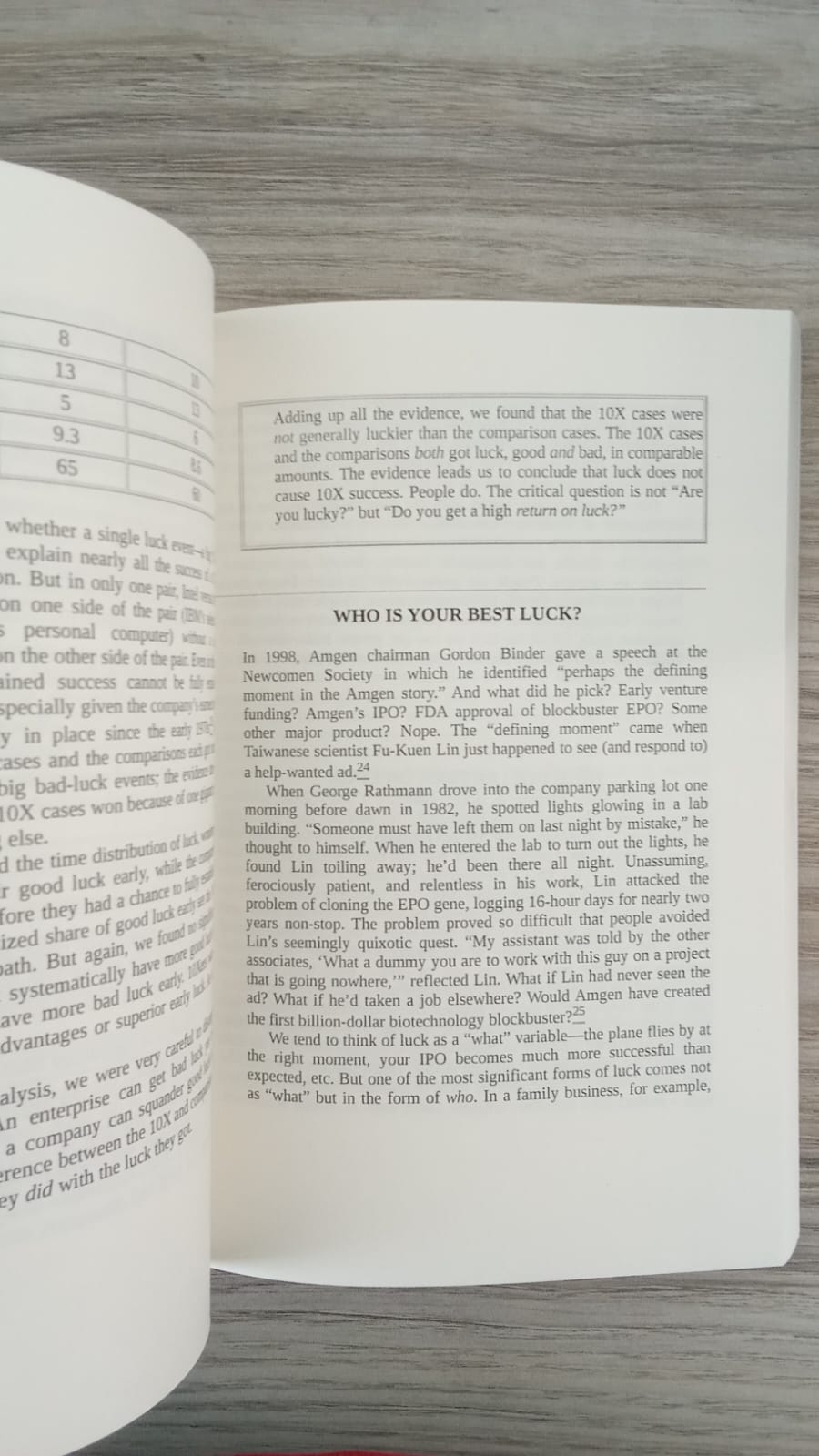
A competitor may make a serious mistake.
A new market trend may suddenly favour one product.
But Collins and Hansen argue that successful companies do not necessarily receive more good luck than others.
What matters is what they do with it.
This leads to the concept of Return on Luck.
Two companies may experience a similar opportunity.
One recognizes it, acts intelligently and creates enormous value.
The other wastes it.
Likewise, two companies may experience bad luck.
One prepares well and survives.
The other collapses.
The difference is often how leadership responds.
Discipline During Good Times
Many companies become disciplined only after problems appear.
Costs rise, so they start controlling spending.
Sales fall, so they begin improving customer service.
Cash becomes limited, so they start monitoring finances carefully.
Great by Choice encourages leaders to develop discipline before a crisis.
Good times are often the best opportunity to prepare for difficult times.
Businesses can:
- Build cash reserves
- Improve processes
- Train employees
- Strengthen supplier relationships
- Improve customer loyalty
- Upgrade systems
- Test new products carefully
- Reduce unnecessary expenses
These actions create resilience.
Great by Choice for Entrepreneurs
The ideas in Great by Choice can be particularly useful for entrepreneurs and growing businesses.
Start-ups frequently operate with limited information.
Entrepreneurs do not know exactly what customers will want.
They do not know which marketing campaign will work best.
They cannot perfectly predict competitors.
Instead of betting everything on assumptions, entrepreneurs can use disciplined experimentation.
Test something small.
Measure the result.
Learn.
Then invest more if the evidence supports it.
This approach can reduce unnecessary risk while still allowing innovation.
Leadership in Uncertain Times
Great leadership does not mean having perfect predictions.
No leader can predict every economic downturn, technological change or competitive threat.
The leaders studied in Great by Choice focused more on preparation and discipline.
They understood that uncertainty is unavoidable.
Instead of attempting to eliminate uncertainty, they built organizations capable of surviving it.
This is an important difference.
Businesses cannot control the economy.
They cannot control competitors.
They cannot control every customer decision.
But they can control:
- Financial discipline
- Hiring decisions
- Customer service
- Inventory management
- Risk exposure
- Experimentation
- Operational processes
- Strategic priorities
Focusing on controllable factors can make an organization much stronger.
Who Should Read Great by Choice?
This book is an excellent choice for readers interested in:
- Business strategy
- Entrepreneurship
- Leadership
- Management
- Risk management
- Innovation
- Business growth
- Decision making
- Company resilience
- Strategic planning
- Organizational discipline
- Long-term business success
- Managing uncertainty
- Jim Collins books
Entrepreneurs, managers, executives, business owners and business students can all benefit from the ideas presented in the book.
Readers who enjoyed Good to Great may particularly appreciate this deeper examination of how successful organizations operate in unpredictable environments.
Is Great by Choice Worth Reading?
If you are trying to build a business in an uncertain world, Great by Choice provides valuable lessons.
Its message is not that businesses should avoid risk completely.
Instead, they should understand risk.
Test ideas before making huge investments.
Maintain discipline even during periods of growth.
Prepare for problems before they occur.
And make decisions based on evidence whenever possible.
Concepts such as the 20 Mile March, Fire Bullets Then Cannonballs, Productive Paranoia, SMaC Recipe, and Return on Luck provide memorable frameworks that leaders can apply to real business situations.
Buy Great by Choice in Sri Lanka
If you are searching for Great by Choice in Sri Lanka, this business and leadership book is an excellent addition to your professional reading collection.
Jim Collins and Morten T. Hansen explore how exceptional organizations succeed during periods of uncertainty, disruption and rapid change.
Whether you are starting a new business, managing an established company, leading a team or studying business strategy, Great by Choice provides useful lessons about disciplined growth, controlled experimentation, preparation and intelligent risk management.
The central lesson is powerful: you cannot control everything that happens around your business, but you can control how prepared, disciplined and thoughtful your organization becomes.
For readers who want to build stronger companies capable of succeeding even when the future is uncertain, Great by Choice is a highly valuable read.
Learn more about Great by Choice by Jim Collins and Morten T. Hansen on Jim Collins’ official website.
Explore more business and leadership books at Bargain Books.
Be the first to review “Great by Choice by Jim Collins and Morten T. Hansen”
Related products

Out of stock
Analysis & Strategy
රු1,950.00
3 X Rs. 650.00 or 8% Cashback with
or 3 X රු650.00 with
or up to 4 X රු487.50 with
Analysis & Strategy
රු1,750.00
3 X Rs. 583.33 or 8% Cashback with
or 3 X රු583.33 with
or up to 4 X රු437.50 with

Out of stock
Analysis & Strategy
රු1,750.00
3 X Rs. 583.33 or 8% Cashback with
or 3 X රු583.33 with
or up to 4 X රු437.50 with
-19%
Analysis & Strategy
Original price was: රු2,600.00.රු2,100.00Current price is: රු2,100.00.
3 X Rs. 700.00 or 8% Cashback with
or 3 X රු700.00 with
or up to 4 X රු525.00 with
-13%

Analysis & Strategy
Original price was: රු3,850.00.රු3,350.00Current price is: රු3,350.00.
3 X Rs. 1,116.67 or 8% Cashback with
or 3 X රු1,116.67 with
or up to 4 X රු837.50 with
-46%

Analysis & Strategy
Original price was: රු2,950.00.රු1,600.00Current price is: රු1,600.00.
3 X Rs. 533.33 or 8% Cashback with
or 3 X රු533.33 with
or up to 4 X රු400.00 with

Science & Nature
රු2,900.00
3 X Rs. 966.67 or 8% Cashback with
or 3 X රු966.67 with
or up to 4 X රු725.00 with
-19%
Out of stock
Analysis & Strategy
Original price was: රු2,600.00.රු2,100.00Current price is: රු2,100.00.
3 X Rs. 700.00 or 8% Cashback with
or 3 X රු700.00 with
or up to 4 X රු525.00 with
Reviews
There are no reviews yet.