
No products in the cart.
-19%
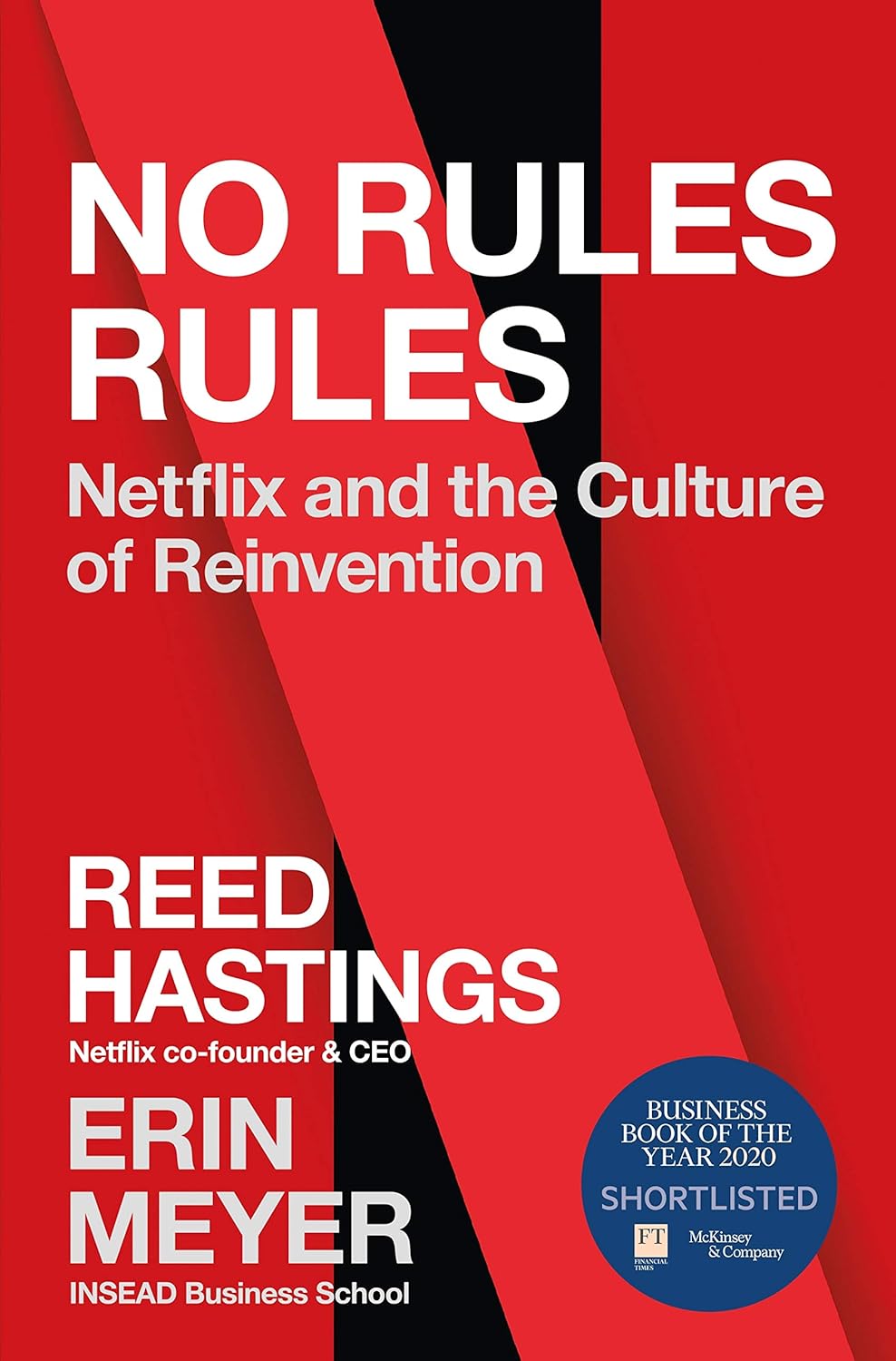
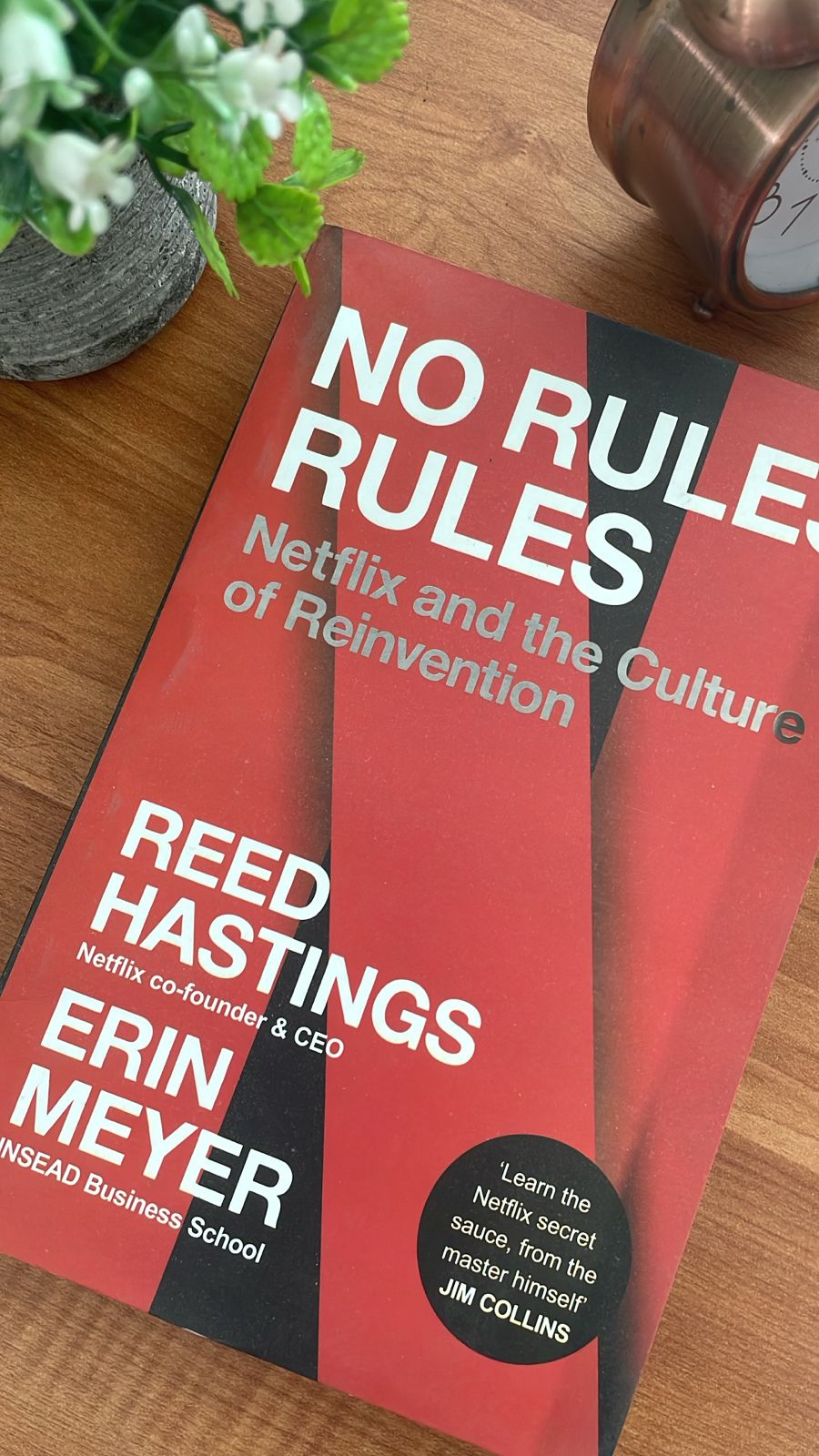

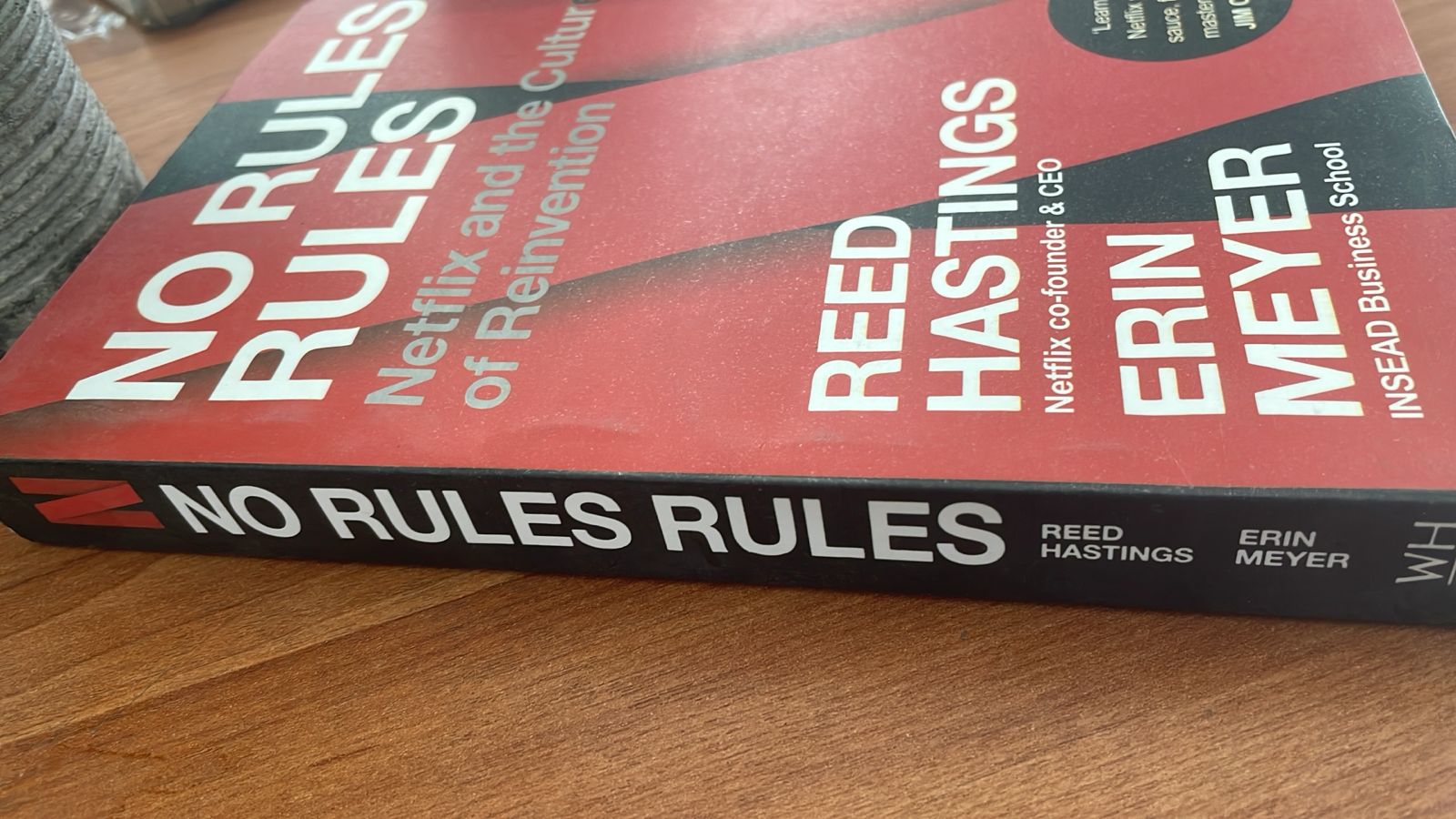
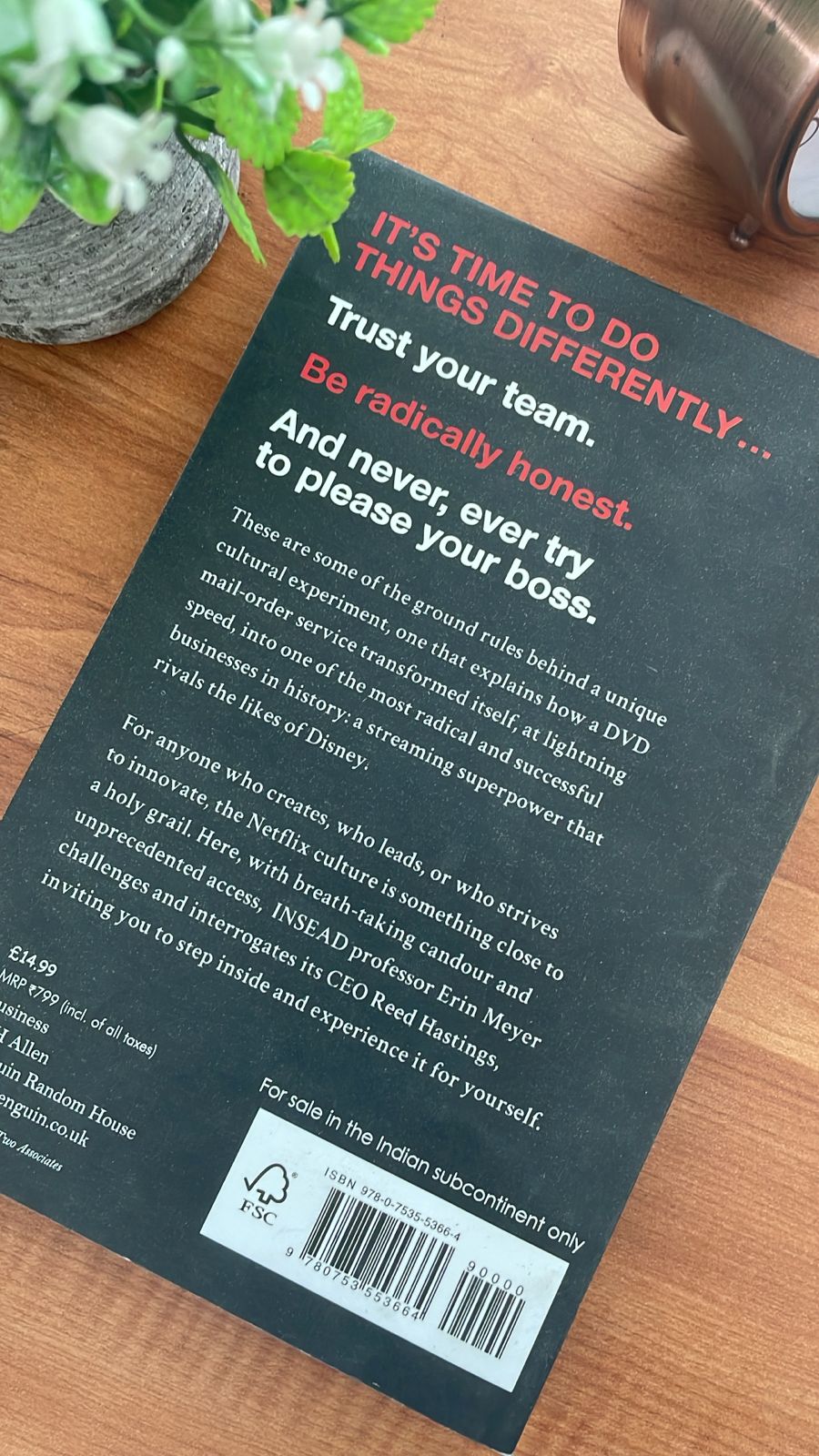
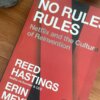



No Rules Rules by Reed Hastings


Original price was: රු2,600.00.රු2,100.00Current price is: රු2,100.00.
3 X Rs. 700.00 or 8% Cashback with


or 3 X රු700.00 with


or up to 4 X රු525.00 with


No Rules Rules by Reed Hastings and Erin Meyer explores the unconventional workplace culture behind Netflix and its philosophy of talent density, candor, freedom and responsibility. Drawing on Netflix experiences and extensive employee interviews, the authors examine practices such as giving employees greater autonomy, providing context instead of excessive control, paying top performers competitively and encouraging candid feedback. A thought-provoking business and leadership book for entrepreneurs, managers, HR professionals and anyone interested in building innovative, high-performing organizations.
3 in stock
No Rules Rules by Reed Hastings and Erin Meyer is a thought-provoking business and leadership book that explores the unconventional management culture behind Netflix and asks a provocative question:
What could happen if a company hired exceptional people, encouraged unusually candid feedback and removed many of the traditional rules designed to control employees?
Netflix did not become one of the world’s most recognizable entertainment companies by following a conventional corporate playbook.
According to Hastings and Meyer, its culture developed around several counterintuitive ideas:
Increase talent density.
Encourage candor.
Give employees more freedom.
Expect greater responsibility.
Provide context rather than excessive control.
Remove unnecessary approvals.
Pay exceptional people competitively.
Treat mistakes as opportunities to learn when responsible risk-taking is encouraged.
The book is not merely Reed Hastings explaining what he believes.
Erin Meyer, professor at INSEAD and author of The Culture Map, conducted extensive interviews with current and former Netflix employees and brings an external organizational-culture perspective to the discussion. The publisher describes the book as drawing on hundreds of interviews as well as stories from Hastings’s own career.
The result is a fascinating examination of one company’s attempt to replace bureaucracy with judgment.
No Rules Rules – Book Overview
No Rules Rules focuses on the organizational philosophy that Hastings argues enabled Netflix to repeatedly reinvent itself.
Netflix began as a DVD rental business.
Then streaming changed the model.
Original content changed it again.
International expansion created another challenge.
Technology, entertainment and consumer habits continued evolving.
A rigid company could struggle when the environment changes this quickly.
The central argument of No Rules Rules is that organizations operating in creative, fast-changing industries may perform better when talented employees are given enough freedom to make decisions quickly—provided the company first creates the conditions necessary for that freedom.
Those conditions are crucial.
The book does not simply argue:
Remove all rules.
Let everyone do whatever they want.
Instead, Hastings and Meyer describe a sequence in which greater freedom becomes possible only after the organization develops high talent density and unusually open communication.
Talent Density
One of the most important concepts in No Rules Rules is talent density.
Imagine two teams.
The first contains ten people, but several consistently underperform.
The strongest employees must continually:
Correct mistakes.
Cover unfinished work.
Manage conflict.
Wait for weak performers.
The second team contains fewer people, but almost everyone performs at a high level.
Hastings argues that the second environment can produce greater speed, trust and creativity.
When people strongly trust their colleagues’ competence, managers may need fewer rules designed to prevent poor judgment.
The Netflix Talent Philosophy
Netflix became known for trying to build teams composed of unusually strong performers.
This connects to a controversial idea discussed in No Rules Rules:
Adequate performance may not necessarily be enough for every role.
Traditional organizations sometimes retain someone because:
They are loyal.
They are pleasant.
They have been there for years.
They are not technically failing.
Netflix’s philosophy asks a harder question:
Is this the person we would actively fight to keep?
The Keeper Test
This idea is associated with Netflix’s famous Keeper Test.
Managers are encouraged to think about whether they would strongly try to retain an employee if that person were considering leaving.
If the answer is no, the role may need reconsideration.
This approach can sound harsh.
And it is intentionally controversial.
The argument is that retaining merely adequate performance can reduce the overall talent density that makes greater freedom possible.
Generous Severance
The philosophy does not necessarily mean treating departing employees as enemies.
Netflix became associated with providing generous severance when someone is no longer considered the right fit.
The idea is:
Maintain an exceptional team while allowing people who no longer fit the role to leave with dignity.
Whether every organization should adopt this approach is another question.
High Performance Is Not the Same as Overwork
One of the more interesting ideas in No Rules Rules is that effort alone is not necessarily the correct measure of performance.
Someone might work:
Twelve-hour days.
Weekends.
Late nights.
But if another employee creates greater value in less time, hours alone do not determine effectiveness.
The book therefore emphasizes impact and contribution, not simply visible busyness.
Paying Top of Personal Market
Netflix’s compensation philosophy also differs from many conventional organizations.
Instead of relying heavily on standardized salary bands or long-term bonuses, the company became known for attempting to pay top performers near the top of their personal market value.
The logic is straightforward.
If exceptional talent creates disproportionate value, losing that talent because compensation falls below the market may be expensive.
Candor
The second major pillar in No Rules Rules is candor.
Many companies claim they value honest feedback.
In reality, employees may think:
I disagree with this decision.
But saying that could hurt my career.
So they remain silent.
That creates a serious organizational problem.
Leaders make decisions without hearing information that could have improved those decisions.
Feedback Should Travel Upward Too
Traditional organizations often make feedback flow downward.
Manager evaluates employee.
Boss corrects subordinate.
Netflix attempts to make feedback flow in multiple directions.
An employee should be able to tell a senior leader:
I think this decision is wrong.
Here is why.
That requires psychological and organizational conditions where disagreement is not automatically treated as disrespect.
The 4A Feedback Framework
The book describes a feedback approach often summarized through four principles:
Feedback should aim to assist rather than attack.
It should be actionable.
The receiver should appreciate that someone was willing to speak.
And the receiver retains the ability to accept or discard the advice.
This matters because radical candor without discipline can become cruelty.
“I’m only being honest” is not an excuse for humiliation.
Useful candor should improve performance.
Honesty Is Not Permission to Be Rude
This is one of the most important distinctions when applying No Rules Rules.
A workplace with honest communication should not become:
Aggressive.
Humiliating.
Personal.
Hostile.
Good feedback focuses on:
Behavior.
Decision.
Impact.
Possible improvement.
Not personal attacks.
Feedback Creates Better Decisions
Imagine a CEO proposes a new product.
Everyone in the meeting privately thinks the idea is weak.
Nobody speaks.
The company invests millions.
The project fails.
Afterward people say:
“I knew this would happen.”
That is useless.
An organization benefits when concerns are expressed before the expensive mistake.
Farming for Dissent
Great leaders should not merely tolerate disagreement.
Sometimes they should actively search for it.
If everyone agrees too quickly, ask:
What are we missing?
Who sees this differently?
What could make this decision fail?
This idea of deliberately seeking opposing views appears throughout the cultural philosophy explored in No Rules Rules.
Don’t Try to Please the Boss
One of the publisher’s descriptions of Netflix culture is that employees are not expected simply to please the boss; candid feedback and independent judgment are emphasized instead.
This matters because organizations become dangerous when employees optimize for:
What does my manager want to hear?
instead of:
What is actually best for the company?
Freedom and Responsibility
Perhaps the most famous idea in No Rules Rules is freedom and responsibility.
Many companies respond to mistakes by creating another policy.
One person abuses expenses.
New expense policy.
Someone mishandles vacation.
New vacation rule.
Someone makes a poor decision.
New approval layer.
Eventually, employees need permission for almost everything.
Rules Multiply
Rules are easy to create.
Harder to remove.
Every rule may initially solve a specific problem.
But over time, the organization accumulates:
Forms.
Approvals.
Meetings.
Policies.
Signatures.
Permission levels.
The cost of these controls may eventually exceed the problems they were designed to prevent.
Removing Vacation Policies
Netflix became famous for its approach to vacation.
Rather than relying on a conventional fixed vacation allowance, the culture emphasized employee judgment and managerial context.
The publisher specifically highlights Netflix’s absence of conventional vacation and expense policies as examples of its unusual management approach.
The principle is not:
Vacation whenever you want regardless of consequences.
The principle is:
Give responsible employees enough context to make appropriate decisions.
Expense Policies
The same idea applies to expenses.
Instead of pages of instructions defining every acceptable expense, Netflix historically emphasized acting in the company’s best interest.
This moves responsibility from:
Following detailed rules
to
Using judgment.
That sounds simple.
But it only works if employees understand the company’s expectations and leadership consistently models them.
Context, Not Control
This is one of the strongest leadership lessons from No Rules Rules.
Traditional management may work like this:
Boss decides.
Employee executes.
Netflix’s philosophy aims toward something more like:
Leader explains the situation.
Leader explains the objective.
Leader provides relevant information.
Employee decides how to act.
This is context, not control.
Give Employees the Why
Suppose a manager tells an employee:
“Reduce delivery costs by 10%.”
That provides a target.
But stronger context may include:
Why costs are rising.
Which customer experiences must not be damaged.
What financial constraints exist.
What strategic priorities matter.
Now the employee can make better independent decisions.
Decision-Making Speed
Approval systems can create bottlenecks.
Employee asks manager.
Manager asks director.
Director asks vice president.
Vice president asks finance.
By the time approval arrives, the opportunity may be gone.
A company operating in a rapidly changing industry may need faster decentralized decision-making.
The Informed Captain
The broader Netflix philosophy places significant decision responsibility on the person closest to the issue.
The employee gathers information.
Seeks advice.
Considers disagreement.
Then takes responsibility for the decision.
This is radically different from a culture where people avoid responsibility by saying:
“My boss approved it.”
Responsibility Comes With Freedom
Freedom without accountability is chaos.
Accountability without freedom is bureaucracy.
No Rules Rules tries to explore the balance.
Employees receive room to act.
But they are expected to exercise strong judgment.
When a decision fails, the goal should be to understand:
What happened?
What information was missing?
What can the organization learn?
Innovation Requires Some Failure
An organization that punishes every failed experiment will eventually create employees who avoid experiments.
If every mistake threatens your career, the safest choice becomes:
Do what has already been done.
That may produce efficiency.
It may not produce innovation.
Learning From Mistakes
The book argues for making learning visible.
When a responsible experiment fails, hiding the mistake prevents others from learning.
Discussing it openly can turn one person’s failure into organizational knowledge.
But this does not mean all failure should be celebrated.
Negligence and intelligent experimentation are different.
Netflix Reinvention
The title’s subtitle—Netflix and the Culture of Reinvention—is important.
Netflix’s history required multiple strategic changes.
Its early business was physical DVD rental.
Streaming transformed distribution.
Original productions transformed the company again.
Global expansion increased cultural complexity.
The publisher presents this capacity for reinvention as closely connected to Netflix’s emphasis on flexibility, freedom and responsibility.
Culture Is a Business System
Many organizations treat culture as:
Office decoration.
Team-building days.
Free snacks.
Motivational posters.
No Rules Rules takes a different position.
Culture influences:
Who gets hired.
Who leaves.
How decisions happen.
How employees communicate.
How leaders behave.
How mistakes are handled.
Culture therefore becomes part of the operating system of the company.
Culture Is What Leaders Actually Reward
A company may say:
“We value honesty.”
Then punish the first person who disagrees with a senior executive.
The real culture is not the poster.
The real culture is the consequence.
Employees quickly learn which behaviors actually lead to:
Promotion.
Trust.
Opportunity.
Punishment.
Erin Meyer’s Role
Erin Meyer brings an especially valuable perspective because she is known for studying how national cultures affect workplace behavior.
She is a professor at INSEAD and author of The Culture Map.
This becomes particularly important when Netflix expands internationally.
Candor Across Cultures
Direct feedback does not feel the same everywhere.
In some cultures, blunt disagreement is relatively normal.
In others, the same words may feel unnecessarily confrontational or disrespectful.
That means a global company cannot always copy one communication style into every country without adaptation.
Global Culture
One of the later challenges explored in No Rules Rules is how a strong corporate culture interacts with national culture.
If headquarters says:
“Be radically candid,”
but employees come from cultures with very different expectations about hierarchy and feedback, managers need greater cultural intelligence.
A principle may remain consistent.
Its expression may need to change.
Trust
Removing controls depends heavily on trust.
If management assumes employees will always exploit freedom, freedom disappears.
If employees believe leadership hides information or applies rules selectively, trust disappears.
Trust must therefore operate in both directions.
Transparency
Providing employees with more information can improve judgment.
Someone cannot make a good business decision without understanding the business context.
Transparency helps employees see how their work connects to larger objectives.
Information Is Responsibility
Transparency also creates responsibility.
Once employees understand the situation, they cannot always claim:
Nobody told me.
Greater access to information should lead to better decisions.
Is No Rules Rules Against All Rules?
No.
The title is deliberately provocative.
Even innovative organizations need rules where law, safety, ethics, privacy, financial controls or serious operational risks require them.
The useful question is not:
Can we eliminate every rule?
It is:
Which rules genuinely protect the organization, and which exist mainly because nobody has reconsidered them?
Not Every Company Should Copy Netflix
This is one of the most important cautions when reading No Rules Rules.
Netflix operates in creative and knowledge-intensive industries where experimentation and rapid adaptation are important.
A hospital.
Airline.
Nuclear plant.
Bank.
Construction site.
Manufacturing line.
may require far more procedural control in areas involving safety and regulation.
The lesson is not to copy Netflix mechanically.
The lesson is to examine why each management system exists.
Culture Depends on Context
Even within the same industry, organizations differ.
Company size.
Employee experience.
Regulation.
Risk.
Strategy.
Local culture.
Business model.
All matter.
A practice that succeeds at Netflix may fail elsewhere if copied without understanding the conditions that support it.
High Talent Density Has Costs
A high-performance culture may create extraordinary results.
It can also create pressure.
Employees may wonder whether adequate performance is enough to retain their role.
Some people may find that energizing.
Others may find it stressful.
A balanced reading should examine both sides rather than treating every Netflix practice as universally desirable.
Freedom Can Also Be Stressful
Not everyone wants maximum autonomy.
Some employees prefer:
Clear procedures.
Defined responsibilities.
Specific expectations.
Freedom increases decision responsibility.
That can be empowering.
It can also be demanding.
Leadership Becomes More Important, Not Less
Removing rules does not eliminate management.
It changes management.
Leaders must become better at:
Providing context.
Hiring.
Giving feedback.
Setting expectations.
Communicating strategy.
Making difficult personnel decisions.
A weak manager with fewer rules may create confusion rather than innovation.
Startup Lessons
Entrepreneurs may find No Rules Rules especially useful because startups often need speed.
A young company cannot always afford five levels of approval.
But startups should be careful.
Freedom works only when employees understand:
Mission.
Priorities.
Financial reality.
Customer expectations.
Small Business Lessons
A small business does not need to copy Netflix’s entire culture to benefit.
A bookstore, café, software company or service business could ask:
Are employees waiting unnecessarily for manager approval?
Do our strongest people have enough autonomy?
Do people feel safe pointing out mistakes?
Are our policies solving real problems?
These are useful questions at any scale.
Lessons for Software Teams
Software development environments often benefit from several principles discussed in No Rules Rules.
High-quality engineers need context.
They need room to solve problems.
Constant micromanagement can slow development.
But autonomy works best with:
Clear architecture.
Shared standards.
Code review.
Security controls.
Strong communication.
Again, freedom and discipline must coexist.
Lessons for Managers
Managers reading No Rules Rules may discover that their real job is not to approve every action.
It may be to create an environment where employees can make good decisions without needing constant approval.
That requires trust.
But it also requires hiring and developing people capable of handling that trust.
Lessons for Employees
Employees can also learn from the book.
Greater freedom requires stronger judgment.
Before making a decision, ask:
What outcome is best for the organization?
What information am I missing?
Who should I consult?
What risks could this create?
Autonomy is not freedom from responsibility.
It is responsibility at a higher level.
Reed Hastings
Reed Hastings co-founded Netflix and is one of the principal architects of the management philosophy described in the book. Penguin Random House credits him alongside Erin Meyer as co-author of No Rules Rules.
The book therefore provides an unusually direct account of the reasoning behind Netflix’s culture from someone deeply involved in building it.
Erin Meyer
Erin Meyer provides analysis, employee interviews and an organizational-culture perspective that prevents the book from being only a founder’s memoir.
Her involvement is important enough that your BookLounge listing should credit her as a full co-author.
Recommended website display title:
No Rules Rules: Netflix and the Culture of Reinvention by Reed Hastings and Erin Meyer
Your current catalogue title credits Reed Hastings only.
Is No Rules Rules a Netflix Biography?
Not exactly.
It contains Netflix history and stories from the company’s development, but its main purpose is explaining organizational culture and management principles.
It fits best within:
Business.
Leadership.
Management.
Organizational culture.
Innovation.
Your existing BookLounge category Non-Fiction > Business, Leadership & Marketing is appropriate.
Is It a Leadership Book?
Yes.
It is particularly relevant to CEOs, managers, founders and team leaders because it explores how leadership changes when employees receive more autonomy.
Is It a Human Resources Book?
Partly.
It discusses hiring, compensation, employee retention, performance, feedback and company culture.
However, it approaches those areas from a broader leadership and organizational-design perspective.
Do You Need to Work at a Large Company?
No.
The principles can still generate useful questions for smaller organizations.
The key is adaptation rather than imitation.
Official Edition Details
Penguin Random House lists the U.S. hardcover edition as No Rules Rules by Reed Hastings and Erin Meyer, published by Penguin Press on September 8, 2020, with 320 pages and ISBN 9781984877864.
Different international and paperback editions may have different ISBNs and page counts, so use the details printed on your actual BookLounge copy for WooCommerce attributes.
Important Themes
No Rules Rules explores talent density, corporate culture, leadership, employee freedom, responsibility, candor, feedback, performance, compensation, trust, autonomy, decision-making, innovation, experimentation, transparency, organizational change, global culture, management and reinvention.
7 Powerful Lessons From No Rules Rules
- Talent density can reduce the need for bureaucracy. When teams contain highly capable people who trust one another’s judgment, organizations may be able to remove controls designed mainly to manage weak performance.
- Candor is valuable only when it helps. Honest feedback can improve decisions and performance, but usefulness and respect must remain more important than simply being brutally direct.
- Give employees context instead of controlling every action. People make better independent decisions when leaders clearly explain objectives, constraints and strategy.
- Freedom must come with responsibility. Removing approvals does not mean removing accountability. Greater autonomy requires stronger judgment.
- Innovation requires tolerance for intelligent failure. Employees who believe every failed experiment will be punished eventually stop experimenting.
- Company culture must adapt internationally. A principle such as candor can remain important while the communication style used to express it changes across cultures.
- Do not copy Netflix blindly. The most useful lesson in No Rules Rules is not that every organization should eliminate policies. It is that leaders should deliberately question whether each rule actually improves performance or simply survives because nobody has challenged it.
Why Read No Rules Rules?
No Rules Rules is an excellent choice for readers interested in business, Netflix, leadership, management, company culture, entrepreneurship, innovation, high-performing teams, employee autonomy, organizational design and modern workplaces.
It is especially valuable for people asking questions such as:
Why does my team need approval for everything?
How can we encourage honest feedback?
How do we keep talented employees?
How much freedom should employees receive?
How do we create a culture that can adapt quickly?
How can a company avoid becoming more bureaucratic as it grows?
The book does not provide universally correct answers.
Instead, it gives readers a deliberately radical case study to think against.
Who Should Read This Book?
No Rules Rules may especially appeal to founders, CEOs, managers, HR professionals, entrepreneurs, software-team leaders, business students, startup employees, organizational consultants and anyone interested in how Netflix developed its distinctive workplace culture.
It is also valuable for people who disagree with parts of Netflix’s model.
A strong business book does not need to give you policies to copy.
Sometimes its greatest value is forcing you to reconsider assumptions you never realized you were making.
No Rules Rules – Should a Great Company Need So Many Rules?
No Rules Rules begins with a challenge to one of the most common assumptions in management:
As a company grows, it needs more rules.
That sounds logical.
More employees.
More risk.
More complexity.
Therefore:
More approval.
More policy.
More control.
But Hastings and Meyer ask readers to consider another possibility.
What if excessive control eventually prevents the organization from adapting?
A rule can stop one bad decision.
But it can also slow one hundred good decisions.
An approval process can prevent irresponsible spending.
But it can also teach responsible employees not to think independently.
A manager can make every important decision.
But eventually the company can move only as quickly as that manager can answer messages.
Netflix’s answer was to experiment with a different operating philosophy.
Hire exceptional people.
Tell them the truth.
Give them context.
Encourage them to challenge leaders.
Remove controls where responsible judgment can replace them.
Then hold people accountable for the decisions that freedom allows them to make.
It is an attractive idea.
It is also uncomfortable.
Because freedom transfers responsibility.
The employee can no longer say:
“I was only following the policy.”
The manager can no longer say:
“They should already know what I want.”
Both sides must think more carefully.
That tension is what makes No Rules Rules such an interesting business book.
It is not really about having no rules.
It is about asking whether a high-performing organization can replace some rules with something more difficult:
Excellent people.
Clear context.
Honest communication.
Trust.
And judgment.
For business leaders, entrepreneurs and managers trying to build organizations that remain innovative as they grow, No Rules Rules provides a provocative look inside Netflix’s attempt to create exactly that kind of culture.
Learn more about No Rules Rules by Reed Hastings and Erin Meyer on the official Penguin Random House website.
Explore more business and leadership books at Bargain Books.



| Author | Reed Hastings |
|---|---|
| Type | Paperback Printed Book |
| ISBN/ISSN | 075355366X, 978-0753553664 |
| Language | English |
| Pages | 320 |
Be the first to review “No Rules Rules by Reed Hastings”
Related products
Analysis & Strategy
රු2,100.00
3 X Rs. 700.00 or 8% Cashback with
or 3 X රු700.00 with
or up to 4 X රු525.00 with
Analysis & Strategy
රු1,800.00
3 X Rs. 600.00 or 8% Cashback with
or 3 X රු600.00 with
or up to 4 X රු450.00 with
-39%
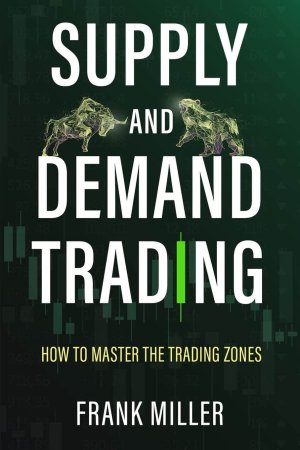
Analysis & Strategy
Original price was: රු2,800.00.රු1,700.00Current price is: රු1,700.00.
3 X Rs. 566.67 or 8% Cashback with
or 3 X රු566.67 with
or up to 4 X රු425.00 with
-10%
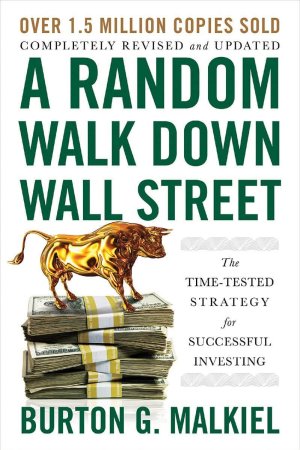
Out of stock
Analysis & Strategy
Original price was: රු5,200.00.රු4,700.00Current price is: රු4,700.00.
3 X Rs. 1,566.67 or 8% Cashback with
or 3 X රු1,566.67 with
or up to 4 X රු1,175.00 with

Damaged & Imperfect Books
රු1,200.00
3 X Rs. 400.00 or 8% Cashback with
or 3 X රු400.00 with
or up to 4 X රු300.00 with
-26%

Out of stock
Analysis & Strategy
Original price was: රු1,900.00.රු1,400.00Current price is: රු1,400.00.
3 X Rs. 466.67 or 8% Cashback with
or 3 X රු466.67 with
or up to 4 X රු350.00 with
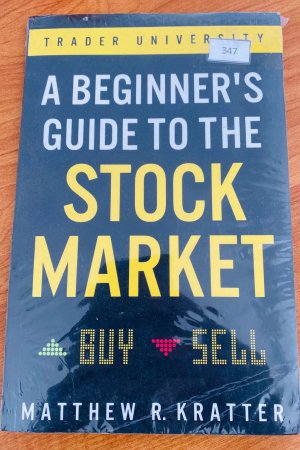
Damaged & Imperfect Books
Beginner’s Guide To The Stock Market by Matthew R Kratter (347)
රු1,500.00
3 X Rs. 500.00 or 8% Cashback with
or 3 X රු500.00 with
or up to 4 X රු375.00 with
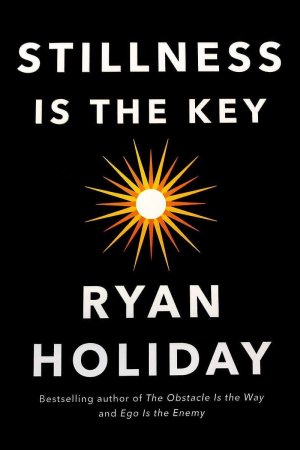
Analysis & Strategy
රු1,750.00
3 X Rs. 583.33 or 8% Cashback with
or 3 X රු583.33 with
or up to 4 X රු437.50 with
Reviews
There are no reviews yet.