
No products in the cart.
-19%
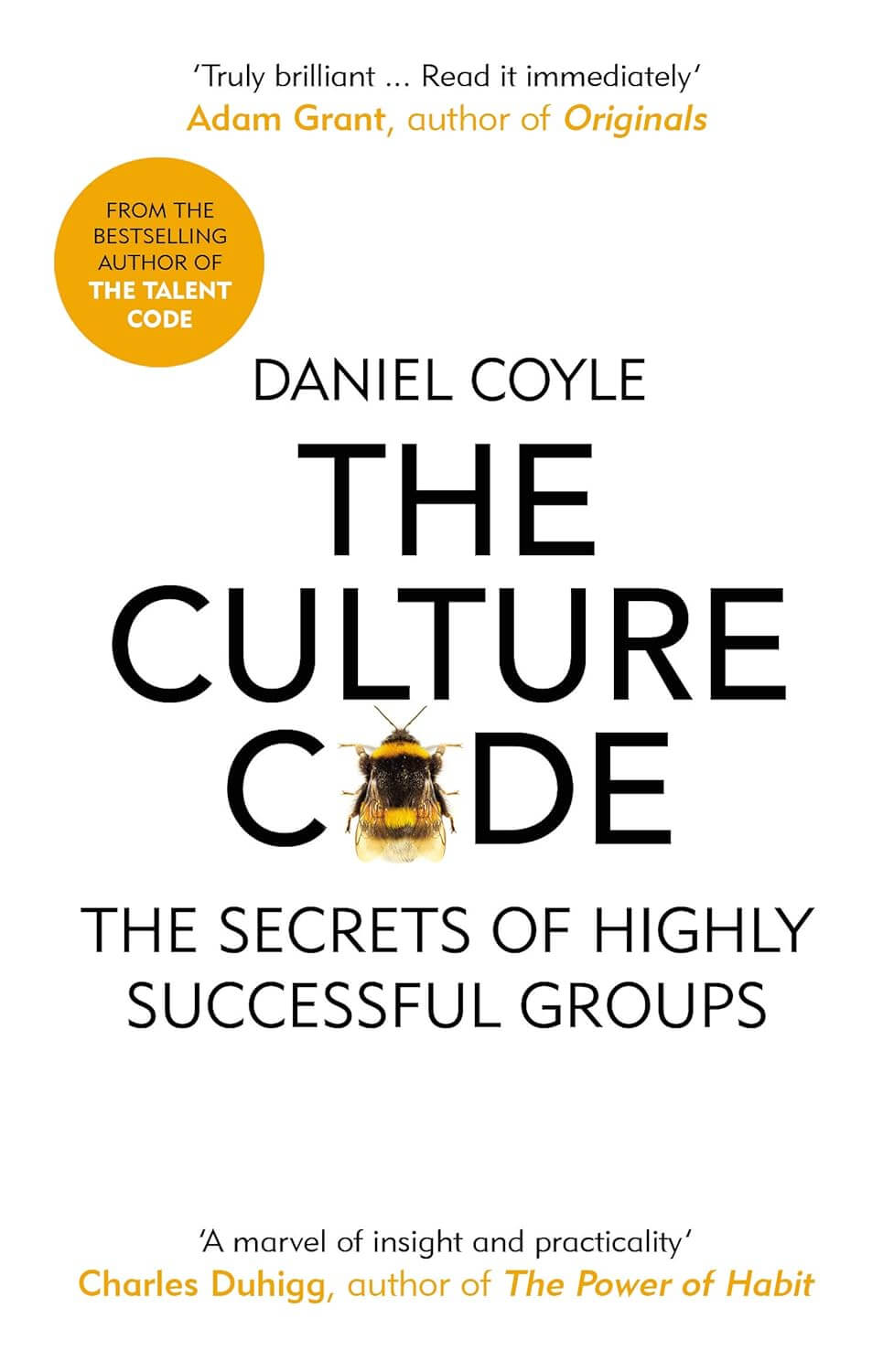
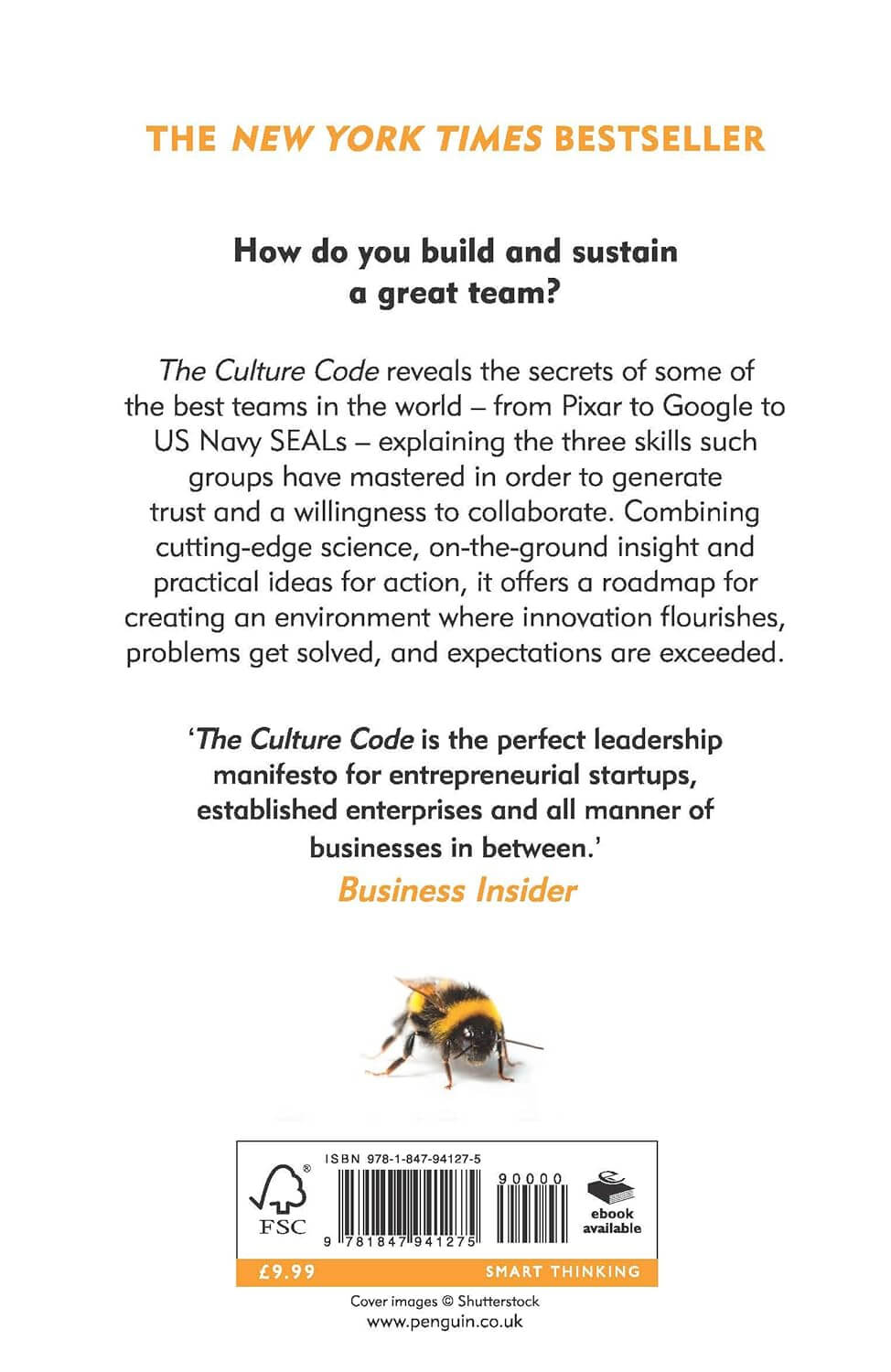

The Culture Code by Daniel Coyle


Original price was: රු2,600.00.රු2,100.00Current price is: රු2,100.00.
3 X Rs. 700.00 or 8% Cashback with


or 3 X රු700.00 with


or up to 4 X රු525.00 with


“Dive into the secrets of high-performing teams with ‘The Culture Code’ by Daniel Coyle. Uncover the key elements that drive success, from Pixar to Navy SEALs. This compelling book is your guide to building a culture of excellence and collaboration.”
Out of stock
Email when stock available
The Culture Code by Daniel Coyle is a practical business and leadership book about what makes successful teams work exceptionally well together.
Coyle studies high-performing groups and explores how leaders can create stronger trust, cooperation and shared purpose.
The Culture Code is ideal for managers, entrepreneurs, team leaders and professionals who want to build healthier and more productive workplace cultures.
The book focuses on practical behaviours rather than complicated management theories.
Why Read The Culture Code?
The Culture Code explores why some groups achieve extraordinary results while others struggle.
Talent alone is not enough.
Successful teams also need trust, communication and a clear sense of belonging.
Coyle identifies three major skills that appear repeatedly in strong groups: building safety, sharing vulnerability and establishing purpose.
These principles can be applied to companies, sports teams, creative groups and other organisations.
Build a Sense of Safety
Safety is one of the most important themes in The Culture Code.
People work better when they feel accepted by the group.
They need to know that their ideas can be shared without unnecessary fear.
A strong sense of belonging can encourage better communication.
It can also make collaboration easier.
Small signals of respect and attention can help employees feel that they are valued members of the team.
Create Stronger Connections
Successful teams are built through relationships.
The Culture Code explains that strong groups repeatedly communicate signals of connection and belonging.
People need to feel that they matter.
They also need to believe that other members of the group are willing to support them.
These connections create trust.
Trust then makes cooperation easier.
Share Vulnerability
Vulnerability may sound like weakness.
However, The Culture Code presents it as an important part of cooperation.
Teams become stronger when people can admit mistakes.
They should also feel comfortable asking for help.
Pretending to know everything can prevent useful communication.
When leaders show that they do not have every answer, team members may become more willing to speak honestly.
Leaders Do Not Need to Be Perfect
Some managers believe leadership means always appearing confident.
The Culture Code challenges this idea.
Effective leaders can admit uncertainty.
They can ask questions.
They can also recognise when someone else has better knowledge.
This behaviour can encourage others to contribute.
Leadership becomes less about demonstrating authority and more about helping the group succeed.
Establish a Clear Purpose
Purpose is the third major skill explored in The Culture Code.
People need to understand what the group is trying to achieve.
A clear purpose helps teams make decisions.
It also creates shared priorities.
When everyone understands what matters most, individuals can align their actions more effectively.
Strong cultures repeatedly communicate these priorities.
Teamwork Requires Trust
Trust develops gradually.
People observe how their colleagues behave.
They notice whether promises are kept.
They also remember how mistakes are handled.
The Culture Code shows why everyday interactions can influence team culture.
A single speech cannot create trust.
Consistent behaviour is much more important.
Communication Matters
Strong teams communicate openly.
Problems are discussed before they become larger.
Feedback is shared when it can help improve performance.
The Culture Code encourages teams to make honest communication normal.
Employees should not feel that difficult information must be hidden.
Clear communication helps groups solve problems faster.
Learn From Mistakes
Mistakes happen in every organisation.
The important question is how the team responds.
Punishing every mistake can create fear.
Fear can encourage people to hide problems.
The Culture Code encourages groups to treat useful mistakes as opportunities for learning.
Teams should understand what went wrong.
They can then improve their systems and decisions.
Belonging Improves Teamwork
People want to know that they belong.
A strong workplace culture creates this feeling through everyday behaviour.
Leaders listen.
Colleagues support each other.
Contributions are recognised.
The Culture Code explains how these signals can strengthen cooperation.
When people feel connected to the group, they may become more willing to contribute their best work.
Culture Is Built Through Small Actions
Company culture is not created only through mission statements.
It develops through repeated behaviour.
How meetings are conducted matters.
How leaders respond to bad news matters.
How employees treat one another matters.
The Culture Code encourages leaders to pay attention to these small interactions.
Together, they can shape the entire working environment.
Learn From Successful Groups
Daniel Coyle draws lessons from a range of high-performing organisations and groups.
His work investigates how successful teams create environments where people can cooperate effectively and perform at a high level.
The examples help turn abstract leadership ideas into practical lessons.
Readers can compare these behaviours with the culture inside their own organisations.
Build Better Workplace Relationships
Strong workplace relationships can improve communication.
Employees who trust one another may find it easier to exchange ideas.
They may also be more comfortable discussing problems.
The Culture Code demonstrates why relationship-building should not be viewed as separate from performance.
Healthy relationships can directly influence how well teams work together.
Create a Culture of Cooperation
Competition can sometimes motivate people.
Too much internal competition can damage teamwork.
The Culture Code focuses on creating environments where employees understand that success is shared.
Team members should help one another.
Information should move freely.
People should focus on solving problems rather than protecting individual status.
This can create stronger cooperation.
7 Powerful Lessons From The Culture Code
- Build Safety – Help people feel accepted and valued.
- Create Belonging – Show team members that they are important to the group.
- Share Vulnerability – Make it acceptable to ask questions and admit mistakes.
- Encourage Honest Communication – Allow useful information to move freely.
- Establish Purpose – Make important goals and priorities clear.
- Build Trust Consistently – Culture develops through repeated actions.
- Learn Together – Use mistakes and challenges to strengthen the team.
What You Can Learn From The Culture Code
Readers can explore:
- Team leadership
- Workplace culture
- Building trust
- Communication
- Teamwork
- Employee engagement
- Psychological safety
- Collaboration
- Leadership skills
- Group performance
- Building belonging
- Shared purpose
- Managing teams
- Organisational behaviour
- Creating stronger relationships
Who Should Read The Culture Code?
The Culture Code is ideal for managers and team leaders.
Entrepreneurs can use its ideas when building company culture.
Business owners may find it useful when managing growing teams.
HR professionals can explore its lessons about belonging and communication.
Employees can also benefit from understanding how successful groups cooperate.
The book is relevant to anyone interested in leadership, teamwork and organisational performance.
A Powerful Guide to Better Teams
The Culture Code shows that successful groups are not created by talent alone.
Strong teams develop cultures where people feel safe, connected and committed to a shared goal.
Daniel Coyle turns research and observations of high-performing groups into practical ideas for improving cooperation and leadership.
For anyone interested in building stronger teams, improving workplace relationships and creating a successful organisational culture, The Culture Code is a valuable addition to a business or leadership collection. https://yourwebsite.com/the-culture-code/
| Author | Daniel Coyle |
|---|---|
| Type | Paperback Printed Book |
| ISBN/ISSN | 1847941273, 978-1847941275 |
| Language | English |
| Pages | 304 |
Be the first to review “The Culture Code by Daniel Coyle”
Related products

Analysis & Strategy
රු2,250.00
3 X Rs. 750.00 or 8% Cashback with
or 3 X රු750.00 with
or up to 4 X රු562.50 with

Analysis & Strategy
රු1,750.00
3 X Rs. 583.33 or 8% Cashback with
or 3 X රු583.33 with
or up to 4 X රු437.50 with

Out of stock
Analysis & Strategy
රු1,800.00
3 X Rs. 600.00 or 8% Cashback with
or 3 X රු600.00 with
or up to 4 X රු450.00 with
-19%
Analysis & Strategy
Original price was: රු2,600.00.රු2,100.00Current price is: රු2,100.00.
3 X Rs. 700.00 or 8% Cashback with
or 3 X රු700.00 with
or up to 4 X රු525.00 with

Out of stock
Analysis & Strategy
රු1,750.00
3 X Rs. 583.33 or 8% Cashback with
or 3 X රු583.33 with
or up to 4 X රු437.50 with
-13%

Analysis & Strategy
Original price was: රු3,850.00.රු3,350.00Current price is: රු3,350.00.
3 X Rs. 1,116.67 or 8% Cashback with
or 3 X රු1,116.67 with
or up to 4 X රු837.50 with

Out of stock
Analysis & Strategy
රු1,700.00
3 X Rs. 566.67 or 8% Cashback with
or 3 X රු566.67 with
or up to 4 X රු425.00 with

Analysis & Strategy
රු1,750.00
3 X Rs. 583.33 or 8% Cashback with
or 3 X රු583.33 with
or up to 4 X රු437.50 with
Reviews
There are no reviews yet.