
No products in the cart.
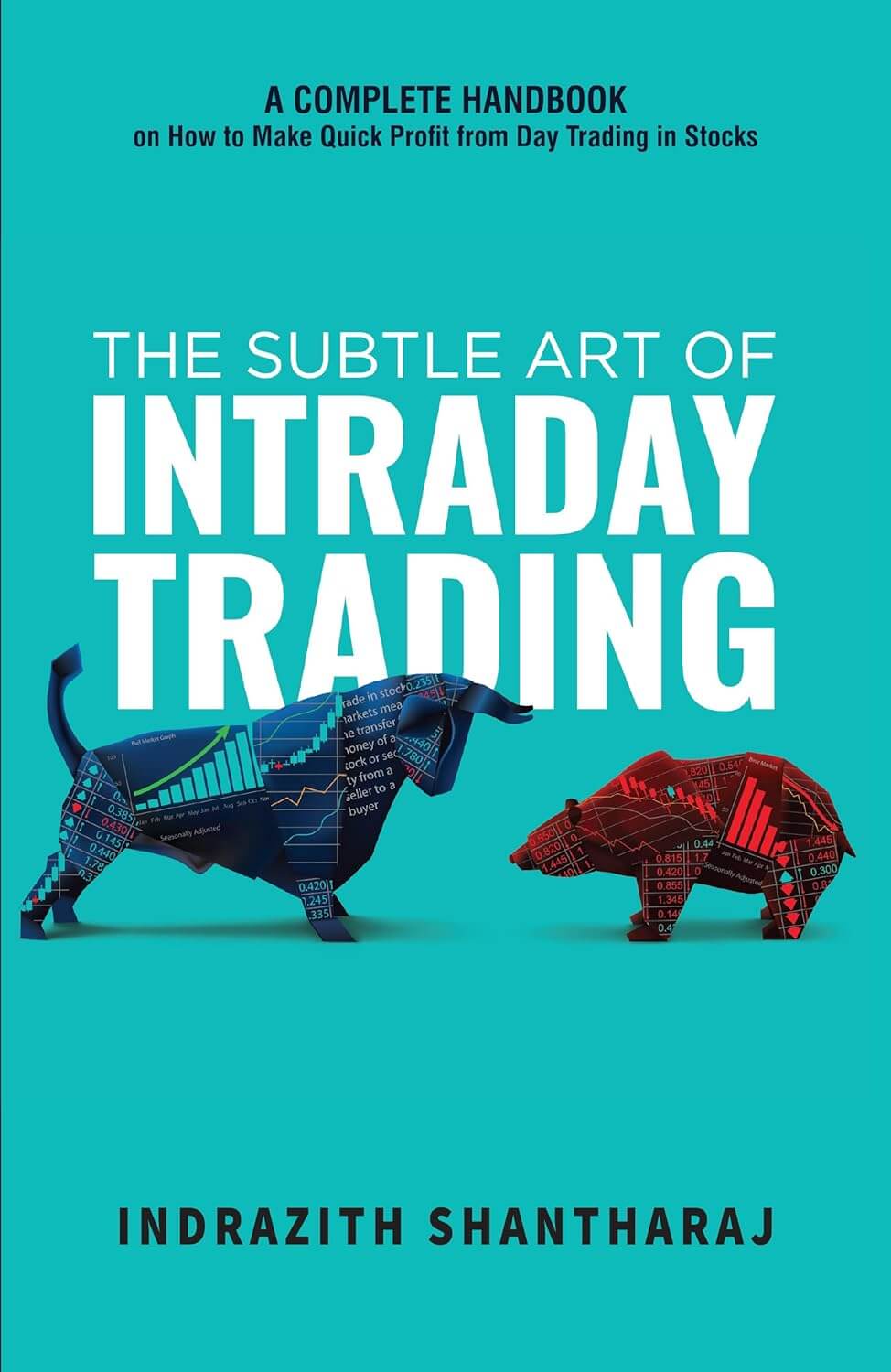
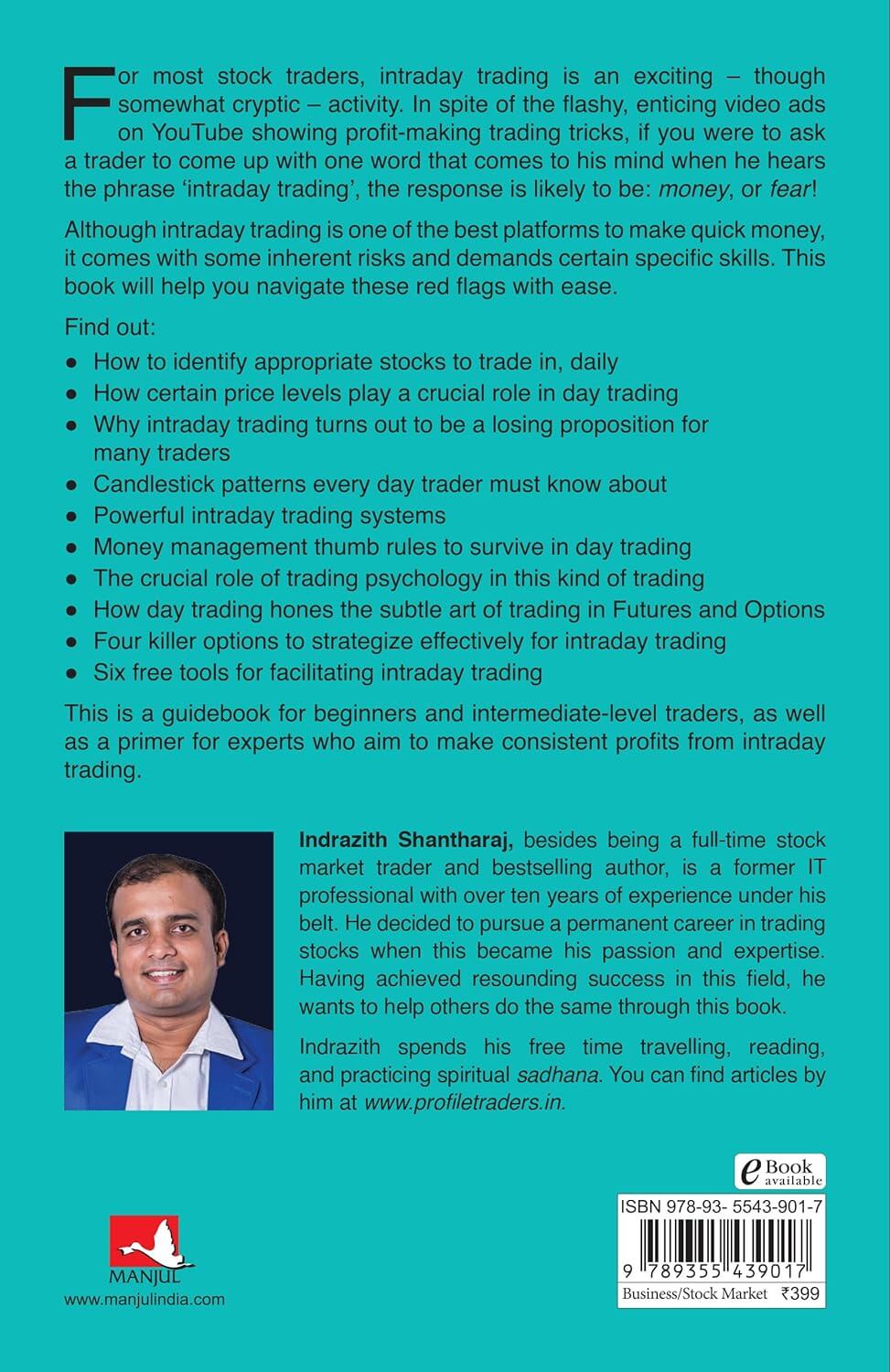
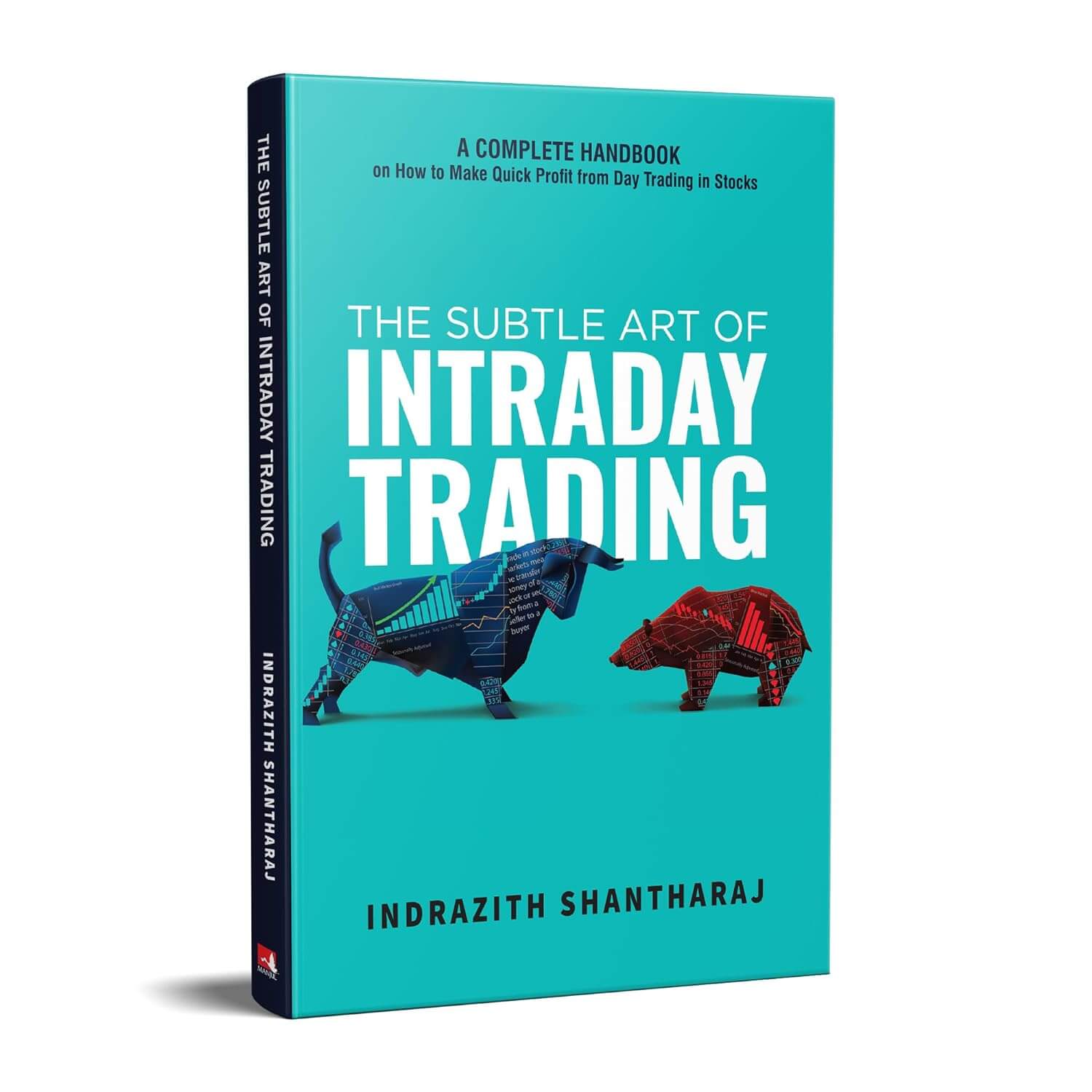
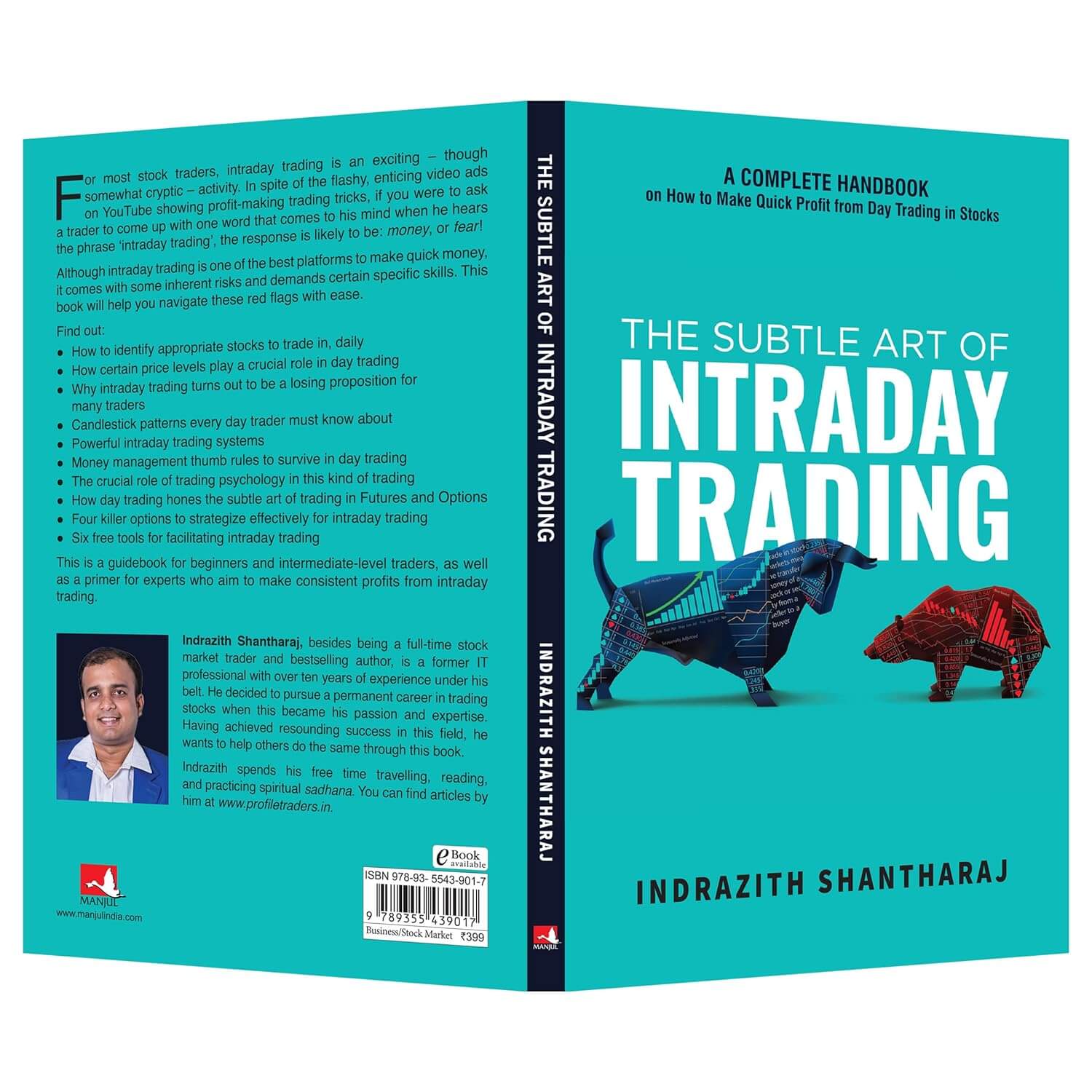
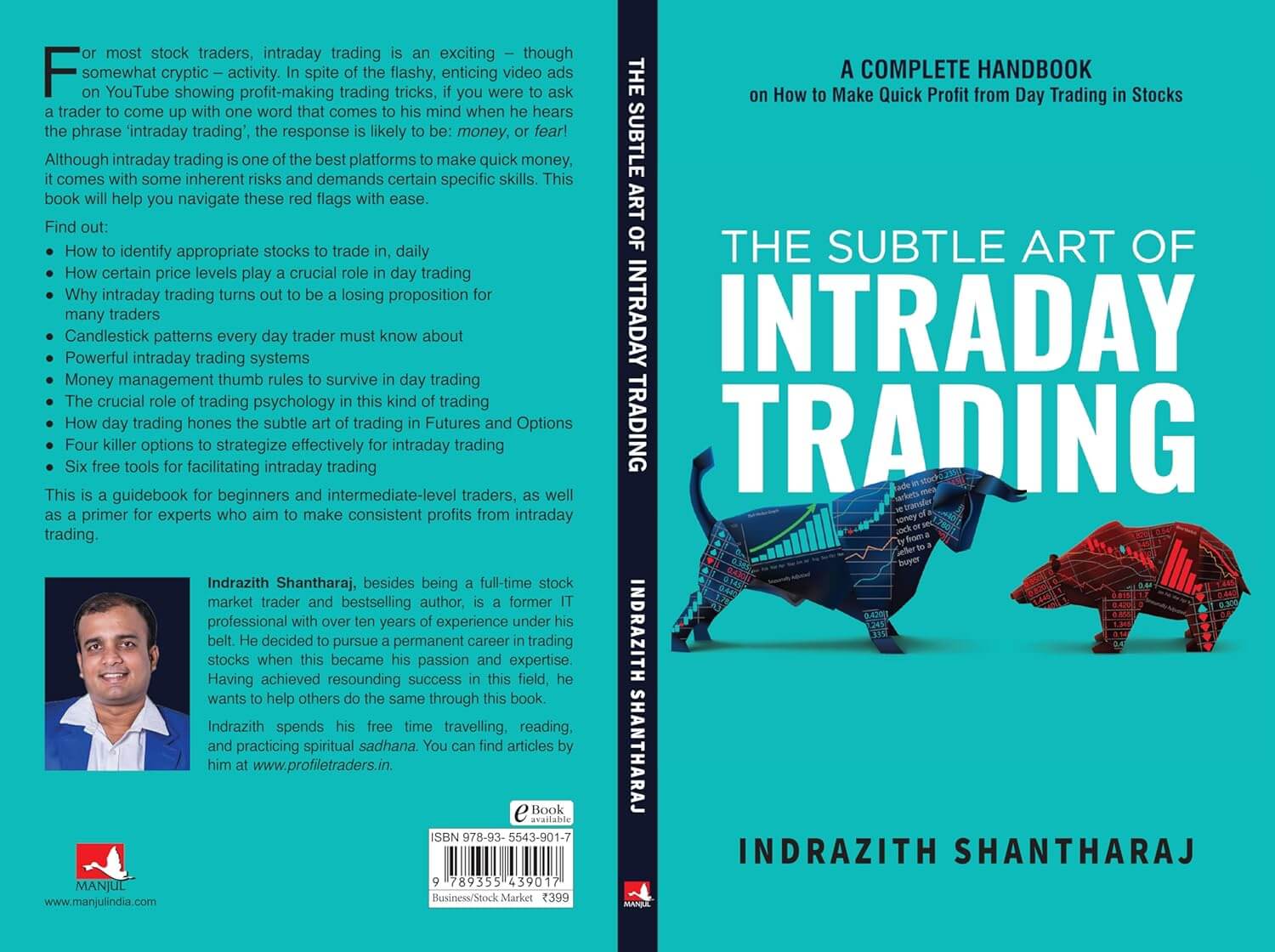


The Subtle Art of Intraday Trading: A Complete Handbook on How to Make Quick Profit from Day Trading in Stocks by Indrazith Shantharaj
රු1,650.00
3 X Rs. 550.00 or 8% Cashback with


or 3 X රු550.00 with


or up to 4 X රු412.50 with


Master the nuances of day trading with The Subtle Art of Intraday Trading. This essential guide provides expert strategies and insights for success in the fast-paced world of intraday trading
Out of stock
Email when stock available
The Subtle Art of Intraday Trading by Indrazith Shantharaj
The Subtle Art of Intraday Trading by Indrazith Shantharaj is a practical guide for readers who want to understand day trading, trading psychology, risk management, technical analysis, and disciplined decision-making in the stock market.
Intraday trading often looks simple from the outside.
A trader buys and sells within the same day and hopes to profit from short-term price movements.
In reality, consistent trading requires much more than guessing whether a stock will move up or down.
It requires preparation, discipline, risk control, and a clear trading process.
About The Subtle Art of Intraday Trading
The Subtle Art of Intraday Trading explains important concepts that traders can use when studying short-term market opportunities.
The book discusses how to identify potential trades.
It also explores trading psychology and the importance of controlling emotions.
Readers are introduced to concepts such as stock selection, important price levels, candlestick patterns, position sizing, risk-reward ratios, and trading strategies.
The focus is on developing a systematic approach rather than depending on random trades.
7 Powerful Lessons from The Subtle Art of Intraday Trading
1. Trading Requires a System
Successful trading should not depend entirely on instinct.
A trader needs rules.
Those rules may include when to enter, where to place a stop-loss, when to exit, and how much capital to risk.
A structured method makes it easier to evaluate results.
Without a system, traders can easily change decisions based on fear or excitement.
2. Trading Psychology Matters
One of the major themes in The Subtle Art of Intraday Trading is psychology.
Markets can create strong emotions.
A winning trade can make someone overconfident.
A losing trade can create fear.
Both emotions can lead to poor decisions.
Learning to follow a plan even when emotions are strong is an important trading skill.
3. Risk Management Comes First
Many beginners focus only on how much money a trade could make.
Experienced traders also consider how much they could lose.
Risk management helps protect trading capital.
This can involve stop-loss levels, position sizing, and controlling exposure.
A trader who protects capital has more opportunities to continue learning.
4. Risk-Reward Ratio Matters
Not every trade needs to be profitable.
What matters is the relationship between potential gain and potential loss.
A trader can still perform well even with losing trades if profitable trades are sufficiently larger.
Understanding risk-reward helps traders evaluate opportunities more logically.
It also discourages taking trades where the possible reward is too small compared with the risk.
5. Learn to Read Price Behaviour
Charts contain information about how buyers and sellers are interacting.
Candlestick patterns can help traders understand short-term price action.
Support and resistance levels can also become important.
The book explains why traders should pay attention to these areas instead of entering trades randomly.
Technical analysis is not a guarantee.
It is a method for organizing market information.
6. Choose Stocks Carefully
Not every stock is suitable for intraday trading.
Liquidity matters.
Price movement matters.
Volume can also matter.
A stock that barely moves may offer few trading opportunities.
A highly volatile stock may offer opportunity but also greater risk.
Selecting suitable instruments is therefore part of the trading process.
7. Discipline Is More Important Than Excitement
Intraday trading can feel exciting.
That excitement can become dangerous.
A trader may begin taking unnecessary positions simply because the market is moving.
The Subtle Art of Intraday Trading encourages a more disciplined approach.
Sometimes the best trading decision is not to trade.
Understanding Intraday Trading
Intraday trading means opening and closing positions within the same trading day.
Traders attempt to benefit from short-term price movement.
Unlike long-term investors, they are usually less focused on holding a company for years.
Instead, they study shorter-term market behaviour.
This makes timing especially important.
It also means mistakes can become expensive quickly if risk is not controlled.
Trading Psychology
Psychology can influence every part of a trade.
Fear may cause a trader to exit too early.
Greed may encourage someone to hold a winning position for too long.
Revenge trading can happen after a loss.
A trader may immediately take another position simply to recover money.
This often creates even larger losses.
A disciplined trading plan helps reduce these emotional decisions.
Position Sizing
Position sizing determines how much capital is committed to a trade.
This is one of the most important parts of risk management.
A good setup can still produce a loss.
For that reason, traders should avoid risking too much on a single idea.
Smaller, controlled positions can help traders survive losing streaks.
The objective is not only to make money.
It is also to remain capable of participating in future opportunities.
Stop-Loss Discipline
A stop-loss helps define how much loss a trader is willing to accept.
Without one, a small losing trade can become a much larger problem.
Some traders move their stop-loss because they hope the market will reverse.
That decision can increase risk.
The book encourages readers to think more systematically.
Risk should ideally be considered before entering the trade.
Candlestick Patterns
Candlestick charts display price movement over a selected period.
Each candle can show opening price, closing price, high, and low.
Different formations may suggest changing market sentiment.
However, patterns should not be used in isolation.
Context matters.
Volume, trend, support, resistance, and overall market behaviour can provide additional information.
Options and Intraday Trading
The book also discusses options as tools for active traders.
Options can provide exposure to price movements without requiring the full value of the underlying asset.
They can also be used for hedging.
However, options involve additional complexity.
Time decay, volatility, strike selection, and contract structure can all influence results.
Readers should understand those risks before using advanced strategies.
Trading Is Not Guaranteed Income
The Subtle Art of Intraday Trading should not be treated as a promise of easy profit.
Markets are uncertain.
Even strong trading setups can fail.
A strategy that worked previously may perform differently when market conditions change.
The goal of education is to improve decision-making.
It cannot eliminate market risk.
That distinction is especially important for new traders.
Build a Trading Routine
A consistent routine can help reduce impulsive behaviour.
Before the market opens, traders can identify important levels.
They can prepare a watchlist.
They can also define what conditions would justify entering a trade.
After the trading session, results can be reviewed.
Keeping records helps traders understand which strategies are working.
It also makes repeated mistakes easier to identify.
Learn from Losing Trades
Losses are part of trading.
The important question is why the trade lost.
Was the setup valid?
Was the stop-loss respected?
Was the position too large?
Did emotion influence the entry?
Reviewing losing trades can produce valuable lessons.
A trader who learns from mistakes can gradually improve their process.
Who Should Read This Book?
The Subtle Art of Intraday Trading is suitable for readers interested in stock trading and technical analysis.
Beginners can use it to understand common trading concepts.
Intermediate traders may find useful ideas around risk, psychology, and trade management.
It can also appeal to readers interested in options trading and Indian financial markets.
However, readers should remember that trading involves financial risk.
The book is educational material rather than a guarantee of profit.
About Indrazith Shantharaj
Indrazith Shantharaj is an author and active trader known for writing about trading psychology, technical strategies, and financial markets.
His other books include How to Make Money with Breakout Trading, Mind Markets and Money, and Trade and Grow Rich.
He has written particularly about intraday trading and Indian market conditions.
Readers can learn more about this title through the publisher/book listing for The Subtle Art of Intraday Trading.
Product Details
Title: The Subtle Art of Intraday Trading
Author: Indrazith Shantharaj
Genre: Finance / Investing / Stock Market / Trading
Language: English
Format: Paperback
ISBN-13: 9789355439017
Publication Date: March 25, 2024
Pages: Approximately 164–166 pages
Approximate Size: 14 × 21.6 cm
Page counts differ slightly between bibliographic listings.
Always check your physical copy before entering the final page count, dimensions, and weight into WooCommerce.
Explore More Business and Finance Books
The Subtle Art of Intraday Trading gives readers a structured introduction to one of the fastest-moving areas of the financial markets.
It emphasizes that successful trading requires more than finding a winning indicator.
Psychology matters.
Risk management matters.
Discipline matters.
And protecting capital is just as important as finding profitable opportunities.
Readers interested in investing, business, trading, and financial markets can explore more Business, Finance & Economics Books at Bargain Books.
For readers who want to understand intraday trading more systematically, The Subtle Art of Intraday Trading provides a practical starting point.
| Author | Indrazith Shantharaj |
|---|---|
| Type | Paperback Brand new Printed (Indian Locally published) |
| ISBN/ISSN | 9355439016 |
| Language | English |
| Pages | 164 |
Be the first to review “The Subtle Art of Intraday Trading: A Complete Handbook on How to Make Quick Profit from Day Trading in Stocks by Indrazith Shantharaj”
Related products

Damaged & Imperfect Books
රු1,200.00
3 X Rs. 400.00 or 8% Cashback with
or 3 X රු400.00 with
or up to 4 X රු300.00 with
-15%
Out of stock
Analysis & Strategy
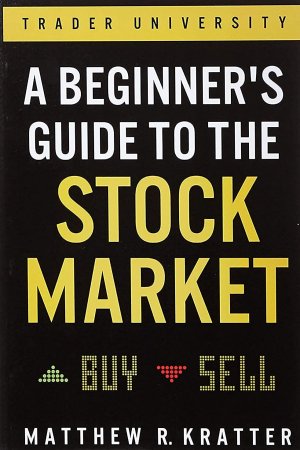
Beginner’s Guide To The Stock Market by Matthew R Kratter (Hardcover)
Original price was: රු3,300.00.රු2,800.00Current price is: රු2,800.00.
3 X Rs. 933.33 or 8% Cashback with
or 3 X රු933.33 with
or up to 4 X රු700.00 with

Out of stock
Analysis & Strategy
රු1,950.00
3 X Rs. 650.00 or 8% Cashback with
or 3 X රු650.00 with
or up to 4 X රු487.50 with

Analysis & Strategy
රු2,250.00
3 X Rs. 750.00 or 8% Cashback with
or 3 X රු750.00 with
or up to 4 X රු562.50 with

Out of stock
රු3,900.00
3 X Rs. 1,300.00 or 8% Cashback with
or 3 X රු1,300.00 with
or up to 4 X රු975.00 with
Out of stock
Damaged & Imperfect Books
රු550.00
3 X Rs. 183.33 or 8% Cashback with
or 3 X රු183.33 with
or up to 4 X රු137.50 with

Analysis & Strategy
රු2,200.00
3 X Rs. 733.33 or 8% Cashback with
or 3 X රු733.33 with
or up to 4 X රු550.00 with
-19%

Analysis & Strategy
Original price was: රු2,600.00.රු2,100.00Current price is: රු2,100.00.
3 X Rs. 700.00 or 8% Cashback with
or 3 X රු700.00 with
or up to 4 X රු525.00 with
Reviews
There are no reviews yet.