
No products in the cart.
-14%
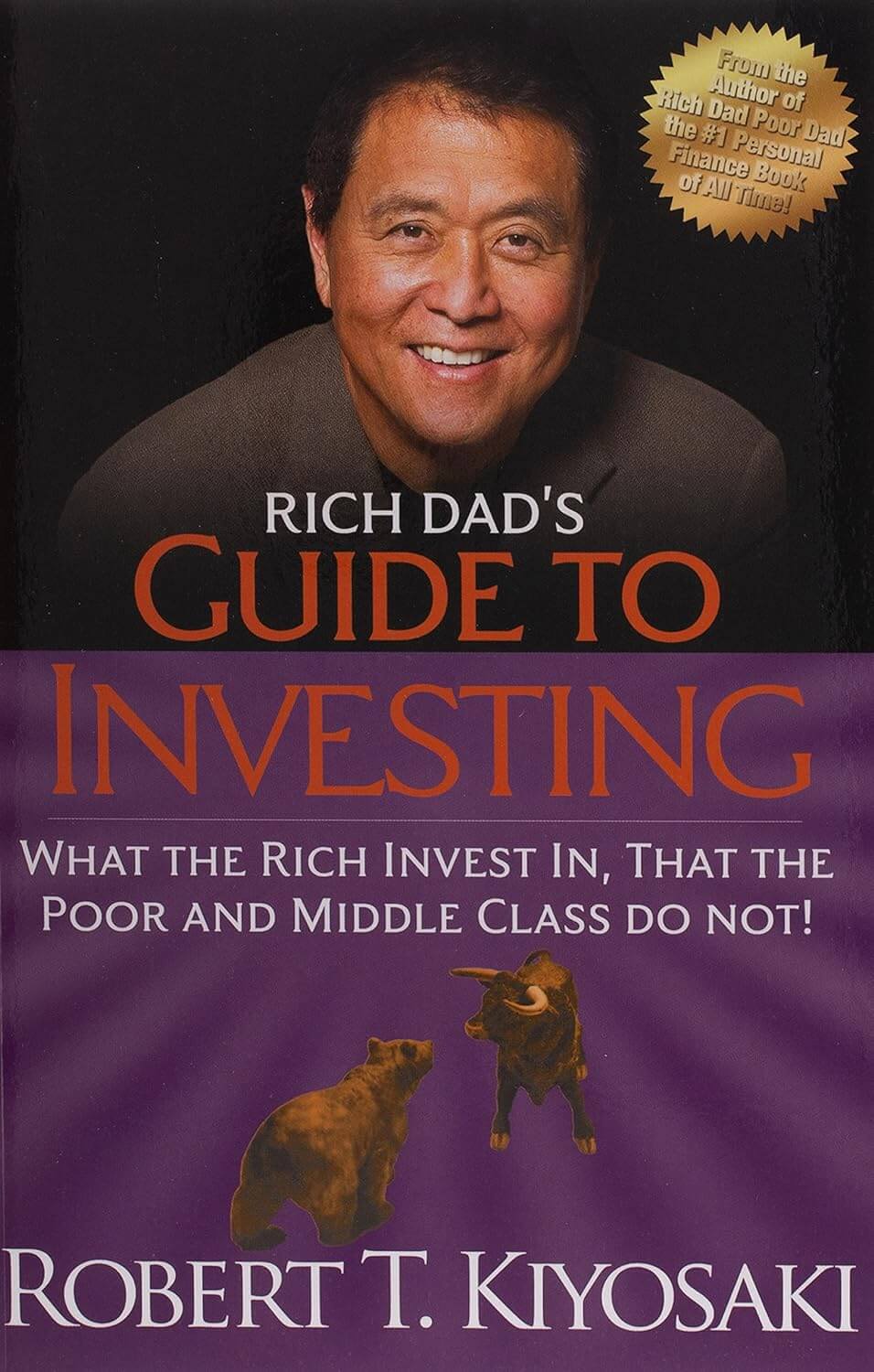
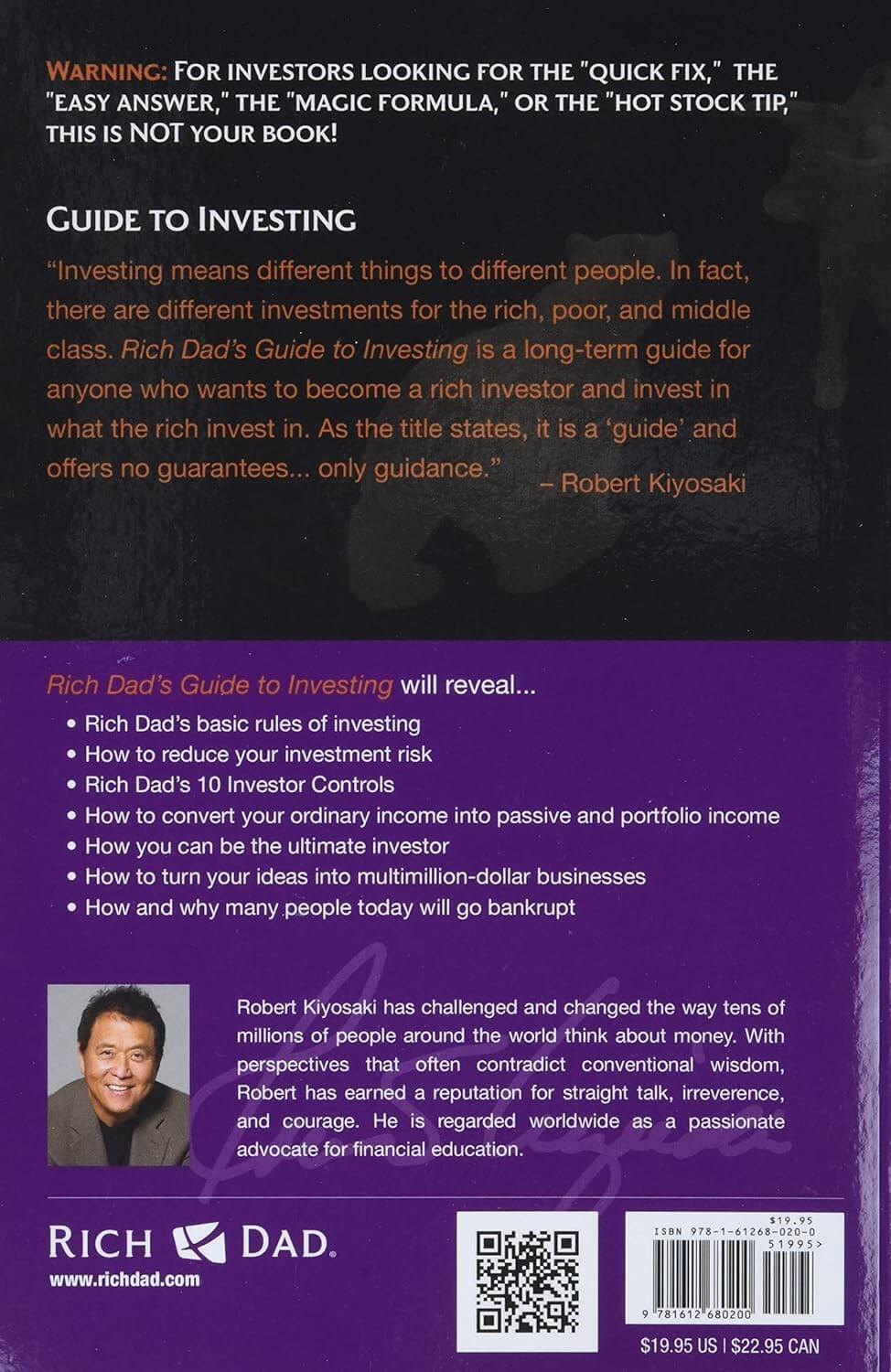
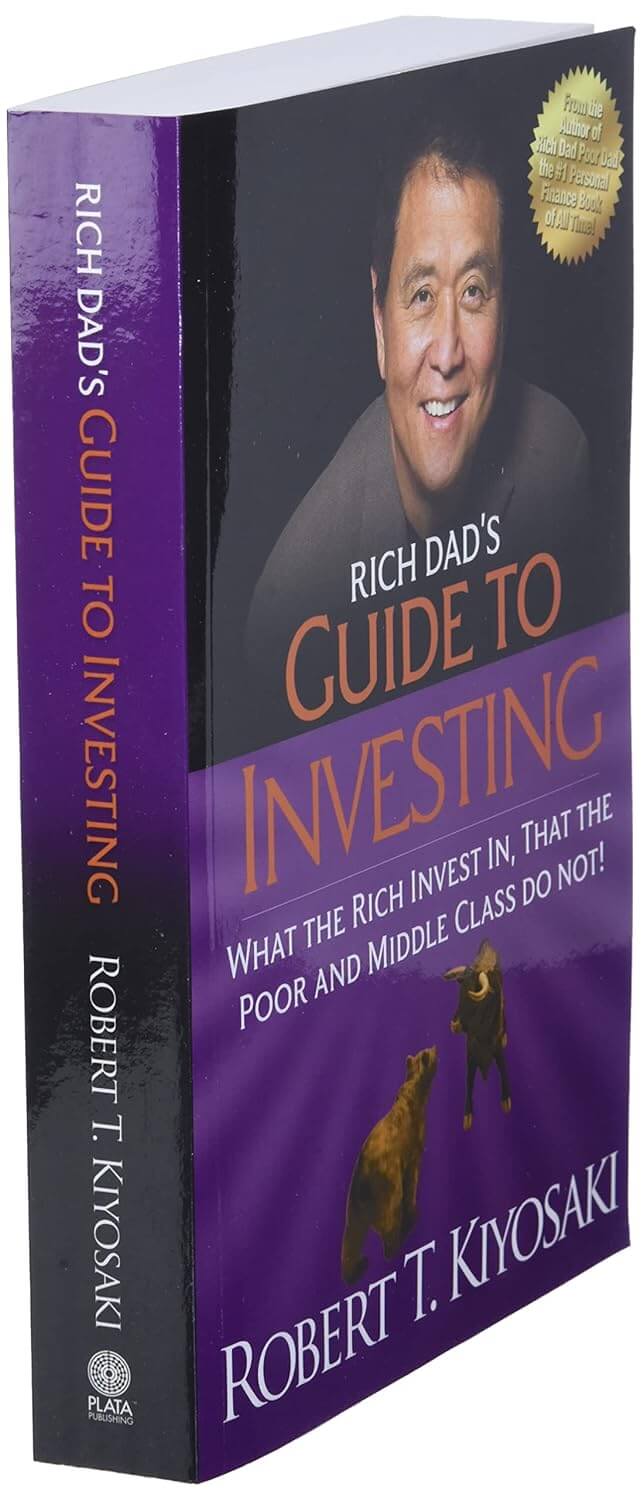
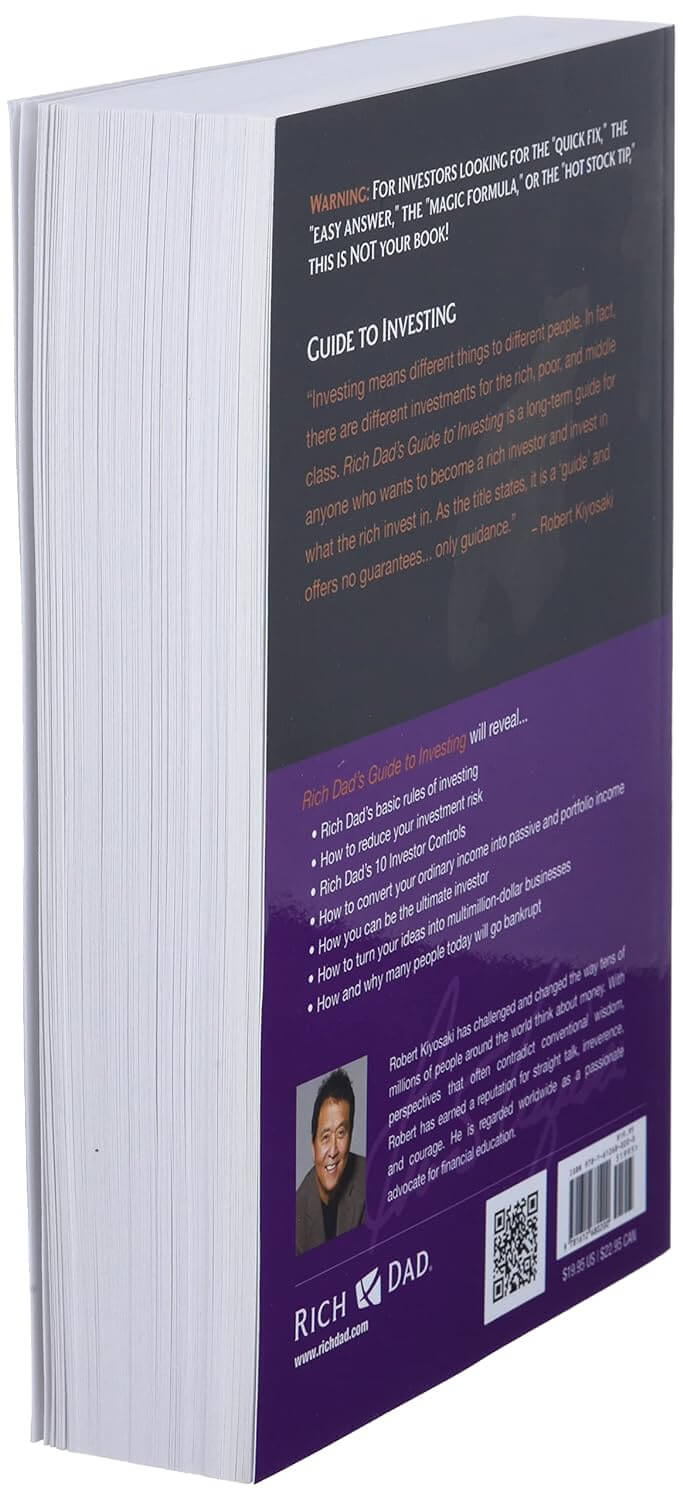
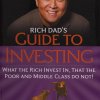
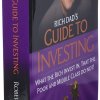
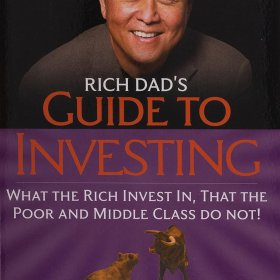
Rich Dad’s Guide to Investing by Robert T. Kiyosaki
Original price was: රු3,700.00.රු3,200.00Current price is: රු3,200.00.
3 X Rs. 1,066.67 or 8% Cashback with


or 3 X රු1,066.67 with


or up to 4 X රු800.00 with


Rich Dads Guide to Investing by Robert Kiyosaki explores the mindset, financial knowledge and strategies the author believes separate sophisticated investors from ordinary savers. Building on the ideas of Rich Dad Poor Dad, Kiyosaki discusses assets, cash flow, financial statements, business ownership, real estate, risk, debt, investor control and long-term wealth building. Ideal for readers interested in personal finance, entrepreneurship and financial education.
Out of stock
Email when stock available
Rich Dads Guide to Investing by Robert Kiyosaki is a practical personal-finance and investing book designed to change the way readers think about money, assets, businesses, risk and long-term wealth creation.
Rather than focusing mainly on which stock to buy or which investment will rise next, Robert Kiyosaki focuses on a more fundamental question:
How does an investor think?
The book argues that successful investing begins with financial education.
Before committing money, an investor should understand:
Assets.
Liabilities.
Cash flow.
Business.
Risk.
Taxes.
Financial statements.
Investor control.
And the difference between simply earning money and building systems capable of producing money over time.
One of the central ideas in Rich Dads Guide to Investing by Robert Kiyosaki is that investing should be treated as a plan, not simply as a financial product.
A stock is a product.
A property is a product.
A business can be an investment.
But buying something without understanding why it belongs in your larger financial strategy is not the same as having an investment plan.
Kiyosaki also emphasizes the difference between passive investing and becoming a more active, financially educated investor. The official Rich Dad description highlights financial literacy, cash flow, business ownership and long-term planning rather than chasing hot investment tips.
Rich Dads Guide to Investing by Robert Kiyosaki – Book Overview
Rich Dads Guide to Investing by Robert Kiyosaki expands on many of the ideas introduced in Rich Dad Poor Dad.
The central philosophy is that wealthy investors tend to focus on:
Financial education.
Control.
Cash flow.
Assets.
Business ownership.
Long-term thinking.
Opportunity.
Rather than simply asking:
“What investment should I buy?”
Kiyosaki encourages readers to ask:
“What kind of investor do I need to become?”
That shift is important.
The book suggests that the quality of the investor matters as much as the investment itself.
Investing Is a Plan, Not a Product
This is one of the book’s most useful ideas.
Many beginners ask:
Should I buy stocks?
Should I buy gold?
Should I buy property?
Should I invest in a business?
Kiyosaki argues that these questions come too early.
The first step is understanding your financial objective.
Do you want:
Financial security?
Additional cash flow?
Business ownership?
Long-term capital growth?
More financial independence?
Your plan should guide the products you choose.
Financial Education Comes First
Kiyosaki repeatedly emphasizes financial education.
That includes understanding how money actually moves.
You should be able to distinguish between:
Income.
Expenses.
Assets.
Liabilities.
Cash flow.
Equity.
Debt.
Profit.
If someone does not understand these concepts, even a seemingly good investment can become dangerous.
Financial Statements
One of Kiyosaki’s recurring ideas across the Rich Dad books is learning how to read financial statements.
Why?
Because numbers can reveal what stories do not.
A business owner may say:
“We are growing.”
The financial statements may reveal:
Revenue is increasing.
But expenses are increasing faster.
Or debt is becoming difficult to service.
Or cash flow remains weak.
A financially educated investor tries to understand the numbers behind the story.
Assets
Kiyosaki uses a practical definition of an asset:
Something that helps put money into your pocket.
Examples might include income-producing businesses, certain investments or property that generates positive cash flow.
His definitions sometimes differ from formal accounting terminology, so readers should distinguish his educational framework from professional accounting definitions.
Liabilities
Kiyosaki often describes liabilities as things that take money out of your pocket.
The deeper lesson is useful:
Do not confuse ownership with wealth.
A person may own many expensive things while having poor cash flow.
Cash Flow
Cash flow is one of the most important ideas in Rich Dads Guide to Investing by Robert Kiyosaki.
Wealth is not simply about having a high salary.
A person can earn a large salary and still spend everything.
Another person may earn less but own assets producing additional income.
Kiyosaki therefore encourages readers to think about where money comes from and where it goes.
Earned Income
Earned income generally comes from working.
Salary.
Wages.
Professional fees.
Freelance income.
The main limitation is that income may depend directly on your personal time and effort.
Passive and Portfolio Income
Kiyosaki’s framework encourages readers to gradually create income that is less dependent on their daily labor.
The terminology and tax treatment of different income categories vary by jurisdiction, so readers should use local professional advice when applying these concepts.
But the broad idea is:
Build assets capable of producing value beyond your working hours.
Making Money Work for You
This is one of the most famous Rich Dad concepts.
Most people begin life working for money.
You exchange:
Time
for
Income.
Kiyosaki’s larger goal is to create assets and systems where money also begins working for you.
That can include investments, businesses and other income-producing assets.
Investor Mindset
A major theme in Rich Dads Guide to Investing by Robert Kiyosaki is that wealthy investors supposedly look at opportunities differently.
Where one person sees:
Risk,
another may see:
A problem that can be studied.
Where one person sees:
A complicated financial statement,
another may see:
Information.
This does not mean every risky investment becomes safe.
It means education can help investors understand risks more accurately.
Investing Is Not Risk-Free
The book strongly promotes education as a way to manage risk.
However, readers should not interpret this as meaning education eliminates investment losses.
All investments can involve risk.
Companies can fail.
Property prices can fall.
Markets can crash.
Interest rates can change.
Economic conditions can change unexpectedly.
Financial education improves decision-making but cannot guarantee profit.
Risk Versus Lack of Knowledge
Kiyosaki often argues that people call investing risky because they do not understand it.
There is some useful truth in this idea:
Knowledge can reveal risks that inexperienced investors miss.
But risk can remain even after thorough analysis.
A skilled investor can still lose money.
That is an important balance when applying the book.
Rich Dad’s Basic Rules of Investing
The book presents a series of rules and principles around investing.
These focus less on predicting short-term market movements and more on developing financial intelligence.
The emphasis includes:
Education.
Planning.
Control.
Business building.
Cash flow.
Understanding investments.
The Three E’s
One memorable framework associated with Rich Dads Guide to Investing by Robert Kiyosaki is the importance of:
Education
Experience
Excess cash
The principle is straightforward.
Education develops understanding.
Experience develops judgment.
Excess cash provides capital that can be invested without immediately depending on that money for everyday survival.
Education
Financial education begins with learning.
Books.
Courses.
Mentors.
Financial statements.
Business experience.
Market history.
But education should not stop with theory.
Experience
Real experience teaches lessons books cannot fully reproduce.
Running a business.
Negotiating.
Managing customers.
Evaluating expenses.
Dealing with failure.
Making investment decisions.
Experience develops pattern recognition.
Excess Cash
Investment becomes much more dangerous when people invest money they cannot afford to lose.
Using rent money.
Emergency savings.
Borrowed money without understanding the consequences.
These decisions can turn investment risk into a personal crisis.
A stronger foundation usually includes financial reserves and responsible risk management.
Build a Business
One of the more distinctive ideas in Rich Dads Guide to Investing by Robert Kiyosaki is the emphasis on business ownership.
Kiyosaki argues that building a business can create:
Cash flow.
Experience.
Tax advantages in some jurisdictions.
Capital.
Investment opportunities.
This differs from books that focus only on publicly traded stocks.
Business as an Asset
A well-designed business may eventually produce value without the owner performing every task personally.
The owner builds:
Processes.
People.
Systems.
Customers.
Brand.
Operations.
This is different from self-employment where income stops immediately when the individual stops working.
Self-Employed Versus Business Owner
This distinction is related to Kiyosaki’s CASHFLOW Quadrant philosophy.
A self-employed person may technically own their job.
A true business owner tries to build a system.
For example:
A freelance designer must personally complete each project.
A design agency owner may build a team and systems capable of delivering work without personally creating every design.
The second model has greater potential to scale.
Build Systems
Systems are essential to scalable businesses.
Sales systems.
Accounting systems.
Inventory systems.
Marketing systems.
Customer-service systems.
Operating procedures.
A business that exists only inside the owner’s head is difficult to scale.
Investing From the Inside
Kiyosaki discusses the idea of the inside investor.
Instead of only buying investments created by others, an entrepreneur may create an asset.
Build a company.
Create value.
Then own part of that value.
This is fundamentally different from only buying shares after a company is already successful.
Creating Assets
One of the strongest themes in Rich Dads Guide to Investing by Robert Kiyosaki is that wealth can come from creating assets.
Most people think:
How do I buy a great asset?
Entrepreneurs may ask:
How do I build one?
A business.
A product.
Intellectual property.
A system.
The ability to create assets can expand investment opportunities.
The Sophisticated Investor
Kiyosaki distinguishes between ordinary investors and more sophisticated investors.
A sophisticated investor understands more about:
Business.
Financial statements.
Taxes.
Law.
Risk.
Markets.
The goal is not to simply acquire a label.
It is to build enough knowledge to make better financial decisions.
Investor Controls
The book is also known for discussing Rich Dad’s 10 Investor Controls. The publisher description specifically identifies these investor controls as a major part of the book.
The broad principle is that experienced investors prefer situations where they can understand or influence important factors rather than simply hoping the investment performs well.
Control Matters
Investors generally have different amounts of control depending on the asset.
If you buy shares in a large public company, you may have almost no influence over daily management.
If you own your own small business, you may control:
Pricing.
Hiring.
Marketing.
Costs.
Operations.
Strategy.
Neither approach is automatically superior.
They simply involve different levels of control and risk.
Financial Security
Kiyosaki encourages readers to define levels of financial goals.
One person may want:
Enough investment income to cover essential expenses.
Another may want:
A comfortable lifestyle.
Another may seek much larger wealth.
The useful lesson is that vague goals such as:
“I want to be rich”
are difficult to plan around.
Specific goals create clearer decisions.
Financial Freedom
Financial freedom does not necessarily mean becoming a billionaire.
A more practical definition may be reaching a point where financial assets or income streams cover enough of your living expenses that work becomes more optional.
The exact amount depends on:
Lifestyle.
Location.
Family responsibilities.
Health costs.
Inflation.
Personal goals.
Investing and Emotions
Fear and greed are powerful forces in financial markets.
Fear can make investors sell at the worst time.
Greed can make them buy something they do not understand.
Kiyosaki encourages education partly because knowledge can make emotional decisions easier to recognize.
Do Not Invest Because Everyone Else Is Investing
Popular investments attract attention.
Crypto.
Technology stocks.
Property.
Gold.
AI companies.
Any asset can become fashionable.
But popularity is not analysis.
Before investing, ask:
What am I actually buying?
How does it generate value?
What are the risks?
What would make this investment fail?
Do Your Own Research
A friend saying:
“This investment cannot lose”
is not research.
A social-media influencer saying:
“This will explode next month”
is not research.
Investors should understand enough to make independent decisions.
Debt
Kiyosaki frequently distinguishes between debt used to acquire productive assets and debt used only for consumption.
However, leverage increases both potential gains and losses.
Borrowing to invest can magnify financial risk substantially.
This is one area where readers should be particularly cautious and seek qualified professional guidance where appropriate.
Good Debt and Bad Debt
The book often uses the framework of “good debt” and “bad debt.”
The broad concept is that debt associated with productive, cash-generating assets may be financially different from high-cost consumer debt.
But no debt is automatically “good.”
Interest rates, cash flow, legal obligations and downside risk must still be understood.
Leverage
Imagine investing Rs. 1 million of your own money.
If the asset loses 20%, the loss is painful.
Now imagine using substantial borrowed funds as well.
The same decline can create much larger consequences.
Leverage therefore requires disciplined risk management.
Taxes
Kiyosaki also discusses tax strategy and legal structures.
These topics are highly jurisdiction-specific.
Rules in the United States may not apply in Sri Lanka or another country.
Readers should therefore treat the book’s tax examples as educational concepts and consult qualified local accountants or tax professionals before acting.
Legal Structures
Businesses can operate through different legal structures.
Sole proprietorships.
Partnerships.
Companies.
Other entities.
Each may have different rules regarding:
Liability.
Tax.
Ownership.
Reporting.
Investors should understand the legal structure behind an investment.
Financial Team
Successful investing can sometimes require specialists.
Accountants.
Lawyers.
Financial advisers.
Bankers.
Business partners.
Mentors.
No investor needs to know everything personally.
But the investor should understand enough to ask intelligent questions.
Learn the Language of Money
Financial terminology can seem intimidating.
ROI.
Cash flow.
Equity.
Debt.
Revenue.
Gross profit.
Net profit.
Dividend.
Capital gain.
Learning these concepts expands the number of financial conversations you can understand.
Start With Education, Not Excitement
One of the safest lessons to take from Rich Dads Guide to Investing by Robert Kiyosaki is:
Do not rush simply because an opportunity looks exciting.
Study first.
Understand the numbers.
Understand the downside.
Then decide.
Rich Dad Poor Dad Connection
Readers who enjoyed Rich Dad Poor Dad will recognize many familiar concepts.
Rich Dad Poor Dad is more introductory.
Rich Dads Guide to Investing by Robert Kiyosaki goes further into the mindset and structure of investing.
The official Rich Dad store positions it as a natural next step for readers who want to understand how wealthy investors approach assets and businesses.
Do You Need to Read Rich Dad Poor Dad First?
No.
The book can be read independently.
However, reading Rich Dad Poor Dad first can make Kiyosaki’s terminology easier to understand because concepts such as:
Assets.
Liabilities.
Cash flow.
Financial education.
are introduced there in a simpler form.
Is This a Stock Market Book?
Not primarily.
Readers should not expect:
Specific stock recommendations.
Short-term trading signals.
Technical analysis.
Price targets.
Instead, the book focuses on broader investment philosophy and financial education.
Is This a Get-Rich-Quick Book?
It should not be read as one.
The official publisher description explicitly states that the book offers guidance, not guarantees.
There is no reliable investment method that guarantees wealth.
Real investing takes:
Time.
Capital.
Knowledge.
Discipline.
Risk management.
And sometimes luck.
Is It Good for Beginners?
Yes, particularly for readers who want to understand the mindset and vocabulary behind investing.
However, beginners should supplement it with reliable material on:
Diversification.
Index investing.
Investment fees.
Inflation.
Risk tolerance.
Portfolio construction.
Local tax rules.
Because Kiyosaki’s framework represents one particular philosophy rather than the complete field of personal finance.
Robert Kiyosaki
Robert T. Kiyosaki is best known as the author of Rich Dad Poor Dad and creator of the Rich Dad personal-finance brand.
His books focus heavily on financial education, entrepreneurship, assets, cash flow and the difference between working for money and building systems designed to generate income.
Official Edition Details
Your inventory identifies:
Title: Rich Dad’s Guide to Investing
Author: Robert T. Kiyosaki
ISBN: 9781612680217
The 2012 Plata Publishing edition is listed as:
Publisher: Plata Publishing
Publication year: 2012
Pages: 416
ISBN-13: 9781612680217
So your inventory ISBN appears consistent with this edition.
Important Themes
Rich Dads Guide to Investing by Robert Kiyosaki explores:
- Investing
- Financial education
- Financial freedom
- Assets
- Liabilities
- Cash flow
- Business ownership
- Entrepreneurship
- Investor mindset
- Risk
- Financial statements
- Passive income
- Portfolio income
- Debt
- Leverage
- Investor control
- Business systems
- Wealth creation
- Financial planning
- Long-term thinking
7 Powerful Lessons From Rich Dads Guide to Investing by Robert Kiyosaki
- Become educated before becoming aggressive. Investing becomes more dangerous when you put money into something you do not understand.
- Investing should follow a plan. Stocks, businesses and property are tools. Your financial goals should determine which tools are appropriate.
- Focus on assets and cash flow. High income alone does not guarantee wealth if all the money disappears through expenses and liabilities.
- Building a business can create investment opportunities. Entrepreneurs may create assets rather than only buying assets created by someone else.
- Experience improves judgment. Financial knowledge becomes more useful when combined with real-world experience, mistakes and careful analysis.
- Control and risk are connected. Understand what parts of an investment you can influence and which risks remain outside your control.
- Financial freedom requires long-term thinking. Sustainable wealth generally comes from repeated good decisions, financial education and disciplined asset building rather than one lucky investment.
Why Read Rich Dads Guide to Investing by Robert Kiyosaki?
Rich Dads Guide to Investing by Robert Kiyosaki is a strong choice for readers interested in investing, personal finance, entrepreneurship, business ownership, cash flow, financial education and long-term wealth building.
It is particularly useful for readers who have already understood the basic message of Rich Dad Poor Dad and are asking:
What comes next?
How do investors think?
How do businesses create wealth?
How do assets generate cash flow?
How do financially educated investors evaluate risk differently?
The book does not provide a guaranteed formula.
Instead, it encourages readers to become more financially capable.
That may be its most valuable lesson.
Who Should Read This Book?
Rich Dads Guide to Investing by Robert Kiyosaki may especially appeal to:
- Rich Dad Poor Dad readers
- Beginner investors
- Entrepreneurs
- Small-business owners
- University students
- Young professionals
- Readers interested in passive income
- People learning financial literacy
- Business and finance readers
- Readers interested in financial independence
- People who want to understand investment terminology
- Readers interested in building assets rather than only earning salary
Rich Dads Guide to Investing by Robert Kiyosaki – Become the Investor Before Chasing the Investment
Rich Dads Guide to Investing by Robert Kiyosaki ultimately challenges a common question:
“Where should I invest my money?”
Kiyosaki’s answer begins somewhere else.
First, improve the investor.
Learn the language of money.
Understand financial statements.
Learn how businesses create cash flow.
Understand debt.
Understand risk.
Learn the difference between owning something and owning an asset that actually produces value.
Then begin evaluating opportunities.
This changes investing from:
Guessing
to
Decision-making.
It does not eliminate risk.
Nothing can.
But better knowledge can help you understand what you are risking and why.
That is particularly important because many people enter investing backwards.
They hear about an investment first.
Then try to understand it after buying.
A stronger approach is:
Learn.
Build a financial foundation.
Create a plan.
Study the opportunity.
Understand the downside.
Then make the decision.
Kiyosaki also challenges readers to think beyond employment income.
A job may provide stability.
But long-term financial independence often requires building assets outside the paycheck.
That could mean:
Businesses.
Investments.
Income-producing assets.
Or other systems capable of generating value over time.
The exact strategy will differ for every person.
A young employee.
An entrepreneur.
A retiree.
A parent.
A business owner.
all have different:
Risk tolerance.
Capital.
Responsibilities.
Time horizons.
That is why Rich Dads Guide to Investing by Robert Kiyosaki should be treated as a framework for thinking rather than personalized investment instructions.
The strongest takeaway is not:
“Buy this asset.”
It is:
Become financially educated enough to understand why you are buying it.
For readers who want to move from basic personal-finance thinking toward a broader understanding of assets, cash flow, entrepreneurship and investor mindset, Rich Dads Guide to Investing by Robert Kiyosaki offers a detailed continuation of the Rich Dad philosophy.
Learn more about Rich Dad’s Guide to Investing by Robert T. Kiyosaki on the official Rich Dad website.
Explore more investing and personal finance books at Bargain Books.
| Author | Robert T. Kiyosaki |
|---|---|
| Type | Paperback Printed Book |
| ISBN/ISSN | 978-1612680200, 9781612680200 |
| Language | English |
| Pages | 416 |
Be the first to review “Rich Dad’s Guide to Investing by Robert T. Kiyosaki”
Related products
-26%
Non-Fiction & Knowledge
The 7 Habits of Highly Effective People by Stephen R. Covey – Blue Cover
Original price was: රු2,300.00.රු1,700.00Current price is: රු1,700.00.
3 X Rs. 566.67 or 8% Cashback with
or 3 X රු566.67 with
or up to 4 X රු425.00 with
-24%
Out of stock
Non-Fiction & Knowledge
Original price was: රු2,500.00.රු1,900.00Current price is: රු1,900.00.
3 X Rs. 633.33 or 8% Cashback with
or 3 X රු633.33 with
or up to 4 X රු475.00 with
-33%

Self-Help & Psychology
Original price was: රු2,300.00.රු1,550.00Current price is: රු1,550.00.
3 X Rs. 516.67 or 8% Cashback with
or 3 X රු516.67 with
or up to 4 X රු387.50 with

Non-Fiction & Knowledge
රු1,950.00
3 X Rs. 650.00 or 8% Cashback with
or 3 X රු650.00 with
or up to 4 X රු487.50 with
-34%
Self-Help & Psychology
Original price was: රු2,350.00.රු1,550.00Current price is: රු1,550.00.
3 X Rs. 516.67 or 8% Cashback with
or 3 X රු516.67 with
or up to 4 X රු387.50 with
-19%
Out of stock
Biography
Original price was: රු2,400.00.රු1,950.00Current price is: රු1,950.00.
3 X Rs. 650.00 or 8% Cashback with
or 3 X රු650.00 with
or up to 4 X රු487.50 with
-17%
Out of stock
Non-Fiction & Knowledge
Original price was: රු2,900.00.රු2,400.00Current price is: රු2,400.00.
3 X Rs. 800.00 or 8% Cashback with
or 3 X රු800.00 with
or up to 4 X රු600.00 with
Out of stock
Non-Fiction & Knowledge
රු1,600.00
3 X Rs. 533.33 or 8% Cashback with
or 3 X රු533.33 with
or up to 4 X රු400.00 with
Reviews
There are no reviews yet.