No products in the cart.
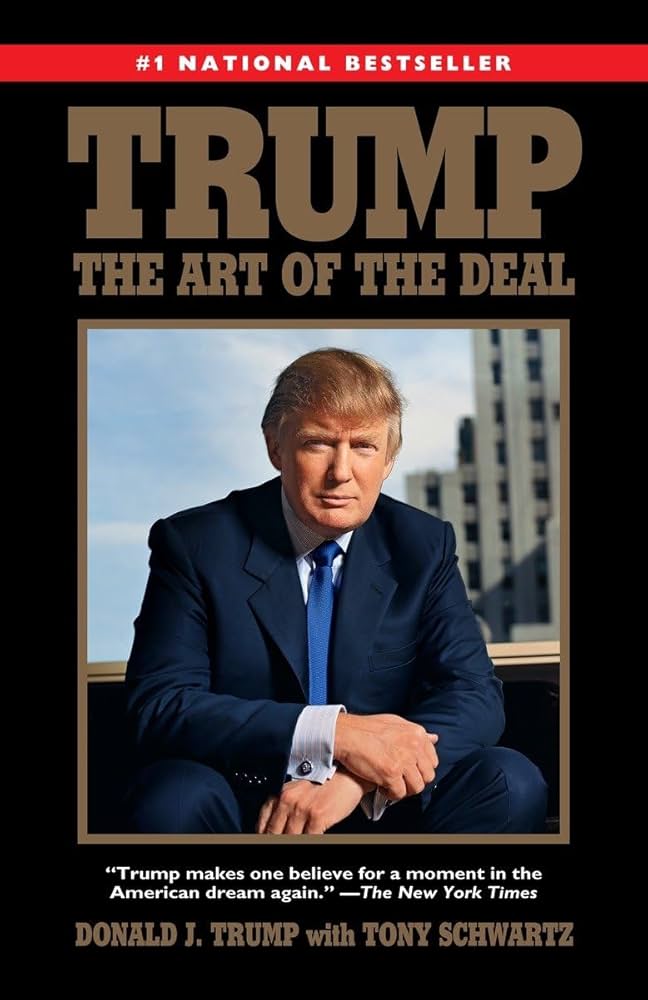
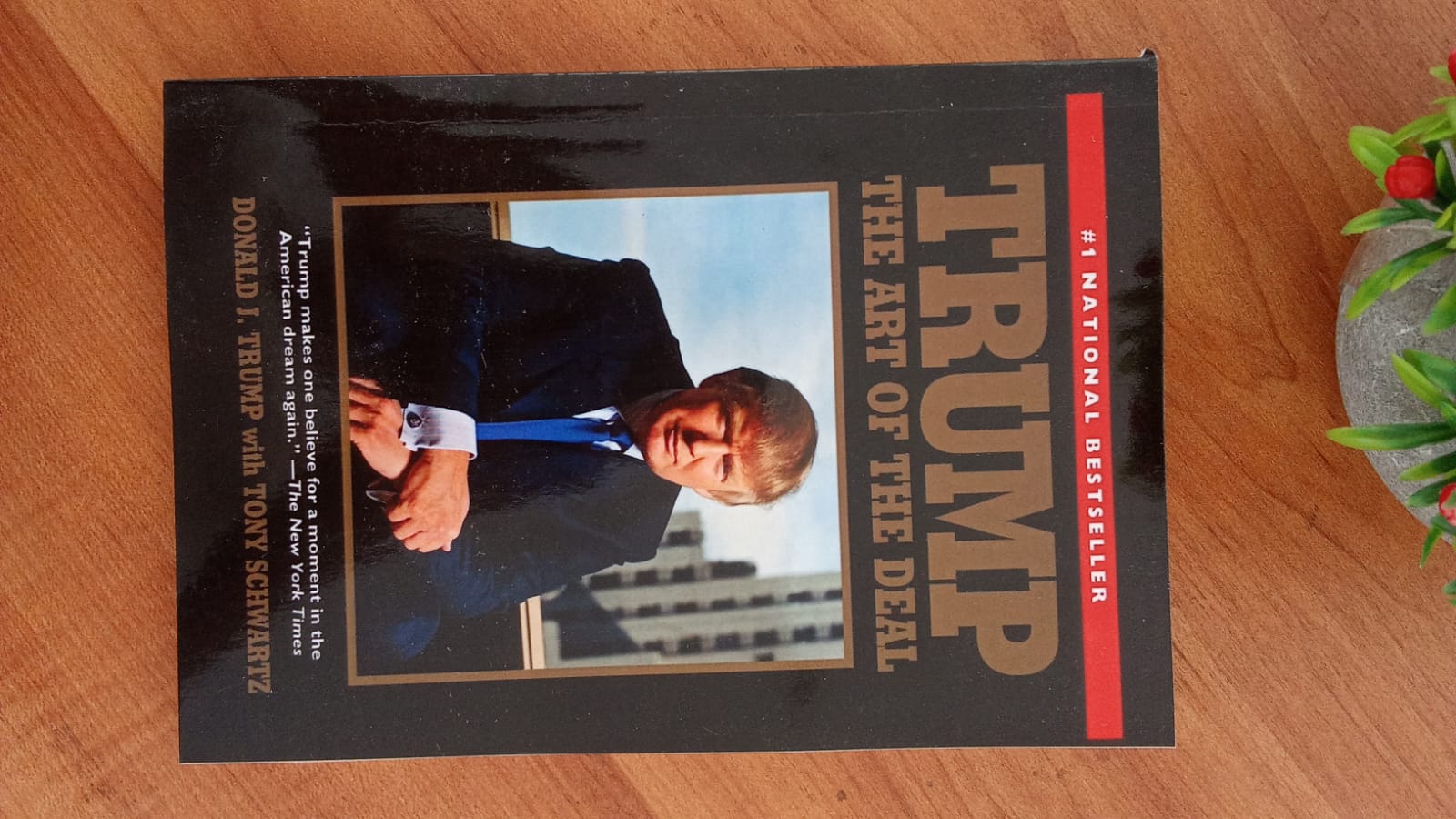



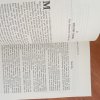

Trump: The Art Of Deal by Donald J. Trump with Tony Schwartz

රු1,850.00
3 X Rs. 616.67 or 8% Cashback with


or 3 X රු616.67 with


or up to 4 X රු462.50 with


Product Short Description:
Trump: The Art of the Deal by Donald J. Trump with Tony Schwartz is a classic business book that reveals the strategies behind successful deal-making, negotiation, and building wealth. Through real-life experiences, it offers practical insights into thinking big, taking risks, and achieving success in business and life.
5 in stock
Trump: The Art of the Deal by Donald J. Trump and Tony Schwartz
Trump The Art of the Deal by Donald J. Trump and Tony Schwartz is a business memoir centered on real estate, negotiation, ambition, publicity, risk, and the process of putting major deals together.
Originally published in 1987, the book combines autobiographical material with accounts of business projects and a set of principles Trump presents as important to his approach to negotiation and business.
Rather than functioning as a traditional step-by-step textbook, the book moves between personal stories, project histories, negotiations, setbacks, and observations about how deals are developed.
About Trump The Art of the Deal
Trump The Art of the Deal looks at the business career Donald Trump had built up to the mid-1980s.
The book discusses real-estate development, hotels, casinos, apartment buildings, negotiations, financing, publicity, and relationships with bankers, contractors, government officials, and business partners.
Tony Schwartz is credited as co-author.
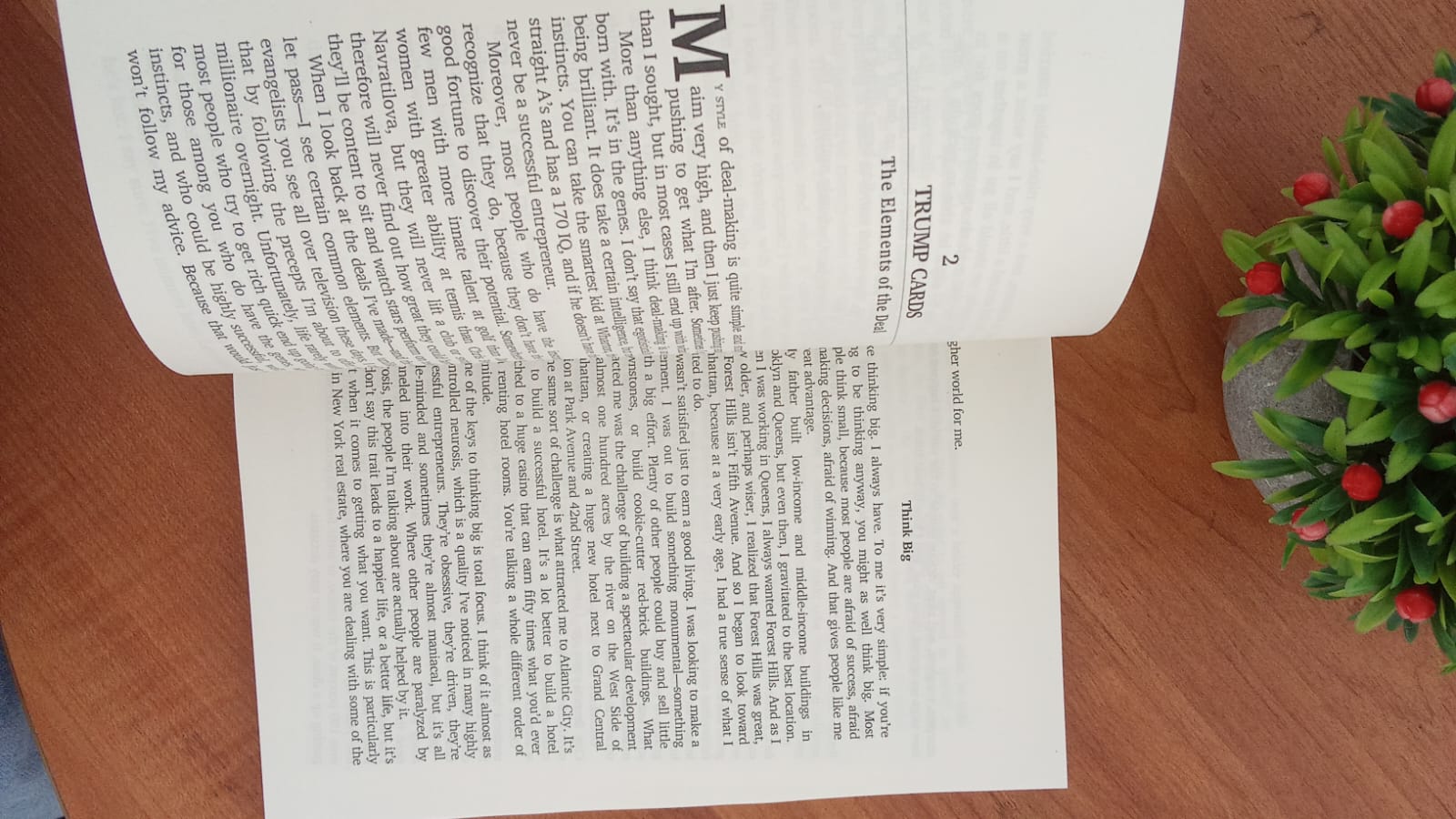
The book also includes a section commonly known as “The Elements of the Deal,” in which Trump presents eleven ideas associated with his approach to business.
Business Through Real Examples
One reason the book became widely known is that it does not stay entirely theoretical.
Many chapters focus on actual projects.
Readers are taken through negotiations.
They see how properties were identified.
They read about financing.
They see conflicts with other parties.
They also see how publicity and positioning were used as part of the business process.
This case-study style makes the book part memoir and part business narrative.
11 Ideas Presented in the Book
1. Think Big
One of the best-known ideas associated with Trump The Art of the Deal is thinking on a large scale.
The book presents ambition as an important part of major business projects.
Large deals may involve more risk.
But they may also create larger opportunities.
The broader lesson is about setting goals that are significant enough to justify the effort required.
2. Protect the Downside
Ambition does not remove risk.
The book repeatedly emphasizes paying attention to what can go wrong.
Before pursuing a deal, a businessperson should consider possible losses.
What happens if financing changes?
What happens if the market weakens?
What happens if a project is delayed?
Understanding downside risk can help prevent one bad decision from becoming financially devastating.
3. Know Your Market
Real-estate development depends heavily on location and demand.
The book discusses evaluating neighborhoods, properties, buyers, tenants, and market perception.
A project that looks attractive on paper may still struggle if customers do not want it.
Understanding the market is therefore central to the decision-making process.
4. Use Leverage Carefully
Leverage is an important concept in negotiation.
A person with alternatives usually has more bargaining power.
The book describes situations where timing, information, property ownership, publicity, or alternative options affected negotiations.
The wider lesson is that good negotiators understand what each side needs.
5. Improve the Deal
Not every deal begins in perfect form.
Sometimes the opportunity must be reshaped.
Terms may need to change.
Partners may need to be added.
Financing may need restructuring.
A property may need a different use.
This reflects the idea that deal-making can involve creativity rather than simply accepting the first available structure.
6. Understand Perception
The book gives significant attention to image and public perception.
How a property is presented can influence how people value it.
The same principle can apply to brands and businesses.
Presentation does not replace substance.
But perception can affect demand, negotiation, and attention.
7. Use Publicity
Publicity appears repeatedly throughout Trump The Art of the Deal.
Media attention can make a project more visible.
Greater visibility can bring customers, investors, partners, or negotiating advantages.
The book treats publicity as part of business strategy rather than merely an afterthought.
8. Be Persistent
Large projects can involve long delays.
Permits take time.
Financing changes.
Other parties disagree.
Markets shift.
The book frequently portrays persistence as necessary when dealing with complex projects.
The lesson is not that every deal should be pursued forever.
It is that setbacks are often part of the process.
9. Keep Your Options Open
Strong negotiators usually prefer having alternatives.
Depending completely on one buyer, one lender, one site, or one strategy can weaken a position.
Keeping several possible paths open can create flexibility.
It also reduces the pressure to accept poor terms.
10. Control Costs
Big projects involve big numbers.
That makes cost management extremely important.
Small percentage overruns can translate into large amounts of money.
The book discusses negotiating construction costs, purchasing decisions, and project expenses.
This is a useful reminder that revenue alone does not determine whether a deal succeeds.
11. Know When to Walk Away
Not every opportunity deserves to become a deal.
Sometimes the numbers do not work.
Sometimes the risk becomes too high.
Sometimes another party will not compromise.
A willingness to walk away can prevent a bad agreement.
It can also strengthen a negotiating position when the other side realizes you have alternatives.
Negotiation and Leverage
Negotiation is one of the strongest themes in Trump The Art of the Deal.
The book presents negotiation as a combination of preparation, psychology, leverage, timing, and persistence.
The best outcome does not always come from arguing the hardest.
Sometimes leverage comes from having alternatives.
Sometimes it comes from information.
Sometimes it comes from understanding what the other party wants most.
Real Estate Development
Many of the book’s stories involve major real-estate projects.
Readers are shown the complexity behind large developments.
A developer may need to deal with landowners.
Banks.
Architects.
Government agencies.
Contractors.
Tenants.
Investors.
And the public.
The book demonstrates that a major property deal can involve far more than simply buying land and constructing a building.
The Role of Timing
Timing can change the value of an opportunity.
A property purchased during difficult market conditions may become attractive later.
A deal that seems impossible today may become realistic after financing conditions change.
The book repeatedly illustrates how patience and timing can affect negotiations.
Publicity as a Business Tool
Publicity is treated as an important business asset.
Media coverage can increase awareness.
Awareness can influence demand.
Demand can affect negotiating power.
The book therefore links public attention with business strategy.
Readers interested in branding and marketing may find this part especially notable.
Risk and Uncertainty
Business deals never come with complete certainty.
Markets can change.
Costs can rise.
Projects can face legal or regulatory obstacles.
Financing can become more expensive.
The book shows that entrepreneurs often have to make decisions before every variable is known.
This makes risk management an essential skill.
Learning From Setbacks
Not every business situation described in the book goes perfectly.
Delays occur.
Negotiations become difficult.
Some opportunities disappear.
These examples help demonstrate that business success is rarely a straight line.
Setbacks can provide information.
They may also force a businessperson to revise a strategy.
Business Storytelling
Another feature of Trump The Art of the Deal is its conversational style.
The book is structured around stories rather than academic theory.
Readers move between projects, phone calls, negotiations, meetings, and observations about business.
This makes it different from textbooks focused heavily on formulas or formal management frameworks.
Historical Context
The book was originally published in 1987.
That context matters.
The business environment described reflects the real-estate industry, financial conditions, media landscape, and New York business world of that period.
Modern readers may still find negotiation and business concepts relevant.
However, specific market conditions, financing methods, regulations, and industry practices have changed.
Who Should Read This Book?
Trump The Art of the Deal may interest readers who enjoy business memoirs, entrepreneurship, negotiation, real estate, branding, and deal-making.
It may also appeal to readers interested in the history of major New York real-estate projects.
Because the book is written from the authors’ perspective, readers may find it useful to treat its business claims and interpretations as one account rather than as independent analysis.
About the Authors
Donald J. Trump is a businessman, author, media personality, and political figure who later became the 45th and 47th president of the United States.
Tony Schwartz is a writer and journalist who is credited as co-author of the book.
The original book was published in 1987, before Trump entered elected political office.
Readers can view official publication information on the Penguin Random House page for Trump: The Art of the Deal.
Product Details
Title: Trump: The Art of the Deal
Authors: Donald J. Trump and Tony Schwartz
Genre: Business / Biography / Entrepreneurship / Negotiation / Real Estate
Language: English
Original Publication: 1987
Publisher: Random House / later Ballantine Books editions
Common Paperback Edition
ISBN-13: 9780399594496
Publisher: Ballantine Books
Pages: 384
Publication Date: October 6, 2015
Dimensions: approximately 5 3/16 × 8 inches
Penguin Random House confirms these specifications for this paperback edition.
Original Hardcover Edition
ISBN-13: 9780394555287
Pages: 256
Original Publication Date: November 12, 1987
Different international and reprint editions may use different ISBNs, covers, page counts, and dimensions.
Always check the ISBN printed on your physical copy before entering final WooCommerce specifications.
Explore More Business Books
Trump The Art of the Deal offers a first-person business narrative about real estate, negotiation, publicity, risk, financing, and large-scale projects.
Its main value for business readers is in seeing how the authors describe the thinking and negotiations behind major deals.
The book also illustrates how ambition, leverage, timing, persistence, and public image can interact in business.
Readers looking for more titles about entrepreneurship, negotiation, leadership, and finance can explore Business, Finance & Economics Books at Bargain Books.
For readers interested in business memoirs and the mechanics of major real-estate deals, Trump The Art of the Deal provides a detailed account of the approach presented by Trump and Schwartz.
Be the first to review “Trump: The Art Of Deal by Donald J. Trump with Tony Schwartz”
Related products

Out of stock
Autobiography
රු2,750.00
3 X Rs. 916.67 or 8% Cashback with
or 3 X රු916.67 with
or up to 4 X රු687.50 with
-24%

Non-Fiction & Knowledge
Original price was: රු2,300.00.රු1,750.00Current price is: රු1,750.00.
3 X Rs. 583.33 or 8% Cashback with
or 3 X රු583.33 with
or up to 4 X රු437.50 with
-39%
Out of stock
Self-Help & Psychology
Original price was: රු2,450.00.රු1,500.00Current price is: රු1,500.00.
3 X Rs. 500.00 or 8% Cashback with
or 3 X රු500.00 with
or up to 4 X රු375.00 with

Non-Fiction & Knowledge
රු1,950.00
3 X Rs. 650.00 or 8% Cashback with
or 3 X රු650.00 with
or up to 4 X රු487.50 with
-34%

Self-Help & Psychology
Original price was: රු2,350.00.රු1,550.00Current price is: රු1,550.00.
3 X Rs. 516.67 or 8% Cashback with
or 3 X රු516.67 with
or up to 4 X රු387.50 with
-26%

Non-Fiction & Knowledge
The 7 Habits of Highly Effective People by Stephen R. Covey – Blue Cover
Original price was: රු2,300.00.රු1,700.00Current price is: රු1,700.00.
3 X Rs. 566.67 or 8% Cashback with
or 3 X රු566.67 with
or up to 4 X රු425.00 with
Out of stock
Self-Help & Psychology
රු1,900.00
3 X Rs. 633.33 or 8% Cashback with
or 3 X රු633.33 with
or up to 4 X රු475.00 with

රු2,000.00
3 X Rs. 666.67 or 8% Cashback with
or 3 X රු666.67 with
or up to 4 X රු500.00 with
Reviews
There are no reviews yet.