
No products in the cart.
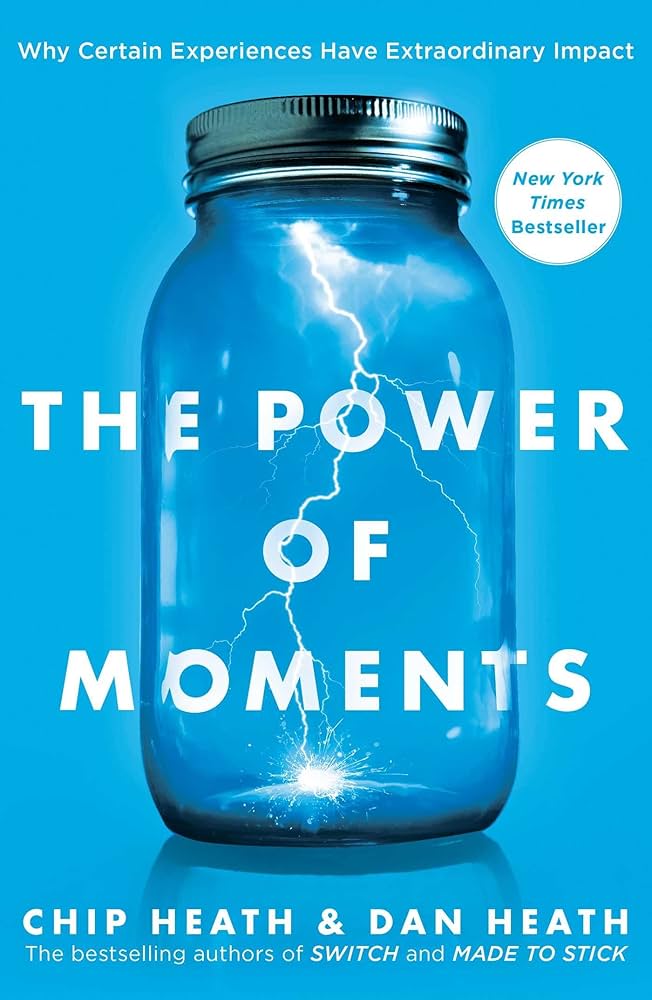
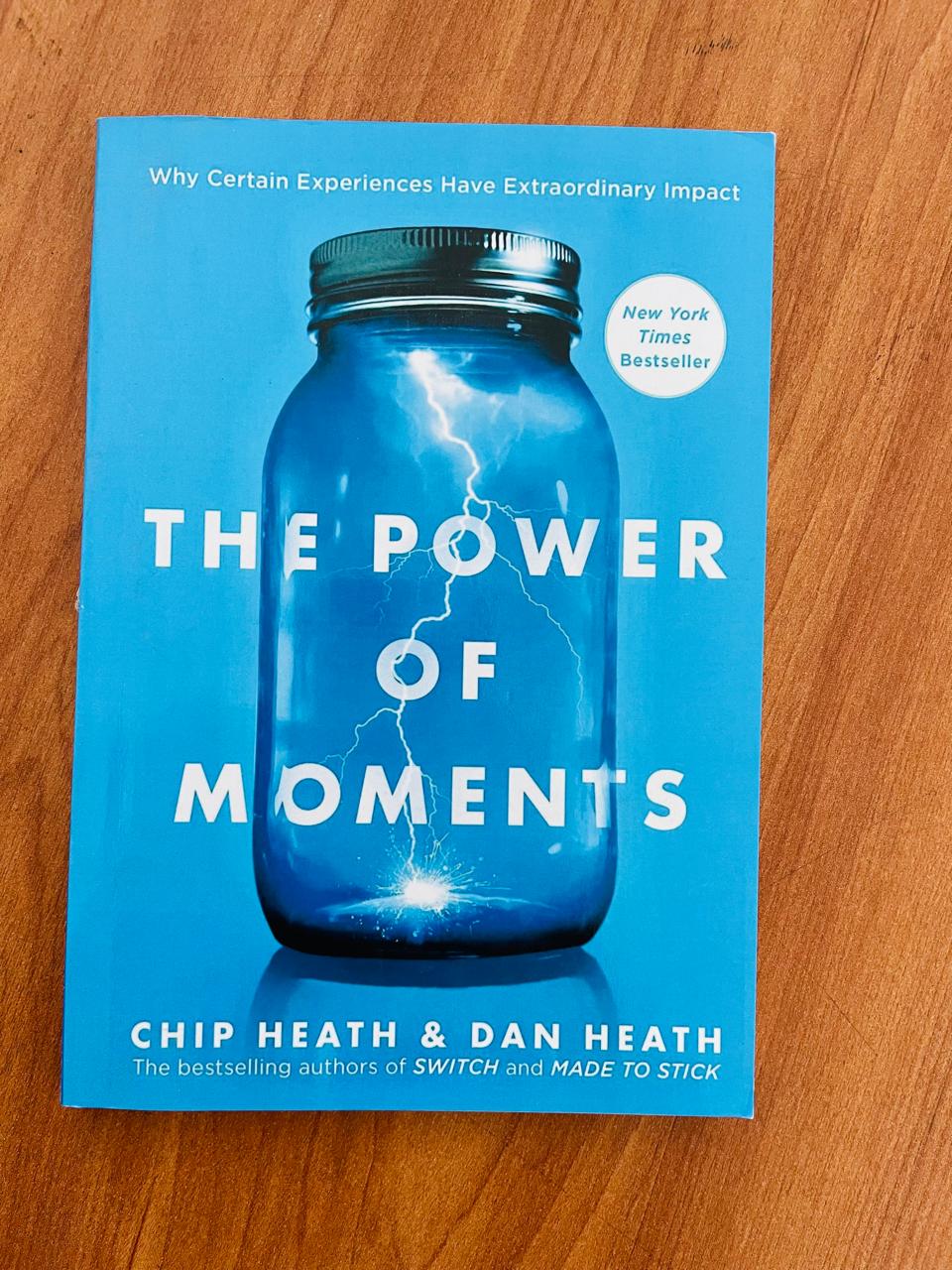
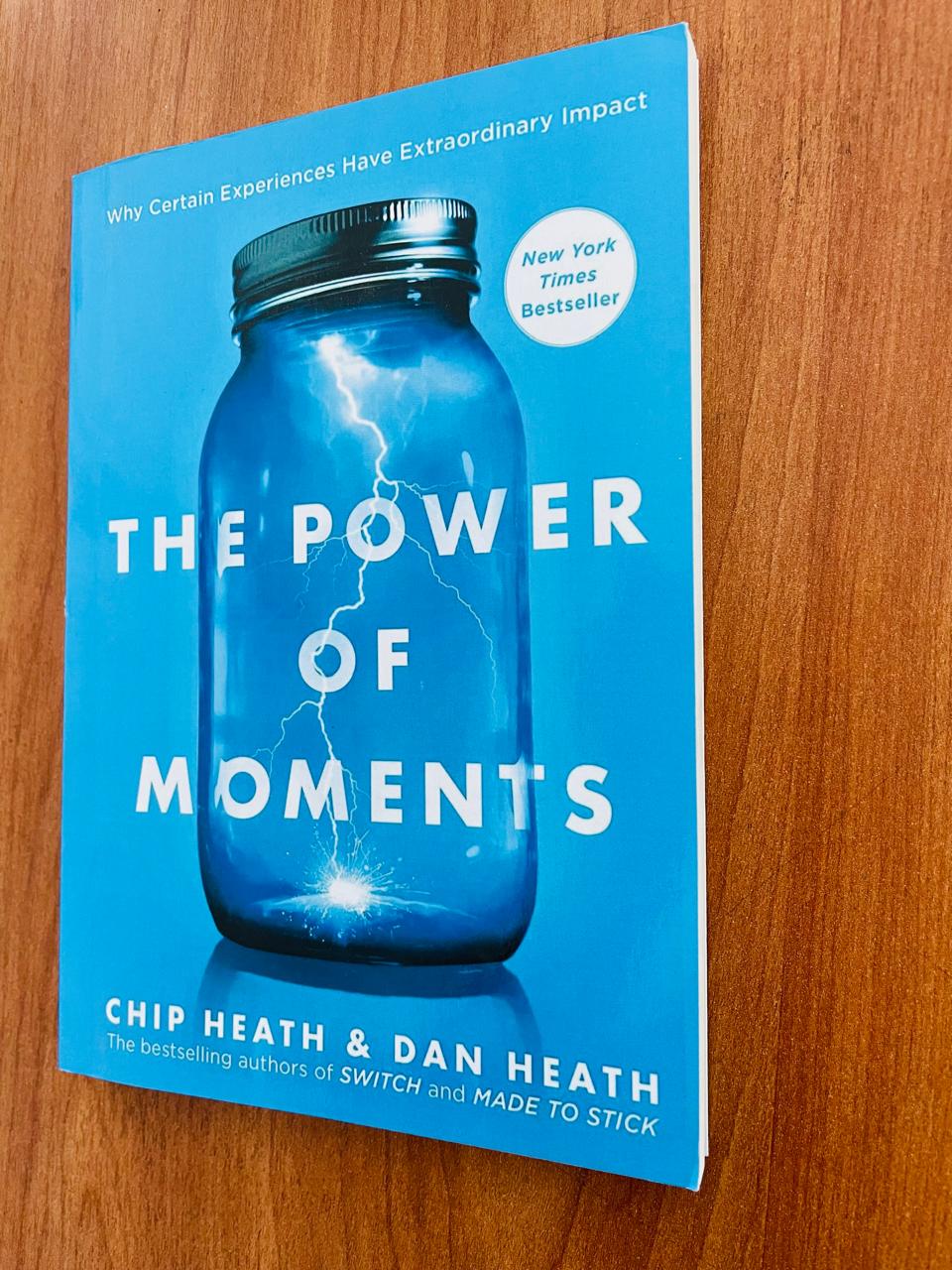
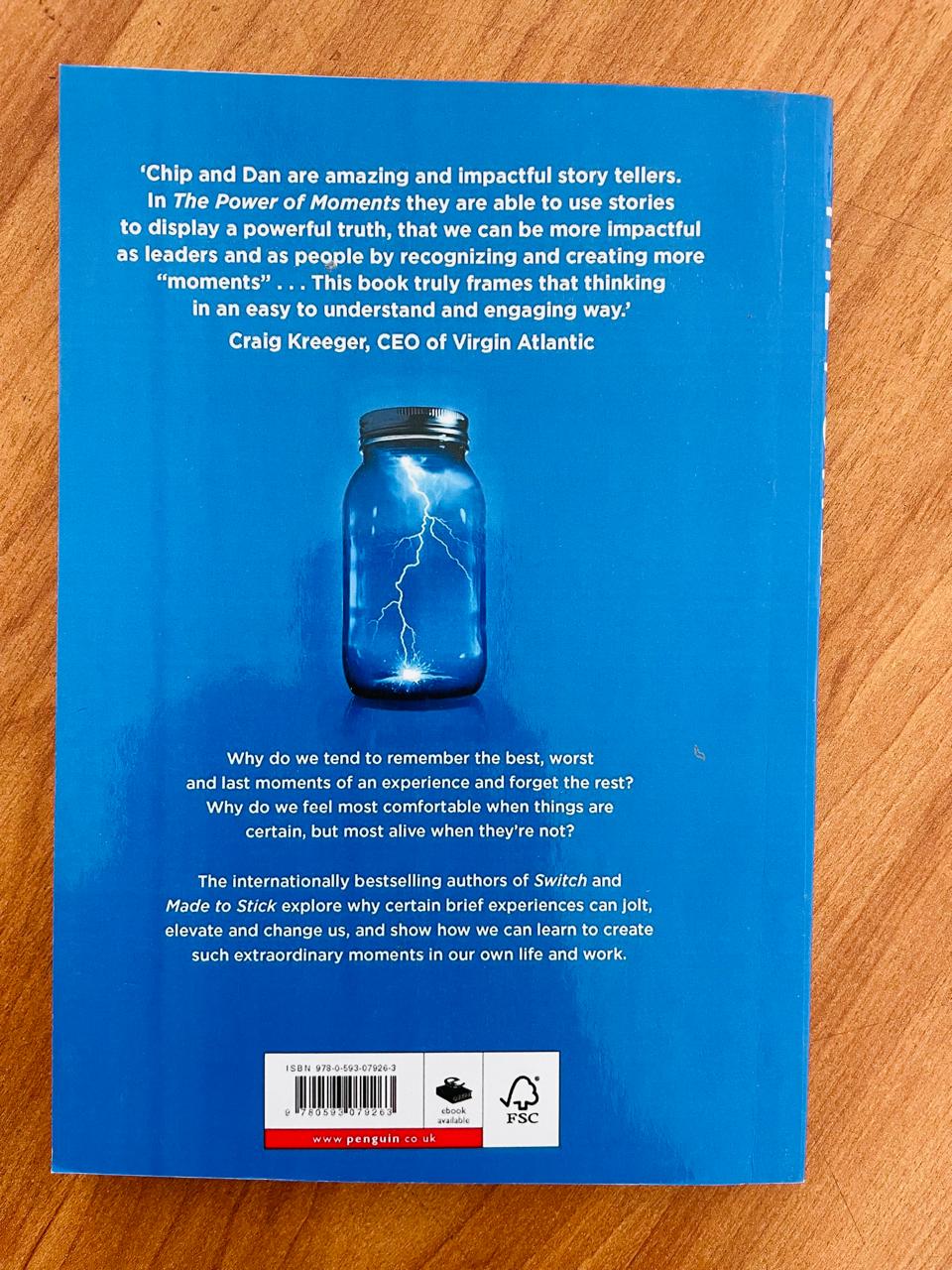
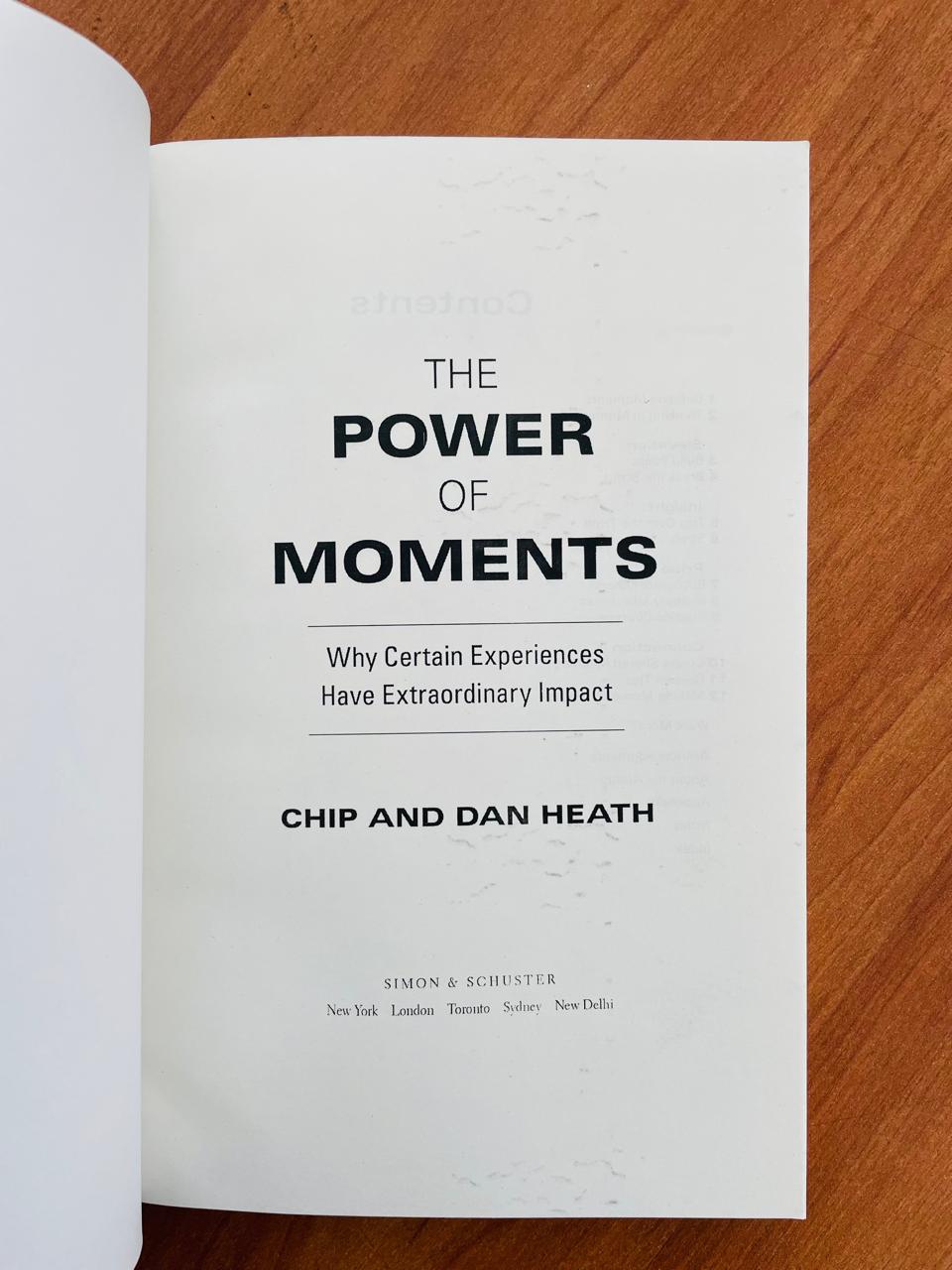
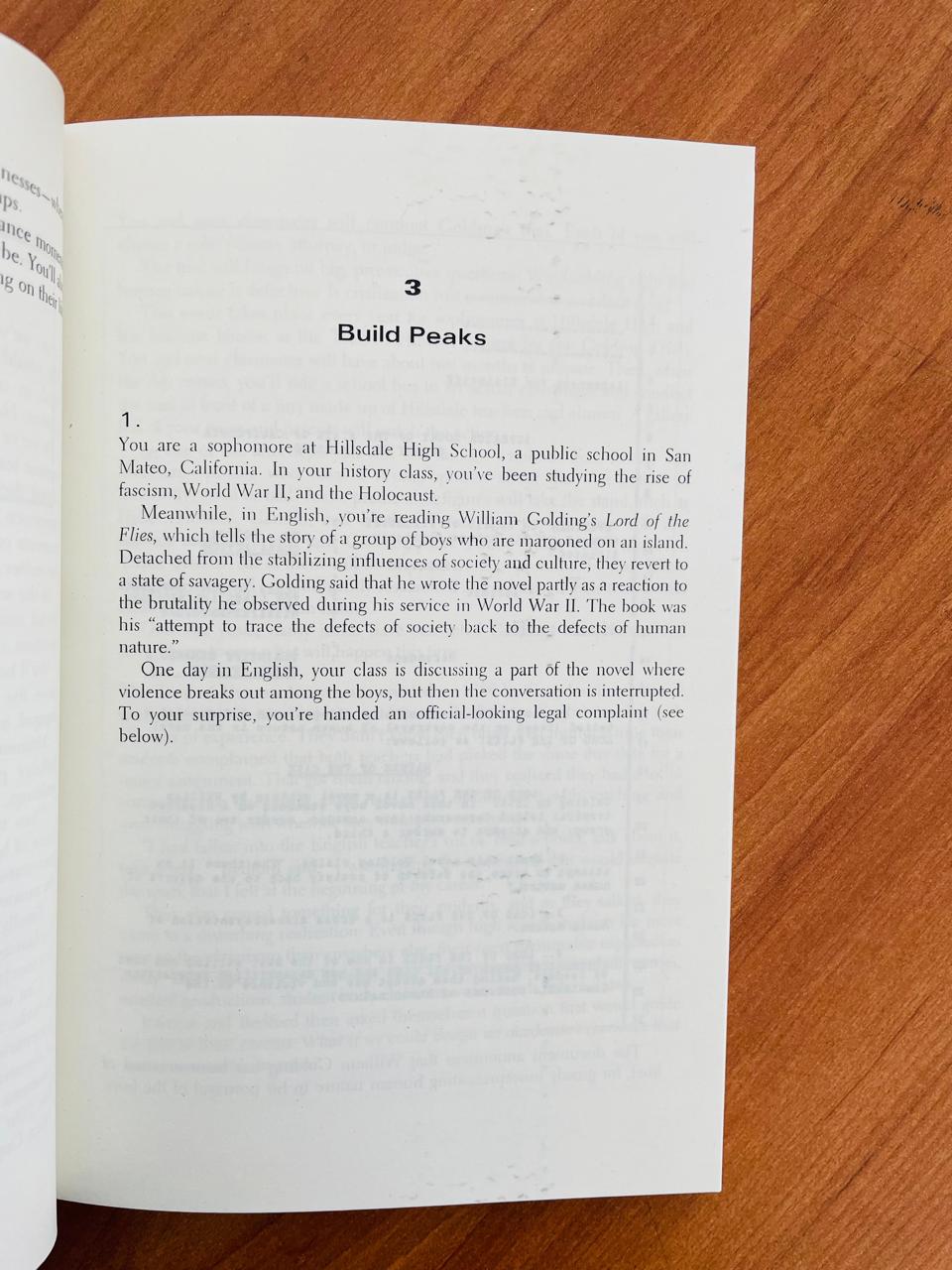

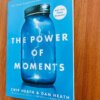

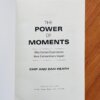

Power Of Moment by Chip Heath, Dan Heath


රු1,650.00
3 X Rs. 550.00 or 8% Cashback with


or 3 X රු550.00 with


or up to 4 X රු412.50 with


The Power of Moments by Chip Heath and Dan Heath explores why certain brief experiences remain memorable for years while ordinary days quickly fade. Through research, real-world examples and a practical framework built around Elevation, Insight, Pride and Connection, the Heath brothers show how individuals, businesses, teachers and leaders can deliberately create more meaningful experiences. Ideal for readers interested in leadership, psychology, customer experience, business, motivation and personal development.
5 in stock
The Power of Moments by Chip Heath and Dan Heath is a practical and thought-provoking guide to understanding why certain experiences stay in our memories for years while hundreds of ordinary days quickly disappear.
Think about your own life.
You probably cannot remember what happened on an ordinary Tuesday three years ago.
But you may clearly remember:
Your graduation.
Your first day at a new job.
A teacher who believed in you.
A surprise birthday.
A major achievement.
A painful realization.
An unforgettable trip.
The moment someone said something that completely changed how you saw yourself.
Why do these moments remain vivid while so much of everyday life fades together?
Chip Heath and Dan Heath argue that memorable experiences are not always random.
Many defining moments contain particular ingredients that can be understood and, in many cases, deliberately created.
They identify four especially important elements:
Elevation
Insight
Pride
Connection
Together, these ideas make The Power of Moments by Chip Heath and Dan Heath useful not only for individuals but also for teachers, managers, business owners, marketers, parents, team leaders and anyone who wants to create experiences that people genuinely remember.
The central lesson is simple:
We often spend enormous effort improving everyday processes while giving surprisingly little attention to the few moments people will actually remember.
The Power of Moments by Chip Heath and Dan Heath – Book Overview
The Power of Moments by Chip Heath and Dan Heath explores what the authors call defining moments—short experiences that stand out from ordinary life and influence how people remember an event, relationship, organization or period of their lives.
The authors ask an important question:
If some moments matter far more than others, why do we leave so many of them to chance?
A company might carefully design:
Policies.
Systems.
Processes.
Budgets.
Workflows.
But what will an employee remember five years later?
A customer may interact with a business dozens of times.
But which experience determines whether they recommend it to someone else?
A student may attend hundreds of lessons.
Which one will they still remember twenty years later?
That is where the book becomes practical.
Not Every Moment Has Equal Weight
Human experience is not remembered like a perfect recording.
We do not store every minute with equal importance.
Some experiences rise above everything around them.
That means the emotional impact of an experience may not be determined by its average quality.
A few exceptional moments can shape how the entire experience is remembered.
Peak Moments
People often remember particularly intense parts of an experience.
These may be:
Extremely positive.
Extremely negative.
Emotionally surprising.
Personally meaningful.
A vacation, for example, may contain hundreds of ordinary minutes.
But years later, someone might remember:
The breathtaking sunset.
A hilarious accident.
A marriage proposal.
A terrible travel problem.
Those moments become the story.
Endings Matter Too
Research discussed by the Heath brothers also highlights how endings can influence memory.
An experience may last for hours, days or years, but the final stage can disproportionately affect how it is remembered.
This has important implications for:
Customer experiences.
Employee departures.
School graduations.
Projects.
Events.
Relationships.
The end deserves deliberate attention.
Transitions
Life contains many transitions.
Starting school.
Graduating.
Joining a company.
Getting promoted.
Moving home.
Becoming a parent.
Changing careers.
Retiring.
These transitions naturally carry emotional significance.
Yet organizations often treat them as administrative processes.
The authors suggest that transitions are ideal opportunities to create meaningful moments.
Milestones
Milestones mark progress.
Birthdays.
Anniversaries.
Sales targets.
Degrees.
Certifications.
Project launches.
Fitness achievements.
Milestones tell us:
You have reached something important.
Humans often need visible evidence of progress.
That is why thoughtfully designed milestones can motivate people.
Pits
Not all defining moments are positive.
People also remember difficult periods.
Failure.
Loss.
Mistakes.
Crisis.
Conflict.
But even painful moments can sometimes become turning points when they create:
Insight.
Connection.
Courage.
A new direction.
The book does not argue that suffering is automatically beneficial. Rather, it shows that important realizations can emerge from difficult experiences.
The Four Elements of Defining Moments
The core framework in The Power of Moments by Chip Heath and Dan Heath consists of four elements:
Elevation
Moments that rise above the ordinary.
Insight
Moments that change how we understand ourselves or the world.
Pride
Moments that capture achievement, courage or recognition.
Connection
Moments that strengthen relationships with other people.
A defining moment may contain one of these elements or several at once.
Elevation
Elevation means creating an experience that feels different from normal life.
Ordinary routines are predictable.
Wake up.
Work.
Eat.
Repeat.
Memorable moments often interrupt that pattern.
They contain:
Surprise.
Energy.
Emotion.
Novelty.
Sensory richness.
Something feels different.
Break the Script
One way to create elevation is to break the normal script.
Every situation has expectations.
A hotel check-in normally looks one way.
A staff meeting follows a familiar structure.
A classroom lesson follows a routine.
Breaking that script can create surprise.
The key is not creating randomness for its own sake.
The surprise should improve the experience.
Surprise in Customer Experience
Imagine a customer expecting an ordinary transaction.
Instead, the business remembers their preference or adds a thoughtful unexpected detail.
The cost may be small.
The memory can be large.
That is an important business lesson from The Power of Moments by Chip Heath and Dan Heath.
Customer loyalty is not always created by huge discounts.
Sometimes it comes from one surprisingly thoughtful interaction.
Elevation in Retail
A bookstore can apply this idea easily.
Most customers expect:
Choose book.
Pay.
Leave.
A bookstore could create memorable moments through:
Personalized recommendations.
Beautiful gift wrapping.
A handwritten thank-you note.
A surprise bookmark.
A small birthday benefit.
A reading challenge.
A launch-day event.
Author recommendations.
The product matters.
The experience around the product matters too.
Sensory Appeal
Memorable moments often engage the senses.
Visual design.
Sound.
Taste.
Touch.
Environment.
This is why:
Restaurants.
Hotels.
Retail shops.
Events.
experience-based businesses
often invest heavily in atmosphere.
Raise the Stakes
Elevation can also come from making a moment feel important.
A routine achievement may become memorable when it is publicly recognized.
A student receiving an ordinary email saying:
“Congratulations”
will probably appreciate it.
But a well-designed ceremony can transform the same achievement into something unforgettable.
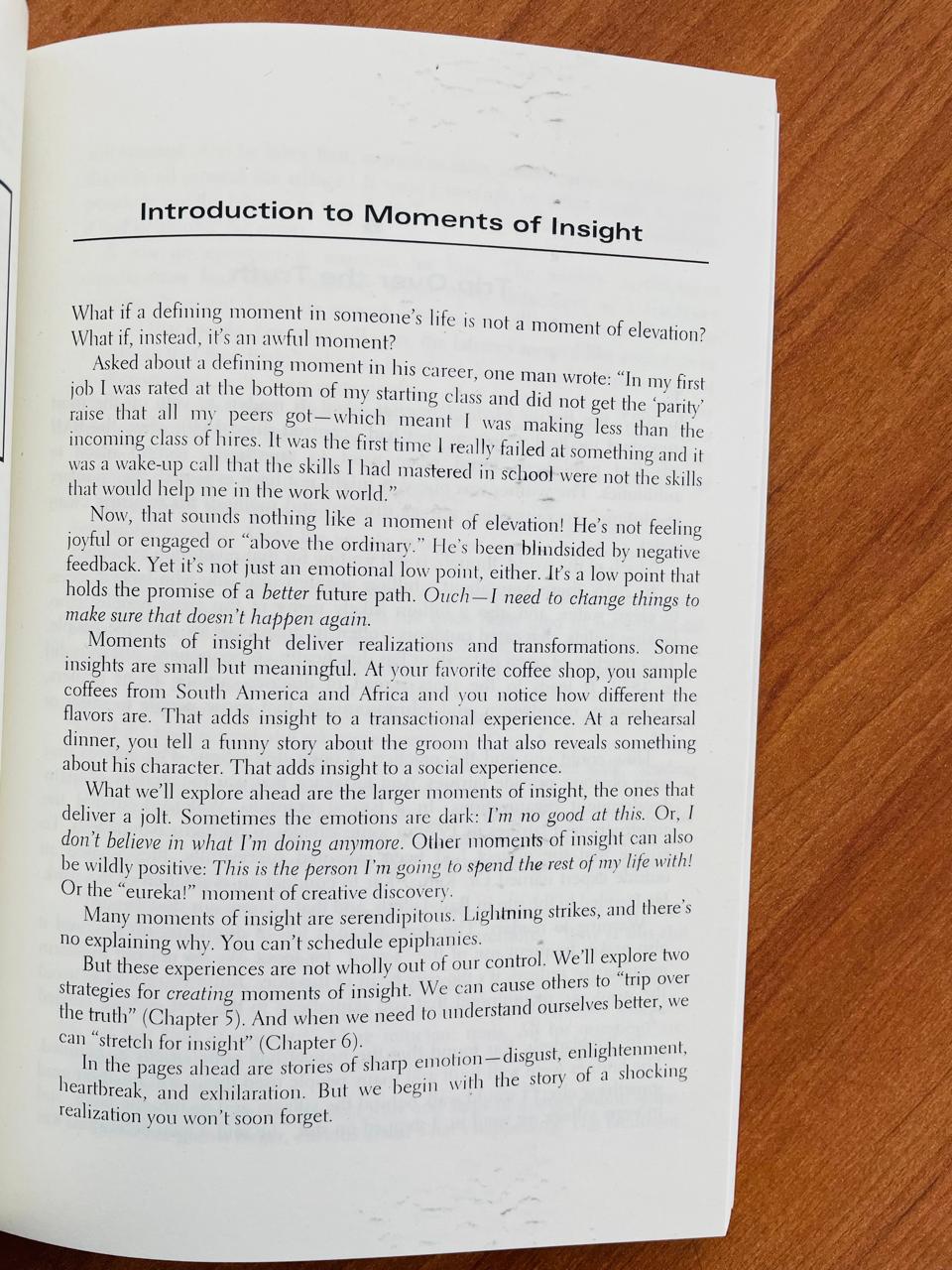
Insight
The second major element is insight.
Some moments change our understanding instantly.
You suddenly realize:
This career is wrong for me.
I am capable of more than I thought.
This relationship matters.
This business idea could work.
Something needs to change.
The authors explore how these breakthroughs can sometimes be encouraged rather than simply waited for.
Trip Over the Truth
One memorable concept from the book is helping people confront reality directly.
Sometimes statistics are not enough.
A person needs to experience a problem in a way that makes its significance impossible to ignore.
Information becomes more powerful when it becomes personally meaningful.
Data Versus Experience
Suppose a manager tells employees:
“Our customer waiting time is too high.”
That is information.
But if the manager makes the team experience the process exactly as a customer does, the problem may suddenly become much clearer.
The second approach creates insight.
Self-Insight
Insight can also change how we see ourselves.
Someone may suddenly recognize:
I am actually good at this.
I deserve better.
I need to stop doing this.
I can lead.
I need help.
These moments can change the direction of a life.
Mentors Create Insight
Teachers, managers and mentors can create powerful moments by recognizing ability in someone before that person recognizes it themselves.
A single sentence from a respected person can remain in memory for years.
“You are good at this.”
“I think you should apply.”
“You could lead this project.”
Sometimes confidence begins because someone else saw the possibility first.
Pride
The third element in The Power of Moments by Chip Heath and Dan Heath is pride.
Pride emerges when people experience:
Achievement.
Recognition.
Courage.
Progress.
It helps answer:
What have I accomplished?
What am I capable of?
Recognition
People often underestimate the emotional power of recognition.
Employees may work for months on a project.
Students may spend years completing a degree.
Someone may quietly improve at a difficult skill.
Then the achievement happens.
If nobody notices, the moment can feel strangely empty.
Recognition tells people:
What you did mattered.
Recognition Does Not Need to Be Expensive
Organizations sometimes think recognition requires:
Large bonuses.
Expensive gifts.
Huge ceremonies.
Those can be useful.
But sincere recognition can also be:
A personal message.
A public thank-you.
A certificate.
A meaningful award.
A manager mentioning exactly what someone did well.
Specific recognition usually feels stronger than generic praise.
Multiply Milestones
Large goals can feel far away.
Imagine the goal:
Become fluent in English.
Build a profitable business.
Lose 30 kilograms.
Write a book.
Finish university.
Each may require months or years.
If the only celebration occurs at the very end, motivation may disappear.
Instead, create milestones.
First conversation completed.
First 100 customers.
First 5 kilograms.
First chapter.
First semester.
Milestones turn long journeys into visible progress.
Milestones in Business
For a sales team, instead of recognizing only the annual target, celebrate:
First sale.
100th sale.
Best month.
First major client.
Customer-service milestone.
Five-year anniversary.
Progress deserves visible markers.
Courage
Pride is also connected with courage.
A meaningful moment may occur when someone does something difficult despite fear.
Public speaking.
Standing up for someone.
Applying for an opportunity.
Starting a company.
Having a difficult conversation.
Courage becomes part of personal identity.
Afterward, the person can say:
I did something I once thought I could not do.
Connection
The fourth element is connection.
Many of the moments people treasure most involve other people.
Weddings.
Family celebrations.
Friendships.
Team achievements.
Conversations.
Reunions.
Shared struggles.
Connection transforms individual experience into shared meaning.
Shared Experiences
Teams often become closer through meaningful experiences rather than routine meetings.
A difficult project.
A successful launch.
A retreat.
A competition.
Helping someone during a crisis.
These experiences create stories the group later shares.
Relationships Need Moments Too
Long relationships can become routine.
Partners.
Friends.
Families.
Coworkers.
People may spend enormous amounts of time together without creating many distinctive memories.
Quantity of time and quality of moments are not identical.
That does not mean every weekend needs an expensive adventure.
Meaningful moments can be simple.
Creating Deeper Connection
Connection often grows when people:
Share honestly.
Work toward common goals.
Experience difficulty together.
Celebrate together.
Show vulnerability.
Give meaningful attention.
Strong relationships require more than proximity.
Responsiveness
When someone shares something important, how we respond matters.
A dismissive response can weaken connection.
An engaged response can strengthen it.
This applies to:
Marriage.
Friendship.
Management.
Parenting.
Customer service.
Moments in Leadership
Managers spend enormous amounts of time on:
Meetings.
Schedules.
Reports.
Targets.
But employees often remember emotionally important moments instead.
Their first day.
A promotion.
A major failure.
Recognition after great work.
How the company responded during a personal crisis.
How a manager treated them when something went wrong.
These are moments that define workplace culture.
Employee Onboarding
A new employee’s first day is a perfect example.
Many companies make it administrative.
Forms.
Passwords.
Policies.
A desk.
Imagine instead designing it as a meaningful transition.
A warm welcome.
Team introductions.
A personal message from the manager.
Clear explanation of why the role matters.
A small early success.
Same employee.
Completely different emotional experience.
Employee Recognition
Annual performance reviews are not enough.
Recognition is more powerful when it happens close to the achievement.
If someone handles a difficult customer exceptionally well, acknowledge it while the event still feels meaningful.
Customer Experience
The principles in The Power of Moments by Chip Heath and Dan Heath are especially useful for customer-facing businesses.
Customers may not remember every interaction.
They may remember:
How a complaint was handled.
An unexpected act of kindness.
A personal recommendation.
A surprisingly fast solution.
The final interaction.
These moments shape the story customers tell about the company.
Recovering From Service Failure
A mistake does not automatically destroy customer loyalty.
Sometimes a company can create a surprisingly strong relationship by responding exceptionally well after something goes wrong.
A poor experience followed by:
Fast acknowledgment.
Sincere apology.
Clear solution.
Thoughtful recovery.
can become memorable in a positive way.
This is not an excuse to create problems.
It is a reminder that difficult moments are opportunities to demonstrate character.
Moments in Education
Teachers have hundreds of hours with students.
Yet students may remember only a small number of lessons decades later.
What made those lessons different?
Often they contained:
Emotion.
Participation.
Surprise.
Achievement.
A personal connection.
A realization.
Teachers can therefore ask:
Which lessons deserve to become peak moments?
Celebrating Academic Achievement
Schools often celebrate:
Sports.
Competitions.
Graduation.
But everyday academic progress can disappear quietly.
The Heath brothers use examples of deliberately creating stronger recognition around academic achievements.
This sends students a message:
Learning deserves celebration too.
Moments in Family Life
Parents naturally want to give children a good childhood.
But a good childhood does not require every day to be extraordinary.
That would be impossible.
Instead, families can intentionally create certain memorable traditions.
Birthday rituals.
Annual trips.
Weekend traditions.
First-day-of-school rituals.
Special meals.
Celebration after achievements.
These moments may remain in memory long after ordinary days blur together.
Traditions
Traditions work partly because they transform repeated events into meaningful experiences.
Christmas dinner.
New Year celebration.
Family movie night.
Birthday breakfast.
Traditions give structure to memory.
Small Moments Can Be Powerful
A defining moment does not need to be huge.
A five-minute conversation can matter.
A letter can matter.
A sincere compliment can matter.
A surprise can matter.
A mentor’s comment can matter.
This is encouraging because meaningful experiences do not always require enormous resources.
Experience Design
One of the biggest business applications of The Power of Moments by Chip Heath and Dan Heath is experience design.
Instead of asking only:
How efficient is this process?
ask:
How will this experience feel?
What will the person remember?
Where is the emotional peak?
How does it end?
This changes how organizations design:
Customer journeys.
Employee journeys.
Events.
Education.
Healthcare.
Retail.
Efficiency Versus Memory
Businesses naturally optimize for efficiency.
Faster.
Cheaper.
Simpler.
Those are important.
But an experience optimized only for efficiency can become emotionally flat.
Sometimes adding a small amount of effort at the right moment produces far more memorable value.
Do Not Make Everything Special
A crucial practical point is that not every moment needs to become extraordinary.
Trying to create constant excitement would be:
Expensive.
Exhausting.
Artificial.
The goal is not to turn every ordinary minute into a celebration.
The goal is identifying high-value moments that deserve extra attention.
Choose the Moments That Matter
Ask:
Where are the transitions?
Where are the milestones?
Where are the difficult moments?
Where are the endings?
Where could one thoughtful intervention create disproportionate value?
These are the moments worth designing.
Peak-End Thinking
The book discusses how people often disproportionately remember peaks and endings rather than calculating the average quality of every moment.
This does not mean the rest of an experience can be terrible.
Basic quality still matters.
But once the fundamentals work, deliberately improving memorable points can have enormous impact.
Moments in Marketing
Marketing often focuses on impressions.
Views.
Clicks.
Reach.
Conversions.
But memorable brands frequently create experiences people want to talk about.
A remarkable moment becomes:
A story.
Stories travel.
That makes customer experience a form of marketing.
Word of Mouth
People rarely tell friends:
“My experience was perfectly average.”
They tell stories about:
Something amazing.
Something terrible.
Something surprising.
Businesses that create positive peaks give customers something worth sharing.
Entrepreneurship
Entrepreneurs can use the framework from The Power of Moments by Chip Heath and Dan Heath to differentiate themselves even without enormous budgets.
A small company may not compete with a giant corporation on:
Advertising spend.
Store count.
Technology.
But it can sometimes compete on:
Personalization.
Care.
Speed.
Memorable service.
Human connection.
Leadership and Culture
Company culture is not created only through mission statements.
Culture is reinforced through moments.
What happens when someone makes a mistake?
What happens when someone succeeds?
How does the company welcome new employees?
How does it say goodbye?
How does leadership react during a crisis?
Those moments reveal the real culture.
The First Day
First days are highly memorable because they are transitions.
The first day of:
School.
University.
A job.
A new role.
A new business.
contains uncertainty and heightened attention.
That makes it an ideal moment for thoughtful design.
The Last Day
Endings matter too.
A poor exit experience can damage years of goodwill.
Organizations should think carefully about:
Employee departures.
Graduations.
Customer cancellations.
Project completions.
Final meetings.
A meaningful ending provides closure.
Celebration
Adults often become surprisingly bad at celebrating.
Finish project.
Move immediately to next project.
Achieve target.
Increase target.
Earn promotion.
Begin new responsibilities.
Without celebration, achievements can disappear psychologically.
Moments of pride require recognition.
Reflect Before Moving On
A simple practice is:
What did we accomplish?
What did we learn?
Who deserves recognition?
What should we remember?
Reflection turns an event into a story.
Stories strengthen memory.
Is The Power of Moments a Self-Help Book?
Partly.
It contains practical personal-development ideas, but it also fits strongly within:
Business.
Leadership.
Management.
Psychology.
Customer experience.
Education.
Organizational behavior.
Your BookLounge listing already treats it as a practical nonfiction title and lists it under the Heath brothers’ authorship.
Is It a Psychology Book?
It draws heavily on behavioral and psychological research, but it is written for general readers rather than as an academic psychology textbook.
The Heath brothers translate research into practical examples and frameworks.
Is It Good for Business Owners?
Yes.
Business owners can apply the ideas to:
Customer service.
Staff recognition.
Store experiences.
Marketing.
Loyalty.
Team culture.
Product launches.
Even a bookstore can apply the principles immediately by identifying the moments customers are most likely to remember.
Is It Good for Managers?
Yes.
Managers influence many important moments:
Hiring.
Onboarding.
Feedback.
Recognition.
Promotion.
Failure.
Team celebrations.
Departures.
Thoughtfully managing these moments can strengthen employee engagement and trust.
Is It Good for Teachers?
Yes.
Teachers can apply the framework to create lessons and milestones students remember rather than treating every class as equally memorable.
Is It Good for Parents?
Yes.
The concepts are also relevant to family experiences and traditions.
Parents cannot make every day magical.
They can intentionally create particular experiences children remember.
Chip Heath and Dan Heath
Chip Heath is a professor at Stanford Graduate School of Business, while Dan Heath is a bestselling author and business writer. Together they have written books including Made to Stick, Switch, Decisive and The Power of Moments.
Their work typically combines:
Research.
Stories.
Business examples.
Practical frameworks.
Official Edition Details
Simon & Schuster lists the original hardcover edition as:
Title: The Power of Moments
Subtitle: Why Certain Experiences Have Extraordinary Impact
Authors: Chip Heath and Dan Heath
Publisher: Simon & Schuster
Publication Date: October 3, 2017
Pages: 320
ISBN-13: 9781501147760
Different international editions may use different ISBNs or page counts, so enter the details printed on your actual physical BookLounge copy when updating WooCommerce.
Important Themes
The Power of Moments by Chip Heath and Dan Heath explores:
- Defining moments
- Memorable experiences
- Elevation
- Insight
- Pride
- Connection
- Customer experience
- Leadership
- Employee engagement
- Recognition
- Milestones
- Motivation
- Relationships
- Education
- Personal growth
- Experience design
- Business
- Psychology
- Celebration
- Meaningful memories
7 Powerful Lessons From The Power of Moments by Chip Heath and Dan Heath
- Not every moment matters equally. Some brief experiences influence memory far more than long periods of ordinary activity, so identify the moments that deserve special attention.
- Create elevation by breaking the routine. Surprise, sensory appeal and meaningful differences can turn an ordinary experience into something people remember.
- Insight can change direction quickly. One clear realization can influence a person’s career, relationship, business or understanding of themselves for years.
- Recognition creates pride. People need opportunities to see their own progress, receive acknowledgment and recognize that their achievements matter.
- Large goals become easier through milestones. Breaking a long journey into meaningful achievements creates motivation and allows people to experience progress repeatedly.
- Connection makes moments more meaningful. Many of our strongest memories involve other people, shared purpose and genuine emotional interaction.
- Do not leave important experiences completely to chance. Businesses, teachers, leaders and families can deliberately create more meaningful moments by paying attention to transitions, milestones, peaks and endings.
Why Read The Power of Moments by Chip Heath and Dan Heath?
The Power of Moments by Chip Heath and Dan Heath is an excellent choice for readers interested in:
- Business
- Leadership
- Personal development
- Customer experience
- Management
- Psychology
- Employee engagement
- Marketing
- Education
- Motivation
- Relationships
- Experience design
- Team building
- Organizational culture
- Behavioral science
- Entrepreneurship
- Communication
- Memory
- Milestones
- Creating meaningful experiences
The book is particularly useful because the ideas can be applied immediately.
You do not need to redesign your entire life or business.
Start with one question:
Which upcoming moment matters more than the others?
Then ask:
Could it contain more elevation?
Could it create insight?
Could it generate pride?
Could it strengthen connection?
That simple framework can improve experiences at work, in business and in personal life.
Who Should Read This Book?
The Power of Moments by Chip Heath and Dan Heath may especially appeal to:
- Business owners
- Entrepreneurs
- Managers
- Team leaders
- HR professionals
- Marketers
- Customer-service professionals
- Teachers
- University students
- Event planners
- Retail managers
- Parents
- Coaches
- Community leaders
- Anyone interested in creating more memorable experiences
It is especially valuable for people responsible for how others experience an organization, service, classroom, event or relationship.
The Power of Moments by Chip Heath and Dan Heath – Why Some Experiences Stay With Us
The Power of Moments by Chip Heath and Dan Heath begins with a reality almost everyone recognizes.
Most days disappear.
We wake up.
Work.
Eat.
Scroll.
Sleep.
Then months pass.
But occasionally something happens that we remember for years.
A teacher says one sentence.
A manager recognizes our work.
A customer surprises us.
A friend helps us during a difficult moment.
We achieve something we once thought impossible.
Those experiences become part of our personal story.
The Heath brothers ask:
Why should we treat those moments as pure accidents?
We cannot control everything that happens.
We cannot manufacture every meaningful experience.
But we can become better at recognizing opportunities.
A first day is an opportunity.
A graduation is an opportunity.
A milestone is an opportunity.
A customer complaint is an opportunity.
A promotion is an opportunity.
A difficult transition is an opportunity.
A farewell is an opportunity.
Each can be treated as routine.
Or designed with greater care.
That is the deeper value of the book.
It changes attention.
Instead of asking only:
How can we improve everything by 2%?
you may begin asking:
Which 1% of moments deserve 10 times more attention?
Sometimes the answer is surprisingly clear.
People do not remember every minute of a customer relationship.
Every lesson.
Every conversation.
Every workday.
But a handful of moments may shape how they remember the entire experience.
If those moments include:
Elevation.
Insight.
Pride.
Connection.
they become far more likely to matter.
For business owners, leaders, teachers, parents and anyone interested in creating richer experiences, The Power of Moments by Chip Heath and Dan Heath offers a practical reminder that a meaningful life is not only about managing time.
It is also about recognizing—and sometimes deliberately creating—the moments worth remembering.
Learn more about The Power of Moments by Chip Heath and Dan Heath on the official Simon & Schuster website.
Explore more business and personal development books at Bargain Books.
Be the first to review “Power Of Moment by Chip Heath, Dan Heath”
Related products

Out of stock
Self-Help & Psychology
රු1,900.00
3 X Rs. 633.33 or 8% Cashback with
or 3 X රු633.33 with
or up to 4 X රු475.00 with

Out of stock
Non-Fiction & Knowledge
රු1,900.00
3 X Rs. 633.33 or 8% Cashback with
or 3 X රු633.33 with
or up to 4 X රු475.00 with
Out of stock
Non-Fiction & Knowledge
රු1,500.00
3 X Rs. 500.00 or 8% Cashback with
or 3 X රු500.00 with
or up to 4 X රු375.00 with
-26%
Non-Fiction & Knowledge
The 7 Habits of Highly Effective People by Stephen R. Covey – Blue Cover
Original price was: රු2,300.00.රු1,700.00Current price is: රු1,700.00.
3 X Rs. 566.67 or 8% Cashback with
or 3 X රු566.67 with
or up to 4 X රු425.00 with

Non-Fiction & Knowledge
රු1,950.00
3 X Rs. 650.00 or 8% Cashback with
or 3 X රු650.00 with
or up to 4 X රු487.50 with
-24%

Out of stock
Non-Fiction & Knowledge
Original price was: රු2,500.00.රු1,900.00Current price is: රු1,900.00.
3 X Rs. 633.33 or 8% Cashback with
or 3 X රු633.33 with
or up to 4 X රු475.00 with
-23%

Non-Fiction & Knowledge
Original price was: රු2,200.00.රු1,700.00Current price is: රු1,700.00.
3 X Rs. 566.67 or 8% Cashback with
or 3 X රු566.67 with
or up to 4 X රු425.00 with
-28%

Self-Help & Psychology
Original price was: රු1,800.00.රු1,300.00Current price is: රු1,300.00.
3 X Rs. 433.33 or 8% Cashback with
or 3 X රු433.33 with
or up to 4 X රු325.00 with
Reviews
There are no reviews yet.