
No products in the cart.
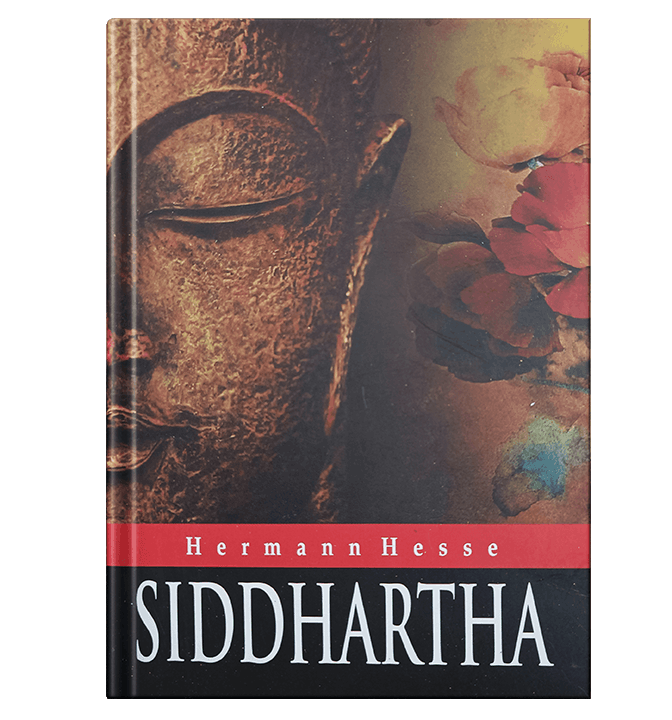
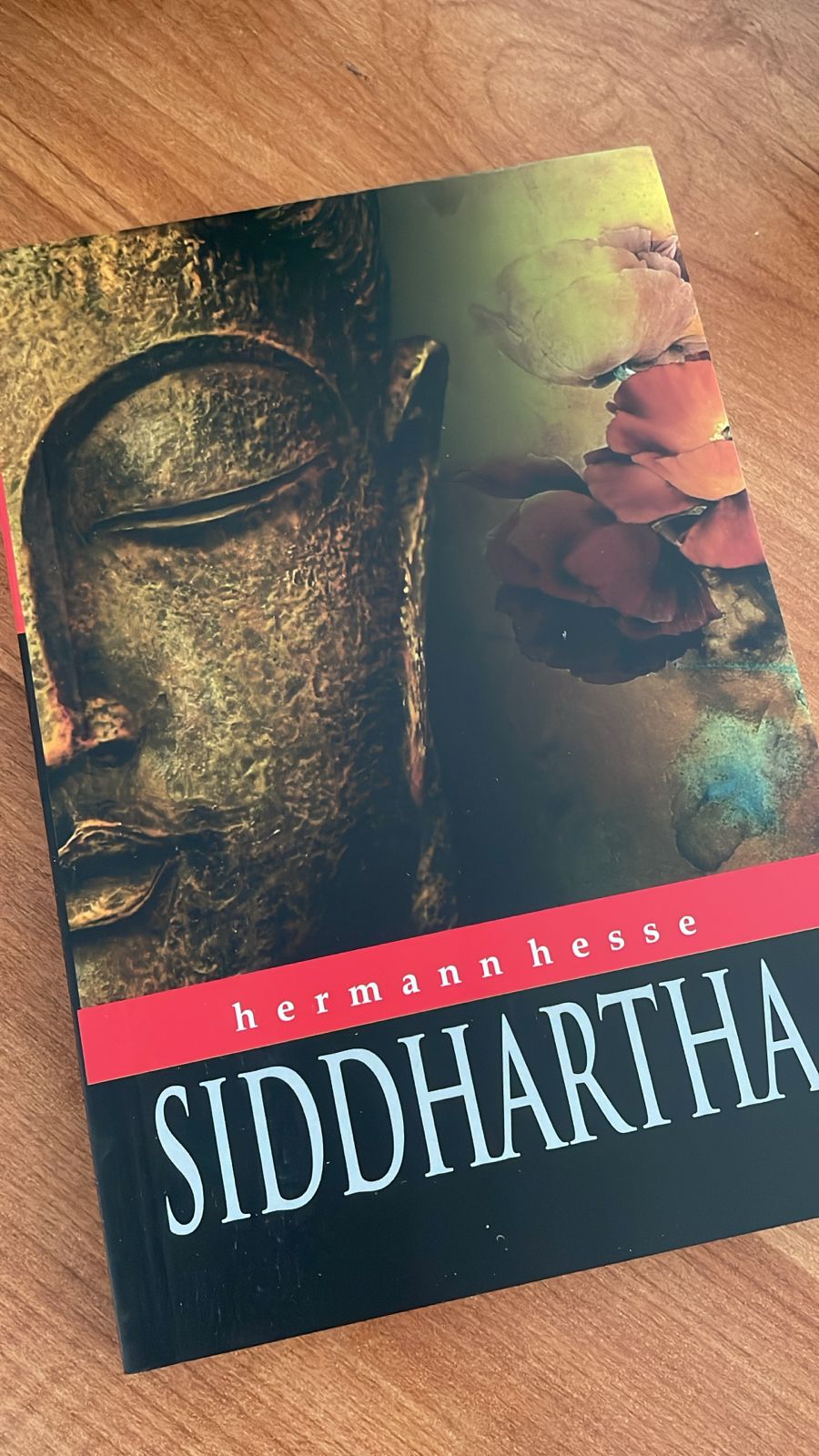
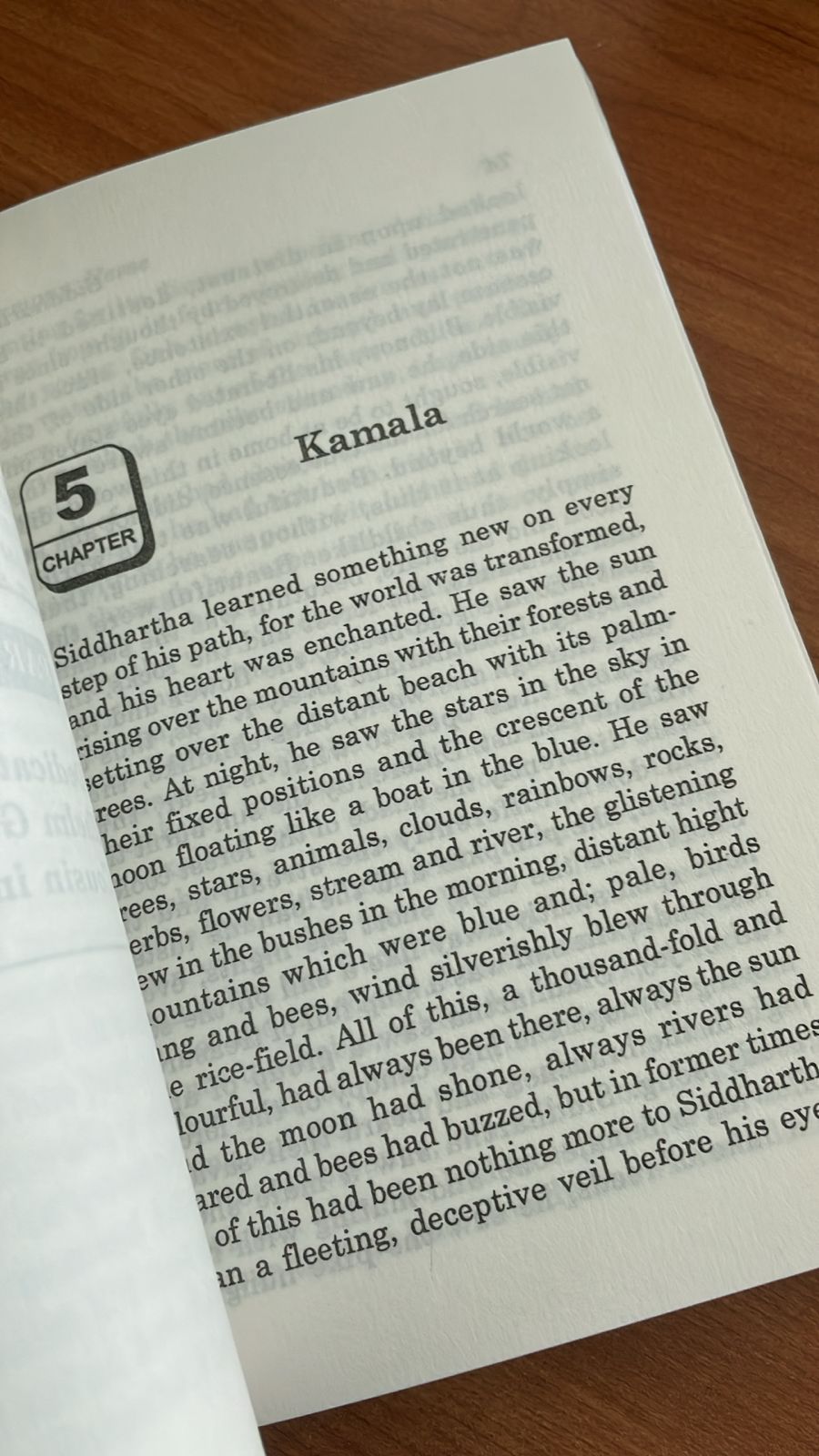

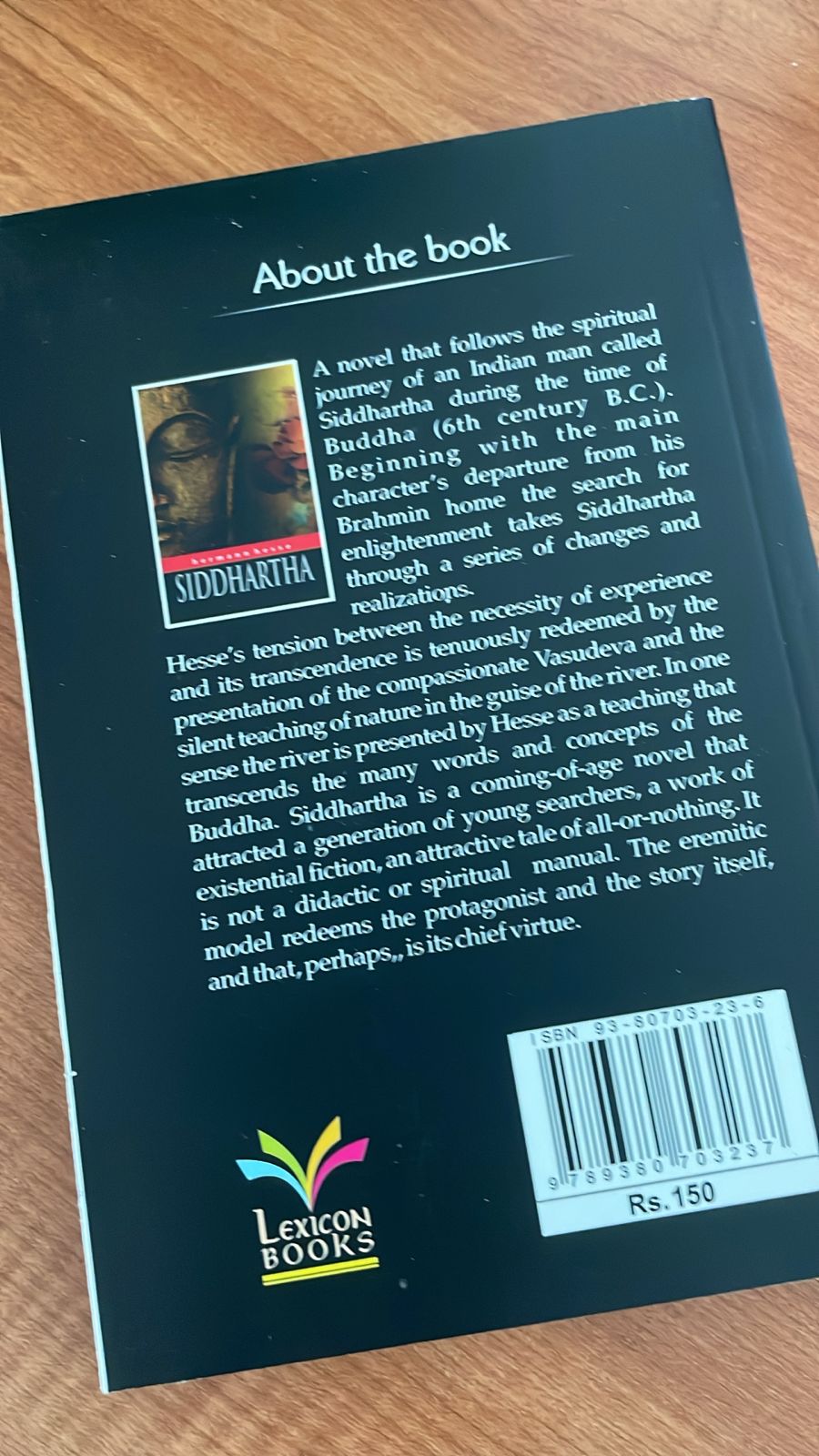
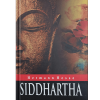
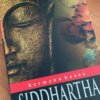





Siddhartha by Hermann Hesse
Siddhartha by Hermann Hesse is a timeless philosophical novel about self-discovery, wisdom, spirituality, love, and the search for meaning.
Set in ancient India, the story follows a young man who leaves behind a comfortable life to search for deeper truth.
He studies different teachings and experiences very different ways of living.
Yet his greatest lessons eventually come from experience itself.
About Siddhartha
Siddhartha begins with a young Brahmin who appears to have everything he should need.
He is intelligent, respected, and loved by those around him.
However, he feels that something important is missing.
Traditional teachings do not give him the peace he is searching for.
He decides to leave home with his friend Govinda.
Together, they begin a spiritual journey.
Searching for Wisdom
At first, the young seeker joins wandering ascetics known as Samanas.
He gives up comfort and attempts to free himself from ordinary desires.
He learns discipline and self-denial.
Still, he feels that complete understanding remains beyond his reach.
Later, he encounters the Buddha.
He respects the Buddha’s wisdom and recognizes the power of his teachings.
However, he makes an important decision.
He believes that true wisdom cannot simply be transferred from one person to another.
Some truths must be experienced personally.
7 Powerful Lessons from Siddhartha
1. Wisdom Comes Through Experience
One of the central ideas of Siddhartha is that knowledge and wisdom are not exactly the same.
A person can learn teachings from books, teachers, and traditions.
But understanding often requires personal experience.
The protagonist learns through both success and failure.
Every stage of his life becomes part of his education.
2. There Is No Single Path for Everyone
The novel presents several different spiritual paths.
Some characters choose religious teaching.
Others choose discipline or worldly life.
The main character must discover what works for him.
His journey suggests that personal growth cannot always be copied from someone else.
3. Material Success Does Not Guarantee Fulfillment
At one stage, he enters a very different world.
He learns about business, money, pleasure, and luxury.
He becomes successful.
Yet material comfort does not permanently satisfy him.
The experience teaches him that possessing more does not automatically create inner peace.
4. Love Can Be a Teacher
Love becomes another important part of the journey.
The protagonist develops relationships that expose him to desire, attachment, happiness, and loss.
These experiences are not presented as distractions without value.
They become important lessons.
Love helps him understand parts of human life that pure intellectual study could not teach.
5. Failure Can Lead to Growth
The journey is not a straight path toward enlightenment.
He makes mistakes.
He becomes lost in lifestyles that once seemed unimportant to him.
At times, he feels disappointed with himself.
Yet these failures eventually contribute to his understanding.
The novel suggests that mistakes can become valuable when people learn from them.
6. Learn to Listen
Listening becomes especially important later in the story.
A simple ferryman named Vasudeva becomes one of the most influential people in the protagonist’s life.
Vasudeva does not overwhelm him with complicated teachings.
Instead, he teaches him to listen.
The river becomes an important symbol of this lesson.
7. Life Is Connected
The river represents one of the novel’s deepest ideas.
Its water is always moving.
Yet the river remains whole.
Past, present, joy, suffering, beginnings, and endings appear connected.
This realization helps the protagonist develop a deeper understanding of life.
The Importance of the River
The river becomes one of the most memorable symbols in Siddhartha.
At different stages of his journey, it appears to him in different ways.
Eventually, he learns to listen to it carefully.
The river represents movement and continuity.
Everything changes, but everything is also connected.
It teaches without speaking in ordinary words.
For the seeker, listening to the river becomes part of understanding himself.
Spirituality and Self-Discovery
The novel explores spiritual questions without presenting a simple instruction manual.
Its protagonist meets teachers and follows different practices.
He learns from religion, discipline, work, relationships, pleasure, suffering, and nature.
No single experience provides every answer.
His growth comes from seeing how these experiences fit together.
This makes the novel as much about self-discovery as spirituality.
A Story About Balance
The main character begins by rejecting ordinary worldly life.
Later, he becomes deeply involved in it.
Eventually, he begins to understand that wisdom may not require completely rejecting one side of human experience.
Pleasure and suffering both teach him something.
Love and loss matter.
Success and failure matter.
The novel gradually moves toward acceptance rather than extreme rejection.
Who Should Read This Book?
Siddhartha is ideal for readers interested in philosophical fiction.
It may also appeal to readers interested in spirituality, mindfulness, self-discovery, and personal growth.
The novel is relatively short but contains many ideas worth reflecting on.
This makes it suitable for both casual reading and deeper discussion.
Readers who enjoy books about meaning, identity, and inner transformation may particularly appreciate it.
About Hermann Hesse
Hermann Hesse was a German-born writer whose novels frequently explored identity, spirituality, individuality, and inner conflict.
His other major works include Demian, Steppenwolf, Narcissus and Goldmund, and The Glass Bead Game.
Hesse received the Nobel Prize in Literature in 1946.
Readers can learn more about the novel through the official Penguin Random House Siddhartha page.
Product Details
Title: Siddhartha
Author: Hermann Hesse
Genre: Classics / Philosophical Fiction / Spiritual Fiction
Language: English
Original Publication: 1922
Setting: Ancient India
Themes: Self-Discovery, Wisdom, Spirituality, Love, Experience, Inner Peace
Page count, publisher, ISBN, and dimensions vary between editions.
Always check the details printed on your physical copy before entering final product specifications.
Explore More Classic Fiction
Siddhartha remains powerful because its questions are still relevant.
What makes a meaningful life?
Can another person give us wisdom?
Does success create happiness?
How do love, suffering, mistakes, and experience shape who we become?
Hermann Hesse does not reduce these questions to simple answers.
Instead, he follows one person through a lifetime of searching and discovery.
Readers interested in more timeless fiction can explore Fiction & Literature Books at Bargain Books.
For readers interested in spirituality, philosophy, personal growth, and the search for meaning, Siddhartha remains an unforgettable classic.
Be the first to review “Siddhartha by Hermann Hesse”
Related products
-24%

Out of stock
Non-Fiction & Knowledge
Original price was: රු2,500.00.රු1,900.00Current price is: රු1,900.00.
3 X Rs. 633.33 or 8% Cashback with


or 3 X රු633.33 with


or up to 4 X රු475.00 with


Out of stock
Non-Fiction & Knowledge
රු1,500.00
3 X Rs. 500.00 or 8% Cashback with
or 3 X රු500.00 with
or up to 4 X රු375.00 with

Non-Fiction & Knowledge
රු1,950.00
3 X Rs. 650.00 or 8% Cashback with
or 3 X රු650.00 with
or up to 4 X රු487.50 with
-26%

Out of stock
Non-Fiction & Knowledge
Original price was: රු2,000.00.රු1,490.00Current price is: රු1,490.00.
3 X Rs. 496.67 or 8% Cashback with
or 3 X රු496.67 with
or up to 4 X රු372.50 with
-26%
Non-Fiction & Knowledge
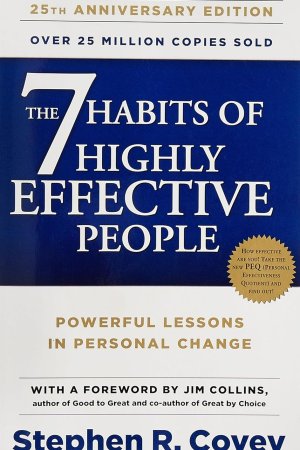
The 7 Habits of Highly Effective People by Stephen R. Covey – Blue Cover
Original price was: රු2,300.00.රු1,700.00Current price is: රු1,700.00.
3 X Rs. 566.67 or 8% Cashback with
or 3 X රු566.67 with
or up to 4 X රු425.00 with
-23%

Non-Fiction & Knowledge
Original price was: රු2,200.00.රු1,700.00Current price is: රු1,700.00.
3 X Rs. 566.67 or 8% Cashback with
or 3 X රු566.67 with
or up to 4 X රු425.00 with
-21%

Non-Fiction & Knowledge
7 Secrets to Investing Like Warren Buffett by Mary Buffett & Sean Seah
Original price was: රු1,900.00.රු1,500.00Current price is: රු1,500.00.
3 X Rs. 500.00 or 8% Cashback with
or 3 X රු500.00 with
or up to 4 X රු375.00 with
Out of stock
Autobiography
රු2,750.00
3 X Rs. 916.67 or 8% Cashback with
or 3 X රු916.67 with
or up to 4 X රු687.50 with
Reviews
There are no reviews yet.