
No products in the cart.
-19%
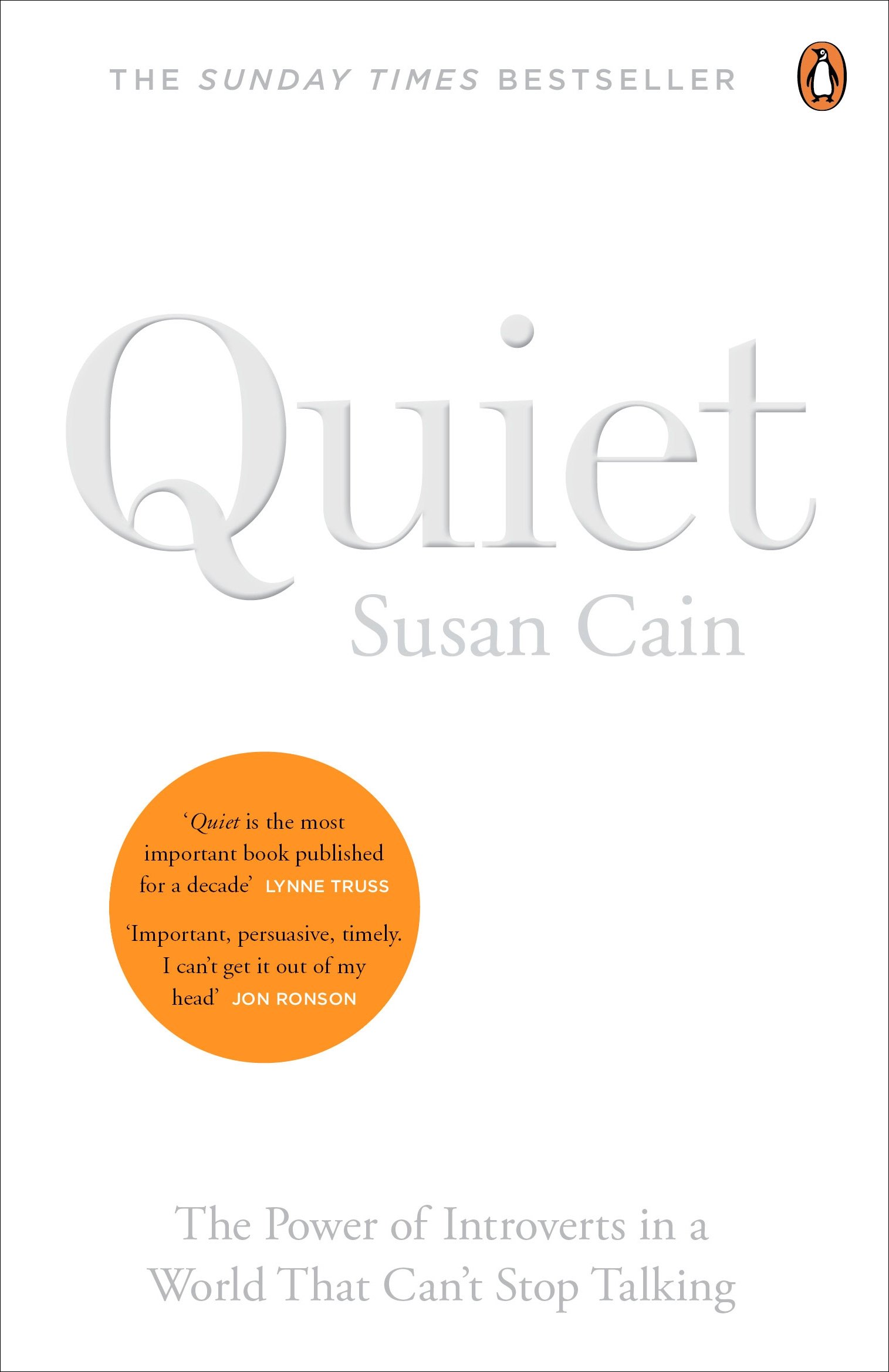
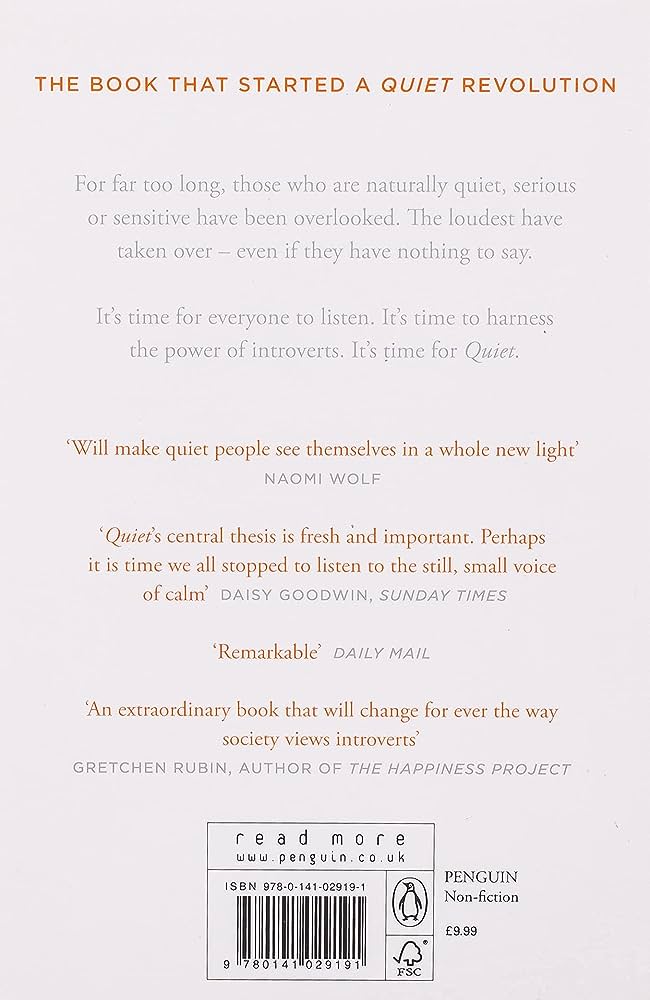
Quiet by Susan Cain


Original price was: රු2,600.00.රු2,100.00Current price is: රු2,100.00.
3 X Rs. 700.00 or 8% Cashback with


or 3 X රු700.00 with


or up to 4 X රු525.00 with


Quiet by Susan Cain explores the hidden strengths of introverts and challenges the belief that being outgoing is necessary for success. Through psychology, research, personal stories and cultural analysis, Susan Cain examines introversion, extroversion, leadership, creativity, solitude, teamwork and the pressures of the Extrovert Ideal. Insightful and empowering, it is an excellent read for introverts, managers, students, teachers, parents and anyone interested in understanding how different personality styles can thrive.
Out of stock
Email when stock available
Quiet by Susan Cain is a thought-provoking exploration of introversion, extroversion and the enormous value quieter personalities bring to schools, workplaces, relationships and society.
Modern culture often celebrates people who:
Speak quickly.
Network easily.
Love group activities.
Enjoy constant social interaction.
Present confidently.
Take charge immediately.
Susan Cain asks an important question:
What happens when we begin assuming that the loudest person in the room is also the most capable?
In Quiet: The Power of Introverts in a World That Can’t Stop Talking, Cain examines how Western culture increasingly developed what she calls the Extrovert Ideal—the belief that outgoing, socially dominant and highly expressive personalities are naturally better suited for success.
But millions of people do not operate that way.
Some think before speaking.
Some work best alone.
Some prefer deep conversations to large social gatherings.
Some need quiet after intense interaction.
Some lead through listening rather than commanding.
And none of those characteristics automatically makes someone weak, shy or incapable.
Quiet by Susan Cain combines psychology, cultural history, scientific research, interviews and personal stories to show that introverts can be creative, influential, ambitious and powerful without pretending to be extroverts.
Quiet by Susan Cain – Book Overview
Quiet by Susan Cain challenges one of the most common assumptions about personality:
That outgoing people are naturally better at leadership, business, communication and success.
Cain argues that society often rewards visible confidence.
Someone speaks first.
We assume they know more.
Someone dominates a meeting.
We assume they are leadership material.
Someone enjoys networking.
We assume they are socially skilled.
But visible confidence and actual competence are not always the same thing.
A quieter person may be:
Thinking.
Analyzing.
Observing.
Preparing.
Listening.
And when that person finally speaks, the contribution may be extremely valuable.
What Is Introversion?
Introversion is not simply being quiet.
It generally relates to how people respond to stimulation and social environments.
An introvert may enjoy people deeply but prefer:
Smaller groups.
More focused conversations.
Periods of solitude.
Lower-stimulation environments.
Time to think before responding.
This does not mean introverts dislike people.
Many introverts enjoy:
Friendships.
Leadership.
Public speaking.
Teaching.
Teamwork.
They simply may need more recovery time afterward.
Introversion Is Not Shyness
One of the most useful distinctions in Quiet by Susan Cain is the difference between introversion and shyness.
Introversion often relates to stimulation.
Shyness relates more strongly to fear of negative social judgment.
An introvert may confidently give a presentation and then want several quiet hours afterward.
A shy person may desperately want social connection but feel anxious about approaching people.
A person can therefore be:
Introverted but not shy.
Shy but extroverted.
Both.
Or neither.
The Extrovert Ideal
Cain uses the phrase Extrovert Ideal to describe the cultural preference for people who appear:
Confident.
Sociable.
Energetic.
Charismatic.
Comfortable speaking publicly.
This preference influences:
Schools.
Offices.
Leadership selection.
Hiring.
Networking.
Class participation.
Even architecture.
Open offices and constant group collaboration may work well for some personalities.
For others, they can reduce concentration and creativity.
Why Society Rewards Loudness
People often confuse quick responses with intelligence.
Imagine a meeting.
Person A immediately gives an opinion.
Person B pauses and thinks.
The group may automatically assume Person A is more confident or knowledgeable.
But Person B may simply be processing the information more carefully.
Fast communication is not automatically better communication.
Quiet Thinking
Some people develop ideas while speaking.
Others prefer to think first and speak second.
Neither method is universally superior.
Problems arise when organizations reward only one.
If every meeting favors the fastest and loudest speaker, valuable ideas from reflective people may never be heard.
Listening as a Strength
Quiet by Susan Cain repeatedly encourages readers to recognize listening as a serious skill.
Good listeners can notice:
What people actually need.
Emotional changes.
Contradictions.
Concerns others miss.
Ideas hidden inside another person’s explanation.
Leaders who listen can sometimes understand teams better than leaders who dominate every conversation.
Introverts and Leadership
A common stereotype says leaders must be naturally extroverted.
Cain challenges this assumption.
Introverted leaders may succeed because they can be:
Careful listeners.
Thoughtful decision-makers.
Comfortable giving other people space.
Less interested in dominating every discussion.
Particularly receptive to proactive employees.
Leadership is not one personality type.
Quiet Leadership
Leadership can look like:
Speaking loudly to a crowd.
But it can also look like:
Preparing thoroughly.
Asking good questions.
Making thoughtful decisions.
Giving credit to others.
Listening before acting.
A leader does not need to be the most socially dominant person in the organization.
Introverts in Business
Business culture often celebrates:
Networking.
Pitches.
Meetings.
Salesmanship.
Personal branding.
But companies also require people who can:
Analyze.
Design.
Write.
Research.
Program.
Plan.
Solve difficult problems.
Understand customers deeply.
Many of these activities benefit from sustained concentration.
The Power of Solitude
Solitude is another major theme in Quiet by Susan Cain.
Creative work frequently requires periods of uninterrupted focus.
Writers need time to write.
Programmers need time to code.
Researchers need time to analyze.
Designers need time to think.
Constant collaboration can sometimes interrupt the exact concentration required to produce strong work.
Collaboration Is Useful—but Not Always
Cain does not argue that teamwork is bad.
Teams can:
Combine knowledge.
Generate feedback.
Coordinate large projects.
Solve interdisciplinary problems.
But collaboration becomes less useful when organizations assume:
Every task should be collaborative.
Some tasks need conversation.
Others need silence.
Good workplaces know the difference.
Open-Plan Offices
Open offices are often designed to encourage communication.
But they can also create:
Noise.
Interruptions.
Visual distractions.
Reduced privacy.
Constant stimulation.
For employees doing concentration-heavy work, these conditions may reduce productivity.
The lesson is not that every office should be silent.
The lesson is that different types of work require different environments.
Deep Work and Concentration
Although Quiet is not specifically a productivity book, its ideas connect naturally to focused work.
Some people produce their best thinking when they have:
Time.
Quiet.
Privacy.
Limited interruptions.
Organizations should not mistake silence for inactivity.
Someone staring quietly at a screen may be doing extremely demanding intellectual work.
Group Brainstorming
Cain discusses research suggesting that traditional group brainstorming is not always as effective as people assume.
People may contribute less because of:
Fear of judgment.
Conversation dominance.
Waiting turns.
Social pressure.
A useful alternative is allowing people to generate ideas individually first and then bring those ideas together.
This can preserve both:
Independent thinking
and
collaboration.
Creativity
Many creative breakthroughs require extended periods of concentration.
This does not mean creativity happens only alone.
But solitude can give people space to:
Experiment.
Make mistakes privately.
Develop unusual ideas.
Follow curiosity without social pressure.
Deliberate Practice
Becoming exceptionally skilled often requires repeated, focused practice.
Musicians.
Athletes.
Programmers.
Writers.
Researchers.
All benefit from time spent practicing without constant social interruption.
Social confidence cannot replace expertise.
Susan Cain’s Own Experience
Cain herself has described being naturally introverted.
Her interest in the topic partly grew from seeing how often society assumes quieter personalities need to be corrected.
The book therefore combines research with personal understanding.
Temperament
Some differences between introverts and extroverts may appear early in life.
Cain discusses research on temperament and sensitivity to stimulation.
Certain children react strongly to:
Noise.
New environments.
Unfamiliar people.
Stimulating situations.
These differences do not perfectly predict adult personality, but they suggest biology can influence temperament.
Highly Reactive Children
One line of research Cain discusses involves children who react strongly to new stimulation.
Some of these children later develop more cautious or introverted tendencies.
The important lesson is not that biology determines destiny.
Personality develops through interaction between:
Temperament.
Experience.
Culture.
Family.
Environment.
Nature and Nurture
Personality is not purely genetic.
Nor is it simply learned.
People begin with certain tendencies, but experience shapes how those tendencies are expressed.
An introverted child with supportive parents may grow into a confident adult who understands how to work with their temperament.
Sensitivity to Stimulation
Imagine two people at a crowded party.
One feels energized by:
Music.
People.
Movement.
Conversation.
Another enjoys the event for an hour but then feels exhausted.
Neither response is morally superior.
Their nervous systems may simply respond differently to stimulation.
Why Introverts Need Recovery Time
After long social interaction, some introverts need solitude.
This does not mean:
“I hate everyone.”
It may simply mean:
“My brain needs a lower-stimulation environment for a while.”
Understanding this can improve relationships.
Extroverts Need Different Things
Quiet by Susan Cain is not an argument against extroverts.
Extroverts bring important strengths.
They may excel at:
Rapid interaction.
Group energy.
Social connection.
Spontaneous communication.
Building broad networks.
The goal is not replacing the Extrovert Ideal with an Introvert Ideal.
It is recognizing value in both.
Introvert–Extrovert Relationships
Different personality types can complement one another.
One person may enjoy:
Planning.
Another improvising.
One may want a busy weekend.
Another may need quiet.
Conflict happens when each assumes their preference is objectively correct.
Understanding temperament allows compromise.
The Free Trait Theory
One fascinating concept discussed in Quiet by Susan Cain is the idea that people can sometimes behave outside their natural personality style when something important requires it.
An introvert may become highly social for:
Work.
Family.
A cause.
Teaching.
Leadership.
This does not necessarily mean the person has become extroverted.
They may simply be stretching beyond their default style for something meaningful.
Acting Extroverted When Necessary
An introverted teacher might speak energetically to a class.
An introverted entrepreneur might pitch investors.
An introverted manager might lead meetings.
An introverted bookseller might happily speak with customers all day.
But afterward they may need:
Silence.
Rest.
Private time.
The performance does not erase the underlying temperament.
Restorative Niches
Cain discusses the importance of creating opportunities to return to environments that restore you.
After socially demanding work, an introvert might need:
A quiet lunch.
A short walk.
Headphones.
Time alone.
A peaceful evening.
These restorative periods help make outward-facing roles sustainable.
Do Not Build a Life Against Your Temperament
Constantly forcing yourself to behave unlike your natural style can become exhausting.
Growth matters.
But sustainable growth is different from permanent self-rejection.
Quiet by Susan Cain encourages readers to understand themselves rather than constantly trying to become someone else.
Public Speaking
Introversion does not automatically make someone a poor public speaker.
A prepared introvert may become an excellent speaker because they:
Research thoroughly.
Rehearse.
Organize thoughts carefully.
Focus deeply on the subject.
Public speaking is a skill, not a personality type.
Networking for Introverts
Networking also does not require becoming the person who talks to everyone at the event.
An introvert can network through:
One-on-one conversations.
Smaller groups.
Thoughtful follow-ups.
Email.
Online professional communities.
Long-term relationships.
Depth can be as valuable as breadth.
Quality of Relationships
Some introverts prefer fewer relationships but greater depth.
They may prefer:
One meaningful conversation
over
twenty brief conversations.
This can create strong loyalty and trust.
Small Talk
Many introverts dislike repetitive small talk.
That does not mean they dislike conversation.
They may become highly engaged when the subject involves:
Ideas.
Books.
Technology.
Psychology.
Meaning.
Personal experiences.
The issue may be conversational depth rather than social avoidance.
Introverts at School
Schools often reward visible participation.
Group work.
Speaking quickly.
Answering immediately.
Class presentations.
These can develop useful skills.
But educators should also recognize students who:
Think deeply.
Write well.
Listen carefully.
Need additional time before answering.
Silence should not automatically be interpreted as lack of engagement.
Participation Can Take Different Forms
A student may participate through:
Writing.
Research.
Questions after class.
Careful assignments.
One-to-one discussion.
Not every intelligent student needs to be the most vocal person in the classroom.
Children Should Not Be “Fixed”
An introverted child should still learn important social skills.
But there is a difference between:
Helping a child become confident
and
teaching them that their basic temperament is defective.
The goal should be capability, not personality replacement.
Parents and Introverted Children
Parents can help introverted children by:
Allowing gradual exposure to new situations.
Preparing them before major social events.
Respecting recovery time.
Encouraging confidence without humiliation.
Recognizing their strengths.
The Culture of Personality
Cain also explores a historical shift from what she calls a Culture of Character toward a Culture of Personality.
Earlier ideals emphasized qualities such as:
Integrity.
Duty.
Honor.
Discipline.
Later social and business culture increasingly rewarded:
Charm.
Magnetism.
Confidence.
Personal presentation.
This shift helped create stronger pressure to appear outgoing.
Selling Yourself
Modern career advice often tells people:
Sell yourself.
Build your personal brand.
Be visible.
Speak up.
These skills can matter.
But visibility should not become more important than actual ability.
Strong work still matters.
Charisma Is Not Competence
A charismatic person may be competent.
But charisma itself is not proof.
Similarly, a quiet person may be brilliant or incompetent.
Personality alone is a poor substitute for evidence.
Organizations should evaluate:
Results.
Judgment.
Knowledge.
Character.
Not simply social confidence.
The Danger of Groupthink
When people hesitate to disagree with a group, bad decisions can become stronger.
Quiet independent thinkers can provide enormous value by asking:
Are we sure?
What evidence supports this?
What are we missing?
Could everyone here be wrong?
Organizations need psychological safety so disagreement is possible.
Introverts and Risk
Cain also explores differences in how personalities may approach reward and risk.
Some people become strongly energized by potential rewards.
That can encourage bold action.
Others may be more cautious.
Both tendencies have advantages and risks.
Bold people may discover opportunities.
Cautious people may detect danger.
Strong teams need both.
Wall Street and Risk-Taking
The book examines how cultures that excessively reward aggressive risk-taking can create systemic problems.
Confidence becomes dangerous when it stops listening to caution.
A person who asks difficult questions may appear negative.
Sometimes they are the person preventing disaster.
Leadership Teams Need Personality Diversity
A team filled only with:
Risk-takers
may become reckless.
A team filled only with:
Cautious thinkers
may never act.
The ideal is often balance.
Different personalities compensate for one another’s blind spots.
Introversion and Creativity
Introverts may gain creative advantages from comfort with solitude.
But this should not become another stereotype.
Not every introvert is creative.
Not every extrovert lacks creativity.
The broader lesson is that some creative processes benefit from uninterrupted independent thought.
Passion Changes Behavior
People can become surprisingly bold when discussing something they genuinely care about.
A quiet person may suddenly speak for an hour about:
A research project.
A favorite book.
A business idea.
A social cause.
A technical subject.
Purpose can temporarily override normal social hesitation.
Find Your Core Personal Projects
Cain encourages readers to identify the things that matter deeply to them.
These might include:
Career.
Family.
Art.
Service.
Business.
Education.
A cause.
People are often willing to stretch beyond their comfort zones when the reason is meaningful.
Stop Comparing Yourself to Extroverts
An introvert may enter a room and think:
Why can’t I talk as easily as that person?
But the extrovert may have different challenges.
Comparison becomes unfair when we compare someone else’s natural strength with our natural weakness.
A better question is:
What are my strengths, and how can I use them well?
Self-Acceptance
This is perhaps the emotional heart of Quiet by Susan Cain.
Being introverted does not mean waiting until you become extroverted before your real life can begin.
You can develop social skills.
Build confidence.
Lead.
Speak.
Network.
But you do not need to become a different personality before you deserve success.
Strengths of Introverts
Potential introvert strengths may include:
Deep focus.
Careful listening.
Reflection.
Preparation.
Sensitivity.
Strong one-to-one relationships.
Independent work.
Thoughtful decision-making.
Not every introvert has all these strengths, but quieter traits can create real advantages.
Potential Challenges for Introverts
Introversion can also create challenges.
An introvert may:
Avoid networking too much.
Fail to speak when their idea matters.
Stay invisible at work.
Avoid healthy discomfort.
Let louder people dominate.
The lesson from Quiet is not:
“Never change.”
It is:
“Develop skills without rejecting yourself.”
Speak When It Matters
Being quiet does not mean remaining silent when something important needs to be said.
A thoughtful person still needs to advocate for:
Ideas.
Boundaries.
Needs.
Work.
Career advancement.
Introverts can learn assertiveness without becoming aggressive.
Workplace Meetings
A practical workplace improvement is sending meeting topics in advance.
This allows reflective employees to think before the discussion.
Another option is asking everyone to submit ideas independently before group debate.
Small design changes can allow different personalities to contribute more effectively.
Managers
Managers should avoid assuming:
Talkative = engaged.
Quiet = unmotivated.
A quiet employee may be one of the most deeply engaged people on the team.
Better managers evaluate:
Output.
Quality.
Reliability.
Ideas.
Growth.
Not merely visibility.
Remote Work
Although the book predates the huge expansion of modern remote work, many of its ideas help explain why some people thrive when given more control over stimulation and interruptions.
However, remote work is not automatically ideal for every introvert.
Some still need:
Community.
Collaboration.
Structure.
Again, personality is not destiny.
Quiet Confidence
There is a difference between being quiet because you are afraid to speak and being quiet because you do not need to dominate.
Quiet confidence can look like:
Listening.
Waiting.
Speaking clearly when necessary.
Not needing constant validation.
Confidence does not always announce itself.
Decision-Making
Reflective people may take longer before making decisions.
That can feel frustrating in fast-moving environments.
But some decisions genuinely benefit from:
Pause.
Evidence.
Analysis.
Second thoughts.
Organizations should know which decisions need speed and which need deliberation.
Introverts and Technology
Digital communication can sometimes create opportunities for introverts.
Email, messaging and online communities allow more time to:
Think.
Edit.
Respond deliberately.
But digital spaces can also become overstimulating.
The key is understanding how technology affects your own attention.
Is Quiet a Self-Help Book?
Partly.
Quiet by Susan Cain offers practical lessons for understanding and working with personality.
But it is broader than conventional self-help.
It combines:
Psychology.
Research.
Cultural analysis.
Business.
Education.
Biographical examples.
Personal stories.
It fits especially well under Psychology / Personal Development, which matches your current BargainBooks category.
Is Quiet Only for Introverts?
No.
Extroverts can benefit enormously from reading it.
A manager may better understand quieter employees.
A teacher may better understand students.
A parent may better understand a child.
A partner may better understand someone who needs more solitude.
The book is about understanding personality differences, not creating an introvert club.
Is Quiet Against Extroverts?
No.
Cain does not argue that introversion is superior.
The problem is treating one personality style as the universal ideal.
Healthy cultures make room for both.
Is Quiet Scientifically Accurate?
The book draws heavily on psychological research and expert interviews, but personality science is complex and continues to evolve.
Readers should avoid turning the book’s ideas into rigid categories such as:
“All introverts behave like this.”
“All extroverts behave like that.”
Most personality traits exist on continuums, and many people fall somewhere between the extremes.
What Is an Ambivert?
Many people identify somewhere between strong introversion and strong extroversion.
The term ambivert is commonly used for people who show meaningful characteristics of both.
Someone might enjoy public interaction but also need substantial solitude.
Human personality is more flexible than simple labels suggest.
Your Edition and ISBN
Your inventory contains Quiet by Susan Cain with ISBN 9780307352156 in one stock list.
A later procurement sheet lists 9780141029191, another edition of Quiet.
Therefore, when uploading the WooCommerce product, use the ISBN, publisher details and page count from the physical edition currently in your hand.
Important Themes
Quiet by Susan Cain explores introversion, extroversion, personality, confidence, leadership, creativity, solitude, teamwork, workplace culture, education, stimulation, temperament, shyness, public speaking, networking, relationships, self-acceptance, focus, cultural expectations and psychological diversity.
7 Powerful Lessons From Quiet by Susan Cain
- Introversion is not a weakness. A preference for lower stimulation, deeper conversations or independent work can coexist with confidence, ambition and leadership.
- The loudest person is not automatically the smartest. Groups can mistake visible confidence for competence, making it important to create space for reflective voices.
- Solitude can be essential for creativity and mastery. Collaboration matters, but many difficult creative and intellectual tasks require uninterrupted individual concentration.
- Leadership has more than one personality style. Introverted leaders may succeed through listening, preparation, thoughtful decision-making and giving others room to contribute.
- You can stretch beyond your personality without rejecting it. Introverts can give speeches, lead teams, network and teach effectively while still needing quiet recovery afterward.
- Schools and workplaces should design for different personalities. Not every task benefits from open offices, constant teamwork or immediate verbal participation.
- Self-knowledge creates better choices. Understanding how much stimulation, solitude, social interaction and preparation you need can help you build a life that uses your strengths rather than constantly fighting them.
Why Read Quiet by Susan Cain?
Quiet by Susan Cain is an excellent choice for readers interested in psychology, introversion, confidence, personality, leadership, self-development, workplace behavior, communication and relationships.
It may be especially valuable if you have ever wondered:
Why do social events exhaust me?
Why do I think better before speaking?
Why do I prefer deep conversations to small talk?
Can an introvert become a good leader?
Do I have to become more outgoing to succeed?
Why do meetings sometimes make it hard for me to contribute?
How can I network without pretending to be someone else?
Cain’s answer is reassuring but practical.
You do not need to apologize for being introverted.
But understanding yourself does not mean avoiding growth.
You can develop:
Confidence.
Communication.
Leadership.
Assertiveness.
Public speaking.
while still respecting your natural need for solitude and reflection.
Who Should Read This Book?
Quiet by Susan Cain may especially appeal to introverts, students, managers, entrepreneurs, teachers, parents, leaders, creative professionals, writers, programmers, researchers and anyone interested in understanding personality differences.
It is also a useful book for extroverts who work, study or live with introverted people.
Understanding another person’s temperament can prevent ordinary personality differences from becoming unnecessary conflict.
Quiet by Susan Cain – You Do Not Need to Be the Loudest Person in the Room
Quiet by Susan Cain asks readers to reconsider a powerful cultural assumption:
That successful people should always be visible, energetic, charismatic and socially dominant.
Look around many classrooms and offices.
The student who answers first appears confident.
The employee who speaks constantly appears engaged.
The person who loves networking appears ambitious.
But there may be someone else in the same room.
Quiet.
Listening.
Thinking.
Not competing for attention.
And that person may have the idea everyone needs.
The problem is not extroversion.
The problem is creating environments where only extroverted behavior receives recognition.
Human beings are different.
Some think through conversation.
Others think through silence.
Some recharge around people.
Others recharge alone.
Some enjoy broad networks.
Others prefer deep relationships.
Success should not require everyone to become the same kind of person.
That is the central power of Quiet by Susan Cain.
It gives introverted readers language for experiences they may have struggled to explain.
Why am I exhausted after a busy day even if I enjoyed it?
Why do I hate being interrupted when working?
Why do I need time before answering?
Why do I prefer one close conversation over a crowded room?
Those differences are not automatically problems.
They are information about how you operate.
Once you understand that, you can design better strategies.
You can schedule recovery after social work.
Prepare before meetings.
Choose deeper networking methods.
Create quiet time for difficult tasks.
Speak when your contribution matters.
And stop wasting energy trying to perform a personality that does not belong to you.
For readers interested in psychology, personality, leadership, creativity and self-understanding, Quiet by Susan Cain is an influential reminder that influence does not always arrive loudly.
Sometimes the most powerful person in the room is the one who has been listening.
Learn more about Quiet by Susan Cain on the official Susan Cain website.
Explore more psychology and personal development books at Bargain Books.
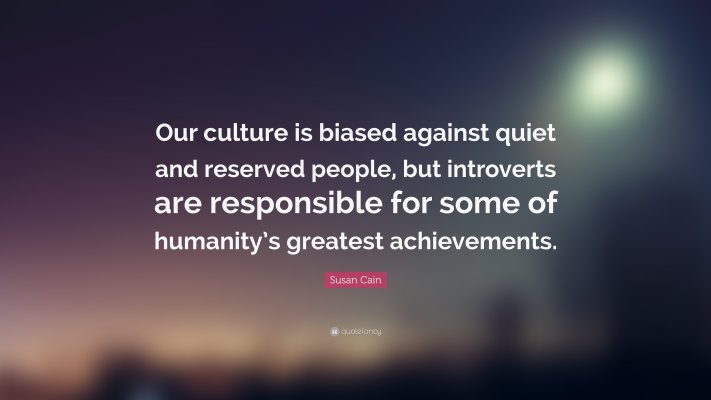
| Author | Susan Cain |
|---|---|
| Type | Paperback Printed Book |
| ISBN/ISSN | 0141029196, 978-0141029191 |
| Language | English |
| Pages | 352 |
Be the first to review “Quiet by Susan Cain”
Related products
-33%

Self-Help & Psychology
Original price was: රු2,300.00.රු1,550.00Current price is: රු1,550.00.
3 X Rs. 516.67 or 8% Cashback with
or 3 X රු516.67 with
or up to 4 X රු387.50 with
-13%

Out of stock
Non-Fiction & Knowledge
Original price was: රු3,900.00.රු3,400.00Current price is: රු3,400.00.
3 X Rs. 1,133.33 or 8% Cashback with
or 3 X රු1,133.33 with
or up to 4 X රු850.00 with
-26%

Non-Fiction & Knowledge
Original price was: රු2,000.00.රු1,490.00Current price is: රු1,490.00.
3 X Rs. 496.67 or 8% Cashback with
or 3 X රු496.67 with
or up to 4 X රු372.50 with

Self-Help & Psychology
රු1,900.00
3 X Rs. 633.33 or 8% Cashback with
or 3 X රු633.33 with
or up to 4 X රු475.00 with
-17%
Non-Fiction & Knowledge
Original price was: රු2,900.00.රු2,400.00Current price is: රු2,400.00.
3 X Rs. 800.00 or 8% Cashback with
or 3 X රු800.00 with
or up to 4 X රු600.00 with
-19%

Out of stock
Biography
Original price was: රු2,400.00.රු1,950.00Current price is: රු1,950.00.
3 X Rs. 650.00 or 8% Cashback with
or 3 X රු650.00 with
or up to 4 X රු487.50 with

Non-Fiction & Knowledge
රු1,500.00
3 X Rs. 500.00 or 8% Cashback with
or 3 X රු500.00 with
or up to 4 X රු375.00 with
-24%
Out of stock
Non-Fiction & Knowledge
Original price was: රු2,100.00.රු1,600.00Current price is: රු1,600.00.
3 X Rs. 533.33 or 8% Cashback with
or 3 X රු533.33 with
or up to 4 X රු400.00 with
Reviews
There are no reviews yet.