
No products in the cart.
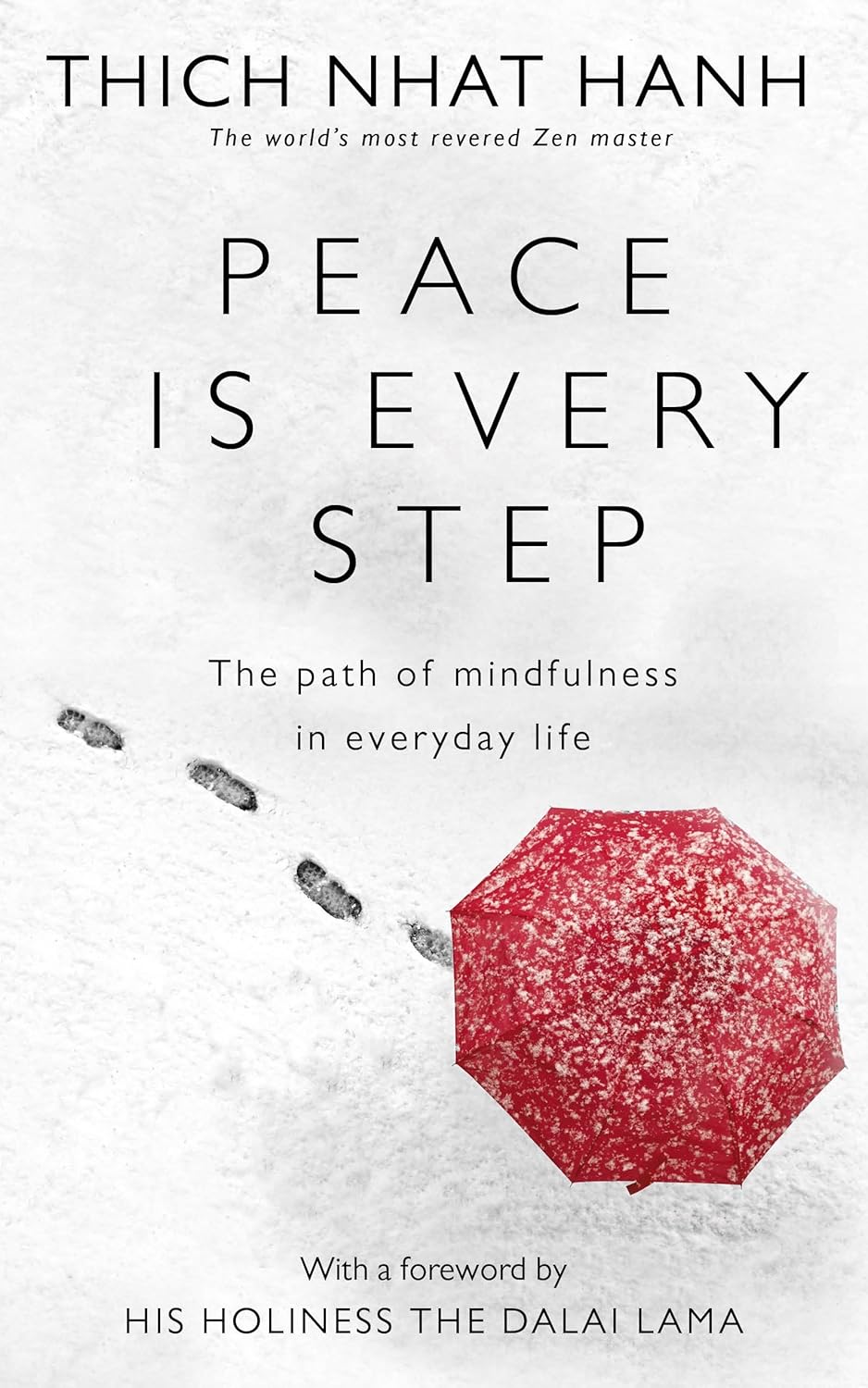
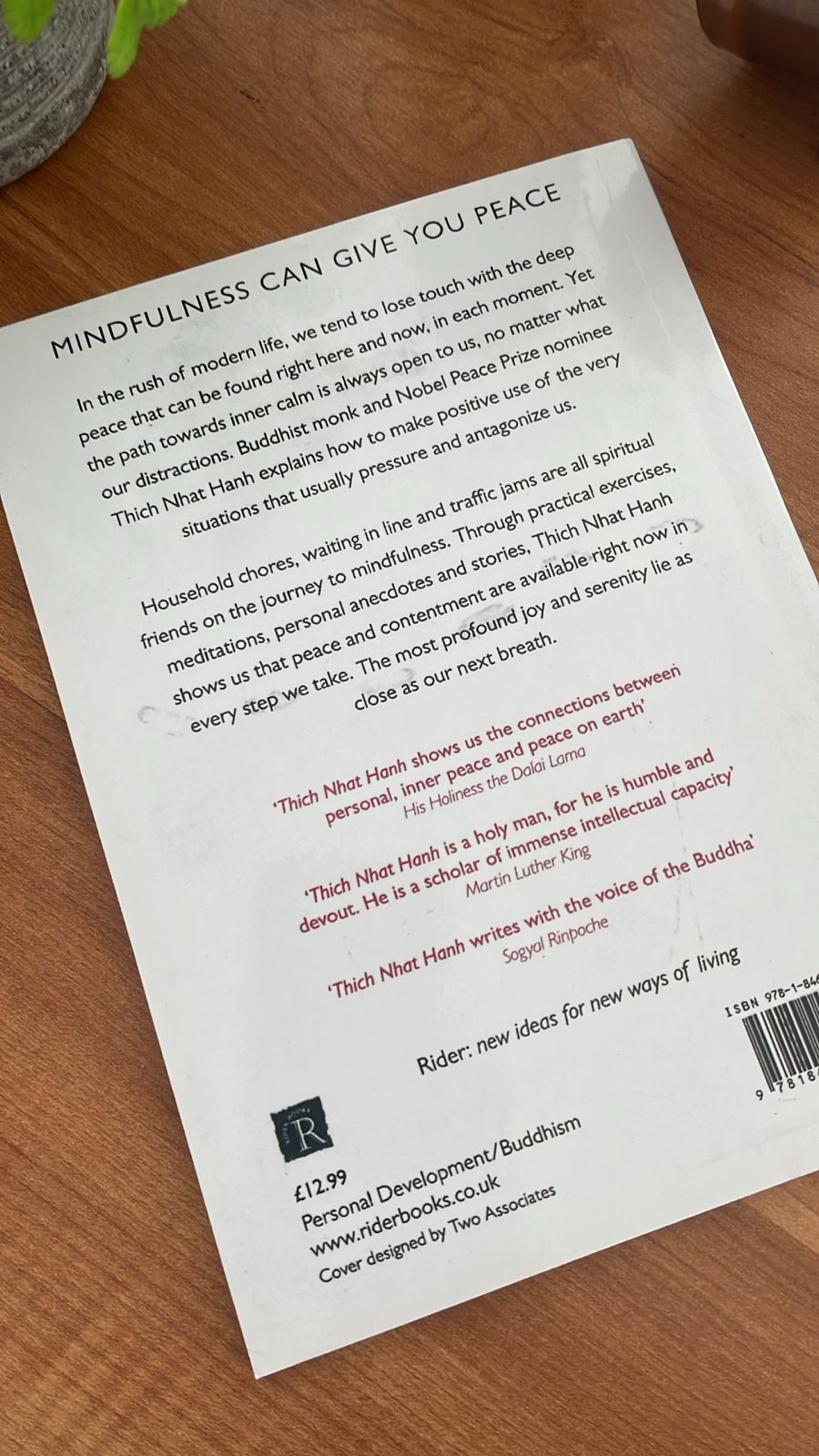
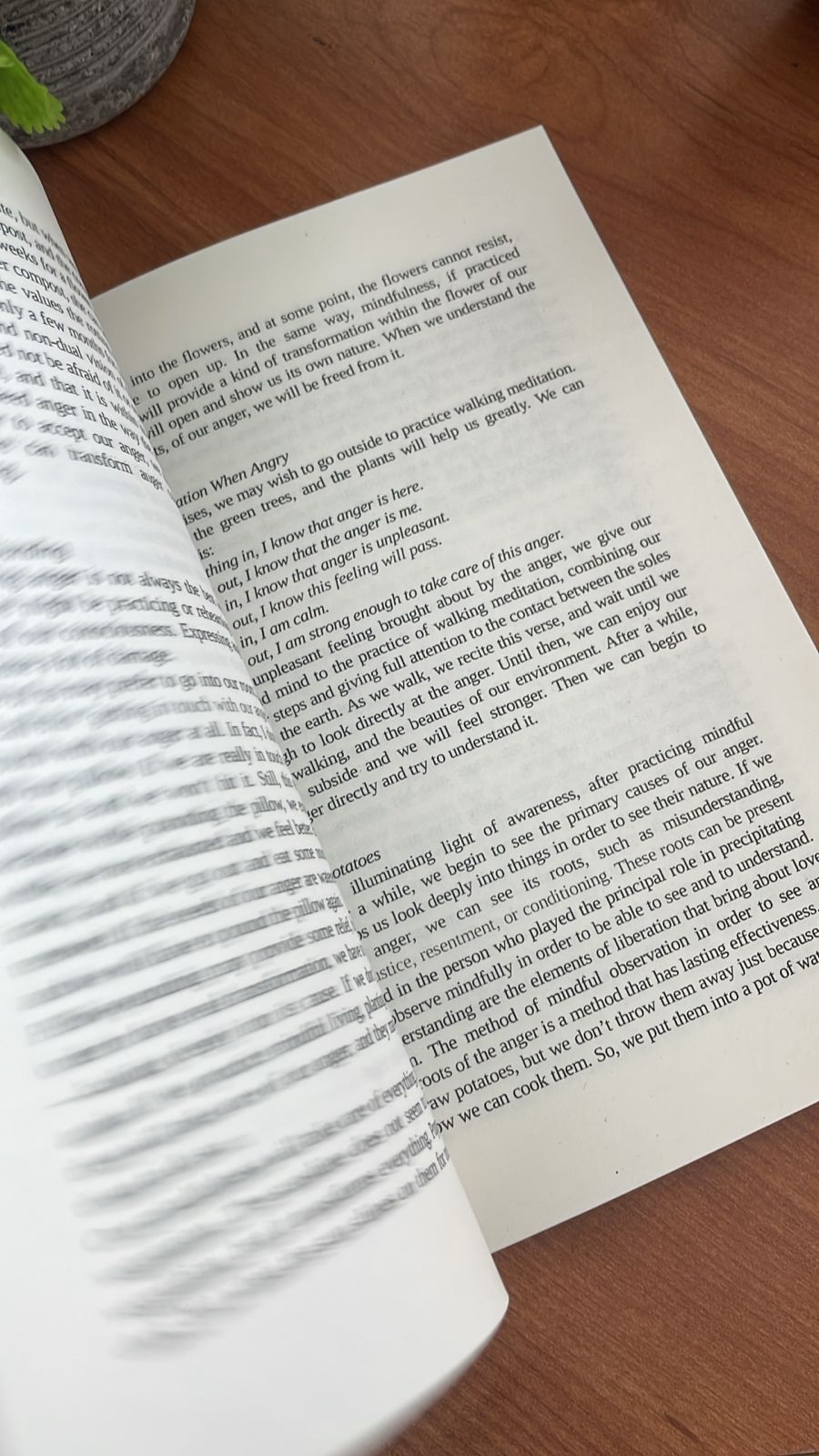
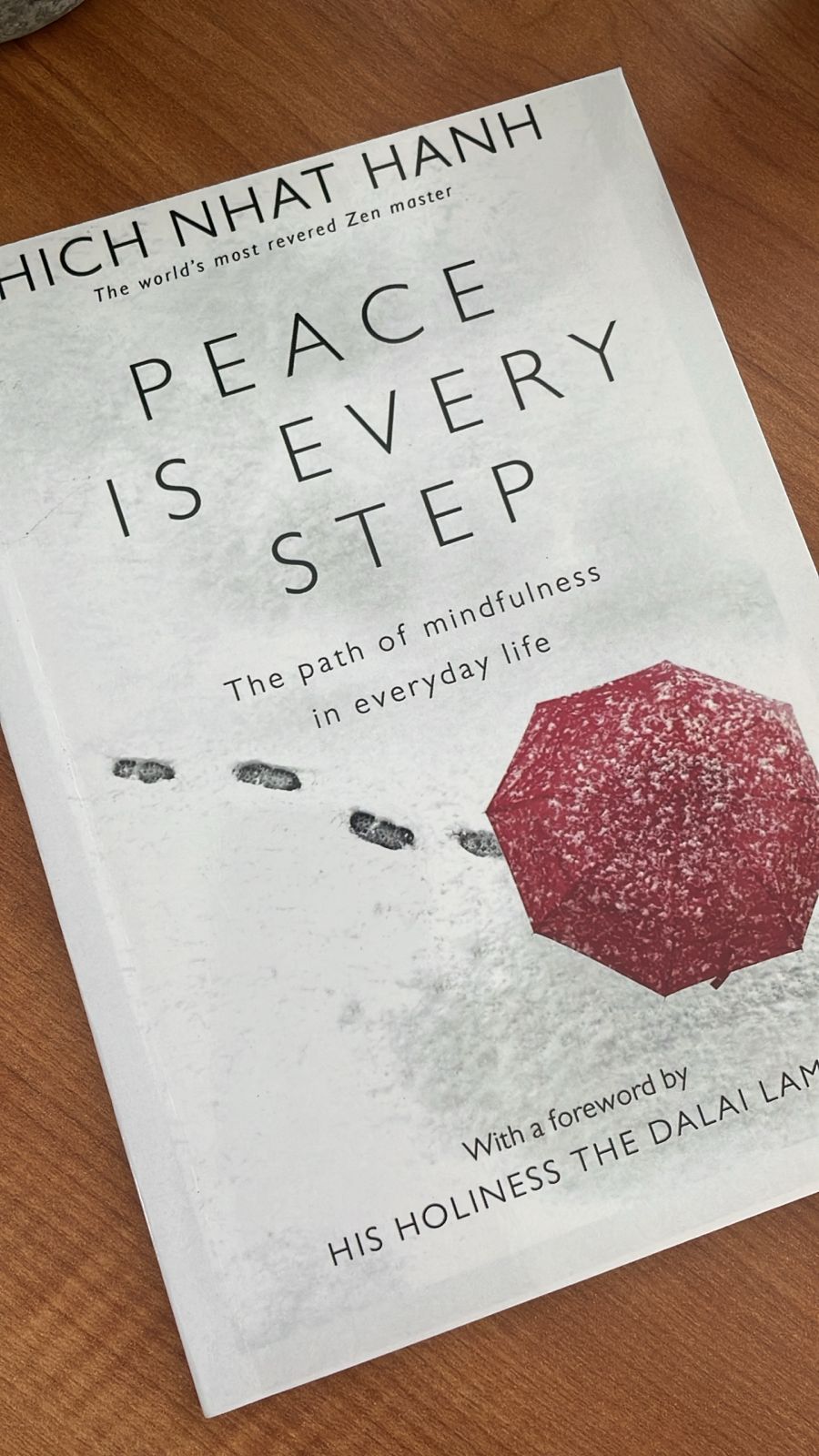
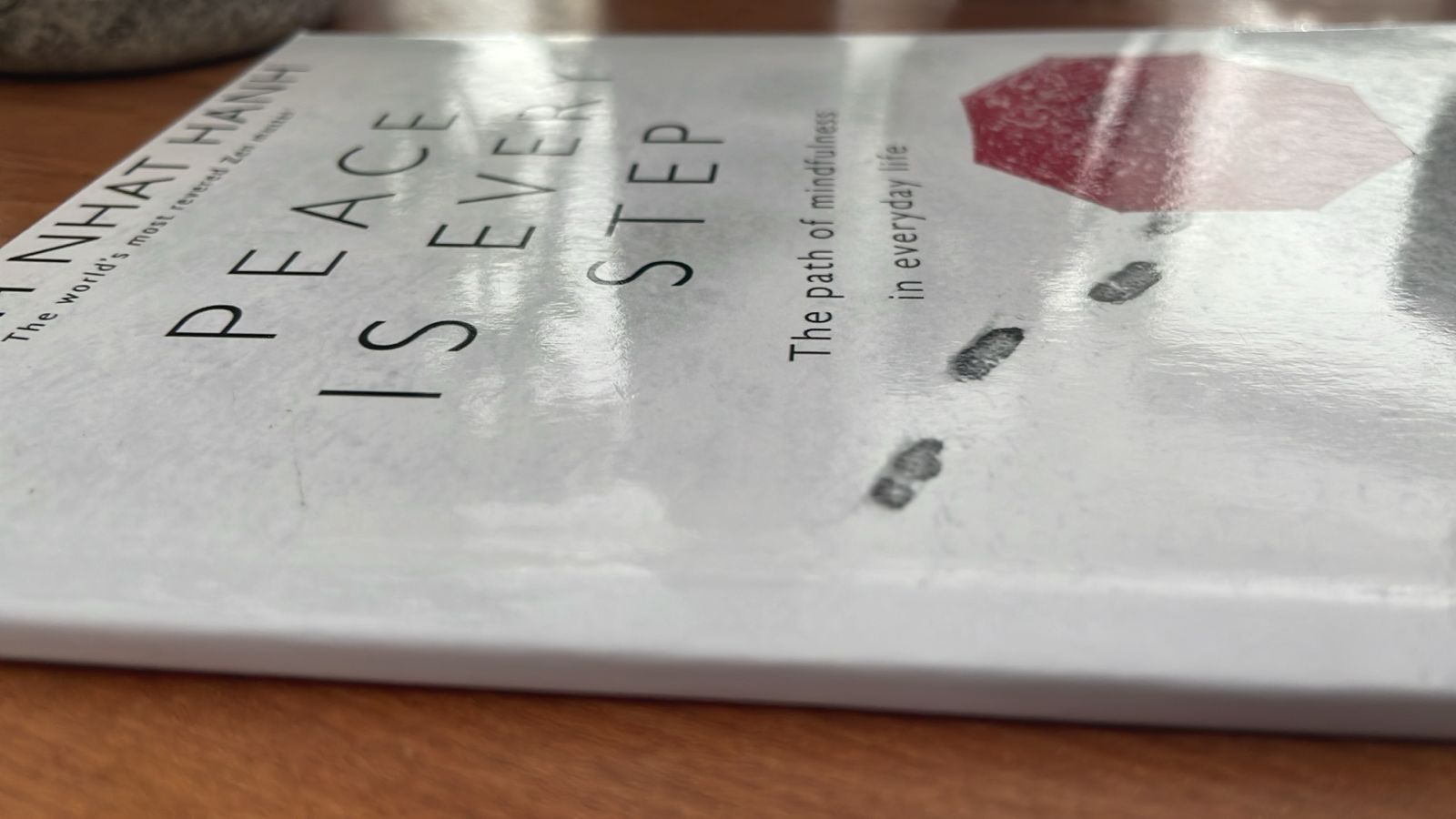




Peace Is Every Step by Thich Nhat Nhat Hanh


රු1,300.00
3 X Rs. 433.33 or 8% Cashback with


or 3 X රු433.33 with


or up to 4 X රු325.00 with


Peace Is Every Step is a practical guide to mindfulness that teaches how to find peace and happiness in everyday moments through simple awareness and conscious living.
3 in stock
Peace Is Every Step by Thich Nhat Hanh is a gentle and practical guide to mindfulness, showing how ordinary moments such as breathing, walking, eating, washing dishes, waiting in traffic and speaking with others can become opportunities for greater awareness, calm and inner peace.
Modern life often encourages us to rush.
We think about the next task while completing the current one.
We eat while looking at a screen.
We drive while worrying about work.
We speak while already preparing our response.
We reach the end of the day exhausted without remembering much of how the day actually felt.
Thich Nhat Hanh offers another way.
Peace does not necessarily need to wait until:
The work is finished.
The house is quiet.
The holiday begins.
The problem disappears.
Or life becomes perfect.
Peace can begin with one conscious breath.
One mindful step.
One moment of noticing where we actually are.
In Peace Is Every Step by Thich Nhat Hanh, everyday life itself becomes the place where mindfulness is practiced.
A ringing telephone can remind us to breathe.
A red traffic light can become an invitation to stop rushing.
Washing dishes can become meditation.
Walking can become a way of returning to the present.
The book does not demand that readers escape ordinary life.
Instead, it teaches them to enter ordinary life more fully.
Peace Is Every Step by Thich Nhat Hanh – Book Overview
Peace Is Every Step by Thich Nhat Hanh explores mindfulness as something practical rather than distant or complicated.
You do not necessarily need:
A meditation hall.
Hours of silence.
Special equipment.
A perfect schedule.
Mindfulness can begin exactly where you are.
In the kitchen.
At your desk.
Walking outside.
Sitting in traffic.
Talking with another person.
The central idea is simple:
The present moment is the only moment in which life is actually happening.
What Is Mindfulness?
Mindfulness means bringing awareness to what is happening now.
Your breathing.
Your body.
Your feelings.
Your thoughts.
The sounds around you.
The person speaking to you.
This does not mean eliminating every thought.
It means noticing experience without automatically being carried away by it.
Breathing
Conscious breathing is one of the most important practices in Peace Is Every Step by Thich Nhat Hanh.
Breathing happens automatically.
But when we notice it deliberately, the breath can become an anchor.
You do not need to force it.
Simply notice:
Breathing in.
Breathing out.
That small act can help interrupt the constant movement of attention.
The Present Moment
People spend enormous amounts of time mentally living somewhere else.
Thinking about yesterday.
Planning tomorrow.
Replaying a conversation.
Imagining a future problem.
The mind can travel constantly while the body remains here.
Mindfulness brings the two back together.
Peace Is Available Now
A powerful message in Peace Is Every Step by Thich Nhat Hanh is that peace should not always be treated as a future reward.
We often think:
“When I finish this, then I can relax.”
“When I earn more, then I can be happy.”
“When this problem disappears, then I can enjoy life.”
But another problem usually arrives.
If peace is always delayed until circumstances become perfect, we may spend years waiting.
Walking Meditation
Walking is something most people do every day.
Thich Nhat Hanh shows that walking can also become meditation.
Instead of rushing only toward the destination, notice the act of walking itself.
The movement of the feet.
The contact with the ground.
The rhythm of breathing.
The surroundings.
A walk can become more than transportation.
Every Step Can Be Peace
This idea explains the title.
Each step can become an opportunity to return to the present.
You do not need to arrive somewhere special before feeling grounded.
The practice begins in the step you are already taking.
Washing Dishes
One of the most recognizable ideas associated with Thich Nhat Hanh’s mindfulness teaching is bringing complete attention to ordinary activities.
Washing dishes may seem like something to finish quickly.
But if the mind is always trying to escape the current task, we spend much of life wishing life were somewhere else.
Wash the dishes to wash the dishes.
Feel the water.
Notice the movement.
Be where you are.
Red Lights
Traffic lights usually create irritation.
A red light means:
Delay.
Waiting.
Wasted time.
Thich Nhat Hanh offers a different interpretation.
The red light can become a bell of mindfulness.
A reminder:
Stop.
Breathe.
Relax your shoulders.
Return to yourself.
The external situation has not changed.
Your relationship with it has.
The Telephone
A ringing telephone can create urgency.
Answer immediately.
React immediately.
But even something as ordinary as a phone can become a mindfulness reminder.
Pause before answering.
Take a breath.
Then respond with greater awareness.
This principle feels even more relevant in today’s world of constant notifications.
Technology and Attention
Although Peace Is Every Step by Thich Nhat Hanh was written before smartphones dominated everyday life, its message applies strongly to the digital age.
Notifications continuously pull attention away.
Email.
Messages.
Social media.
Videos.
News.
Mindfulness helps us notice when technology is controlling our attention instead of simply serving us.
Eating Mindfully
Many people eat while:
Watching television.
Scrolling.
Working.
Talking.
Thinking about the next task.
Mindful eating means actually noticing food.
Taste.
Texture.
Smell.
The effort required to produce it.
This can transform something routine into an experience of gratitude.
The Tangerine
Thich Nhat Hanh often uses simple objects such as fruit to teach mindfulness.
A tangerine can be eaten automatically.
Or we can notice:
Its color.
Its fragrance.
Its segments.
Its taste.
The sunlight, rain, soil and human work involved in its existence.
Mindfulness makes ordinary things visible again.
Gratitude
Gratitude does not require pretending everything is perfect.
You can have problems and still appreciate:
A meal.
Clean water.
A friend.
A safe place to sleep.
A breath.
A beautiful sky.
Mindfulness helps people notice what is already present.
Smiling
Thich Nhat Hanh often writes about smiling gently.
The purpose is not to fake happiness.
A small smile can become a physical reminder to soften tension and return awareness to the body.
Happiness and Simplicity
Peace Is Every Step by Thich Nhat Hanh repeatedly suggests that happiness may be closer than we think.
Modern culture often connects happiness with acquiring something:
More money.
More status.
More possessions.
More achievement.
The book asks readers to notice whether enough already exists in this moment for a small experience of peace.
Anger
Mindfulness is especially important when dealing with difficult emotions.
Anger often creates immediate reaction.
We say something.
Send a message.
Make a decision.
Then regret it.
The practice encourages us to recognize anger before acting automatically.
Do Not Fight the Emotion
Mindfulness does not require pretending anger does not exist.
The goal is not:
“I should never be angry.”
A more compassionate approach is:
“Anger is here.”
Notice it.
Breathe.
Understand what is happening.
Then choose the response more carefully.
Compassion
Compassion is another central theme in Peace Is Every Step by Thich Nhat Hanh.
Understanding another person’s suffering can change how we respond to them.
This does not mean accepting harmful behavior without boundaries.
It means recognizing that people often act from:
Fear.
Pain.
Confusion.
Past wounds.
Understanding can create wiser responses.
Listening
True listening requires more than remaining silent until it is our turn to speak.
Mindful listening means giving someone genuine attention.
Not preparing the answer.
Not checking the phone.
Not immediately judging.
Simply listening.
Relationships
Mindfulness changes relationships because it changes attention.
A person may physically be in the same room with family every day while rarely giving them complete attention.
Presence communicates:
You matter.
I am here.
I am listening.
That can be more valuable than elaborate gestures.
Communication
Before speaking, ask:
Is this necessary?
Is it true?
Can it be expressed with compassion?
Mindfulness creates a small space between emotion and speech.
That space can prevent unnecessary harm.
Internal Formations
Thich Nhat Hanh discusses how emotional patterns can develop inside us.
Resentment.
Fear.
Jealousy.
Habitual reactions.
When ignored, these patterns may strengthen.
Mindfulness makes them easier to notice.
What we can observe, we have a better chance of understanding.
Looking Deeply
Mindfulness is not only about relaxing.
It also involves looking deeply into causes.
Why am I angry?
What fear is underneath this reaction?
Why does this situation keep triggering me?
Understanding can create change that simple suppression cannot.
Interbeing
One of Thich Nhat Hanh’s important teachings is often described as interbeing.
Nothing exists completely alone.
Consider a sheet of paper.
It contains the tree.
Rain.
Sunlight.
Soil.
The logger.
Transportation.
Human labour.
Remove all those conditions and the paper cannot exist.
This way of looking highlights the interconnected nature of life.
We Are Connected
Interbeing encourages readers to move beyond the idea that each person exists entirely independently.
Our lives depend on:
Farmers.
Workers.
Families.
Communities.
Natural systems.
Countless people we will never meet.
Recognizing connection can strengthen gratitude and responsibility.
Mindfulness and the Environment
Peace Is Every Step by Thich Nhat Hanh does not treat inner peace as separate from the wider world.
The book also asks readers to notice environmental destruction, pollution and suffering.
Mindfulness should not become an excuse to ignore difficult realities.
Awareness includes seeing both beauty and harm.
Inner Peace and Outer Peace
One of the book’s deeper ideas is that peace in society and peace within individuals are connected.
A person constantly driven by:
Fear.
Hatred.
Anger.
may bring those states into relationships and institutions.
Learning to respond more consciously can influence how we interact with the world.
Peace Is Not Passivity
This distinction matters.
Mindfulness does not mean:
Do nothing.
Accept injustice.
Ignore harmful behavior.
Avoid difficult conversations.
Thich Nhat Hanh’s own life included peace activism and what became known as Engaged Buddhism.
Mindfulness can support more thoughtful action rather than passive withdrawal.
Engaged Buddhism
Engaged Buddhism applies awareness and compassion to real social problems.
War.
Poverty.
Violence.
Environmental damage.
Injustice.
Inner practice and social responsibility do not need to be separated.
Thich Nhat Hanh
Thich Nhat Hanh was a Vietnamese Zen Buddhist monk, teacher, poet and peace activist who became one of the world’s most influential modern teachers of mindfulness.
His teachings emphasized making Buddhist practices understandable and useful in ordinary daily life.
He was also associated with the Plum Village tradition and spent decades teaching mindfulness internationally.
Martin Luther King Jr.
Thich Nhat Hanh’s peace work during the Vietnam War brought him into contact with Dr. Martin Luther King Jr.
King later nominated him for the Nobel Peace Prize.
This history helps explain why peace in the book is not simply personal relaxation.
For Thich Nhat Hanh, peace was both inner practice and social responsibility.
H.H. the Dalai Lama Foreword
The Bantam edition includes a foreword by H.H. the Dalai Lama, who praises the value of the book’s approach to individual and social transformation.
Is Peace Is Every Step a Buddhist Book?
Yes, its teachings are rooted in Buddhist mindfulness and Zen practice.
However, the book is written in a very accessible way.
Readers do not need to be Buddhist to practice:
Conscious breathing.
Mindful walking.
Compassionate listening.
Awareness.
Gratitude.
Do You Need to Meditate Already?
No.
Peace Is Every Step by Thich Nhat Hanh is suitable for beginners.
Many exercises begin with ordinary activities rather than long formal meditation sessions.
That makes the book approachable for someone who has never practiced mindfulness before.
Is It a Self-Help Book?
It can certainly be read as personal development, but it is more accurately a combination of:
Mindfulness.
Spirituality.
Meditation.
Buddhist teaching.
Personal reflection.
Its goal is not productivity or financial success.
It focuses on awareness, compassion and peaceful living.
Is It Good for Stress?
Many readers use mindfulness practices to help manage everyday stress.
The breathing and awareness exercises in Peace Is Every Step by Thich Nhat Hanh may support relaxation and emotional awareness.
However, the book should not be treated as a replacement for qualified medical or mental-health care when someone is experiencing serious anxiety, depression, trauma or other significant symptoms.
Is It Easy to Read?
Yes.
The book consists largely of short reflections and practices.
Readers can read several pages at a time rather than needing to finish long theoretical chapters.
It works particularly well as a book to return to slowly.
Read It Slowly
This is not necessarily a book that needs to be finished in one weekend.
You can read:
One section.
Practice the idea.
Return later.
The simplicity of the writing is part of its strength.
Is It Religious?
The book is rooted in Buddhist teaching, but much of the practical guidance focuses on everyday awareness rather than requiring adherence to a specific religious belief.
Readers from many backgrounds can engage with the mindfulness exercises.
Is Peace Is Every Step Part of a Series?
No.
Peace Is Every Step by Thich Nhat Hanh works as a complete standalone book.
You do not need to read another Thich Nhat Hanh title first.
What to Read After Peace Is Every Step
Readers who enjoy this book may also explore other works by Thich Nhat Hanh, such as:
- The Miracle of Mindfulness
- The Art of Communicating
- The Heart of the Buddha’s Teaching
- How to Love
- How to Relax
- Anger
- No Mud, No Lotus
Each focuses on mindfulness, compassion or Buddhist practice from a slightly different angle.
Peace Is Every Step and The Miracle of Mindfulness
Both books are strong introductions to mindfulness.
The Miracle of Mindfulness focuses particularly on practical mindfulness practice.
Peace Is Every Step by Thich Nhat Hanh emphasizes discovering awareness and peace within the ordinary situations of daily life.
There is natural overlap, but they complement one another.
Daily Mindfulness Practice
A simple practice inspired by the book could look like this:
- Begin the morning with three conscious breaths.
- Choose one everyday activity—walking, tea, washing dishes—to do without rushing.
- Use red lights or notifications as reminders to breathe.
- Before responding when angry, pause and notice the emotion.
- Give one conversation your complete attention.
- Notice one ordinary thing you are grateful for.
- End the day by returning attention to the breath.
The purpose is not perfection.
It is remembering more often.
Content Considerations
Peace Is Every Step by Thich Nhat Hanh is generally gentle and reflective, but it discusses serious subjects including:
- War and violence
- Human suffering
- Anger
- Environmental destruction
- Social injustice
- Painful emotions
- Conflict
- Buddhist spirituality and meditation
These topics are approached through compassion, mindfulness and peace-oriented reflection rather than graphic description.
Official Edition Details
For the Bantam paperback edition listed by Penguin Random House:
Title: Peace Is Every Step
Subtitle: The Path of Mindfulness in Everyday Life
Author: Thich Nhat Hanh
Publisher: Bantam
ISBN-13: 9780553351392
Pages: 160
Paperback Publication Date: March 1, 1992
Other international editions may have different ISBNs and page counts, so always use the information printed on your physical BookLounge copy when entering WooCommerce attributes.
Important Themes
Peace Is Every Step by Thich Nhat Hanh explores mindfulness, conscious breathing, inner peace, compassion, walking meditation, awareness, gratitude, anger, communication, relationships, interbeing, present-moment awareness, environmental responsibility, suffering, understanding, happiness and peaceful action.
7 Powerful Lessons From Peace Is Every Step by Thich Nhat Hanh
- Peace does not need to wait for perfect circumstances. A conscious breath or mindful step can create a small experience of peace within ordinary daily life.
- The present moment deserves attention. Constantly living mentally in the past or future can make us miss the only moment in which life is actually happening.
- Ordinary activities can become mindfulness practice. Walking, washing dishes, eating, driving and answering the phone can all become opportunities to return to awareness.
- Difficult emotions should be understood rather than automatically suppressed. Recognizing anger, fear or sadness creates space to respond more wisely.
- Compassion begins with understanding. Looking deeply into another person’s suffering can help us communicate without immediately escalating conflict.
- Everything is interconnected. The teaching of interbeing reminds us that our lives depend upon countless people, natural systems and conditions beyond ourselves.
- Inner peace and peace in the world are connected. Mindfulness is not merely personal relaxation; awareness and compassion can influence how we treat other people and respond to injustice.
Why Read Peace Is Every Step by Thich Nhat Hanh?
Peace Is Every Step by Thich Nhat Hanh is an excellent choice for readers interested in mindfulness, meditation, Zen Buddhism, inner peace, personal growth, spiritual wellbeing, emotional awareness, conscious living and compassionate communication.
It may especially appeal to people who feel:
Always busy.
Mentally distracted.
Constantly connected to technology.
Unable to relax without completing everything first.
Interested in meditation but unsure where to begin.
The book offers a reassuring idea:
You do not need to create an entirely new life before practicing mindfulness.
Begin with the life you already have.
The next breath.
The next meal.
The next conversation.
The next step.
Who Should Read This Book?
Peace Is Every Step by Thich Nhat Hanh may especially appeal to mindfulness beginners, meditation readers, students, professionals experiencing busy lifestyles, spiritual readers, people interested in Buddhism, readers seeking calmer daily routines and anyone wanting to become more present in relationships and everyday experiences.
It is also a thoughtful gift for someone interested in mindfulness without wanting an overly technical meditation manual.
Peace Is Every Step by Thich Nhat Hanh – Peace Begins Where You Are
Peace Is Every Step by Thich Nhat Hanh does not ask you to wait until life becomes quiet.
Because life may never become completely quiet.
Another email will arrive.
Another deadline.
Another bill.
Another problem.
Another notification.
If peace depends on the disappearance of every difficulty, peace will always remain somewhere in the future.
Thich Nhat Hanh offers a different possibility.
Breathe while the problem still exists.
Walk mindfully while the future is uncertain.
Listen carefully even when you disagree.
Notice the food while eating.
See the sunlight.
Feel your feet touching the ground.
None of these actions magically removes every problem.
That is not their purpose.
Their purpose is to prevent life from disappearing while we are busy waiting for another life to begin.
This is the deeper meaning behind Peace Is Every Step by Thich Nhat Hanh.
Peace is not necessarily a destination.
It can become a way of travelling.
One breath.
One conversation.
One ordinary task.
One mindful step at a time.
For readers looking for an accessible, gentle and practical introduction to mindfulness, Peace Is Every Step by Thich Nhat Hanh remains a timeless guide to discovering that calm and awareness may be much closer than we think.
Learn more about Peace Is Every Step by Thich Nhat Hanh on the official Plum Village website.
Explore more mindfulness and spirituality books at Bargain Books.
Very Short Summary
A simple yet powerful guide to mindfulness that shows how to find peace in every moment of daily life.
Be the first to review “Peace Is Every Step by Thich Nhat Nhat Hanh”
Related products
Out of stock
Self-Help & Psychology
රු1,900.00
3 X Rs. 633.33 or 8% Cashback with
or 3 X රු633.33 with
or up to 4 X රු475.00 with

Out of stock
Self-Help & Psychology
රු1,500.00
3 X Rs. 500.00 or 8% Cashback with
or 3 X රු500.00 with
or up to 4 X රු375.00 with
-33%

Self-Help & Psychology
Original price was: රු2,300.00.රු1,550.00Current price is: රු1,550.00.
3 X Rs. 516.67 or 8% Cashback with
or 3 X රු516.67 with
or up to 4 X රු387.50 with

Out of stock
Self-Help & Psychology
රු2,200.00
3 X Rs. 733.33 or 8% Cashback with
or 3 X රු733.33 with
or up to 4 X රු550.00 with
Non-Fiction & Knowledge
රු2,450.00
3 X Rs. 816.67 or 8% Cashback with
or 3 X රු816.67 with
or up to 4 X රු612.50 with
-28%

Self-Help & Psychology
Original price was: රු1,800.00.රු1,300.00Current price is: රු1,300.00.
3 X Rs. 433.33 or 8% Cashback with
or 3 X රු433.33 with
or up to 4 X රු325.00 with
-21%

Non-Fiction & Knowledge
7 Secrets to Investing Like Warren Buffett by Mary Buffett & Sean Seah
Original price was: රු1,900.00.රු1,500.00Current price is: රු1,500.00.
3 X Rs. 500.00 or 8% Cashback with
or 3 X රු500.00 with
or up to 4 X රු375.00 with

Out of stock
Non-Fiction & Knowledge
රු1,500.00
3 X Rs. 500.00 or 8% Cashback with
or 3 X රු500.00 with
or up to 4 X රු375.00 with
Reviews
There are no reviews yet.