
No products in the cart.
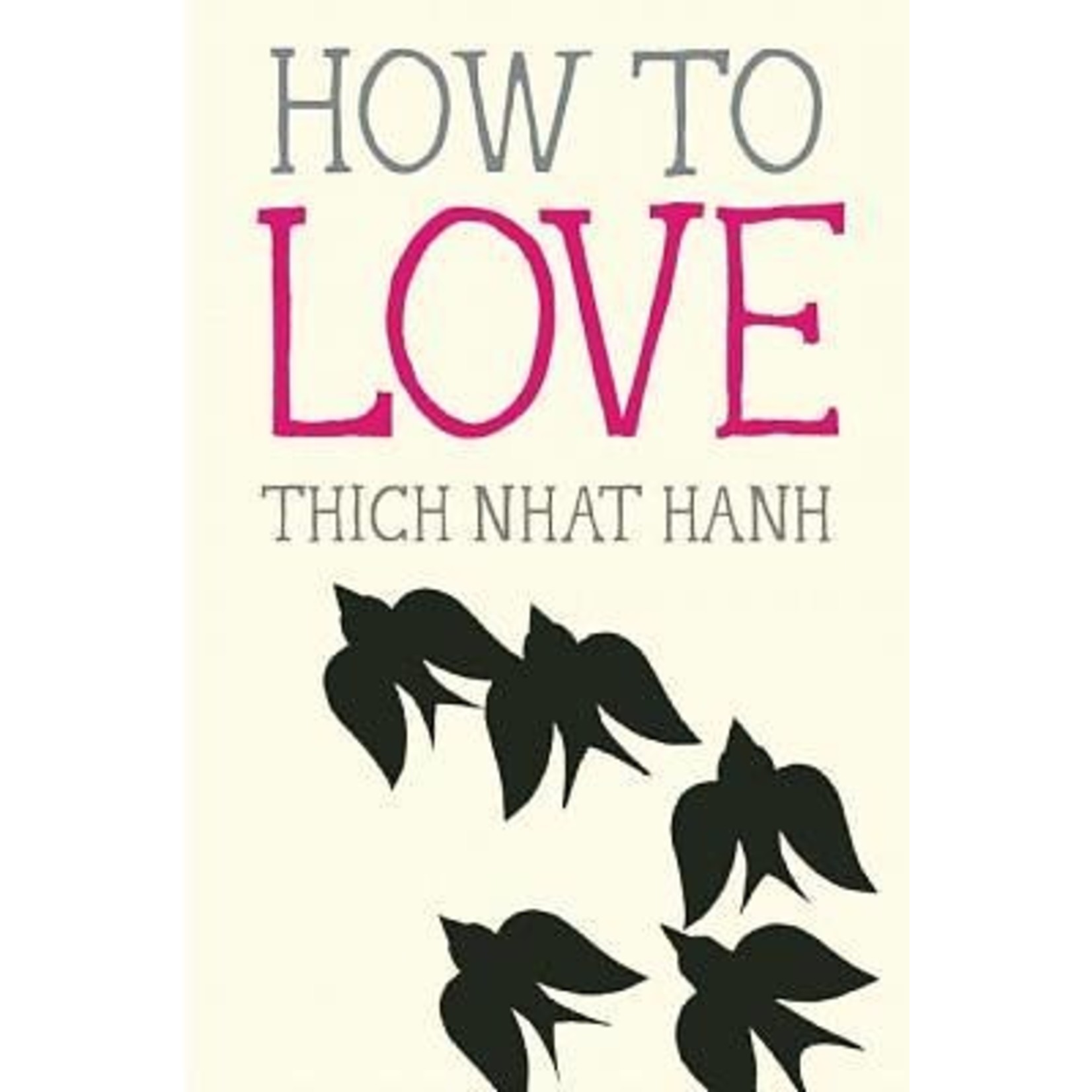


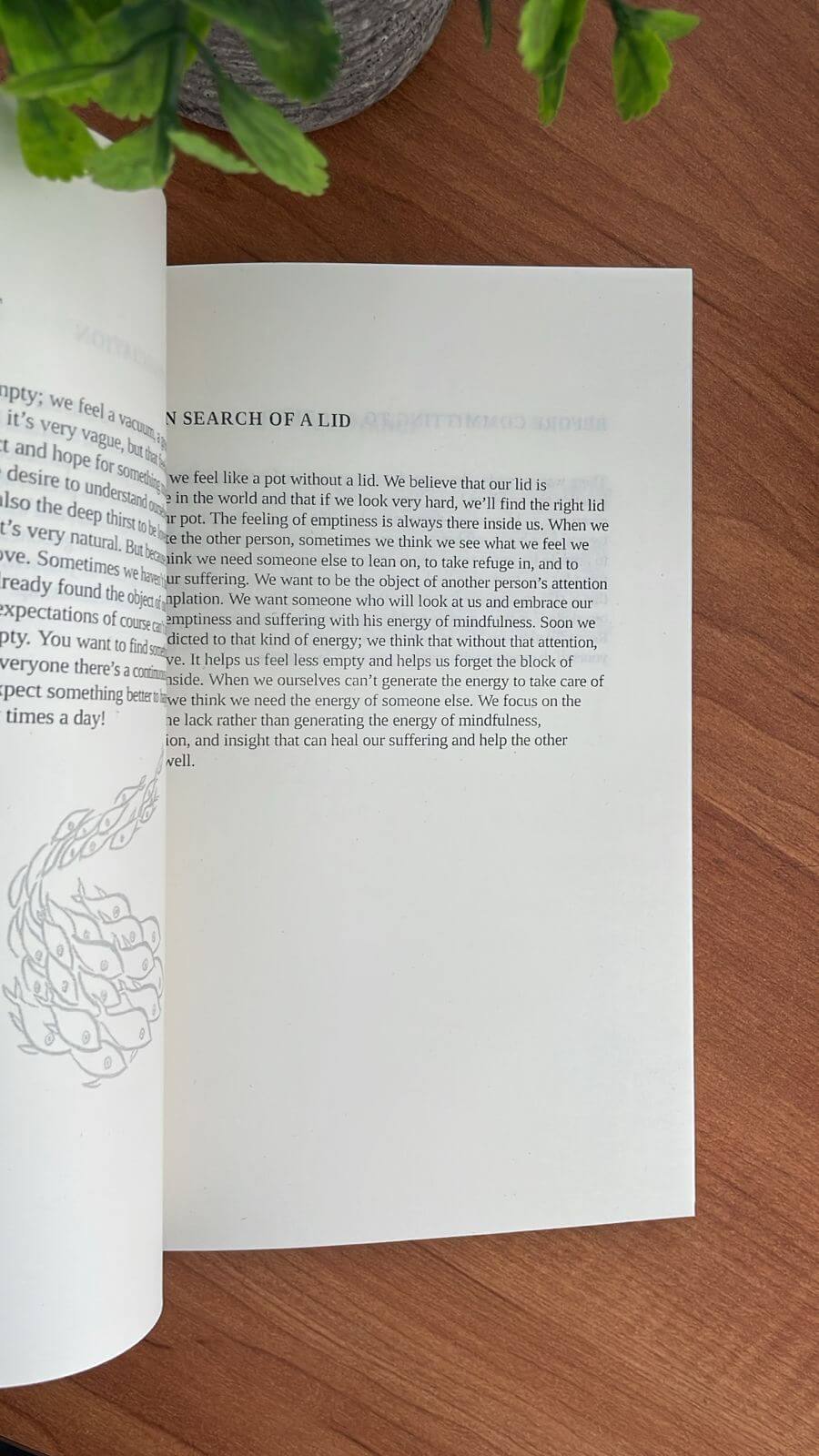
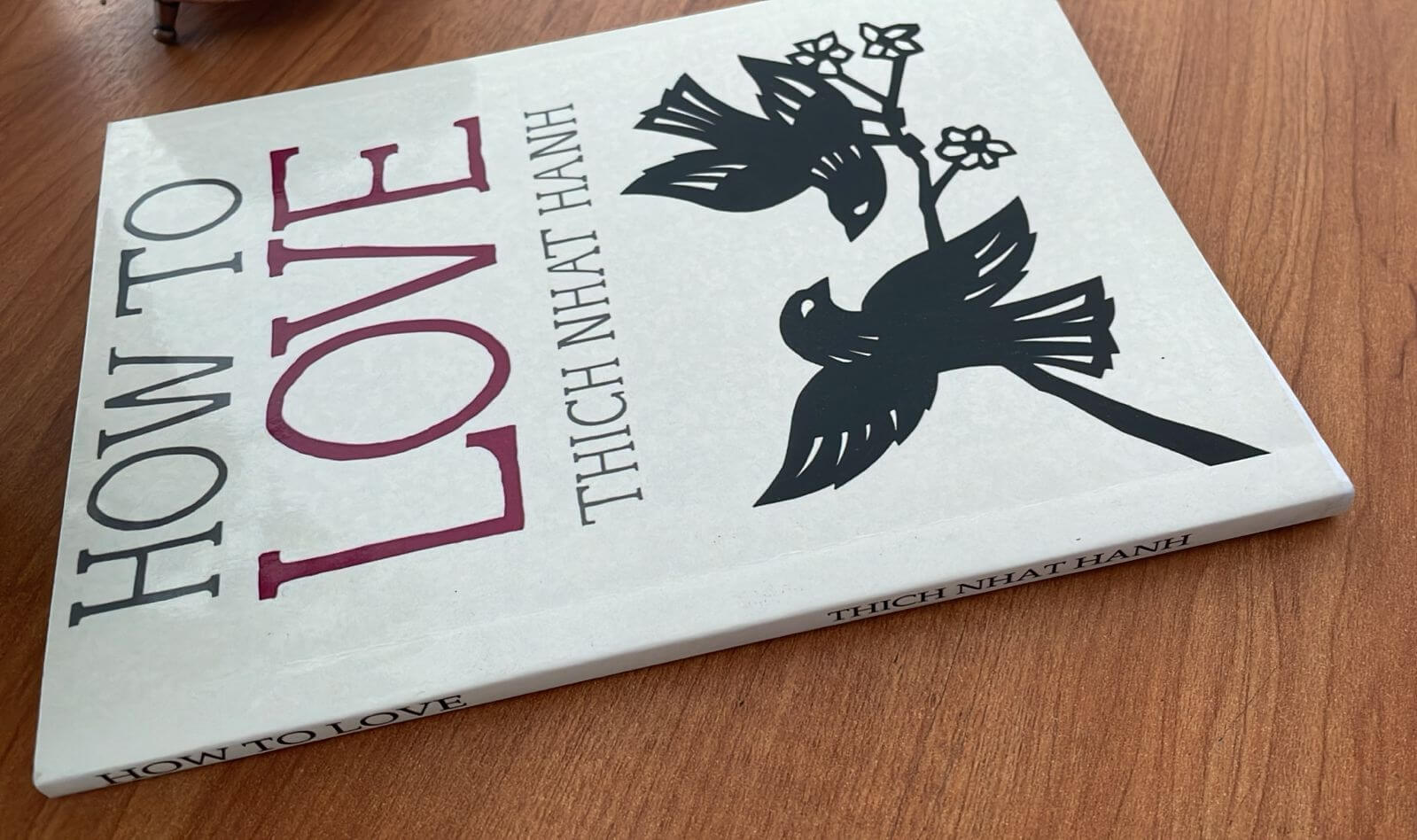




How To Love by Thich Nhat Hanh


රු1,300.00
3 X Rs. 433.33 or 8% Cashback with


or 3 X රු433.33 with


or up to 4 X රු325.00 with


How to Love is a simple yet deeply meaningful guide that explains how to build true love through mindfulness, presence, and understanding. Instead of viewing love as something complicated or painful, the book presents love as a skill that can be learned and nurtured with awareness.
The central idea is that love is not just a feeling—it is a practice. Through small daily actions, attention, and care, anyone can develop deeper and more fulfilling relationships.
4 in stock
How to Love by Thich Nhat Hanh is a gentle, practical, and deeply thoughtful guide to understanding love through mindfulness, compassion, communication, and self-awareness.
Written by renowned Zen teacher Thich Nhat Hanh, the book explores one of the most universal human experiences: our desire to love and be loved.
Rather than presenting love simply as a romantic emotion, Thich Nhat Hanh explains that genuine love requires understanding, presence, compassion, and the ability to listen deeply.
The book begins with an important idea.
To truly love another person, we must also learn how to understand and care for ourselves.
When people do not understand their own emotions, fears, suffering, and needs, relationships can easily become confused with attachment, expectation, or dependency.
How to Love by Thich Nhat Hanh offers short teachings and mindfulness practices designed to help readers create healthier and more meaningful relationships.
How to Love by Thich Nhat Hanh – Book Overview
How to Love by Thich Nhat Hanh is part of the Mindfulness Essentials series.
The book presents short reflections rather than long theoretical chapters.
This makes the teachings easy to read slowly and revisit.
Thich Nhat Hanh explains love through several important ideas.
Love begins with understanding.
Understanding creates compassion.
Compassion allows us to respond to another person’s suffering more gently.
Deep listening helps people feel heard.
Loving speech helps communication become less harmful.
Presence allows relationships to become deeper.
These ideas create the foundation of the book.
Love Begins With Understanding
One of the strongest messages in How to Love by Thich Nhat Hanh is that understanding is essential to genuine love.
People often believe that love simply means caring deeply about someone.
But caring without understanding can sometimes create problems.
We may think we know what another person needs.
We may try to help them in ways they do not want.
We may become frustrated when they do not respond the way we expected.
Thich Nhat Hanh teaches that genuine love requires curiosity.
What is this person feeling?
What are they afraid of?
What has caused their suffering?
What makes them happy?
Understanding allows love to become less selfish.
Instead of loving someone according to our own expectations, we begin seeing them more clearly.
Self-Love Comes First
Self-love is central to How to Love by Thich Nhat Hanh.
Many people try to create healthy relationships while being extremely critical of themselves.
They may constantly feel inadequate.
They may believe they are not worthy of love.
They may depend on another person’s attention to feel valuable.
Thich Nhat Hanh explains that healthy love begins with developing compassion toward ourselves.
This does not mean becoming selfish.
It means recognizing our own needs, emotions, strengths, weaknesses, and suffering.
When we understand ourselves better, we are less likely to expect another person to solve every emotional difficulty for us.
Self-love creates a more stable foundation for loving others.
Love Versus Need
One of the important distinctions in How to Love by Thich Nhat Hanh is the difference between love and need.
Sometimes people say they love someone when they actually mean they desperately need that person.
Need can create fear.
What happens if they leave?
What happens if they stop loving me?
What happens if they become interested in someone else?
These fears can create jealousy, control, and insecurity.
True love gives another person space to grow.
It does not require controlling them.
This does not mean people should never need support from each other.
Healthy relationships naturally involve dependence and cooperation.
But love becomes healthier when both people retain a sense of inner stability.
Deep Listening
Deep listening is one of the most practical lessons in How to Love by Thich Nhat Hanh.
Many relationship problems occur because people listen only long enough to prepare their next response.
They interrupt.
They defend themselves.
They explain why the other person is wrong.
Deep listening works differently.
The goal is not immediately to fix the problem.
The goal is to understand.
Sometimes another person simply needs space to express what they are experiencing.
When people feel genuinely heard, emotional tension can begin to decrease.
Deep listening requires patience because we may hear things we disagree with.
Thich Nhat Hanh encourages listeners to remain present rather than immediately reacting.
Loving Speech
Words can heal relationships or damage them.
How to Love by Thich Nhat Hanh emphasizes the importance of loving speech.
This does not mean avoiding difficult conversations.
People still need to discuss problems.
But the way those problems are communicated matters.
A person can say:
“You always make everything difficult.”
Or they can say:
“I feel hurt when this happens, and I want us to understand each other better.”
Both statements may come from the same frustration.
But one creates more defensiveness than the other.
Mindful speech encourages honesty without unnecessary cruelty.
Being Present
Presence is one of the simplest yet most powerful themes in How to Love by Thich Nhat Hanh.
A person may physically sit beside someone while mentally being somewhere else.
They may be thinking about work.
Checking their phone.
Planning tomorrow.
Remembering yesterday.
Real presence means giving another person genuine attention.
Sometimes the most meaningful way to show love is simply to be there.
No complicated advice.
No expensive gift.
No dramatic gesture.
Just attention.
This is especially important in modern life because distractions are everywhere.
Mindfulness helps people return to the present moment.
Compassion in Relationships
Compassion grows from understanding.
How to Love by Thich Nhat Hanh teaches that when we understand another person’s suffering, anger can sometimes soften.
Someone who behaves badly may be carrying fear.
Someone who becomes defensive may have experienced rejection.
Someone who struggles to communicate may never have learned healthy communication.
Understanding these things does not mean accepting harmful behaviour.
Boundaries remain important.
But compassion allows us to respond more thoughtfully rather than reacting purely from anger.
Understanding Suffering
Every person carries some form of suffering.
Past experiences.
Loss.
Fear.
Insecurity.
Family problems.
Disappointment.
Loneliness.
How to Love by Thich Nhat Hanh encourages readers to recognize suffering in themselves and others.
When people ignore suffering, it often appears indirectly.
It may become anger.
Jealousy.
Withdrawal.
Criticism.
Control.
By understanding the deeper emotion beneath the behaviour, relationships can become more compassionate.
Intimacy
Intimacy is more than physical closeness.
How to Love by Thich Nhat Hanh explores emotional and spiritual intimacy as well.
True intimacy means allowing another person to know who you really are.
This requires vulnerability.
People often protect themselves by hiding difficult emotions.
They may pretend everything is fine.
But intimacy grows when people can communicate honestly without constantly fearing judgment.
Trust is therefore essential.
The safer people feel with each other, the easier genuine intimacy becomes.
Love and Freedom
Healthy love gives people freedom.
How to Love by Thich Nhat Hanh suggests that love should not feel like imprisonment.
A relationship should allow both people to develop.
They should be able to grow.
Learn.
Change.
Explore meaningful interests.
Love does not mean ownership.
When people become excessively controlling, fear often sits beneath that behaviour.
They fear losing someone.
Mindfulness helps people notice these fears rather than automatically acting from them.
Family Relationships
Family is another important topic in How to Love by Thich Nhat Hanh.
Family relationships can contain deep love, but they can also contain pain.
Parents and children may misunderstand each other.
Old conflicts may continue for years.
Expectations may create frustration.
Thich Nhat Hanh encourages compassion across generations.
Parents often carry their own wounds.
Children also carry emotional needs that adults may not fully understand.
Healing begins when people become willing to listen.
Reconciling With Parents
The relationship between parents and children receives particular attention in How to Love by Thich Nhat Hanh.
Some people have loving relationships with their parents.
Others carry anger or unresolved pain.
Reconciliation does not always mean pretending that nothing harmful happened.
It may simply mean developing a deeper understanding of the past.
Parents were also shaped by their own childhoods, fears, cultural expectations, and experiences.
Understanding this history may help people carry less anger.
It does not erase responsibility.
But it can create space for healing.
Mindfulness and Love
Mindfulness is the foundation of How to Love by Thich Nhat Hanh.
Mindfulness means paying attention to what is happening in the present moment.
In relationships, this helps people notice emotions before reacting.
You may notice anger rising.
Instead of immediately shouting, you recognize the anger.
You breathe.
You ask why you are upset.
That small pause can completely change a conversation.
Mindfulness does not remove difficult emotions.
It changes our relationship with them.
Breathing and Meditation
How to Love by Thich Nhat Hanh includes mindfulness practices that readers can use alone or with a partner.
Breathing is one of the simplest practices.
People often breathe automatically without noticing it.
Mindful breathing brings attention back to the body.
A few calm breaths can create space between an emotion and a reaction.
Meditation can also help people become more aware of their thoughts.
Instead of automatically believing every thought, we learn to observe it.
This can be especially helpful with jealousy, anxiety, resentment, and fear.
Handling Conflict With Mindfulness
Conflict is unavoidable in close relationships.
How to Love by Thich Nhat Hanh does not suggest that loving people never disagree.
Instead, mindful love changes how disagreements are handled.
When conflict appears:
Pause.
Recognize your emotion.
Listen.
Speak carefully.
Avoid trying to hurt the other person simply because you feel hurt.
Return to the issue once both people are calmer if necessary.
This approach can prevent small disagreements from becoming larger emotional wounds.
Jealousy and Attachment
Jealousy often appears when people fear losing something they value.
How to Love by Thich Nhat Hanh encourages readers to observe this fear carefully.
Jealousy can quickly become controlling behaviour.
But controlling another person rarely creates real security.
The deeper solution involves understanding insecurity and strengthening trust.
Mindfulness helps people notice jealous thoughts without automatically acting on them.
This creates more freedom within relationships.
Loving Yourself During Difficult Times
Self-love becomes especially important during failure, rejection, loneliness, or heartbreak.
How to Love by Thich Nhat Hanh teaches that people deserve compassion even when they are struggling.
A relationship may end.
Someone may reject us.
A mistake may create regret.
During those moments, people often become extremely harsh toward themselves.
Mindful self-compassion offers another response.
Acknowledge the pain.
Recognize that suffering is part of being human.
Care for yourself instead of adding more punishment.
Healing becomes easier when we stop fighting ourselves.
Love Is Something We Practice
Perhaps the most important idea in How to Love by Thich Nhat Hanh is that love is not only a feeling.
It is a practice.
Feelings naturally change.
People sometimes feel close.
Other times they feel frustrated.
Long-term love depends partly on repeated actions.
Listening.
Speaking kindly.
Showing appreciation.
Being present.
Understanding suffering.
Respecting boundaries.
Practising patience.
These actions strengthen relationships even when emotions fluctuate.
7 Powerful Lessons From How to Love
How to Love by Thich Nhat Hanh contains many meaningful teachings, but seven lessons stand out:
- Love begins with self-understanding – Knowing yourself helps you love others more genuinely.
- Understanding creates compassion – When we understand suffering, we respond more gently.
- Listen deeply – People often need understanding more than immediate solutions.
- Use loving speech – Honest communication does not need to be cruel.
- Be present – Genuine attention is one of the greatest gifts we can give.
- Love without controlling – Healthy love includes freedom and trust.
- Practice love every day – Love grows through repeated actions rather than feelings alone.
Why Read How to Love by Thich Nhat Hanh?
How to Love by Thich Nhat Hanh is an excellent choice for readers interested in:
- Love
- Relationships
- Mindfulness
- Self-love
- Compassion
- Meditation
- Communication
- Emotional healing
- Deep listening
- Healthy relationships
- Family relationships
- Buddhist philosophy
- Personal growth
- Inner peace
- Emotional intelligence
The book is short and accessible, making it especially suitable for readers who want practical wisdom without reading a long or highly technical relationship book.
Who Should Read This Book?
How to Love by Thich Nhat Hanh may especially appeal to:
- Couples
- People entering new relationships
- Married couples
- Readers recovering from heartbreak
- People working on self-love
- Mindfulness beginners
- Meditation practitioners
- Readers interested in Buddhism
- People improving communication skills
- Readers struggling with jealousy
- Parents and family members
- Anyone wanting healthier relationships
- Fans of Thich Nhat Hanh
The teachings are presented in a way that can be useful regardless of whether the reader follows a particular spiritual tradition.
A Gentle Guide to Loving More Mindfully
How to Love by Thich Nhat Hanh teaches that meaningful love does not begin with finding the perfect person.
It begins with developing understanding.
Understanding ourselves.
Understanding another person.
Understanding suffering.
Understanding the difference between love and attachment.
From that understanding, compassion can grow.
Thich Nhat Hanh shows that love can be expressed through ordinary actions.
Listening without judging.
Speaking without intentionally hurting.
Paying attention.
Breathing before reacting.
Offering compassion.
Giving another person freedom.
And learning to treat ourselves with the same kindness we hope to receive from others.
For readers interested in relationships, mindfulness, self-love, communication, emotional healing, compassion, and creating deeper connections, How to Love by Thich Nhat Hanh offers a simple yet profound guide to practising love in everyday life.
Learn more about How to Love by Thich Nhat Hanh on the official Parallax Press website.
Explore more personal development and mindfulness books at Bargain Books.
Be the first to review “How To Love by Thich Nhat Hanh”
Related products
Non-Fiction & Knowledge
රු1,550.00
3 X Rs. 516.67 or 8% Cashback with
or 3 X රු516.67 with
or up to 4 X රු387.50 with

Out of stock
Non-Fiction & Knowledge
රු1,500.00
3 X Rs. 500.00 or 8% Cashback with
or 3 X රු500.00 with
or up to 4 X රු375.00 with

රු2,000.00
3 X Rs. 666.67 or 8% Cashback with
or 3 X රු666.67 with
or up to 4 X රු500.00 with
-33%

Self-Help & Psychology
Original price was: රු2,300.00.රු1,550.00Current price is: රු1,550.00.
3 X Rs. 516.67 or 8% Cashback with
or 3 X රු516.67 with
or up to 4 X රු387.50 with
-28%

Self-Help & Psychology
Original price was: රු1,800.00.රු1,300.00Current price is: රු1,300.00.
3 X Rs. 433.33 or 8% Cashback with
or 3 X රු433.33 with
or up to 4 X රු325.00 with
-34%

Non-Fiction & Knowledge
Original price was: රු2,250.00.රු1,490.00Current price is: රු1,490.00.
3 X Rs. 496.67 or 8% Cashback with
or 3 X රු496.67 with
or up to 4 X රු372.50 with
-34%

Self-Help & Psychology
Original price was: රු2,350.00.රු1,550.00Current price is: රු1,550.00.
3 X Rs. 516.67 or 8% Cashback with
or 3 X රු516.67 with
or up to 4 X රු387.50 with
-24%

Non-Fiction & Knowledge
Original price was: රු2,300.00.රු1,750.00Current price is: රු1,750.00.
3 X Rs. 583.33 or 8% Cashback with
or 3 X රු583.33 with
or up to 4 X රු437.50 with
Reviews
There are no reviews yet.