
No products in the cart.
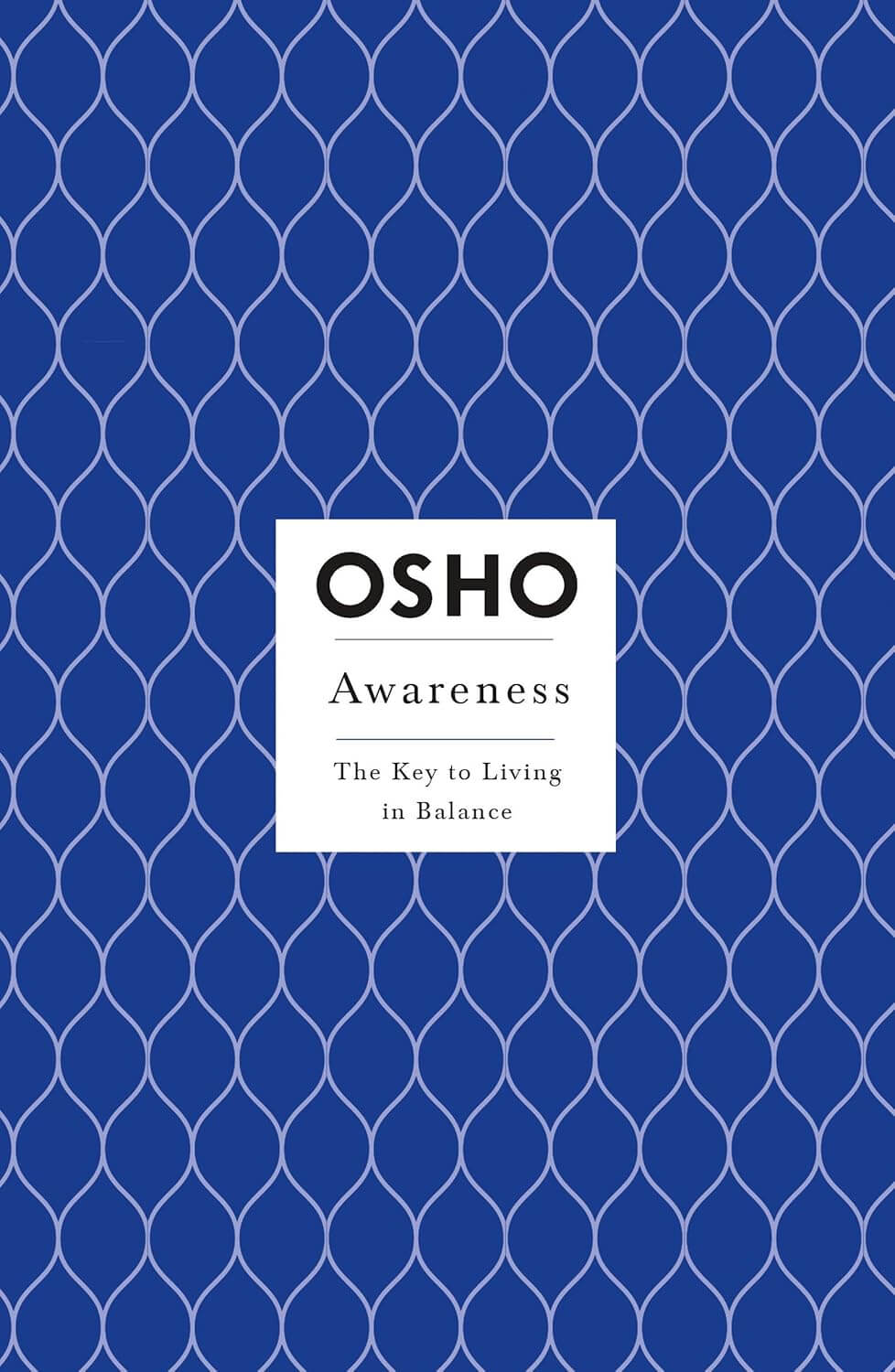

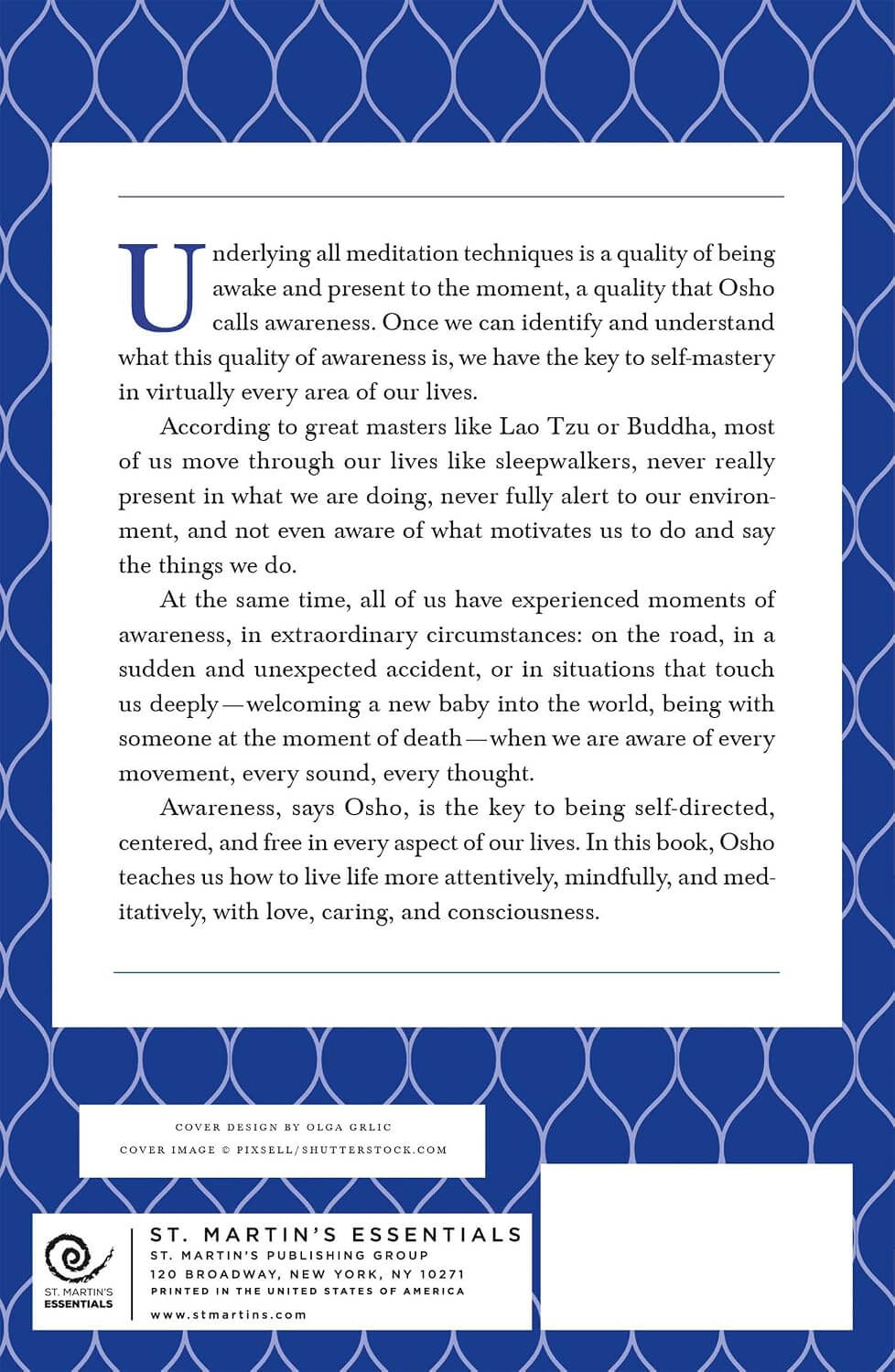
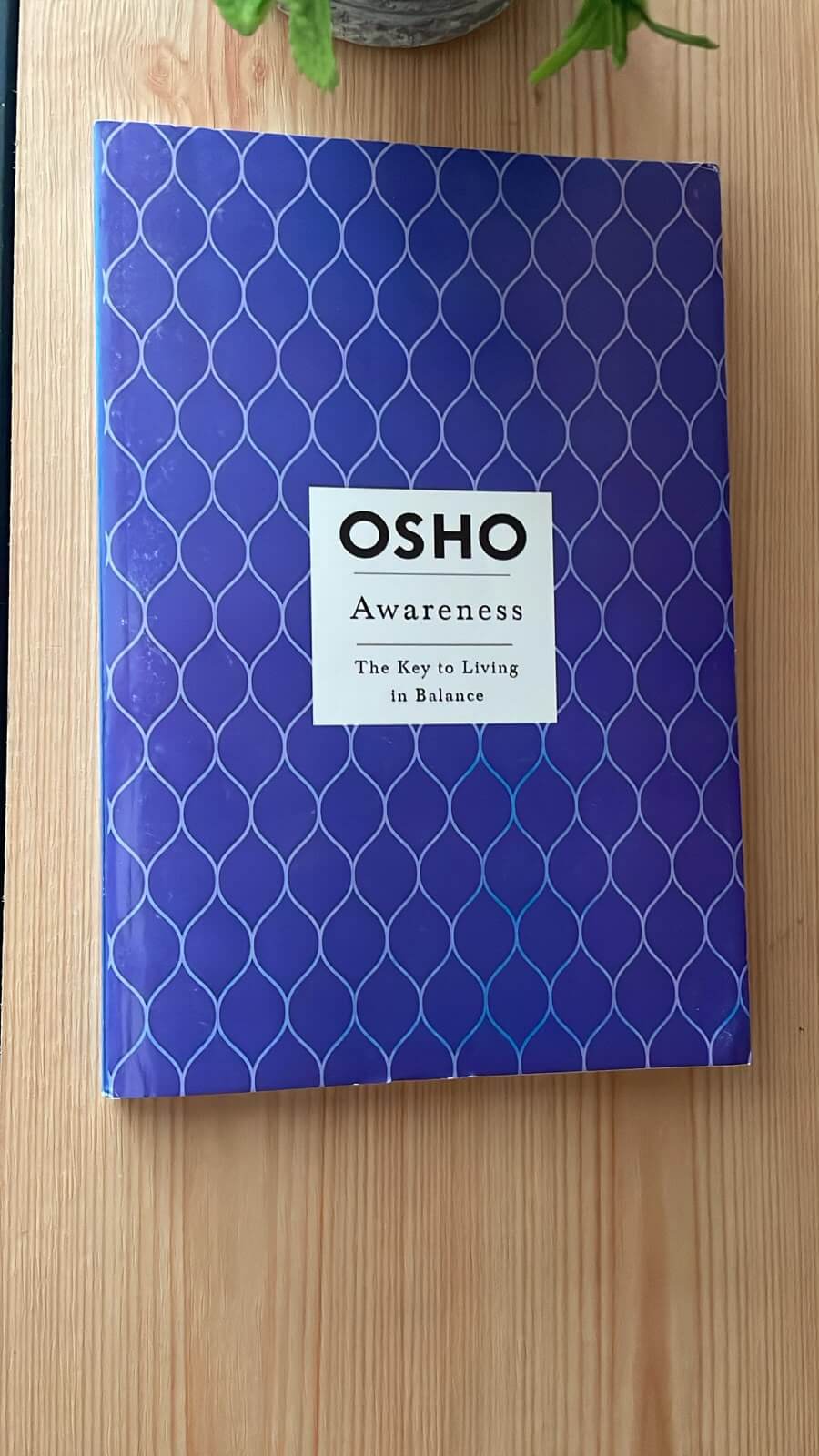
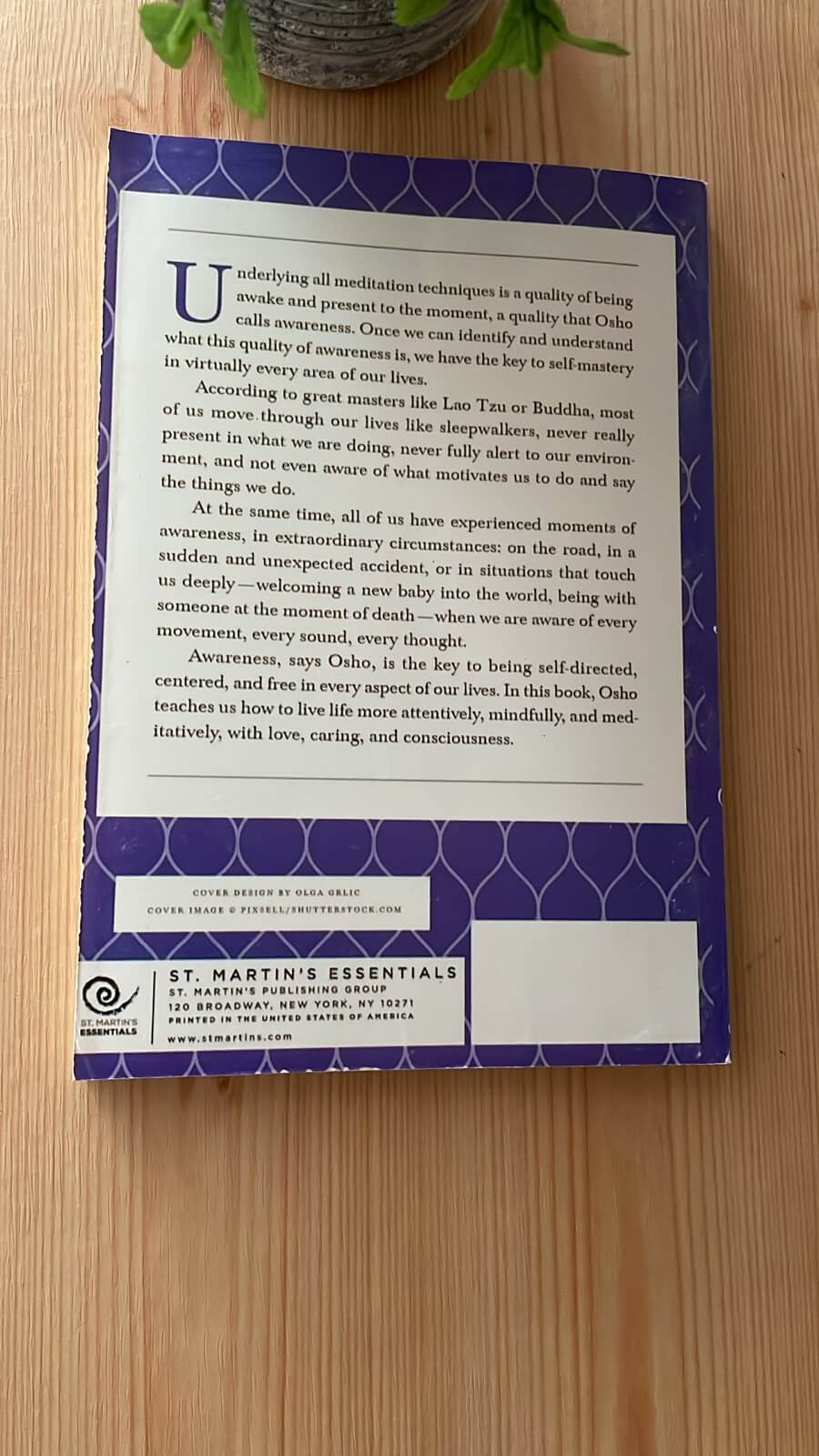
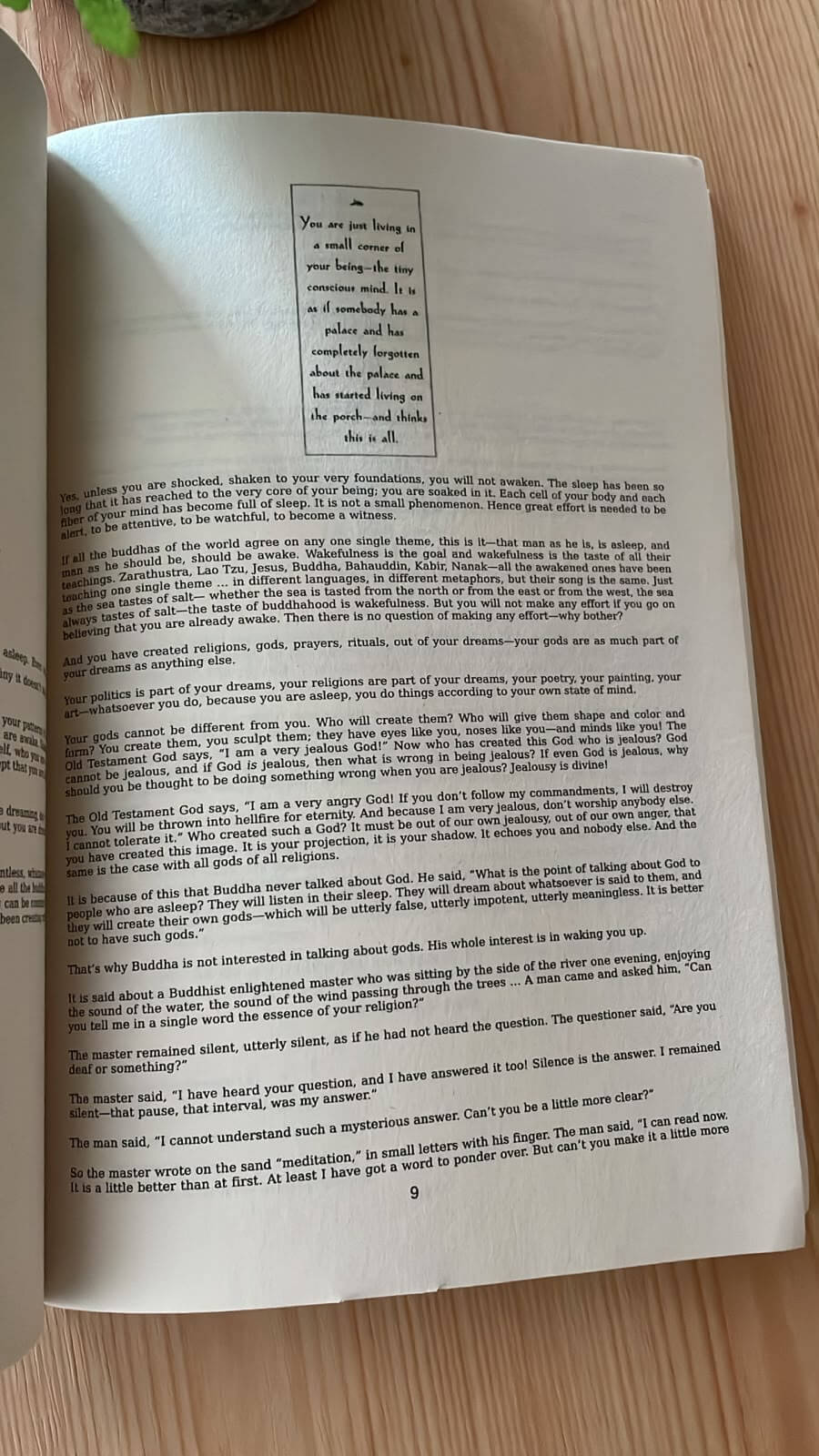
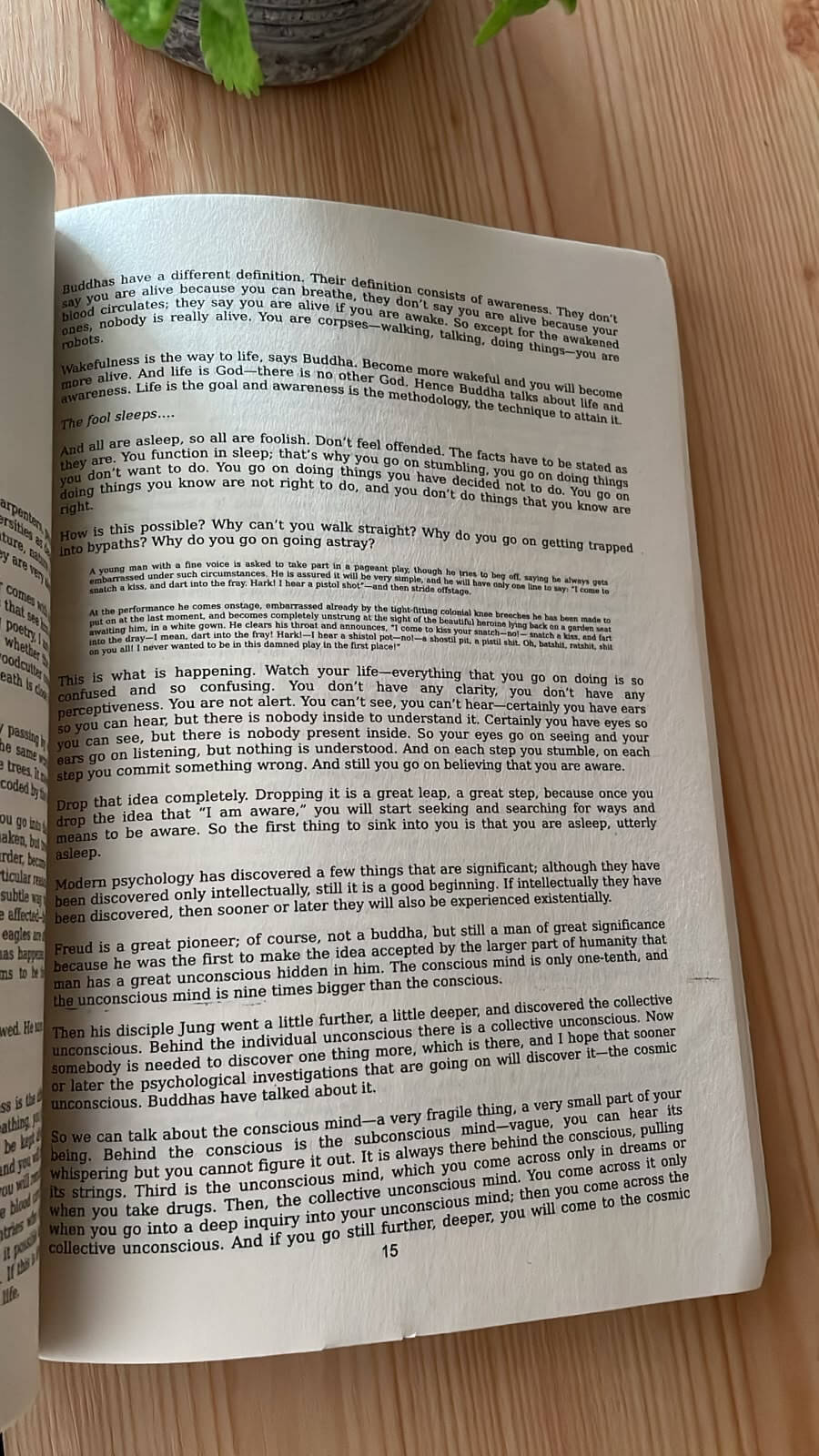






Awareness: The Key to Living in Balance (Insights for a New Way of Living) by Osho


රු900.00
3 X Rs. 300.00 or 8% Cashback with


or 3 X රු300.00 with


or up to 4 X රු225.00 with


Book Details / WooCommerce
| Field | Enter This |
|---|---|
| Title | Awareness: The Key to Living in Balance |
| Author | Osho |
| ISBN-13 | 9780312275631 |
| ISBN-10 | 0312275633 |
| Series | Osho Insights for a New Way of Living |
| Series Position | 4 |
| Format | Trade Paperback |
| Publisher | St. Martin’s Publishing Group |
| Imprint | St. Martin’s Griffin / currently listed under St. Martin’s Essentials |
| Publication Date | 10 December 2001 |
| Pages | 208 recommended |
| Language | English |
| Audience | Adult / General |
| Genre | Self-Help / Spirituality / Meditation |
| Weight | Approx. 0.204 kg |
| Length | Approx. 21.0 cm |
| Width | Approx. 13.7 cm |
| Height / Thickness | Approx. 1.4 cm |
| Dimensions | Approx. 21.0 × 13.7 × 1.4 cm |
1 in stock
Learn to Live with Greater Awareness
Awareness: The Key to Living in Balance by Osho is a reflective book on mindfulness, consciousness, meditation and the experience of living more fully in the present moment.
Part of the popular Osho Insights for a New Way of Living series, the book explores what Osho calls “awareness”—the ability to observe thoughts, emotions, actions and surroundings with greater attention instead of moving through life automatically.
Macmillan describes the book as an introduction to living more attentively, mindfully and meditatively, with greater love, care and consciousness.
Rather than presenting a rigid programme or a set of productivity techniques, Osho uses stories, observations, philosophical reflections and discussions of meditation to encourage readers to examine the way they live.
What Does Osho Mean by Awareness?
Osho uses the word awareness to describe a state of being awake to what is happening in the present moment.
According to his philosophical perspective, people often move through life almost automatically.
They may eat without really noticing the experience, speak without observing why they are saying something, react emotionally before recognising what they are feeling, or follow routines without questioning whether those routines still make sense.
In Awareness, Osho encourages readers to observe those patterns.
The goal is not simply to think more.
Instead, he distinguishes between constantly analysing an experience and quietly noticing it.
From his perspective, awareness means becoming more conscious of:
- Thoughts
- Emotions
- Reactions
- Habits
- Motivations
- Physical sensations
- Relationships
- Surroundings
- Daily actions
This emphasis on observation forms the foundation of the book.
Living in the Present Moment
One of the central themes is presence.
Macmillan explains that Osho sees awareness as the quality underlying meditation and moments in which a person becomes fully attentive to what is happening.
Many people spend significant amounts of time thinking about the past or imagining the future.
Osho asks readers to notice how often this happens and how easily the present moment can disappear beneath memory, expectation, worry or planning.
His response is not to suggest that people should never remember the past or plan for the future.
Instead, the book invites readers to recognise when thought has become so automatic that they are no longer fully experiencing what is happening now.
Awareness and Meditation
Meditation is an important part of Osho’s approach.
However, the book presents meditation as more than sitting quietly with closed eyes.
Osho argues that awareness can become part of ordinary activities.
Walking, listening, eating, speaking and working can all become opportunities for observation.
The official Osho book page describes Awareness as teaching readers to live more attentively, mindfully and meditatively.
This makes the book particularly relevant to readers who are interested in meditation but want to understand the broader philosophy behind mindful attention.
Understanding Automatic Behaviour
Another major idea is that people often respond to situations through habits they have accumulated over time.
These habits may come from:
- Childhood
- Culture
- Social expectations
- Previous experiences
- Fear
- Habitual thinking
- Emotional conditioning
Osho encourages readers to notice these patterns before automatically acting on them.
The wider Insights for a New Way of Living series similarly focuses on examining conditioned beliefs and behaviours that may limit personal freedom.
The book therefore asks an important question:
Are you choosing your response, or simply repeating a familiar reaction?
The Roots of Suffering
The official Osho contents for the book include chapters such as:
- Of Men and Rats
- The Roots of Suffering
- Private Worlds
- Awareness and Centering
- The Analyst and the Witness
- Tension and Relaxation
- Mind and Meditation
- The Rut and the Wheel
- Start from the Center
The book is divided into larger sections including The Understanding, Many Illnesses, One Prescription, Awareness in Action, and Experiments in Watching.
These sections show that the book moves from explaining awareness toward applying the idea in everyday life.
The Analyst and the Witness
One distinction explored in the book is the difference between analysing experience and witnessing it.
Analysis attempts to explain:
“Why did I feel that?”
“Why did this happen?”
“What does this mean?”
Witnessing, in Osho’s framework, is simpler.
It means noticing:
“I am angry.”
“I am anxious.”
“I am thinking about the past.”
“I am reacting strongly.”
The purpose is not to deny emotions or suppress them.
Instead, Osho suggests that observation can create a small amount of distance between an experience and an automatic reaction to it.
This idea belongs to Osho’s spiritual philosophy and should not be presented as established clinical psychology.
Tension and Relaxation
The book also explores the relationship between tension, relaxation and awareness.
Osho argues that trying too aggressively to relax can itself become another form of tension.
Rather than forcing the mind into a particular state, he encourages observation.
A person can notice tension without immediately judging it.
This reflects a recurring principle throughout the book:
awareness comes before change.
Before attempting to alter an emotion, habit or behaviour, Osho suggests first becoming conscious of it.
Awareness in Everyday Life
One of the practical strengths of the book is its focus on ordinary situations.
Awareness does not require withdrawing from everyday life.
Readers are encouraged to observe themselves while:
- Walking
- Eating
- Working
- Speaking
- Listening
- Feeling angry
- Experiencing happiness
- Making decisions
- Interacting with other people
The idea is to bring greater attention into activities that are usually performed automatically.
Awareness, Balance and Freedom
The subtitle The Key to Living in Balance reflects the book’s larger message.
For Osho, balance does not necessarily mean eliminating every difficult emotion or creating a perfectly peaceful life.
Instead, he presents balance as the ability to remain conscious while experiences change.
Happiness comes and goes.
Sadness comes and goes.
Thoughts appear and disappear.
Circumstances change.
The observer—the person becoming aware of these experiences—can learn to notice them without becoming completely controlled by each temporary state.
This is the philosophical meaning behind the book’s connection between awareness and freedom.
Is Awareness an Evidence-Based Psychology Book?
No.
Although Awareness discusses thoughts, emotions, habits, consciousness and personal behaviour, it should primarily be understood as a work of:
- Spiritual philosophy
- Meditation
- Personal development
- Mindfulness-style reflection
- Self-help
Osho’s teachings represent his own spiritual and philosophical perspective.
They should not be treated as established medical or psychological treatment, and the book should not be presented as a substitute for professional mental-health care.
For WooCommerce, the safest category is therefore Self-Help / Personal Development or Spirituality / Meditation, rather than Psychology.
Osho Insights for a New Way of Living
Pan Macmillan currently lists Awareness as Book #4 in the series.
The sequence includes:
- Courage
- Creativity
- Maturity
- Awareness
- Intimacy
- Intuition
- Freedom
- Intelligence
- Compassion
- Joy
- Trust
- Happiness
- Forgiveness
Each book explores a particular theme, so readers do not need to follow the numerical order.
Who Will Enjoy Awareness?
This book may particularly appeal to readers interested in:
- Mindfulness
- Meditation
- Spirituality
- Self-awareness
- Personal growth
- Conscious living
- Inner balance
- Philosophy
- Present-moment awareness
- Emotional reflection
- Osho’s teachings
- Personal development
Readers who enjoyed books such as Osho’s Joy, Courage, Freedom or Intimacy may find Awareness especially relevant because the concept of conscious observation appears throughout many of his teachings.
About Osho
Osho was an Indian spiritual teacher whose talks and teachings were later collected into a large number of books.
His published work frequently addresses:
- Meditation
- Awareness
- Freedom
- Love
- Creativity
- Relationships
- Consciousness
- Personal transformation
Macmillan describes him as one of the provocative and influential spiritual teachers of the twentieth century whose teachings continue to reach readers around the world.
For Sri Lankan readers interested in mindfulness-style reflection, meditation and spiritual personal development, Awareness: The Key to Living in Balance provides an accessible introduction to Osho’s ideas about observing the mind and living more attentively.
Be the first to review “Awareness: The Key to Living in Balance (Insights for a New Way of Living) by Osho”
Related products
-24%
Out of stock
Non-Fiction & Knowledge
Original price was: රු2,100.00.රු1,600.00Current price is: රු1,600.00.
3 X Rs. 533.33 or 8% Cashback with
or 3 X රු533.33 with
or up to 4 X රු400.00 with
Out of stock
Self-Help & Psychology
රු1,900.00
3 X Rs. 633.33 or 8% Cashback with
or 3 X රු633.33 with
or up to 4 X රු475.00 with
-14%
Out of stock
Self-Help & Psychology
Original price was: රු2,900.00.රු2,500.00Current price is: රු2,500.00.
3 X Rs. 833.33 or 8% Cashback with
or 3 X රු833.33 with
or up to 4 X රු625.00 with
-29%

Self-Help & Psychology
Original price was: රු1,750.00.රු1,250.00Current price is: රු1,250.00.
3 X Rs. 416.67 or 8% Cashback with
or 3 X රු416.67 with
or up to 4 X රු312.50 with

Non-Fiction & Knowledge
රු1,550.00
3 X Rs. 516.67 or 8% Cashback with
or 3 X රු516.67 with
or up to 4 X රු387.50 with

Out of stock
Self-Help & Psychology
රු2,200.00
3 X Rs. 733.33 or 8% Cashback with
or 3 X රු733.33 with
or up to 4 X රු550.00 with
-26%
Non-Fiction & Knowledge
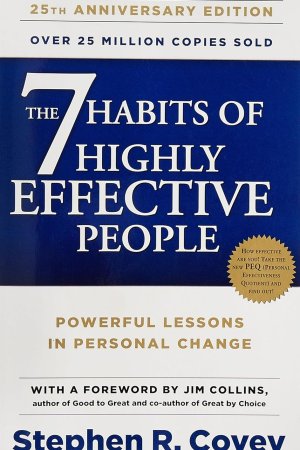
The 7 Habits of Highly Effective People by Stephen R. Covey – Blue Cover
Original price was: රු2,300.00.රු1,700.00Current price is: රු1,700.00.
3 X Rs. 566.67 or 8% Cashback with
or 3 X රු566.67 with
or up to 4 X රු425.00 with
-39%

Out of stock
Self-Help & Psychology
Original price was: රු2,450.00.රු1,500.00Current price is: රු1,500.00.
3 X Rs. 500.00 or 8% Cashback with
or 3 X රු500.00 with
or up to 4 X රු375.00 with
Reviews
There are no reviews yet.