No products in the cart.
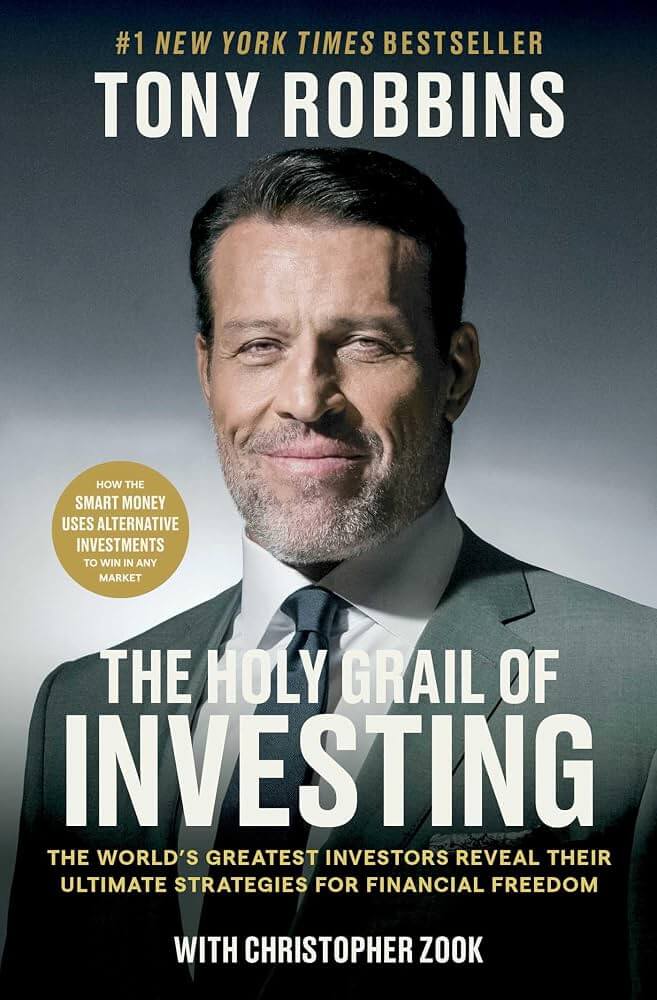
The Holy Grail of Investing: The World’s Greatest Investors Reveal Their Ultimate Strategies for Financial Freedom by Tony Robbins & Christopher Zook
රු1,950.00
3 X Rs. 650.00 or 8% Cashback with


or 3 X රු650.00 with


or up to 4 X රු487.50 with


Discover how major professional investors approach private markets with The Holy Grail of Investing by Tony Robbins and Christopher Zook.
The book explores:
- Private Equity
- Private Credit
- Private Real Estate
- Venture Capital
- Energy
- Professional Sports Investments
- Alternative Asset Managers
- Portfolio Diversification
- Changing Interest Rates
- Interviews with leading investors
Featuring perspectives from prominent investment professionals, the book examines alternative asset classes that have historically been dominated by large institutions and wealthy investors.
Paperback | 368 pages | Simon & Schuster UK | ISBN 9781398533165
Financial note: This book is educational material and does not guarantee investment returns or financial outcomes.
8 in stock
The Holy Grail of Investing by Tony Robbins & Christopher Zook
The Holy Grail of Investing: The World’s Greatest Investors Reveal Their Ultimate Strategies for Financial Freedom brings together Tony Robbins and investor Christopher Zook for a detailed exploration of alternative investments and the strategies used by major institutional and private investors.
Published by Simon & Schuster, the book focuses on investment areas that have historically been more accessible to institutions, pension funds, sovereign wealth funds and high-net-worth investors than to everyday retail investors.
These include:
- Private equity
- Private credit
- Private real estate
- Venture capital
- Energy investments
- Professional sports ownership
- Alternative asset managers
The publisher describes the book as the latest addition to Robbins’ financial writing and as a continuation of the ideas explored in his earlier bestselling investment books.
Understanding Alternative Investments
Traditional investment portfolios are often associated with publicly traded:
- Stocks
- Bonds
- Cash
- Mutual funds
- Exchange-traded funds
The Holy Grail of Investing turns its attention toward assets outside those traditional categories.
Robbins and Zook examine how large investors have historically allocated money to private markets in search of:
- Diversification
- Income
- Long-term growth
- Inflation protection
- Opportunities not available in public markets
The book also discusses how access to some of these investments has gradually begun changing.
Private Equity
Private equity is one of the major areas explored.
Unlike buying shares of a publicly listed company through a stock exchange, private-equity investments typically involve businesses that are privately held.
The book discusses why institutional investors have allocated significant capital to this market and examines the firms that manage private-equity assets.
Rather than presenting private equity as automatically superior to public markets, readers should understand that these investments can involve:
- Illiquidity
- Higher fees
- Longer holding periods
- Complex valuation
- Manager-selection risk
- Limited access
The authors present interviews and examples intended to help readers understand how experienced investors think about these trade-offs.
Private Credit
Another major topic is private credit.
Private credit generally refers to lending that takes place outside traditional public bond markets and conventional bank lending structures.
The publisher specifically highlights private credit as an alternative or complement to bonds.
The book examines why this market has attracted growing institutional interest and how changes in interest rates and banking have influenced opportunities.
Readers should remember that private credit can also carry risks involving:
- Borrower default
- Illiquidity
- Credit quality
- Leverage
- Economic downturns
The book is therefore most useful as an introduction to how professional investors evaluate this asset class rather than as a guarantee of high returns.
Private Real Estate
Real estate receives significant attention as well.
The authors discuss how professional investors may use private real estate for:
- Income
- Diversification
- Long-term appreciation
- Potential inflation protection
The publisher specifically describes private real estate as an asset class the book examines in relation to inflation.
Commercial property, private property funds and institutional real-estate strategies can behave differently from simply purchasing a residential property.
The book helps introduce readers to that distinction.
Venture Capital
Venture capital involves investing in privately held businesses, often during earlier stages of development.
The potential upside can be substantial when a company succeeds.
However, the risk can also be very high.
Many early-stage businesses fail.
The book discusses venture capital within the wider context of private-market investing and draws on perspectives from experienced investors.
Investing in Professional Sports
One of the more unusual topics in The Holy Grail of Investing is the rise of professional sports teams as an investment asset class.
The publisher specifically highlights this topic among the areas covered.
Professional sports franchises can possess:
- Scarcity value
- Media rights
- Sponsorship revenue
- Ticket revenue
- Brand value
- Valuable intellectual property
But access to these investments remains very different from buying publicly traded stocks.
The discussion gives readers a look at an alternative asset category that receives less attention in mainstream personal-finance books.
Energy and the Transition to Renewables
Energy is another area covered.
The book considers investment opportunities that may arise as economies transition between traditional and renewable energy sources.
This can include themes related to:
- Infrastructure
- Renewable energy
- Energy production
- Technological change
- Capital investment
- Changing regulation and demand
The publisher describes the energy transition as an area likely to create both winners and losers.
Interviews with Major Investors
One of the main selling points of the book is its use of interviews and insights from well-known investment professionals.
The publisher highlights figures including:
- Howard Marks – Oaktree Capital
- Vinod Khosla – Khosla Ventures
- Barry Sternlicht – Starwood Capital
- Robert F. Smith – Vista Equity Partners
- Peter Thiel – Founders Fund
along with other investment-industry figures.
The authors use these conversations to explore how experienced investors think about:
- Risk
- Opportunity
- Asset allocation
- Market cycles
- Private markets
- Investment selection
A Changing Interest-Rate Environment
The book was written after the period of extremely low interest rates that followed the global financial crisis.
Robbins and Zook examine what they describe as the transition away from the “free money” era of near-zero rates.
This matters because interest rates can affect:
- Bond yields
- Borrowing costs
- Company valuations
- Real estate
- Private credit
- Leveraged investments
The book therefore places alternative investing within a broader discussion about changing capital-market conditions.
Access to Private Markets
A central argument of The Holy Grail of Investing is that private-market investments are becoming more visible and, in some cases, more accessible.
Historically, access was often limited to:
- Institutions
- Pension funds
- Endowments
- Sovereign wealth funds
- Accredited investors
- Very wealthy individuals
The book discusses ways in which this landscape is evolving.
However, accessibility differs significantly by country, regulation and individual investor status.
Some investment structures discussed in the book may not be available to every reader.
Part of Tony Robbins’ Financial Books
Simon & Schuster places The Holy Grail of Investing within the Tony Robbins Financial Freedom Series.
It follows Robbins’ earlier major financial books, including:
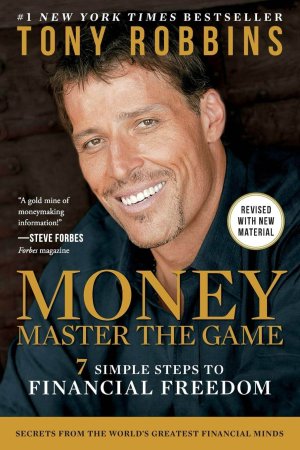
- Money: Master the Game
- Unshakeable
- The Holy Grail of Investing
The publisher describes the new title as rounding out a trilogy of bestselling financial books.
For WooCommerce:
Series: Tony Robbins Financial Freedom Series
Book Number: Not formally numbered
About Tony Robbins
Tony Robbins is an author, entrepreneur and speaker known for books and programmes dealing with personal development, business and finance.
His financial titles include:
- Money: Master the Game
- Unshakeable
- The Holy Grail of Investing
In this book, Robbins uses his interview-driven approach to present perspectives from investors and financial-industry professionals.
About Christopher Zook
Christopher Zook is an investment professional with more than three decades of experience across traditional and alternative investments.
Simon & Schuster notes that he has appeared in financial media including CNBC, Bloomberg and Fox Business and has served on the State of Texas Pension Review Board, including as chair of its Investments Committee.
His investment background provides the technical complement to Robbins’ interview and explanatory style.
Who Will Enjoy The Holy Grail of Investing?
This book may particularly appeal to readers interested in:
- Investing
- Personal finance
- Private equity
- Private credit
- Real estate investing
- Venture capital
- Alternative investments
- Wealth building
- Portfolio diversification
- Tony Robbins
- Financial markets
- Institutional investing
It may be especially useful for readers who already understand basic stock and bond investing and want an introduction to private-market strategies.
Important Financial Information Note
The Holy Grail of Investing is an educational investment book.
The investment opportunities discussed can involve significant risks, including:
- Loss of capital
- Illiquidity
- High fees
- Leverage
- Credit risk
- Manager risk
- Valuation uncertainty
- Limited investor access
Past investment returns do not guarantee future performance.
For bookstore marketing, avoid wording such as:
- “Guaranteed returns”
- “Guaranteed financial freedom”
- “Risk-free investing”
- “Guaranteed wealth”
- “Guaranteed passive income”
A more accurate description is:
“An investment book exploring Tony Robbins and Christopher Zook’s perspectives on alternative assets and strategies used by prominent professional investors.”
Buy The Holy Grail of Investing in Sri Lanka
For readers looking to buy The Holy Grail of Investing by Tony Robbins and Christopher Zook in Sri Lanka, ISBN 9781398533165 identifies the Simon & Schuster UK Export/Airside paperback edition.
The official publisher lists 368 pages, while current exact-ISBN physical records place the book at approximately 400–410 g and around 23.4 × 15.4–15.5 × 2.5–2.9 cm.
Be the first to review “The Holy Grail of Investing: The World’s Greatest Investors Reveal Their Ultimate Strategies for Financial Freedom by Tony Robbins & Christopher Zook”
Related products
-33%
Original price was: රු2,900.00.රු1,950.00Current price is: රු1,950.00.
3 X Rs. 650.00 or 8% Cashback with
or 3 X රු650.00 with
or up to 4 X රු487.50 with
Out of stock
Analysis & Strategy
රු1,750.00
3 X Rs. 583.33 or 8% Cashback with
or 3 X රු583.33 with
or up to 4 X රු437.50 with
-33%
Analysis & Strategy
Original price was: රු2,600.00.රු1,750.00Current price is: රු1,750.00.
3 X Rs. 583.33 or 8% Cashback with
or 3 X රු583.33 with
or up to 4 X රු437.50 with
-16%
Out of stock
Business, Finance & Economics
Original price was: රු3,100.00.රු2,600.00Current price is: රු2,600.00.
3 X Rs. 866.67 or 8% Cashback with
or 3 X රු866.67 with
or up to 4 X රු650.00 with
රු1,500.00
3 X Rs. 500.00 or 8% Cashback with
or 3 X රු500.00 with
or up to 4 X රු375.00 with
Out of stock
Business, Finance & Economics
රු2,750.00
3 X Rs. 916.67 or 8% Cashback with
or 3 X රු916.67 with
or up to 4 X රු687.50 with
-15%
Out of stock
Analysis & Strategy
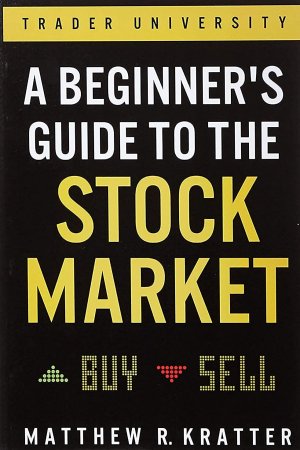
Beginner’s Guide To The Stock Market by Matthew R Kratter (Hardcover)
Original price was: රු3,300.00.රු2,800.00Current price is: රු2,800.00.
3 X Rs. 933.33 or 8% Cashback with
or 3 X රු933.33 with
or up to 4 X රු700.00 with
-32%
Business, Finance & Economics
Original price was: රු2,800.00.රු1,900.00Current price is: රු1,900.00.
3 X Rs. 633.33 or 8% Cashback with
or 3 X රු633.33 with
or up to 4 X රු475.00 with
Reviews
There are no reviews yet.