No products in the cart.
-13%
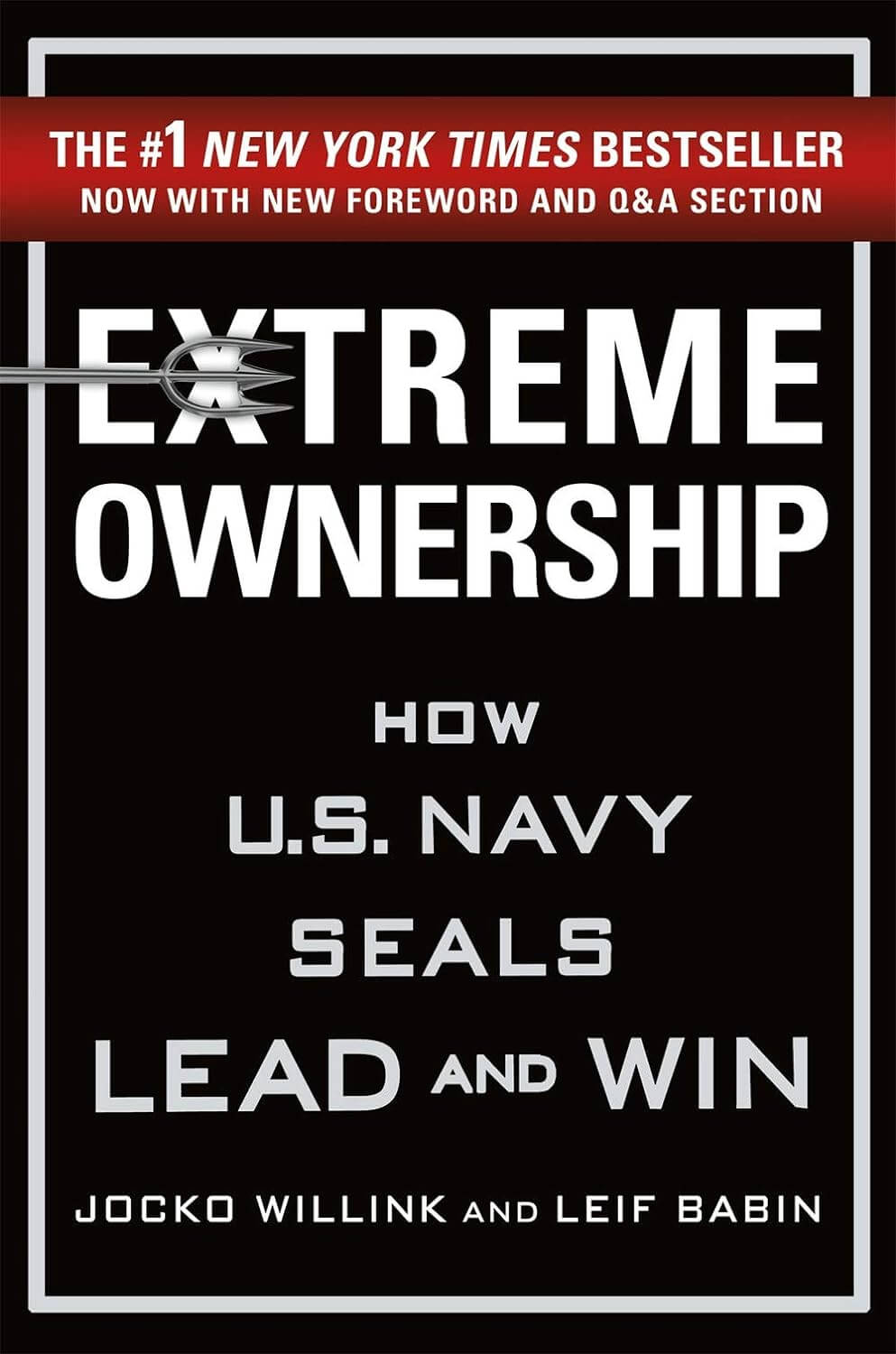
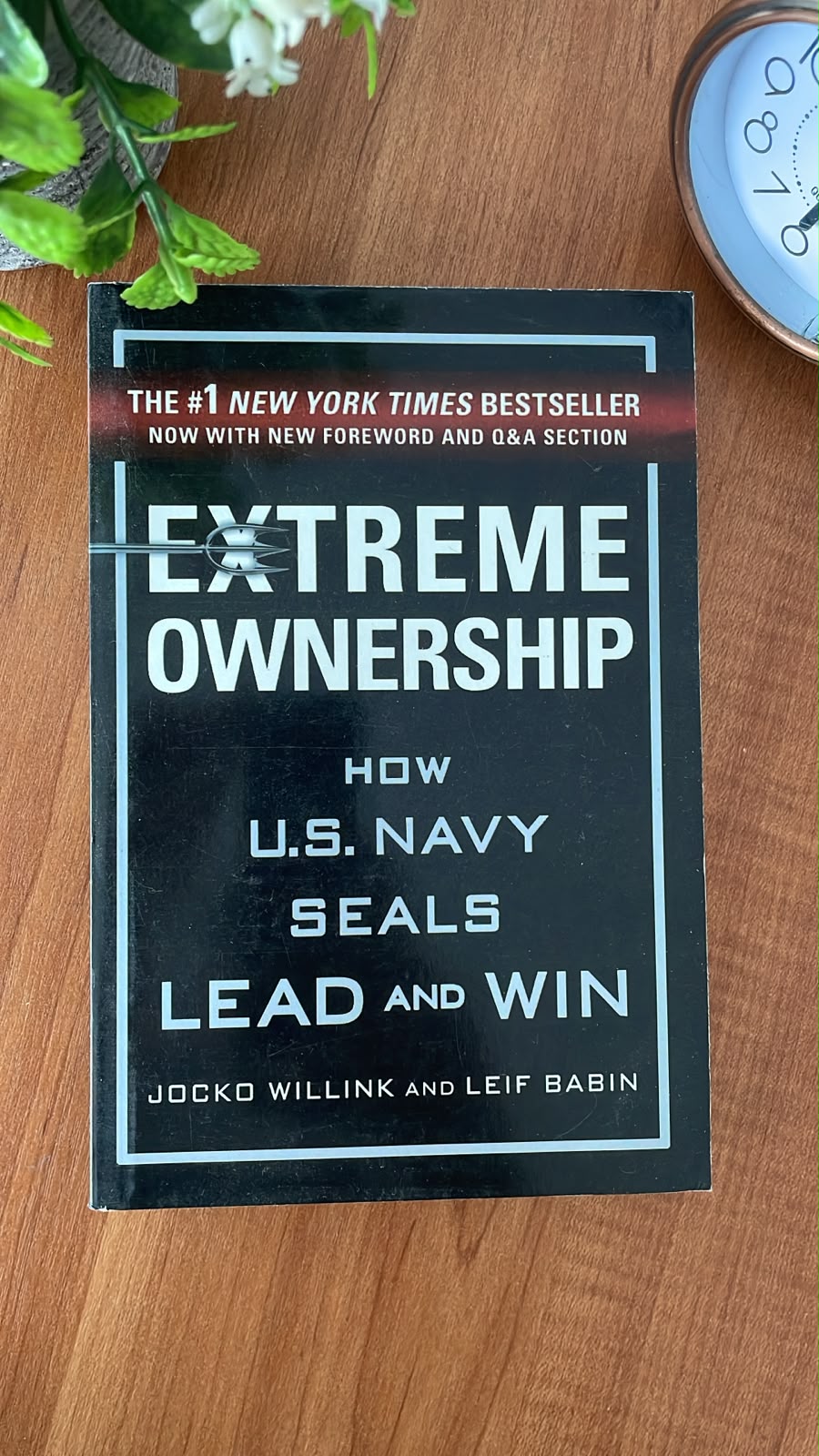
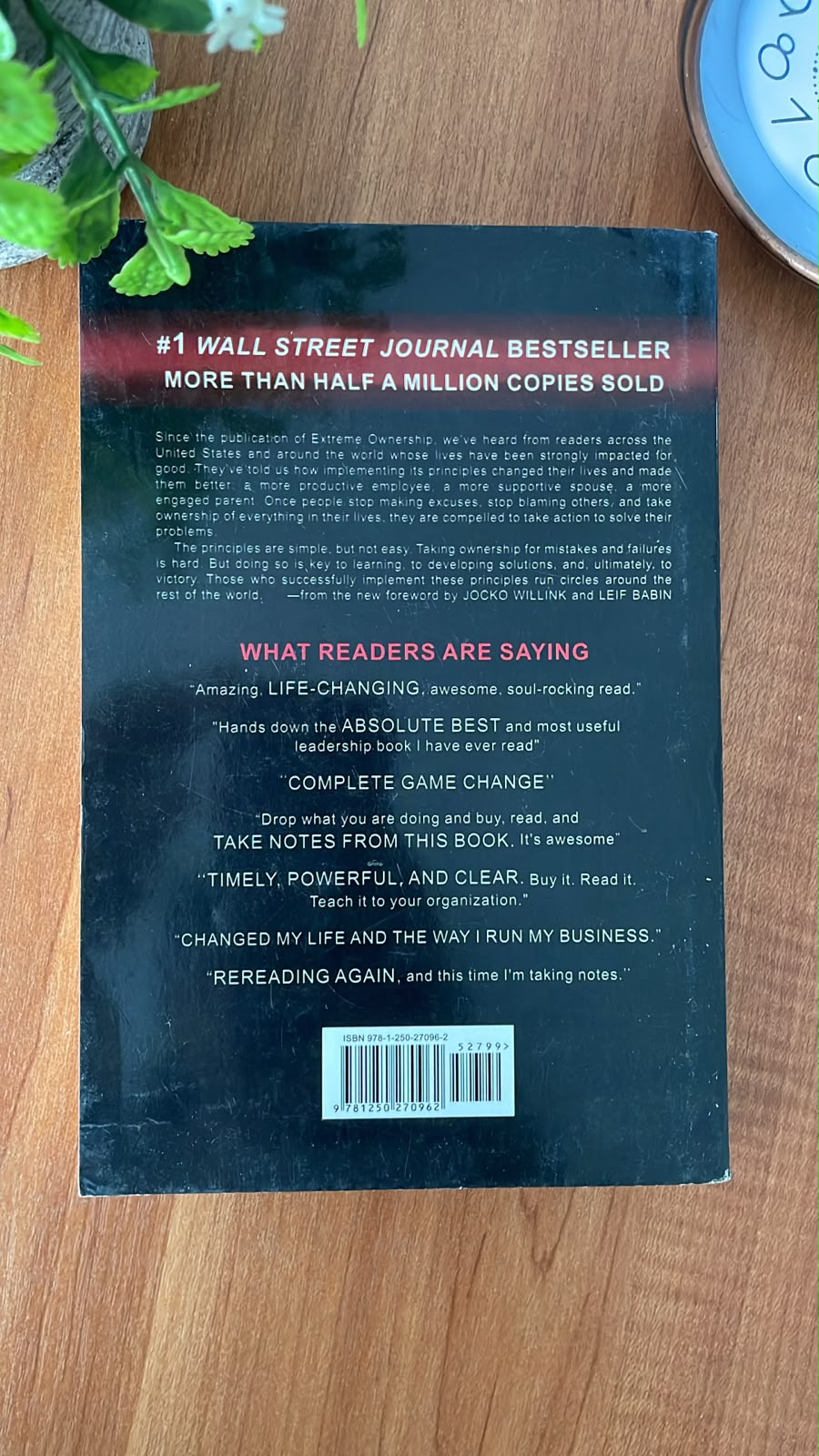
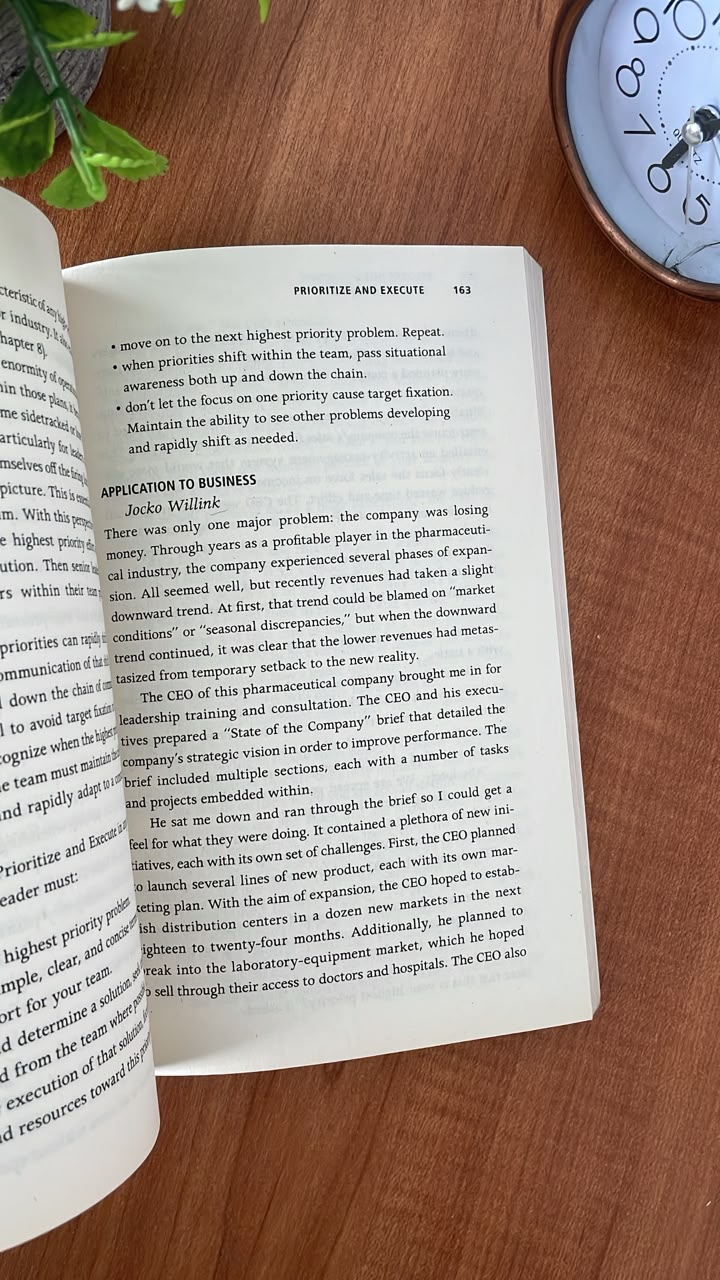
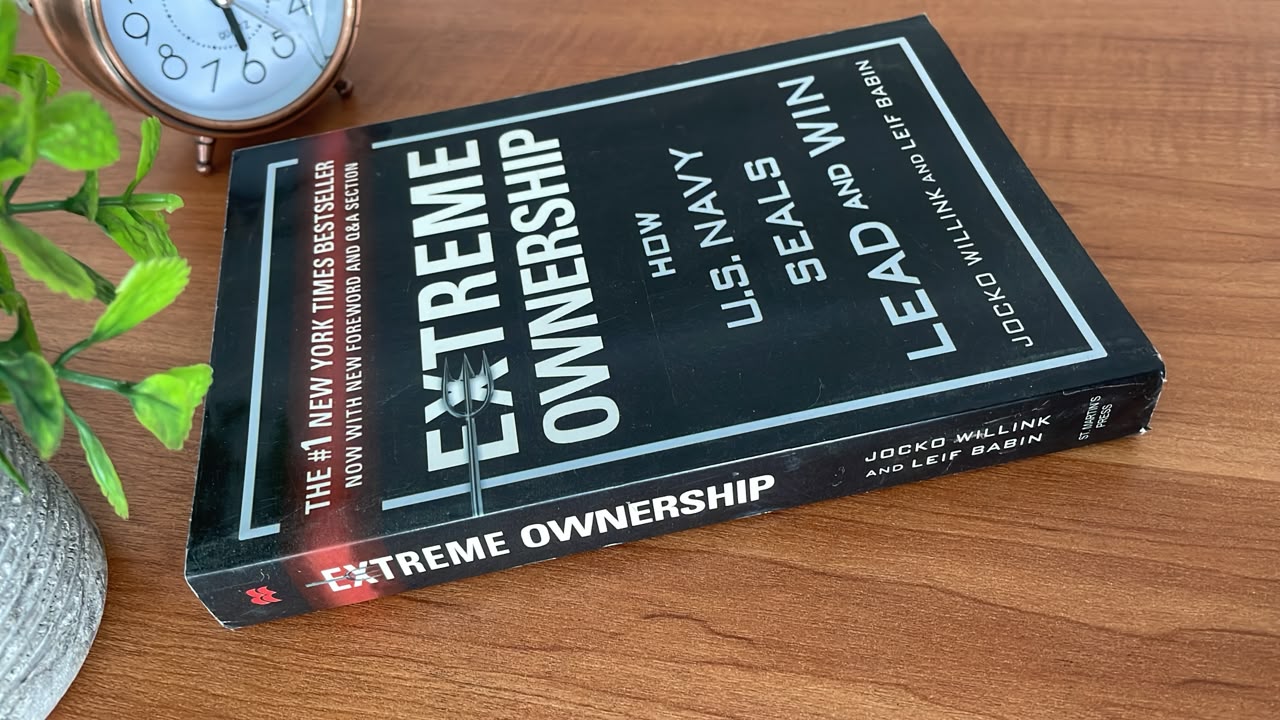


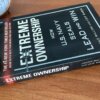
Extreme Ownership by Joco Willink


Original price was: රු3,850.00.රු3,350.00Current price is: රු3,350.00.
3 X Rs. 1,116.67 or 8% Cashback with


or 3 X රු1,116.67 with


or up to 4 X රු837.50 with


“Dive into the powerful world of ‘Extreme Ownership’ by Jocko Willink. This compelling book, co-authored with Leif Babin, draws on Navy SEAL experiences to deliver profound leadership lessons. Learn to take control of your life and business with this gripping guide to extreme ownership and accountability.”
4 in stock
Extreme Ownership by Jocko Willink and Leif Babin is a powerful leadership book about responsibility, teamwork, discipline, communication and making better decisions under pressure.
The central idea is simple.
Leaders must take ownership.
When something goes wrong, blaming other people rarely solves the problem.
A strong leader asks:
What could I have done differently?
What did I fail to explain?
What system failed?
What can I change?
That mindset is the foundation of Extreme Ownership.
Willink and Babin developed these lessons through their experience leading Navy SEAL teams in Iraq and later applied the same principles to companies and organizations through Echelon Front.
Why Read Extreme Ownership?
Extreme Ownership is ideal for people who want practical leadership advice.
The book does not treat leadership as a title.
You do not need to be a CEO.
You do not need to command hundreds of employees.
Leadership can happen at every level.
A manager leads.
A team member can lead.
An entrepreneur leads.
A parent leads.
A student working on a group project may need to lead.
The book argues that leadership is one of the most important factors in whether a team succeeds or fails.
Extreme Ownership and Personal Responsibility
The most important lesson in Extreme Ownership is responsibility.
When a project fails, the easiest response is often blame.
The employee made a mistake.
The customer was difficult.
The supplier was late.
The market changed.
The instructions were unclear.
Some of those things may be true.
But blame does not create improvement.
Ownership does.
A leader asks what was within their control.
Could the instructions have been clearer?
Could the employee have been trained better?
Could the risk have been identified earlier?
Could the plan have been simpler?
That shift from blame to responsibility is what makes the concept so powerful.
Stop Making Excuses
Excuses can protect the ego.
But they also prevent improvement.
If every problem is someone else’s fault, there is nothing for you to change.
If you accept some ownership, suddenly you have options.
You can improve.
You can communicate better.
You can prepare earlier.
You can train the team.
You can create a stronger system.
Extreme Ownership encourages leaders to focus on solutions rather than explanations.
Extreme Ownership and Leadership
Leadership is not simply telling people what to do.
A leader needs to create clarity.
The team needs to understand:
What is the mission?
Why does it matter?
Who is responsible?
What comes first?
What does success look like?
Without clarity, even talented teams can fail.
A leader cannot simply give vague instructions and then blame employees when results are poor.
If people do not understand the plan, leadership has failed somewhere.
Leaders Must Take Responsibility
One of the hardest leadership habits is admitting:
“I was wrong.”
Managers sometimes believe admitting mistakes will weaken authority.
Often, the opposite is true.
Taking responsibility can build trust.
Employees see that the leader is willing to follow the same standards expected from everyone else.
This is a major principle behind Extreme Ownership.
Ownership starts at the top.
Extreme Ownership and Teamwork
No major mission is completed alone.
Teams depend on one another.
One department affects another.
Sales affects operations.
Operations affects customers.
Purchasing affects inventory.
Management affects employees.
If teams begin blaming each other, performance suffers.
Extreme Ownership emphasizes cooperation and shared responsibility rather than creating separate groups that fight over blame.
There Are No Bad Teams, Only Bad Leaders
One of the book’s best-known leadership principles is the idea that poor team performance is often connected to leadership.
A struggling team may need:
Better direction.
Clearer standards.
Better training.
More accountability.
Stronger communication.
The lesson is not that employees are never responsible.
The point is that leaders need to examine their own contribution before blaming the team.
That mindset can dramatically change management behaviour.
Extreme Ownership and Clear Communication
Communication seems simple.
It rarely is.
A leader may understand the plan perfectly.
That does not mean everyone else understands it.
Instructions may be too complicated.
Priorities may be unclear.
Employees may hesitate to ask questions.
Assumptions may be different.
Extreme Ownership encourages leaders to simplify plans and make sure everyone understands what needs to happen.
Simple Plans Work Better
Complicated plans can fail under pressure.
Too many steps create confusion.
Too many priorities create hesitation.
Too much information can slow decisions.
The book teaches the importance of keeping plans simple enough that people can understand and execute them.
A strong plan should answer basic questions clearly.
What are we doing?
Why?
Who is responsible?
What happens first?
What happens next?
Simplicity makes execution easier.
Extreme Ownership and Prioritization
Leaders often face several problems at once.
Everything appears urgent.
The instinct may be to solve everything immediately.
That can create chaos.
Extreme Ownership teaches the principle commonly summarized as:
Prioritize and Execute.
Identify the most important problem.
Deal with it.
Then move to the next one.
This helps leaders avoid becoming overwhelmed when several issues appear simultaneously.
Prioritize and Execute
Imagine a business facing:
A customer complaint.
An inventory problem.
A supplier delay.
A staff issue.
A payment problem.
Trying to solve everything at once can reduce effectiveness.
Instead:
Identify the issue causing the greatest immediate risk.
Assign responsibility.
Solve it.
Then move to the next priority.
This creates order during chaos.
Extreme Ownership and Decentralized Command
A leader cannot personally make every decision.
If every employee has to ask the manager before acting, the manager becomes a bottleneck.
That slows everything.
Extreme Ownership teaches the value of decentralized command.
People at different levels should understand the mission well enough to make appropriate decisions within their responsibilities.
The leader sets direction.
The team executes.
That requires trust.
It also requires clear communication.
Give People Ownership
Employees become stronger when they are trusted with responsibility.
A manager who controls every small decision creates dependence.
A manager who teaches people how to think creates stronger leaders.
Delegation should not mean abandoning responsibility.
The leader still owns the final outcome.
But employees should have enough authority to complete their roles effectively.
This is one reason Extreme Ownership can be useful for growing businesses.
Extreme Ownership and Discipline
Discipline creates consistency.
You may know what needs to be done.
But knowing is not enough.
Processes need to be followed.
Standards need to be maintained.
Preparation needs to happen before problems appear.
Discipline makes good performance repeatable.
Without discipline, teams may rely too heavily on motivation.
Motivation changes.
Standards should not.
Discipline Can Create Freedom
A disciplined team may actually gain more freedom.
Clear procedures reduce confusion.
Strong habits reduce mistakes.
Prepared employees need less supervision.
Reliable processes allow leaders to delegate more confidently.
This creates a useful paradox.
Structure can create freedom.
Discipline can create flexibility.
Extreme Ownership and Ego
Ego can damage leadership.
A leader wants to be right.
A manager refuses advice.
Someone hides a mistake.
A department protects its reputation.
A person becomes defensive after criticism.
All of these behaviours can prevent improvement.
Extreme Ownership requires leaders to put the mission above personal pride.
The question is not:
“Who looks bad?”
The question is:
“What do we need to do now?”
Check Your Ego
Strong leaders need confidence.
But confidence and ego are different.
Confidence allows you to make decisions.
Ego prevents you from admitting mistakes.
Confidence allows you to listen.
Ego tells you that you already know everything.
Confidence helps the mission.
Ego can make the mission about you.
Leaders who manage their ego can often make better decisions.
Extreme Ownership and Decision-Making
Leadership often involves decisions with incomplete information.
You may not know everything.
But waiting forever can be dangerous too.
The goal is to collect enough information, understand the priority and make the best decision available.
Then adjust if circumstances change.
This is especially important in business.
Markets move.
Customers change.
Problems appear unexpectedly.
Good leaders remain decisive without pretending they have perfect information.
Stay Calm Under Pressure
Pressure makes clear thinking difficult.
When problems appear, people may panic.
Messages increase.
Everyone wants answers.
The leader’s behaviour affects the whole team.
If the leader becomes chaotic, the team often becomes chaotic.
Calm leadership helps people focus.
That does not mean ignoring urgency.
It means avoiding unnecessary panic.
Extreme Ownership and Business
The lessons in Extreme Ownership translate naturally into business.
A sales team misses a target.
A product launch fails.
Inventory becomes inaccurate.
Customers complain.
A project misses its deadline.
Instead of immediately searching for someone to punish, a strong manager investigates the system.
What happened?
Why?
Was the goal clear?
Did employees have the resources they needed?
Were priorities understood?
What can prevent the problem from happening again?
That is ownership in practice.
Extreme Ownership for Managers
Managers may find this book especially useful.
A manager is responsible for both results and people.
That means balancing:
Accountability.
Training.
Communication.
Delegation.
Performance.
Morale.
A manager who constantly blames employees will eventually lose trust.
A manager who takes responsibility while still holding people accountable can build a stronger team.
Extreme Ownership for Entrepreneurs
Entrepreneurs can apply the same principles.
When you own a business, there is often nobody above you to blame.
Marketing fails.
Sales fall.
An employee leaves.
A supplier causes trouble.
A product performs poorly.
You still need a solution.
Ownership helps entrepreneurs move from frustration toward action.
What can be improved?
What decision needs to be made?
What system should change?
Extreme Ownership for Employees
You do not need to manage people to use these ideas.
Employees can take ownership of their own responsibilities.
Instead of saying:
“Nobody told me.”
Ask:
“Could I have asked earlier?”
Instead of:
“That department caused the problem.”
Ask:
“How can I communicate with them better next time?”
This does not mean accepting blame for everything.
It means focusing on the part you can influence.
That mindset can make someone more reliable and valuable inside a team.
Lead Up and Down the Chain
Leadership does not only move downward.
Sometimes employees need to communicate upward.
A manager may not understand what is happening at ground level.
The employee should not simply complain.
They need to explain the situation clearly.
Provide relevant information.
Recommend a solution.
Help leadership make a better decision.
This is another practical idea within the Extreme Ownership approach.
Extreme Ownership and Accountability
Ownership without accountability is incomplete.
People need to know what standards are expected.
When standards are missed, the issue needs to be addressed.
But accountability should be specific.
What was expected?
What happened?
Why?
What needs to change?
What support is required?
This is more useful than simply becoming angry.
Create Leaders at Every Level
Strong organizations do not depend on one brilliant leader.
They develop leadership throughout the organization.
Employees understand the mission.
Managers delegate responsibility.
Team members make decisions.
People communicate problems quickly.
This creates an organization capable of acting even when senior leadership is not directly involved.
Echelon Front describes Extreme Ownership as leadership that can be applied at every level of an organization.
7 Powerful Lessons From Extreme Ownership
- Take Full Responsibility – Stop blaming circumstances and focus on what you can improve.
- Keep Plans Simple – People execute better when the mission and priorities are clear.
- Prioritize and Execute – When several problems appear, solve the most important one first.
- Develop Leaders at Every Level – Give people enough understanding and authority to make appropriate decisions.
- Control Your Ego – Personal pride should never become more important than the mission.
- Communicate Clearly – If the team does not understand the plan, leadership needs to improve communication.
- Lead by Example – Ownership, discipline and accountability should begin with the leader.
What You Can Learn From Extreme Ownership
Readers can explore:
- Leadership
- Responsibility
- Accountability
- Teamwork
- Discipline
- Communication
- Decision-making
- Prioritization
- Business management
- Delegation
- Decentralized command
- Crisis management
- Personal responsibility
- High-performance teams
- Self-discipline
- Management
- Team leadership
- Problem-solving
Who Should Read Extreme Ownership?
Extreme Ownership is ideal for managers.
Business owners can use the principles to improve accountability and team performance.
Entrepreneurs can apply the ownership mindset when dealing with difficult business problems.
Team leaders can learn how to communicate and delegate more effectively.
Employees can also use the book to improve personal responsibility.
Readers interested in military leadership may particularly appreciate the battlefield stories that introduce each principle.
Echelon Front explains that Willink and Babin use firsthand Navy SEAL combat experiences to teach leadership concepts that can be transferred directly to business and life.
A Powerful Guide to Leadership and Responsibility
Extreme Ownership challenges one of the most common human habits.
Blame.
When something goes wrong, it is easy to search for another person responsible.
Willink and Babin present another approach.
Own the outcome.
Study the failure.
Communicate better.
Simplify the plan.
Set priorities.
Develop the team.
Control the ego.
Then execute.
The authors developed these lessons through their leadership experience in SEAL Task Unit Bruiser and later used them to teach businesses and organizations how to build stronger teams.
For entrepreneurs, managers, professionals and anyone who wants to become a more responsible and effective leader, Extreme Ownership by Jocko Willink and Leif Babin is a powerful addition to any business and leadership bookshelf.
Book Details
Full Title: Extreme Ownership: How U.S. Navy SEALs Lead and Win
Authors: Jocko Willink & Leif Babin
Genre: Leadership / Business / Management / Military Leadership
Original Publication: 2015. Macmillan confirms the first book was published in October 2015.
Publisher: St. Martin’s Press
New Edition Details
A commonly sold updated hardcover edition is:
ISBN-13: 9781250183866
Format: Hardcover
Publisher: St. Martin’s Press
Publication Date: November 21, 2017
Pages: 384.
Edition Note
The original hardcover and later updated edition have different ISBNs and specifications.
The earlier hardcover is associated with ISBN 9781250067050, while the updated 2017 edition uses 9781250183866.
Use the ISBN printed on your physical copy before entering edition-specific details on your website. https://yourwebsite.com/extreme-ownership/
| Author | Joco Willink |
|---|---|
| Type | Paperback Printed Book |
| ISBN/ISSN | 1250270960, 978-1250270962 |
| Language | English |
| Pages | 360 |
Be the first to review “Extreme Ownership by Joco Willink”
Related products
-26%
Non-Fiction & Knowledge
The 7 Habits of Highly Effective People by Stephen R. Covey – Blue Cover
Original price was: රු2,300.00.රු1,700.00Current price is: රු1,700.00.
3 X Rs. 566.67 or 8% Cashback with
or 3 X රු566.67 with
or up to 4 X රු425.00 with
Non-Fiction & Knowledge
රු1,600.00
3 X Rs. 533.33 or 8% Cashback with
or 3 X රු533.33 with
or up to 4 X රු400.00 with

Non-Fiction & Knowledge
රු1,500.00
3 X Rs. 500.00 or 8% Cashback with
or 3 X රු500.00 with
or up to 4 X රු375.00 with
-14%
Out of stock
Self-Help & Psychology
Original price was: රු2,900.00.රු2,500.00Current price is: රු2,500.00.
3 X Rs. 833.33 or 8% Cashback with
or 3 X රු833.33 with
or up to 4 X රු625.00 with

Non-Fiction & Knowledge
රු1,950.00
3 X Rs. 650.00 or 8% Cashback with
or 3 X රු650.00 with
or up to 4 X රු487.50 with
-13%

Out of stock
Non-Fiction & Knowledge
Original price was: රු3,900.00.රු3,400.00Current price is: රු3,400.00.
3 X Rs. 1,133.33 or 8% Cashback with
or 3 X රු1,133.33 with
or up to 4 X රු850.00 with

Non-Fiction & Knowledge
රු1,700.00
3 X Rs. 566.67 or 8% Cashback with
or 3 X රු566.67 with
or up to 4 X රු425.00 with
-26%

Non-Fiction & Knowledge
Original price was: රු2,000.00.රු1,490.00Current price is: රු1,490.00.
3 X Rs. 496.67 or 8% Cashback with
or 3 X රු496.67 with
or up to 4 X රු372.50 with
Reviews
There are no reviews yet.