
No products in the cart.
-22%
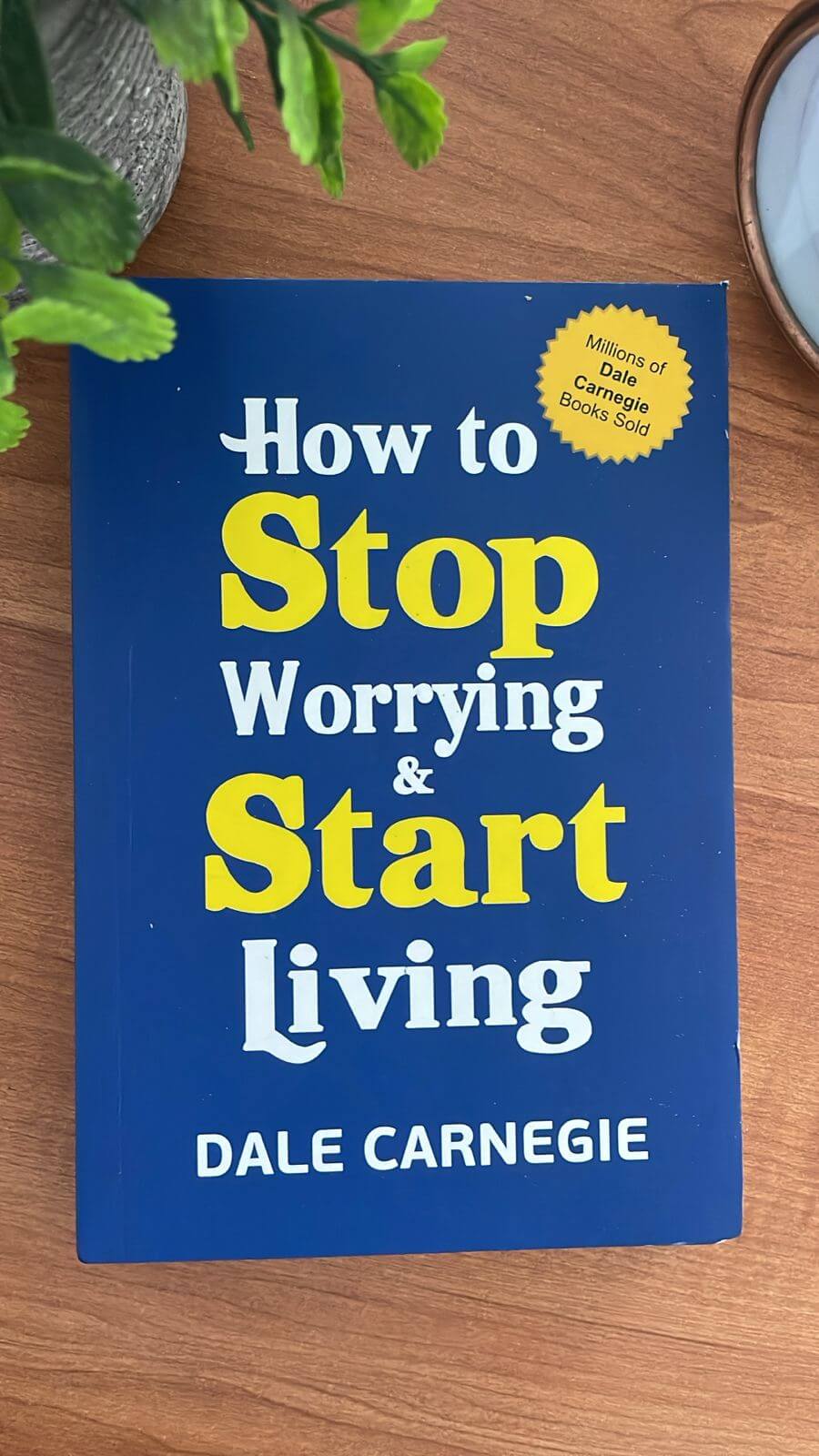

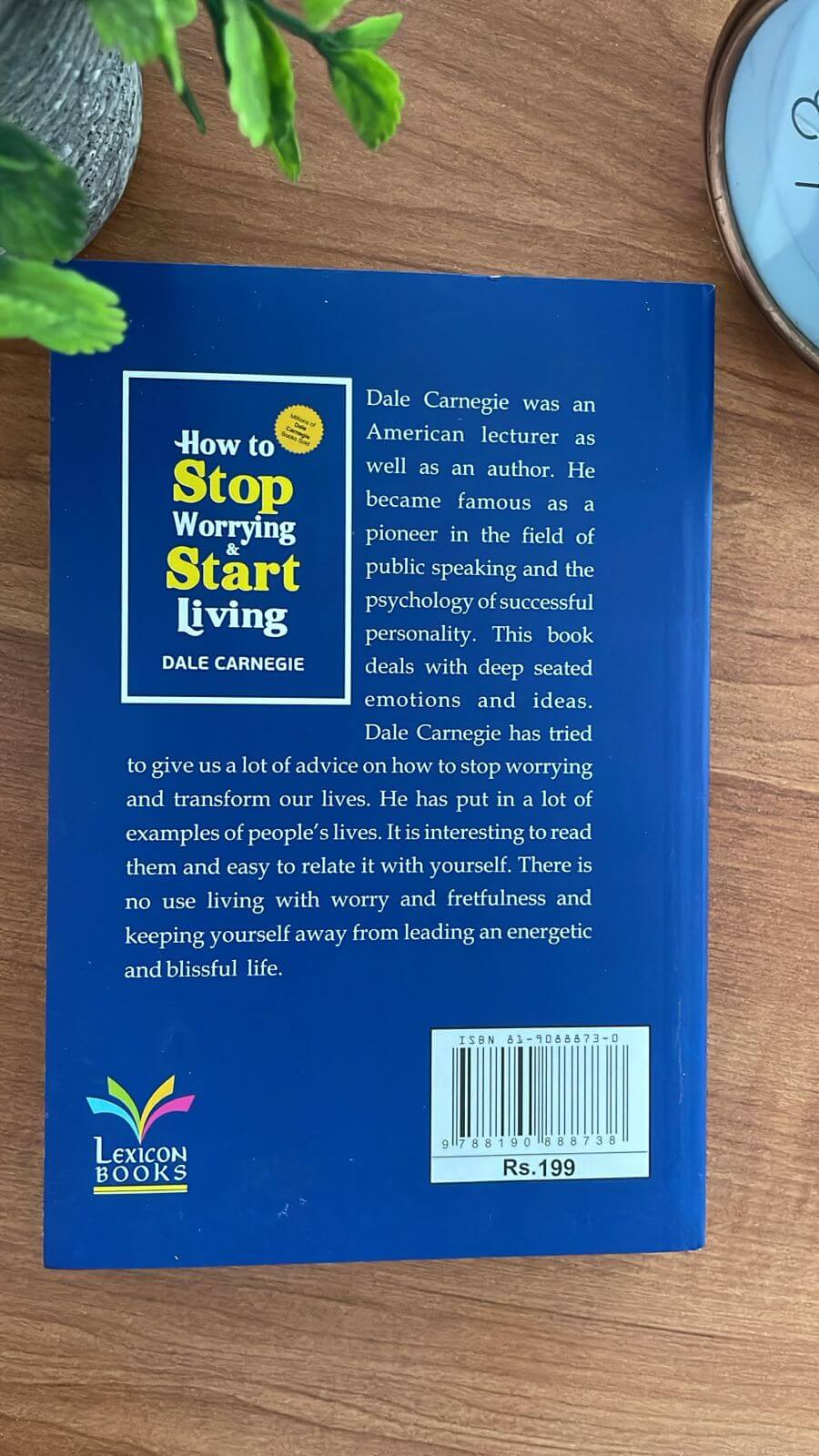
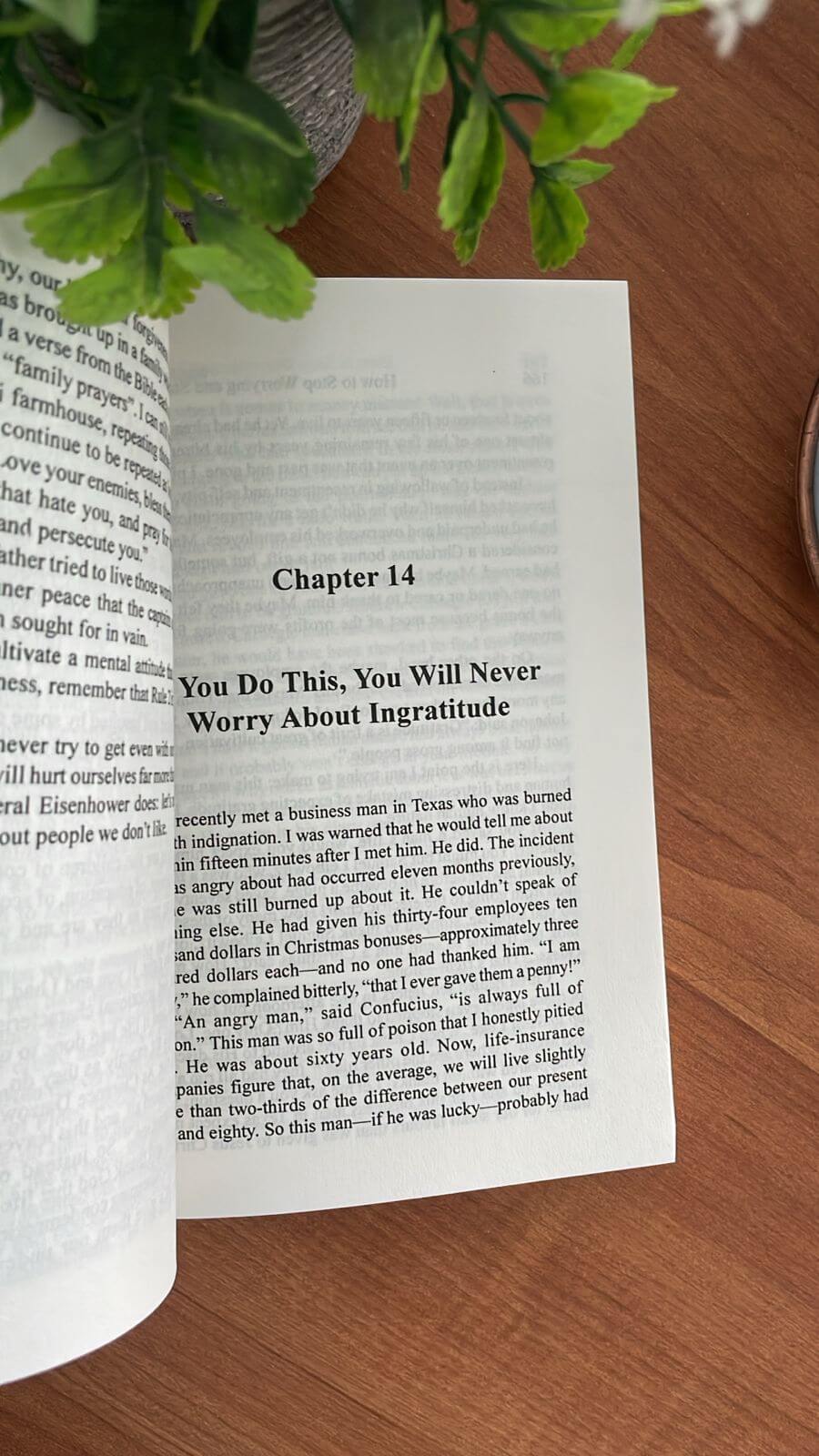

How To Stop Worrying and Start Living by Dale Carnegie


Original price was: රු2,250.00.රු1,750.00Current price is: රු1,750.00.
3 X Rs. 583.33 or 8% Cashback with


or 3 X රු583.33 with


or up to 4 X රු437.50 with


How to Stop Worrying and Start Living by Dale Carnegie is a classic self-development guide offering practical methods for handling worry, solving everyday problems, dealing with criticism, developing gratitude, reducing unnecessary stress, and focusing more fully on the present.
1 in stock
How to Stop Worrying and Start Living by Dale Carnegie is a classic personal-development guide filled with practical ideas for dealing with worry, uncertainty, criticism, work pressure, financial concerns, and everyday problems.
Dale Carnegie is widely known for turning complicated human problems into simple, practical principles that readers can apply in daily life.
In this book, he examines one of the most common challenges people experience:
Worrying about things that may or may not happen.
People worry about money.
They worry about work.
They worry about mistakes.
They worry about what other people think.
They worry about the future.
They replay past problems that can no longer be changed.
Over time, this constant mental pressure can make it difficult to enjoy the life happening right now.
How to Stop Worrying and Start Living by Dale Carnegie encourages readers to approach these concerns differently.
Rather than simply telling people to “stop worrying,” Carnegie offers practical methods for analysing problems, taking action where possible, accepting what cannot be changed, and directing attention toward the present.
How to Stop Worrying and Start Living by Dale Carnegie – Book Overview
How to Stop Worrying and Start Living by Dale Carnegie combines advice, examples, stories, and practical principles.
Carnegie studied the experiences of businesspeople, professionals, public figures, and ordinary individuals who had struggled with worry and difficult circumstances.
From these examples, he developed techniques that readers could use in their own lives.
The book explores subjects including:
- Living in the present
- Analysing worries logically
- Solving problems systematically
- Accepting situations that cannot be changed
- Handling criticism
- Developing gratitude
- Preventing unnecessary mental fatigue
- Improving attitudes toward work
- Managing financial worry
- Building healthier thinking habits
The overall message is practical.
Worry often becomes worse when problems remain vague.
When people identify exactly what is wrong and decide what they can do about it, many situations become easier to manage.
Live in Day-Tight Compartments
One of the most famous ideas in How to Stop Worrying and Start Living by Dale Carnegie is to focus on the present rather than constantly living in the past or future.
Carnegie describes this idea through the concept of living in “day-tight compartments.”
The basic principle is simple.
Yesterday is finished.
Tomorrow has not happened.
Today is where action is possible.
This does not mean ignoring the future.
Planning remains important.
But there is a difference between planning for tomorrow and worrying endlessly about tomorrow.
A person can make a sensible plan and then return their attention to today’s responsibilities.
This approach prevents future uncertainty from consuming the present.
Analyse Your Worries
Another powerful lesson in How to Stop Worrying and Start Living by Dale Carnegie is that vague worries often feel more frightening than clearly defined problems.
Carnegie encourages readers to analyse difficult situations.
Ask:
What exactly am I worried about?
What are the facts?
What possible solutions exist?
Which solution makes the most sense?
What action can I take now?
This method transforms worry into problem-solving.
For example, someone worried about money might feel overwhelmed when thinking:
“My finances are terrible.”
A more useful approach would be to identify the numbers.
How much money is coming in?
What expenses are necessary?
Which costs can be reduced?
What additional income opportunities exist?
Once the problem becomes specific, possible actions become easier to see.
Accept What Cannot Be Changed
Some problems can be solved.
Others cannot.
How to Stop Worrying and Start Living by Dale Carnegie emphasizes the importance of recognizing this difference.
People can waste enormous amounts of energy fighting realities they cannot change.
A mistake may already have happened.
An opportunity may already be gone.
Someone may have made a decision you dislike.
The past cannot be rewritten.
Accepting reality does not mean enjoying what happened.
It means recognizing that continuing to mentally fight an unchangeable fact will not improve the situation.
The useful question becomes:
What can I do from here?
That shift moves attention away from regret and toward action.
Stop Worrying About the Past
Regret can become another form of worry.
People repeatedly think:
“I should have done something differently.”
“Why did I make that decision?”
“What would have happened if I had chosen another path?”
How to Stop Worrying and Start Living by Dale Carnegie reminds readers that lessons from the past are valuable, but endlessly reliving mistakes is not.
The best use of a mistake is to learn from it.
Identify what happened.
Understand why.
Decide what you would do differently.
Then apply the lesson to future decisions.
This allows mistakes to become education rather than permanent emotional burdens.
Keep Busy With Meaningful Activity
Carnegie also discusses the value of constructive activity.
When people have nothing meaningful to focus on, the mind can easily return to worries repeatedly.
How to Stop Worrying and Start Living by Dale Carnegie encourages readers to direct their attention toward useful activities.
Work.
Exercise.
Learning.
Helping others.
Creative projects.
Family responsibilities.
Hobbies.
The idea is not to run away from real problems.
Problems that require action should be addressed.
But constantly thinking about a situation after every reasonable action has already been taken rarely improves the outcome.
Meaningful activity can help prevent unnecessary mental repetition.
Don’t Let Small Things Ruin Your Day
Many worries come from relatively small annoyances.
Someone says something irritating.
Traffic causes a delay.
A colleague behaves badly.
A plan changes.
A minor mistake happens.
How to Stop Worrying and Start Living by Dale Carnegie encourages readers to consider whether these situations deserve as much emotional energy as they receive.
A small problem can become enormous when someone thinks about it all day.
Carnegie encourages perspective.
Will this matter next year?
Next month?
Next week?
Sometimes the answer is yes.
Often it is no.
Learning to distinguish major problems from temporary annoyances can protect valuable mental energy.
Handle Criticism More Calmly
Criticism is another major source of worry.
People may spend hours thinking about one negative comment.
How to Stop Worrying and Start Living by Dale Carnegie explores how people can respond more constructively.
Not every criticism deserves equal attention.
Some criticism contains valuable information.
Other criticism may come from misunderstanding, jealousy, anger, or personal preference.
A useful approach is to evaluate criticism rather than automatically accepting or rejecting it.
Ask:
Is this criticism accurate?
Can I learn something?
Does this person’s opinion matter in this situation?
Should I make a change?
If the criticism is useful, learn from it.
If it is unfair and there is nothing productive to do, continuing to worry about it gives the criticism even more power.
Develop Gratitude
Gratitude is an important theme in How to Stop Worrying and Start Living by Dale Carnegie.
People naturally notice problems.
Something goes wrong and immediately captures attention.
Meanwhile, many things going well may become invisible because they feel normal.
A safe home.
Supportive friends.
Food.
Opportunities.
Abilities.
Health.
Education.
Work.
These things are easy to overlook until something changes.
Carnegie encourages readers to deliberately notice what is already valuable in their lives.
Gratitude does not mean pretending problems do not exist.
It means preventing problems from becoming the only things we see.
Worry Less About Money
Financial concerns are among the worries addressed in How to Stop Worrying and Start Living by Dale Carnegie.
Money problems can create serious pressure, especially when spending repeatedly exceeds income.
Carnegie encourages practical financial awareness rather than avoidance.
Know where money goes.
Create priorities.
Distinguish needs from unnecessary spending.
Prepare for predictable expenses.
Avoid using spending as a way to impress other people.
Financial worry often becomes worse when numbers remain unclear.
Understanding the real situation makes it easier to make useful decisions.
Don’t Expect Gratitude From Everyone
Another interesting lesson in How to Stop Worrying and Start Living by Dale Carnegie involves expectations.
People sometimes become disappointed after helping others because they expect appreciation in return.
When gratitude does not come, resentment follows.
Carnegie encourages readers to give without making appreciation a guaranteed condition.
This can reduce unnecessary disappointment.
People behave differently.
Some express gratitude openly.
Others do not.
If kindness is performed only to receive recognition, our happiness becomes dependent on another person’s reaction.
A healthier approach is to appreciate gratitude when it appears without requiring it every time.
Improve Your Attitude Toward Work
Work occupies a significant portion of adult life.
If someone hates every hour of their working day, that dissatisfaction can affect many other areas of life.
How to Stop Worrying and Start Living by Dale Carnegie encourages readers to look for ways to make work more interesting and meaningful.
Sometimes circumstances can be changed.
A person may learn new skills.
Seek additional responsibility.
Improve relationships.
Move toward another career.
In other cases, the work itself may remain similar, but the person’s approach to it can change.
Curiosity and purpose can sometimes transform tasks that initially feel repetitive.
Avoid Mental Exhaustion
Carnegie also discusses fatigue.
Mental and emotional tension can make people feel exhausted even without intense physical work.
How to Stop Worrying and Start Living by Dale Carnegie encourages readers to relax when possible and avoid carrying unnecessary physical tension throughout the day.
Rest matters.
Breaks matter.
Sleep matters.
Reducing unnecessary pressure matters.
People often believe that productivity requires constant strain.
But exhausted people may make worse decisions, communicate poorly, and struggle to concentrate.
Effective work requires sustainable energy.
Solve Problems Instead of Replaying Them
A major distinction throughout How to Stop Worrying and Start Living by Dale Carnegie is the difference between thinking and worrying.
Thinking moves toward a decision.
Worry often repeats the same question without producing action.
Thinking asks:
What happened?
What can I do?
What are my options?
Which option should I choose?
Worry asks:
What if something terrible happens?
What if this goes wrong?
What if everyone judges me?
What if I made the wrong decision?
A useful thinking process should eventually lead toward action or acceptance.
If neither is possible, continuing to mentally repeat the problem may accomplish very little.
Find Happiness Through Helping Others
Another recurring principle in How to Stop Worrying and Start Living by Dale Carnegie is shifting attention away from ourselves.
When people are completely focused on their own problems, those problems can begin to feel enormous.
Helping another person creates a broader perspective.
A small act of kindness can improve someone else’s day while also creating meaning for the person giving it.
Carnegie encourages readers to become interested in other people rather than remaining trapped inside their own worries.
This idea also appears throughout many of his other works.
7 Powerful Lessons From How to Stop Worrying and Start Living
How to Stop Worrying and Start Living by Dale Carnegie contains many practical principles, but seven lessons stand out:
- Live in the present – Focus your energy on what you can do today.
- Analyse problems clearly – Facts and action are more useful than vague worry.
- Accept what cannot be changed – Stop fighting realities outside your control.
- Learn from the past without living in it – Turn mistakes into lessons.
- Keep small problems in perspective – Not every inconvenience deserves major emotional energy.
- Practice gratitude – Remember what is going well, not only what is wrong.
- Turn worry into action – Decide what can be done and take the next practical step.
Why Read How to Stop Worrying and Start Living by Dale Carnegie?
How to Stop Worrying and Start Living by Dale Carnegie is a strong choice for readers interested in:
- Personal development
- Stress management
- Positive thinking
- Problem-solving
- Confidence
- Productivity
- Gratitude
- Work-life improvement
- Handling criticism
- Financial worries
- Personal happiness
- Emotional resilience
- Living in the present
- Dale Carnegie books
- Practical self-help
The advice is presented through simple principles and real-world examples rather than complicated theory.
Who Should Read This Book?
How to Stop Worrying and Start Living by Dale Carnegie may especially appeal to:
- Students
- Professionals
- Entrepreneurs
- Business owners
- Managers
- People under work pressure
- Readers interested in self-improvement
- People who frequently overthink everyday problems
- Readers wanting better problem-solving habits
- Fans of Dale Carnegie
- People interested in gratitude and positive living
- Anyone who wants to spend less time worrying about things outside their control
The book is especially valuable for readers who prefer practical advice they can experiment with in everyday situations.
A Timeless Guide to Worrying Less and Living More
How to Stop Worrying and Start Living by Dale Carnegie delivers a simple but powerful message:
Life becomes harder when the mind spends too much time fighting yesterday or fearing tomorrow.
We cannot control every outcome.
We cannot prevent every mistake.
We cannot make everyone approve of us.
We cannot guarantee that every plan will succeed.
But we can decide how we respond.
We can gather facts.
We can solve problems.
We can learn from mistakes.
We can accept realities we cannot change.
We can appreciate what is already good.
And we can direct more attention toward the life happening today.
For readers interested in personal development, problem-solving, gratitude, stress reduction, positive thinking, productivity, and practical methods for dealing with everyday worry, How to Stop Worrying and Start Living by Dale Carnegie remains an accessible and useful classic.
Learn more about How to Stop Worrying and Start Living by Dale Carnegie on the official Simon & Schuster website.
Explore more personal development books at Bargain Books.

| Author | Dale Carnegie |
|---|---|
| Type | Paperback Printed Book |
| ISBN/ISSN | 819482415X, 978-8194824152 |
| Language | English |
| Pages | 284 |
Be the first to review “How To Stop Worrying and Start Living by Dale Carnegie”
Related products
-19%

Out of stock
Non-Fiction & Knowledge
Original price was: රු2,650.00.රු2,150.00Current price is: රු2,150.00.
3 X Rs. 716.67 or 8% Cashback with
or 3 X රු716.67 with
or up to 4 X රු537.50 with
-17%

Out of stock
Non-Fiction & Knowledge
Original price was: රු2,900.00.රු2,400.00Current price is: රු2,400.00.
3 X Rs. 800.00 or 8% Cashback with
or 3 X රු800.00 with
or up to 4 X රු600.00 with

Out of stock
Autobiography
රු2,750.00
3 X Rs. 916.67 or 8% Cashback with
or 3 X රු916.67 with
or up to 4 X රු687.50 with
-24%

Out of stock
Non-Fiction & Knowledge
Original price was: රු2,100.00.රු1,600.00Current price is: රු1,600.00.
3 X Rs. 533.33 or 8% Cashback with
or 3 X රු533.33 with
or up to 4 X රු400.00 with

Non-Fiction & Knowledge
රු1,700.00
3 X Rs. 566.67 or 8% Cashback with
or 3 X රු566.67 with
or up to 4 X රු425.00 with
-14%

Out of stock
Self-Help & Psychology
Original price was: රු2,900.00.රු2,500.00Current price is: රු2,500.00.
3 X Rs. 833.33 or 8% Cashback with
or 3 X රු833.33 with
or up to 4 X රු625.00 with

Out of stock
Non-Fiction & Knowledge
රු1,800.00
3 X Rs. 600.00 or 8% Cashback with
or 3 X රු600.00 with
or up to 4 X රු450.00 with
-34%

Non-Fiction & Knowledge
Original price was: රු2,250.00.රු1,490.00Current price is: රු1,490.00.
3 X Rs. 496.67 or 8% Cashback with
or 3 X රු496.67 with
or up to 4 X රු372.50 with
Reviews
There are no reviews yet.