
No products in the cart.
-30%

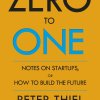

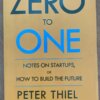


Zero to one by Peter Thiel
Original price was: රු2,200.00.රු1,550.00Current price is: රු1,550.00.
3 X Rs. 516.67 or 8% Cashback with


or 3 X රු516.67 with


or up to 4 X රු387.50 with


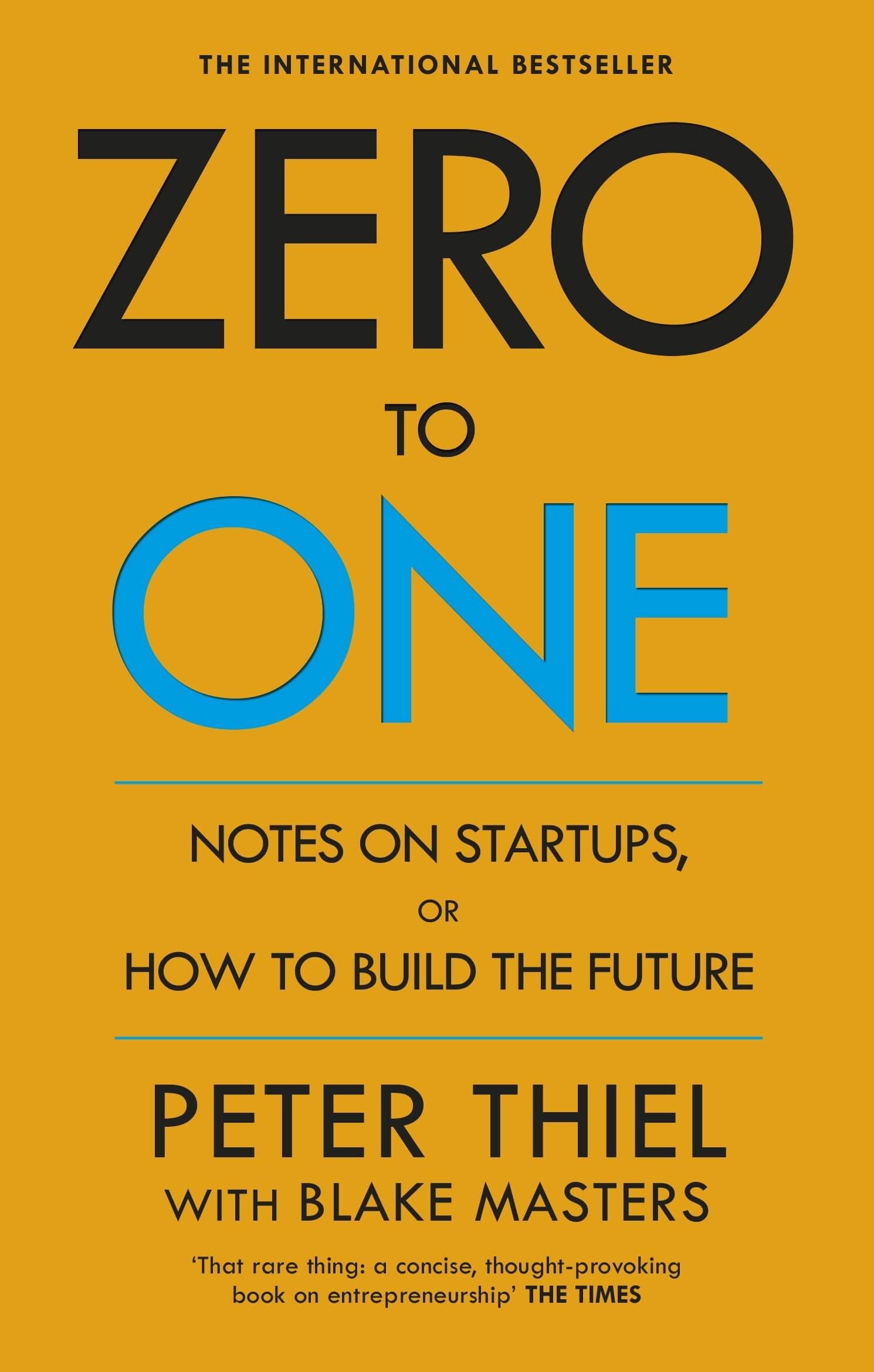
Zero to One: Notes on Startups, or How to Build the Future is a 2014 book by the American entrepreneur and investor Peter Thiel co-written with Blake Masters. It is a condensed and updated version of a highly popular set of online notes taken by Masters for the CS183 class on startups, as taught by Thiel at Stanford University in Spring 2012.
20 in stock
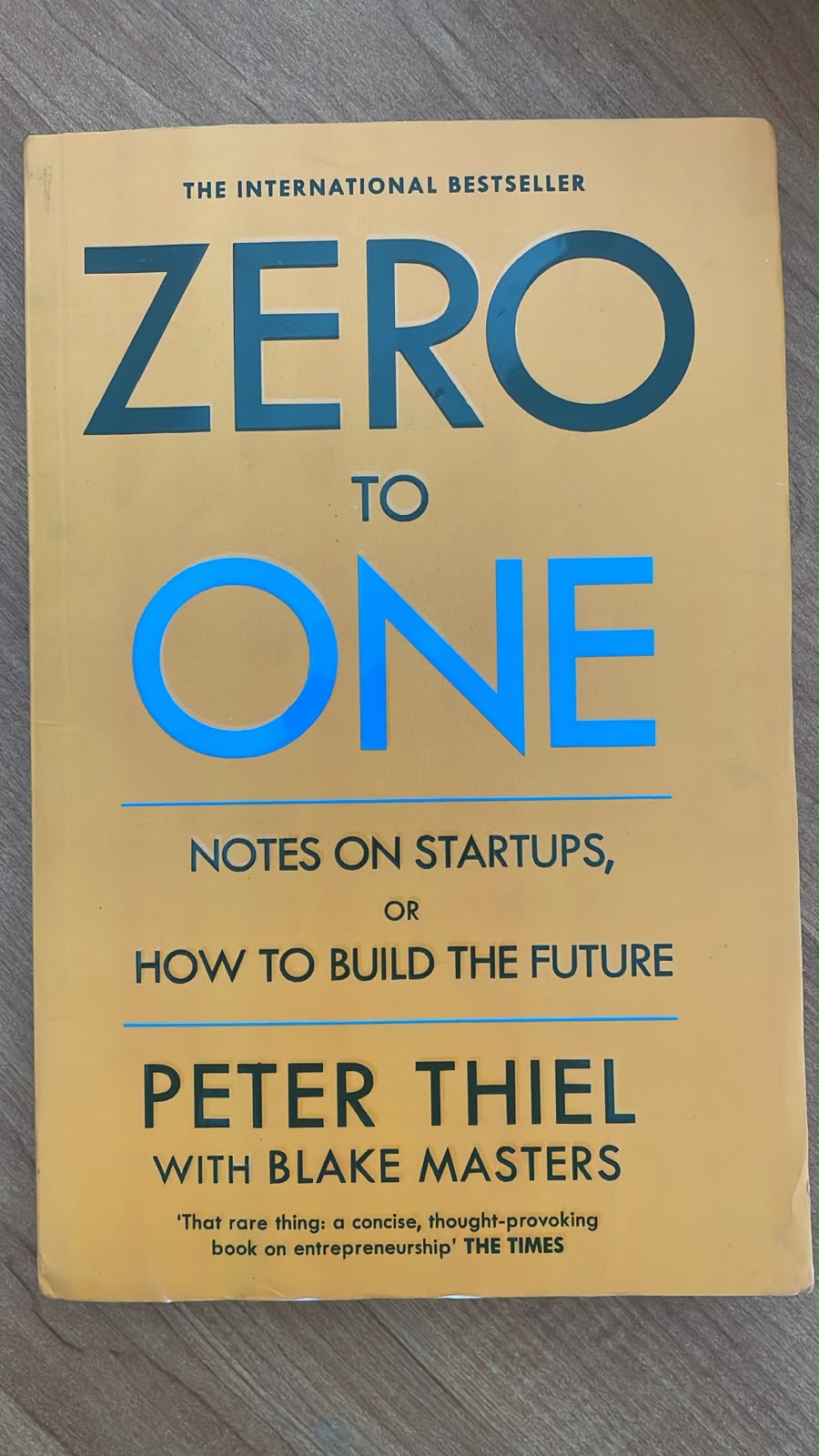
Zero to One by Peter Thiel with Blake Masters
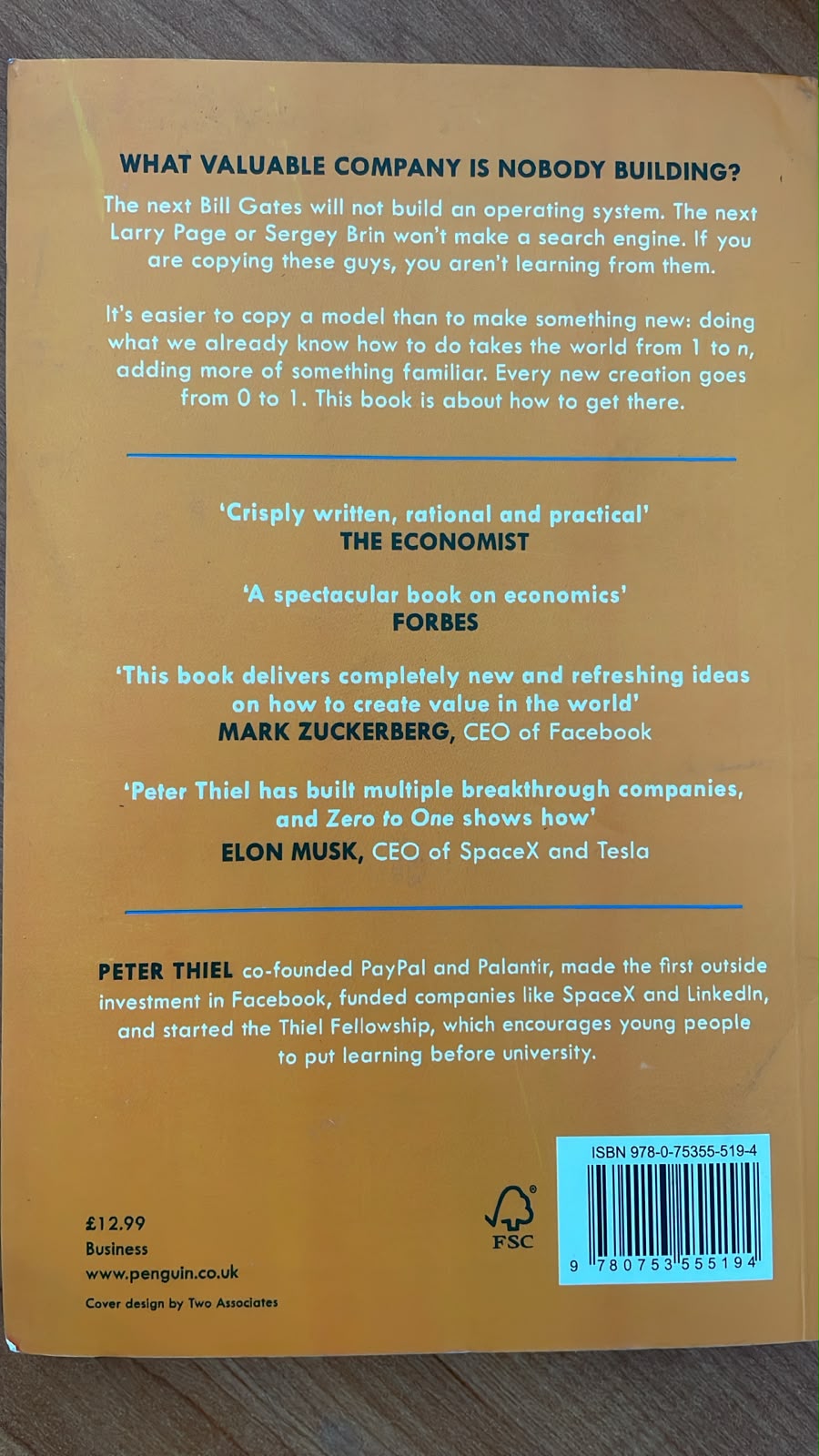
Zero to One by Peter Thiel with Blake Masters is a practical business book about startups, innovation, competition, technology, and creating something genuinely new.
The book challenges entrepreneurs to stop copying what already exists.
Instead, it asks them to build something unique.
That is what moving from zero to one means.
About Zero to One
Zero to One is based on ideas Peter Thiel taught in a Stanford startup class.
Blake Masters took detailed notes from those lectures.
Those ideas later became this book.
The central message is simple.
Copying an existing idea takes the world from one to many.
Creating something new takes the world from zero to one.
7 Powerful Lessons from Zero to One
1. Build Something New
The biggest idea in Zero to One is originality.
Many businesses compete by copying what already works.
Thiel argues that the biggest opportunities come from creating something different.
A new product.
A new technology.
A new business model.
A new way of solving a problem.
2. Competition Is Not Always Good
Business culture often celebrates competition.
But Thiel argues that intense competition can reduce profits.
Companies constantly fight over the same customers.
Prices fall.
Margins shrink.
The strongest businesses often escape direct competition by becoming unique.
3. Monopoly Can Be Powerful
In the book, Thiel uses the word monopoly in a specific business sense.
He means a company with such a strong advantage that competitors struggle to offer the same value.
This can come from technology.
Brand.
Network effects.
Scale.
Or proprietary knowledge.
The goal is not simply to dominate.
The goal is to build something so different that direct comparison becomes difficult.
4. Start Small
A startup does not need to conquer the entire world immediately.
Thiel suggests beginning with a small market.
Dominate that market first.
Then expand.
This makes growth more manageable.
It also gives the company a chance to build a strong position before facing larger competitors.
5. Technology Creates Progress
Technology allows people to do more with less.
It increases productivity.
It creates new possibilities.
Thiel argues that technological progress should not be limited to software.
Innovation can happen in energy.
Medicine.
Transportation.
Manufacturing.
Education.
And many other industries.
6. Founders Matter
Founders shape companies.
Their vision matters.
Their personality matters.
Their ability to make difficult decisions matters.
Thiel argues that startups often need strong leadership.
Too many conflicting voices can make fast decision-making difficult.
7. Think Long Term
Strong companies are not built only around short-term opportunities.
They need a long-term plan.
What will make the company valuable in ten years?
What advantage will still exist?
What prevents competitors from copying it?
These questions matter more than temporary growth.
What Does Zero to One Mean?
Going from one to many means repeating something.
A company opens another branch.
A factory produces more of the same product.
A competitor copies an existing service.
That creates horizontal progress.
Going from zero to one is different.
It creates something that did not exist before.
That is vertical progress.
Thiel argues that the most important businesses create this kind of change.
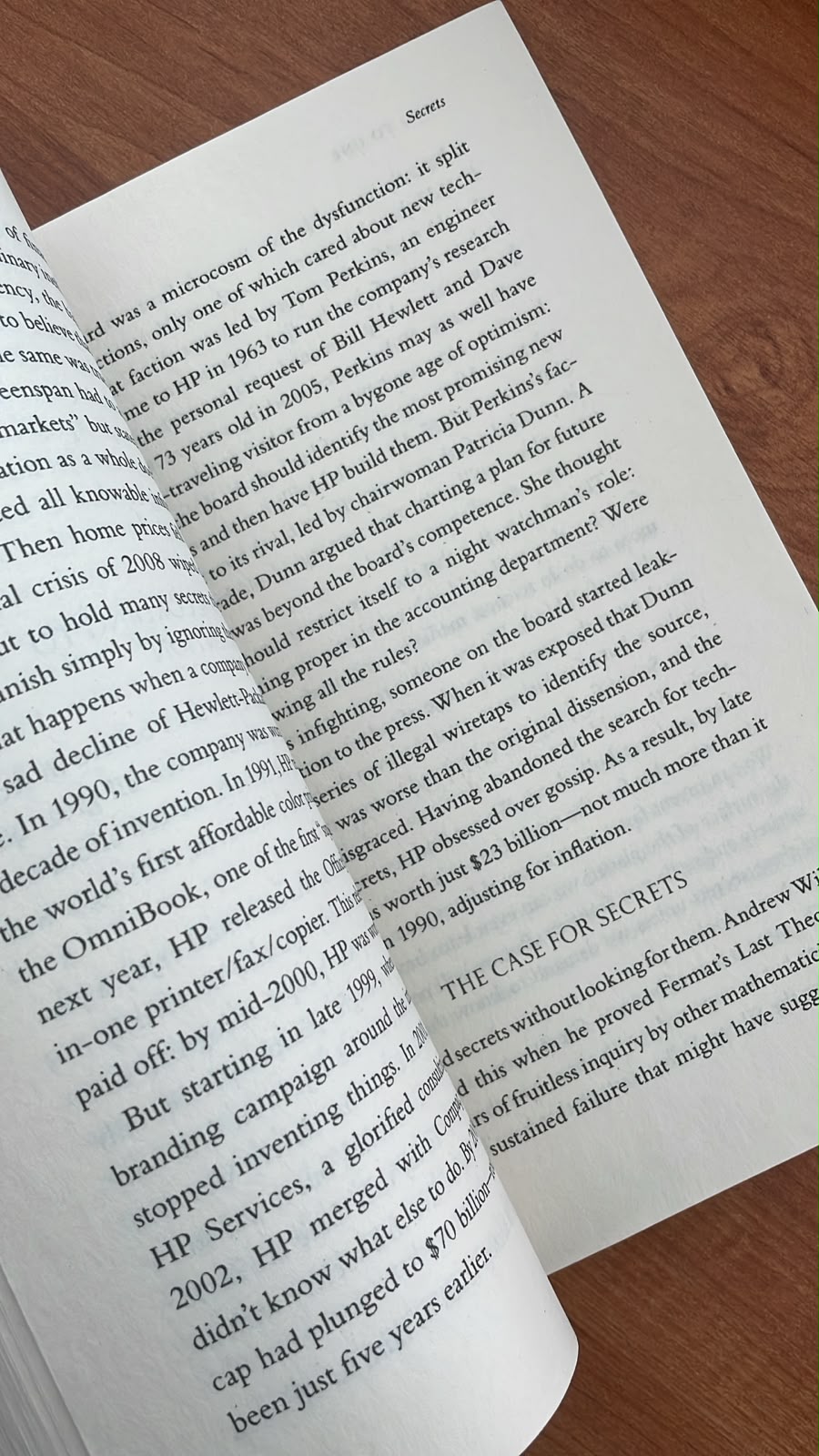
The Power of Secrets
One interesting idea in Zero to One is that important secrets still exist.
A secret is something valuable that most people have not discovered yet.
Entrepreneurs should ask:
What does everyone believe that may be wrong?
What important problem has not been solved?
What opportunity is being ignored?
These questions can lead to new businesses.
The Contrarian Question
Thiel is known for asking a famous question.
What important truth do very few people agree with you on?
The purpose is not to be different just for attention.
It is to encourage independent thinking.
Great opportunities are often hidden where conventional thinking has not looked.
Network Effects
Network effects can create powerful businesses.
A network becomes more valuable as more people join.
Social platforms are one example.
Marketplaces are another.
Payment networks can benefit too.
But network effects usually need to begin in a small market.
If the initial network is too broad and weak, it may never become valuable.
Economies of Scale
Strong businesses can become more efficient as they grow.
Software businesses are a common example.
Creating the first version can be expensive.
Serving additional users may cost much less.
This can create strong profit potential.
Scale can therefore become a competitive advantage.
Branding
Brand is another advantage.
A strong brand can make a company difficult to replace.
Customers may trust it.
Recognize it.
Prefer it.
But branding alone is not enough.
Thiel argues that strong branding should be supported by a strong product.
Proprietary Technology
Technology can create a meaningful advantage.
But the improvement should be significant.
A product that is only slightly better may not be enough.
Thiel encourages founders to aim for major improvements.
A dramatic difference is easier for customers to notice.
Sales Matter
A great product does not automatically sell itself.
Distribution matters.
Marketing matters.
Sales matter.
One of the mistakes technical founders sometimes make is ignoring distribution.
Thiel argues that selling a product is just as important as building it.
The Importance of Distribution
Different products need different sales methods.
A low-cost consumer product may rely on marketing.
An expensive enterprise product may require direct sales.
Understanding distribution early can improve the entire business model.
A great product with weak distribution can still fail.
Team Building
The founding team matters enormously.
Early employees shape culture.
They influence future hiring.
They influence how problems are solved.
Thiel encourages founders to build teams with strong alignment.
People should understand why the company exists.
Startup Culture
Culture is not only about free food or office design.
It is about shared purpose.
Why are people working together?
Why does this company matter?
A strong mission can help attract people who believe in the same goal.
Founder Conflict
Founder disagreements can destroy a company.
Equity.
Control.
Roles.
Responsibilities.
Expectations.
These issues should be discussed early.
Avoiding difficult conversations can create larger problems later.
The Last Mover Advantage
People often talk about first-mover advantage.
Thiel introduces another idea.
The last mover advantage.
The goal is not only to enter a market early.
The goal is to build a company that remains valuable for a long time.
Durability matters more than being first.
Future Cash Flow
The value of a company depends heavily on its future.
A business may lose money today but still be valuable if it can generate strong cash flow later.
This is common in technology companies.
Investors therefore need to think beyond current profit.
The question is whether the company will remain strong over time.
The Power Law
Startup investing often follows a power law.
A small number of companies generate most of the returns.
This means one exceptional company can matter more than many average ones.
The same principle can influence how founders think about priorities.
Some decisions matter far more than others.
Innovation vs. Globalization
Globalization spreads existing ideas.
Technology creates new ones.
Both matter.
But Zero to One focuses more heavily on technology.
Thiel argues that simply copying existing systems around the world is not enough.
Human progress also needs new inventions.
Optimism and the Future
The book encourages readers to believe the future can be deliberately created.
Progress is not automatic.
People have to build it.
That requires planning.
Risk.
Independent thinking.
And confidence that better solutions are possible.
Who Should Read This Book?
Zero to One is ideal for entrepreneurs, startup founders, business students, investors, managers, and technology professionals.
It may also appeal to readers interested in innovation and strategy.
The book is especially useful for people who want to build something rather than simply manage an existing business.
About Peter Thiel and Blake Masters
Peter Thiel is an entrepreneur and investor associated with companies including PayPal and Palantir.
Blake Masters developed the original class notes that helped form the basis of the book.
Penguin Random House lists both Peter Thiel and Blake Masters as the authors of Zero to One. PenguinRandomhouse.com
Readers can learn more through the official Penguin page for Zero to One.
Product Details
Title: Zero to One
Subtitle: Notes on Start Ups, or How to Build the Future
Authors: Peter Thiel with Blake Masters
Genre: Business
| Author | Peter Thiel |
|---|---|
| Language | English |
| Type | Paperback Printed Book (Second Quality Copy) |
Be the first to review “Zero to one by Peter Thiel”
Related products
-34%
Non-Fiction & Knowledge
Original price was: රු2,250.00.රු1,490.00Current price is: රු1,490.00.
3 X Rs. 496.67 or 8% Cashback with
or 3 X රු496.67 with
or up to 4 X රු372.50 with
Out of stock
Self-Help & Psychology
රු1,900.00
3 X Rs. 633.33 or 8% Cashback with
or 3 X රු633.33 with
or up to 4 X රු475.00 with
-34%

Self-Help & Psychology
Original price was: රු2,350.00.රු1,550.00Current price is: රු1,550.00.
3 X Rs. 516.67 or 8% Cashback with
or 3 X රු516.67 with
or up to 4 X රු387.50 with
-28%
Self-Help & Psychology
Original price was: රු1,800.00.රු1,300.00Current price is: රු1,300.00.
3 X Rs. 433.33 or 8% Cashback with
or 3 X රු433.33 with
or up to 4 X රු325.00 with
-19%
Out of stock
Biography
Original price was: රු2,400.00.රු1,950.00Current price is: රු1,950.00.
3 X Rs. 650.00 or 8% Cashback with
or 3 X රු650.00 with
or up to 4 X රු487.50 with
-24%
Out of stock
Non-Fiction & Knowledge
Original price was: රු2,100.00.රු1,600.00Current price is: රු1,600.00.
3 X Rs. 533.33 or 8% Cashback with
or 3 X රු533.33 with
or up to 4 X රු400.00 with
-24%
Out of stock
Non-Fiction & Knowledge
Original price was: රු2,100.00.රු1,600.00Current price is: රු1,600.00.
3 X Rs. 533.33 or 8% Cashback with
or 3 X රු533.33 with
or up to 4 X රු400.00 with
Out of stock
Self-Help & Psychology
රු2,200.00
3 X Rs. 733.33 or 8% Cashback with
or 3 X රු733.33 with
or up to 4 X රු550.00 with
Reviews
There are no reviews yet.