No products in the cart.
-20%
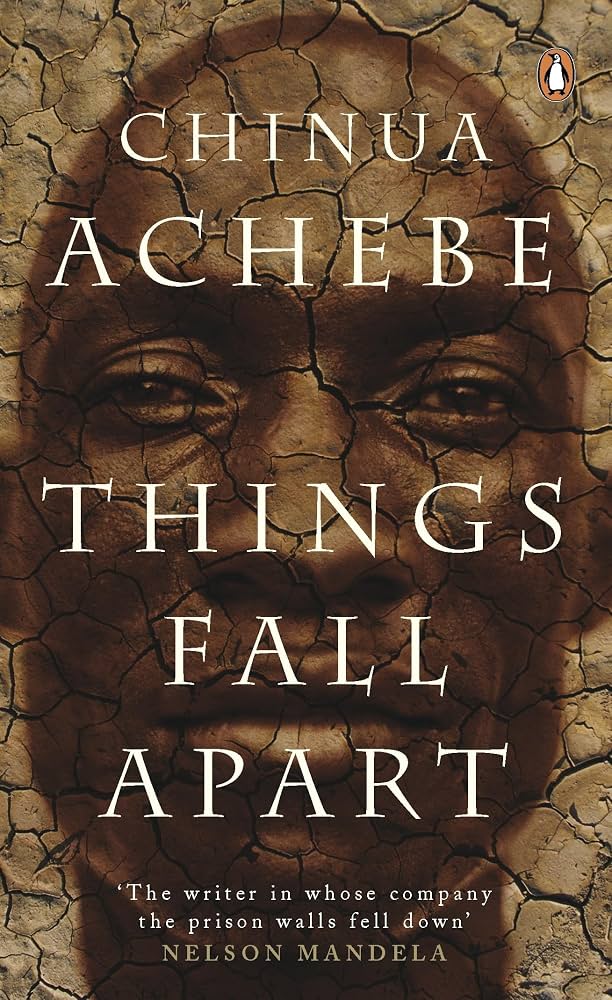
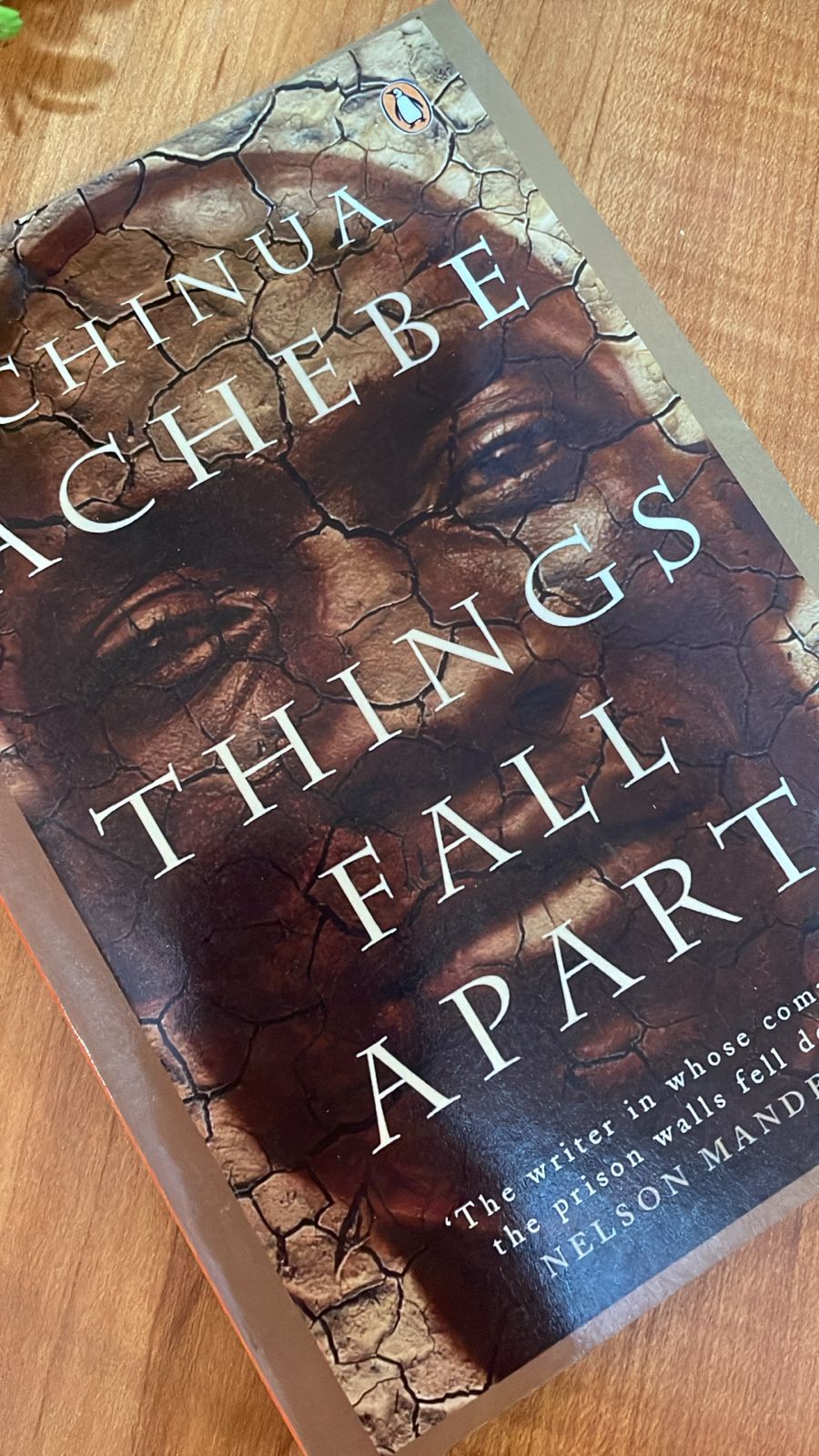
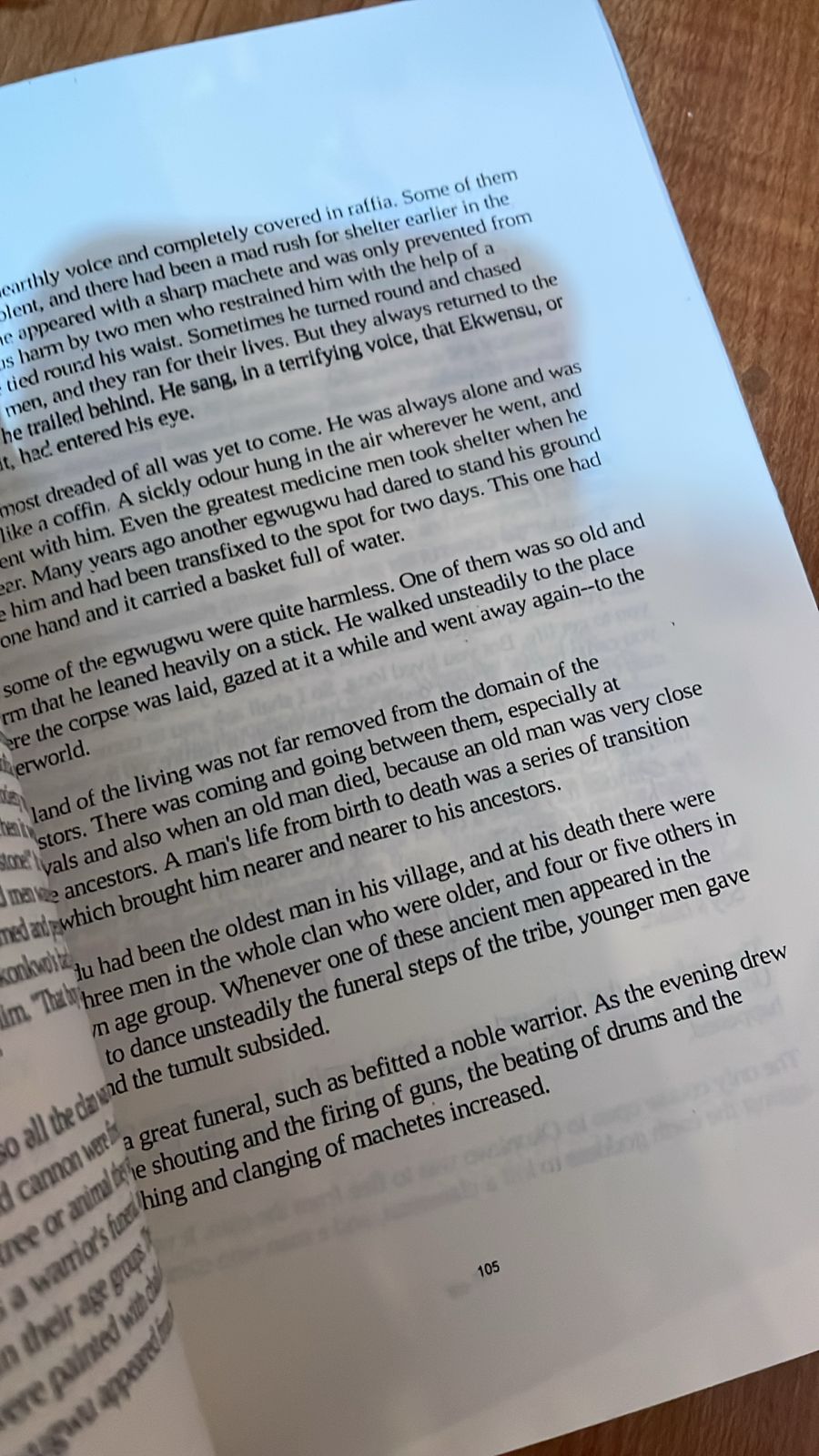
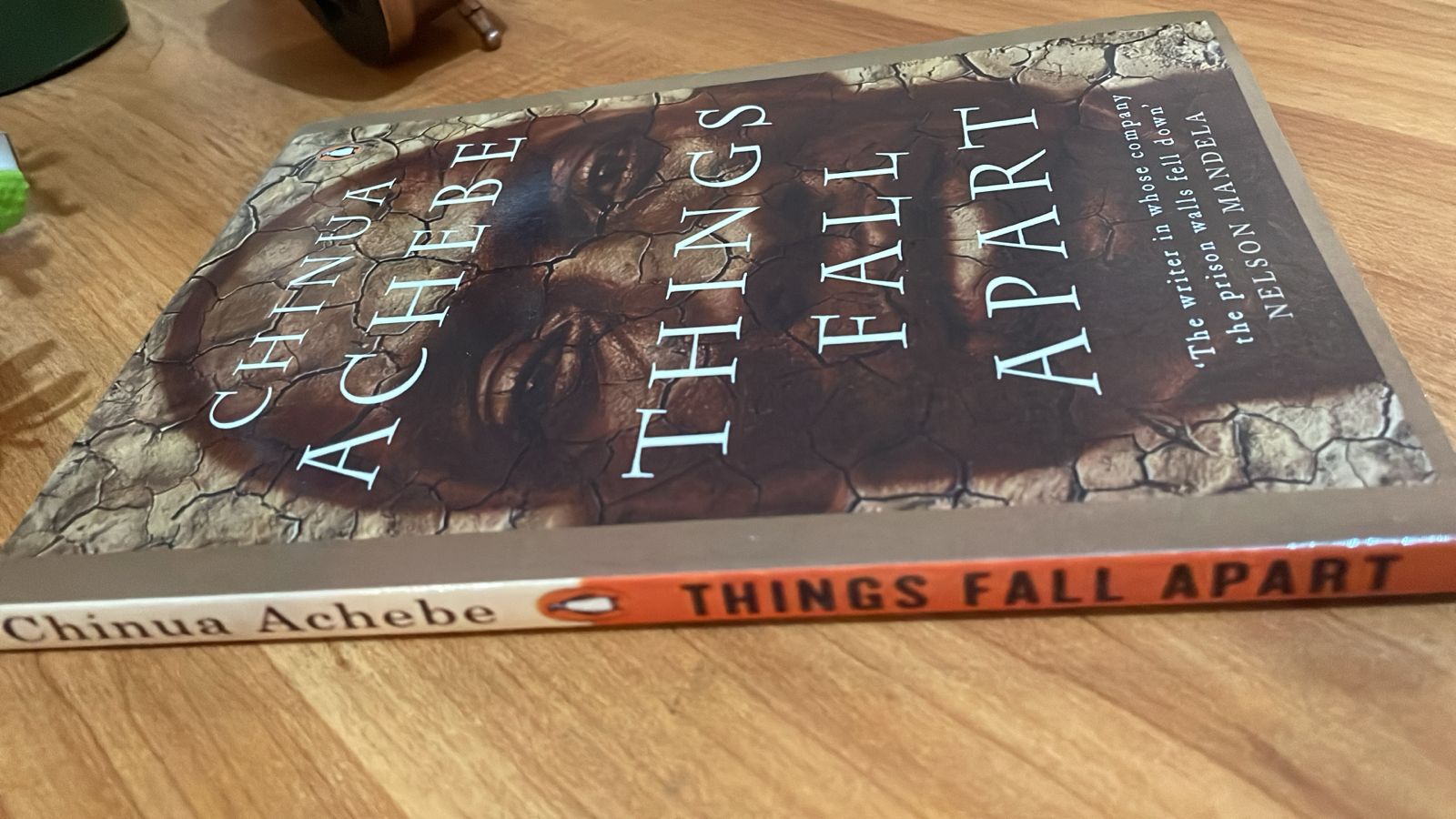
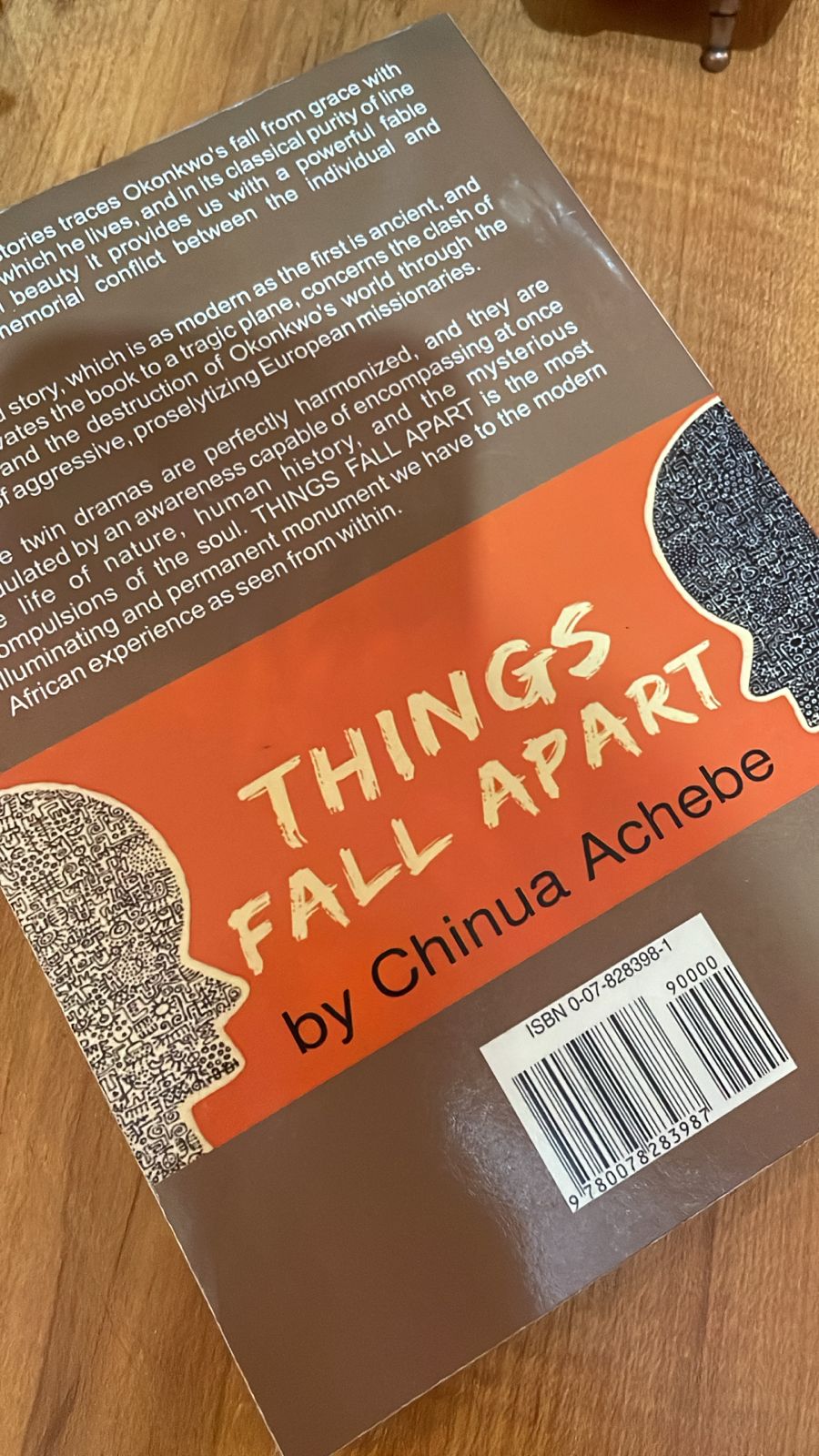


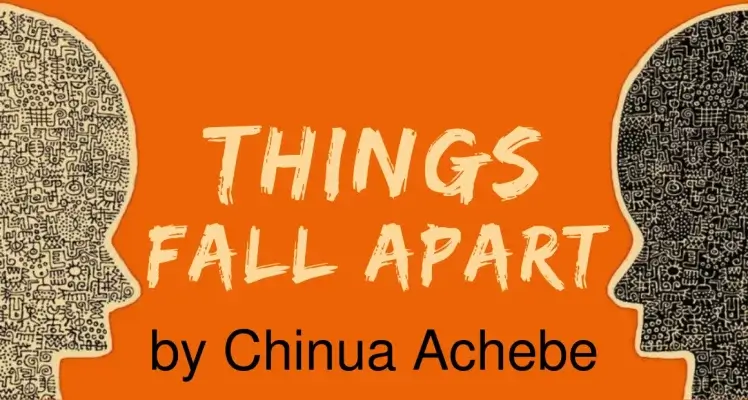
Things Fall Apart by Chinua Achebe
Original price was: රු2,000.00.රු1,600.00Current price is: රු1,600.00.
3 X Rs. 533.33 or 8% Cashback with


or 3 X රු533.33 with


or up to 4 X රු400.00 with


Delve into the clash of cultures and the enduring struggle for tradition in “Things Fall Apart” by Chinua Achebe. This classic novel follows Okonkwo, a proud Igbo warrior, as he grapples with the collision of traditional values and colonial forces in Nigeria. Order now for a timeless exploration of culture, identity, and the enduring human spirit.
1 in stock
Things Fall Apart by Chinua Achebe
Things Fall Apart by Chinua Achebe is a powerful classic about tradition, identity, masculinity, family, colonialism, religion, social change, and the tragic consequences of refusing to adapt.
Set in the fictional Igbo community of Umuofia in what is now Nigeria, the novel follows Okonkwo.
He is respected for his strength.
He is successful.
He has worked hard to become everything his father was not.
But that determination also creates fear, anger, and rigidity.
As British missionaries and colonial authorities begin entering the region, Okonkwo sees the world he understands beginning to change.
About Things Fall Apart
Things Fall Apart begins before colonial rule has fully transformed Umuofia.
Chinua Achebe carefully presents everyday life within the Igbo community.
Readers see farming.
They see marriage customs.
They see religious beliefs.
They see family responsibilities and community justice.
This is important because Achebe allows the society to exist as a complete world before colonial disruption becomes central to the story.
The novel then examines what happens when new religious and political systems challenge that world.
Meet Okonkwo
Okonkwo is one of the most memorable figures in modern literature.
He has achieved respect through hard work, wrestling, farming, and determination.
His greatest fear is weakness.
That fear is closely connected to his father, Unoka.
Unoka was gentle and interested in music, but Okonkwo remembers him mainly as unsuccessful and financially irresponsible.
Okonkwo spends his life trying to become the opposite.
The problem is that his fear of appearing weak often makes him unnecessarily harsh.
7 Powerful Reasons to Read Things Fall Apart
1. It Presents Igbo Society from Within
One of the most important achievements of Things Fall Apart is its portrayal of Igbo society before and during colonial intervention.
Readers experience traditions through the people who live them.
Customs are not simply described from an outsider’s perspective.
Achebe shows a complex community with its own values, disagreements, systems, and contradictions.
2. Okonkwo Is a Complex Tragic Character
Okonkwo is neither a simple hero nor a simple villain.
He is hardworking and courageous.
He is also controlling and violent.
His greatest strength and greatest weakness often come from the same source.
He wants to avoid becoming like his father.
That fear gradually shapes his fate.
3. The Novel Explores Colonialism Powerfully
British missionaries initially appear as outsiders.
Over time, their influence grows.
Religion creates divisions.
Colonial government introduces new authority.
Traditional systems begin losing power.
Achebe shows colonialism not as one sudden event but as a gradual transformation of community life.
4. Tradition and Change Collide
Every society changes.
The difficult question is how people respond.
Some characters adapt.
Some convert to Christianity.
Some try to coexist with the new structures.
Okonkwo strongly resists.
This conflict between tradition and change drives much of the novel’s tragedy.
5. Masculinity Is Questioned
Okonkwo believes masculinity means strength, control, aggression, and emotional restraint.
He fears anything he associates with weakness.
This affects the way he treats his family.
It affects his decisions.
It also prevents him from responding flexibly to change.
Achebe uses Okonkwo to explore the danger of defining strength too narrowly.
6. Family Relationships Add Emotional Depth
The political themes are important.
But Things Fall Apart is also a family story.
Okonkwo’s relationship with his father shapes his personality.
His relationship with his son Nwoye becomes increasingly difficult.
His daughter Ezinma reveals a softer side of him.
These relationships make the larger cultural changes feel personal.
7. It Changed World Literature
The novel became one of the most influential works of modern African literature.
It challenged many earlier Western representations of African societies.
Instead of presenting Africa as a silent background for European stories, Achebe placed African characters, traditions, voices, and conflicts at the center.
That influence continues to make the novel important today.
Igbo Society and Community
Umuofia has its own political and social structures.
Important decisions involve elders and community discussions.
Religious traditions influence everyday life.
Agriculture also plays a major role.
Yams are especially important.
They represent food, labor, achievement, and status.
Achebe uses these details to make the community feel complete and lived-in.
The Role of Religion
Religion becomes one of the major areas of conflict in Things Fall Apart.
Igbo religious traditions shape community life.
Later, Christian missionaries arrive.
Some villagers reject them.
Others become interested.
The new religion attracts people who feel excluded or dissatisfied within the traditional system.
This makes the conflict more complicated than a simple struggle between two groups.
Nwoye and Generational Conflict
Nwoye is Okonkwo’s son.
Okonkwo worries that Nwoye is too sensitive.
He repeatedly tries to force him toward a harder version of masculinity.
This creates emotional distance.
When Christianity enters the community, Nwoye finds something in it that speaks to him.
His decision becomes deeply personal for Okonkwo.
Their conflict reflects the broader transformation happening around them.
Ezinma
Ezinma is Okonkwo’s daughter.
He respects her intelligence and strength.
At times, he even wishes she had been born male because he believes her character better matches his expectations.
This relationship reveals contradictions in Okonkwo’s worldview.
He can recognize strength in his daughter.
Yet he remains trapped by rigid ideas about gender.
Exile and Return
An important turning point forces Okonkwo away from Umuofia.
He spends years in exile.
During that period, the world continues changing.
When he eventually returns, the community is not the same place he left.
Missionaries have gained influence.
Colonial structures are stronger.
Okonkwo expects to return to his previous position.
Instead, he finds a society moving in a direction he cannot accept.
Colonial Authority
British colonial power eventually extends beyond religion.
A new legal system appears.
New officials claim authority.
Traditional leaders lose influence.
The novel shows how political control and cultural change can reinforce one another.
Once the new institutions become established, resistance becomes much more difficult.
Language and Storytelling
Achebe’s language is clear but rich.
He incorporates proverbs, folktales, and rhythms influenced by Igbo oral traditions.
These elements give the novel a distinctive voice.
Proverbs often reveal values.
Stories inside the story preserve memory.
Language itself becomes part of cultural identity.
The Meaning of the Title
The title Things Fall Apart comes from W. B. Yeats’s poem The Second Coming.
The phrase captures the central movement of the novel.
Okonkwo’s personal world begins to collapse.
His family changes.
His community changes.
The social order changes.
The title therefore describes both an individual tragedy and a larger historical transformation.
Who Should Read This Book?
Things Fall Apart is ideal for readers interested in classic literature, African literature, historical fiction, colonial history, identity, and cultural conflict.
It is also widely studied by students.
The novel offers many themes for discussion.
These include masculinity, tradition, religion, colonialism, family, leadership, and resistance to change.
Readers interested in character-driven tragedies may especially appreciate Okonkwo’s story.
About Chinua Achebe
Chinua Achebe was a Nigerian novelist, poet, critic, and professor.
He was born in 1930 and became one of the most influential writers in modern African literature.
His novels include Things Fall Apart, No Longer at Ease, Arrow of God, A Man of the People, and Anthills of the Savannah.
Things Fall Apart is the first novel in the African Trilogy, followed by No Longer at Ease and Arrow of God.
Readers can learn more through the official Penguin Random House page for Things Fall Apart.
Product Details
Title: Things Fall Apart
Author: Chinua Achebe
Series: The African Trilogy
Genre: Classic Literature / African Literature / Historical Fiction
Language: English
Original Publication: 1958
Setting: Umuofia, late nineteenth century
Themes: Colonialism, Tradition, Identity, Masculinity, Religion, Family, Cultural Change
A common Penguin Books paperback edition carries ISBN 9780385474542 and contains 224 pages.
Another Penguin Modern Classics paperback carries ISBN 9780141186887 and contains 176 pages.
Because several editions exist, always check the ISBN and page count printed on your physical copy before entering final WooCommerce specifications.
Explore More Classic Fiction
Things Fall Apart is both a personal tragedy and a story about a society undergoing enormous change.
Okonkwo believes strength means refusing to bend.
But the world around him is changing faster than he can control.
His struggle shows how fear, pride, tradition, and political power can collide.
Readers interested in more important literary works can explore Fiction & Literature Books at Bargain Books.
For readers who want a powerful novel about identity, colonialism, tradition, and cultural change, Things Fall Apart remains an essential classic.
| Author | Chinua Achebe |
|---|---|
| Type | Paperback Printed Book |
| ISBN/ISSN | 0141186887, 978-0141186887 |
| Language | English |
| Pages | 176 |
Be the first to review “Things Fall Apart by Chinua Achebe”
Related products
-20%

Out of stock
Classics & Literary Fiction
Original price was: රු2,500.00.රු1,990.00Current price is: රු1,990.00.
3 X Rs. 663.33 or 8% Cashback with
or 3 X රු663.33 with
or up to 4 X රු497.50 with
-26%

Out of stock
Classics & Literary Fiction
Original price was: රු1,900.00.රු1,400.00Current price is: රු1,400.00.
3 X Rs. 466.67 or 8% Cashback with
or 3 X රු466.67 with
or up to 4 X රු350.00 with
-24%
Out of stock
Classics & Literary Fiction
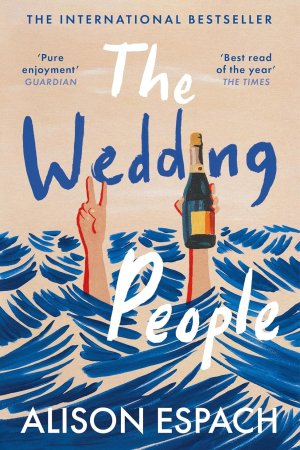
The Wedding People by Alison Espach – A Heartfelt Novel of Unexpected Friendships by Alison Espach
Original price was: රු2,500.00.රු1,900.00Current price is: රු1,900.00.
3 X Rs. 633.33 or 8% Cashback with
or 3 X රු633.33 with
or up to 4 X රු475.00 with
-28%

Out of stock
Classics & Literary Fiction
Original price was: රු1,800.00.රු1,300.00Current price is: රු1,300.00.
3 X Rs. 433.33 or 8% Cashback with
or 3 X රු433.33 with
or up to 4 X රු325.00 with
Classics & Literary Fiction
රු1,850.00
3 X Rs. 616.67 or 8% Cashback with
or 3 X රු616.67 with
or up to 4 X රු462.50 with
-7%
Out of stock
Original price was: රු1,500.00.රු1,400.00Current price is: රු1,400.00.
3 X Rs. 466.67 or 8% Cashback with
or 3 X රු466.67 with
or up to 4 X රු350.00 with
-17%

Classics & Literary Fiction
If He Had Been with Me by Laura Nowlin | Kindle Edition – YA Romance Bestseller
Original price was: රු2,400.00.රු1,990.00Current price is: රු1,990.00.
3 X Rs. 663.33 or 8% Cashback with
or 3 X රු663.33 with
or up to 4 X රු497.50 with
-37%
Out of stock
Classics & Literary Fiction
Original price was: රු3,000.00.රු1,900.00Current price is: රු1,900.00.
3 X Rs. 633.33 or 8% Cashback with
or 3 X රු633.33 with
or up to 4 X රු475.00 with
Reviews
There are no reviews yet.