No products in the cart.
-24%
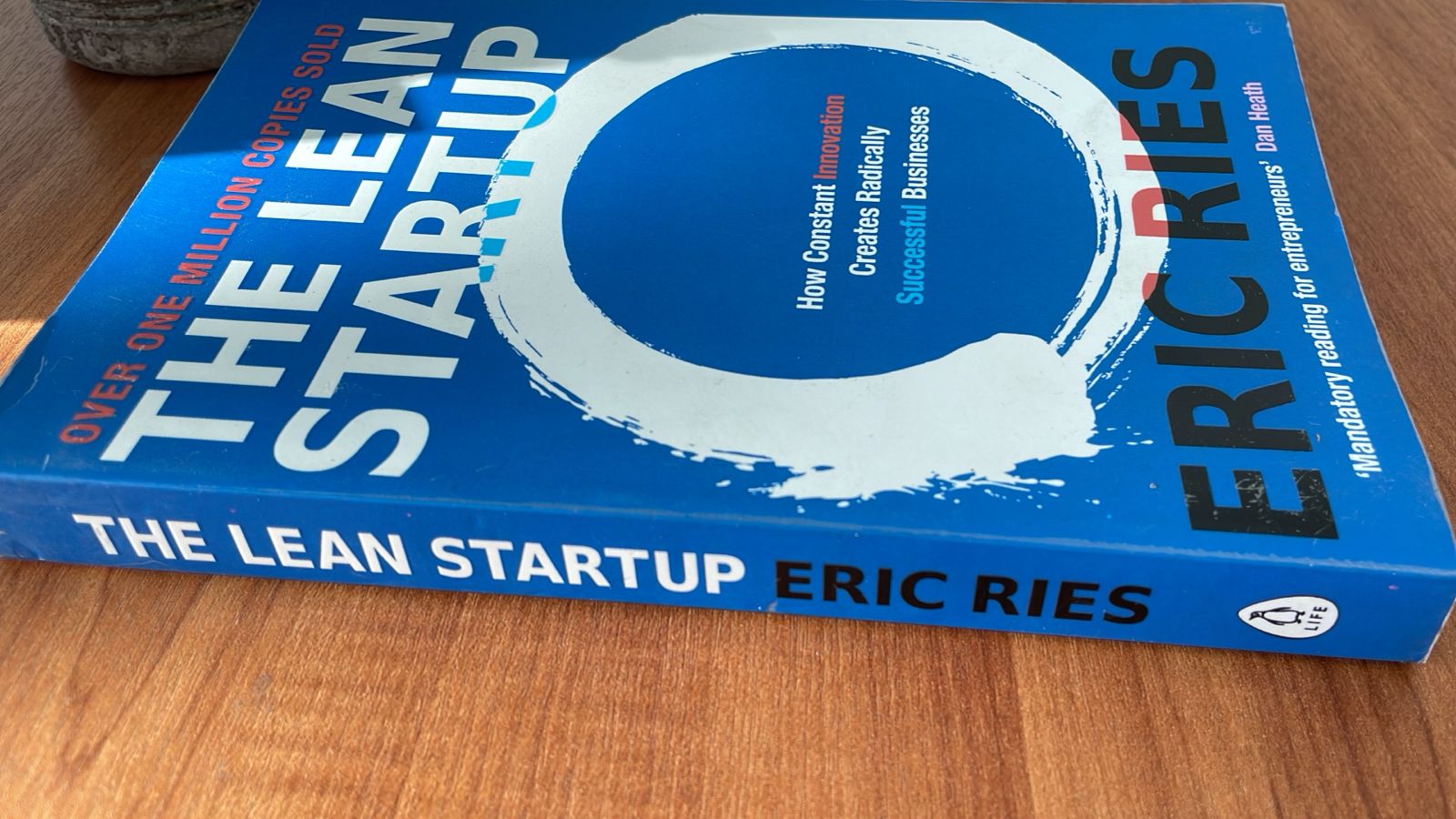
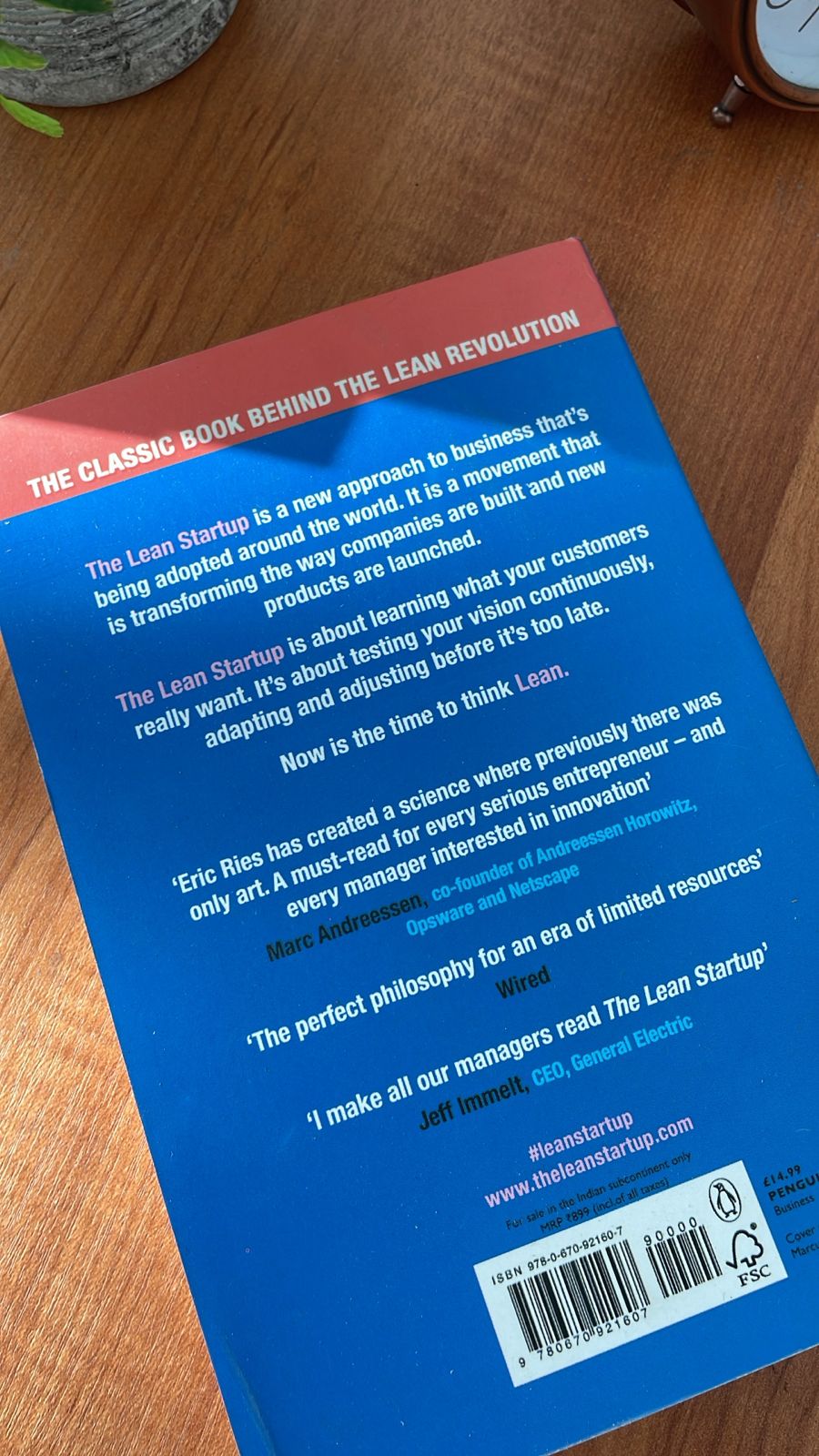

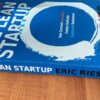

Lean startup by Eric Ries

Original price was: රු2,050.00.රු1,550.00Current price is: රු1,550.00.
3 X Rs. 516.67 or 8% Cashback with


or 3 X රු516.67 with


or up to 4 X රු387.50 with


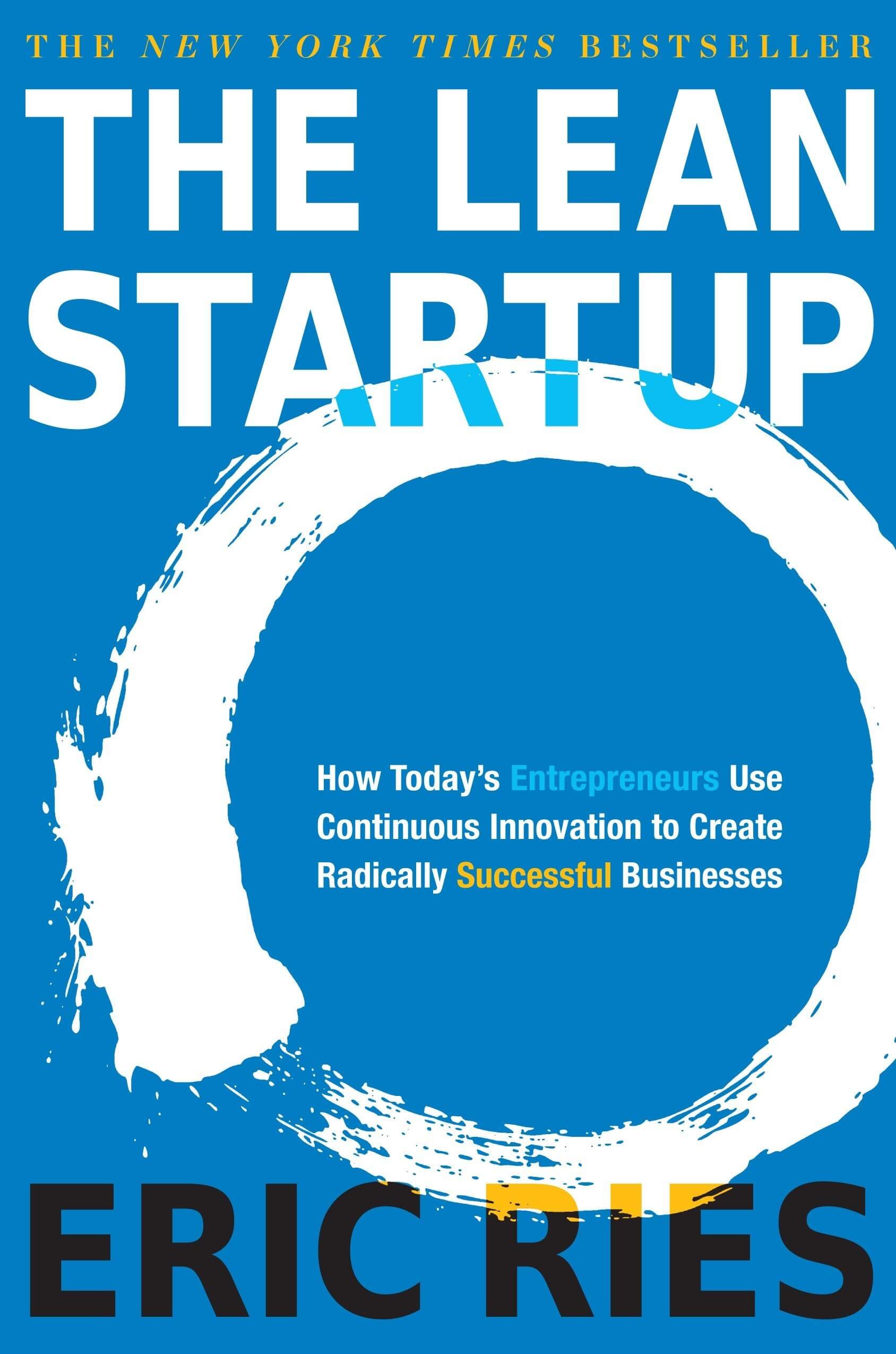
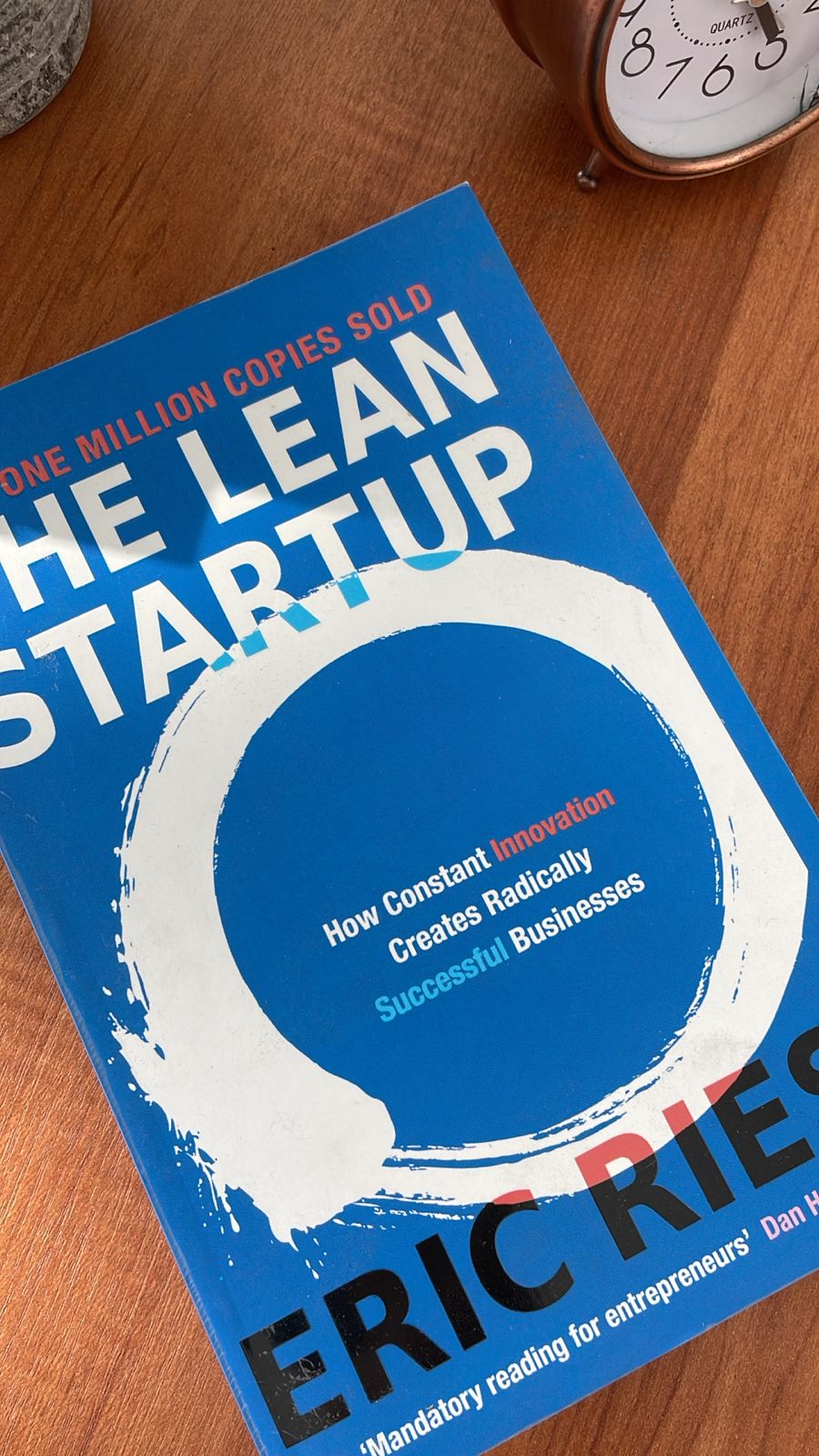
- The Lean Startup by Eric Ries is a bestselling entrepreneurship guide that teaches founders and innovators how to build businesses through rapid experimentation, customer feedback and validated learning. Using concepts such as the Minimum Viable Product, Build-Measure-Learn cycle, actionable metrics, innovation accounting and pivot-or-persevere decisions, Eric Ries shows how startups can reduce wasted effort, test assumptions quickly and discover what customers truly want before scaling. Ideal for entrepreneurs, startup founders, product managers and anyone building a new business or product.
9 in stock
The Lean Startup by Eric Ries is a practical entrepreneurship and innovation guide that explains how startups can test ideas faster, learn from real customers, reduce wasted effort and build products people actually want.
Traditional business thinking often encourages entrepreneurs to:
Write a detailed business plan.
Raise money.
Build the complete product.
Launch it.
Spend heavily on marketing.
Then hope customers want it.
Eric Ries argues that this approach can be extremely dangerous when a business is operating under uncertainty.
A startup does not yet know everything.
It may not know:
Who the ideal customer is.
Which features matter.
What customers will pay for.
Which marketing channels will work.
Whether the problem is important enough.
Whether the original business model is correct.
Yet founders often behave as if these assumptions are already proven.
That can lead to months or years of work being spent building something customers never wanted.
The Lean Startup by Eric Ries offers a different approach.
Build something small.
Test it.
Measure what happens.
Learn.
Then improve, change direction or continue.
This process is captured in one of the book’s most famous ideas:
Build – Measure – Learn.
The goal is not simply to build products faster.
The goal is to learn faster.
The Lean Startup by Eric Ries – Book Overview
The Lean Startup by Eric Ries presents a systematic way to create and manage new businesses in environments filled with uncertainty.
Eric Ries defines a startup broadly.
A startup is not only a young technology company working from a garage.
It can also be:
A new business.
A new product team.
A corporate innovation project.
A nonprofit initiative.
A new service.
A new division inside a large organization.
What makes it a startup is uncertainty.
The team is trying to create something new without having all the answers.
Because uncertainty is high, traditional management techniques are not always enough.
The team needs to learn continuously.
What Is a Lean Startup?
A lean startup tries to reduce waste while increasing learning.
Waste can include:
Building unnecessary features.
Creating products nobody wants.
Running ineffective marketing.
Hiring too quickly.
Scaling before demand exists.
Spending money before assumptions are validated.
The lean approach asks:
What is the fastest and cheapest way to learn whether our idea is correct?
That question changes how startups operate.
Startups Operate Under Extreme Uncertainty
One of the central ideas in The Lean Startup by Eric Ries is that startups exist under conditions of extreme uncertainty.
A traditional company may already know:
Its customers.
Its product.
Its distribution channels.
Its pricing model.
Its market.
A startup often knows none of these with certainty.
That means founders should treat many early ideas as hypotheses rather than facts.
Assumptions Are Not Facts
Founders often say:
Customers will love this feature.
People will pay this price.
This market is huge.
Users will behave this way.
But until customers actually demonstrate that behavior, these are assumptions.
A lean startup converts assumptions into experiments.
The Build-Measure-Learn Cycle
The most famous framework in The Lean Startup by Eric Ries is the:
Build – Measure – Learn feedback loop.
The process works like this:
Build a version of the product.
Measure how customers respond.
Learn from the results.
Then repeat.
The goal is to move through this cycle quickly.
Build
The first stage is building something that allows you to test an important assumption.
This does not mean building the entire final product.
It means building enough to learn.
That may be:
A prototype.
Landing page.
Demo.
Basic app.
Small service.
Manual version of an automated process.
Early product.
The objective is learning, not perfection.
Measure
Once customers interact with the product, the startup needs data.
What happened?
Did customers sign up?
Did they return?
Did they pay?
Which features did they use?
Where did they stop?
Real behavior is more valuable than assumptions.
Learn
The final stage asks:
What did the experiment teach us?
Was our assumption correct?
Do customers care about the problem?
Does the solution create value?
Should we continue?
Should we change something?
This learning feeds directly into the next experiment.
Minimum Viable Product
One of the most important concepts in The Lean Startup by Eric Ries is the Minimum Viable Product, commonly called an MVP.
An MVP is not simply a bad or incomplete product.
Its purpose is to create the smallest version of an idea that can generate meaningful learning.
The key word is:
Learning.
Why Build an MVP?
Imagine spending twelve months building a sophisticated product.
Thousands of development hours.
Large investments.
Many features.
Perfect design.
Then the launch happens.
Customers do not care.
The problem was not execution.
The fundamental assumption was wrong.
An MVP tries to reveal that problem earlier.
MVP Does Not Mean Low Quality
One common misunderstanding is that MVP means:
Build something terrible.
Launch it.
That is not the point.
The MVP should be sufficient to test the most important assumption.
Different businesses may require different levels of quality.
The objective is to avoid building things that do not contribute to learning.
Test Before You Scale
A startup should not automatically scale an idea just because the founders love it.
First test:
Do customers want it?
Will they use it?
Will they pay?
Will they return?
Only after finding stronger evidence should the company invest aggressively in growth.
Validated Learning
Validated learning is another major concept in The Lean Startup by Eric Ries.
Learning is easy to claim.
A failed project can always produce statements such as:
“We learned a lot.”
But validated learning requires evidence.
The business must demonstrate that it learned something real about customer behavior.
Learning Through Experiments
Imagine a startup believes customers will pay Rs. 5,000 for a service.
Instead of debating internally for weeks, it could test the offer with actual customers.
The results provide stronger evidence than opinions.
This is the experimental mindset Ries promotes.
Scientific Thinking
The Lean Startup approach resembles the scientific method.
Start with a hypothesis.
Design an experiment.
Collect evidence.
Evaluate the result.
Then refine the hypothesis.
This makes entrepreneurship less dependent on guessing.
Leap-of-Faith Assumptions
Every startup has assumptions that must be true for the business to work.
These are sometimes called leap-of-faith assumptions.
For example:
Customers have this problem.
Our solution matters to them.
They will pay for it.
They will continue using it.
The market is large enough.
The startup should identify these assumptions early.
Value Hypothesis
A value hypothesis asks:
Does the product create real value for customers?
Do people actually want it?
Do they use it repeatedly?
Do they recommend it?
Do they pay?
These behaviors provide evidence of value.
Growth Hypothesis
A growth hypothesis asks:
How will the business grow?
Will customers refer others?
Will advertising work profitably?
Will repeat purchases drive growth?
Will subscriptions create retention?
Understanding growth becomes essential before scaling.
Pivot or Persevere
Eventually, every startup reaches an important question:
Should we continue with the current strategy?
Or should we change direction?
Eric Ries describes this as:
Pivot or persevere.
Persevere
Persevere means evidence suggests the current direction is working.
Customers are responding.
Metrics are improving.
The product appears to create value.
The company continues while improving execution.
Pivot
A pivot means making a significant change while keeping some of what has been learned.
A startup might change:
Customer segment.
Product feature.
Pricing.
Distribution channel.
Revenue model.
Technology.
Growth strategy.
The original idea is adjusted based on evidence.
Pivoting Is Not Failure
Entrepreneurs often become emotionally attached to their original ideas.
Changing direction can feel like admitting failure.
The Lean Startup by Eric Ries reframes pivoting.
If evidence shows a better direction, changing course can be intelligent leadership.
The real failure may be ignoring evidence.
Customer Feedback
Customer feedback is essential.
But startups must distinguish between:
What customers say.
and
What customers actually do.
A customer may say:
“I would definitely buy that.”
But when the product launches, they may not purchase.
Behavior provides stronger evidence.
Watch What Customers Do
Useful measures include:
Purchases.
Retention.
Usage frequency.
Referrals.
Conversions.
Cancellations.
Repeat visits.
These actions show whether the product creates real value.
Actionable Metrics
The Lean Startup by Eric Ries emphasizes the importance of actionable metrics.
An actionable metric helps a company make a decision.
For example:
What percentage of new users return after seven days?
How many trial users become paying customers?
How much does customer acquisition cost?
These metrics provide useful information.
Vanity Metrics
Vanity metrics look impressive but may hide problems.
Examples can include:
Total registered users.
Total page views.
Total downloads.
Social-media followers.
A startup might proudly announce:
“We have 100,000 users.”
But if only 500 use the product regularly, the larger number may be misleading.
Measure Real Progress
Real startup progress is not:
More code written.
More employees hired.
More features launched.
More meetings held.
Progress means learning whether the business can become sustainable.
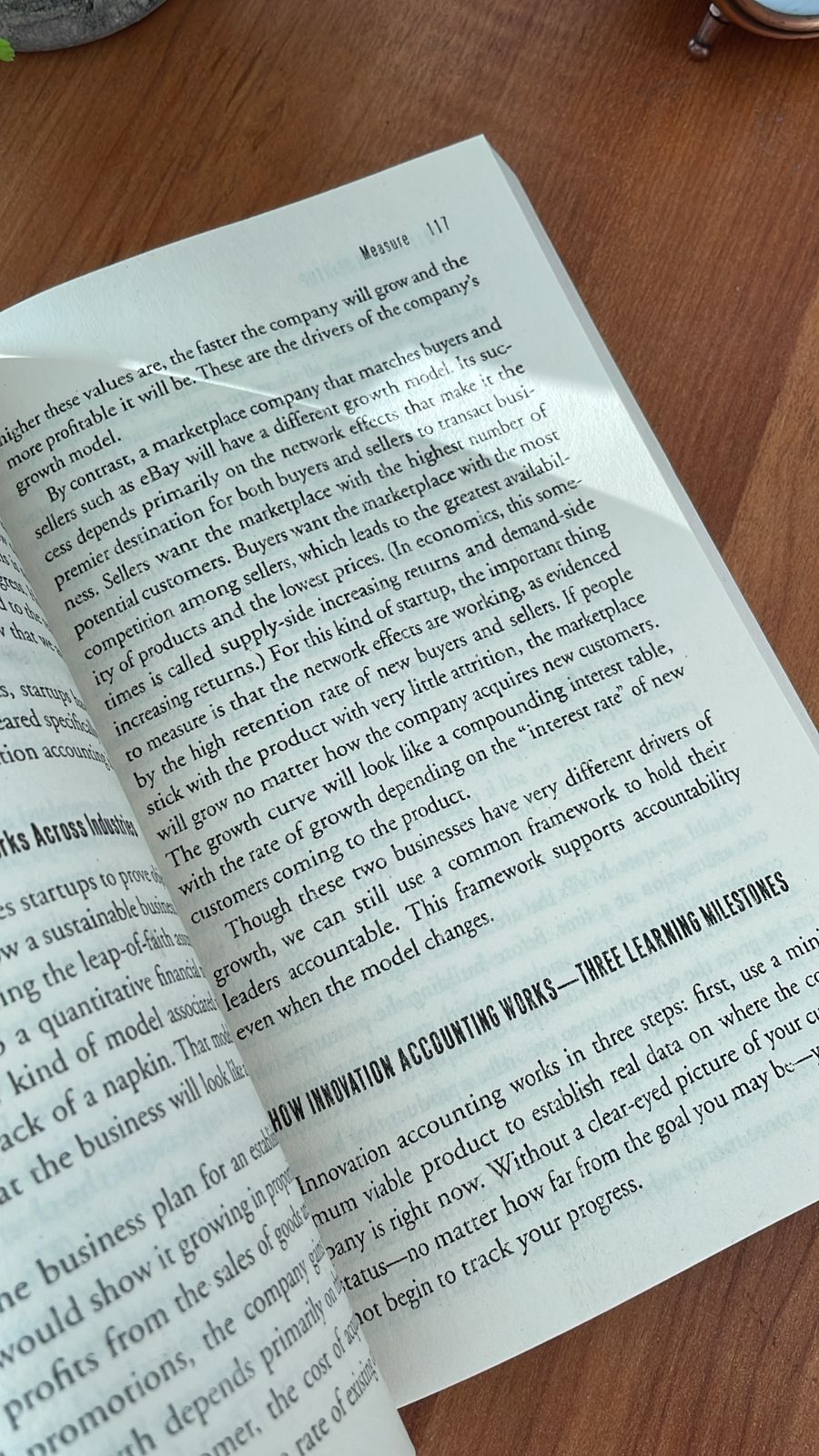
Innovation Accounting
Eric Ries introduces the idea of innovation accounting.
Traditional accounting works well for established businesses.
Revenue.
Profit.
Costs.
Assets.
But early-stage startups may need additional measures.
They need to evaluate whether customer behavior is improving.
Startup Metrics
Useful startup metrics may include:
Activation rate.
Retention.
Conversion.
Revenue per customer.
Customer acquisition cost.
Churn.
Referral rate.
Repeat purchase rate.
These metrics help founders understand whether the underlying business is improving.
Baseline
A startup should first establish its current performance.
This becomes the baseline.
For example:
Current conversion rate: 2%.
Current customer retention: 20%.
Current average revenue: Rs. 1,500.
Then experiments can attempt to improve these numbers.
Experiment
The startup makes a change.
New onboarding.
Different price.
New marketing message.
Simpler checkout.
Different feature.
Then it measures the result.
Evaluate
Did the metric improve?
If yes, why?
If not, what was learned?
This creates disciplined experimentation.
Small Batches
Lean thinking encourages working in smaller batches.
Instead of building ten features and launching them together, a team may release smaller changes more frequently.
This makes it easier to learn which change created which result.
Faster Feedback
Small batches create faster feedback.
Build.
Release.
Observe.
Improve.
The shorter the feedback cycle, the faster learning can happen.
Continuous Deployment
In software businesses, this approach can connect naturally with continuous deployment.
Small changes are released frequently.
Customer responses are measured.
The team can correct problems quickly.
Reduce Waste
Waste is one of the most important themes in The Lean Startup by Eric Ries.
A beautifully engineered feature that nobody uses is waste.
A six-month campaign for an unwanted product is waste.
A large team hired before demand exists may become waste.
The lean approach focuses on discovering what creates customer value.
Working Hard Is Not Enough
Entrepreneurs often celebrate extremely hard work.
Long hours.
Late nights.
Constant pressure.
But working hard on the wrong thing does not create success.
Efficiency is not simply:
How quickly can we build?
The better question is:
Should we build this at all?
Speed of Learning
The true competitive advantage for many startups is speed of learning.
Two companies may begin with incorrect assumptions.
The company that discovers and corrects those assumptions faster may survive.
Product Development
Traditional product development may assume customer requirements are known.
Startup product development must discover those requirements.
This changes the process.
Instead of:
Plan everything.
Build everything.
Launch.
The lean model becomes:
Build something small.
Learn.
Build the next version.
Customer Development
Customer understanding should develop alongside the product.
Who are the users?
What problems matter most?
How do they currently solve them?
What would make them switch?
These questions should be answered through evidence.
Entrepreneurship Is Management
A major argument in The Lean Startup by Eric Ries is that entrepreneurship is a form of management.
Startups need creativity.
But they also need:
Processes.
Measurement.
Priorities.
Learning.
Accountability.
Entrepreneurship should not depend entirely on instinct.
Vision
Eric Ries does not argue that founders should abandon vision.
Vision remains important.
The founder needs a long-term direction.
But strategy can change.
Products can change.
Features can change.
Channels can change.
The vision may remain while the path evolves.
Vision, Strategy and Product
A useful way to understand this is:
Vision changes slowly.
Strategy may need to pivot.
Product can change frequently.
Startups should not confuse loyalty to the vision with loyalty to every initial idea.
Entrepreneurship and Uncertainty
A startup founder cannot eliminate uncertainty.
The goal is to manage it.
Experimentation turns uncertainty into information.
Each test reduces what the business does not know.
Fail Faster – But Learn
People sometimes summarize lean startup thinking as:
Fail fast.
But failure alone has no value.
The correct objective is:
Learn quickly.
A failed experiment that reveals an important truth can be useful.
Repeated failure without learning is not.
Experiment Cheaply
Whenever possible, test an assumption before spending heavily.
Do not build a massive technology system if a manual process can test demand first.
Do not open ten locations before validating one.
Do not manufacture thousands of units before testing interest.
Learn first.
Scale later.
Small Experiments
Small experiments reduce risk.
Imagine testing a new product with:
50 customers.
instead of immediately producing:
50,000 units.
The smaller experiment may reveal whether larger investment makes sense.
Entrepreneurship and Risk
Entrepreneurship always involves risk.
Lean Startup methods do not eliminate risk.
They attempt to reduce unnecessary risk.
The startup still takes chances.
But it uses information to make better decisions.
Customer-Centric Product Development
A product should not exist only because founders think it is interesting.
Customers ultimately decide whether value exists.
This requires founders to leave the conference room and engage with reality.
Listen Without Obeying Every Request
Customer feedback matters.
But customers may request many different features.
A startup should understand the deeper problem behind the request.
Customers may not know the best technical solution.
Their problems matter more than their proposed solutions.
Experiment Before Investing
If a feature takes six months to build, ask:
Is there a smaller way to test whether customers care?
That question can save enormous amounts of development time.
The Startup Runway
Startups usually have limited resources.
Money.
Time.
People.
The traditional definition of runway may be:
How many months until the company runs out of cash?
Lean thinking adds another perspective:
How many opportunities do we have to test and improve before resources disappear?
Extend the Runway by Learning Faster
Reducing costs can extend runway.
But increasing learning speed can also improve survival.
If each experiment takes one month instead of six months, the company has more chances to discover a sustainable model.
Product-Market Fit
Although the phrase is broader than this book alone, Lean Startup principles help businesses search for product-market fit.
The startup wants evidence that:
Customers have a real problem.
The solution matters.
They will pay.
They return.
Demand can grow.
Until then, aggressive scaling can be dangerous.
Scale After Validation
Imagine a startup spends heavily on advertising before confirming retention.
It acquires thousands of users.
Most leave.
The company has scaled the problem.
A lean startup first tries to improve the underlying product and customer behavior.
Growth Engines
Eric Ries discusses different ways startups can grow.
Growth should eventually be driven by repeatable mechanisms.
For example:
Word of mouth.
Repeat usage.
Paid acquisition.
Each business should understand what engine drives growth.
Sticky Growth
A sticky growth model depends heavily on retaining customers.
If customers remain while new customers arrive, the business grows.
Retention therefore becomes critical.
Viral Growth
Viral growth occurs when existing users help bring in new users.
Sharing.
Invitations.
Referrals.
Network effects.
The company measures whether each customer contributes to future acquisition.
Paid Growth
Paid growth uses advertising or other acquisition spending.
This works when the value generated from a customer is greater than the cost of acquiring them.
If acquisition costs exceed customer value, simply increasing advertising can increase losses.
Sustainable Growth
The goal is not growth at any cost.
It is sustainable growth.
Growth supported by real customer value.
Quality
Lean Startup thinking is sometimes misunderstood as being anti-quality.
It is not.
The question is:
What does quality mean to the customer?
A team may spend months perfecting something customers do not care about.
That effort does not create value.
Learning What Customers Value
The startup needs to discover which aspects truly matter.
Speed?
Design?
Reliability?
Convenience?
Price?
Support?
Only customer behavior can provide strong evidence.
Startup Culture
Lean Startup methods also influence culture.
Teams need permission to:
Experiment.
Question assumptions.
Share bad results.
Change direction.
If employees are punished whenever an experiment fails, they may stop experimenting.
Failure Should Produce Learning
An experiment that disproves an idea can still be valuable.
The team now knows what not to pursue.
That knowledge can prevent larger future losses.
Honest Metrics
Startups need honesty.
Founders naturally want to believe the business is succeeding.
This can make vanity metrics attractive.
Good measurement forces reality into the discussion.
Do Not Manipulate the Numbers
If a metric looks bad, understand why.
Do not immediately change the definition to make performance look better.
Learning requires accurate feedback.
Leadership
Startup leaders need to create an environment where learning matters more than defending previous decisions.
A leader should be willing to say:
Our assumption was wrong.
Let’s change.
That requires humility.
Entrepreneurial Management
A startup needs a management system appropriate for uncertainty.
It cannot behave exactly like an established company.
The goal is discovery.
Once the model becomes more predictable, management can become more optimized.
Innovation Inside Large Companies
The Lean Startup by Eric Ries is not only for small startups.
Large companies also create new products under uncertainty.
A corporation may know its current market extremely well.
But a completely new product still involves unknowns.
Lean experimentation can help internal innovation teams.
Corporate Innovation
Large businesses often struggle with innovation because they demand:
Accurate forecasts.
Immediate returns.
Detailed five-year plans.
But truly new products may not have reliable data yet.
Experimentation allows companies to learn before making enormous commitments.
Entrepreneurship Inside Organizations
Employees developing new ideas inside existing organizations can use lean principles.
Test.
Measure.
Learn.
Rather than requesting millions before proving anything, they can build evidence gradually.
Business Plans
Traditional business plans can be useful.
But The Lean Startup by Eric Ries warns against treating forecasts as certainty.
A spreadsheet may predict:
100,000 customers.
20% annual growth.
High margins.
But those figures are assumptions.
Experiments should test them.
Planning Versus Learning
Plans are useful when the environment is predictable.
Experiments become more important when uncertainty is high.
A startup needs both direction and flexibility.
Founders and Ego
Founders can become emotionally attached to their ideas.
The product becomes part of their identity.
Then negative customer feedback feels personal.
Lean thinking encourages founders to separate:
The vision.
from
The current hypothesis.
An idea can be wrong without the founder being a failure.
Evidence Over Ego
When evidence contradicts the plan, the business should listen.
This principle sounds simple.
In practice, it can be extremely difficult.
Avoid Sunk-Cost Thinking
A team may say:
“We already spent two years building this.”
That does not prove they should spend another two.
Past investment cannot be recovered.
The question is:
What does current evidence suggest we should do next?
Adaptability
Adaptability is a major competitive advantage.
Markets change.
Customer needs change.
Technology changes.
Competitors change.
Startups capable of learning and adapting may respond faster.
Continuous Innovation
Successful businesses cannot assume one winning product will last forever.
Innovation should become an ongoing capability.
Experimentation helps organizations continue discovering new opportunities.
Start Small
Many huge companies began with something much smaller than what they eventually became.
Founders do not need to solve every future problem on day one.
The early objective is proving the core value.
Learn Before Optimizing
Optimization makes sense after you know the direction is correct.
Before that, optimization can simply make the wrong strategy more efficient.
First learn.
Then optimize.
Efficiency Versus Effectiveness
Efficiency asks:
How fast are we doing this?
Effectiveness asks:
Should we be doing it?
Lean Startup thinking prioritizes effectiveness before efficiency.
Startup Success
There is no formula guaranteeing startup success.
But The Lean Startup by Eric Ries attempts to improve the odds by replacing unnecessary guessing with disciplined experimentation.
The Founder as Scientist
A useful mental model is to think like a scientist.
Do not ask:
How can I prove my idea is right?
Ask:
How can I discover whether it is right?
That difference reduces confirmation bias.
Confirmation Bias
People naturally search for evidence supporting what they already believe.
Founders may focus on:
Positive comments.
Early fans.
Encouraging statistics.
while ignoring negative signals.
Well-designed experiments help challenge assumptions.
Ask Dangerous Questions
Useful startup questions include:
What if customers do not need this?
What if our price is wrong?
What if this feature is irrelevant?
What if another customer segment values it more?
Hard questions protect businesses from comfortable illusions.
Entrepreneurship Education
The Lean Startup by Eric Ries has become widely influential in entrepreneurship education because it provides practical frameworks rather than only motivational advice.
Readers learn concepts they can apply directly.
Useful for Technology Startups
Software and technology startups may find the framework especially natural because digital products can often be:
Built quickly.
Changed quickly.
Measured precisely.
Released frequently.
But the core ideas apply beyond technology.
Useful for Small Businesses
A small business can also test lean ideas.
For example, before opening a full new branch:
Test demand.
Run a temporary event.
Create a smaller offer.
Collect pre-orders.
Measure interest.
Then invest.
Useful for E-Commerce
An e-commerce business can test:
Product demand.
Pricing.
Landing pages.
Advertisements.
Bundles.
Checkout changes.
Email campaigns.
Each experiment creates data.
Useful for Product Managers
Product managers can apply Build-Measure-Learn when deciding:
Which features to prioritize.
Which user problems matter.
Which experiments to run.
How to measure success.
Useful for Entrepreneurs
Entrepreneurs can use The Lean Startup by Eric Ries to avoid one of the most expensive mistakes in business:
Building too much before learning enough.
7 Powerful Startup Lessons From The Lean Startup
There are many lessons in The Lean Startup by Eric Ries, but seven stand out:
- Build, Measure, Learn – Turn ideas into experiments, measure real customer behavior and use the results to improve the next version.
- Start with a Minimum Viable Product – Build the smallest useful version capable of testing your most important assumptions before investing heavily.
- Use validated learning – Progress should be measured by what the company has genuinely learned about customers and the business model.
- Avoid vanity metrics – Large numbers such as total users or views can be misleading. Focus on actionable metrics connected to customer behavior.
- Know when to pivot or persevere – If evidence shows the strategy is failing, change direction instead of continuing because of ego or sunk costs.
- Experiment before scaling – Validate demand, retention and customer value before spending aggressively on growth.
- Reduce waste by learning faster – The goal of lean thinking is not simply to spend less but to avoid wasting resources building things customers do not value.
Why Read The Lean Startup by Eric Ries?
The Lean Startup by Eric Ries is an excellent choice for readers interested in:
- Entrepreneurship
- Startup strategy
- Eric Ries
- Business innovation
- Minimum Viable Product
- MVP development
- Build-Measure-Learn
- Validated learning
- Product-market fit
- Business experiments
- Startup management
- Product development
- Customer development
- Innovation accounting
- Growth strategy
- Agile business
- Digital products
- Technology startups
- Small-business growth
- Startup founders
It is especially useful for anyone building something new without knowing exactly how customers will respond.
Who Should Read This Book?
The Lean Startup by Eric Ries may especially appeal to:
- Startup founders
- Entrepreneurs
- Business owners
- Product managers
- Software developers
- Innovation teams
- E-commerce owners
- Startup employees
- Business students
- Corporate innovators
- Marketing professionals
- Technology leaders
- Investors
- Managers developing new products
- Anyone planning to launch a new business
Build Less, Learn Faster and Create What Customers Actually Want
The Lean Startup by Eric Ries challenges a dangerous assumption:
That the company that builds the most will automatically win.
Eric Ries argues that startups should focus on something more important:
Learning.
A startup begins with uncertainty.
The founders do not yet know exactly what will work.
So instead of pretending every assumption is correct, they should test those assumptions.
Build a Minimum Viable Product.
Measure real customer behavior.
Learn from the results.
Improve.
Pivot when necessary.
Persevere when evidence supports the direction.
Then repeat.
The objective is to reach a sustainable business model before resources run out.
This makes entrepreneurship less dependent on:
Guessing.
Ego.
Massive upfront investment.
Perfect business plans.
And more dependent on:
Experiments.
Evidence.
Customer behavior.
Adaptability.
Learning.
For entrepreneurs, startup founders, product managers, business students and innovation teams who want a practical framework for testing ideas, reducing waste and building products customers genuinely value, The Lean Startup by Eric Ries remains one of the most influential modern guides to entrepreneurship and innovation.
Learn more about The Lean Startup by Eric Ries on The Lean Startup official website.
Explore more business and entrepreneurship books at Bargain Books.
| Author | Eric Ries |
|---|---|
| Language | English |
| Type | Paperback Printed Book (Second Quality Copy) |
Be the first to review “Lean startup by Eric Ries”
Related products

Non-Fiction & Knowledge
රු1,700.00
3 X Rs. 566.67 or 8% Cashback with
or 3 X රු566.67 with
or up to 4 X රු425.00 with
රු2,000.00
3 X Rs. 666.67 or 8% Cashback with
or 3 X රු666.67 with
or up to 4 X රු500.00 with
-34%

Self-Help & Psychology
Original price was: රු2,350.00.රු1,550.00Current price is: රු1,550.00.
3 X Rs. 516.67 or 8% Cashback with
or 3 X රු516.67 with
or up to 4 X රු387.50 with
-17%
Out of stock
Non-Fiction & Knowledge
Original price was: රු2,900.00.රු2,400.00Current price is: රු2,400.00.
3 X Rs. 800.00 or 8% Cashback with
or 3 X රු800.00 with
or up to 4 X රු600.00 with

Non-Fiction & Knowledge
රු1,950.00
3 X Rs. 650.00 or 8% Cashback with
or 3 X රු650.00 with
or up to 4 X රු487.50 with
-24%
Out of stock
Non-Fiction & Knowledge
Original price was: රු2,100.00.රු1,600.00Current price is: රු1,600.00.
3 X Rs. 533.33 or 8% Cashback with
or 3 X රු533.33 with
or up to 4 X රු400.00 with
-24%
Out of stock
Non-Fiction & Knowledge
Original price was: රු2,500.00.රු1,900.00Current price is: රු1,900.00.
3 X Rs. 633.33 or 8% Cashback with
or 3 X රු633.33 with
or up to 4 X රු475.00 with
-14%
Out of stock
Self-Help & Psychology
Original price was: රු2,900.00.රු2,500.00Current price is: රු2,500.00.
3 X Rs. 833.33 or 8% Cashback with
or 3 X රු833.33 with
or up to 4 X රු625.00 with
Reviews
There are no reviews yet.